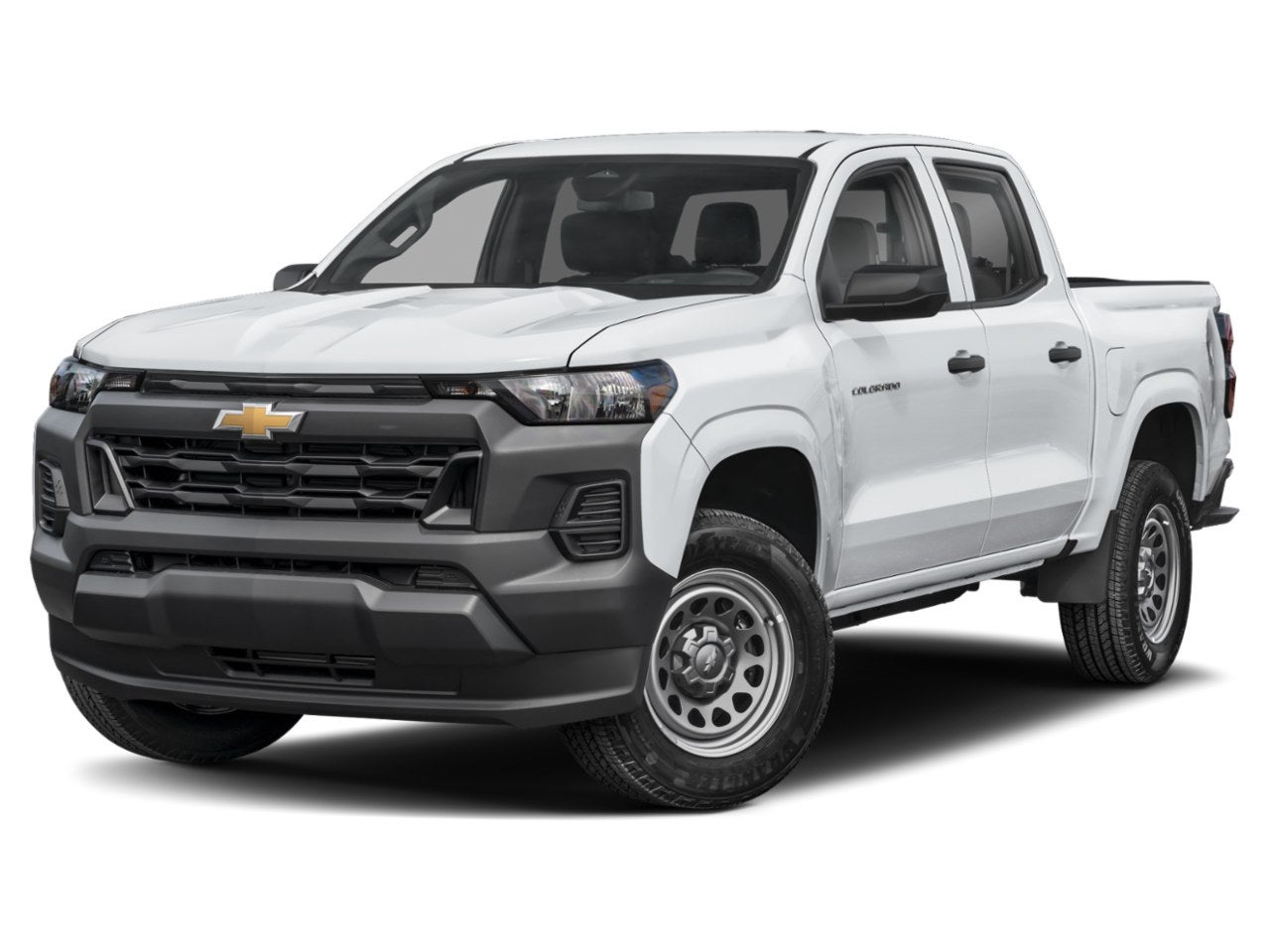


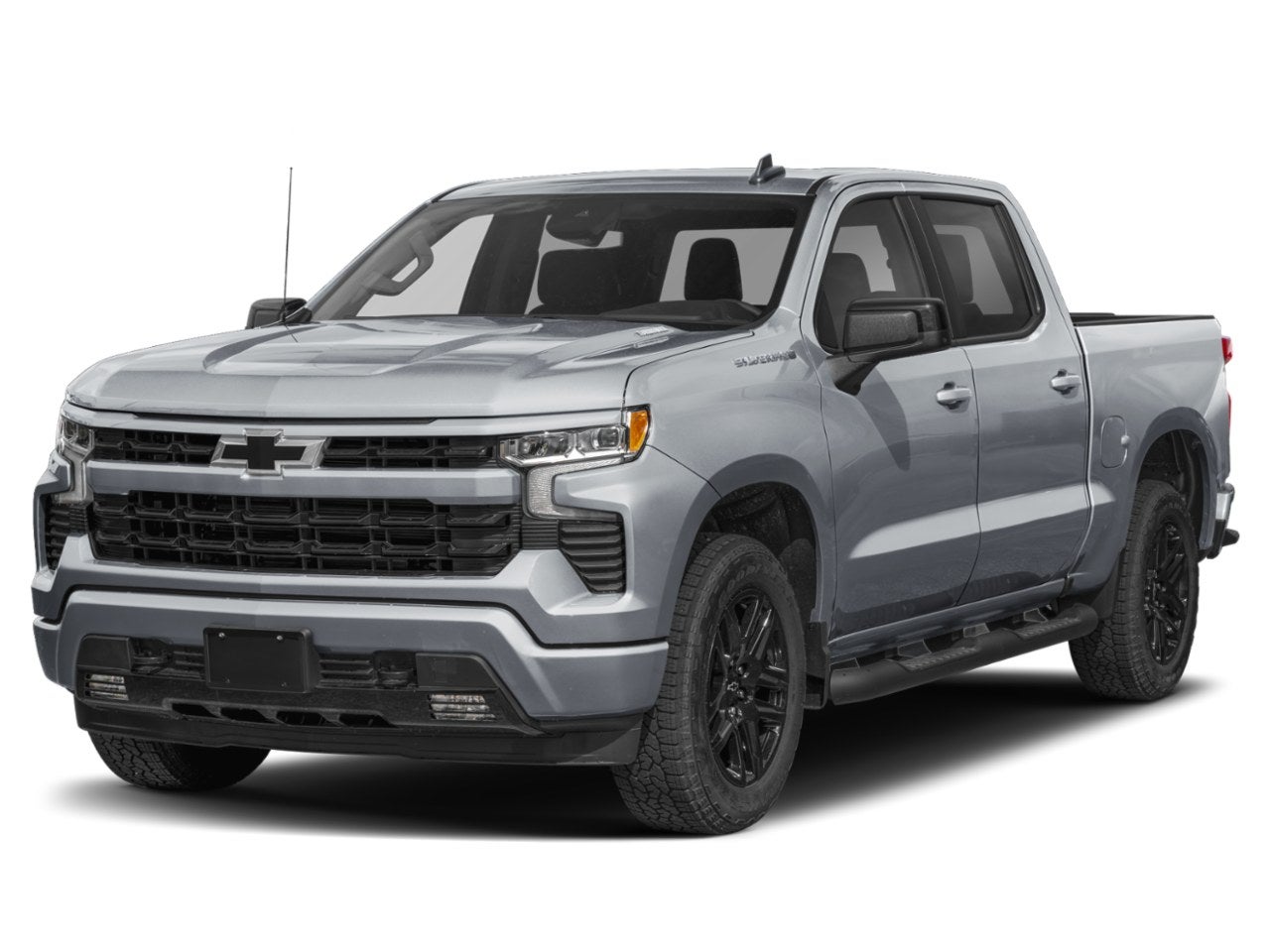
THE SHORT ANSWER For mostly work, start with the Work Truck or Custom and spend on four-wheel drive if your ground gets soft. For work plus family weekends, a Crew Cab Custom or Crew Cab Silverado LT gives you a real back seat and more comfort. The Z71 w/1LT suits drivers who regularly head off pavement. Picking a Silverado 1500 comes down to three choices: cab size, which wheels get power, and how much comfort you want for the money. At North Shore Chevrolet of Smithtown in St James, we help truck shoppers sort through those choices, including people who have never owned a pickup. Here's how we explain them, starting from zero and building to a confident decision. IN THIS POST Truck Terms, Decoded Work Truck, Custom, LT and Z71: What Each Step Gets You Double Cab or Crew Cab: Who Rides With You 2WD or 4WD on Long Island Matching a Trim to Your Week Key takeaways Truck Terms, Decoded Before you compare trucks, it helps to know the words on the window sticker. A Silverado's name usually tells you three things at once. Once you can read it, the lineup stops looking like alphabet soup. Trim: a version of the truck with its own equipment and price. On the 2027 Silverado 1500, the ladder runs Work Truck, Custom, LT and Z71 w/1LT. Cab: the passenger area. Beyond the base Work Truck, you'll see Double Cab and Crew Cab. Both add a rear seat, and the Crew Cab is the roomier of the two, with full-size rear doors. Drivetrain: which wheels the engine drives. 2WD means rear-wheel drive. 4WD means four-wheel drive, which can power all four wheels when traction gets scarce. MSRP: the manufacturer's suggested retail price. It's the starting point before taxes, fees and any offers. So a name like Double Cab Custom (4WD) reads as Custom trim, Double Cab, four-wheel drive. Trucks with the same trim can differ quite a bit in price depending on cab and drivetrain, which is why we suggest settling those two first. One thing you don't have to choose is the engine. Across Work Truck, Custom, LT and Z71 w/1LT, it's a 2.7 L 4-cylinder, so your decision comes down to body, traction and features. Work Truck, Custom, LT and Z71: What Each Step Gets You The Work Truck is the starting point and the most affordable way into a Silverado 1500, from $38,600 for the 2WD version. It's built for job sites, fleets and anyone who wants a capable pickup without paying for extras they won't use. Custom sits one step up. Think of it as the Work Truck with more personality and polish. It's a good fit if the truck doubles as your daily driver and you want it to look the part in the driveway. LT is where comfort and convenience take a bigger jump. That matters if you spend long stretches behind the wheel on the LIE or Route 347. Pricing starts at $47,900 for the Double Cab Silverado LT. At the top of these trims sits the Z71 w/1LT, which pairs LT-level equipment with Chevy's off-road-minded Z71 package. Both Z71 versions come with four-wheel drive, and the Crew Cab tops out at $54,200. Here's a simple rule: buy the lowest trim with the features you'll actually use every week. You can browse our new Silverado inventory to see the trims in person, since the differences are easier to judge side by side than on paper. Double Cab or Crew Cab: Who Rides With You Cab size shapes daily life with a truck more than any other choice. Start by thinking about who sits in it, not just how often. When a Double Cab makes sense A Double Cab gives you a rear seat for occasional passengers, tools you want out of the weather, or a dog. It also costs less, trim for trim. A Double Cab Custom (2WD) starts at $43,600, while the Crew Cab Custom (2WD) starts at $46,000. If the back seat mostly holds gear and a coworker now and then, that gap can go toward a higher trim or four-wheel drive instead. When a Crew Cab is worth it A Crew Cab is the family choice. Adults fit in back for real trips, and full-size rear doors make car seats easier to get in and out. If you're driving kids to practice around Smithtown and friends to the beach on weekends, you'll be glad you paid for it. One more detail: the Crew Cab Work Truck, Crew Cab Silverado LT and Crew Cab Z71 w/1LT are rated at 305 HP, compared with 350 HP for most other trims. In everyday driving, you'll notice the cabin space more than that difference. Still, it's a good reason to book a test drive in the exact truck you're considering. 2WD or 4WD on Long Island Rear-wheel drive (2WD) is simpler and costs less. Four-wheel drive (4WD) adds traction you can call on when the rear wheels alone would spin. The price step is real. On the Double Cab Work Truck, going from 2WD to 4WD moves the MSRP from $41,900 to $45,200, and you'll see a gap of a few thousand dollars across the lineup. Choose 4WD if you: Tow a boat and launch it on wet, slippery ramps Face unplowed side streets or a steep driveway in winter Head onto beaches, fields or job sites with soft ground 2WD can be enough if you: Stick mostly to paved roads like Jericho Turnpike and the LIE Want the lowest price and simpler hardware Plan to run good winter tires when snow hits Four-wheel drive also adds parts that need care over time. Two examples are the transfer case, the gearbox that splits power between the front and rear, and the front differential. Our GM factory-trained World Class and Master Class service technicians handle that upkeep, and you can book service when it's due. Matching a Trim to Your Week Put the pieces together, and most shoppers land in one of three spots. Mostly work: a Work Truck or Double Cab Work Truck, in 4WD if your sites get muddy. You pay for capability, not extras. Work all week, family on weekends: a Crew Cab Custom or Crew Cab Silverado LT. You get the rear seat and a nicer cabin without going all the way to the top. Weekend adventures first: a Z71 w/1LT, with four-wheel drive and the off-road focus built in. Once you've narrowed it down, the next steps are practical. If you're driving something now, value your trade before you shop so you know what it's worth going in. Looking at financing options early also gives you time to compare. What happens after you buy matters too. We keep a large parts inventory, which helps when your truck needs something. We're involved in the community, with customer satisfaction as our top priority. Ask us which trim fits, and we'll tell you honestly if a less expensive one does the job. Where 920 Middle Country Rd St James, NY Call (631) 406-9158 KEY TAKEAWAYS Settle cab size and 2WD vs. 4WD first, because they move the price as much as the trim does. A Crew Cab is worth it if adults or car seats ride in back often. A Double Cab saves money if the rear seat mostly holds gear. Buy the lowest trim that has the features you'll use every week, and test drive the exact version you're considering. FAQ Common questions Is the Custom just a Work Truck with nicer looks? Mostly, yes. It's the step up for people who use the truck every day and want it to feel less like fleet equipment. Equipment can vary from truck to truck, so compare the window stickers on the exact trucks you're considering. Do I need 4WD if I already run winter tires? Not always. Good winter tires on a 2WD truck handle a lot of plowed Long Island roads. If you have a steep driveway, launch a boat, or drive on sand or job-site mud, 4WD gives you a margin that tires alone can't. Is MSRP what I'll actually pay? MSRP is the starting point. Taxes and fees get added, and current offers can lower the price. Ask us for an out-the-door figure on a specific truck so you're comparing real totals. Can you help me finance a Silverado 1500? We can walk you through financing options and submit an application for you. Approval, rate and terms depend on your credit and the lender, so we can't promise a result. Even so, applying early shows you where you stand before you pick a trim. Want to see it in person? Come by for a test drive, or browse what is on the lot right now. Schedule a test drive Browse new inventory Or call (631) 406-9158 · 920 Middle Country Rd, St James Or keep browsing Current offers Financing Value your trade Book service Contact us Used cars
Getting Your Tahoe Ready for a St James Winter
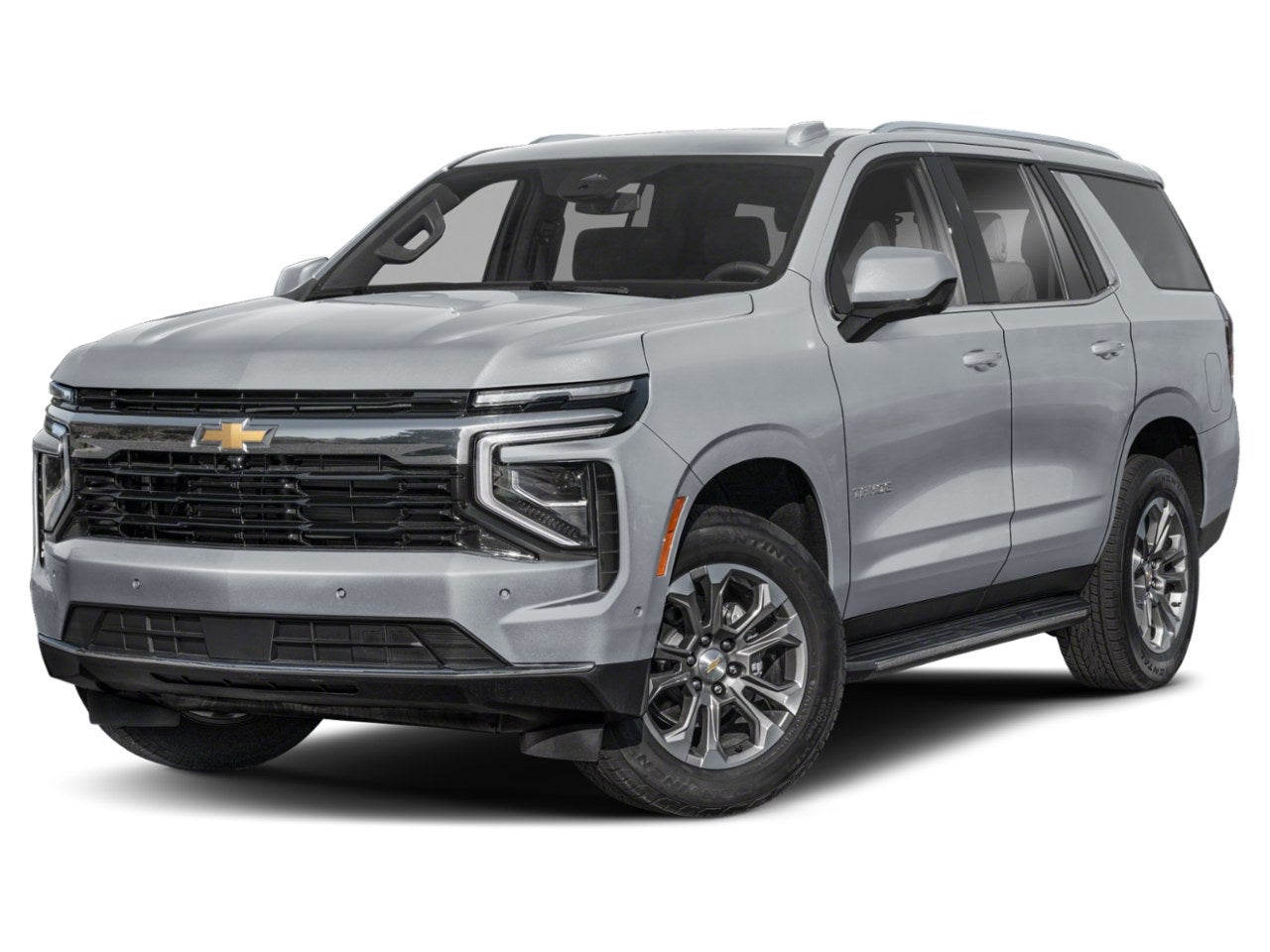
THE SHORT ANSWER Getting a Tahoe ready for winter comes down to four things: tires, the battery and fluids, knowing what your drivetrain can and can't do on snow, and protection from road salt. Most of it fits into an afternoon or a single service visit, and a small emergency kit covers the rest. Winter on the North Shore brings nor'easters, black ice on back roads and a steady coat of road salt. A Chevy Tahoe can handle a lot, but it still needs some preparation before the first storm. At North Shore Chevrolet of Smithtown in St James, we've put together the basics in plain language, starting from scratch, so you know what to check and why it matters. IN THIS POST Tires: Where Winter Grip Starts Four-Wheel Drive and Rear-Wheel Drive, Explained Battery, Coolant and Wipers Salt, Slush and Rust Protection Your Winter Kit and Driving Habits Key takeaways Tires: Where Winter Grip Starts Your tires are the only part of your Tahoe touching the road, so they decide how well it starts, turns and stops on a slick morning. Tread is the patterned rubber on the tire's surface, and its grooves push slush and water away so the rubber can grip. Worn tread can't clear that slush, and a heavy SUV feels the difference right away. Try a quick check at home. Slip a penny into a groove with Lincoln's head pointing down. If you can see the top of his head, the tread is too shallow for winter, and it's time for new tires. All-season or winter tires All-season tires are what most vehicles wear from the factory. They handle rain and light snow, but their rubber stiffens as temperatures fall. Winter tires use a softer rubber and deeper tread cut with sipes, the tiny slits that bite into ice, so they stay flexible in the cold. If you commute early on Route 25A or head out before the plows finish Nesconset Highway, winter tires are worth a serious look. Cold air also lowers tire pressure. Check it monthly while the tires are cold, and fill to the number on the sticker inside the driver's door jamb, not the maximum printed on the sidewall. Four-Wheel Drive and Rear-Wheel Drive, Explained Drivetrain means the parts that send engine power to the wheels. With rear-wheel drive, only the back wheels push the vehicle. Four-wheel drive, often written 4WD, can send power to all four wheels, which helps a big SUV pull away from a snowy curb or climb an icy driveway. Most 2027 Tahoe trims, including the LT, RST, Z71 and High Country, come with four-wheel drive. Some versions, such as one Premier build and the 4DR POLICE, are rear-wheel drive, so confirm which one you own or are shopping for. Your window sticker or registration will tell you, and we can look it up from your VIN, the vehicle identification number. What 4WD does not do Here's the part that surprises new drivers: four-wheel drive helps you go, not stop. Brakes already work on all four wheels of any vehicle, so a 4WD Tahoe needs just as much room to stop on ice as a rear-wheel-drive one. Leave extra space, brake early and gently, and think of 4WD as help getting moving rather than permission to drive faster. Comparing trims with winter in mind? It's worth feeling the difference yourself, so book a test drive and ask us to walk you through the 4WD controls on the model you're considering. Battery, Coolant and Wipers Cold weather is hard on batteries. A battery's cold cranking amps (CCA) rating describes how much power it can deliver to start the engine in freezing weather, and that ability fades as a battery ages. If your Tahoe has been slow to start on chilly mornings, have the battery tested now rather than finding out in a parking lot in January. Coolant, also called antifreeze, keeps your engine from overheating in summer and from freezing in winter. Its protection weakens over time, and a simple test shows whether it still does the job at low temperatures. A short fluids-and-visibility list Washer fluid: switch to a winter blend made not to freeze, since summer fluid can ice up in the lines. Wiper blades: replace them if they streak or chatter, because salt spray from trucks ahead coats the glass fast. Heater and defroster: make sure both blow hot and clear the windshield quickly. Lights: clean the lenses and replace dim bulbs, since winter afternoons get dark early. Our team includes GM factory-trained World Class and Master Class service technicians, and they can check these items in one visit when you book service ahead of the season. Salt, Slush and Rust Protection Long Island road crews lean on salt and brine, a liquid salt mix sprayed before storms. It keeps the Long Island Expressway and the Sunken Meadow Parkway passable, but it clings to the underside of your Tahoe. Over time, that grime speeds up corrosion, the slow chemical process that turns bare metal into rust. Keep the underside clean Wash your Tahoe regularly through the winter, and choose a car wash with an underbody spray. Pick a day when temperatures climb above freezing so door seals and locks don't ice shut afterward. Pay extra attention to the wheel wells, the brake area and the hitch if you have one. Protect the inside, too Slush, sand and salt ride in on boots and soak into carpet. All-weather floor liners are molded trays that trap that mess so you can lift them out and rinse them off. Our parts department can help you find liners and other cold-weather accessories made for the Tahoe. A cargo liner is a smart addition if you haul wet gear, hockey bags or a snowblower part home from the store. Your Winter Kit and Driving Habits A few items in the cargo area can turn a stuck-in-the-snow evening into a minor delay. Keep them together in one bin so they're easy to grab. A snow brush and ice scraper long enough to reach the middle of the roof Jumper cables or a portable jump starter A flashlight, gloves, a warm blanket and a phone charger A small bag of sand or kitty litter for traction under a spinning tire Water and a few snacks Habits that matter more than gear Clear the snow off the roof and hood before you pull out. On a vehicle this tall, a sheet of snow can slide onto your windshield at the first stop sign or blow back toward the car behind you. Keeping the fuel tank at least half full during cold stretches gives you a reserve if traffic stops and you need to run the heater. Drive smoothly. Gentle steering, gradual acceleration and early braking keep a heavy SUV settled when shaded back roads around St James freeze over. We're involved in this community and customer satisfaction is our top priority, so if a question comes up while you're getting ready, contact us anytime. Where 920 Middle Country Rd St James, NY Call (631) 406-9158 KEY TAKEAWAYS Tire tread and tire pressure do more for winter safety than any other single item. Four-wheel drive helps you get moving, but it doesn't help you stop any sooner. Wash off road salt regularly and keep a basic winter kit in the cargo area. FAQ Common questions When should I get my Tahoe ready for winter? Aim for late October or early November, before the first hard freeze. That leaves time to swap tires or replace a weak battery without rushing. Our drive-in service lane makes it easy to stop by for a pre-winter check. Do I need winter tires if my Tahoe has four-wheel drive? Four-wheel drive helps when you're accelerating, but stopping and turning depend on your tires. Plenty of North Shore drivers do fine with healthy all-season tires, while people who drive early mornings or hilly back roads often prefer winter tires. How often should I wash my Tahoe in winter? Try for every week or two while roads are being salted, and soon after a storm. Choose a wash with an underbody spray, and go on a day that's above freezing. Should I warm up my Tahoe before driving? A short warm-up is plenty for a modern engine, and gentle driving warms it faster than idling does. Use that time to brush off snow and let the defroster start clearing the glass. Want to see it in person? Come by for a test drive, or browse what is on the lot right now. Schedule a test drive Browse new inventory Or call (631) 406-9158 · 920 Middle Country Rd, St James Or keep browsing Current offers Financing Value your trade Book service Contact us Used cars