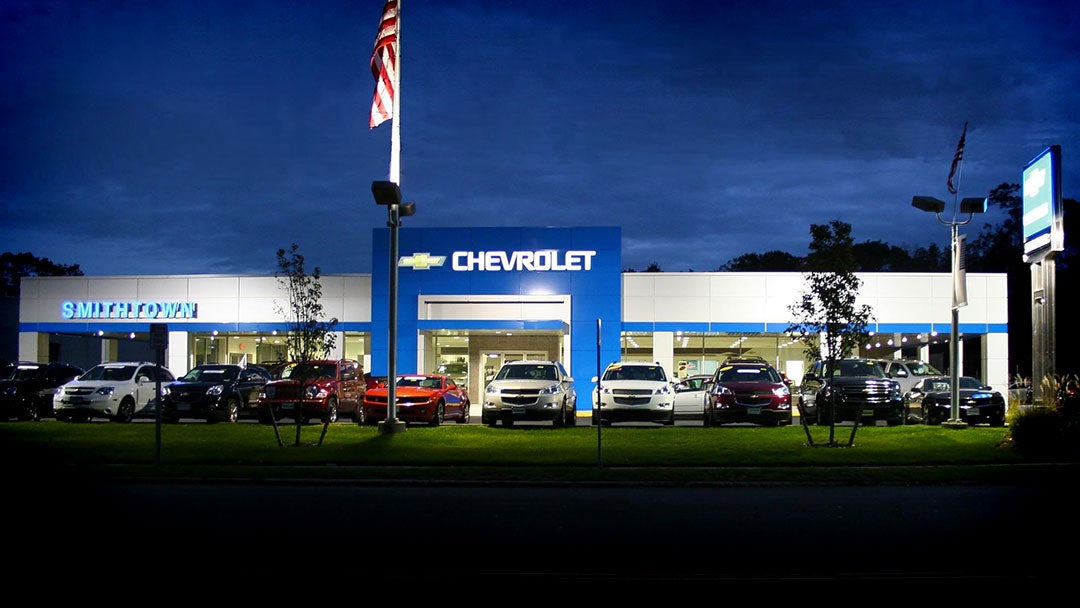





When is the best time to buy a new car? Most people start asking after a moment like this: the check-engine light comes back on during the drive down Route 25A, and the repair estimate is starting to look like a car payment. You don't want to overpay by buying at the wrong moment, but you also don't want to keep pouring money into a car you've outgrown. At North Shore Chevrolet of Smithtown in St James, we help drivers sort out that question regularly, and the honest answer has more layers than one month on the calendar.
- The Mistake Most Buyers Make First
- Start With the Car You're Driving Now
- Decide What You Want Before the Calendar Matters
- How Model-Year Changeover Works
- Holiday Sales Events and Seasonal Timing
- End of the Month, Quarter and Year
- Line Up Your Financing Before You Shop
- Putting Cost and Timing Together
- Key takeaways
The Mistake Most Buyers Make First
The most common mistake isn't picking the wrong month. It's treating the calendar as the whole answer and letting it overrule everything else, like how your current car is holding up and what you actually need next.
We hear about it often. Someone holds off for a year-end sale, then spends the fall paying for repairs on a car they'd already decided to replace. By December, those repair bills have eaten into any savings the sale could offer. Waiting can pay off, but only when the wait itself is cheap.
It can go wrong in the other direction too. A shopper falls for a vehicle on a Saturday afternoon, skips the homework, and signs before comparing trims, financing or trade-in value. Good timing can't rescue a deal you didn't prepare for.
So think of timing in layers. Your own situation comes first, then the vehicle you want, then the calendar. When those three line up, you're in a strong position. If they pull against each other, your situation should usually win, because it's the one costing you money every week you wait.
Start With the Car You're Driving Now
Before you look at a single sales event, take an honest look at your current vehicle. Is it reliable enough for the Northern State or the LIE through another winter? Are bigger repairs on the horizon, like brakes, tires or a transmission that's started to slip? Your answers set your real deadline.
A useful test is to weigh what the next year of ownership will likely cost against what a newer car would cost you. Include repairs, rising maintenance and the time lost while the car sits in the shop. If the old car is solid and inexpensive to keep, you can afford to wait for a good window.
Not sure where it stands? Have it inspected before you decide. Our service department has GM factory-trained World Class and Master Class service technicians, and the drive-in service lane makes a quick check easy to fit into a busy week. You can book a service visit and get a clear picture of what's ahead.
Keep one more thing in mind: your car keeps aging while you wait. Mileage climbs, and a trade that's worth a fair amount today may be worth less after another season of road salt and potholes.
Decide What You Want Before the Calendar Matters
Timing only helps once you know what you're shopping for. A great incentive on a vehicle that doesn't fit your life isn't a deal, so narrow things down first.
Start with how you actually drive. Think about:
- Your commute and the roads you use most, from stop-and-go traffic on Jericho Turnpike to longer highway runs
- How many people and how much gear you carry in a typical week
- Whether winter traction matters for your driveway or neighborhood
- Which features you'd gladly pay for, and which you'd skip
Then get behind the wheel. Driving two or three candidates back to back tells you more than any review, and it's smart to book a test drive so the vehicles you want are ready when you arrive. With a model and trim range chosen, you can watch for timing advantages on that specific vehicle instead of chasing every ad.
It's also worth asking whether new is the right fit at all. A lightly used or GM Certified vehicle can make sense if the budget is tight, and we have a large selection of new, pre-owned and GM Certified vehicles, so comparing them side by side is easy.
How Model-Year Changeover Works
Here's where the calendar starts to matter. New model years often begin arriving in late summer and fall, though the timing varies from vehicle to vehicle. When the new version lands, outgoing model-year units still on the lot need to make room.
Why outgoing models can be a good buy
Automakers and dealers frequently put stronger incentives on the outgoing model year to move those vehicles along. If the changes for the new year are minor, you may get nearly the same vehicle for a better overall deal.
What you give up
Selection thins out as the season goes on. You may not find your first-choice color or trim, and if the new year brings a redesign or a feature you care about, the older version won't have it. A vehicle from the earlier model year can also be worth a bit less when you eventually trade it in, which offsets part of the savings.
A smart first step is to find out what's actually changing for the new year. Then browse our new vehicle inventory to see what's still available in the version you want. If an outgoing model checks every box, that's a strong time to act.
Holiday Sales Events and Seasonal Timing
Holiday weekends are popular for a reason. Memorial Day, the Fourth of July, Labor Day, Black Friday and the year-end holidays often line up with manufacturer sales events, when cash offers, special financing or lease deals may be stronger than usual.
Two things are worth knowing. First, incentives come mostly from the automaker, not the date itself, so specific offers change from event to event and model to model. Second, holiday weekends get busy, which means longer waits, less one-on-one time and popular vehicles moving quickly.
A practical approach:
- Watch our current offers page in the weeks before a holiday
- Ask whether an offer runs past the holiday weekend, since some do
- Visit on a weekday during the event if your schedule allows
- Bring your trade and financing details so you're ready to decide
Seasons play a role on Long Island too. Interest in SUVs and trucks with all-wheel or four-wheel drive tends to rise before winter, while convertibles and sporty cars draw more attention once it warms up. Shopping slightly against the season can leave you with more choice and less competition from other buyers.
End of the Month, Quarter and Year
You've probably heard that the last days of the month are the time to buy, and there's some truth to it. Dealerships and salespeople often work toward monthly, quarterly and annual targets, and manufacturer programs are sometimes tied to them. That can mean extra motivation to finish a sale before a deadline.
December stacks several of these together. Year-end holiday events, leftover outgoing model-year inventory and annual goals can all overlap, which is why it has a reputation as one of the stronger windows for new-car shoppers.
Keep expectations realistic
None of this means a dramatic discount appears on the last Saturday of the month. Popular models in short supply may see little change no matter the date, and the final days of the year can be crowded. A strong deal still depends on the specific vehicle, available incentives and how prepared you are.
Day of the week matters in a quieter way. Weekday mornings and early afternoons tend to be calmer, giving you more time to ask questions, review paperwork and avoid feeling rushed. A relaxed visit usually leads to a better decision than a hurried one.
Line Up Your Financing Before You Shop
Interest rates and financing offers shift over time, and they can affect what you pay as much as any discount. That makes financing part of the timing question, not an afterthought.
A few weeks before you plan to buy, check your credit report and fix any errors you find. Know what monthly payment fits your budget, and decide how much you can put down. Understanding your options early lets you compare a manufacturer's promotional rate against a standard loan or a cash offer, since some promotions make you choose one or the other.
You can look over our financing options to see how the process works and apply ahead of your visit. Approval and rates depend on your credit and the lender, so nothing is settled until a lender reviews your application. Having that step underway still saves time and removes guesswork.
Leasing deserves a look too. Lease offers often move with sales events and model-year timing, and a lease can make sense if you like driving a newer vehicle every few years and stay within typical mileage limits. Compare the total cost of both paths before you choose.
Putting Cost and Timing Together
Once your situation, vehicle and financing are clear, timing becomes the finishing touch rather than the whole strategy. What matters most at this stage is a single number: the total out-the-door cost.
When you compare deals, look past the headline. Ask for a full breakdown that includes the vehicle price, any incentives applied, taxes, registration and fees. We keep it straightforward, with no hidden dealer fees or surprises, because honesty and value are central to how we do business.
Your trade-in belongs in that same math. A strong trade value can matter as much as a holiday incentive, so get your trade valued early and weigh it against what a private sale might bring.
A simple timing plan
- If your car is costing you money now, buy when you're ready and use whatever offers are active
- If it's running well, aim for model-year changeover, a holiday event or the end of a month
- If you want specific features or colors, shop early in the model year when selection is widest
Whatever your timeline, we're glad to talk it through with you at North Shore Chevrolet of Smithtown in St James. Stop by or call with your questions anytime.
St James, NY
- Let your current car's condition and costs set your real deadline before you chase a sale date.
- Model-year changeover, holiday events and month or year-end can bring better incentives, but selection gets thinner.
- Compare the total out-the-door cost, including financing and your trade, rather than the headline discount.
FAQ Common questionsIs the end of the month or the end of the year a better time to buy?Both can work, but year-end tends to stack more advantages at once: holiday sales events, outgoing model-year inventory and annual goals. The end of any month can still bring extra motivation to close a sale. Either way, the vehicle you want and the incentives available on it matter more than the exact date. Do I need to wait for a holiday sale to get a good deal?No. Holiday events often bring stronger manufacturer offers, but incentives run throughout the year and change by model. If your current car needs expensive repairs, buying sooner with whatever offers are active can save you more than waiting for a specific weekend. Should I buy the outgoing model year when the new one arrives?It's often a good value if the changes for the new year are minor and you can find the color and trim you want. You may miss out on updates in the new version, and the older model year can be worth a little less at trade-in time. Check what's changing before you decide. How far ahead should I start shopping?A few weeks to a couple of months gives you time to test drive, check your credit, research financing and get your trade valued. That way, when a good window opens, whether it's a holiday event or the end of a month, you're ready to act without rushing. |
Want to see it in person? Come by for a test drive, or browse what is on the lot right now. Or call (631) 406-9158 · 920 Middle Country Rd, St James |