

Blog

How to Shop for a Used Chevrolet

How to Shop for a Used Chevrolet
THE SHORT ANSWER
Shopping for a used Chevrolet comes down to three steps: decide what you actually need, check the specific vehicle's history and condition, then judge the whole deal by its out-the-door price. Picking the right model is the easy part. Where people get burned is skipping the history report, the inspection and the test drive, or judging the deal by its monthly payment.

So how do you find a used Chevy that's actually a good buy, and not just a clean one that photographs well? That's the question we hear most at North Shore Chevrolet of Smithtown in St James, and the answer is less about luck than about knowing what to check and in what order. Below, we walk you through it the way we'd explain it at the counter, from figuring out what you need to what happens after you drive home.

Before you open a single listing, think about an ordinary week. A daily crawl on the Long Island Expressway, weekend runs out east on Route 25A, hockey bags in the back, a boat trailer in July: those shape the right vehicle far more than paint color or wheel style.

Grab a piece of paper and answer a few honest questions:

- Who rides with you most days, and how many seats do you truly need?

- What do you haul, and how often? Groceries are different from lumber.

- Where do you park? A tight municipal lot in Smithtown or Port Jefferson is a different story from your own driveway.

- Do you need all-wheel or four-wheel drive, or would good winter tires on a front-drive car do the job?

- How long do you plan to keep it?

Now split your answers into **must-haves** and **nice-to-haves**. Third-row seating for a family of six is a must-have. A sunroof usually isn't, however much you'd enjoy it.

That short list does real work. When you start browsing our used cars, you can rule out half the lot in a minute and spend your time on the vehicles that fit. It also keeps you steady when a flashy trim level tries to talk you into something your week doesn't call for.

Matching the Chevy lineup to your life
Chevrolet builds a wide range of vehicles, and a used shopper gets to pick from several model years of each. Knowing roughly where each one sits saves you from comparing a compact crossover to a full-size truck. ### Crossovers and SUVs The Trax and Trailblazer are the small, easy-to-park end of the range, a good fit if you're mostly solo or a couple. Step up to the Equinox when you want more back-seat room for kids and car seats. The Traverse adds a third row without the bulk of a truck-based SUV. If you need serious space or towing ability, the Tahoe and Suburban are the big, body-on-frame choices. ### Trucks, cars and EVs The Colorado is the midsize pickup, easier to live with in town, while the Silverado covers heavier work and towing. On the car side, Chevy has stopped building the Malibu, but plenty of used ones are around, and that makes it one of the more affordable ways into a comfortable sedan. The Bolt EV and Bolt EUV are worth a look if you can charge at home and your driving stays mostly local. Once you've narrowed things to one or two models, compare **trim levels**, not just model names. Two Equinoxes from the same year can feel like different vehicles depending on the trim and options.
Build a budget around the total cost
Most people set a budget around the price on the windshield. A better number is what the vehicle costs you to own each month, all in. Here's what goes into that number: - The vehicle price plus New York sales tax and DMV registration and title fees - Your loan payment, which depends on the rate, the term and your down payment - Insurance, which on Long Island can change a lot from one model to the next - Fuel or charging, based on your actual commute - Upcoming maintenance, like tires or brakes the vehicle may need soon Before you fall for a particular truck, get an insurance quote using its VIN. Two similar vehicles can carry noticeably different premiums, and it's better to learn that before you sign than after. On financing, shop the rate as carefully as the vehicle. A longer term lowers the payment but usually costs more over the life of the loan, so look at the **total amount financed and paid**, not just the monthly figure. Rates depend on your credit, the lender and the age of the vehicle, so nobody can promise you a number in advance. You can compare a bank or credit union offer with our financing options and keep whichever works better for you.
Certified, dealer used or older and cheaper
Used Chevys tend to fall into three groups, and knowing which one you're looking at tells you a lot about the risk you're taking on. ### GM Certified These are newer, lower-mileage vehicles that have passed a factory-set inspection and come with extra warranty coverage from GM. You pay more than you would for a similar non-certified vehicle, and in return you get **coverage that kicks in after the sale**. Ask for the exact terms in writing, because coverage periods and what's included can change with the program year. ### Dealer used and older vehicles A regular used vehicle from a dealer has usually been inspected and reconditioned, but it carries whatever factory warranty is left, if any. Older, higher-mileage vehicles cost less up front and ask more of you: more homework, a closer inspection and a cushion in your budget for repairs. Neither path is right for everyone. If you want predictability and plan to keep the vehicle for years, start with our certified pre-owned Chevys. If you're buying a first car for a new driver or a second vehicle for short local trips, a well-kept older model can be the smarter use of your money. We carry a large selection of new, pre-owned and GM Certified vehicles, so it's easy to put these options side by side on the same visit.
Read the history before you fall in love
A vehicle history report won't tell you everything, but it will tell you plenty, and it takes about five minutes to read. We're a CARFAX Advantage Dealer, so ask us for the report on any vehicle you're serious about. Here's what to look for: - **Title brands** like salvage, rebuilt or flood. Long Island still sees cars that went through Superstorm Sandy or later flooding, and water damage can cause electrical problems years later. - Accident reports, plus what kind of damage was noted. A minor scrape is different from structural or airbag-deployment damage. - The number of owners and how long each one kept the vehicle. - Service records. Regular oil changes on schedule are a very good sign. - Past use as a rental, fleet or lease vehicle. - Where it was registered. Years in a snowbelt state mean years of road salt. Gaps in the history aren't automatically a problem, since plenty of owners use independent shops that don't report. Just ask about them. Next, run the VIN through NHTSA's free recall lookup at nhtsa.gov/recalls. Open recalls on a Chevy can be fixed at no charge at a Chevrolet dealer, but you want to know about them up front, and you want to see that the fix has actually been done.
Inspect it like a Long Islander
Salt, potholes and stop-and-go traffic leave their marks, so a walk-around here should focus on a few things in particular. ### Underneath and outside Crouch down with a flashlight and look at the rocker panels, the bottoms of the doors, the wheel wells and the brake lines. Surface rust on the frame of a Silverado or Tahoe is normal, but **flaking, bubbling or holes** are not. Check that the panel gaps line up and the paint matches from panel to panel, since a mismatch can point to body work the history report missed. Tires tell their own story. Uneven wear on the inside or outside edges suggests alignment trouble, and mismatched brands can mean a past owner cut corners. On the sidewall, the last four digits of the DOT code show the week and year each tire was made. ### Inside and under the hood A musty smell or damp carpet is a warning sign, so lift a floor mat. Test every window, lock, seat adjuster, the touchscreen, the backup camera and the climate control on both heat and A/C. Under the hood, look for leaks, crusty battery terminals and fresh fluid that seems to be hiding something. For peace of mind on an older vehicle, ask about an independent pre-purchase inspection. A reasonable dealer won't object.
Where
920 Middle Country Rd
St James, NY
KEY TAKEAWAYS
  • Know your must-haves and your real total budget before you start browsing.
  • Read the vehicle history report and check open recalls by VIN, then inspect for rust and wear and test-drive on roads like the ones you use every day.
  • Ask for an out-the-door price in writing, and keep your trade-in conversation separate from the purchase.
FAQ

Common questions

Is mileage or age more important on a used Chevy?

Neither one tells the whole story by itself. A newer vehicle with lots of highway miles and steady service records can be in better shape than an older one with low miles that sat for long stretches or made only short trips. Look at mileage, age and maintenance history together, and let the inspection and test drive settle the question.

Is a GM Certified vehicle worth paying more for?

It depends on how long you plan to keep it and how much repair risk you're comfortable with. Certification adds a factory-set inspection and extra GM warranty coverage, which many buyers value for a vehicle they'll drive for years. If you're buying an inexpensive second car for short trips, a well-kept non-certified vehicle may make more sense.

Can I buy a used Chevy if my credit isn't great?

Lots of people with less-than-perfect credit do finance a used vehicle, but approval and rates depend on your credit history, income, down payment and the lender, so no one can promise an outcome. A bigger down payment and a realistic budget often help. It's worth comparing an outside offer from a bank or credit union with dealer financing.

Should I get an independent inspection on a used car from a dealer?

On older or higher-mileage vehicles, it's a smart move, and a reasonable dealer won't object. A mechanic you trust can put the vehicle on a lift and spot rust, leaks or worn parts that are hard to see on a driveway walk-around. On a GM Certified vehicle, the factory inspection and warranty already cover much of that risk.

What should I bring when I'm ready to buy?

Bring your driver's license, proof of insurance or your agent's contact information, and any pre-approval letter from your bank. If you're trading in a vehicle, bring its title or loan payoff details, all of its keys and any service records you have. Calling ahead to confirm the vehicle is still available saves you a wasted trip.
Want to see it in person?
Come by for a test drive, or browse what is on the lot right now.
Or call (631) 406-9158 · 920 Middle Country Rd, St James

Recommended Posts

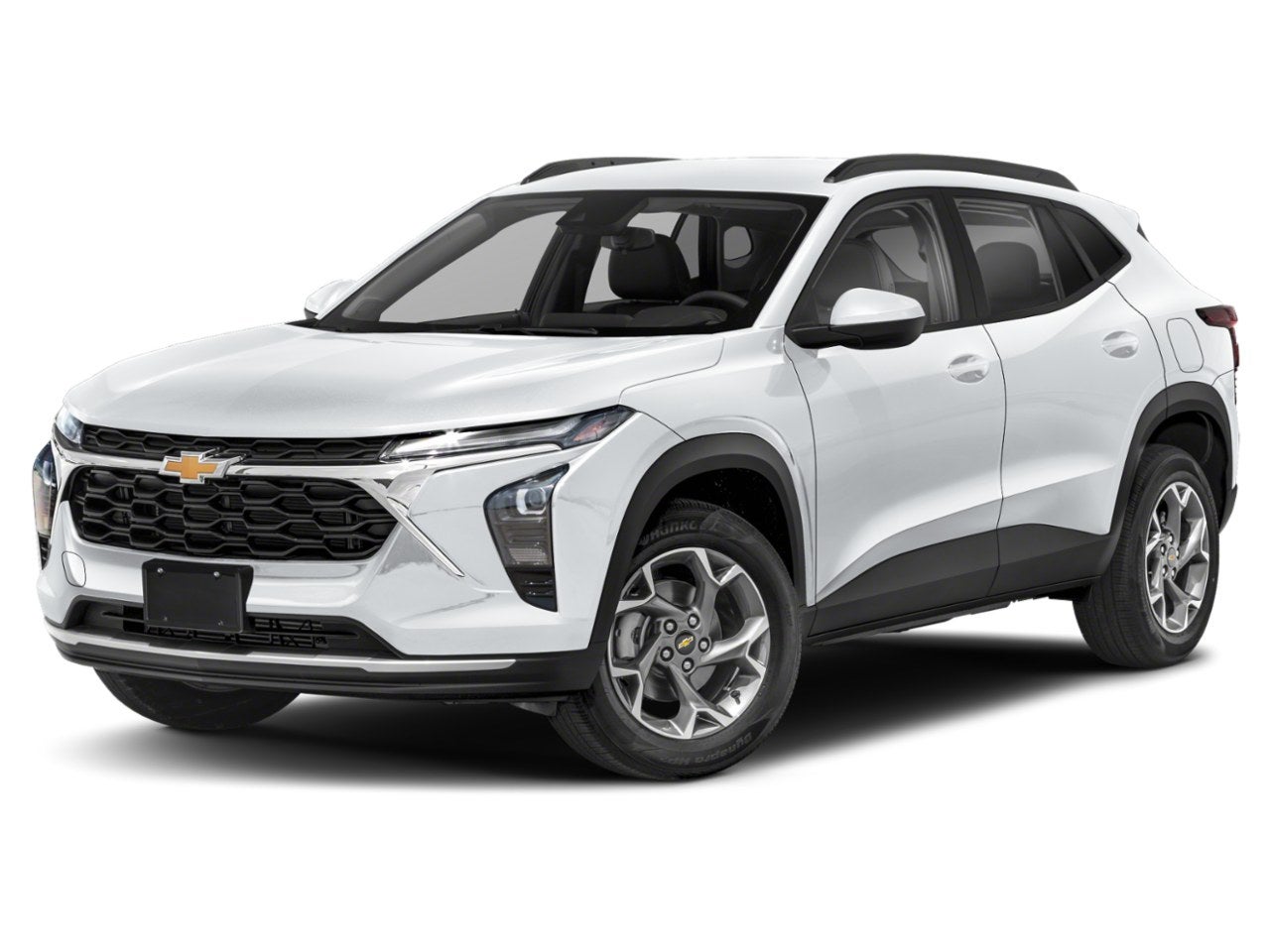
2026 Chevrolet Trax front three-quarter exterior

Chevrolet Trax vs Trailblazer: What's the Difference?

THE SHORT ANSWER The Chevrolet Trax is the roomier, lower-slung, front-wheel-drive value pick. The Chevrolet Trailblazer is a bit taller and more upright, and it's the one of the two you can get with all-wheel drive. Choose the Trax for space and value, and the Trailblazer if all-wheel drive matters to you. Chevy builds two small crossovers that sit side by side on our lot, and shoppers ask us all the time how the Trax and Trailblazer actually differ. At North Shore Chevrolet of Smithtown in St James, we walk new buyers through this choice every week. The short version is that they're close in size and price but built for slightly different drivers. Here's how to tell which one fits the way you drive around the North Shore. IN THIS POST Trax and Trailblazer: The Basics Trax vs Trailblazer: Size and Shape Front-Wheel Drive vs All-Wheel Drive Trax vs Trailblazer: Trims and Features How to Choose, and Your Next Step Key takeaways Trax and Trailblazer: The Basics Let's start with the words you'll hear on the lot. A crossover is a vehicle built like a car underneath but shaped like an SUV, with a raised seating position and a hatchback in the rear. "Subcompact" and "compact" describe size classes, and both of these Chevrolets live at the small, easy-to-park end of the range. The Chevrolet Trax is the entry point to Chevy's SUV lineup. Its current generation grew noticeably, so it no longer feels like a tiny city car. It rides low and stretches long, which gives it a sporty look and a surprisingly generous back seat. Next up is the Chevrolet Trailblazer. It sits a step taller and wears a boxier, more rugged shape, closer to what most people picture when they hear "SUV." That upright profile is part of its appeal for drivers who like a commanding view out the windshield. Both are Chevrolets, so they share a lot: modern turbocharged engines tuned for everyday efficiency, simple controls, and the same dealer network for service. The differences come down to shape, drivetrain, and which features matter most to you. Trax vs Trailblazer: Size and Shape Chevrolet Trax Think of the Trax as long and low. Its stretched body puts the room where you feel it, in rear legroom and a cargo area that swallows grocery runs and a weekend bag without a fight. Getting in and out is easy because you slide across rather than climb up. A lower roof also helps it feel planted on twisty roads like Route 25A through Head of the Harbor. If you're tall or regularly carry adults in back, sit in the second row of a Trax before you decide anything. Chevrolet Trailblazer Here you get a taller, more upright cabin. You sit higher, which many drivers like for seeing over traffic on the Northern State or the LIE. The squared-off shape also makes the cargo opening practical for bulky items. Some Trailblazer trims offer a front passenger seat that folds flat, so a long box from a home store can ride inside with the hatch closed. That's a handy trick if you haul awkward stuff now and then. Walk around both in our new Chevrolet inventory and you'll see the difference in seconds: one is sleek, the other stands tall. Front-Wheel Drive vs All-Wheel Drive This is the biggest practical split, so let's define the terms. Front-wheel drive (FWD) means the engine powers only the front wheels. It's simple, efficient, and with good tires it handles most Long Island weather well, since the engine's weight sits over the wheels doing the pulling. All-wheel drive (AWD) sends power to all four wheels when it senses slip. It helps most when you're pulling away on a snowy hill, a slick on-ramp, or a driveway covered in wet October leaves. The Chevrolet Trax comes with front-wheel drive. For many St James and Smithtown drivers who stick to plowed main roads, that's all they need, and it keeps the Trax simple and affordable. Pair it with a set of winter tires and it becomes a confident cold-weather commuter. All-wheel drive is available on the Chevrolet Trailblazer. If you live on an unplowed side street, head out early before the trucks come through, or drive to ski trips upstate, that option is worth a close look. One honest point: AWD helps you go, not stop. Tires do the stopping, so good rubber matters on either model. Trax vs Trailblazer: Trims and Features A trim is a version of a model with its own set of standard features. Moving up the trims usually adds comfort, tech, and styling. Here's how the lineups shape up: Chevrolet Trax: LS, 1RS, LT, 2RS, and ACTIV. The RS versions bring a sportier look, while ACTIV leans toward a rugged style. Chevrolet Trailblazer: LS, LT, ACTIV, and RS, with all-wheel drive available on select trims. Both come with Chevy Safety Assist as standard. That's a bundle of driver aids that includes automatic emergency braking (the car can brake if it detects a likely front collision), lane keep assist, forward collision alert, and automatic high beams. You get this core protection on every trim of either model. Inside, both offer a touchscreen with wireless phone connectivity, so your maps and music show up without a cable. Higher trims add touches like heated seats and more comfort features, which are welcome on a raw November morning. The Trax generally starts at a lower price, which makes it a strong value play. If the numbers are what's steering your decision, our team can walk you through your financing options and current terms, though approval always depends on your own credit profile. How to Choose, and Your Next Step By now the picture should be clear. Ask yourself a few plain questions: Do you regularly carry passengers in back? The Trax's long cabin is hard to beat. Do you want AWD for hills, early starts, or unplowed streets? Look at the Trailblazer. Do you prefer a low, sporty seat or a tall, upright view? Sit in both. Is the lowest monthly cost the priority? Start with the Trax. Fall is a smart time to decide. October on the North Shore brings wet leaves and darker evening commutes, and you'll want your new ride settled before the first winter storm rolls in off the Sound. Driving both back to back on familiar roads tells you more than any brochure. When you're ready, book a test drive and we'll have a Trax and a Trailblazer ready side by side. Bring your car seat, your gym bag, or whatever you haul most, and see how each one handles it. After you buy, our drive-in service lane and GM factory-trained World Class and Master Class service technicians are right here in St James to keep it running right. Where 920 Middle Country Rd St James, NY Call (631) 406-9158 KEY TAKEAWAYS The Trax gives you a long, roomy cabin and the friendliest starting price of the two. The Trailblazer offers available all-wheel drive and a taller, more traditional SUV stance. Both come standard with Chevy Safety Assist, so you're not giving up core safety tech either way. FAQ Common questions Is the Chevrolet Trax bigger than the Trailblazer? The Chevrolet Trax is longer and roomier in back, while the Chevrolet Trailblazer is taller. If rear-seat space is your priority, the Trax is a great place to start. Can I get all-wheel drive on the Chevrolet Trax? The Chevrolet Trax is front-wheel drive, which handles most Long Island driving well, especially with good winter tires. If you want all-wheel drive, the Chevrolet Trailblazer offers it on select trims. Which one is the better value? The Chevrolet Trax generally starts at a lower price and still gives you a roomy cabin and standard Chevy Safety Assist. That combination makes it a strong value for most commuters. Do both models come with safety features standard? Yes. Both the Chevrolet Trax and the Chevrolet Trailblazer include Chevy Safety Assist on every trim, with features like automatic emergency braking and lane keep assist. Want to see it in person? Come by for a test drive, or browse what is on the lot right now. Schedule a test drive Browse new inventory Or call (631) 406-9158 · 920 Middle Country Rd, St James Or keep browsing Current offers Financing Value your trade Book service Contact us Used cars

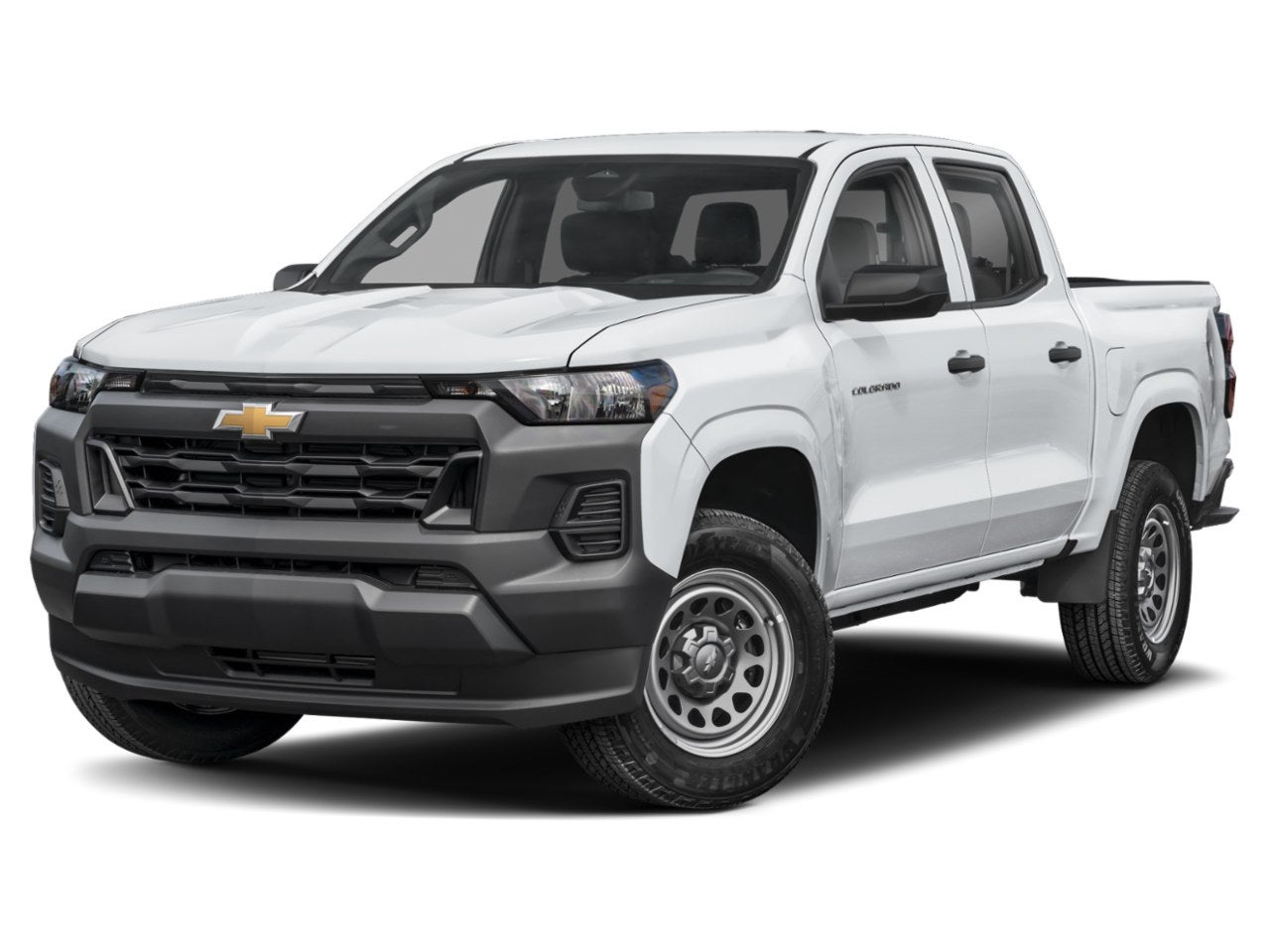
2026 Chevrolet Colorado Trail Boss, 4WD front three-quarter exterior

Chevrolet Colorado vs Silverado 1500: Picking the Right Truck Size

THE SHORT ANSWER For most drivers around St James, the midsize Chevrolet Colorado is the right size: it's easier to park and garage, costs less than a full-size pickup, and every trim gets a strong 350 HP engine. The Silverado 1500 is the step up for owners who tow or haul heavy loads week after week. Choosing a pickup starts with one big question: how much truck do you actually need? At North Shore Chevrolet of Smithtown in St James, we sell both the midsize Chevrolet Colorado and the full-size Silverado 1500, so we see every day which size fits which driver. We'll start from the basics and build up, so no truck knowledge is required. IN THIS POST Colorado vs Silverado 1500: Truck Sizes Defined Colorado Power and Fuel Economy, Explained Colorado Trims, From WORK TRUCK to CREW CAB ZR2 Colorado vs Silverado 1500 on Long Island Roads Test-Drive the Colorado at North Shore Chevrolet of Smithtown Key takeaways Colorado vs Silverado 1500: Truck Sizes Defined Pickups come in size classes. A midsize truck like the Chevrolet Colorado is narrower and shorter than a full-size truck, yet it still has an open cargo bed and real truck hardware underneath. Step up to a full-size truck like the Silverado 1500 and you get a bigger, heavier vehicle. That "1500" marks it as the half-ton model, the lightest-duty member of the Silverado family. A few more terms come up constantly: Cab: the passenger area. A crew cab has four full doors and a usable back seat. Bed: the open cargo box behind the cab. Trim: a version of the same truck with its own equipment and price. MSRP: the manufacturer's suggested retail price, before taxes, fees or discounts. Why does size matter so much? It shapes how a truck parks, how it fits in a garage, what it costs to buy, and how much it can carry or pull. For most people around St James, the Colorado handles daily driving, weekend hauling and family duty in a package that's easier to live with. You can browse both trucks in our new truck inventory to see the size difference for yourself. Colorado Power and Fuel Economy, Explained Every Colorado trim uses the same 2.7 L 4-cylinder engine making 350 HP. For a first-time truck buyer, that's a real advantage. You don't have to decode an engine menu or pay extra for the stronger motor, because the strong motor comes standard. 2WD vs 4WD Two-wheel drive (2WD) on the Colorado means rear-wheel drive, where the engine powers only the back wheels. Four-wheel drive (4WD) can send power to all four, which helps on snowy side streets, slick boat ramps and sandy beach access. Rear-wheel drive costs less and uses less fuel, with the 2WD trims rated 19 mpg city and 24 highway. Where the Silverado 1500 fits The Silverado 1500 offers a wider spread of engines, including V8 options, for owners who tow heavy loads often. A bigger truck also means hauling more of its own weight around on every trip. For commuting on the Northern State or Route 347 with occasional hauling, the Colorado's single strong engine is the simpler choice. Colorado Trims, From WORK TRUCK to CREW CAB ZR2 Think of trims as steps on a ladder. Pricing starts at $33,500 for the WORK TRUCK (2WD) and climbs to $50,800 for the CREW CAB ZR2, and the engine stays the same the whole way up. What changes is equipment, comfort and off-road hardware. WORK TRUCK: the no-frills starting point, offered in 2WD or 4WD, built for jobs and tight budgets. CREW CAB LT: four full doors and more comfort features, also in 2WD or 4WD, a natural family pick. CREW CAB TRAIL BOSS: standard 4WD with a tougher, trail-ready setup for dirt roads and beach runs. CREW CAB Z71: 4WD with more off-road equipment and a step up in feel. CREW CAB ZR2: the most off-road-focused Colorado, with fuel economy of 16 mpg across the board as the trade-off. Most North Shore families land on the CREW CAB LT or CREW CAB TRAIL BOSS. Either one gives you the back seat you need for kids or coworkers without paying for hardware you'll rarely use. Before you decide, check our current Colorado offers, since deals change from month to month. Colorado vs Silverado 1500 on Long Island Roads Size is where the Colorado earns its keep day to day. A narrower, shorter truck slips into tight spots at the Smithtown train station, handles the curves on Route 25A with ease, and has a better shot at fitting in an older Long Island garage. It also costs less up front than a full-size pickup, which can keep monthly payments easier to manage. When a Silverado 1500 makes sense Some drivers do need full-size. Pulling a large boat to the marina every weekend, hauling heavy equipment for work, or carrying adults in the back seat daily are jobs the Silverado 1500 is built to handle. Both trucks are Chevrolets, so you get the same support from us either way. Here's an honest rule of thumb: buy for the hauling you do most weeks, not the one big job a year. Rent or borrow for the rare exception. Our team can walk you through financing options on either truck, with terms that depend on your credit and lender approval. Test-Drive the Colorado at North Shore Chevrolet of Smithtown Reading only gets you so far. Sitting in a Colorado, backing it into a space and taking it onto the highway tells you more in twenty minutes than any spec sheet. Bring your usual passengers, and if you tow, describe your trailer so we can talk it through. What to check on your drive Visibility over the hood and around the bed when parking Back-seat room in the crew cab for your passengers How 2WD and 4WD trims feel on the same route Whether your gear fits the bed After the sale, our GM factory-trained World Class and Master Class service technicians look after your truck, and our drive-in service lane keeps routine visits simple. We're involved in the community, with customer satisfaction as our top priority. When you're ready, book a Colorado test drive and we'll have one waiting. Where 920 Middle Country Rd St James, NY Call (631) 406-9158 KEY TAKEAWAYS Buy for the hauling you do most weeks, and for most drivers that points to the Colorado. Every Colorado trim shares the same 2.7 L 4-cylinder, so you choose by equipment, not engine. The CREW CAB LT and CREW CAB TRAIL BOSS cover most family, beach and snow needs on the North Shore. FAQ Common questions Is the Chevrolet Colorado big enough for a family? For most families, yes. The CREW CAB trims have four full doors and a real back seat, and every Colorado comes with the same strong 2.7 L 4-cylinder, so you get plenty of power without moving up to a full-size truck. Do I need 4WD on Long Island? Plenty of drivers do fine with a 2WD Colorado for commuting and errands. If you deal with snowy hills, boat ramps or beach driving, a 4WD Colorado such as the CREW CAB TRAIL BOSS is the better fit. What's the most affordable Colorado? The WORK TRUCK (2WD) starts at $33,500 MSRP, before taxes and fees. It has the same engine as the pricier trims, which makes it a strong value for work or a first truck. Colorado or Silverado 1500 for towing a small trailer? For utility trailers, small boats and personal watercraft, start with the Colorado. Bring your trailer details when you visit, and we'll help you choose the Colorado trim that suits the job. Want to see it in person? Come by for a test drive, or browse what is on the lot right now. Schedule a test drive Browse new inventory Or call (631) 406-9158 · 920 Middle Country Rd, St James Or keep browsing Current offers Financing Value your trade Book service Contact us Used cars

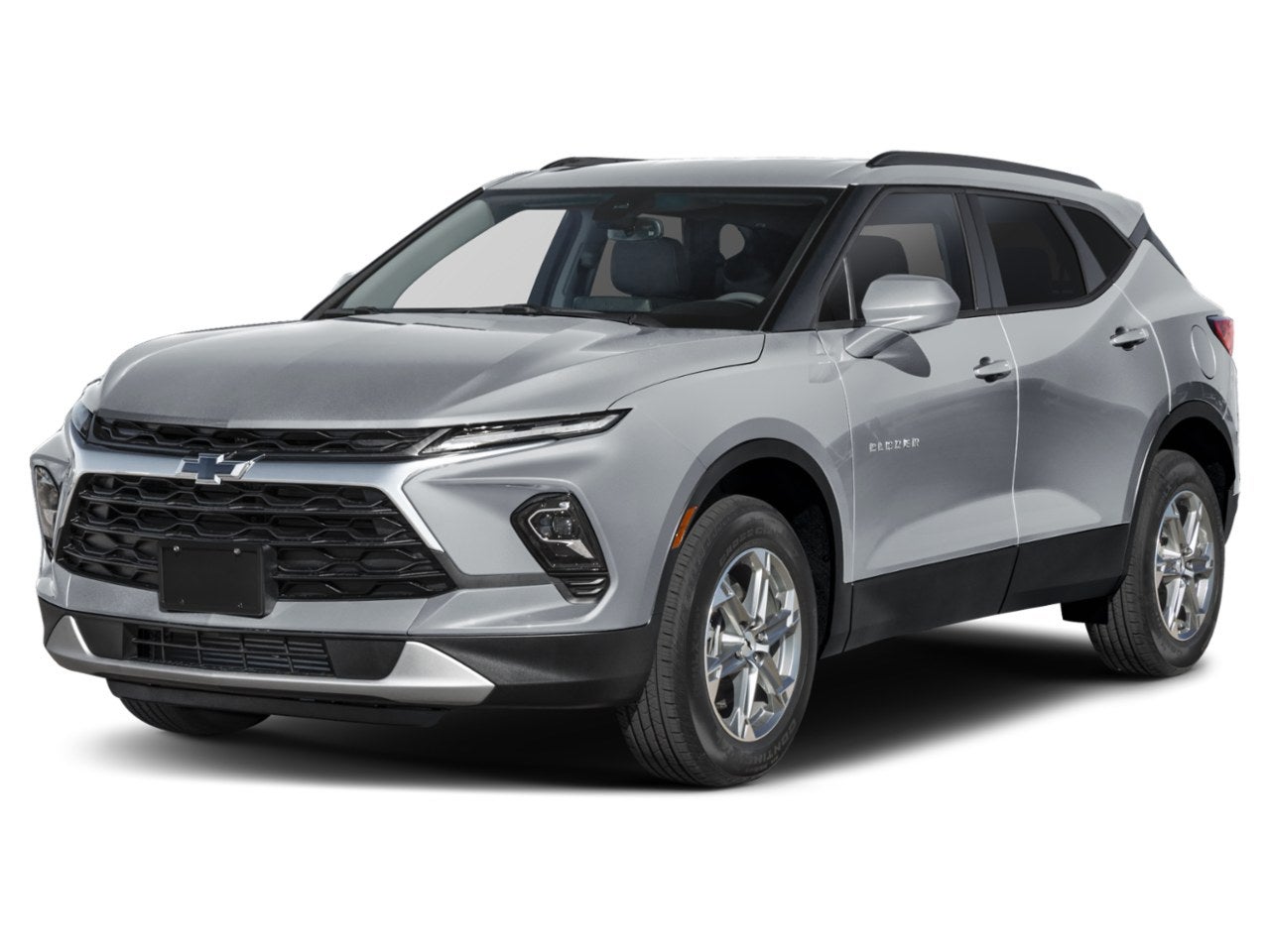
2026 Chevrolet Blazer LT front three-quarter exterior

Chevrolet Blazer Trims Explained: Finding the Right Fit

THE SHORT ANSWER All five versions of the 2026 Chevrolet Blazer share one turbocharged engine, five seats and the same cargo space. Your choice comes down to front- or all-wheel drive, how many comfort features you want, and budget. Start with the 2LT for value, choose an all-wheel-drive version for winter traction, and look at the 3LT or RS for more comfort and style. Shopping for a Chevrolet Blazer gets confusing fast, because 2LT, 3LT and RS on a window sticker don't explain themselves. At North Shore Chevrolet of Smithtown in St James, we walk shoppers through these choices every week. Below, we start with the basic terms, then show you what each 2026 Blazer trim is and who it suits, so you can pick the right one with confidence. IN THIS POST Start Here: The Words on a Window Sticker What Every 2026 Blazer Has in Common 2LT and 4DR LT W/2LT: The Value Entry Point 3LT, 4DR LT W/3LT and RS: Stepping Up Choosing Your Blazer, and Next Steps Key takeaways Start Here: The Words on a Window Sticker A trim is one version of a model, with its own features and its own price. Chevrolet names Blazer trims with letters and numbers. On the 2026 lineup you'll see 2LT, 3LT and RS, plus two all-wheel-drive versions labeled 4DR LT W/2LT and 4DR LT W/3LT. In those labels, "4DR" just means four doors. A few more terms come up right away: MSRP: manufacturer's suggested retail price. This is the starting price Chevrolet sets, before taxes, fees and any added options. Drivetrain: which wheels the engine powers. Front-wheel drive (FWD) sends power to the front two. All-wheel drive (AWD) can send it to all four. MPG: miles per gallon. When you see three numbers, they're city, highway and combined, in that order. Horsepower (hp): a measure of the engine's strength. More horsepower generally means quicker acceleration. Cubic feet (cu ft): the unit used to measure cargo space. Once those terms make sense, comparing trims stops feeling like guesswork. You're really answering three questions: which wheels you want driven, how much comfort you want inside, and what price feels right. What Every 2026 Blazer Has in Common Here's the part that makes the decision simpler: you don't have to choose an engine. All five versions use a 2.0L turbocharged 4-cylinder that makes 228 hp. A turbocharger forces extra air into the engine, which lets a smaller engine feel stronger. You'll notice it when you're merging onto the Long Island Expressway or pulling out into traffic on Route 347. Seating stays the same across the lineup too. Every Blazer has two rows and seats five, which works well for a family of four or five. If you regularly carry six or more people, you'll want a three-row SUV instead. Cargo room doesn't change either. You get 30.5 cu ft behind the rear seat, which in everyday terms means space for a big grocery run, hockey bags, or luggage for a weekend out east. So moving up the lineup doesn't get you more power or more space. You're choosing drivetrain, features and price, and that keeps the comparison manageable. 2LT and 4DR LT W/2LT: The Value Entry Point 2LT, front-wheel drive The 2LT is where the Blazer lineup begins, with an MSRP of $34,300. It uses front-wheel drive and shares the top highway rating in the lineup at 29 MPG. If most of your driving is commuting on the Northern State Parkway or running errands around St James, front-wheel drive handles that well. In a typical Long Island winter, good tires make a big difference. 4DR LT W/2LT, all-wheel drive This is the 2LT with all-wheel drive added, and its MSRP is $37,000. You give up some fuel efficiency in exchange for extra traction. Its rating comes in at 27 mpg highway and 24 combined. Expect a slightly bigger fuel bill than with the front-wheel-drive 2LT. All-wheel drive helps on snowy mornings, steep driveways and slick back roads along the North Shore. It won't help you stop any faster, so tires still matter, but it does help you get moving with less wheel spin. The best way to feel the difference is to book a test drive in both versions. 3LT, 4DR LT W/3LT and RS: Stepping Up 3LT and its all-wheel-drive twin The 3LT keeps the same engine and cargo room and adds more comfort and convenience features. Its MSRP is $39,700. It's front-wheel drive and matches the 2LT's highway rating, so the step up costs you nothing in efficiency. Want the 3LT with all-wheel drive? That's the 4DR LT W/3LT, with an MSRP of $42,400. Its fuel economy matches the all-wheel-drive 2LT. RS The RS is the sport-styled Blazer at the top of the lineup, with an MSRP of $43,600. Its highway rating is 26 MPG with front-wheel drive, and it also comes with all-wheel drive. Ask us which drivetrain a particular RS has. Choose it if a sportier look matters to you as much as practicality. When you compare these upper trims, sit in them one after another. Feature differences are much easier to judge with your hands on the controls. You can browse our new Blazer inventory to see which trims are on the lot right now. Choosing Your Blazer, and Next Steps Narrow it down by answering a few honest questions: Do you leave early on snowy mornings or have a hilly driveway? Lean toward an all-wheel-drive version. Is most of your driving on the highway? Front-wheel drive gives you the better rating. Is budget the deciding factor? The 2LT gives you the same engine and room for the least money. Do comfort and style matter most? Start with the 3LT or RS. Next, work out the money side. Keep in mind that MSRP is a starting point, and taxes and fees come on top. We can help you explore your financing options. Rates and approval depend on your credit and the lender, so it's smart to look at a few payment scenarios before you settle on a trim. We have a large selection of new, pre-owned and GM Certified vehicles, so if a used Blazer fits your plans better, we'll show you those too. We also keep a large parts inventory for the years you own it. We're involved in the community, and customer satisfaction is our top priority, so ask us anything along the way. Where 920 Middle Country Rd St James, NY Call (631) 406-9158 KEY TAKEAWAYS Every 2026 Blazer has the same engine, power, seating and cargo room, so you're never giving up space or muscle by choosing a lower trim. The real decisions are front- or all-wheel drive, the level of features, and price. Drive the trims back to back, because feature differences are easier to judge in person than on paper. FAQ Common questions Which Blazer trim costs the least? The 2LT has the lowest MSRP in the 2026 lineup. Remember that MSRP doesn't include taxes, fees or any added options, so your final price will be higher. Do the more expensive Blazer trims have a bigger engine? No. Every trim uses the same turbocharged four-cylinder with the same horsepower. Higher trims add features, style and, on some versions, all-wheel drive. Does the Chevrolet Blazer have a third row? No. The Blazer has two rows and seats five. If you need room for six or more, ask us about a larger three-row Chevrolet SUV. Do I need all-wheel drive on Long Island? Not always. Front-wheel drive with good tires handles most winter commutes. All-wheel drive is worth considering if you drive early in snow, live on a hill, or want extra confidence on slick roads, and it costs you some fuel economy. Want to see it in person? Come by for a test drive, or browse what is on the lot right now. Schedule a test drive Browse new inventory Or call (631) 406-9158 · 920 Middle Country Rd, St James Or keep browsing Current offers Financing Value your trade Book service Contact us Used cars