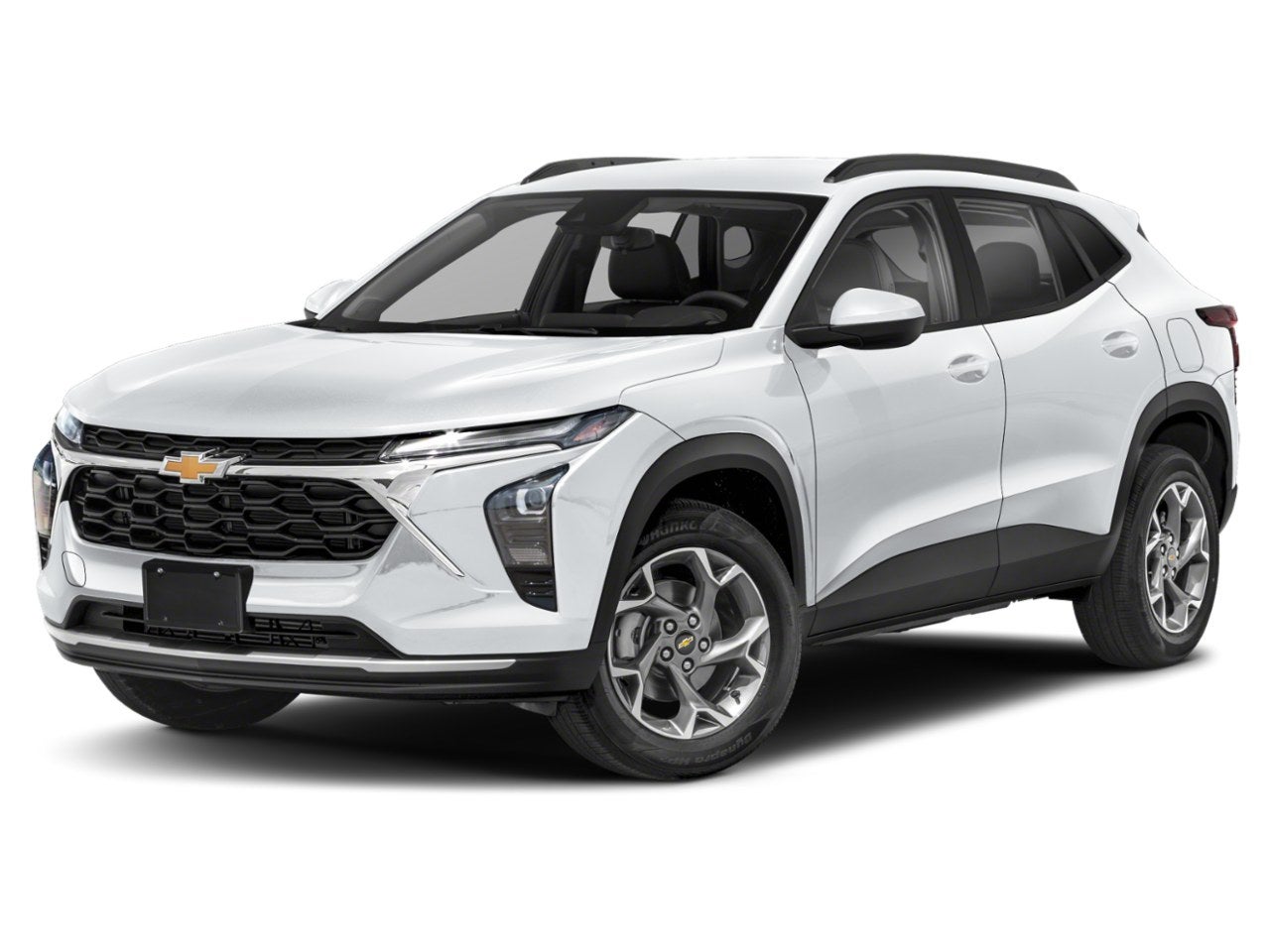



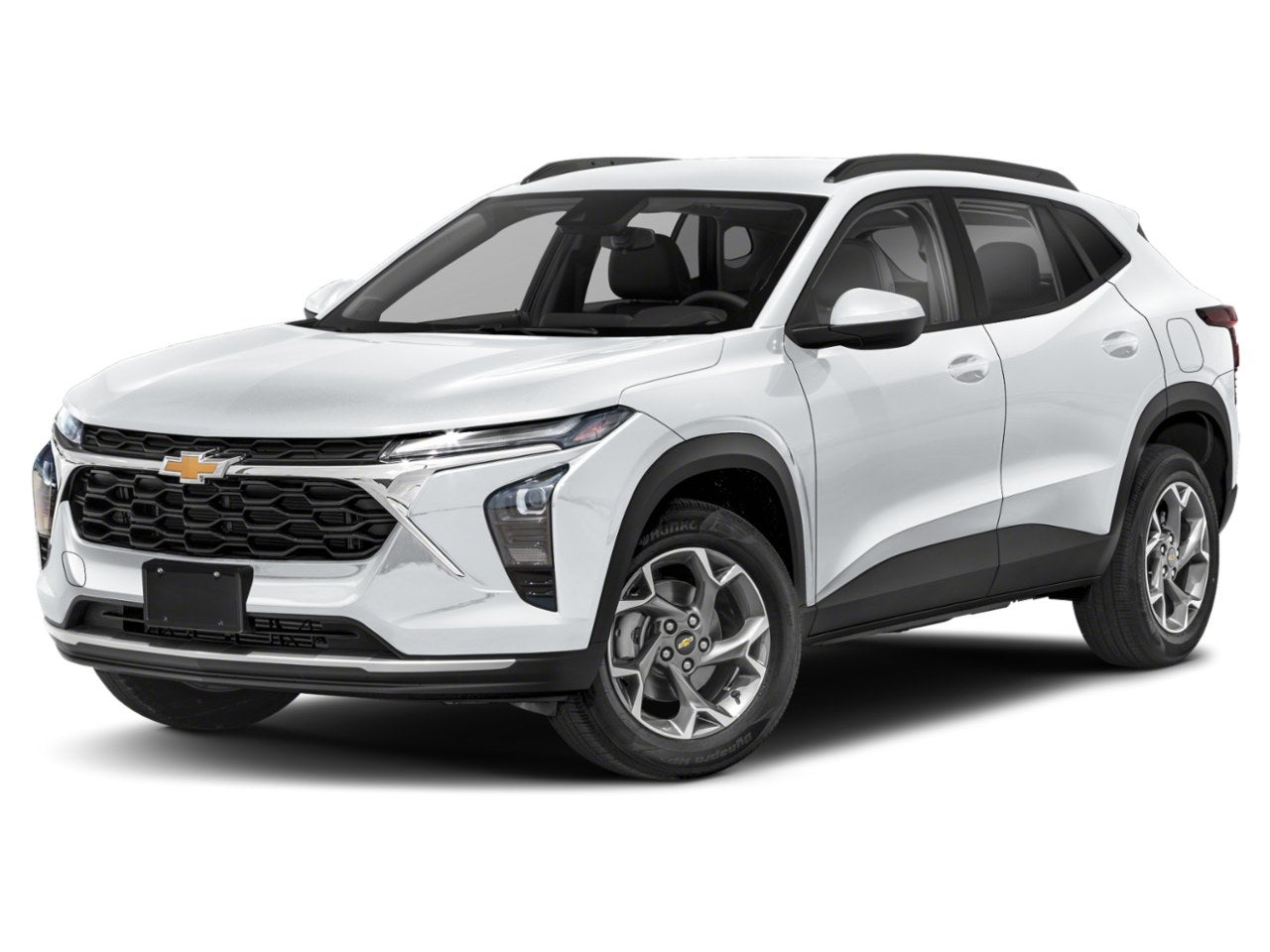
Your new Chevrolet Trax handles Long Island well most of the year, but December through March asks more of it. Road salt on the LIE, slush on Route 347 and mornings that swing from frozen to thawed all test tires, batteries and paint. At North Shore Chevrolet of Smithtown in St James, we walk new owners through the same short list every fall, starting from the basics so nothing gets skipped.
Start Here: What Winter Does to a Car
Long Island winters aren't Buffalo winters, but they're hard on cars in their own way. Temperatures hover near freezing, so snow melts by afternoon and refreezes overnight as black ice. That cycle is called freeze-thaw, and it shapes almost everything on this list.
Highway crews coat the Long Island Expressway, the Northern State and local roads like Route 25A with salt and brine. It keeps lanes open, but it eats at metal underneath your car. Freeze-thaw also cracks pavement, so by February the roads around Smithtown and St James are full of potholes that are tough on tires.
Then there's the Trax itself. The 2027 ACTIV, LT and RS all use front-wheel drive, meaning the engine sends power to the front wheels only. That's a solid winter layout, because the engine's weight sits right over the wheels doing the pulling, which helps them grip. It doesn't power all four corners the way all-wheel drive does, so your tires carry more of the load.
Winter prep breaks into four jobs:
- Tires that grip in the cold
- A battery and fluids that work on freezing mornings
- Clear glass and working lights
- Protection from salt
Get those four right and your Trax is ready for January.
Tires: The Single Biggest Upgrade
All-season vs. winter tires
Most new cars come on all-season tires. They're a compromise: decent in rain and light snow, but their rubber stiffens as temperatures drop, and stiff rubber doesn't grip. Winter tires use a softer rubber that stays flexible in the cold, plus deep tread covered in small slits called sipes that bite into snow and ice.
To spot a true winter tire, look on the sidewall for a mountain with a snowflake inside it. Mount four, never just two. Grip that's mismatched between front and rear can make the back of the car slide out in a turn.
Tread and pressure
Tread is the grooved part of the tire that touches the road, and worn tread can't clear slush. Try the quarter test: put a quarter upside down in a groove, and if you can see the top of Washington's head, it's time for new tires before winter.
Cold air also shrinks, so tire pressure drops as temperatures fall. If the tire pressure light comes on during a cold snap, that's the reason. Check pressure monthly with a gauge, first thing in the morning before driving, and fill to the number on the sticker inside the driver's door jamb, not the number on the tire.
Battery, Fluids and Clear Glass
Cold slows the chemical reaction inside a car battery, so a weak one often gives out on the first frosty morning. Watch for an engine that cranks slowly or sounds sluggish when you start it. A battery test takes a few minutes and tells you how much strength is left, which beats finding out in a parking lot at 7 a.m.
Next, check your fluids:
- Washer fluid: Summer fluid can freeze in the lines. Swap to a winter blend rated for below-freezing temperatures.
- Coolant: Also called antifreeze, it keeps the engine's cooling system from freezing. Only check it when the engine is cold, and have the mix tested if you're unsure.
- Oil: If an oil change is coming due, do it before winter so you're not scheduling one mid-storm.
Visibility is the last piece. Streaky or torn wiper blades smear salt spray across the windshield, and that's a real hazard at night on the LIE. You can order wiper blades and fluid ahead of the first storm. A few habits help too: lift your wipers off the glass before a snowfall so they don't freeze down, and never pour hot water on an icy windshield, since the sudden temperature change can crack it.
Fighting Salt and Rust
Rust, or corrosion, starts when salt and moisture sit on bare metal. It happens out of sight, on the underbody, brake lines and suspension parts, which is why it surprises people. A first winter is the best time to build good habits, before anything has a chance to start.
Washing in winter
Use a car wash with an undercarriage spray every week or two from December through March, and soon after any storm that brings out the salt trucks. Pick a day when temperatures are above freezing so water doesn't freeze in door locks and seals. A coat of wax in the fall gives your paint a barrier that makes salt easier to rinse away.
Inside and around the car
Slush on your boots carries salt into the cabin, and it leaves white stains on carpet. All-weather floor mats with raised edges catch it before it soaks in. Wipe the rubber door seals now and then so doors don't freeze shut overnight.
One more habit: clear snow off the roof, hood and lights before you drive, not just the windshield. A sheet of snow sliding off your roof at highway speed is dangerous for the car behind you, and snow left on the hood blows back onto the glass.
Driving Smart and Packing a Kit

On snow or ice, everything takes longer: speeding up, turning and especially stopping. Slow down, leave at least double your usual following distance, and keep your steering and pedal inputs gentle.
Two systems on modern cars help here. Anti-lock brakes, or ABS, keep your wheels from locking up in a hard stop. When they kick in, you'll feel the pedal pulse and hear a grinding noise. That's normal, so keep firm pressure and don't pump the brakes. Stability control, standard on new cars in the US, gently brakes individual wheels to help keep the car pointed where you're steering. Neither one adds grip that your tires don't have.
Your winter kit
With 25.6 cubic feet of cargo space, the Trax has plenty of room for a small kit:
- Snow brush, ice scraper and a compact shovel
- Jumper cables or a portable jump pack
- Blanket, gloves and a flashlight
- A bag of sand or cat litter for traction
- A phone charger
Keep the gas tank at least half full in case you're stuck in traffic during a storm. If you'd rather hand off the checklist, our GM factory-trained World Class and Master Class service technicians can cover tires, battery, fluids and wipers in one visit when you book service with us.
St James, NY
- Put winter tires on all four wheels. On a front-wheel-drive Trax, they matter more than anything else you can do.
- Test the battery and switch to winter washer fluid and fresh wiper blades before the first storm.
- Rinse the underbody often from December to March so road salt doesn't turn into rust.