



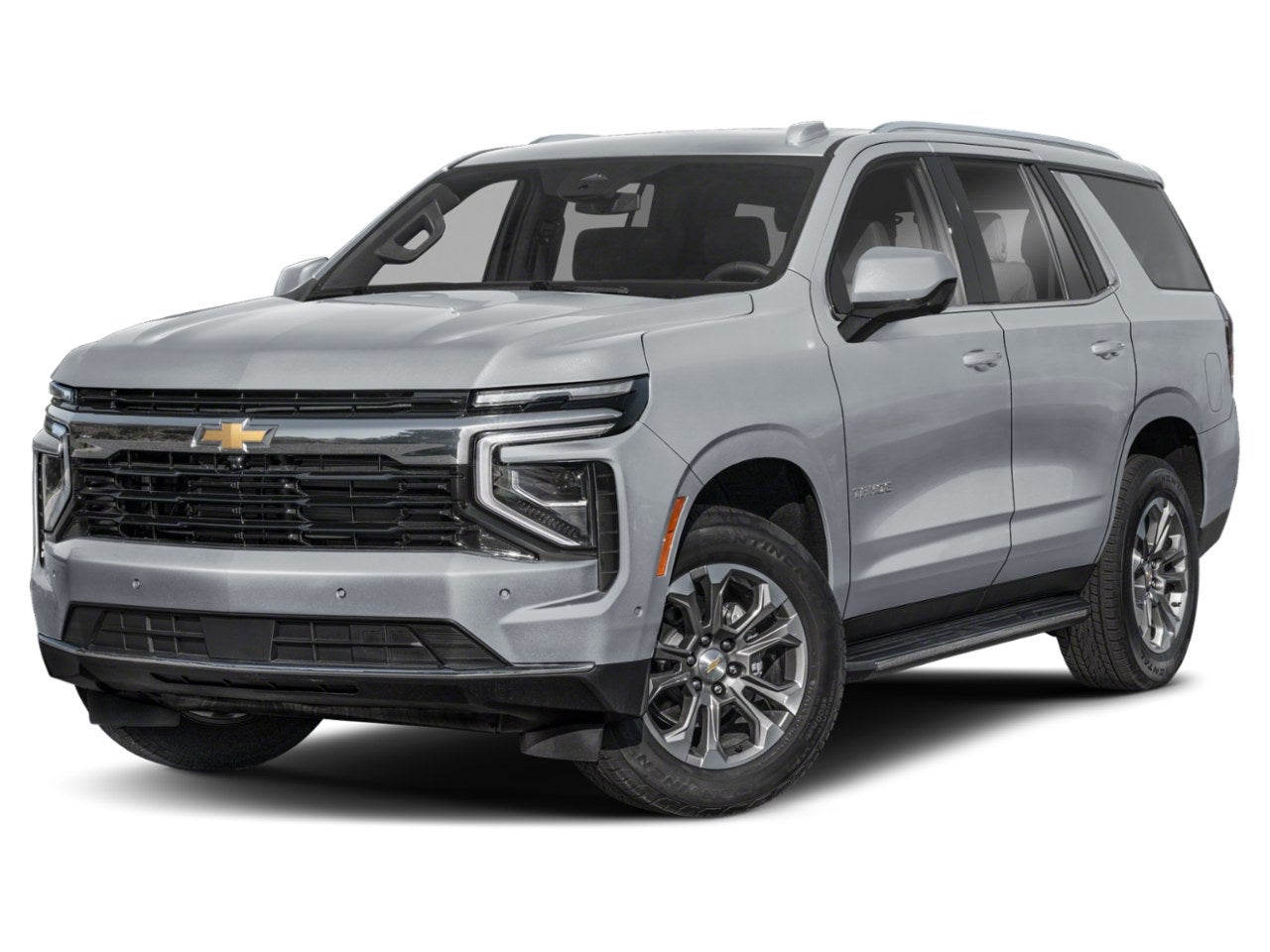
Winter on the North Shore brings nor'easters, black ice on back roads and a steady coat of road salt. A Chevy Tahoe can handle a lot, but it still needs some preparation before the first storm. At North Shore Chevrolet of Smithtown in St James, we've put together the basics in plain language, starting from scratch, so you know what to check and why it matters.
Tires: Where Winter Grip Starts
Your tires are the only part of your Tahoe touching the road, so they decide how well it starts, turns and stops on a slick morning. Tread is the patterned rubber on the tire's surface, and its grooves push slush and water away so the rubber can grip. Worn tread can't clear that slush, and a heavy SUV feels the difference right away.
Try a quick check at home. Slip a penny into a groove with Lincoln's head pointing down. If you can see the top of his head, the tread is too shallow for winter, and it's time for new tires.
All-season or winter tires
All-season tires are what most vehicles wear from the factory. They handle rain and light snow, but their rubber stiffens as temperatures fall. Winter tires use a softer rubber and deeper tread cut with sipes, the tiny slits that bite into ice, so they stay flexible in the cold. If you commute early on Route 25A or head out before the plows finish Nesconset Highway, winter tires are worth a serious look.
Cold air also lowers tire pressure. Check it monthly while the tires are cold, and fill to the number on the sticker inside the driver's door jamb, not the maximum printed on the sidewall.
Four-Wheel Drive and Rear-Wheel Drive, Explained

Drivetrain means the parts that send engine power to the wheels. With rear-wheel drive, only the back wheels push the vehicle. Four-wheel drive, often written 4WD, can send power to all four wheels, which helps a big SUV pull away from a snowy curb or climb an icy driveway.
Most 2027 Tahoe trims, including the LT, RST, Z71 and High Country, come with four-wheel drive. Some versions, such as one Premier build and the 4DR POLICE, are rear-wheel drive, so confirm which one you own or are shopping for. Your window sticker or registration will tell you, and we can look it up from your VIN, the vehicle identification number.
What 4WD does not do
Here's the part that surprises new drivers: four-wheel drive helps you go, not stop. Brakes already work on all four wheels of any vehicle, so a 4WD Tahoe needs just as much room to stop on ice as a rear-wheel-drive one. Leave extra space, brake early and gently, and think of 4WD as help getting moving rather than permission to drive faster.
Comparing trims with winter in mind? It's worth feeling the difference yourself, so book a test drive and ask us to walk you through the 4WD controls on the model you're considering.
Battery, Coolant and Wipers
Cold weather is hard on batteries. A battery's cold cranking amps (CCA) rating describes how much power it can deliver to start the engine in freezing weather, and that ability fades as a battery ages. If your Tahoe has been slow to start on chilly mornings, have the battery tested now rather than finding out in a parking lot in January.
Coolant, also called antifreeze, keeps your engine from overheating in summer and from freezing in winter. Its protection weakens over time, and a simple test shows whether it still does the job at low temperatures.
A short fluids-and-visibility list
- Washer fluid: switch to a winter blend made not to freeze, since summer fluid can ice up in the lines.
- Wiper blades: replace them if they streak or chatter, because salt spray from trucks ahead coats the glass fast.
- Heater and defroster: make sure both blow hot and clear the windshield quickly.
- Lights: clean the lenses and replace dim bulbs, since winter afternoons get dark early.
Our team includes GM factory-trained World Class and Master Class service technicians, and they can check these items in one visit when you book service ahead of the season.
Salt, Slush and Rust Protection
Long Island road crews lean on salt and brine, a liquid salt mix sprayed before storms. It keeps the Long Island Expressway and the Sunken Meadow Parkway passable, but it clings to the underside of your Tahoe. Over time, that grime speeds up corrosion, the slow chemical process that turns bare metal into rust.
Keep the underside clean
Wash your Tahoe regularly through the winter, and choose a car wash with an underbody spray. Pick a day when temperatures climb above freezing so door seals and locks don't ice shut afterward. Pay extra attention to the wheel wells, the brake area and the hitch if you have one.
Protect the inside, too
Slush, sand and salt ride in on boots and soak into carpet. All-weather floor liners are molded trays that trap that mess so you can lift them out and rinse them off. Our parts department can help you find liners and other cold-weather accessories made for the Tahoe. A cargo liner is a smart addition if you haul wet gear, hockey bags or a snowblower part home from the store.
Your Winter Kit and Driving Habits
A few items in the cargo area can turn a stuck-in-the-snow evening into a minor delay. Keep them together in one bin so they're easy to grab.
- A snow brush and ice scraper long enough to reach the middle of the roof
- Jumper cables or a portable jump starter
- A flashlight, gloves, a warm blanket and a phone charger
- A small bag of sand or kitty litter for traction under a spinning tire
- Water and a few snacks
Habits that matter more than gear
Clear the snow off the roof and hood before you pull out. On a vehicle this tall, a sheet of snow can slide onto your windshield at the first stop sign or blow back toward the car behind you. Keeping the fuel tank at least half full during cold stretches gives you a reserve if traffic stops and you need to run the heater.
Drive smoothly. Gentle steering, gradual acceleration and early braking keep a heavy SUV settled when shaded back roads around St James freeze over. We're involved in this community and customer satisfaction is our top priority, so if a question comes up while you're getting ready, contact us anytime.
St James, NY
- Tire tread and tire pressure do more for winter safety than any other single item.
- Four-wheel drive helps you get moving, but it doesn't help you stop any sooner.
- Wash off road salt regularly and keep a basic winter kit in the cargo area.