


Blog

Choosing the Right Silverado 1500 Trim for Work or Weekends

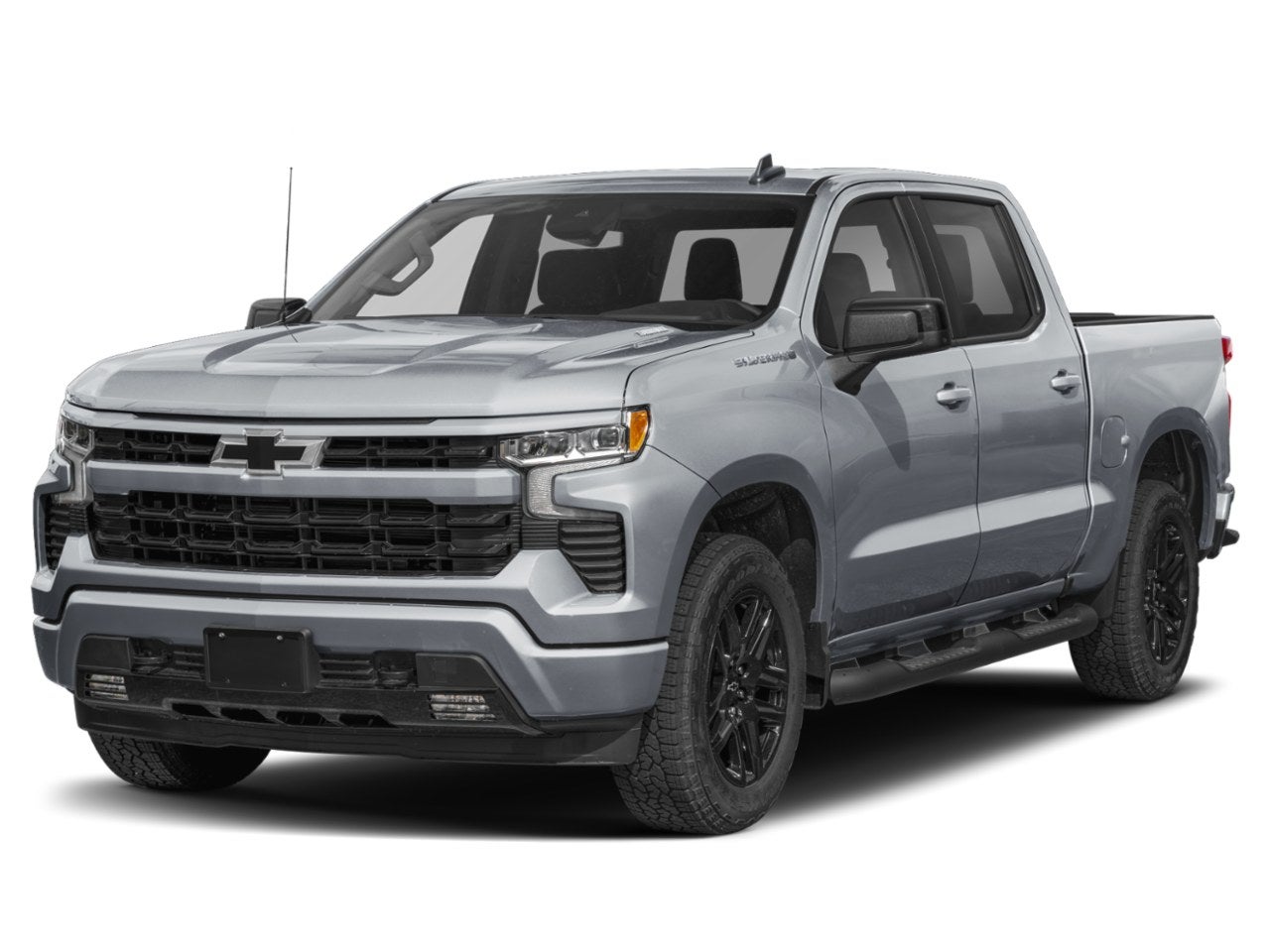
2026 Chevrolet Silverado 1500 4WD Crew Cab Standard Bed RST front three-quarter exterior
THE SHORT ANSWER
For mostly work, start with the Work Truck or Custom and spend on four-wheel drive if your ground gets soft. For work plus family weekends, a Crew Cab Custom or Crew Cab Silverado LT gives you a real back seat and more comfort. The Z71 w/1LT suits drivers who regularly head off pavement.

Picking a Silverado 1500 comes down to three choices: cab size, which wheels get power, and how much comfort you want for the money. At North Shore Chevrolet of Smithtown in St James, we help truck shoppers sort through those choices, including people who have never owned a pickup. Here's how we explain them, starting from zero and building to a confident decision.

Truck Terms, Decoded

Before you compare trucks, it helps to know the words on the window sticker. A Silverado's name usually tells you three things at once. Once you can read it, the lineup stops looking like alphabet soup.

  • Trim: a version of the truck with its own equipment and price. On the 2027 Silverado 1500, the ladder runs Work Truck, Custom, LT and Z71 w/1LT.
  • Cab: the passenger area. Beyond the base Work Truck, you'll see Double Cab and Crew Cab. Both add a rear seat, and the Crew Cab is the roomier of the two, with full-size rear doors.
  • Drivetrain: which wheels the engine drives. 2WD means rear-wheel drive. 4WD means four-wheel drive, which can power all four wheels when traction gets scarce.
  • MSRP: the manufacturer's suggested retail price. It's the starting point before taxes, fees and any offers.

So a name like Double Cab Custom (4WD) reads as Custom trim, Double Cab, four-wheel drive. Trucks with the same trim can differ quite a bit in price depending on cab and drivetrain, which is why we suggest settling those two first.

One thing you don't have to choose is the engine. Across Work Truck, Custom, LT and Z71 w/1LT, it's a 2.7 L 4-cylinder, so your decision comes down to body, traction and features.

Work Truck, Custom, LT and Z71: What Each Step Gets You

The Work Truck is the starting point and the most affordable way into a Silverado 1500, from $38,600 for the 2WD version. It's built for job sites, fleets and anyone who wants a capable pickup without paying for extras they won't use.

Custom sits one step up. Think of it as the Work Truck with more personality and polish. It's a good fit if the truck doubles as your daily driver and you want it to look the part in the driveway.

LT is where comfort and convenience take a bigger jump. That matters if you spend long stretches behind the wheel on the LIE or Route 347. Pricing starts at $47,900 for the Double Cab Silverado LT.

At the top of these trims sits the Z71 w/1LT, which pairs LT-level equipment with Chevy's off-road-minded Z71 package. Both Z71 versions come with four-wheel drive, and the Crew Cab tops out at $54,200.

Here's a simple rule: buy the lowest trim with the features you'll actually use every week. You can browse our new Silverado inventory to see the trims in person, since the differences are easier to judge side by side than on paper.

Double Cab or Crew Cab: Who Rides With You

Cab size shapes daily life with a truck more than any other choice. Start by thinking about who sits in it, not just how often.

When a Double Cab makes sense

A Double Cab gives you a rear seat for occasional passengers, tools you want out of the weather, or a dog. It also costs less, trim for trim. A Double Cab Custom (2WD) starts at $43,600, while the Crew Cab Custom (2WD) starts at $46,000.

If the back seat mostly holds gear and a coworker now and then, that gap can go toward a higher trim or four-wheel drive instead.

When a Crew Cab is worth it

A Crew Cab is the family choice. Adults fit in back for real trips, and full-size rear doors make car seats easier to get in and out. If you're driving kids to practice around Smithtown and friends to the beach on weekends, you'll be glad you paid for it.

One more detail: the Crew Cab Work Truck, Crew Cab Silverado LT and Crew Cab Z71 w/1LT are rated at 305 HP, compared with 350 HP for most other trims. In everyday driving, you'll notice the cabin space more than that difference. Still, it's a good reason to book a test drive in the exact truck you're considering.

2WD or 4WD on Long Island

Rear-wheel drive (2WD) is simpler and costs less. Four-wheel drive (4WD) adds traction you can call on when the rear wheels alone would spin.

The price step is real. On the Double Cab Work Truck, going from 2WD to 4WD moves the MSRP from $41,900 to $45,200, and you'll see a gap of a few thousand dollars across the lineup.

Choose 4WD if you:

  • Tow a boat and launch it on wet, slippery ramps
  • Face unplowed side streets or a steep driveway in winter
  • Head onto beaches, fields or job sites with soft ground

2WD can be enough if you:

  • Stick mostly to paved roads like Jericho Turnpike and the LIE
  • Want the lowest price and simpler hardware
  • Plan to run good winter tires when snow hits

Four-wheel drive also adds parts that need care over time. Two examples are the transfer case, the gearbox that splits power between the front and rear, and the front differential. Our GM factory-trained World Class and Master Class service technicians handle that upkeep, and you can book service when it's due.

Matching a Trim to Your Week

2026 Chevrolet Silverado 1500 rear three-quarter exterior

Put the pieces together, and most shoppers land in one of three spots.

  • Mostly work: a Work Truck or Double Cab Work Truck, in 4WD if your sites get muddy. You pay for capability, not extras.
  • Work all week, family on weekends: a Crew Cab Custom or Crew Cab Silverado LT. You get the rear seat and a nicer cabin without going all the way to the top.
  • Weekend adventures first: a Z71 w/1LT, with four-wheel drive and the off-road focus built in.

Once you've narrowed it down, the next steps are practical. If you're driving something now, value your trade before you shop so you know what it's worth going in. Looking at financing options early also gives you time to compare.

What happens after you buy matters too. We keep a large parts inventory, which helps when your truck needs something. We're involved in the community, with customer satisfaction as our top priority. Ask us which trim fits, and we'll tell you honestly if a less expensive one does the job.

Where
920 Middle Country Rd
St James, NY
KEY TAKEAWAYS
  • Settle cab size and 2WD vs. 4WD first, because they move the price as much as the trim does.
  • A Crew Cab is worth it if adults or car seats ride in back often. A Double Cab saves money if the rear seat mostly holds gear.
  • Buy the lowest trim that has the features you'll use every week, and test drive the exact version you're considering.
FAQ

Common questions

Is the Custom just a Work Truck with nicer looks?

Mostly, yes. It's the step up for people who use the truck every day and want it to feel less like fleet equipment. Equipment can vary from truck to truck, so compare the window stickers on the exact trucks you're considering.

Do I need 4WD if I already run winter tires?

Not always. Good winter tires on a 2WD truck handle a lot of plowed Long Island roads. If you have a steep driveway, launch a boat, or drive on sand or job-site mud, 4WD gives you a margin that tires alone can't.

Is MSRP what I'll actually pay?

MSRP is the starting point. Taxes and fees get added, and current offers can lower the price. Ask us for an out-the-door figure on a specific truck so you're comparing real totals.

Can you help me finance a Silverado 1500?

We can walk you through financing options and submit an application for you. Approval, rate and terms depend on your credit and the lender, so we can't promise a result. Even so, applying early shows you where you stand before you pick a trim.
Want to see it in person?
Come by for a test drive, or browse what is on the lot right now.
Or call (631) 406-9158 · 920 Middle Country Rd, St James

Recommended Posts

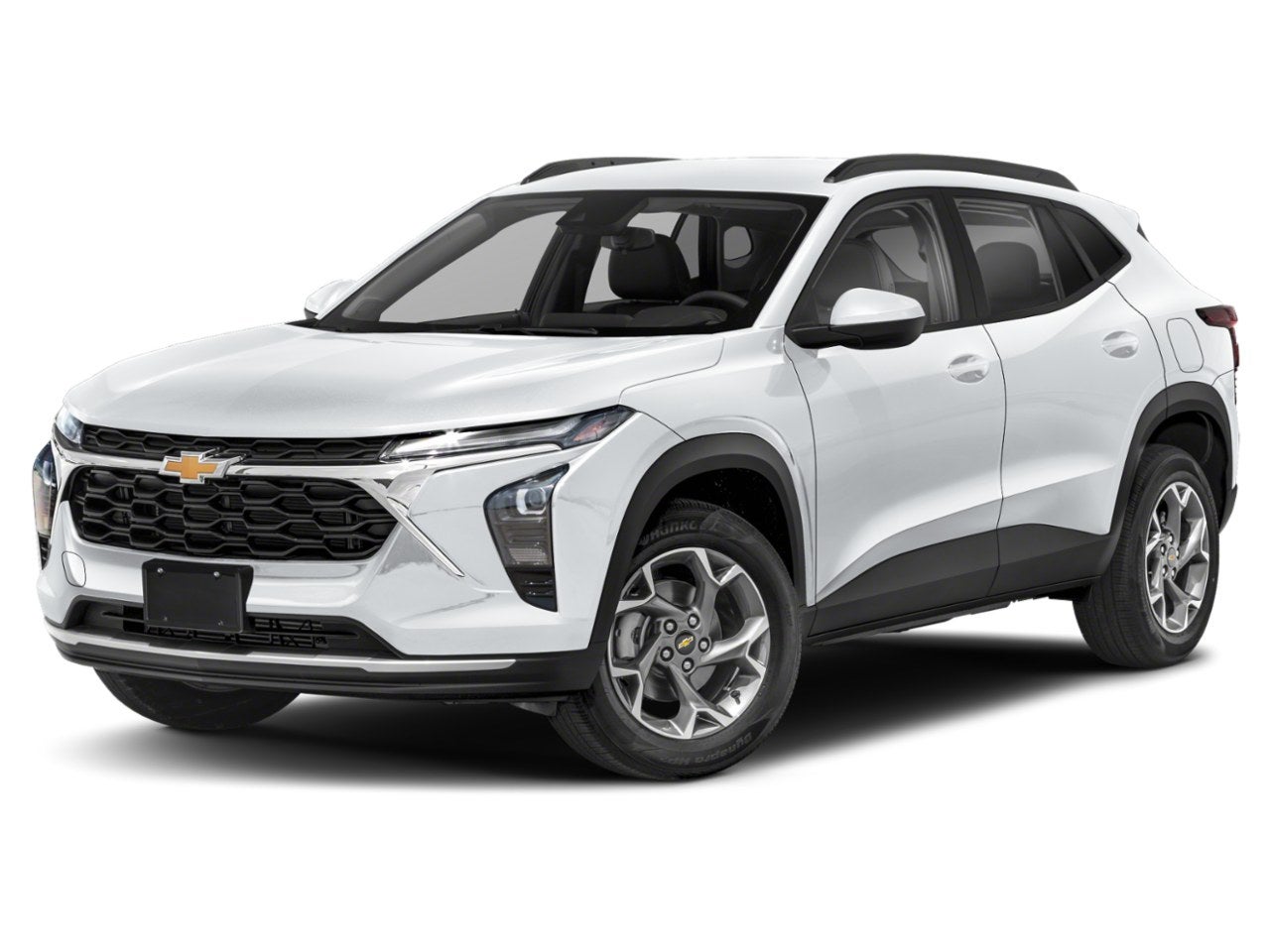
2026 Chevrolet Trax front three-quarter exterior

Chevrolet Trax vs Trailblazer: What's the Difference?

THE SHORT ANSWER The Chevrolet Trax is the roomier, lower-slung, front-wheel-drive value pick. The Chevrolet Trailblazer is a bit taller and more upright, and it's the one of the two you can get with all-wheel drive. Choose the Trax for space and value, and the Trailblazer if all-wheel drive matters to you. Chevy builds two small crossovers that sit side by side on our lot, and shoppers ask us all the time how the Trax and Trailblazer actually differ. At North Shore Chevrolet of Smithtown in St James, we walk new buyers through this choice every week. The short version is that they're close in size and price but built for slightly different drivers. Here's how to tell which one fits the way you drive around the North Shore. IN THIS POST Trax and Trailblazer: The Basics Trax vs Trailblazer: Size and Shape Front-Wheel Drive vs All-Wheel Drive Trax vs Trailblazer: Trims and Features How to Choose, and Your Next Step Key takeaways Trax and Trailblazer: The Basics Let's start with the words you'll hear on the lot. A crossover is a vehicle built like a car underneath but shaped like an SUV, with a raised seating position and a hatchback in the rear. "Subcompact" and "compact" describe size classes, and both of these Chevrolets live at the small, easy-to-park end of the range. The Chevrolet Trax is the entry point to Chevy's SUV lineup. Its current generation grew noticeably, so it no longer feels like a tiny city car. It rides low and stretches long, which gives it a sporty look and a surprisingly generous back seat. Next up is the Chevrolet Trailblazer. It sits a step taller and wears a boxier, more rugged shape, closer to what most people picture when they hear "SUV." That upright profile is part of its appeal for drivers who like a commanding view out the windshield. Both are Chevrolets, so they share a lot: modern turbocharged engines tuned for everyday efficiency, simple controls, and the same dealer network for service. The differences come down to shape, drivetrain, and which features matter most to you. Trax vs Trailblazer: Size and Shape Chevrolet Trax Think of the Trax as long and low. Its stretched body puts the room where you feel it, in rear legroom and a cargo area that swallows grocery runs and a weekend bag without a fight. Getting in and out is easy because you slide across rather than climb up. A lower roof also helps it feel planted on twisty roads like Route 25A through Head of the Harbor. If you're tall or regularly carry adults in back, sit in the second row of a Trax before you decide anything. Chevrolet Trailblazer Here you get a taller, more upright cabin. You sit higher, which many drivers like for seeing over traffic on the Northern State or the LIE. The squared-off shape also makes the cargo opening practical for bulky items. Some Trailblazer trims offer a front passenger seat that folds flat, so a long box from a home store can ride inside with the hatch closed. That's a handy trick if you haul awkward stuff now and then. Walk around both in our new Chevrolet inventory and you'll see the difference in seconds: one is sleek, the other stands tall. Front-Wheel Drive vs All-Wheel Drive This is the biggest practical split, so let's define the terms. Front-wheel drive (FWD) means the engine powers only the front wheels. It's simple, efficient, and with good tires it handles most Long Island weather well, since the engine's weight sits over the wheels doing the pulling. All-wheel drive (AWD) sends power to all four wheels when it senses slip. It helps most when you're pulling away on a snowy hill, a slick on-ramp, or a driveway covered in wet October leaves. The Chevrolet Trax comes with front-wheel drive. For many St James and Smithtown drivers who stick to plowed main roads, that's all they need, and it keeps the Trax simple and affordable. Pair it with a set of winter tires and it becomes a confident cold-weather commuter. All-wheel drive is available on the Chevrolet Trailblazer. If you live on an unplowed side street, head out early before the trucks come through, or drive to ski trips upstate, that option is worth a close look. One honest point: AWD helps you go, not stop. Tires do the stopping, so good rubber matters on either model. Trax vs Trailblazer: Trims and Features A trim is a version of a model with its own set of standard features. Moving up the trims usually adds comfort, tech, and styling. Here's how the lineups shape up: Chevrolet Trax: LS, 1RS, LT, 2RS, and ACTIV. The RS versions bring a sportier look, while ACTIV leans toward a rugged style. Chevrolet Trailblazer: LS, LT, ACTIV, and RS, with all-wheel drive available on select trims. Both come with Chevy Safety Assist as standard. That's a bundle of driver aids that includes automatic emergency braking (the car can brake if it detects a likely front collision), lane keep assist, forward collision alert, and automatic high beams. You get this core protection on every trim of either model. Inside, both offer a touchscreen with wireless phone connectivity, so your maps and music show up without a cable. Higher trims add touches like heated seats and more comfort features, which are welcome on a raw November morning. The Trax generally starts at a lower price, which makes it a strong value play. If the numbers are what's steering your decision, our team can walk you through your financing options and current terms, though approval always depends on your own credit profile. How to Choose, and Your Next Step By now the picture should be clear. Ask yourself a few plain questions: Do you regularly carry passengers in back? The Trax's long cabin is hard to beat. Do you want AWD for hills, early starts, or unplowed streets? Look at the Trailblazer. Do you prefer a low, sporty seat or a tall, upright view? Sit in both. Is the lowest monthly cost the priority? Start with the Trax. Fall is a smart time to decide. October on the North Shore brings wet leaves and darker evening commutes, and you'll want your new ride settled before the first winter storm rolls in off the Sound. Driving both back to back on familiar roads tells you more than any brochure. When you're ready, book a test drive and we'll have a Trax and a Trailblazer ready side by side. Bring your car seat, your gym bag, or whatever you haul most, and see how each one handles it. After you buy, our drive-in service lane and GM factory-trained World Class and Master Class service technicians are right here in St James to keep it running right. Where 920 Middle Country Rd St James, NY Call (631) 406-9158 KEY TAKEAWAYS The Trax gives you a long, roomy cabin and the friendliest starting price of the two. The Trailblazer offers available all-wheel drive and a taller, more traditional SUV stance. Both come standard with Chevy Safety Assist, so you're not giving up core safety tech either way. FAQ Common questions Is the Chevrolet Trax bigger than the Trailblazer? The Chevrolet Trax is longer and roomier in back, while the Chevrolet Trailblazer is taller. If rear-seat space is your priority, the Trax is a great place to start. Can I get all-wheel drive on the Chevrolet Trax? The Chevrolet Trax is front-wheel drive, which handles most Long Island driving well, especially with good winter tires. If you want all-wheel drive, the Chevrolet Trailblazer offers it on select trims. Which one is the better value? The Chevrolet Trax generally starts at a lower price and still gives you a roomy cabin and standard Chevy Safety Assist. That combination makes it a strong value for most commuters. Do both models come with safety features standard? Yes. Both the Chevrolet Trax and the Chevrolet Trailblazer include Chevy Safety Assist on every trim, with features like automatic emergency braking and lane keep assist. Want to see it in person? Come by for a test drive, or browse what is on the lot right now. Schedule a test drive Browse new inventory Or call (631) 406-9158 · 920 Middle Country Rd, St James Or keep browsing Current offers Financing Value your trade Book service Contact us Used cars

2026 Chevrolet Colorado Trail Boss, 4WD front three-quarter exterior

Chevrolet Colorado vs Silverado 1500: Picking the Right Truck Size

THE SHORT ANSWER For most drivers around St James, the midsize Chevrolet Colorado is the right size: it's easier to park and garage, costs less than a full-size pickup, and every trim gets a strong 350 HP engine. The Silverado 1500 is the step up for owners who tow or haul heavy loads week after week. Choosing a pickup starts with one big question: how much truck do you actually need? At North Shore Chevrolet of Smithtown in St James, we sell both the midsize Chevrolet Colorado and the full-size Silverado 1500, so we see every day which size fits which driver. We'll start from the basics and build up, so no truck knowledge is required. IN THIS POST Colorado vs Silverado 1500: Truck Sizes Defined Colorado Power and Fuel Economy, Explained Colorado Trims, From WORK TRUCK to CREW CAB ZR2 Colorado vs Silverado 1500 on Long Island Roads Test-Drive the Colorado at North Shore Chevrolet of Smithtown Key takeaways Colorado vs Silverado 1500: Truck Sizes Defined Pickups come in size classes. A midsize truck like the Chevrolet Colorado is narrower and shorter than a full-size truck, yet it still has an open cargo bed and real truck hardware underneath. Step up to a full-size truck like the Silverado 1500 and you get a bigger, heavier vehicle. That "1500" marks it as the half-ton model, the lightest-duty member of the Silverado family. A few more terms come up constantly: Cab: the passenger area. A crew cab has four full doors and a usable back seat. Bed: the open cargo box behind the cab. Trim: a version of the same truck with its own equipment and price. MSRP: the manufacturer's suggested retail price, before taxes, fees or discounts. Why does size matter so much? It shapes how a truck parks, how it fits in a garage, what it costs to buy, and how much it can carry or pull. For most people around St James, the Colorado handles daily driving, weekend hauling and family duty in a package that's easier to live with. You can browse both trucks in our new truck inventory to see the size difference for yourself. Colorado Power and Fuel Economy, Explained Every Colorado trim uses the same 2.7 L 4-cylinder engine making 350 HP. For a first-time truck buyer, that's a real advantage. You don't have to decode an engine menu or pay extra for the stronger motor, because the strong motor comes standard. 2WD vs 4WD Two-wheel drive (2WD) on the Colorado means rear-wheel drive, where the engine powers only the back wheels. Four-wheel drive (4WD) can send power to all four, which helps on snowy side streets, slick boat ramps and sandy beach access. Rear-wheel drive costs less and uses less fuel, with the 2WD trims rated 19 mpg city and 24 highway. Where the Silverado 1500 fits The Silverado 1500 offers a wider spread of engines, including V8 options, for owners who tow heavy loads often. A bigger truck also means hauling more of its own weight around on every trip. For commuting on the Northern State or Route 347 with occasional hauling, the Colorado's single strong engine is the simpler choice. Colorado Trims, From WORK TRUCK to CREW CAB ZR2 Think of trims as steps on a ladder. Pricing starts at $33,500 for the WORK TRUCK (2WD) and climbs to $50,800 for the CREW CAB ZR2, and the engine stays the same the whole way up. What changes is equipment, comfort and off-road hardware. WORK TRUCK: the no-frills starting point, offered in 2WD or 4WD, built for jobs and tight budgets. CREW CAB LT: four full doors and more comfort features, also in 2WD or 4WD, a natural family pick. CREW CAB TRAIL BOSS: standard 4WD with a tougher, trail-ready setup for dirt roads and beach runs. CREW CAB Z71: 4WD with more off-road equipment and a step up in feel. CREW CAB ZR2: the most off-road-focused Colorado, with fuel economy of 16 mpg across the board as the trade-off. Most North Shore families land on the CREW CAB LT or CREW CAB TRAIL BOSS. Either one gives you the back seat you need for kids or coworkers without paying for hardware you'll rarely use. Before you decide, check our current Colorado offers, since deals change from month to month. Colorado vs Silverado 1500 on Long Island Roads Size is where the Colorado earns its keep day to day. A narrower, shorter truck slips into tight spots at the Smithtown train station, handles the curves on Route 25A with ease, and has a better shot at fitting in an older Long Island garage. It also costs less up front than a full-size pickup, which can keep monthly payments easier to manage. When a Silverado 1500 makes sense Some drivers do need full-size. Pulling a large boat to the marina every weekend, hauling heavy equipment for work, or carrying adults in the back seat daily are jobs the Silverado 1500 is built to handle. Both trucks are Chevrolets, so you get the same support from us either way. Here's an honest rule of thumb: buy for the hauling you do most weeks, not the one big job a year. Rent or borrow for the rare exception. Our team can walk you through financing options on either truck, with terms that depend on your credit and lender approval. Test-Drive the Colorado at North Shore Chevrolet of Smithtown Reading only gets you so far. Sitting in a Colorado, backing it into a space and taking it onto the highway tells you more in twenty minutes than any spec sheet. Bring your usual passengers, and if you tow, describe your trailer so we can talk it through. What to check on your drive Visibility over the hood and around the bed when parking Back-seat room in the crew cab for your passengers How 2WD and 4WD trims feel on the same route Whether your gear fits the bed After the sale, our GM factory-trained World Class and Master Class service technicians look after your truck, and our drive-in service lane keeps routine visits simple. We're involved in the community, with customer satisfaction as our top priority. When you're ready, book a Colorado test drive and we'll have one waiting. Where 920 Middle Country Rd St James, NY Call (631) 406-9158 KEY TAKEAWAYS Buy for the hauling you do most weeks, and for most drivers that points to the Colorado. Every Colorado trim shares the same 2.7 L 4-cylinder, so you choose by equipment, not engine. The CREW CAB LT and CREW CAB TRAIL BOSS cover most family, beach and snow needs on the North Shore. FAQ Common questions Is the Chevrolet Colorado big enough for a family? For most families, yes. The CREW CAB trims have four full doors and a real back seat, and every Colorado comes with the same strong 2.7 L 4-cylinder, so you get plenty of power without moving up to a full-size truck. Do I need 4WD on Long Island? Plenty of drivers do fine with a 2WD Colorado for commuting and errands. If you deal with snowy hills, boat ramps or beach driving, a 4WD Colorado such as the CREW CAB TRAIL BOSS is the better fit. What's the most affordable Colorado? The WORK TRUCK (2WD) starts at $33,500 MSRP, before taxes and fees. It has the same engine as the pricier trims, which makes it a strong value for work or a first truck. Colorado or Silverado 1500 for towing a small trailer? For utility trailers, small boats and personal watercraft, start with the Colorado. Bring your trailer details when you visit, and we'll help you choose the Colorado trim that suits the job. Want to see it in person? Come by for a test drive, or browse what is on the lot right now. Schedule a test drive Browse new inventory Or call (631) 406-9158 · 920 Middle Country Rd, St James Or keep browsing Current offers Financing Value your trade Book service Contact us Used cars

2026 Chevrolet Blazer LT front three-quarter exterior

Chevrolet Blazer Trims Explained: Finding the Right Fit

THE SHORT ANSWER All five versions of the 2026 Chevrolet Blazer share one turbocharged engine, five seats and the same cargo space. Your choice comes down to front- or all-wheel drive, how many comfort features you want, and budget. Start with the 2LT for value, choose an all-wheel-drive version for winter traction, and look at the 3LT or RS for more comfort and style. Shopping for a Chevrolet Blazer gets confusing fast, because 2LT, 3LT and RS on a window sticker don't explain themselves. At North Shore Chevrolet of Smithtown in St James, we walk shoppers through these choices every week. Below, we start with the basic terms, then show you what each 2026 Blazer trim is and who it suits, so you can pick the right one with confidence. IN THIS POST Start Here: The Words on a Window Sticker What Every 2026 Blazer Has in Common 2LT and 4DR LT W/2LT: The Value Entry Point 3LT, 4DR LT W/3LT and RS: Stepping Up Choosing Your Blazer, and Next Steps Key takeaways Start Here: The Words on a Window Sticker A trim is one version of a model, with its own features and its own price. Chevrolet names Blazer trims with letters and numbers. On the 2026 lineup you'll see 2LT, 3LT and RS, plus two all-wheel-drive versions labeled 4DR LT W/2LT and 4DR LT W/3LT. In those labels, "4DR" just means four doors. A few more terms come up right away: MSRP: manufacturer's suggested retail price. This is the starting price Chevrolet sets, before taxes, fees and any added options. Drivetrain: which wheels the engine powers. Front-wheel drive (FWD) sends power to the front two. All-wheel drive (AWD) can send it to all four. MPG: miles per gallon. When you see three numbers, they're city, highway and combined, in that order. Horsepower (hp): a measure of the engine's strength. More horsepower generally means quicker acceleration. Cubic feet (cu ft): the unit used to measure cargo space. Once those terms make sense, comparing trims stops feeling like guesswork. You're really answering three questions: which wheels you want driven, how much comfort you want inside, and what price feels right. What Every 2026 Blazer Has in Common Here's the part that makes the decision simpler: you don't have to choose an engine. All five versions use a 2.0L turbocharged 4-cylinder that makes 228 hp. A turbocharger forces extra air into the engine, which lets a smaller engine feel stronger. You'll notice it when you're merging onto the Long Island Expressway or pulling out into traffic on Route 347. Seating stays the same across the lineup too. Every Blazer has two rows and seats five, which works well for a family of four or five. If you regularly carry six or more people, you'll want a three-row SUV instead. Cargo room doesn't change either. You get 30.5 cu ft behind the rear seat, which in everyday terms means space for a big grocery run, hockey bags, or luggage for a weekend out east. So moving up the lineup doesn't get you more power or more space. You're choosing drivetrain, features and price, and that keeps the comparison manageable. 2LT and 4DR LT W/2LT: The Value Entry Point 2LT, front-wheel drive The 2LT is where the Blazer lineup begins, with an MSRP of $34,300. It uses front-wheel drive and shares the top highway rating in the lineup at 29 MPG. If most of your driving is commuting on the Northern State Parkway or running errands around St James, front-wheel drive handles that well. In a typical Long Island winter, good tires make a big difference. 4DR LT W/2LT, all-wheel drive This is the 2LT with all-wheel drive added, and its MSRP is $37,000. You give up some fuel efficiency in exchange for extra traction. Its rating comes in at 27 mpg highway and 24 combined. Expect a slightly bigger fuel bill than with the front-wheel-drive 2LT. All-wheel drive helps on snowy mornings, steep driveways and slick back roads along the North Shore. It won't help you stop any faster, so tires still matter, but it does help you get moving with less wheel spin. The best way to feel the difference is to book a test drive in both versions. 3LT, 4DR LT W/3LT and RS: Stepping Up 3LT and its all-wheel-drive twin The 3LT keeps the same engine and cargo room and adds more comfort and convenience features. Its MSRP is $39,700. It's front-wheel drive and matches the 2LT's highway rating, so the step up costs you nothing in efficiency. Want the 3LT with all-wheel drive? That's the 4DR LT W/3LT, with an MSRP of $42,400. Its fuel economy matches the all-wheel-drive 2LT. RS The RS is the sport-styled Blazer at the top of the lineup, with an MSRP of $43,600. Its highway rating is 26 MPG with front-wheel drive, and it also comes with all-wheel drive. Ask us which drivetrain a particular RS has. Choose it if a sportier look matters to you as much as practicality. When you compare these upper trims, sit in them one after another. Feature differences are much easier to judge with your hands on the controls. You can browse our new Blazer inventory to see which trims are on the lot right now. Choosing Your Blazer, and Next Steps Narrow it down by answering a few honest questions: Do you leave early on snowy mornings or have a hilly driveway? Lean toward an all-wheel-drive version. Is most of your driving on the highway? Front-wheel drive gives you the better rating. Is budget the deciding factor? The 2LT gives you the same engine and room for the least money. Do comfort and style matter most? Start with the 3LT or RS. Next, work out the money side. Keep in mind that MSRP is a starting point, and taxes and fees come on top. We can help you explore your financing options. Rates and approval depend on your credit and the lender, so it's smart to look at a few payment scenarios before you settle on a trim. We have a large selection of new, pre-owned and GM Certified vehicles, so if a used Blazer fits your plans better, we'll show you those too. We also keep a large parts inventory for the years you own it. We're involved in the community, and customer satisfaction is our top priority, so ask us anything along the way. Where 920 Middle Country Rd St James, NY Call (631) 406-9158 KEY TAKEAWAYS Every 2026 Blazer has the same engine, power, seating and cargo room, so you're never giving up space or muscle by choosing a lower trim. The real decisions are front- or all-wheel drive, the level of features, and price. Drive the trims back to back, because feature differences are easier to judge in person than on paper. FAQ Common questions Which Blazer trim costs the least? The 2LT has the lowest MSRP in the 2026 lineup. Remember that MSRP doesn't include taxes, fees or any added options, so your final price will be higher. Do the more expensive Blazer trims have a bigger engine? No. Every trim uses the same turbocharged four-cylinder with the same horsepower. Higher trims add features, style and, on some versions, all-wheel drive. Does the Chevrolet Blazer have a third row? No. The Blazer has two rows and seats five. If you need room for six or more, ask us about a larger three-row Chevrolet SUV. Do I need all-wheel drive on Long Island? Not always. Front-wheel drive with good tires handles most winter commutes. All-wheel drive is worth considering if you drive early in snow, live on a hill, or want extra confidence on slick roads, and it costs you some fuel economy. Want to see it in person? Come by for a test drive, or browse what is on the lot right now. Schedule a test drive Browse new inventory Or call (631) 406-9158 · 920 Middle Country Rd, St James Or keep browsing Current offers Financing Value your trade Book service Contact us Used cars