



Winter is when home charging earns its keep. At North Shore Chevrolet of Smithtown in St James, we hear from a lot of shoppers who like the Silverado EV but wonder how it handles a cold, wet Long Island January. Here's the plain-language version, starting with the basic terms and ending with a routine you can actually use.
Charging Terms, Explained Plainly
Before you pick a charger, it helps to know the handful of words you'll hear. None of them are complicated once someone translates them.
- Level 1 charging means plugging into an ordinary 120-volt household outlet. It's slow, and in winter it often can't keep up with daily driving.
- Level 2 charging uses a 240-volt circuit, the same kind that runs an electric dryer or oven. This is what most owners install at home.
- EVSE stands for electric vehicle supply equipment. It's the wall-mounted unit and cable that people casually call the charger.
- A kilowatt-hour, or kWh, is a unit of energy. Your electric bill charges by it, and battery size is measured in it.
- State of charge is simply how full the battery is, shown as a percentage on the dash.
One more idea matters for winter: preconditioning. That means warming the battery and cabin before you leave, ideally while the truck is still plugged in. That way the energy comes from your house instead of your driving range.
Setting Up a Home Charger on Long Island
Garage or driveway
A garage is the easier winter setup. The battery starts a little warmer, the charge port stays free of ice, and you're not dragging a frozen cable across the driveway after a nor'easter. Plenty of homes in St James, Smithtown and Stony Brook only have a driveway, though. An outdoor-rated unit mounted near where you park handles that fine.
Getting it installed
Have a licensed electrician look at your panel first. Older homes sometimes need a panel upgrade or a dedicated circuit before a Level 2 charger can go in, and your town may require a permit. Ask about cable length so the cord reaches the charge port without stretching. Choose a mount that keeps the plug off the ground, where slush collects.
Time-of-use rates are worth a call to PSEG Long Island. These plans charge less for electricity during off-peak hours, usually overnight, which is exactly when your truck sits in the driveway. Lower overnight rates turn nightly charging into a habit that saves money instead of a chore.
What Cold Does to an EV Battery
Lithium-ion batteries rely on chemical reactions that slow down in the cold. On a frigid January morning you'll notice two things. The truck shows less range than it did in September, and it may accept a charge more slowly at first.
None of that means damage. Winter range loss is temporary, and it comes from two places. Part of it is the battery working less efficiently in the cold. The rest is energy spent heating the cabin, the seats and the battery itself.
Why staying plugged in helps
A truck connected to a Level 2 charger can pull power from the wall to keep its battery warm and to precondition before you head out. Leave a cold-soaked truck unplugged overnight at a park-and-ride lot, and it has to spend its own stored energy just getting comfortable.
Short trips hit hardest. A quick run down Route 347 for groceries means heating everything from scratch for a few minutes of driving. A longer cruise on the Northern State Parkway spreads that warm-up cost across more miles.
A Winter Charging Routine That Works
A few habits make a big difference once the temperature drops:
- Plug in whenever you're home, even if the battery isn't low. That keeps the truck ready to warm itself from the grid.
- Set a departure time in the truck or the Chevrolet app so the cabin and battery are warm when you walk out the door.
- Schedule charging for off-peak hours if you're on a time-of-use plan.
- Keep a healthy buffer. Running close to empty on a cold night leaves you less margin if traffic stalls on the Long Island Expressway.
- Brush snow and ice away from the charge port door before opening it, and hang the cable on its hook instead of leaving it on the ground.
- Use heated seats and a heated steering wheel where equipped. Warming yourself directly takes less energy than heating the whole cabin.
Tires matter too. Cold air lowers tire pressure, and underinflated tires waste energy and wear unevenly. Our GM factory-trained World Class and Master Class service technicians can check pressure, tread and battery health during a winter visit, so book service before the first storm rather than after it.
Choosing the Right Range for Winter Driving

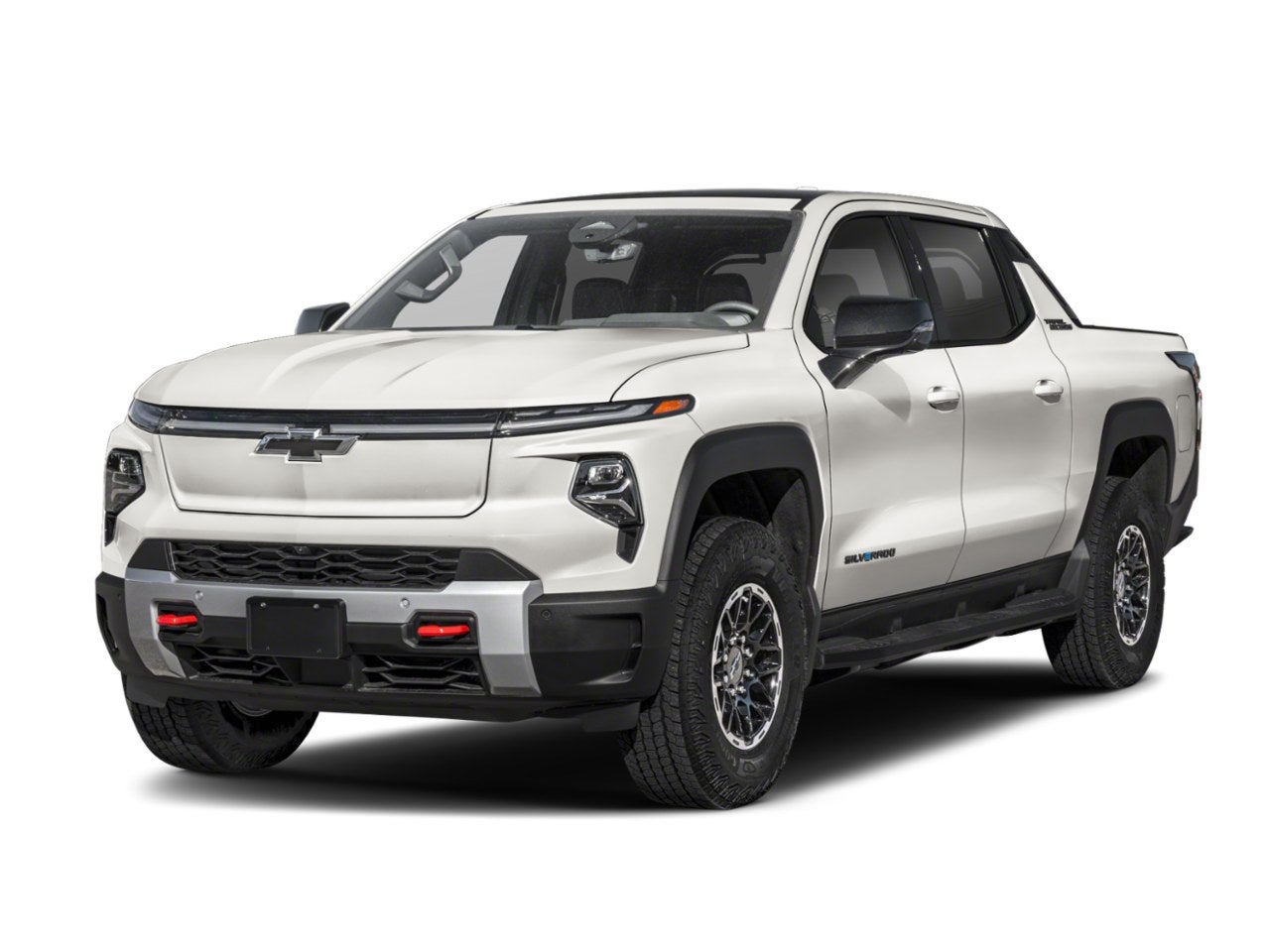
The 2027 Silverado EV comes with three battery sizes, named right in the trims: Standard Range, Extended Range and Max Range. A bigger battery gives you more cushion when cold weather trims your range. That matters if you commute long distances or tow on weekends.
Our lineup opens with the E4WD CREW CAB STD RANGE WORK TRUCK at $53,500 MSRP. At the top sits the E4WD CREW CAB MAX RANGE TRAIL BOSS at $86,800 MSRP.
Matching the truck to your week
If you mostly drive locally and charge at home every night, a Standard Range truck may be all you need through a Long Island winter. Drivers who rack up miles on the LIE, head out east toward the Hamptons, or simply want fewer worries on the coldest days tend to look at the Extended Range and Max Range trims.
We carry a large selection of new, pre-owned and GM Certified vehicles, with no hidden dealer fees or surprises. Your own commute is the best test, so book a test drive and ask us to walk you through the charging settings while you're here.
St James, NY
- A Level 2 home charger on a 240-volt circuit is the practical choice for winter. A regular outlet is often too slow to keep up.
- Cold reduces range and charging speed temporarily. Staying plugged in lets the truck warm itself from the grid instead of the battery.
- Pick a battery size with enough cushion for your coldest, longest week, then test it on your own commute.