



Blog

A Thanksgiving Weekend Walk Through Historic St James

Family carving a turkey at an outdoor Thanksgiving meal
THE SHORT ANSWER
The best Thanksgiving weekend walk in St James starts on Lake Avenue, loops past the old train depot, then moves north for short stops at the St James General Store and the Harbor Road area. Plan it for Friday or Saturday daylight, dress in layers, and check holiday hours before you set out.

Thanksgiving weekend in St James has a slower, friendlier pace, and it's one of the best times of year to see the hamlet on foot. At North Shore Chevrolet of Smithtown, we spend our days on these roads, and we know a good walk is the easiest way to get a full house out the door between pie and leftovers. Here's a simple route through historic St James, with stops for coffee, local gifts and a little history your guests won't find back home.

Start on Lake Avenue

Lake Avenue is the heart of St James, and it's the easiest place to begin. It runs south from Route 25A toward the train station, with sidewalks, small shops and a handful of places to grab a hot drink before you head out.

Go on Saturday if you can. Small Business Saturday falls the day after Black Friday, and it's a nice excuse to do some early holiday shopping close to home instead of fighting mall traffic on Jericho Turnpike or Route 347.

A few things make the stroll easier:

  • Park once and leave the car for an hour or two; side-street spots fill quickly by midday.
  • Bring a tote bag, because small shops appreciate it and so do your arms.
  • Pick a coffee stop as your meeting point so stragglers can catch up.

If you're hosting relatives from out of state, this is the stretch that sells them on the North Shore. It's walkable, it's local, and nobody has to plan anything beyond showing up with comfortable shoes.

The Old Depot and Victorian Streets

Keep heading south and you'll reach the St James train station on the Port Jefferson Branch. The depot building dates to the Victorian era, and it's one of the older surviving station buildings on Long Island. Kids who love trains will want to linger, and on a quiet holiday weekend you'll often have the platform view to yourself.

Houses worth a slow look

The side streets around the station and Lake Avenue hold a good mix of older homes, many built when St James was a summer escape for New Yorkers coming out by rail. You'll spot wraparound porches, steep rooflines and shingle siding that has weathered to a soft gray.

Stay on public sidewalks and keep the gawking friendly; these are lived-in homes, not museums. Wreaths and lights start appearing right after Thanksgiving, so a late-afternoon pass gives you an early taste of the season.

This loop works well for mixed ages. Grandparents can set the pace, and you're never more than a few minutes from a bench or a warm storefront.

The St James General Store and Deepwells

For the next stop, hop in the car for a short drive north. The St James General Store on Moriches Road has been in business since the 1850s and is now run by Suffolk County Parks. Walking in feels like stepping back a century, with creaky floors, jars of penny candy and shelves of old-fashioned toys.

Gift ideas you won't find online

It's a great place to knock out a few stocking stuffers or host gifts:

  • Hard candy, licorice and other nostalgic sweets
  • Hand-crafted ornaments and small wooden toys
  • Local-themed books and kitchen goods

On the way, you'll pass Deepwells Farm, the historic estate at the corner of Route 25A and Moriches Road. Its grounds are pleasant for a short wander, and the house occasionally opens for seasonal events, so check ahead to see what's happening that weekend.

Holiday hours can shift around Thanksgiving, so call before you go. Arriving close to opening on Friday or Saturday usually means fewer crowds and more room to browse.

St James Episcopal Church and Harbor Road

A little farther along sits St James Episcopal Church, a 19th-century church that gave the hamlet its name. Architect Stanford White, whose family kept an estate nearby, had a hand in its look and is buried in the churchyard. Visitors are welcome to walk respectfully through the grounds, and the old stones and tall trees make for a quiet few minutes after a busy holiday.

From there, Harbor Road winds toward Stony Brook Harbor through some of the prettiest scenery on the North Shore. Bare November trees open up views you'd miss in summer.

A word of caution

Harbor Road is narrow, curvy and has very little shoulder. Don't walk it with young kids or dogs, and avoid it entirely near dusk. A better plan is to enjoy the drive slowly, then park at a legal pull-off or head to a nearby preserve for your stretch of the legs.

If your group wants more trail time, Blydenburgh County Park in Smithtown has wooded paths around Stump Pond and is easy to reach on a holiday afternoon.

Planning Your Holiday Walk

A good walk on Thanksgiving weekend comes down to timing and a few small comforts. Late November on Long Island can swing from crisp sunshine to raw wind off the Sound in a single afternoon.

Pack for it:

  • Layers, a hat and gloves, even if the morning looks mild
  • A thermos of cider or coffee to share
  • Leftover turkey sandwiches for an easy picnic stop
  • A phone charger, since cold drains batteries faster

Aim for Friday or Saturday. Many shops close or cut hours on Thanksgiving Day itself, and Sunday tends to fill with travel as guests head back over the bridges. Daylight fades early this time of year, so start by late morning to fit in the General Store and still be home before dark.

For hosts, a walk solves a lot. It gives the cook a break, burns off second helpings and gets cousins talking without screens. Even a short loop on Lake Avenue counts.

We're proud to be part of this community, and if your car needs a quick once-over before anyone's long drive home, our drive-in lane makes it easy to book service. Happy Thanksgiving from all of us.

Where
920 Middle Country Rd
St James, NY
KEY TAKEAWAYS
  • Lake Avenue makes an easy, sidewalk-friendly starting point, and Small Business Saturday is a good day to shop it.
  • The St James General Store and nearby Deepwells are worth a short drive north for holiday gifts and old-Long Island character.
  • Harbor Road is beautiful but narrow with little shoulder, so walk it carefully or enjoy it from a parked car.
FAQ

Common questions

Are shops in St James open on Thanksgiving weekend?

Many Lake Avenue shops open Friday and Saturday, and Small Business Saturday tends to bring extra activity. Hours vary on the holiday itself, so call ahead, especially for the St James General Store.

Is the walk good for kids and older relatives?

Yes. Lake Avenue and the streets near the station have sidewalks and plenty of places to rest. Skip walking on Harbor Road with little ones and enjoy that stretch by car instead.

Where should we park?

Street parking along Lake Avenue and nearby side streets works well early in the day. The General Store and Deepwells have their own small lots, which is why a short drive between the two areas makes sense.

What's a good rainy-day backup?

Spend longer inside the General Store and the Lake Avenue shops, then save the outdoor parts for a clearer day. A slow drive along Harbor Road is lovely in drizzle, too, as long as you take it easy on the curves.
Want to see it in person?
Come by for a test drive, or browse what is on the lot right now.
Or call (631) 406-9158 · 920 Middle Country Rd, St James

Recommended Posts

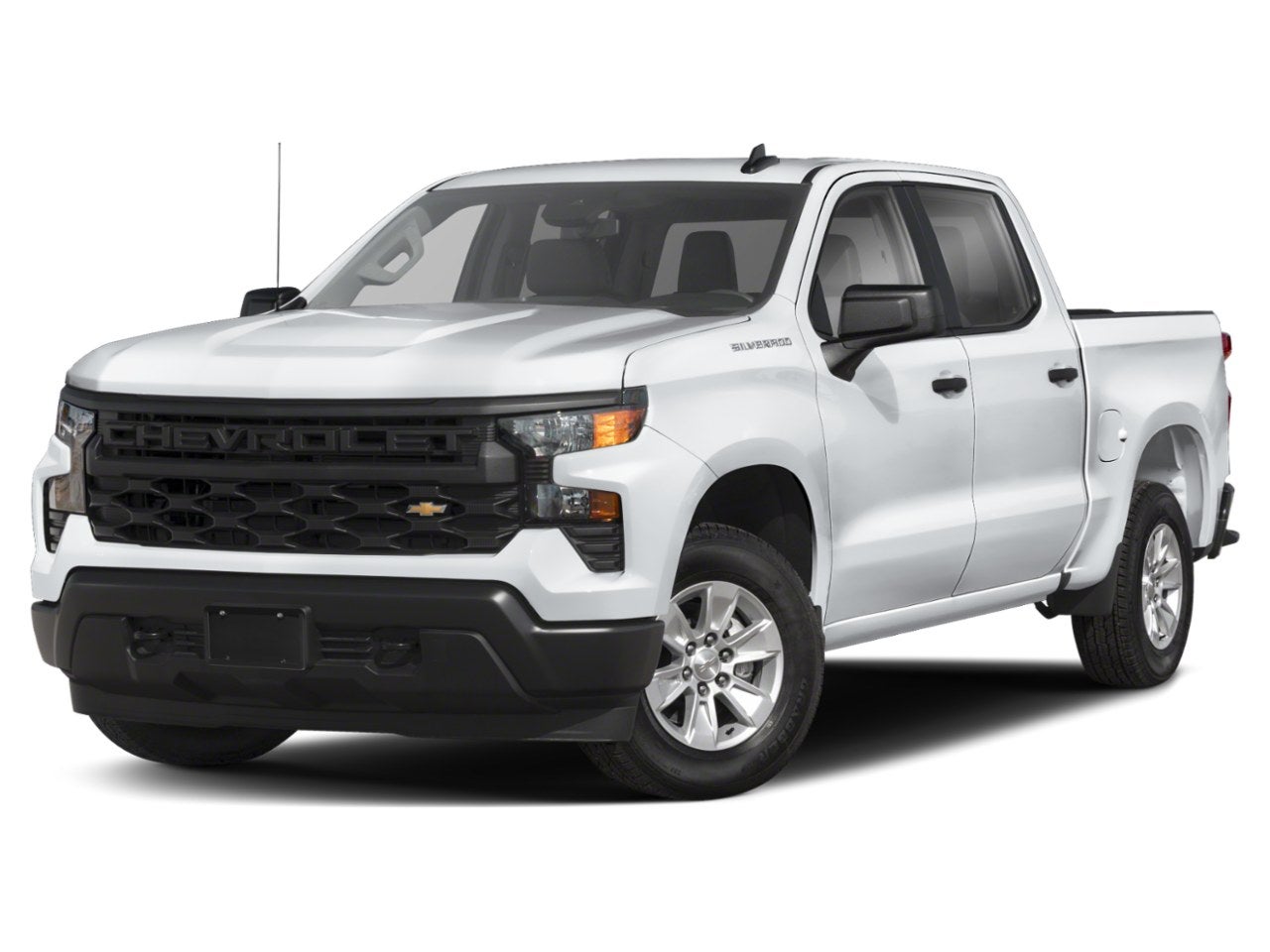
2026 Chevrolet Silverado 1500 4WD Crew Cab Short Bed Custom front three-quarter exterior

Silverado 2500 HD or Silverado 1500: When You Need the Heavy Duty

THE SHORT ANSWER Choose the Silverado 1500 if your heavy jobs are occasional, like a small boat, a utility trailer or weekend loads of mulch, and you want a comfortable daily driver. Step up to the Silverado 2500 HD when you tow heavy trailers often, carry serious weight in the bed, or plow, because its frame, suspension and brakes are built for sustained work. The 2026 2500 HD starts at $45,900 for the WT with rear-wheel drive. Choosing between a Silverado 1500 and a Silverado 2500 HD comes down to one question: how much weight will you put on the truck, and how often? At North Shore Chevrolet of Smithtown in St James, we help drivers make this call regularly, and the right answer is rarely about which truck looks tougher. We'll start with the basic terms, assuming you're new to trucks, and build to a clear way to decide. IN THIS POST Half-Ton, Three-Quarter-Ton and What HD Means Signs the Silverado 1500 Is Enough Signs You Need the 2500 HD Reading the 2026 Silverado 2500 HD Lineup How to Decide Before You Buy Key takeaways Half-Ton, Three-Quarter-Ton and What HD Means Truck names carry a code. People call a 1500 a half-ton pickup and a 2500 a three-quarter-ton. Those labels are decades old and no longer match real weight ratings, but they still tell you the class: light duty versus heavy duty. Four terms do most of the work when you compare trucks: Payload: the total weight the truck can carry in the cab and bed, passengers included. Towing capacity: the heaviest trailer the truck is rated to pull. Tongue weight: the downward push a trailer puts on the hitch. It counts against your payload, which surprises many first-time towers. GVWR (gross vehicle weight rating): the most the truck may weigh fully loaded, as set by the manufacturer. A heavy-duty truck raises those limits with hardware: a stronger frame, stiffer springs, larger brakes and beefier axles. That hardware is the whole point of an HD. It also explains why an HD rides firmer when the bed is empty, since the suspension is tuned for weight that isn't there yet. Ratings shift with cab style, bed length, drivetrain and equipment. Before you rely on any number, read the label inside the driver's door jamb on the specific truck. It shows that truck's actual payload, not a best-case figure from a brochure. Signs the Silverado 1500 Is Enough Plenty of truck owners never need more than a half-ton, and buying more than you need has real downsides. A 1500 is lighter, easier to place in a tight lot in Smithtown or Stony Brook, and smoother over broken pavement on Route 25A when the bed is empty. Lighter trucks also tend to cost less to fuel and maintain over the years. The 1500 is probably your truck if most of these sound like you: You tow a few times a season, such as a jet ski, a small fishing boat or a utility trailer. Your bed loads are things like bikes, lumber for a weekend project or a trip to the dump. The truck doubles as the family vehicle and sees daily commuting on the LIE or Northern State. You care about ride comfort as much as capability. There's a simple test: think about your heaviest regular load, not your heaviest imaginable one. If that load sits comfortably within a 1500's ratings with room to spare, the half-ton will serve you well. Renting or borrowing a bigger truck for a once-a-year job often makes more sense than living with an HD every day. Spare capacity matters, though. A truck working near its limit every trip will feel strained, wear faster and give you less margin in a sudden stop. Signs You Need the 2500 HD Heavy duty earns its place when weight is part of your routine. The question isn't whether a 1500 can pull something once. It's whether you want a truck that does the job easily, day after day, with safety margin left over. The 2500 HD makes sense if any of these fit: You tow heavy, and often. Larger travel trailers, car haulers, equipment trailers and bigger boats push past what's comfortable for a half-ton. You want a fifth-wheel or gooseneck. These hitches mount in the bed and put a lot of weight on the truck, which is exactly what an HD is built for. You carry a slide-in camper. It sits entirely on the truck, so payload becomes the limiting number fast. You run a trade. Contractors and landscapers hauling tools, materials and a trailer at once need payload and towing at the same time. You plow. A blade hangs serious weight off the front end, and heavy-duty trucks are the usual choice for it during Long Island winters. Think a few years ahead, too. If you're buying a truck now and a bigger camper or a growing business is likely, the HD saves you from trading again sooner than planned. The tradeoff is a firmer ride unloaded and a bigger truck to park. For people who work their truck hard, that's an easy trade to make. Reading the 2026 Silverado 2500 HD Lineup Trims: WT and Custom WT stands for Work Truck, the most straightforward version built around getting the job done. Custom steps up the look and the passenger room. In base form, the WT seats three and the Custom seats six, so families or crews who ride together should start with the Custom. Under the hood, the choice is simple. Every 2026 trim here uses a 6.6L V8 gas engine rated at 401 horsepower, so you're picking a truck by cab, bed and drivetrain rather than by engine. Cab, Bed and Drivetrain Regular Cab means two doors and one row of seats. Double Cab adds a rear row behind smaller rear doors, while Crew Cab gives you full-size rear doors and the most back-seat space. Beds come in standard and long lengths; a long bed carries more but makes the truck harder to park. Rear-wheel drive (2WD) is fine for highway towing and keeps the price down. Four-wheel drive (4WD) is worth it if you launch boats on slippery ramps, work on dirt or snow, or plow. On the WT, that upgrade takes the price from $45,900 to $48,700. Pricing climbs as you add cab space, bed length and 4WD, topping out at $52,000 for the Custom with 4WD. You can browse our new Silverado inventory to see which combinations are on the lot. How to Decide Before You Buy A good decision starts with real numbers about your own life, not guesses. Before you visit, work through these steps: Weigh your heaviest load. A public truck scale can weigh your trailer and gear for a small fee, and your trailer's paperwork lists its rated weight. Add up passengers and cargo. Riders, coolers, tools and tongue weight all count against payload. Look a few years ahead. Plan for the camper or business you expect to have, not just today's. Drive both trucks. Feel the difference in ride and size on the roads you actually use. When you're ready, book a test drive of a 1500 and a 2500 HD back to back. Tell us what you tow and where, and we'll help you match the truck to the job, even if that means the lighter one. Honesty and value are central to how we do business, and our customers' satisfaction is our top priority. After the Sale Towing gear, hitches and plow parts are part of owning a work truck. We keep a large parts inventory, so you're not waiting on basic items. If you'd like to explore payment options, our team can walk you through the process, though approval and terms always depend on your credit and the lender. Where 920 Middle Country Rd St James, NY Call (631) 406-9158 KEY TAKEAWAYS Base the choice on your heaviest regular load, not your daily drive. An HD truck trades some empty-bed ride comfort for much more capability under weight. Check the door-jamb label on the exact truck, since ratings change with cab, bed and drivetrain. FAQ Common questions Can a Silverado 1500 tow a camper? Many smaller travel trailers are within a half-ton's reach. Add the trailer's loaded weight, its tongue weight, your passengers and your gear, then compare that against the specific truck's door-jamb label. If you're near the limit, or you're looking at a fifth-wheel or slide-in camper, the 2500 HD is the safer choice. Is the 2500 HD harder to live with as a daily driver? It rides firmer with an empty bed and takes more room to park, which you'll notice in busy shopping center lots. Plenty of owners drive one daily without complaint. A back-to-back drive on your usual commute is the best way to judge it for yourself. What's the difference between the WT and Custom trims? WT, short for Work Truck, is the more basic, job-focused version. Custom adds more style and, in base form, seats six instead of three. Both share the same 6.6L V8 gas engine. Do I need 4WD on Long Island? Not for highway towing or ordinary winter commuting. It's worth the upgrade if you launch boats on wet ramps, drive on sand or dirt, work in snow or plan to plow. Want to see it in person? Come by for a test drive, or browse what is on the lot right now. Schedule a test drive Browse new inventory Or call (631) 406-9158 · 920 Middle Country Rd, St James Or keep browsing Current offers Financing Value your trade Book service Contact us Used cars

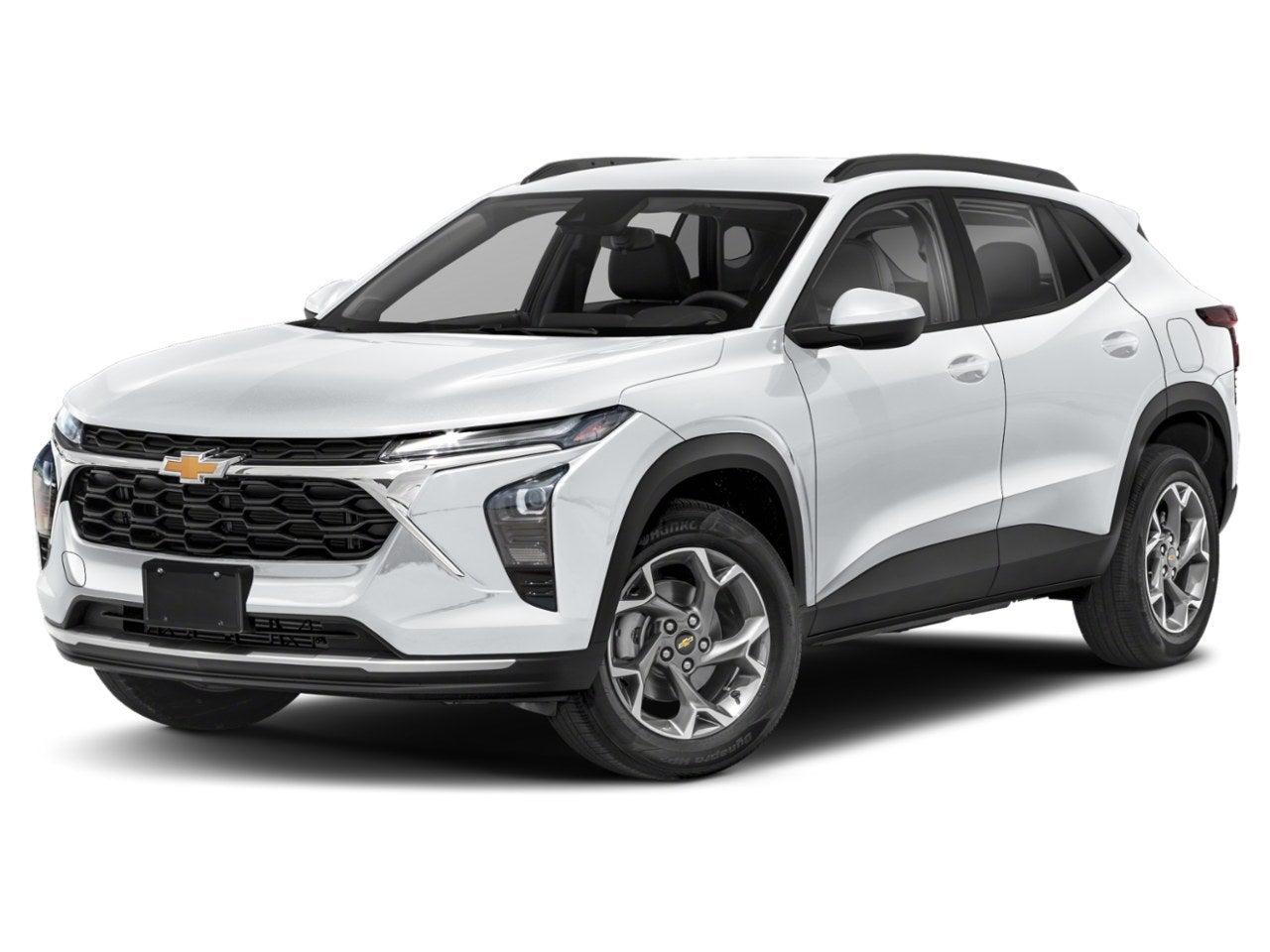
2026 Chevrolet Trax FWD 1RS front three-quarter exterior

Is Leasing a Chevrolet Trax a Good Deal?

THE SHORT ANSWER A Chevrolet Trax lease is a good deal when the total cost is low for the miles you'll actually drive and the fine print matches the ad. Total cost means everything due at signing plus all the monthly payments. Before you compare monthly payments, check the cash due up front, the mileage allowance and the money factor. Chevrolet Trax lease offers look simple until you read the fine print. At North Shore Chevrolet of Smithtown in St James, we help shoppers tell a strong lease from one that only looks cheap. This guide assumes you've never leased before, explains each term in plain English, and shows you how to judge any Trax offer with confidence. IN THIS POST Lease Basics in Plain English Reading a Trax Lease Ad Without Getting Fooled The Simple Math That Tells You If It's a Good Deal Is Leasing the Right Fit for How You Drive? Before You Sign and When the Lease Ends Key takeaways Lease Basics in Plain English A lease is a long-term rental. You pay for the share of the Trax's value you use up over a set period, plus interest and fees. At the end, you hand it back or buy it. Because you aren't paying off the whole vehicle, monthly payments usually come in lower than a loan on the same SUV. These are the terms you'll see on almost any offer: Term: how many months the lease runs, commonly two to four years. MSRP: the manufacturer's suggested retail price, which is the sticker starting point. Capitalized cost (cap cost): the price the lease is based on. Lower is better for you, and you can negotiate it the same way you'd negotiate a purchase price. Residual value: what the lender predicts the Trax will be worth when the lease ends, usually shown as a percentage of MSRP. A higher residual means you pay for less of the vehicle's lost value. Money factor: the lease's interest rate, written as a small decimal. Mileage allowance: how many miles a year you can drive before you owe an overage charge. Due at signing: the cash you pay on day one. It often includes the first payment, a down payment, fees and taxes. Once these words make sense, a lease ad stops looking like a puzzle. Reading a Trax Lease Ad Without Getting Fooled The monthly payment is the biggest number on a lease ad, but on its own it tells you the least. A low payment can hide a large down payment or a small mileage allowance. It can also be based on the base trim when you want a better-equipped one. When you look at any Trax offer, including ours, find these details in the fine print: How much is due at signing, and what that money covers The yearly mileage allowance, and the per-mile charge if you go over it Which Trax trim and options the payment is based on Whether taxes, registration and bank fees are included or added later The credit level required, since advertised payments usually assume excellent credit and approval is never automatic Any rebates or loyalty offers built into the payment that you may not qualify for Chevrolet regularly runs factory lease programs, and they change from month to month. You can compare the latest ones on our current offers, then ask us to price the exact trim you want under the same program. Watch the fees We have no hidden dealer fees or surprises, so the numbers we quote are the numbers you sign. Wherever you shop, ask for a full itemized breakdown before you agree to anything. The Simple Math That Tells You If It's a Good Deal You don't need a spreadsheet. Two quick calculations tell you most of what matters. Find the real monthly cost Multiply the monthly payment by the number of months, then add everything due at signing. That gives you your total lease cost. Divide it by the number of months to get an effective monthly payment. You can use that number to compare offers fairly, even when one asks for more cash up front. Say one offer has a lower payment but asks for a bigger check at signing. After this math, the other offer may turn out to be cheaper. Translate the money factor To turn a money factor into a rough interest rate, multiply it by 2,400. Compare the result with current auto loan rates. If it's much higher, the lease is carrying extra interest, and you should ask why. Finally, compare the cap cost with the Trax's MSRP. A lease is usually a solid deal when the price is near or below sticker, the money factor is reasonable and the mileage allowance fits how you drive. If you'd like help running the numbers on an offer you've found, our financing team can go through it with you line by line. Is Leasing the Right Fit for How You Drive? A lease can look great on paper and still be a bad fit for your life. Here on Long Island, mileage is usually the deciding factor. Think about a typical week. A daily drive from St James to an office along the Northern State Parkway or the LIE adds up fast, and so do weekend trips out east and errands on Jericho Turnpike. To pick an allowance, look at how many miles your current car has covered over the past year, then add some cushion. Buying extra miles at signing generally costs less than paying overage charges at turn-in. Leasing tends to suit you if: You drive about the same number of miles each year You like getting a newer vehicle, with current tech and warranty coverage, every few years You'd rather keep monthly costs down than own the vehicle Buying may make more sense if you drive a lot, plan to keep the Trax for many years, or want to customize it. The Trax sits at the more affordable end of Chevrolet's SUV lineup, so get a lease quote and a finance quote and compare them side by side. The difference in payments may be smaller than you expect. To find out whether the Trax itself fits you, book a test drive on the roads you use every day. Before You Sign and When the Lease Ends Questions to ask up front Is gap coverage included? Gap coverage pays the difference if the Trax is totaled and your insurance pays out less than you still owe on the lease. What counts as excess wear and tear? Is there a disposition fee, which is a charge for returning the vehicle at the end? What is the purchase option price, and is it fixed in the contract? What happens at the end When the lease is up, you have three choices. You can return the Trax, buy it for the residual value, or trade it in toward a new lease or purchase. If the Trax is worth more than its buyout price, that difference is equity you can put toward your next vehicle. It's smart to have us value your trade as the end of the lease approaches. Following the maintenance schedule in your owner's manual helps you avoid surprise charges at turn-in. Keep your service records, too. Our GM factory-trained World Class and Master Class service technicians can look your Trax over before you return it, so small issues get handled before the lease-end inspection. Where 920 Middle Country Rd St James, NY Call (631) 406-9158 KEY TAKEAWAYS Judge a lease by its total cost spread over the term, not by the advertised monthly payment. Choose a mileage allowance based on your real driving, with some cushion built in. Ask for an itemized breakdown, and convert the money factor to a rough interest rate before you sign. FAQ Common questions Can I negotiate a Chevrolet Trax lease? Yes. The cap cost is the main thing to negotiate, just like the price on a purchase. You can also ask about the money factor, dealer-added fees and buying extra miles. The residual value is set by the lender, so that part usually doesn't move. What credit do I need to lease a Trax? It depends on the lender and the program. Advertised lease payments usually assume excellent credit, and approval is never automatic. With a lower score, you may see a higher money factor or be asked to pay more at signing. Can I end a Trax lease early? You can, but it's often expensive because you may owe the remaining payments plus fees. Buying the vehicle out or trading it in can sometimes cost less, especially if it's worth more than you owe. Ask for an early payoff quote before you decide. Do I have to service my leased Trax at the dealership? No. You do need to follow the maintenance schedule in your owner's manual and keep records of the work. Many drivers have the dealership handle it because the records stay organized, and the technicians can flag wear items before turn-in. Know your numbers before you shop Our finance team can walk you through options that fit your budget. Apply for financing Value your trade Or call (631) 406-9158 · 920 Middle Country Rd, St James Or keep browsing Current offers New inventory Used cars Contact us Certified pre-owned Used specials

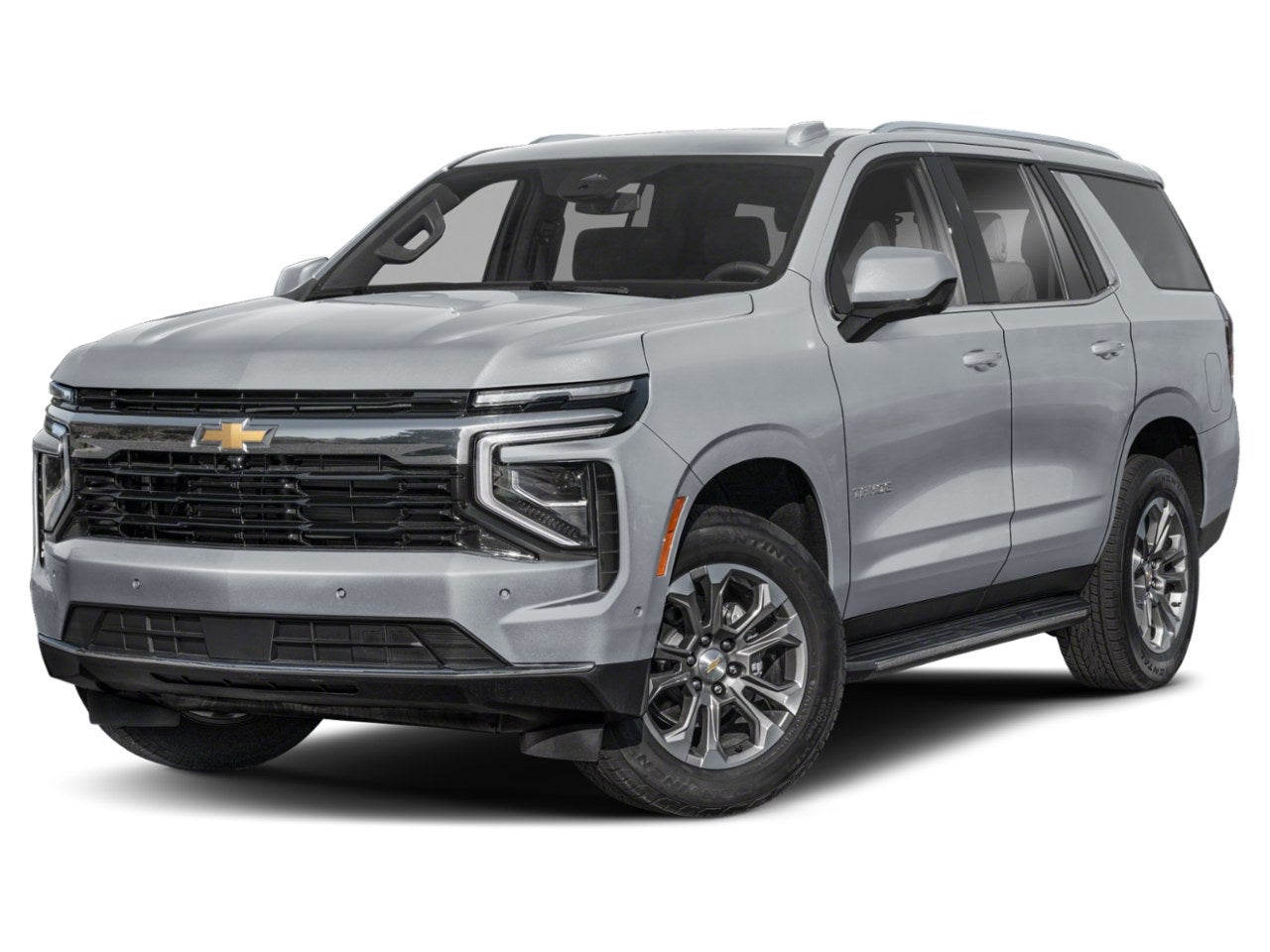
2026 Chevrolet Tahoe 4WD Commercial front three-quarter exterior

Getting Your Tahoe Ready for a St James Winter

THE SHORT ANSWER Getting a Tahoe ready for winter comes down to four things: tires, the battery and fluids, knowing what your drivetrain can and can't do on snow, and protection from road salt. Most of it fits into an afternoon or a single service visit, and a small emergency kit covers the rest. Winter on the North Shore brings nor'easters, black ice on back roads and a steady coat of road salt. A Chevy Tahoe can handle a lot, but it still needs some preparation before the first storm. At North Shore Chevrolet of Smithtown in St James, we've put together the basics in plain language, starting from scratch, so you know what to check and why it matters. IN THIS POST Tires: Where Winter Grip Starts Four-Wheel Drive and Rear-Wheel Drive, Explained Battery, Coolant and Wipers Salt, Slush and Rust Protection Your Winter Kit and Driving Habits Key takeaways Tires: Where Winter Grip Starts Your tires are the only part of your Tahoe touching the road, so they decide how well it starts, turns and stops on a slick morning. Tread is the patterned rubber on the tire's surface, and its grooves push slush and water away so the rubber can grip. Worn tread can't clear that slush, and a heavy SUV feels the difference right away. Try a quick check at home. Slip a penny into a groove with Lincoln's head pointing down. If you can see the top of his head, the tread is too shallow for winter, and it's time for new tires. All-season or winter tires All-season tires are what most vehicles wear from the factory. They handle rain and light snow, but their rubber stiffens as temperatures fall. Winter tires use a softer rubber and deeper tread cut with sipes, the tiny slits that bite into ice, so they stay flexible in the cold. If you commute early on Route 25A or head out before the plows finish Nesconset Highway, winter tires are worth a serious look. Cold air also lowers tire pressure. Check it monthly while the tires are cold, and fill to the number on the sticker inside the driver's door jamb, not the maximum printed on the sidewall. Four-Wheel Drive and Rear-Wheel Drive, Explained Drivetrain means the parts that send engine power to the wheels. With rear-wheel drive, only the back wheels push the vehicle. Four-wheel drive, often written 4WD, can send power to all four wheels, which helps a big SUV pull away from a snowy curb or climb an icy driveway. Most 2027 Tahoe trims, including the LT, RST, Z71 and High Country, come with four-wheel drive. Some versions, such as one Premier build and the 4DR POLICE, are rear-wheel drive, so confirm which one you own or are shopping for. Your window sticker or registration will tell you, and we can look it up from your VIN, the vehicle identification number. What 4WD does not do Here's the part that surprises new drivers: four-wheel drive helps you go, not stop. Brakes already work on all four wheels of any vehicle, so a 4WD Tahoe needs just as much room to stop on ice as a rear-wheel-drive one. Leave extra space, brake early and gently, and think of 4WD as help getting moving rather than permission to drive faster. Comparing trims with winter in mind? It's worth feeling the difference yourself, so book a test drive and ask us to walk you through the 4WD controls on the model you're considering. Battery, Coolant and Wipers Cold weather is hard on batteries. A battery's cold cranking amps (CCA) rating describes how much power it can deliver to start the engine in freezing weather, and that ability fades as a battery ages. If your Tahoe has been slow to start on chilly mornings, have the battery tested now rather than finding out in a parking lot in January. Coolant, also called antifreeze, keeps your engine from overheating in summer and from freezing in winter. Its protection weakens over time, and a simple test shows whether it still does the job at low temperatures. A short fluids-and-visibility list Washer fluid: switch to a winter blend made not to freeze, since summer fluid can ice up in the lines. Wiper blades: replace them if they streak or chatter, because salt spray from trucks ahead coats the glass fast. Heater and defroster: make sure both blow hot and clear the windshield quickly. Lights: clean the lenses and replace dim bulbs, since winter afternoons get dark early. Our team includes GM factory-trained World Class and Master Class service technicians, and they can check these items in one visit when you book service ahead of the season. Salt, Slush and Rust Protection Long Island road crews lean on salt and brine, a liquid salt mix sprayed before storms. It keeps the Long Island Expressway and the Sunken Meadow Parkway passable, but it clings to the underside of your Tahoe. Over time, that grime speeds up corrosion, the slow chemical process that turns bare metal into rust. Keep the underside clean Wash your Tahoe regularly through the winter, and choose a car wash with an underbody spray. Pick a day when temperatures climb above freezing so door seals and locks don't ice shut afterward. Pay extra attention to the wheel wells, the brake area and the hitch if you have one. Protect the inside, too Slush, sand and salt ride in on boots and soak into carpet. All-weather floor liners are molded trays that trap that mess so you can lift them out and rinse them off. Our parts department can help you find liners and other cold-weather accessories made for the Tahoe. A cargo liner is a smart addition if you haul wet gear, hockey bags or a snowblower part home from the store. Your Winter Kit and Driving Habits A few items in the cargo area can turn a stuck-in-the-snow evening into a minor delay. Keep them together in one bin so they're easy to grab. A snow brush and ice scraper long enough to reach the middle of the roof Jumper cables or a portable jump starter A flashlight, gloves, a warm blanket and a phone charger A small bag of sand or kitty litter for traction under a spinning tire Water and a few snacks Habits that matter more than gear Clear the snow off the roof and hood before you pull out. On a vehicle this tall, a sheet of snow can slide onto your windshield at the first stop sign or blow back toward the car behind you. Keeping the fuel tank at least half full during cold stretches gives you a reserve if traffic stops and you need to run the heater. Drive smoothly. Gentle steering, gradual acceleration and early braking keep a heavy SUV settled when shaded back roads around St James freeze over. We're involved in this community and customer satisfaction is our top priority, so if a question comes up while you're getting ready, contact us anytime. Where 920 Middle Country Rd St James, NY Call (631) 406-9158 KEY TAKEAWAYS Tire tread and tire pressure do more for winter safety than any other single item. Four-wheel drive helps you get moving, but it doesn't help you stop any sooner. Wash off road salt regularly and keep a basic winter kit in the cargo area. FAQ Common questions When should I get my Tahoe ready for winter? Aim for late October or early November, before the first hard freeze. That leaves time to swap tires or replace a weak battery without rushing. Our drive-in service lane makes it easy to stop by for a pre-winter check. Do I need winter tires if my Tahoe has four-wheel drive? Four-wheel drive helps when you're accelerating, but stopping and turning depend on your tires. Plenty of North Shore drivers do fine with healthy all-season tires, while people who drive early mornings or hilly back roads often prefer winter tires. How often should I wash my Tahoe in winter? Try for every week or two while roads are being salted, and soon after a storm. Choose a wash with an underbody spray, and go on a day that's above freezing. Should I warm up my Tahoe before driving? A short warm-up is plenty for a modern engine, and gentle driving warms it faster than idling does. Use that time to brush off snow and let the defroster start clearing the glass. Want to see it in person? Come by for a test drive, or browse what is on the lot right now. Schedule a test drive Browse new inventory Or call (631) 406-9158 · 920 Middle Country Rd, St James Or keep browsing Current offers Financing Value your trade Book service Contact us Used cars