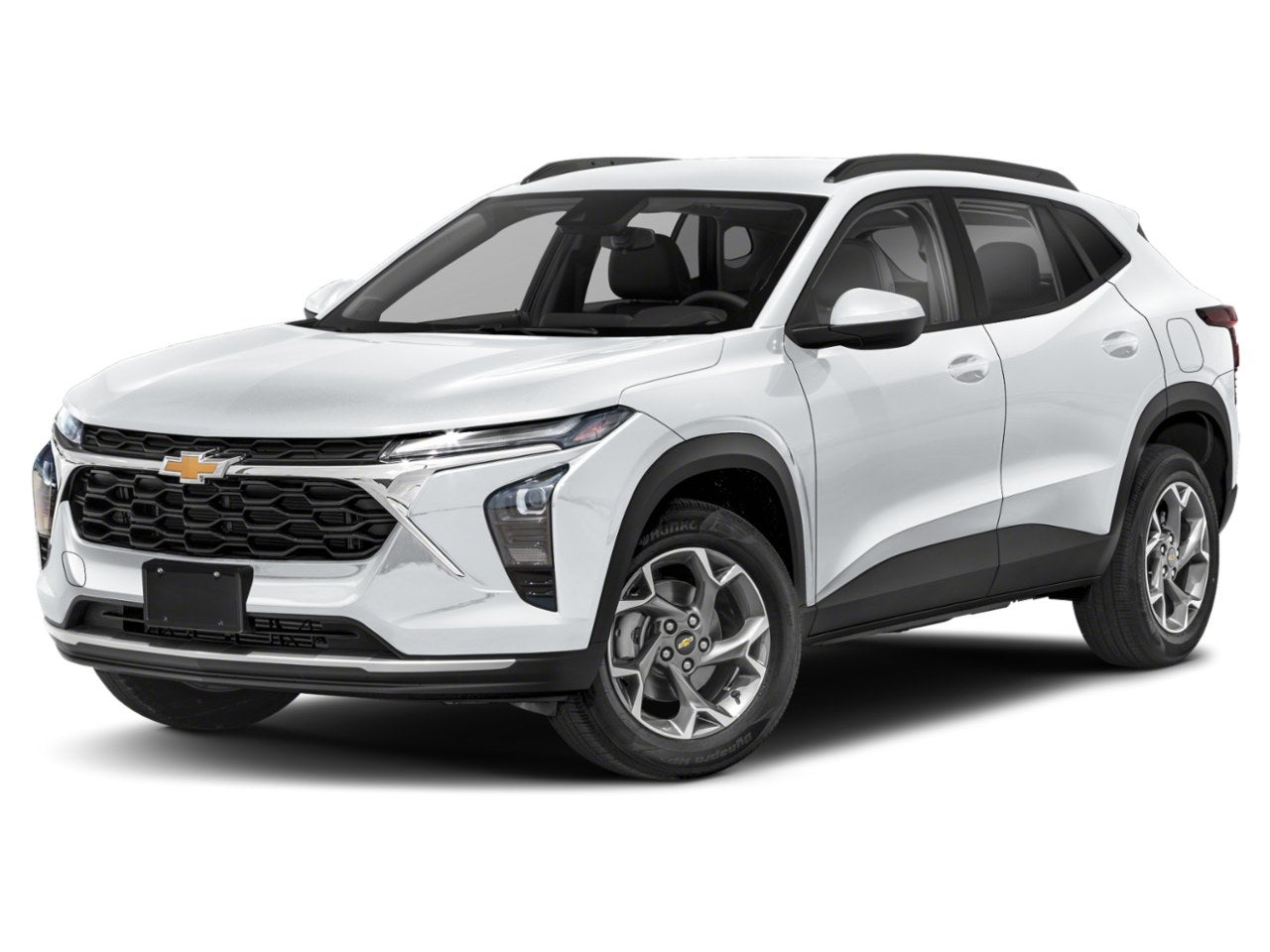


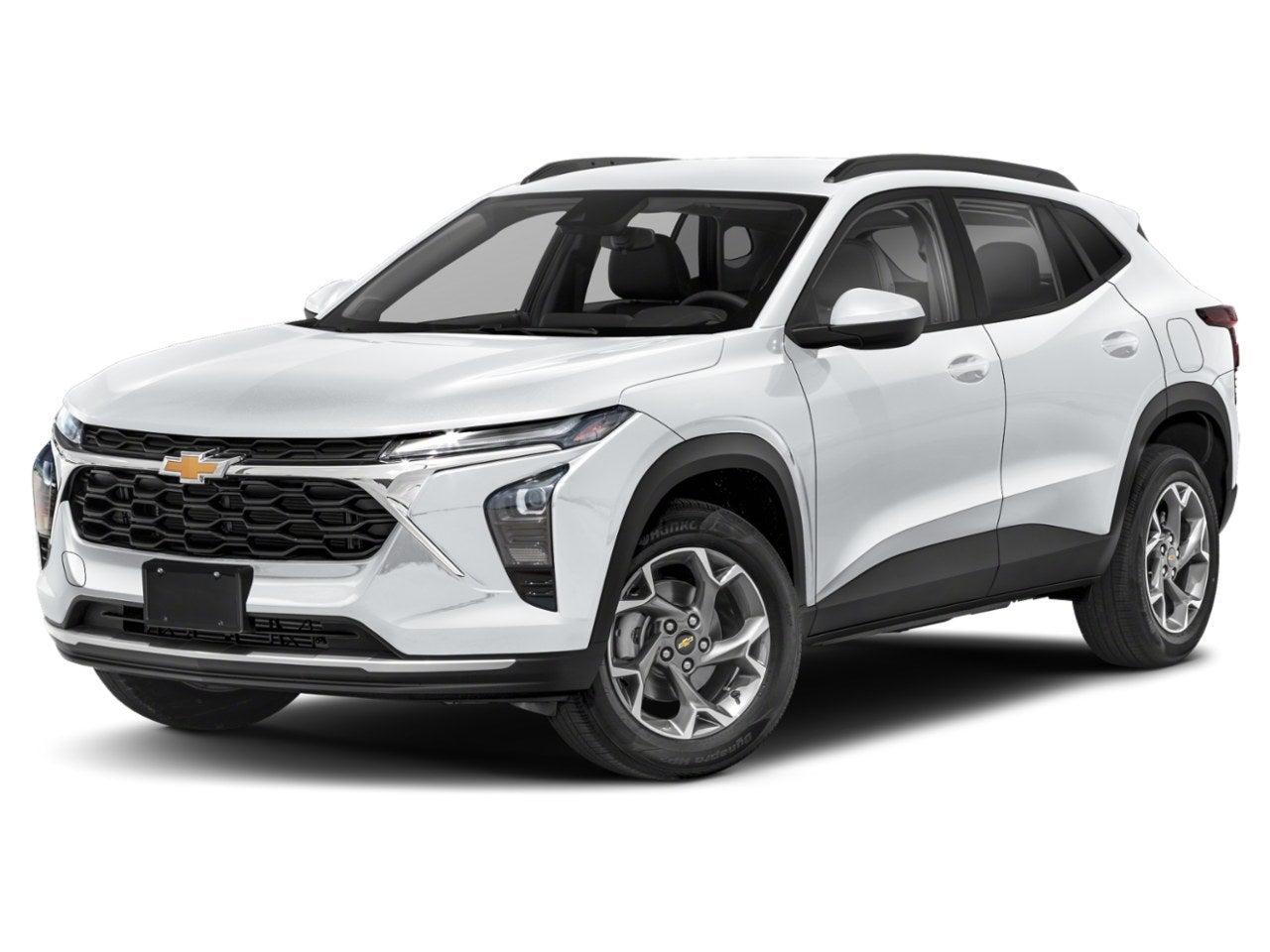
Chevrolet Trax lease offers look simple until you read the fine print. At North Shore Chevrolet of Smithtown in St James, we help shoppers tell a strong lease from one that only looks cheap. This guide assumes you've never leased before, explains each term in plain English, and shows you how to judge any Trax offer with confidence.
Lease Basics in Plain English
A lease is a long-term rental. You pay for the share of the Trax's value you use up over a set period, plus interest and fees. At the end, you hand it back or buy it. Because you aren't paying off the whole vehicle, monthly payments usually come in lower than a loan on the same SUV.
These are the terms you'll see on almost any offer:
- Term: how many months the lease runs, commonly two to four years.
- MSRP: the manufacturer's suggested retail price, which is the sticker starting point.
- Capitalized cost (cap cost): the price the lease is based on. Lower is better for you, and you can negotiate it the same way you'd negotiate a purchase price.
- Residual value: what the lender predicts the Trax will be worth when the lease ends, usually shown as a percentage of MSRP. A higher residual means you pay for less of the vehicle's lost value.
- Money factor: the lease's interest rate, written as a small decimal.
- Mileage allowance: how many miles a year you can drive before you owe an overage charge.
- Due at signing: the cash you pay on day one. It often includes the first payment, a down payment, fees and taxes.
Once these words make sense, a lease ad stops looking like a puzzle.
Reading a Trax Lease Ad Without Getting Fooled
The monthly payment is the biggest number on a lease ad, but on its own it tells you the least. A low payment can hide a large down payment or a small mileage allowance. It can also be based on the base trim when you want a better-equipped one.
When you look at any Trax offer, including ours, find these details in the fine print:
- How much is due at signing, and what that money covers
- The yearly mileage allowance, and the per-mile charge if you go over it
- Which Trax trim and options the payment is based on
- Whether taxes, registration and bank fees are included or added later
- The credit level required, since advertised payments usually assume excellent credit and approval is never automatic
- Any rebates or loyalty offers built into the payment that you may not qualify for
Chevrolet regularly runs factory lease programs, and they change from month to month. You can compare the latest ones on our current offers, then ask us to price the exact trim you want under the same program.
Watch the fees
We have no hidden dealer fees or surprises, so the numbers we quote are the numbers you sign. Wherever you shop, ask for a full itemized breakdown before you agree to anything.
The Simple Math That Tells You If It's a Good Deal
You don't need a spreadsheet. Two quick calculations tell you most of what matters.
Find the real monthly cost
Multiply the monthly payment by the number of months, then add everything due at signing. That gives you your total lease cost. Divide it by the number of months to get an effective monthly payment. You can use that number to compare offers fairly, even when one asks for more cash up front.
Say one offer has a lower payment but asks for a bigger check at signing. After this math, the other offer may turn out to be cheaper.
Translate the money factor
To turn a money factor into a rough interest rate, multiply it by 2,400. Compare the result with current auto loan rates. If it's much higher, the lease is carrying extra interest, and you should ask why.
Finally, compare the cap cost with the Trax's MSRP. A lease is usually a solid deal when the price is near or below sticker, the money factor is reasonable and the mileage allowance fits how you drive. If you'd like help running the numbers on an offer you've found, our financing team can go through it with you line by line.
Is Leasing the Right Fit for How You Drive?

A lease can look great on paper and still be a bad fit for your life. Here on Long Island, mileage is usually the deciding factor.
Think about a typical week. A daily drive from St James to an office along the Northern State Parkway or the LIE adds up fast, and so do weekend trips out east and errands on Jericho Turnpike. To pick an allowance, look at how many miles your current car has covered over the past year, then add some cushion. Buying extra miles at signing generally costs less than paying overage charges at turn-in.
Leasing tends to suit you if:
- You drive about the same number of miles each year
- You like getting a newer vehicle, with current tech and warranty coverage, every few years
- You'd rather keep monthly costs down than own the vehicle
Buying may make more sense if you drive a lot, plan to keep the Trax for many years, or want to customize it. The Trax sits at the more affordable end of Chevrolet's SUV lineup, so get a lease quote and a finance quote and compare them side by side. The difference in payments may be smaller than you expect. To find out whether the Trax itself fits you, book a test drive on the roads you use every day.
Before You Sign and When the Lease Ends
Questions to ask up front
- Is gap coverage included? Gap coverage pays the difference if the Trax is totaled and your insurance pays out less than you still owe on the lease.
- What counts as excess wear and tear?
- Is there a disposition fee, which is a charge for returning the vehicle at the end?
- What is the purchase option price, and is it fixed in the contract?
What happens at the end
When the lease is up, you have three choices. You can return the Trax, buy it for the residual value, or trade it in toward a new lease or purchase. If the Trax is worth more than its buyout price, that difference is equity you can put toward your next vehicle. It's smart to have us value your trade as the end of the lease approaches.
Following the maintenance schedule in your owner's manual helps you avoid surprise charges at turn-in. Keep your service records, too. Our GM factory-trained World Class and Master Class service technicians can look your Trax over before you return it, so small issues get handled before the lease-end inspection.
St James, NY
- Judge a lease by its total cost spread over the term, not by the advertised monthly payment.
- Choose a mileage allowance based on your real driving, with some cushion built in.
- Ask for an itemized breakdown, and convert the money factor to a rough interest rate before you sign.