



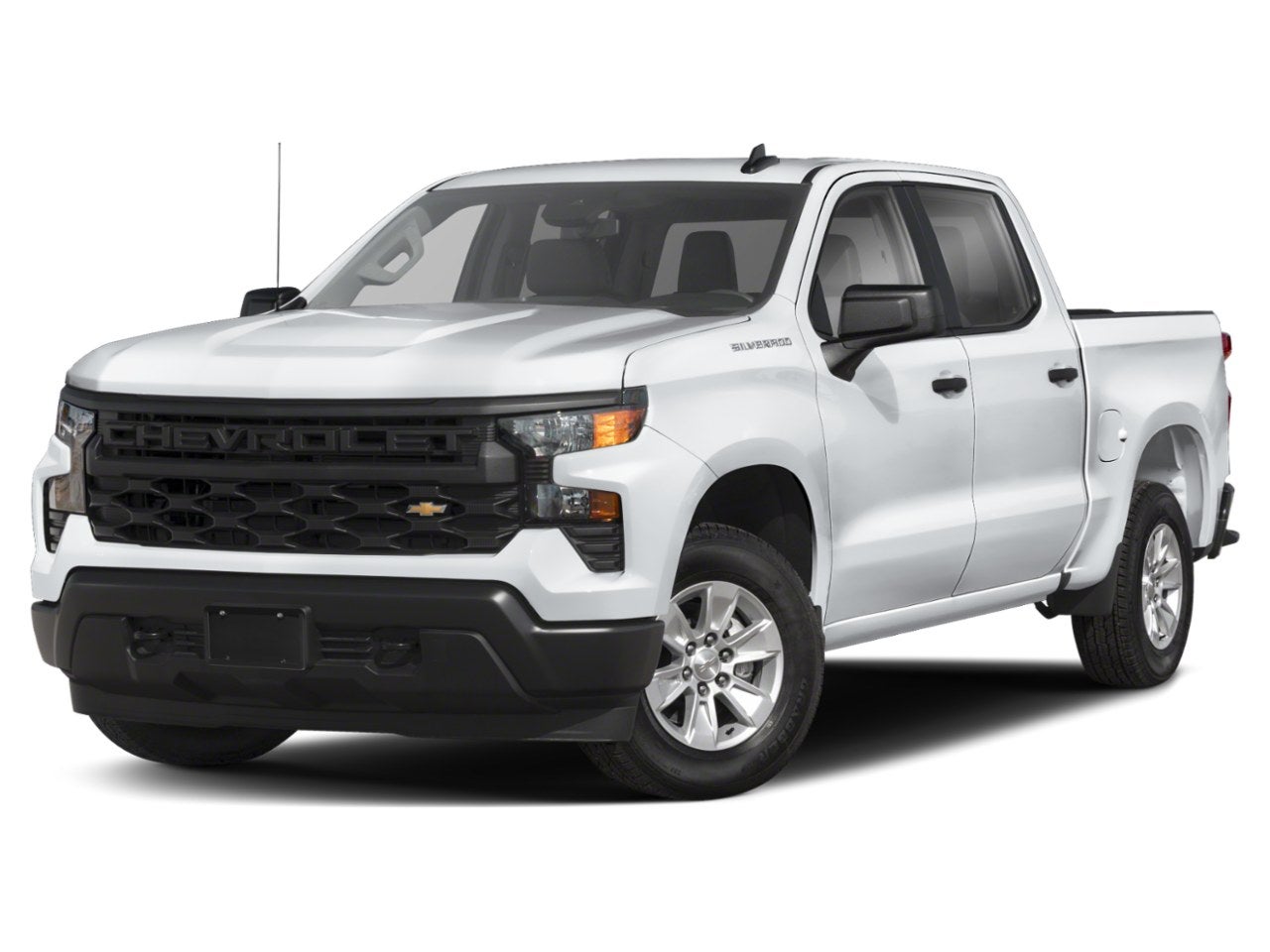
Choosing between a Silverado 1500 and a Silverado 2500 HD comes down to one question: how much weight will you put on the truck, and how often? At North Shore Chevrolet of Smithtown in St James, we help drivers make this call regularly, and the right answer is rarely about which truck looks tougher. We'll start with the basic terms, assuming you're new to trucks, and build to a clear way to decide.
Half-Ton, Three-Quarter-Ton and What HD Means
Truck names carry a code. People call a 1500 a half-ton pickup and a 2500 a three-quarter-ton. Those labels are decades old and no longer match real weight ratings, but they still tell you the class: light duty versus heavy duty.
Four terms do most of the work when you compare trucks:
- Payload: the total weight the truck can carry in the cab and bed, passengers included.
- Towing capacity: the heaviest trailer the truck is rated to pull.
- Tongue weight: the downward push a trailer puts on the hitch. It counts against your payload, which surprises many first-time towers.
- GVWR (gross vehicle weight rating): the most the truck may weigh fully loaded, as set by the manufacturer.
A heavy-duty truck raises those limits with hardware: a stronger frame, stiffer springs, larger brakes and beefier axles. That hardware is the whole point of an HD. It also explains why an HD rides firmer when the bed is empty, since the suspension is tuned for weight that isn't there yet.
Ratings shift with cab style, bed length, drivetrain and equipment. Before you rely on any number, read the label inside the driver's door jamb on the specific truck. It shows that truck's actual payload, not a best-case figure from a brochure.
Signs the Silverado 1500 Is Enough
Plenty of truck owners never need more than a half-ton, and buying more than you need has real downsides. A 1500 is lighter, easier to place in a tight lot in Smithtown or Stony Brook, and smoother over broken pavement on Route 25A when the bed is empty. Lighter trucks also tend to cost less to fuel and maintain over the years.
The 1500 is probably your truck if most of these sound like you:
- You tow a few times a season, such as a jet ski, a small fishing boat or a utility trailer.
- Your bed loads are things like bikes, lumber for a weekend project or a trip to the dump.
- The truck doubles as the family vehicle and sees daily commuting on the LIE or Northern State.
- You care about ride comfort as much as capability.
There's a simple test: think about your heaviest regular load, not your heaviest imaginable one. If that load sits comfortably within a 1500's ratings with room to spare, the half-ton will serve you well. Renting or borrowing a bigger truck for a once-a-year job often makes more sense than living with an HD every day.
Spare capacity matters, though. A truck working near its limit every trip will feel strained, wear faster and give you less margin in a sudden stop.
Signs You Need the 2500 HD
Heavy duty earns its place when weight is part of your routine. The question isn't whether a 1500 can pull something once. It's whether you want a truck that does the job easily, day after day, with safety margin left over.
The 2500 HD makes sense if any of these fit:
- You tow heavy, and often. Larger travel trailers, car haulers, equipment trailers and bigger boats push past what's comfortable for a half-ton.
- You want a fifth-wheel or gooseneck. These hitches mount in the bed and put a lot of weight on the truck, which is exactly what an HD is built for.
- You carry a slide-in camper. It sits entirely on the truck, so payload becomes the limiting number fast.
- You run a trade. Contractors and landscapers hauling tools, materials and a trailer at once need payload and towing at the same time.
- You plow. A blade hangs serious weight off the front end, and heavy-duty trucks are the usual choice for it during Long Island winters.
Think a few years ahead, too. If you're buying a truck now and a bigger camper or a growing business is likely, the HD saves you from trading again sooner than planned.
The tradeoff is a firmer ride unloaded and a bigger truck to park. For people who work their truck hard, that's an easy trade to make.
Reading the 2026 Silverado 2500 HD Lineup
Trims: WT and Custom
WT stands for Work Truck, the most straightforward version built around getting the job done. Custom steps up the look and the passenger room. In base form, the WT seats three and the Custom seats six, so families or crews who ride together should start with the Custom.
Under the hood, the choice is simple. Every 2026 trim here uses a 6.6L V8 gas engine rated at 401 horsepower, so you're picking a truck by cab, bed and drivetrain rather than by engine.
Cab, Bed and Drivetrain
Regular Cab means two doors and one row of seats. Double Cab adds a rear row behind smaller rear doors, while Crew Cab gives you full-size rear doors and the most back-seat space. Beds come in standard and long lengths; a long bed carries more but makes the truck harder to park.
Rear-wheel drive (2WD) is fine for highway towing and keeps the price down. Four-wheel drive (4WD) is worth it if you launch boats on slippery ramps, work on dirt or snow, or plow. On the WT, that upgrade takes the price from $45,900 to $48,700.
Pricing climbs as you add cab space, bed length and 4WD, topping out at $52,000 for the Custom with 4WD. You can browse our new Silverado inventory to see which combinations are on the lot.
How to Decide Before You Buy

A good decision starts with real numbers about your own life, not guesses. Before you visit, work through these steps:
- Weigh your heaviest load. A public truck scale can weigh your trailer and gear for a small fee, and your trailer's paperwork lists its rated weight.
- Add up passengers and cargo. Riders, coolers, tools and tongue weight all count against payload.
- Look a few years ahead. Plan for the camper or business you expect to have, not just today's.
- Drive both trucks. Feel the difference in ride and size on the roads you actually use.
When you're ready, book a test drive of a 1500 and a 2500 HD back to back. Tell us what you tow and where, and we'll help you match the truck to the job, even if that means the lighter one. Honesty and value are central to how we do business, and our customers' satisfaction is our top priority.
After the Sale
Towing gear, hitches and plow parts are part of owning a work truck. We keep a large parts inventory, so you're not waiting on basic items. If you'd like to explore payment options, our team can walk you through the process, though approval and terms always depend on your credit and the lender.
St James, NY
- Base the choice on your heaviest regular load, not your daily drive.
- An HD truck trades some empty-bed ride comfort for much more capability under weight.
- Check the door-jamb label on the exact truck, since ratings change with cab, bed and drivetrain.