



The price on the window is only where the cost of a car starts. Once you're driving a Chevrolet Equinox around St James, you also pay for fuel, insurance, taxes, registration, maintenance and, if you finance, interest. We're North Shore Chevrolet of Smithtown in St James, and we'll go through each of those costs in plain terms. You don't need any car-buying experience to follow along.
Start With the Sticker Price

MSRP stands for manufacturer's suggested retail price. Chevrolet sets this number, and it doesn't include taxes or registration. It's your baseline, so start by knowing where the trim you want lands.
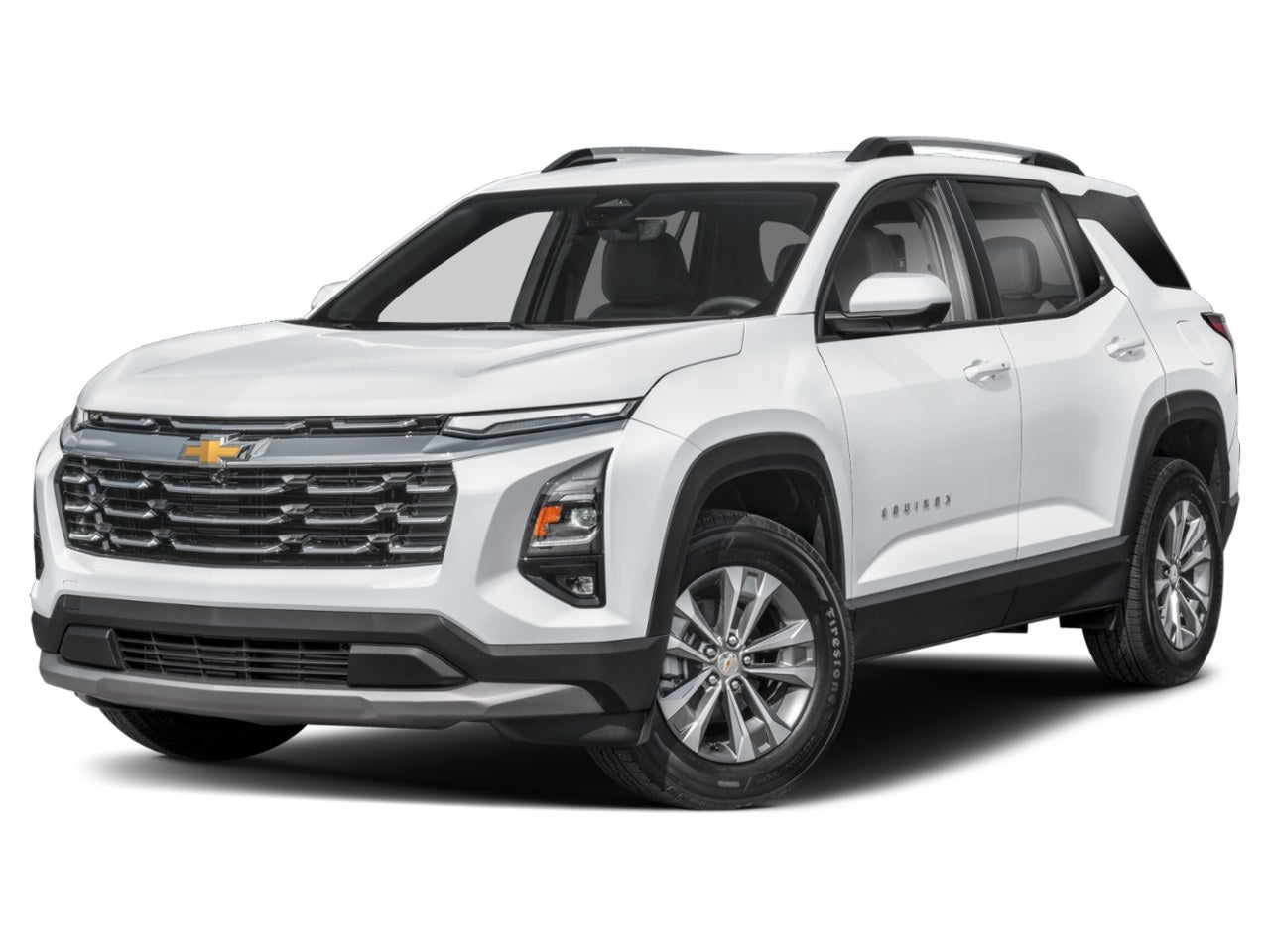
A trim is one version of a model, with its own set of features. The 2027 Equinox LT is the entry point at $29,000. An LT with available all-wheel drive starts at $31,000.
ACTIV and RS cost more. ACTIV leans rugged and RS leans sporty, and both start at $33,900 with front-wheel drive. With available all-wheel drive, either one starts at $35,900.
There's also an Equinox EV, an electric version that starts at $34,995. Electric changes how you pay for energy and maintenance, and we'll come back to that below.
Next, ask for the out-the-door price. That's the total you pay with tax, title and registration included, and it's the number your budget should start from. We don't add hidden dealer fees or surprises, so the figure we give you is the one you'll sign. When you're ready to compare trims side by side, you can browse our new Equinox inventory and see what's on the lot.
Fuel and Charging: What You'll Spend Each Week

Gas Equinox models with front-wheel drive are rated at 25 mpg in the city and 29 on the highway. Mpg means miles per gallon. City is stop-and-go driving, highway is steady cruising, and combined is a blend of the two.
Think about where you actually drive. Errands along Route 25A and Nesconset Highway land closer to the city number. A commute on the Northern State Parkway or the LIE gets closer to the highway number.
Estimating your fuel bill
Front-wheel-drive models average 27 combined, and models with available all-wheel drive average 26. To estimate a month of gas, divide the miles you drive in a month by the combined rating and multiply by the local pump price. That one-mpg gap costs a little more at the pump, and in exchange you get extra grip on icy, hilly North Shore roads in winter.
The EV uses no gas. Your energy cost depends on your home electricity rate and how often you use public chargers, so check your utility bill before you decide. The best way to judge is to book a test drive in both versions on roads you know.
Financing: How a Monthly Payment Is Built
Most people finance a car, which means borrowing money and paying it back over time. A few terms will help you read any offer.
- Principal: the amount you borrow after your down payment and any trade-in credit
- APR: the annual percentage rate, which is the yearly cost of borrowing, including interest
- Term: how many months you take to repay
- Down payment: the cash you put in up front
A longer term lowers your monthly payment but raises the total interest you pay. A shorter term does the opposite. When you compare offers, look at the total cost of the loan as well as the monthly payment.
Your rate and approval depend on your credit history, your income and what lenders offer at the time. No one can promise you a specific rate before a lender reviews your application, and we won't pretend otherwise.
Leasing works differently. You pay for the part of the car's value you use over a set period, then return it or buy it out. Lease payments are often lower, but there are mileage limits. You can look over both paths when you explore your financing options with us.
Insurance, Sales Tax and Registration
New York charges sales tax on a vehicle purchase. The rate depends on the county where you register the car, so Suffolk County residents pay the Suffolk rate. Because tax is figured on the purchase price, a higher trim adds a bit more tax as well.
You'll also pay New York DMV fees for title and registration, and you'll renew your registration on a regular cycle. These costs are smaller than the others, but include them so nothing catches you off guard.
Getting insurance right
Insurance is often the biggest cost after your payment. Insurers look at your driving record, your ZIP code, the coverage you choose, your deductible and the vehicle itself. A deductible is the amount you pay out of pocket on a claim before insurance pays the rest.
Get quotes on the exact Equinox trim you're considering before you sign. Rates for the same driver can change from one version to another. If you finance or lease, the lender will usually require comprehensive and collision coverage. You may also want gap insurance, which covers the difference if the car is totaled while you owe more than it's worth. If you'd like help pulling details together for a quote, reach out to our team.
Maintenance, Winter Wear and Resale
Routine maintenance keeps repair bills small. A gas Equinox needs oil changes, tire rotations, air and cabin filters, and periodic brake checks. Your owner's manual and the car's maintenance reminders tell you when each one is due. The EV skips oil changes, though it still needs tires, brakes and cabin filters.
Long Island winters add a few costs worth planning for:
- Underbody washes to clear road salt, which helps prevent rust
- A set of winter tires if you drive often in snow, especially with front-wheel drive
- Wiper blades and washer fluid rated for freezing weather
We keep a large parts inventory, so common items are often on hand when your Equinox comes in. When the time comes, you can book service online.
What you get back at the end
Depreciation is the value a car loses over time, and it's a real ownership cost even though you never write a check for it. Keep your service records, fix small dings and stay on schedule. Those habits help your Equinox hold more value when you sell it or trade it in. Honesty and value are central to how we do business, so we'll show you how we arrived at any trade figure we offer.
St James, NY
- Budget from the out-the-door price, not the MSRP, and pick the trim you actually need.
- Use the combined mpg and your real weekly miles to estimate fuel, and get insurance quotes before you sign.
- Loan length, maintenance habits and resale value shape your long-term cost as much as the sticker does.