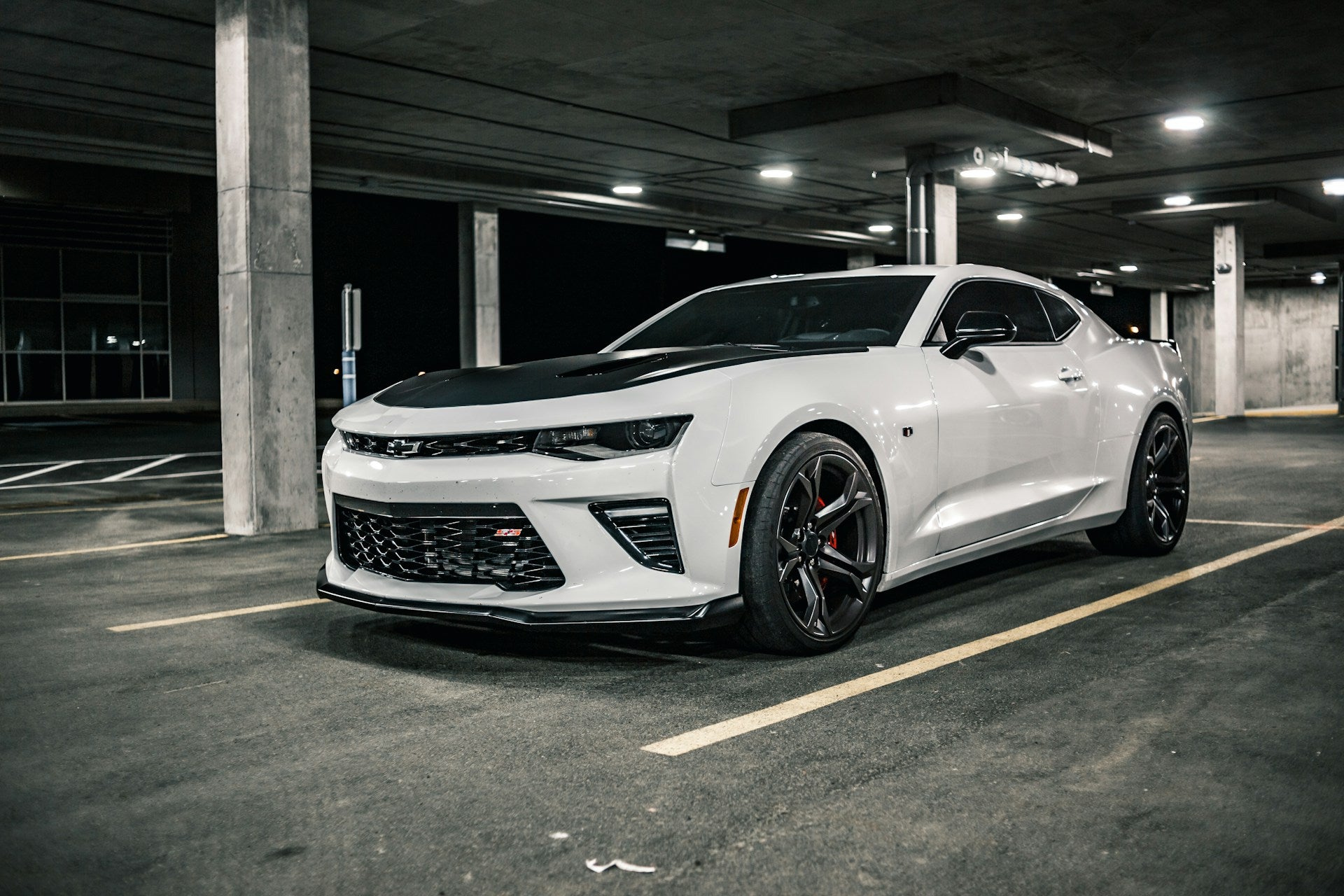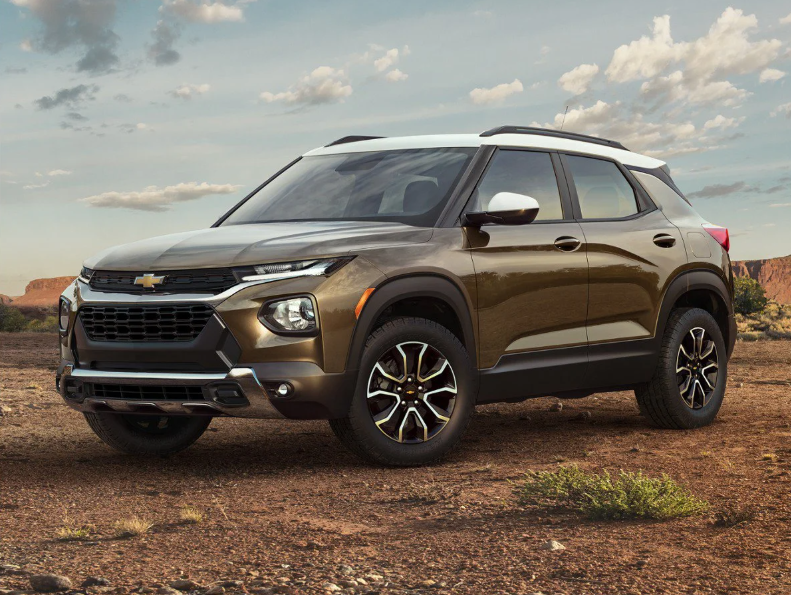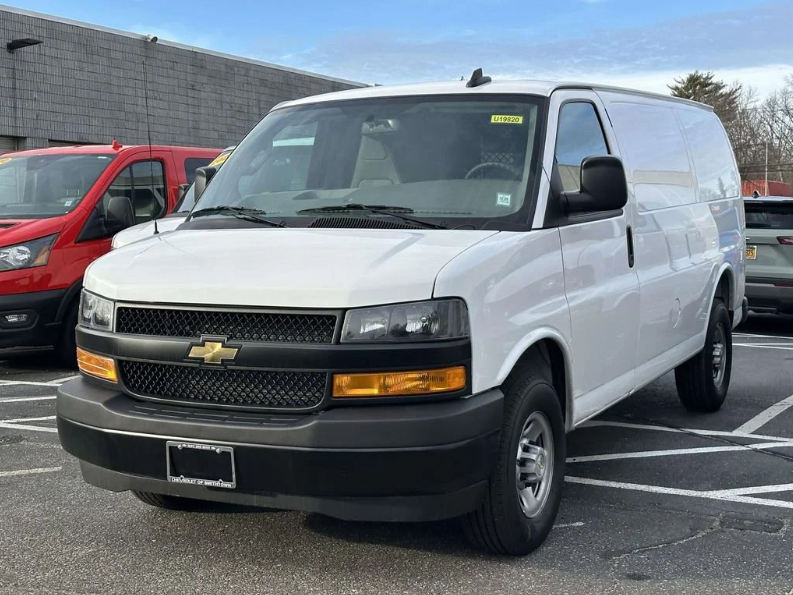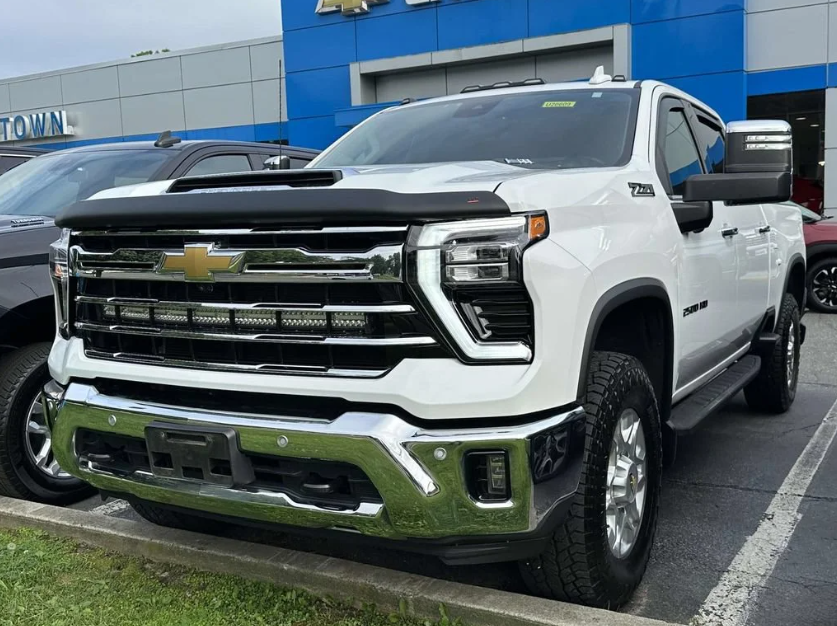




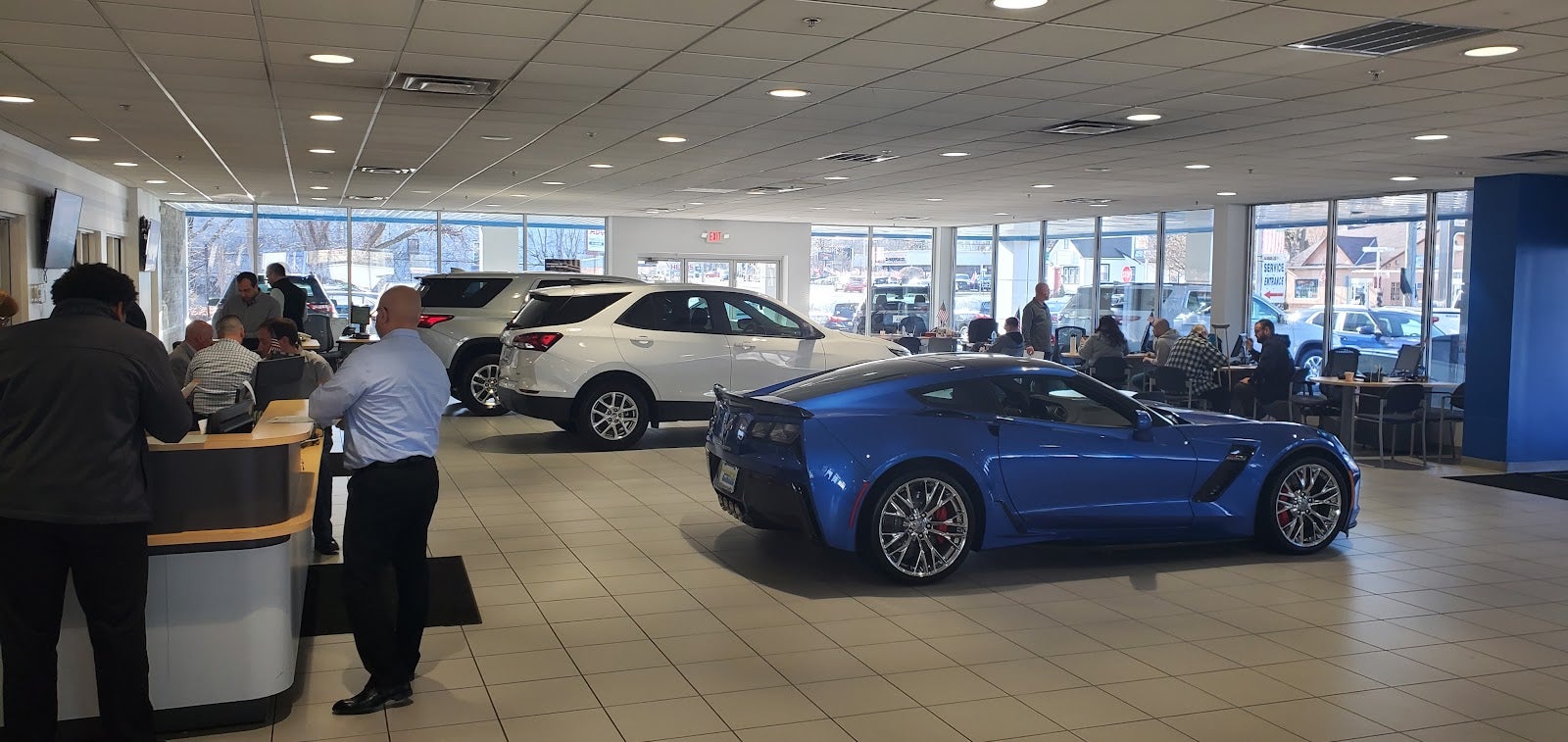
THE SHORT ANSWER Pick the Suburban if your normal week means a full house, lots of gear, or a trailer. Pick the Corvette if most days it's just you and maybe one passenger, and you want every drive to feel like an event. The right one is whichever fits your ordinary Tuesday, not the one dream weekend you picture. The most common mistake we see is shopping for the life you picture instead of the one you actually drive. At North Shore Chevrolet of Smithtown in St James, we've watched people come in sure they wanted a Corvette and leave knowing a Suburban suited them better, and we've seen it go the other way too. Comparing a three-row family hauler to a two-seat sports car sounds a little funny, but it's a real choice households make. So let's take the questions folks actually ask us, starting with that mistake and finishing with cost and timing. $63,700 Starting MSRP 20 mpg EPA highway 41.5 cu ft Cargo space 2026 Chevrolet Suburban, from its published specifications. IN THIS POST What's the biggest mistake people make choosing between these two? How do I figure out what my week really asks of a vehicle? Who is the Suburban really the right fit for? Who is the Corvette really the right fit for? Can we have both, or is there something in between? What does each cost to own, and when should I shop? Key takeaways What's the biggest mistake people make choosing between these two? Most people buy for the best day of the year instead of the average one. Someone pictures a summer run out to the North Fork with the roof panel off and forgets that most of their miles are school drop-offs on Route 25A and crawling along the LIE. Somebody else buys a full-size SUV for the one Thanksgiving trip to see the in-laws, then parks it alone at the train station the rest of the year. The fix is simple: plan around your ordinary week first. After that, check that the vehicle can still cope with your occasional big moments, even if one of them means renting a trailer or borrowing a friend's truck once a year. We'd rather you hear this from us now than six months into payments. Both of these Chevrolets are outstanding at what they're built for. They just do very different jobs, and the honest question is which job shows up on your calendar most often. How do I figure out what my week really asks of a vehicle? Grab a notepad and think about the last two normal weeks, not vacations or holidays. A few questions sort things out fast: How many people ride with you on a regular day? What do you carry most often: hockey bags, a big dog, a week of groceries, or just a laptop? Do you tow a boat to a ramp, a camper, or a utility trailer? Where do you park at home, at work and at the stores you visit most? How do you plan to handle snow and slush from December through March? If your answers keep landing on more people, more stuff and a hitch, you already know where this is heading. When they come back as you, a coffee and the open road, that points somewhere else entirely. Parking deserves a real look. Measure your garage and driveway before you fall in love with anything, because a long SUV and a low sports car each have their own clearance quirks around here. Who is the Suburban really the right fit for? The Suburban is for people who move a crowd. Its big advantage is a third row that adults can actually sit in, plus usable cargo room behind that row even when every seat is full. That's the difference between it and a lot of smaller three-row crossovers, where the way-back seats are really for kids. It also suits families who tow. If you're pulling a boat on summer weekends or a camper upstate, a body-on-frame SUV with available four-wheel drive is the kind of tool that job wants. The key figures near the top give you its starting price, best fuel economy and cargo space, so we won't repeat them here. On the road, it's calmer than its size suggests. Highway drives on the Northern State are quiet and comfortable, and the tall seating position gives you a good view over traffic. If that sounds like your household, take a look at our new Chevy inventory and sit in the third row yourself before deciding. Who is the Corvette really the right fit for? The Corvette is for the driver who wants the drive itself to be the reward. It seats two, it sits low, and with the engine mounted behind the seats it feels balanced and eager in a way an SUV simply isn't trying to be. People are often surprised by how livable it is. There's a front trunk plus a rear trunk, enough for a weekend bag and some groceries, and the ride is comfortable for daily commuting. Many owners here drive theirs all week in good weather. Things to check first That low nose needs some thought on steep driveways, parking lot entrances and speed bumps, which is why many owners choose the available front-lift feature. Winter is the other question. Plenty of local owners store theirs for the snowy months or switch to winter tires, and the E-Ray model adds all-wheel drive for people who want more confidence year-round. If a new one stretches the budget, a certified pre-owned Corvette is worth a look, since you still get a vehicle that's been inspected and comes with factory-backed coverage. Can we have both, or is there something in between? Two vehicles in one driveway Plenty of households solve this by owning one of each. The Suburban handles the school runs, team carpools and towing, while the Corvette comes out for sunny weekends and the occasional commute. If one adult drives solo most days, that split can make more sense than two big SUVs. It works best when you're honest about insurance, registration and garage space for both. A second vehicle that sits too much can also develop its own small problems, from weak batteries to flat-spotted tires, so plan to drive it regularly. The middle ground If neither extreme fits, Chevrolet makes plenty of vehicles between them. The Tahoe is the shorter sibling of the Suburban, easier to park while keeping three rows. The Traverse is a three-row crossover that's lighter and simpler to live with for families who don't tow much. For a smaller household, the Blazer brings sporty styling in an SUV shape. If you're replacing something now, it helps to value your current vehicle early. Knowing that number shapes which of these choices feels comfortable. What does each cost to own, and when should I shop? Your sticker price is only the start. A big SUV uses more fuel than a family sedan and wears large, pricey tires. A Corvette usually costs more to insure, and its performance tires tend to wear faster, especially if you enjoy it the way it's meant to be enjoyed. Get an insurance quote before you buy either one, because rates vary widely by driver and zip code. Timing matters too. Interest in sports cars tends to rise in spring, so shoppers who browse in late fall and winter often find a calmer showroom and more time to decide. Model-year changeovers are another good moment to check our current offers on outgoing vehicles. Rates and terms depend on your credit and the lender, so we can walk through options with you, but we can't promise any particular approval or rate. After the sale, keeping either one running right is our job. Our service department has GM factory-trained World Class and Master Class service technicians, and we keep a large parts inventory, which means fewer days waiting on an order whether you're bringing in a family hauler or a weekend toy. Where 920 Middle Country Rd St James, NY Call (631) 406-9158 KEY TAKEAWAYS Choose for your typical week, then make sure the vehicle can still handle the occasional big day. The Suburban covers people, cargo and towing; the Corvette covers two people and pure driving enjoyment. Ownership costs and buying timing differ a lot between them, so plan for both before you sign. FAQ Common questions Can a Corvette really be a daily driver on Long Island? For a lot of people, yes. It's comfortable on the highway and has two trunks for everyday errands. The main things to plan for are steep driveways, potholes, and winter, which most owners handle with the front-lift feature, winter tires, or seasonal storage. Is the Suburban hard to park in town? It takes a little practice in tight lots, but the available cameras and parking sensors help a lot. Measure your garage first. If length is a worry, the Tahoe gives you three rows in a shorter body. Should I test drive both even if I'm leaning one way? We'd encourage it. Driving them back to back makes the trade-offs obvious in a few minutes, and it often confirms your choice or saves you from a costly mistake. Bring the car seats, the gear or the passenger you usually ride with so the test reflects real life. Want to see it in person? Come by for a test drive, or browse what is on the lot right now. Schedule a test drive Browse new inventory Or call (631) 406-9158 · 920 Middle Country Rd, St James Or keep browsing Current offers Financing Value your trade Book service Contact us Used cars

Fuel-Saving Driving Tips for Your Chevrolet
THE SHORT ANSWER The biggest fuel savings come from how you drive: gentle acceleration, early coasting and steady speeds. After that, a lighter load, properly inflated tires and on-time maintenance keep your Chevrolet from quietly wasting gas. Most drivers blame the car when fuel costs climb, but the bigger factor is usually the person behind the wheel. A few habit changes can stretch a tank in any Chevrolet, from a Trax to a Silverado. Here's what the team at North Shore Chevrolet of Smithtown in St James tells drivers who want more out of every fill-up, starting with the mistake we see most. IN THIS POST 1. Stop Driving in Bursts 2. Hold a Steady Speed and Skip the Long Idle 3. Lighten the Load and Check Your Tires 4. Know the Cost and Timing of Maintenance Key takeaways 1. Stop Driving in Bursts Driving in bursts is the most common way to waste fuel: hard off the line, fast up to the next red light, then heavy on the brakes. You pay for that speed twice. First you burn gas to build it, then your brakes turn it into heat. Smooth, gradual acceleration is the biggest change most drivers can make. Look well down the road, and when a light turns yellow or traffic bunches up, lift off early and let the car coast. Habits that help Pull away from a stop as if there's an open coffee on the dash. Leave extra following distance so you can coast instead of braking. Learn the light timing on roads you drive daily, like 25A, and roll up to reds rather than rushing them. You won't arrive noticeably later, and your brakes will last longer too. 2. Hold a Steady Speed and Skip the Long Idle Wind resistance climbs quickly as speed goes up, so easing off a little on the highway saves real fuel on longer trips down the LIE. Use cruise control on flat stretches. On hills, let your speed drift down slightly on the climb instead of forcing the throttle to hold it. Idling An idling engine gets zero miles per gallon. Modern engines warm up faster when driven gently than when left running in the driveway, so keep remote-start warm-ups short, even in a Long Island winter. If your Chevrolet has automatic engine stop/start, leave it on. It shuts the engine off at long stops and restarts it the moment you lift off the brake. Some models also offer a drive mode aimed at efficiency; your owner's manual explains what yours does. 3. Lighten the Load and Check Your Tires Roof boxes, bike racks and cargo baskets add drag at highway speeds. Take them off when the beach or ski season ends. Clear out the heavy stuff living in your trunk or truck bed, too: tools, sandbags, sports gear you haven't touched in months. Tire pressure Underinflated tires flex more and roll with more resistance, which costs fuel every mile. Use the pressure printed on the sticker inside the driver's door jamb, not the maximum molded into the tire sidewall. Check pressure with the tires cold, before driving. Recheck when temperatures drop, since cold air lowers pressure. Don't wait for the dashboard warning. It usually comes on only once a tire is well below where it should be. A reliable gauge is cheap, and most gas stations have air. 4. Know the Cost and Timing of Maintenance The cheapest fuel savers are the ones you do often. Check tire pressure monthly. Follow your oil life monitor and use the oil grade your owner's manual calls for, since the wrong viscosity can add internal friction. When to get it looked at A check engine light. A failing sensor can quietly throw off how much fuel the engine uses. A car that pulls to one side, which can mean an alignment issue scrubbing your tires. Brakes that drag or smell hot after normal driving. A dirty engine air filter, which is quick and inexpensive to replace at routine service. Fixing these early usually costs less than letting them snowball. At North Shore Chevrolet of Smithtown, GM factory-trained World Class and Master Class service technicians handle this work, and a large parts inventory helps keep common repairs moving. Where 920 Middle Country Rd St James, NY Call (631) 406-9158 KEY TAKEAWAYS Smooth starts and early coasting beat any gadget or additive. Tire pressure and extra weight or roof gear cost you fuel every day. Follow your oil life monitor and deal with warning lights promptly, because small faults hurt economy. FAQ Common questions Will premium gas improve my Chevrolet's fuel economy? Only if your engine calls for it. If your owner's manual recommends regular, premium won't add mileage. If it recommends premium for your engine, follow that. GM also recommends TOP TIER detergent gasoline to help keep the fuel system clean. Is it better to run the A/C or open the windows? At low, around-town speeds, open windows are generally the thriftier choice. On the highway, open windows add drag, so running the A/C with the windows up is reasonable. Do fuel-saving additives or gadgets work? Generally, no. Smooth driving, correct tire pressure and routine maintenance will save you far more than any bottle or plug-in device. Want to see it in person? Come by for a test drive, or browse what is on the lot right now. Schedule Service Browse new inventory Or call (631) 406-9158 · 920 Middle Country Rd, St James Or keep browsing Current offers Financing Value your trade Contact us Used cars Certified pre-owned