




1. Stop Fighting the Feedback
The single most common error drivers make is treating lane-keep assist or forward collision warnings as an active adversary. When the steering wheel gently nudges you back into your lane, the natural reaction is to tense up and pull back hard in the opposite direction. This constant resistance creates a stressful tug-of-war that makes you want to switch the system off entirely.
Instead of resisting the feedback, try to lighten your grip and let the vehicle guide you smoothly. The system is simply reading the painted lines on the asphalt to keep you safe on winding roads. If you find the feedback too intrusive during your daily commute around St James, you can easily adjust the settings rather than disabling the system.
Understanding that these corrections are gentle reminders rather than physical takeovers will help you stay relaxed behind the wheel. Once you stop fighting the wheel, you will realize the system is working with you, not against you. Over time, you will barely notice the small adjustments as they become a natural extension of your driving, making every trip feel more relaxed and controlled.
2. Schedule a Solo Parking Lot Practice Session
Trying to figure out why your seat is vibrating while navigating heavy holiday traffic is a recipe for frustration. A better approach is to take your vehicle to a wide-open, empty parking lot on a quiet Sunday morning. This controlled setting lets you trigger alerts intentionally so you can learn their patterns without any real-world danger.
Setting Up Your Tests
- Drive slowly past some soft, clean cardboard boxes to see how your rear park assist reacts to close obstacles.
- Back up toward a safe wall to understand the distance increments of the warning beeps and visual camera guides.
- Practice drifting slightly over parking space lines to feel the subtle wheel vibration of the lane departure warning.
Getting to know these haptic and audible signals beforehand demystifies the sounds you hear on the road. You will quickly learn to distinguish a minor lane-drift warning from an urgent braking alert. This familiarity keeps your heart rate down when you encounter these signals in real traffic, making you a calmer driver. Taking just twenty minutes to practice makes a massive difference in your comfort level.
3. Customize the Sensitivity Controls
Many people do not realize that modern driver-assist systems are not one-size-fits-all. If the forward collision alert flashes every time a car slows down far ahead of you, the system is simply set too sensitively for your driving style. Navigating to your vehicle’s infotainment screen allows you to customize how and when these systems intervene.
Finding the Sweet Spot
- Reduce the warning distance for forward collision alerts from far to medium or near.
- Switch lane-keep assist from active steering intervention to simple warning chimes.
- Change your blind-spot alerts from loud beeps to simple mirror lights.
Adjusting these preferences prevents alert fatigue, which is when a driver starts ignoring warnings because they happen too often. Finding the right balance ensures that you only get notified when a genuine hazard arises. Our team values honesty and value in every interaction, and we always suggest setting these systems to their mid-level options when you first start out on local roads. This ensures you stay protected without feeling constantly interrupted by your dashboard.
4. Remember the System is a Co-Pilot, Not the Pilot
It is easy to fall into the trap of over-reliance once you start trusting these high-tech systems. Adaptive cruise control can maintain a perfect gap behind the vehicle ahead, but it cannot predict when a car in the next lane will suddenly cut you off. You must remain the primary operator who is fully engaged with the road ahead.
Relying too heavily on blind-spot monitors can lead to lazy habits like skipping your physical shoulder checks. Cameras can get dirty from winter slush, and heavy rain can occasionally block radar sensors entirely. Treating these features as secondary safety nets ensures you are never caught off guard when environmental conditions change.
Keep your hands on the wheel and your eyes on the road just as you always have. The technology is there to cover your blind spots and catch moments of distraction, not to replace your safe driving habits. When you drive with this mindset, the technology becomes a helpful partner rather than a dangerous crutch. You remain the boss, and the car is simply your lookout.
5. Give It Time and Budget for Sensor Care
Do not expect to feel perfectly comfortable with your new safety suite overnight. Most drivers report that it takes about two full weeks of regular driving before the chimes and nudges start to feel like second nature. Patience is key as your brain learns to process these new inputs without active thought or anxiety.
It is also important to understand the long-term maintenance aspect of these advanced systems. If you are involved in even a minor fender bender, those hidden bumper sensors and windshield cameras will need precise recalibration. This specialized service ensures the safety systems continue to read the road accurately.
As a CARFAX Advantage Dealer, we prioritize transparency, which means helping you understand the real-world upkeep of your vehicle. Keeping your sensors clean of mud and ice, and scheduling professional calibrations after repairs, will keep your safety features working flawlessly for years to come. We are involved in the community, with customer satisfaction as our top priority, and we want you to feel safe on every journey.
St James, NY
- Treat assist features as passive backups, not active autopilot systems.
- Test and customize alert settings in a quiet environment before hitting highway traffic.
- Expect a two-week adjustment period and plan for proper sensor calibration during routine service.
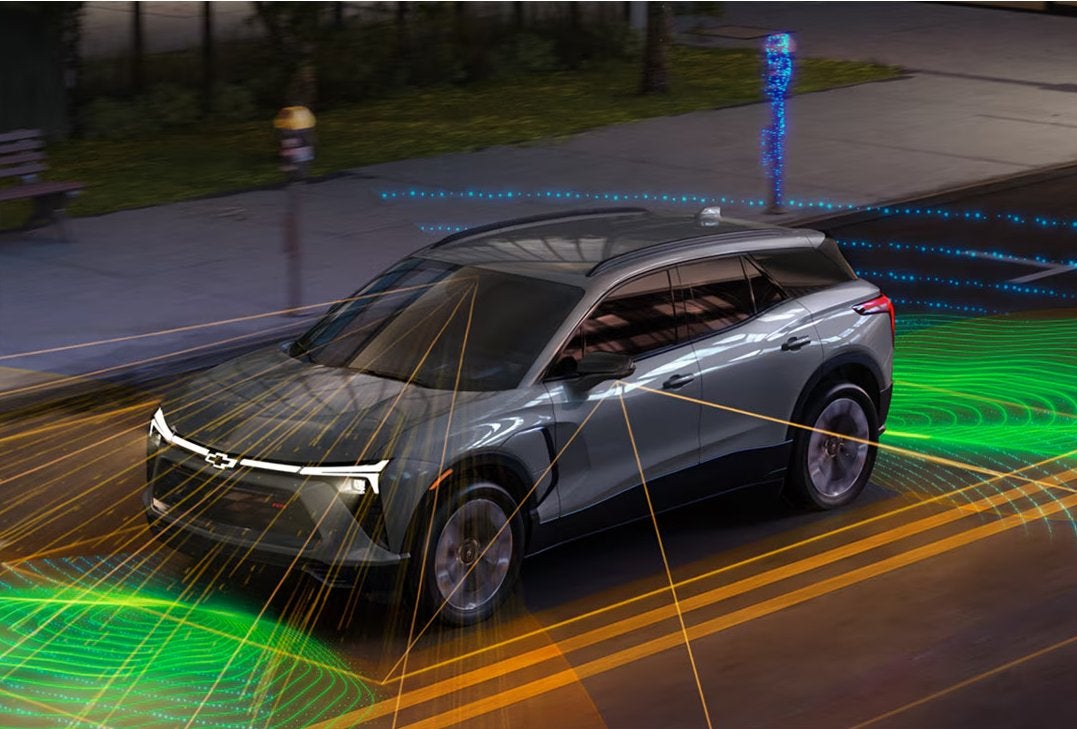
FAQ Common questionsWhy does my steering wheel occasionally shake or pull on its own?This is usually your lane-keep assist system detecting that you are drifting near or over a lane marker without using your turn signal. The system applies a gentle nudge to guide you back, which can feel like a brief vibration or pull. Using your blinker before changing lanes disables this automatic correction. What should I do if my safety sensors get dirty or blocked by snow?Your vehicle's driver-assist systems rely on cameras and radar sensors, which are typically located behind the windshield and inside the bumpers. If they get covered in snow, ice, or road salt, you will likely see a dashboard warning telling you the system is temporarily unavailable. Simply wipe off the sensors and clear your windshield to restore normal operation. Do driver-assist features require special maintenance?Yes, these systems require sensor recalibration if you get a windshield replacement, suspension work, or body repairs after a minor collision. Proper calibration ensures the cameras and radar units are pointing in the exact directions specified by the manufacturer. Can I completely turn off driver-assist technology if I do not like it?Most vehicles allow you to disable individual systems or adjust their warning levels through the central touchscreen or steering wheel controls. However, many of these systems are designed to turn back on automatically the next time you start the car. It is generally safer to lower the sensitivity settings rather than turning them off entirely. |
Want to see it in person? Come by for a test drive, or browse what is on the lot right now. Or call (631) 406-9158 · 920 Middle Country Rd, St James |