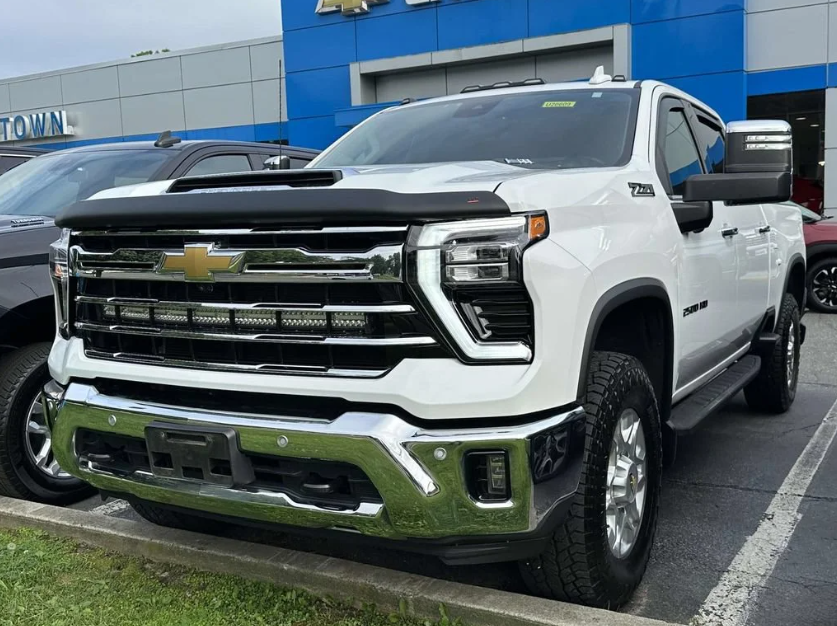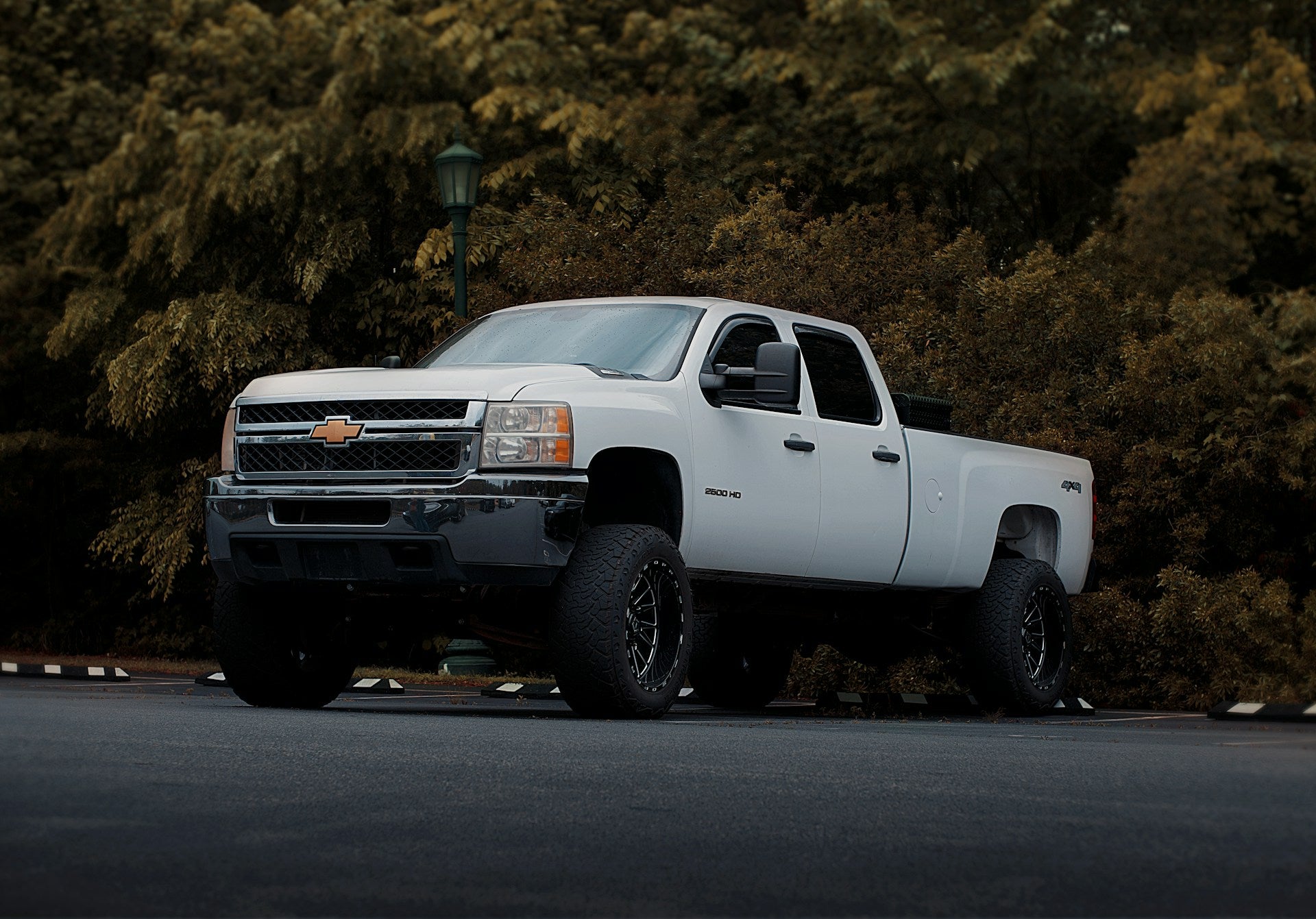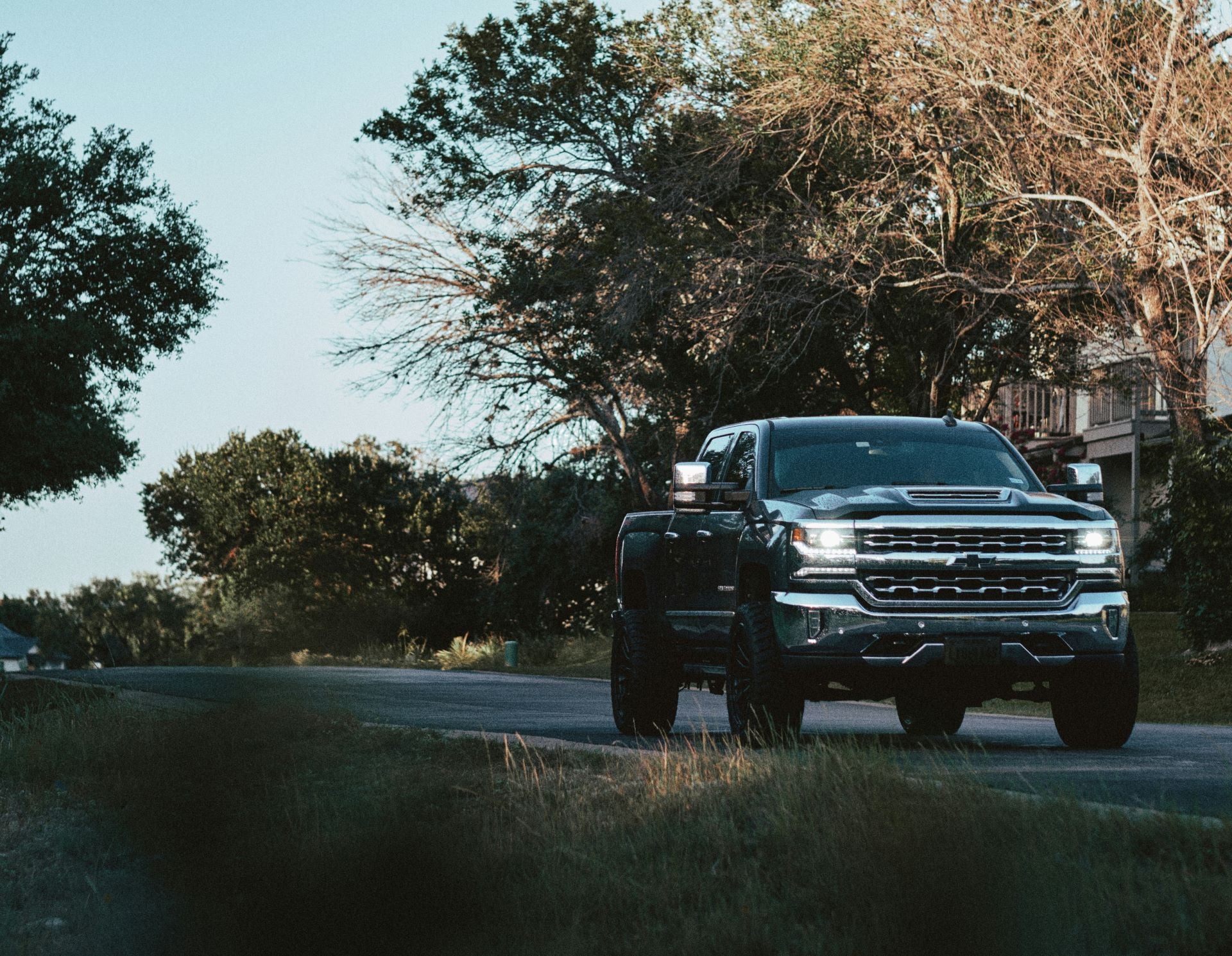





Find the Right Chevrolet Truck for Long Island Life Choosing a new truck is a big decision, especially when it has to work hard during the week and still be comfortable for the family on weekends. Around Smithtown and across Suffolk County, drivers ask a lot from their trucks, from hauling tools to hauling soccer gear. New Chevrolet trucks are built for that kind of mixed life. They bring together towing power, smart storage, and strong frames with quiet cabins, roomy back seats, and modern tech. Our goal is to give you a clear, simple guide so you can pick the right truck for your work, your family, and your Long Island lifestyle, and know what to look at when you compare different models, trims, and options. Why New Chevrolet Trucks Fit Suffolk County Drivers Long Island driving can be tricky. One day you are crawling along Route 347 in traffic, the next you are squeezing down a tight neighborhood street, then a storm rolls in and you need confident handling in snow and slush. Your truck has to handle all of it without feeling too big or too thirsty on gas. New Chevrolet trucks are built with that kind of everyday mix in mind. They offer: Strong towing and payload for trailers, equipment, and home projects Engine options that help balance power with good fuel use Different cab and bed sizes so you do not drive more truck than you need For families, comfort and safety matter just as much as strength. Key features many Suffolk County drivers look for include: Spacious cabs with plenty of legroom in the back Rear seats that work well with child seats and booster seats Available driver-assist features that can alert you to hazards Large touchscreens with Apple CarPlay and Android Auto to keep everyone connected and entertained With the right setup, your truck can feel easy to handle on a tight side street, steady on the highway in bad weather, and relaxed on those summer trips to the beach. Work-Ready Chevrolet Trucks for Contractors and Trades If your truck is part of your business, it needs to pull its weight every single day. Many local contractors, landscapers, and builders choose the Chevrolet Silverado 1500 or Silverado HD because they are built to tow, haul, and handle rough job sites. The Silverado 1500 is a great choice if you: Haul tools, small equipment, or landscaping gear Tow trailers, small machines, or building materials Need a mix of work strength and daily driving comfort The Silverado HD, with heavier-duty parts and higher towing and payload limits, is a better fit if you: Pull larger trailers or heavier equipment Carry heavy loads in the bed on a regular basis Need a truck that spends most of its time on job sites Helpful work features often found on these trucks include things like: Integrated trailer brake controller and trailering camera views Bed lighting for early starts or late finishes Multiple tie-down points to keep cargo secure Multi-Flex style tailgates that can help with loading or act as a work step At Chevrolet of Smithtown, our truck team can walk business owners through bed sizes, cab styles, and work-focused packages. We can also help you think about commercial options and point you toward professional advisors who can discuss tax questions and long-term business planning. Family-Friendly Chevrolet Trucks for Everyday Life Many families in Suffolk County want the space and strength of a truck without giving up the comfort of an SUV. Crew cab versions of the Silverado 1500 and the midsize Chevrolet Colorado hit that sweet spot, giving you easy rear-door access and room for kids, pets, and cargo. For family use, many drivers look for: Wide opening rear doors that make it easier to lift child seats in and out Flat or nearly flat rear floors so kids can stretch their legs Quiet cabins that cut down on road noise Climate controls that keep both front and rear passengers comfortable Modern tech makes daily life simpler too. Features often available on new Chevrolet trucks include: Multiple USB ports so phones and tablets stay charged Large touchscreens with Apple CarPlay and Android Auto Available safety suites that can help with lane keeping or front collision alerts With this kind of setup, a new truck can easily replace both a family SUV and a utility vehicle. You can bring home improvement supplies, sports gear, beach chairs, or camping equipment, and still park in most driveways and garages around Smithtown. Comparing Chevrolet Truck Models for Your Needs The first big choice is usually size and strength. Here is a simple way to think about the main options: • Chevrolet Colorado Best if you want a smaller truck that is easy to park, good for commuting, light hauling, and weekend fun. • Chevrolet Silverado 1500 Great for drivers who split time between work and family, tow medium-size trailers, and need more space. • Chevrolet Silverado HD Ideal for heavy-duty work, larger trailers, and serious hauling needs. Bed length and cab style also matter: • Shorter beds and crew cabs are easier to park and better for families • Longer beds help if you often haul lumber, tools, or large items For Suffolk County drivers, certain options tend to be popular: • Four-wheel drive for snow, rain, and unpaved lots • All-weather floor liners to handle sand, salt, and mud • Off-road-oriented packages for beach driving where it is allowed Test-driving a few different configurations is the best way to feel the differences in ride comfort, turning radius, and visibility. Small changes, like seat position or mirror size, can make a big impact on how relaxed you feel in traffic and on longer trips. Fall Truck Shopping Tips at Chevrolet of Smithtown As temperatures drop, many drivers start thinking ahead to winter weather, holiday travel, and indoor projects. Fall can be a smart time to pick a new truck, since you have time to get used to it before the roads get slick or the calendar fills up with family events. Before you visit, it helps to do a little homework: Estimate what you tow now and what you might tow later Measure your garage or driveway space for length, width, and height Make a list of must-have features, like four-wheel drive or a crew cab Note nice-to-have items, like a sunroof or premium audio Think about how long you plan to keep the truck and what type of fuel and maintenance schedule fits you Once you have your list, our team at Chevrolet of Smithtown can help you narrow down options. We can talk through maintenance plans, available GM parts and accessories like bed covers or liners, and helpful add-ons such as winter tires or remote start systems. That way your truck is ready not just for the first cold snap, but for many seasons of work and family life on Long Island. Find Your Ideal Chevy Truck With Confidence Whether you are ready to tow, haul, or upgrade your daily drive, we make it easy to compare trims, features, and capabilities across our lineup of New Chevy trucks in Suffolk County. At Chevrolet of Smithtown, our team is here to answer your questions and help you narrow down the right fit for your needs and budget. If you would like personal assistance or want to schedule a test drive, simply contact us and we will follow up promptly.