




Blog / Saint James Chevrolet Dealer

Blog

All Saint James Chevrolet Dealer
Chevy EV

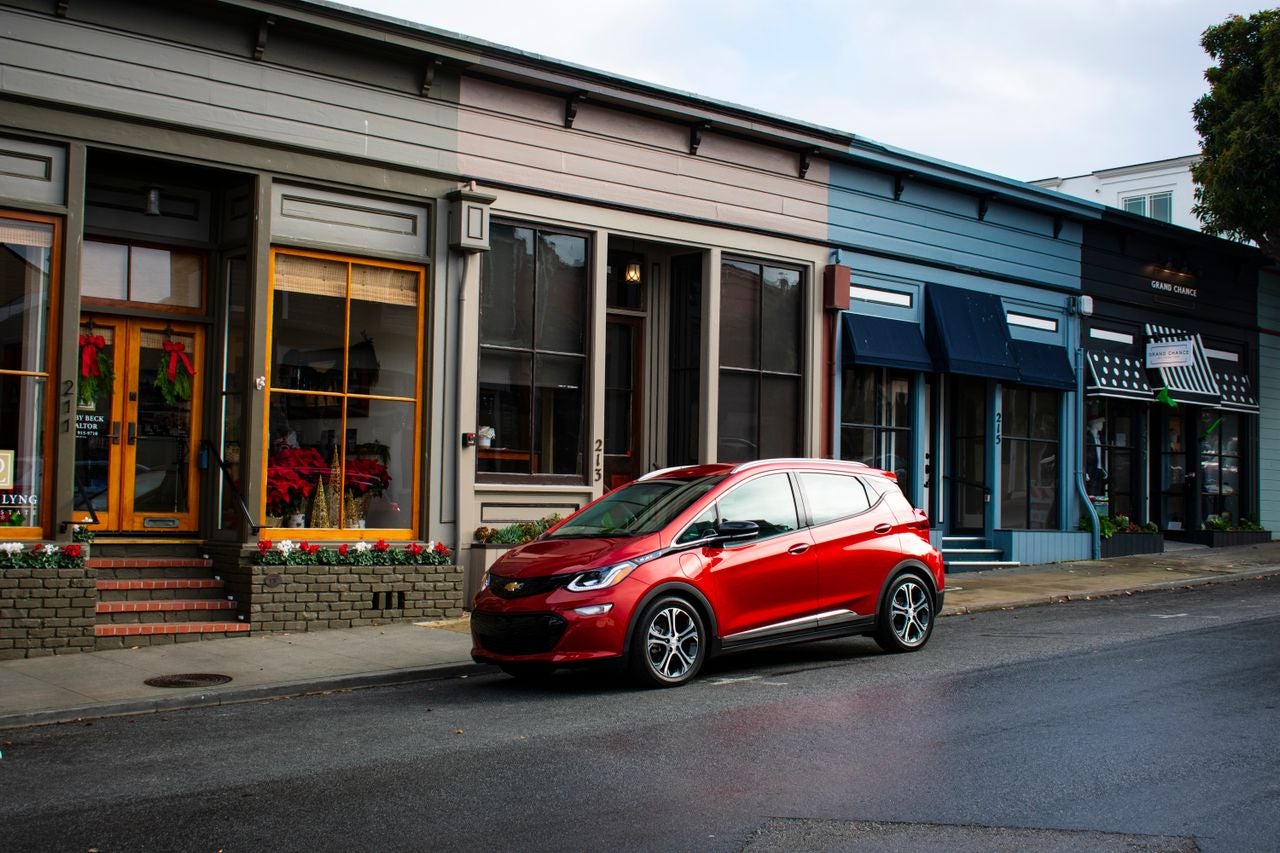
Chevy EV Battery Health on Long Island: Charging, Range, and Service Signs

Protecting Your Chevy EV Battery on Long Island Keeping your Chevy EV battery healthy matters, especially on Long Island. Daily parkway commutes, stop-and-go traffic, salty sea air, and year-round use all put steady demand on your high-voltage system. How you charge, where you park, and when you service the battery can all affect how much range you get and how your EV feels to drive. more With smart charging habits and timely Chevrolet battery service on Long Island, you can help your EV hold its range, stay responsive, and keep its long-term value. In this guide, we will walk through simple charging patterns, how heat and cold affect range, signs something is not right, and when it is time to let EV experts take a look at your high-voltage system. How EV Batteries Age and What It Means for Range EV batteries are usually made from lithium-ion cells. Think of them like a big version of the battery in your phone, just smarter and better protected. Your Chevy only lets part of the total capacity be used for driving, and the rest is kept as a buffer to help the pack last longer. Over time, the battery slowly loses some of its usable capacity. This is called degradation, and it is normal. What you notice is not a sudden failure, but a gentle change in the estimated range over many years of driving and charging. A few key points help clear up common worries: Range loss is usually gradual, not overnight Modern Chevy EVs are built with software and cooling systems that protect the battery Most drivers feel the change as a small shift in daily range, not a big drop There are a lot of myths, like the idea that all EV batteries fail after a few years. For most Long Island drivers who use their EV for commuting, errands, traffic on the LIE, and some seasonal trips, a well cared for battery can stay useful for a long time. The way you charge and how often you get the high-voltage system checked can make a real difference in how that aging feels in daily use. Smart Charging Habits for Long Island Chevy EV Owners You do not have to baby your EV, but a few simple habits can help your battery stay happier. For daily driving, it usually helps to: Avoid running the battery very low to 0 percent on a regular basis Avoid charging to 100 percent every single night Aim to keep daily use in a middle range, like roughly 20 to 80 percent, when practical Save full charges close to 100 percent for road trips or special long drives Home Level 2 charging is often the best choice for everyday use. It is gentle, easy to schedule, and fits natural routines, such as plugging in when you get home and letting the car top up overnight. Public DC fast charging is great when you need to add range quickly on a long trip or if you are far from home, but using fast chargers all the time can add more stress to the battery. Some Long Island-friendly tips: Charge overnight when summer temperatures are cooler, instead of mid-afternoon on very hot days Use your Chevy’s app or infotainment system to set charging to start later at night When planning trips off the Island, pick a few logical charging stops instead of sprinting from 0 to 100 percent at each station These small choices, repeated over months and years, can help your high-voltage system age more gently. Seasonal Range Preservation on Long Island Weather Long Island weather likes to swing from humid summers to chilly winters. Both have an effect on EV range, mostly because of cabin comfort and battery temperature. In summer, your EV works to keep the battery and cabin from overheating. Air conditioning, hot pavement, and bright sun all add up. You can help by: Parking in the shade or in a garage when possible Preconditioning the cabin while the car is plugged in so the energy comes from the outlet, not the battery Using the cabin recirculation setting so the AC does not have to cool outside air as much Avoiding leaving the car full and parked in direct sun for long stretches In winter, cold temperatures slow the chemical reactions inside the battery and the cabin heater can use a lot of energy. Good habits include: Preheating the cabin while the EV is still plugged in Relying more on heated seats and a heated steering wheel, if equipped, instead of blasting hot air Planning a little extra charging time for trips on very cold days Giving the car a short drive to let the battery warm up before expecting full fast charging speed These seasonal tweaks help you keep more of your expected range, so your daily Long Island drives feel consistent no matter what the weather brings. When to Schedule Chevrolet High-Voltage System Service Even with good habits, there are times when your EV needs expert attention. High-voltage systems are very advanced and should only be handled by trained professionals. Watch for signs like: A sudden or sharp drop in estimated range that does not match your driving style Charging sessions that stop unexpectedly or refuse to start Warning lights or messages about the battery, charging system, or high-voltage components Fast chargers that used to work quickly, but now charge much slower without a clear reason Overheating or high temperature alerts, especially at normal speeds or mild temperatures When you notice these patterns, it is time to schedule Chevrolet battery service on Long Island. At a dealership like Chevrolet of Smithtown, high-voltage service can include: Battery health checks and diagnostic scans Software updates to improve range estimates or charging behavior Inspection of the battery cooling system and related parts Checks of the onboard charger and charge ports for proper operation This kind of service supports both safety and warranty protection, because EV high-voltage parts carry serious energy and should never be a DIY project. Regular checks can help catch small issues before they grow into bigger, more expensive problems. Keep Your Chevy EV Powered and Ready on Long Island Caring for your Chevy EV battery does not have to be complicated. Start with one or two easy habits, like charging at home on a schedule, avoiding constant 100 percent charges, or preconditioning the cabin while plugged in. Pay attention to how your range changes with seasons and traffic, and note any new warnings or charging behavior. When something feels off or you are planning heavy use such as long summer road trips or busy holiday travel, professional Chevrolet battery service on Long Island gives you peace of mind. The EV team at Chevrolet of Smithtown is here to help you understand your high-voltage system, keep it in good shape, and enjoy smooth, confident electric driving across Long Island for many miles to come. Keep Your Chevy Ready With Reliable Battery Care Scheduling Chevrolet battery service in Long Island with Chevrolet of Smithtown helps prevent unexpected breakdowns and keeps your vehicle starting strong in every season. Our certified technicians will test, diagnose, and replace your battery using quality parts tailored to your Chevy. Book your appointment online in minutes, or contact us with any questions before you come in.

Chevy Trucks

Unlocking Value From Used Chevy Trucks in Suffolk County

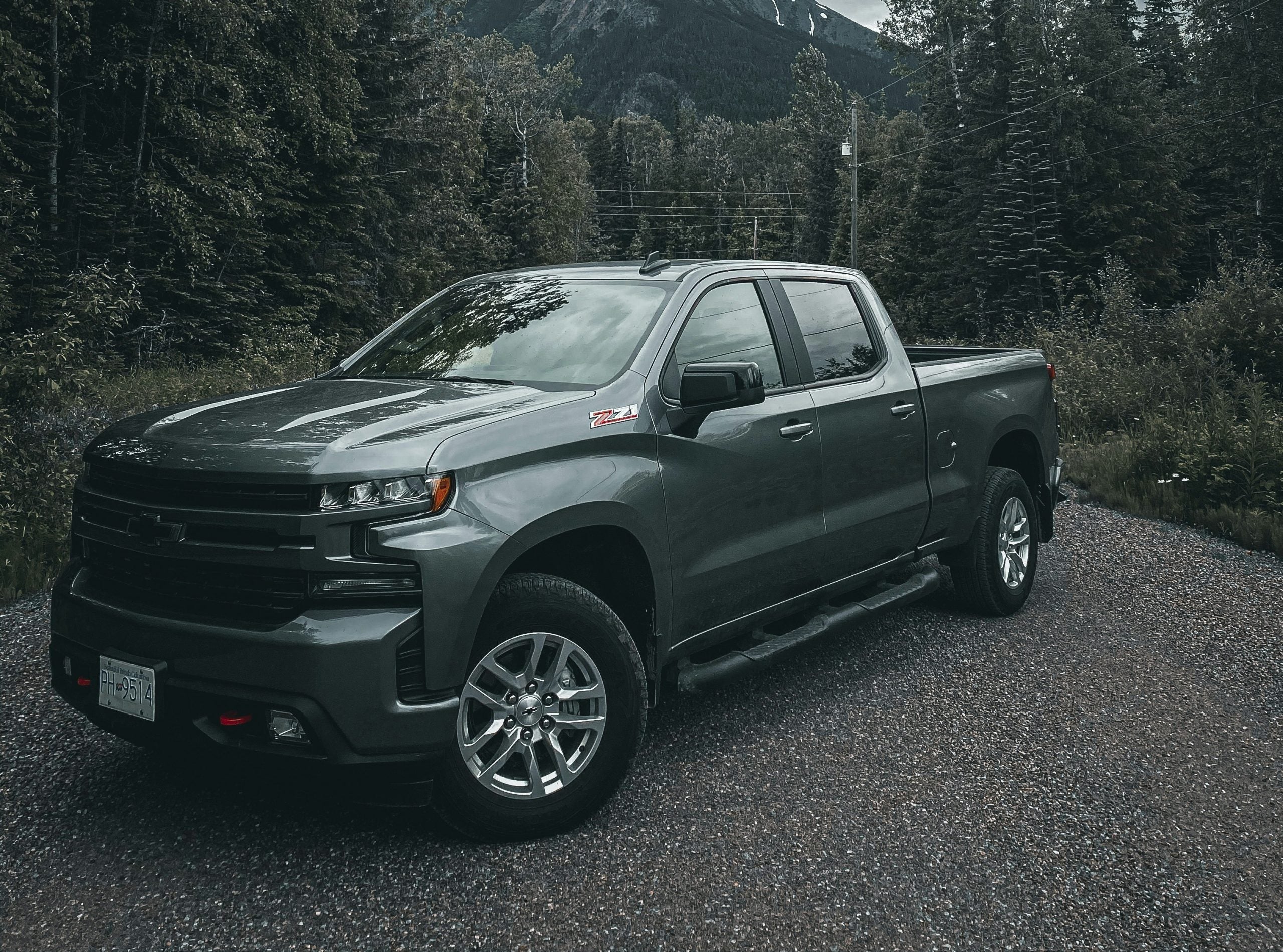
Stretch Your Budget with a Proven Chevrolet Truck Buying a truck is a big decision, especially when you are trying to balance work, family, and fun all across Suffolk County. A used Chevrolet truck can open the door to more power, more features, and more comfort than you might expect for your budget. Instead of settling for a basic new model, you may be able to step into a higher trim, a crew cab, or a better tow setup when you shop used. more This is especially helpful when the weather is warm and plans start to stack up. Many drivers are towing boats to the marina, hauling mulch for yard projects, loading bikes for weekend trips, or heading east for beach days. A used Chevrolet truck gives you the strength and space to handle it all without stretching your finances too far. If you are searching for a trusted used truck dealer in Suffolk County, it helps to work with a local team that understands how people here really use their trucks. A store that focuses on quality pre-owned Chevrolet pickups, with factory-trained technicians and clear history reports, can give you confidence before you drive off the lot. Why Used Chevrolet Trucks Make Smart Long Island Buys New trucks lose value quickly in the first part of their life. When you buy used, you avoid that sharp early drop. You still get modern comfort, safety, and tech features, but the truck has already passed through its steepest depreciation. Chevrolet trucks are known for long service lives when they are cared for over time. For many drivers on Long Island, that means a used Silverado or Colorado often has plenty of work and play left in it. These trucks are built to handle: Daily commuting on the highway Stop-and-go traffic on local roads Trips to job sites with tools and materials Beach runs, fishing trips, and weekend getaways Another advantage of shopping used is how many extra features you can find without paying a premium. In pre-owned inventory, you are more likely to see trucks that already have: Upgraded tow or trailering packages Spray-in or drop-in bed liners Off-road-oriented trims or suspension setups Crew cabs or extended cabs for extra seating All of these add real-world value, especially when you want one truck that can handle both workdays and family time. Choosing the Right Used Chevrolet Truck for Your Needs The right truck for you depends on how you plan to use it most of the time. Some drivers need a light-duty truck that is easy to park, good on fuel, and perfect for runs to the home store. Others need heavier-duty strength for towing or hauling across Suffolk County. A few questions to think about before you shop: What do you tow or plan to tow? Boats, campers, trailers? How often do you haul heavy loads like pavers, lumber, or equipment? How many people need to ride in the truck on a daily basis? Where do you usually drive: tight village streets, open highways, or sandy areas? Key specs to pay close attention to include: Towing capacity, to safely move boats, campers, or work trailers Payload rating, so the bed can handle your gear and materials Bed length, for tools, ladders, or bulky equipment Cab style, such as regular, extended, or crew cab, for your family or crew When you visit a knowledgeable used truck dealer in Suffolk County, the staff can help you compare trims, model years, engines, and packages. Real conversations about how you actually drive, park, and tow around Smithtown and the surrounding towns go a long way toward matching you with the right used Chevrolet truck. How Chevrolet of Smithtown Protects Your Used Truck Investment One of the biggest worries with a used truck is what you cannot see at first glance. That is why a strong inspection and reconditioning process matters. At our store, factory-trained technicians look over key systems before a truck goes out for sale. This includes areas like: Engine performance and fluid leaks Transmission operation Brakes and tires Suspension and steering Electronics and major interior features When Chevrolet Certified Pre-Owned trucks are available, they bring extra confidence. These trucks must meet strict age and mileage limits and pass a detailed inspection. They also include added benefits like limited warranty coverage and roadside assistance, which can bring peace of mind when you are driving around Suffolk County or heading out on longer trips. Protecting your used truck investment does not stop at the sale. Having an in-house service center that knows Chevrolet trucks, along with access to genuine GM parts, helps keep your truck running and feeling the way it should. Maintenance plans and suggested service schedules can also help you stay on track, so your pre-owned Chevrolet keeps working hard for years. Smart Summer Shopping Tips for Suffolk County Truck Buyers If you are shopping as the weather warms up, it is a great time to think about how your used truck will handle the busy months ahead. A few simple steps can help you pick a truck that is ready for both work and fun. Use a seasonal checklist while you shop and test drive: Check tow/haul modes and trailer brake controls, if equipped Confirm hitch receivers, wiring, and tow mirrors are set up for your needs Inspect tire tread for both highway and occasional beach or gravel use Look for bed liners, tie-downs, and bed extenders that match your projects Budgeting is also easier when you break it down. Many shoppers in Suffolk County choose to: Plan a down payment that keeps monthly payments comfortable Use a trade-in to reduce the amount they finance Review financing options through a trusted dealership team Talk through warranty and protection options that fit their plans During test drives, it helps to take routes that feel like your normal life. Mix highway speeds with local roads around Smithtown. Pay attention to visibility, turning radius in tighter spots, ride comfort, and how the truck feels when merging or braking. If you plan to tow, ask about testing the truck with a trailer or, at least, engage the tow features so you get a feel for how they work. Drive Home Value with a Visit to Your Local Chevrolet Truck Team A well-chosen used Chevrolet truck can bring strong value, day after day. It can haul what you need for work, carry your family in comfort, and still feel ready for spur-of-the-moment plans across Suffolk County. By focusing on the right size, capability, and features, you get a truck that fits your life instead of forcing your life to fit the truck. At Chevrolet of Smithtown, we are proud to be a local used truck dealer in Suffolk County that understands how our neighbors drive, tow, and travel. Our team is here to help you compare used and certified pre-owned Chevrolet trucks, talk through your real-world needs, and support you with service long after you pick your favorite truck and head home. Find Your Next Reliable Workhorse With Confidence When you are ready for a truck that fits your budget and workload, our team at Chevrolet of Smithtown is here to help you compare options and feel confident in your choice. Explore our inventory through our used truck dealer in Suffolk County and see which model matches your towing, hauling, or daily driving needs. If you have questions about financing, trade-ins, or availability, simply contact us so we can walk you through your next steps.

Silverado

Used Silverado 1500 Checklist in Suffolk County: Towing, Trims, Wear Points

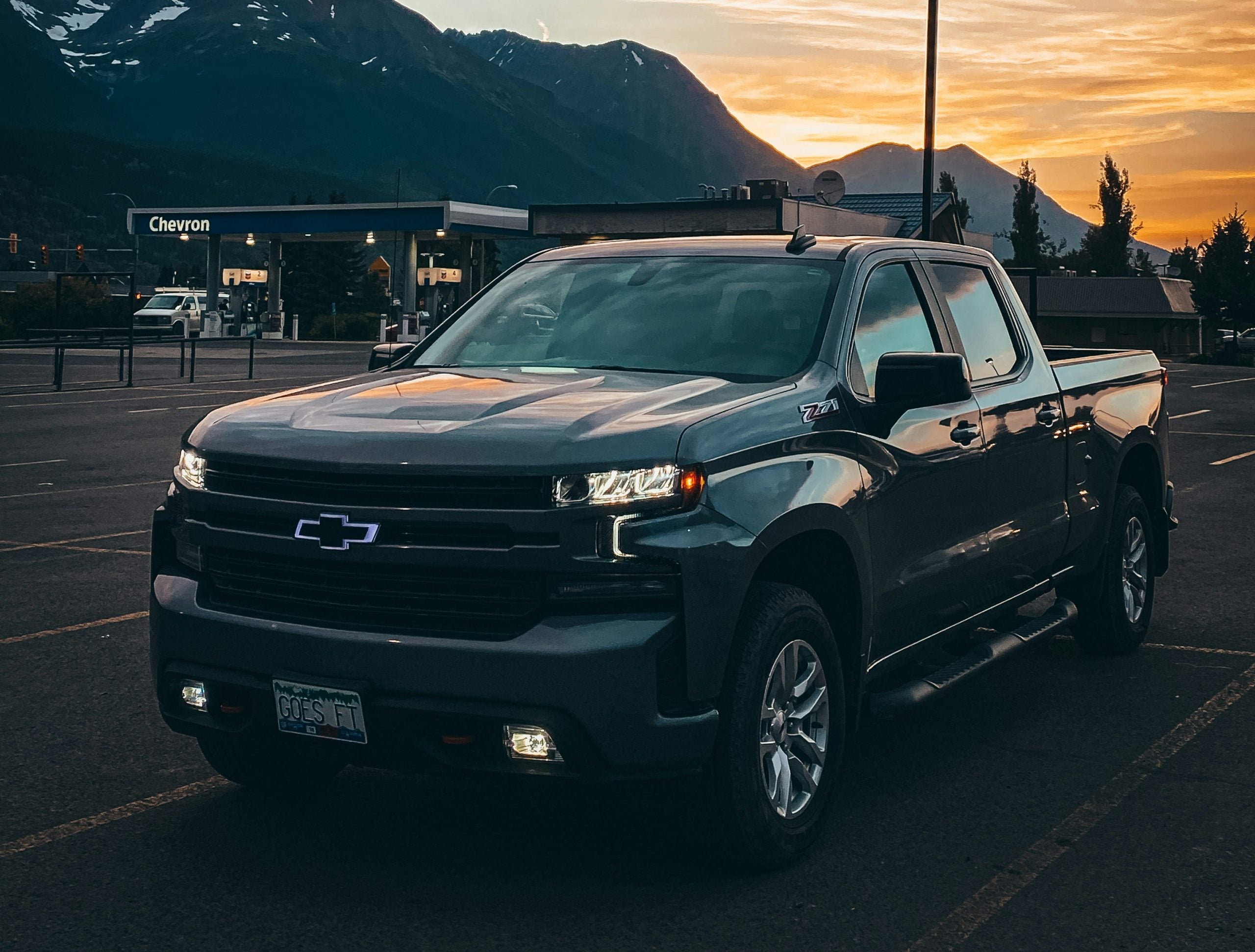
Make Your Used Silverado 1500 Purchase Work for Long Island Buying a used Chevrolet Silverado 1500 in Suffolk County can be a smart move if you want real truck power without paying new truck money. The key is making sure the truck you choose can handle your life, not just look good in the driveway. A little planning and a clear checklist go a long way. more Around Long Island, a truck might tow a boat to the Sound one day, haul materials to a jobsite the next, then sit in summer traffic on the LIE. Winter brings slush, salt, and rough roads. When you match the right Silverado 1500 to that mix, you get strong value, slower depreciation than new, and proven Chevy truck durability when cared for the right way. In this guide, we will walk through how to match towing and payload to real use, pick the right cab, bed, and trim, and check common wear points before you commit. Use it as a checklist so you feel confident before you sign anything. Match Your Towing and Payload to Real Suffolk County Life Start by being honest about what you plan to tow and haul around Long Island. Different loads call for different Silverado setups. Think about things like: Small or midsize boats heading to local marinas Landscaping or utility trailers for work Campers for trips out east Lumber, pavers, or tools for home projects or jobsites Do your best to estimate weight. Add the trailer weight plus whatever you load on it. Then look at payload: people, gear in the cab, and cargo in the bed. It all counts. On any used Silverado 1500 you are considering, you will want to verify: Engine type, V6 or V8 Rear axle ratio 4x2 or 4x4 drivetrain Presence of a factory towing package or hitch Towing and payload ratings for that exact year, engine, and configuration These details affect how confidently the truck can pull on hills, deal with stop-and-go on Route 25, and stay stable in crosswinds by the water. Seasonal life matters too. If you plan to plow in winter or tow often in summer heat, you may want a stronger engine, 4x4, and a truck with a known record of regular service. Choose the Right Cab, Bed, and Trim for Long Island Driving The cab style shapes how your used Silverado 1500 fits your daily life in Suffolk County. Think about who rides with you most days. Common setups include: Regular Cab, two doors, best for work-first use and max bed space Double Cab, small rear doors and back seat, a mix of work and light family use Crew Cab, four full doors, best rear seat space for kids, adults, and gear If you have kids, friends, or crew members climbing in and out, a Crew Cab is usually the easiest. If the truck is mainly a tool for one or two people, a Regular Cab or Double Cab may be enough. Bed length also plays a big role around town: Shorter beds can be easier to park in tight village lots Longer beds are better for lumber, ladders, and job materials Medium bed options try to balance parking and cargo length Think about where you park: busy main streets, tight driveways, or crowded train station lots. Then think about what you haul: coolers and beach chairs, or sheet goods and pipe. That will guide the right mix. Trim levels and packages on used Silverado 1500 trucks can range from basic work setups to comfort-focused daily drivers. When comparing, look for: Work-focused trims with easy-to-clean interiors Comfort trims with upgraded seats, nicer cabin materials, and extra sound control All-weather features like heated seats or remote start for cold mornings Tech like Apple CarPlay, backup camera, and trailering aids that make towing easier Inspect High-Wear Components Before You Say Yes Used trucks earn their keep, so it pays to look closely at high-wear parts. Even if the truck looks clean on the outside, the suspension, brakes, and frame tell the real story. For suspension and steering, pay attention to: Clunks over bumps Uneven tire wear that might show alignment or suspension issues Sagging rear springs that can hint at heavy hauling Steering play or wandering that could mean worn steering parts Brakes, tires, and wheels deserve a careful look: Brake pad thickness and rotor condition Tire tread depth, brand, and any cracking on the sidewalls Uneven wear that might point to alignment problems Wheel damage from curbs, worksites, or potholes Under the truck, you want to check: Rust on the frame and suspension from coastal air and road salt Any signs of patched or bent frame sections from past damage Hitch and frame attachment points for tow-related stress or cracks Fluid leaks from the engine, transmission, or rear differential If anything looks off, it is worth having it checked by a professional before you decide. Engine, Transmission, and Electronics Checks That Matter The engine is the heart of a used Silverado 1500, so do not rush this part. Start the truck cold if possible and pay attention. Helpful checks include: How it starts when cold, any hard cranking or rough start Smoke from the exhaust or odd smells Idle smoothness once it warms up Service records that show regular oil changes and maintenance Some engine families and model years have known patterns, like higher oil use or certain sensors that wear out. A technician who knows Chevy trucks can often spot those signs faster than a general visual check. For the transmission and 4x4 system: Listen and feel for harsh or delayed shifts Watch for shuddering when the truck changes gears Make sure 4WD modes engage and disengage smoothly Look under the truck for leaks around the transmission and transfer case Towing without proper maintenance can stress these parts, so any odd feeling is worth a deeper look. Modern Silverado 1500 trucks also rely on electronics for comfort and safety. Take time to try: Infotainment system, touchscreen, and Apple CarPlay or Android Auto Backup camera and any parking sensors Power windows, locks, and seats Remote start and keyless entry if equipped Trailer brake controller and trailer light connection All exterior and interior lights Little issues here can add up to frustration and repair costs later. Why a Dealership Inspection in Saint James Protects Your Budget Even if you know trucks, a full inspection by a dealership service department can protect you from costly surprises. A store that works with Chevrolet trucks every day has the tools and training to dig deeper than a quick test drive. A thorough check can include: Factory-style diagnostics to scan for stored fault codes Review of open recalls Access to service history when available A multi-point inspection that covers brakes, suspension, drivetrain, and more Certified technicians who work with Chevy trucks on a daily basis understand common wear points on Silverado 1500 models. They can spot when brakes are near the end of their life, when suspension parts are getting tired, or when an engine noise is more than just age. That kind of insight helps you decide if a particular truck is a smart buy or if upcoming repairs make it better to walk away. Added benefits like available warranties and clear vehicle history reports can give extra peace of mind, especially if you plan to tow and haul often around Suffolk County. Drive Home Confident From Chevrolet of Smithtown When you follow a clear checklist, a used Chevrolet Silverado 1500 in Suffolk County can serve you well for years. Start by matching the truck to your towing and payload needs, then pick the cab, bed, and trim that fit your daily driving and parking spots. From there, a careful inspection of suspension, brakes, frame, engine, transmission, and electronics helps you spot how the truck was used and what it may need next. At Chevrolet of Smithtown in Saint James, we work with Silverado 1500 trucks every day and understand how Long Island drivers use them, from marinas to jobsites to family trips. Our team can help you compare different used trucks side by side, talk through Suffolk County driving needs, and point out details that are easy to miss on your own so you can feel confident when you drive your next truck home. Find Your Next Reliable Silverado With Confidence Explore our current inventory of Used Chevrolet Silverado 1500 in Suffolk County and see which model fits your work, family, or weekend plans. At Chevrolet of Smithtown, we carefully inspect every truck so you can shop knowing you are getting quality and value. If you have questions about trims, financing, or availability, you can contact us and our team will walk you through your options. Let us help you get into a Silverado that is ready for your next haul or highway drive.

Chevy Suspension

Chevy Suspension Service on Long Island for Summer Towing

Prep Your Chevy Suspension Before Summer Towing Towing in summer around Long Island is hard work for your Chevy. Boat ramps, family trips to Montauk, weekends at the campground, and long hours in traffic all add extra strain, especially when you are pulling a trailer, camper, or boat. Your suspension has to handle the extra weight, rough roads, and stop-and-go driving without losing control or comfort. more Hot weather, heavy traffic, and loaded trailers are not a good mix if your suspension is already worn. Heat can make parts softer and fluids thinner, and crowded highways leave less room to react if something feels loose or unstable. Suspension service usually includes checking shocks, struts, springs, bushings, and alignment so your Chevy stays level, stable, and ready to tow safely. Why Suspension Health Matters When You Tow Your Chevy’s suspension does much more than just smooth out bumps. When you hook up a trailer or boat, the system has to keep everything balanced so the truck or SUV and the trailer move together as one unit. Key parts that work together include: Shocks and struts that control bouncing and keep the tires on the road Springs that hold the weight of your vehicle and the added tongue weight from the trailer Bushings and joints that let parts move while keeping them tight and quiet When any of these parts are worn, towing becomes harder and less safe. You may notice: Extra sway from the trailer when a truck passes or when the wind hits Nose-diving when you brake, which can increase stopping distance Rear-end sag that changes your headlight aim and steering feel Uneven tire wear from poor alignment and unstable handling On roads like the Long Island Expressway, Sunrise Highway, and local parkways, good suspension performance helps your trailer track straight, even when traffic slows suddenly. It lets you make smooth steering corrections instead of sudden, jerky moves that can make a trailer swing. Summer Stress on Chevy Suspensions in Long Island Summers around Long Island can be tough on suspensions. Heat and humidity work on rubber bushings and seals every day, while leftover winter potholes and rough patches pound on shocks, struts, and springs. Add in beach access roads with washboard surfaces or gravel, and your suspension is constantly working. When you tow on top of that, the extra weight puts more strain on every part. Steep boat ramps, angled campground entrances, and tight parking lots can overload shocks and springs that are already weak. A setup that felt “okay” without a trailer might feel bad very quickly once you hook something heavy to the hitch. This is why scheduling Chevrolet suspension service in Long Island before your busiest towing months is so helpful. Catching worn parts early can prevent failures during a trip, reduce the risk of breakdowns on crowded roads, and help protect other components like tires and brakes from extra stress. Key Signs Your Chevy Needs Suspension Service Now Your Chevy will usually give you clues when the suspension is not happy, especially while towing. Some warning signs to watch for include: Bouncing several times after a speed bump instead of settling quickly Nose-diving when you hit the brakes, even in light traffic Body roll in turns or highway ramps that feels worse with a trailer Clunking or knocking sounds over bumps Uneven or rapid tire wear patterns A sagging rear end when you hook up your trailer or load the bed Each symptom points to possible issues: Bouncing and nose-diving can mean worn shocks or struts Body roll may point to tired springs or worn sway bar parts Clunks often come from damaged bushings or loose joints Uneven tire wear often links back to alignment or weak suspension parts While towing, these problems get more serious. Extra weight makes sway stronger, increases body roll, and can make it harder to keep the trailer straight, especially in crosswinds. If you notice trailer sway on the highway or find yourself making constant steering corrections, scheduling Chevrolet suspension service in Long Island should move to the top of your list. Professional Chevy Suspension Service for Safe Towing A thorough suspension check by trained technicians can make a big difference in how your Chevy tows. At a professional service center, a full inspection often includes: Visual checks of shocks, struts, springs, and mounts for leaks or damage Ride-height measurements to see if the vehicle is sitting level Checks of bushings, ball joints, and tie rods for looseness or wear An alignment review and tire wear check Factory-trained Chevy technicians know the specific suspension setups used on popular towing models like Silverado, Colorado, Tahoe, Suburban, and Traverse. They follow Chevrolet specifications and use parts built to match your vehicle so it handles the way it was designed to. When these systems are working correctly, you get: Better stability at highway speeds Reduced sway and bounce with a loaded trailer More direct, confident steering feel Shorter and more controlled stops under load All of that adds up to a safer and less stressful towing experience, especially on busy local routes and during long weekend trips. Extra Towing Prep Tips for Long Island Summers Suspension service is a big part of towing prep, but it works best as part of a full check of your towing setup. Before your next big trip, it helps to pay attention to: Tire pressure on both your Chevy and your trailer Load distribution inside the vehicle and on the trailer Trailer tongue weight so the hitch is not too light or too heavy Hitch height and setup so the trailer rides level Trailer brake function if your setup uses electric or surge brakes It can also be smart to pair suspension service with: A wheel alignment to keep your vehicle tracking straight A brake inspection, since towing adds stress to pads and rotors A tire rotation or replacement if tread is worn or uneven Busy weekends heading to the Hamptons, Jones Beach, or Montauk often mean sudden slowdowns and tight lane changes. A healthy suspension system, matched with good tires and brakes, helps your Chevy stay steady when traffic stops fast or when you need to move out of the way quickly. Schedule Your Chevy Suspension Check Before You Tow Getting your suspension checked before your first big summer tow can give you peace of mind for the whole season. At Chevrolet of Smithtown, our service team on Long Island understands local roads, common towing routes, and the way summer driving affects your Chevy. A focused suspension and towing readiness inspection helps you enjoy smoother, safer trips across Suffolk County. When every mile matters, it feels good to know your Chevy’s suspension is ready for the load, the heat, and the roads ahead. Keep Your Chevy Riding Smooth and Safe If you have noticed uneven tire wear, clunking over bumps, or a rougher ride, our certified technicians are ready to help with expert Chevrolet suspension service in Long Island. At Chevrolet of Smithtown, we use genuine parts and advanced diagnostics to restore your vehicle’s comfort, handling, and safety. Schedule your service today or contact us with any questions about your suspension concerns.

Chevy Bolt EV

Life with a Used Chevy Bolt EV in Suffolk County Traffic

Driving in Suffolk County can feel like a full-time job. The Long Island Expressway, Sunrise Highway, Route 347, and all the local roads can turn even a short trip into a long, stop-and-go crawl. In a gas car, that means sitting in traffic, burning fuel, and listening to the engine idle while the needle on your gas gauge drops. more An electric car changes that daily grind. A used Chevrolet Bolt EV in Suffolk County can cut fuel costs, lower maintenance needs, and make your drive quieter and calmer. In this article, we will talk about how the Bolt EV handles local traffic, real-world range on Long Island, charging options, ownership costs, and what to look for when you shop used at a local Chevy dealer. How a Used Chevy Bolt EV Handles Long Island Traffic The first thing drivers notice in a Bolt EV is the instant torque. There is no waiting for the engine to "kick in." When you press the pedal, the car responds right away, which is a big help when you need to: Merge onto the Long Island Expressway in short gaps Zip across lanes on Route 347 or Nicolls Road Get up to speed from local side streets or service roads That quick response makes many drivers feel more confident in tight Suffolk County traffic. You are not stuck hesitating while others rush around you. Another key feature is one-pedal driving and regenerative braking. In many Bolt EV models, you can slow down simply by easing off the accelerator, and the car recovers energy instead of wasting it as heat. In bumper-to-bumper traffic, this can make creeping along much easier: Less time moving your foot from gas to brake Reduced physical strain during long commutes Less wear on the traditional brakes over time Inside, the Bolt EV cabin is calm because there is no engine noise. At rush hour, that quiet feeling can lower stress. Many used Bolt EVs also offer: Smartphone integration so you can use maps, music, and calls Driver-assist features, depending on model year and trim Clear digital displays that show speed, range, and energy use All of this works together to turn a noisy, stressful commute into something that feels more relaxed and under control. Real-World Range for Suffolk County Commutes One of the biggest questions about a used Chevrolet Bolt EV in Suffolk County is range. Can it handle daily drives across Long Island? For most people, the answer is yes. Common round-trip drives like these are usually well within a full charge: Smithtown to Stony Brook and back for work or school Smithtown to Commack, Huntington, or other nearby towns Out toward Riverhead for shopping or fun Across the county toward the Nassau border and back Most drivers find they can handle their daily routine and still come home with range to spare, especially when they charge at home overnight. Range can change with weather. In the summer, AC use takes some energy, and in the winter, heating does too. To get the most from your battery in extreme weather, it helps to: Precondition the car while it is plugged in so the cabin is already warm or cool before you leave Use eco or energy-saving drive modes when practical Keep tires properly inflated and in good shape Stop-and-go traffic on the LIE or Sunrise Highway can actually help an EV. When you slow down or coast, the car uses regenerative braking to put some power back into the battery. In a gas car, idling in traffic simply burns fuel with no benefit. Charging Your Bolt EV at Home and Around Long Island Charging is the other big topic for Suffolk County drivers. The good news is that you have simple options. At home, there are two main ways to charge: Level 1 charging uses a standard household outlet. It is slower, but many drivers find it works fine if they plug in every night. Level 2 charging uses a dedicated 240-volt outlet and a compatible home charger. It is faster and can add a large amount of range overnight. Homeowners often work with an electrician to set up a Level 2 charger. Renters may use Level 1 or discuss options with their landlord. Either way, waking up to a "full tank" becomes part of your daily routine. Across Long Island, public charging is growing. Drivers often find chargers at: Grocery stores and shopping centers Local attractions and parks Some workplaces and office areas Charging apps can show you where stations are, what type they are, and if they are in use. Many drivers plan quick top-ups at places they already visit. For longer trips, DC fast charging comes into play. These chargers are designed for highway-stop chargers. You pull in, plug in, and grab a snack while your Bolt EV gains a useful amount of range. For trips to the city, the Hamptons, or upstate, a short charging stop can be built into your break time. Ownership Costs, Incentives, and Buying Used Locally Owning a used Chevrolet Bolt EV in Suffolk County can lower day-to-day costs compared to a similar gas car. Since the Bolt EV uses electricity instead of gasoline, many drivers spend less each month on energy. Electric vehicles also avoid common maintenance items tied to engines, such as oil changes. Other long-term benefits can include: Fewer visits for engine-related service, since there is no engine Less wear on brakes because of regenerative braking Simple "fueling" at home instead of weekly gas stops There may also be federal, state, or local programs that support used EV purchases or home charging. These programs can change, so it is always smart to confirm what is available at the time you are shopping and planning your purchase. Insurance, registration, and inspection for an EV in New York have their own details. Some drivers find that talking through these topics with dealership staff helps them understand the full cost of ownership, not just the price of the car itself. When you decide to shop, a few key things matter on a used Bolt EV: Battery health and how the car has been used Remaining warranty coverage from the manufacturer, if any Model year differences in range, charging speed, and features Recall history and proof that recall work has been completed Safety and tech features that match how you drive every day Buying from a local dealership gives you access to trained technicians who know the brand, service history where available, and standards for reconditioning used vehicles before they are offered for sale. Sales and finance teams can listen to your commute details, budget, and charging situation, then help point you toward the right used Bolt EV. Many shoppers also value having a local expert to answer questions about long-term battery performance and everyday EV life on Long Island. Drive Home Confidence With an Efficient EV Today Explore our current selection of used Chevrolet Bolt EV in Suffolk County to find the right blend of value, range, and advanced technology for your daily driving. At Chevrolet of Smithtown, we carefully inspect each vehicle so you can feel confident about your next pre-owned EV. If you have questions about availability, financing, or features, simply contact us and our team will walk you through your options.

Chevy Care

Long Island Chevy Maintenance Checklist: Salt Air, Sand, Potholes, Traffic

Keep Your Chevy Ready for Long Island’s Tough Roads Driving a Chevy on Long Island is not easy on a vehicle. Salty ocean air, sandy parking lots near the beach, rough winter roads, potholes, and heavy stop-and-go traffic all add up over time. Even if your Chevy feels fine, these conditions can quietly wear down parts you do not see every day. more This seasonal road condition maintenance map is built around how we actually drive across Suffolk County. We will walk through what to inspect on your Chevy after winter, spring, summer, and fall so you can stay ahead of problems instead of reacting to them. With a simple routine, you can enjoy more peace of mind, protect your resale value, and cut down on surprise repairs that always seem to pop up at the worst moment. At Chevrolet of Smithtown, we see how local roads and coastal weather affect Chevys of all ages. This guide reflects what we check every day in our service lanes so your car, truck, or SUV can handle Long Island driving all year long. Winter Salt, Sand, and Slush Checks Winter on Long Island means road salt, slush, and sometimes sand from beach trips stuck in hard-to-reach places under your Chevy. Start with the undercarriage and rust protection: Get a thorough underbody wash to rinse off salt, sand, and built-up grime Look for surface rust on frame rails, suspension arms, exhaust, and brake lines Check for damaged splash shields or loose plastic panels under the car Watch for any signs of fluid leaks that may show up as spots in your driveway After that, focus on brakes, tires, and traction systems. Cold weather and rough winter roads can be tough on them. It is smart to have a professional check: Brake pad thickness and rotor condition Parking brake operation Any ABS or traction control warning lights Tire tread depth and sidewall condition Tire pressure also drops in the cold, so getting it set correctly helps with grip when spring rain arrives. Winter driving can stress your battery and fluids too. Short trips and long idling times make it harder for the battery to stay fully charged. It helps to: Test battery health and check for corrosion on the terminals Confirm the battery is secured and cables are tight Inspect coolant, washer fluid, and oil levels and condition Using fluids that meet GM recommendations helps keep your Chevy ready for the next cold snap or sudden warm-up. Spring Pothole Recovery and Rain Readiness By spring, many Long Island roads are full of potholes and rough patches. That punishment can knock your suspension and steering out of shape. A spring suspension, steering, and alignment check can catch problems early. Watch for: Your Chevy pulling to one side when driving straight A crooked steering wheel when you are going straight Uneven or strange tire wear patterns Vibration in the steering wheel at highway speeds If you notice any of these, a professional alignment and suspension inspection of shocks, struts, control arms, and bushings is a smart step. This can help your Chevy track straight, feel stable, and protect your tires from wearing out early. Next, give attention to wheels, tires, and wheel bearings. Deep potholes can bend rims or damage bearings without you seeing it right away. It is worth checking for: Visible bends or cracks on the inside and outside of wheels Humming or growling noises that change with speed Looseness or play that a technician can feel when the wheel is off the ground Rotating tires in spring can also even out wear from winter driving and keep fuel economy steady. Correct tire pressure helps your Chevy stay stable during heavy spring downpours. Spring is also the right time to think about wipers, glass, and leak prevention. Winter salt and frost can chew up wiper blades fast. If they streak or chatter, replace them so you can see clearly in rain. Have your windshield checked for chips or small cracks before they spread. Inspect door seals and trunk weatherstripping so water does not sneak in during long, soaking rainstorms. Summer Salt Air, Beach Trips, and Stop-and-Go Heat Summer on Long Island is all about beach runs, day trips, and traffic that barely moves at times. Heat and salt air are hard on any Chevy. Coastal corrosion and paint protection start with regular washing. Try not to let salt spray sit on the paint, wheels, or undercarriage for long. Wash wheel wells, rocker panels, and door jambs where salty water likes to hide. A good wax or sealant helps protect the clear coat from sun and salt fade. When you notice paint chips on the hood or bumpers, get them touched up so bare metal is not exposed to moist air. The cooling system and A/C work extra hard in summer traffic. To keep your Chevy from overheating while everyone heads east, have a technician: Check coolant level and look for any signs of leaks Inspect radiator hoses and clamps for swelling, cracks, or soft spots Confirm radiator fans are kicking on properly An A/C performance check can keep you comfortable. Often that means verifying refrigerant level and checking the cabin air filter so you get strong, clean airflow. Heavy summer traffic across Suffolk County is also tough on brakes and the transmission. Frequent starts and stops can speed up wear. If you notice squealing, grinding, vibration, or a soft brake pedal, a mid-summer brake inspection is a good idea. If you use your Chevy for towing boats or campers, talk with a professional about earlier transmission fluid service so it can handle the extra heat and load. Fall Prep for Another Long Island Winter Fall is the time to get ready for wet leaves, early frosts, and darker drives both morning and evening. Start with tires, traction, and visibility: Confirm tread depth is strong enough for rain and slick leaves Think about all-weather or winter-ready tires if you often drive in heavier snow Check headlights, taillights, and fog lights for brightness and damage Clean or restore hazy lenses so more light reaches the road Next, take a close look at belts, hoses, and fluids. When temperatures drop, weak parts are more likely to fail. A fall inspection can include: Serpentine belt condition, looking for cracks or fraying Heater hoses and clamps, checking for leaks or soft spots Fluid levels for engine oil, brake fluid, power steering fluid, and washer fluid Keeping everything topped off with products that meet GM guidelines can help your Chevy start easily and run smoothly once cold mornings return. Finally, prepare safety and emergency gear before storms roll in. It is smart to keep in the trunk: Jumper cables A compact tire inflator or repair kit A small shovel and ice scraper A warm blanket and basic hand tools Check your spare tire for proper inflation and make sure the jack and tools are in place and working. A fall checkup with a professional can bring many of these steps together in one visit so you are ready for whatever winter sends our way. Build Your Seasonal Chevy Care Routine in Long Island Long Island roads ask a lot from your Chevy. Winter salt and slush, spring potholes and rain, summer heat and salt air, and fall weather swings each put stress on different parts of your vehicle. When you match your maintenance to these seasonal road conditions, you help your Chevy stay reliable, comfortable, and ready for anything from a daily commute to a weekend beach run. Think of this as your year-round checklist for Chevrolet maintenance in Long Island. Use it to know what to inspect after each season, then pair it with regular visits to factory-trained technicians who understand our local roads and coastal climate. At Chevrolet of Smithtown, we are here to help you build a seasonal care routine that fits how and where you drive across Suffolk County. Keep Your Chevy Running Its Best Year-Round Regular care is the easiest way to protect your vehicle’s performance, safety, and value, and our certified team is here to help with every factory-recommended service. Schedule your next Chevrolet maintenance in Long Island with Chevrolet of Smithtown so we can inspect, service, and fine-tune your car or truck on your schedule. If you have questions about what your vehicle needs next or want help booking an appointment, simply contact us and we will walk you through your best options.

Chevrolet

Local Long Island Guide to Chevrolet Catalytic Converter Care

Protect Your Chevy and Your Wallet on Long Island Roads Your catalytic converter quietly works every time you turn the key, but most drivers do not think about it until there is a problem. For Long Island commuters who spend time on the LIE, Sunrise Highway, or local roads, that small part has a big job keeping your Chevy running clean and smooth. more The catalytic converter helps control emissions so your engine can perform well, use fuel more efficiently, and meet New York inspection rules. When it starts to fail, you can feel it in how your Chevrolet drives and you can see it on your dashboard. Long Island conditions add extra stress, so paying attention early can save you headaches later. Stop-and-go traffic, salty sea air near the water, winter road salt, and even the occasional flooding puddle can all speed up wear on exhaust parts. While replacing a catalytic converter can be a big repair, simple preventive care and timely service at a trusted dealership on Long Island can help you avoid bigger problems and protect your budget. How Catalytic Converters Work on Your Chevrolet Every time your Silverado, Equinox, Trailblazer, Malibu, or Traverse runs, the engine creates exhaust gases. Those gases flow through the exhaust system and into the catalytic converter before leaving the tailpipe. Inside the converter is a special honeycomb surface that helps turn some of the harmful gases into less harmful ones as they pass through. Here is what happens in simple terms: Hot exhaust enters the catalytic converter The gases pass over the treated surfaces inside Chemical reactions change pollutants into cleaner gases The cleaned exhaust then moves out through the tailpipe Your Chevy also uses oxygen sensors before and after the converter. These sensors keep an eye on how well the converter is doing its job. If the readings show that the converter is not cleaning the exhaust the way it should, the onboard computer can turn on the check engine light to warn you. A healthy catalytic converter depends on a healthy engine. Things that help include: Following your Chevrolet maintenance schedule Keeping up with tune-ups and filter changes Using quality, Top Tier fuel when possible Fixing misfires or rough running issues right away When the engine burns fuel cleanly, the converter does not have to work as hard and is less likely to clog or overheat. Early Warning Signs Long Island Drivers Should Not Ignore Catalytic converters usually do not fail overnight. They give you hints that something is wrong. Paying attention to these early signs can keep you from getting stuck on the way to work, school, or the beach. Common warning signs include: Check engine light that stays on Sulfur or rotten egg smell from the exhaust Loss of power, especially on hills or highway ramps Rattling sound from under the vehicle, especially at startup Worsening fuel economy even though your driving has not changed On Long Island, these signs often pop up in familiar situations. Heavy summer traffic on the way out east can make a weak converter act up because it heats up and cools down over and over. Short school runs around the neighborhood may not let the engine get fully warm, so moisture can build up in the exhaust. If you ignore these early signs, the problem can snowball. A failing catalytic converter can cause: Failed New York State emissions inspections Fines or the need to re-test after repairs Extra strain on other exhaust parts Engine performance issues that are harder to correct Prompt Chevrolet catalytic converter service in Long Island helps catch the root cause, not just the symptom, before it leads to more damage. Seasonal Catalytic Converter Care for Long Island Weather Long Island weather keeps your exhaust system busy all year. Different seasons bring different stresses, so a little planning can go a long way. In spring and summer, high temperatures and longer drives expose weak spots. Long weekend trips on the LIE or Sunrise Highway mean the converter runs hot for hours at a time. Sand from beach parking lots can collect underneath and trap moisture. Pre-road-trip inspections before big holiday weekends can help spot: Small exhaust leaks Loose heat shields Rust starting around hangers and flanges Fall and winter bring their own challenges. Cold starts can shock a hot converter, and road salt can speed up rust on pipes and brackets. Potholes and frost heaves can knock the exhaust around and crack joints. Before the first long cold stretch, it helps to have a professional look at: Heat shields and hangers for looseness or rust Underbody protection and splash shields Any dents or scrapes from curbs or rough roads Good year-round habits include: Avoiding deep puddles during heavy rain or Nor’easters when possible Letting the engine warm up gently, especially on short trips Keeping up with regular maintenance in your Chevy owners’ manuals These simple steps reduce stress on the whole exhaust system and help your catalytic converter last longer. Preventing Theft and Damage on Long Island Streets Catalytic converter theft has become more common in some areas, and Long Island is no exception. Thieves often target trucks, SUVs, and higher-riding models because the converter is easier to reach from underneath. Vehicles that sit at train stations, park-and-ride lots, and on quiet residential streets can be more tempting. You can lower your risk with a few smart steps: Park in well-lit areas when you can Use garages or driveways instead of street parking when possible Consider home security cameras or visible lighting Have the converter area inspected for secure mounting and shielding Ask about shields or guards designed to make theft harder Physical damage is another concern. Pulling too far over a high curb, scraping the bottom on a steep driveway, or pushing through unplowed snowbanks can bend or crack exhaust parts. Even if the damage seems minor, it can affect how the converter sits and works, and small leaks can grow into larger problems. Trying to bend or patch exhaust parts at home can be risky. Hot components, tight spaces, and emissions rules all make it better to have a trained technician inspect any strange noises, new rattles, or changes in how your Chevy sounds when you start it. Why Chevrolet of Smithtown Is Your Local Exhaust Expert When it is time for Chevrolet catalytic converter service in Long Island, the right team and tools matter. A dealership that works with Chevrolet vehicles every day understands how the exhaust system, engine, and electronics all connect on your specific model and trim. At a dedicated Chevy store, technicians have access to: Model-specific repair information The proper diagnostic equipment for your vehicle Information on current GM guidance for emissions-related issues Using genuine GM parts helps make sure the converter and related sensors fit and function the way your Chevy was designed to. Proper fitment is important for performance, drivability, and meeting New York emissions standards. A focused service visit should feel straightforward and clear. From simple online scheduling to flexible times that work for commuters, the goal is to keep you on the road with as little stress as possible. Multi-point inspections that include the exhaust system can catch small issues early, and clear explanations of any recommended repairs help you make confident decisions about your Chevy. Protect Your Chevy’s Performance And Emissions Today If you are noticing exhaust issues, strange noises, or a drop in fuel efficiency, our team at Chevrolet of Smithtown is ready to help. Schedule your Chevrolet catalytic converter service in Long Island so we can inspect, diagnose, and repair problems before they become costly. Our factory-trained technicians use the right parts and equipment to keep your Chevy running clean and efficient. If you have questions or prefer to book by message, simply contact us and we will walk you through your options.

Used Chevy

Maximizing Value from Used Chevy Trucks at a Suffolk County Dealer

Unlock More of a Truck for Your Money in Suffolk County Buying a used Chevy truck is one of the easiest ways to get serious capability, comfort, and space without paying new-truck prices. For many Long Island drivers, a pre-owned Silverado or Colorado fits daily life better than a car, whether you are hauling gear, helping with yard work, or taking family trips. more The challenge is making sure you get the right truck, not someone else’s problem. That is where working with a trusted used truck dealer in Suffolk County makes a big difference. With the right partner, you cut out a lot of guessing and feel better about what you are driving home. In this guide, we will walk through how to choose a used Chevy truck that fits your life, which features matter most for our local roads, and how to keep your truck feeling strong and ready for the long term. Why Used Chevy Trucks Deliver Standout Long Island Value Chevy trucks are built to handle real work and real roads, which is exactly what you want when you are shopping pre-owned. Strong frames, proven engines, and durable drivetrains help them stay on the road for many years when they are cared for properly. That long life helps you as a used buyer. You get a truck that still has a lot to give, at a price that feels more comfortable. Instead of stretching for a brand-new base model, you may be able to step into a used Chevy with more features or capability. Key value benefits of a used Chevy truck include: Lower upfront cost compared to a similar new truck Slower depreciation after the first owner already took the biggest hit A chance to move up to a higher trim or stronger towing setup Access to proven engines that have already shown what they can do Around Suffolk County, those strengths really matter. Many drivers split their time between commuting, beach trips, and light work. A used Silverado can tow a boat to the ramp, carry supplies for home projects, and still feel comfortable on daily drives along the Long Island Expressway or local back roads. A used Colorado can be easier to park, while still handling bikes, kayaks, and weekend gear. Smart Ways to Shop a Used Truck Dealer in Suffolk County Before you walk into any showroom, it helps to be clear about what you need your truck to do. That way, you are not distracted by shiny extras that do not fit your life. Start by asking yourself: How much do you need to tow or haul on a regular basis? Do you want a short bed for easy parking, or a longer bed for home projects? How many people do you need to seat comfortably? Do you want 4x4 for winter weather and beach access, or is 2-wheel drive enough? How many miles do you drive in a week, and how important is fuel economy? When you visit a dedicated used truck dealer in Suffolk County, you also gain: A wide selection of Chevy trucks to compare in one place Staff who know Chevy models and can explain differences clearly Local experience with what works well on our roads and in our weather During your visit, take your time and really get to know the trucks you are considering. Plan to: Test drive on a mix of roads, including some at highway speed Ask for a vehicle history report so you can review past ownership and accidents Look over service records if they are available Compare a few similar trucks side by side to see which one feels right A relaxed, honest conversation about your needs and budget will usually lead you to a better match than focusing only on monthly payment or color. Key Features to Prioritize on a Pre-Owned Chevy Truck When you are checking out used Chevy trucks, start with the mechanical pieces that keep you safe and moving. Cosmetics can come later. Mechanical priorities include: Engine choice, like V8 for heavier towing, or smaller options if you care more about fuel use Transmission that shifts smoothly without slipping or harsh jolts 4x4 system that engages cleanly if equipped Brakes that feel firm, not soft or shaky Tires with good tread for wet roads and summer highway trips Once those basics feel right, think about comfort and tech features that make every drive better. On Long Island, traffic and longer drives are common, so it helps to prioritize: A quiet cabin that keeps road noise down Supportive seats that still feel good after an hour in the truck Apple CarPlay and Android Auto for easy access to maps and music Driver assist features like a rearview camera and available safety alerts Do not forget the practical truck features that support your daily life around Suffolk County: Spray-in bed liners to protect the bed from tools, mulch, and building materials Trailering packages for boats, small campers, or utility trailers All-weather floor mats to handle sand, snow, and muddy boots Rust protection that can help your truck stand up to salty air and wet roads These details might seem small at first, but they have a big effect on how much you enjoy your truck day to day. Certified Benefits and Service Backing Your Used Chevy If you want extra peace of mind, paying attention to Chevrolet Certified Pre-Owned trucks can be a smart move. These trucks are selected, inspected, and reconditioned to meet factory-backed standards. The certified process adds value in a few key ways: Careful inspection of major systems before the truck is offered for sale Reconditioning to address items that do not meet set standards Warranty coverage that goes beyond many typical used purchases Roadside assistance and other perks that help during everyday driving or road trips Backing from a factory-trained service department makes ownership easier as time goes on. When your truck is cared for by people who work with Chevy vehicles every day, it is simpler to: Stay current on recommended maintenance Handle recall work if it applies Get genuine Chevy parts that match what your truck was built with At Chevrolet of Smithtown, our service team supports drivers across Smithtown and Suffolk County with this kind of ongoing care, which helps protect your investment over the long haul. Financing and Trade-In Strategies That Stretch Your Budget Financing through a dealership can help you structure payments in a way that fits your life. That can make it easier to move up to a newer or more capable used Chevy truck while keeping your monthly budget in line. To get more from your trade-in, a little prep goes a long way: Clean your current vehicle inside and out so it shows well Gather any maintenance records or receipts you have kept Take a look at general market values so you have a rough idea before your visit Timing can also play a role. As the weather warms up and people plan more outdoor projects and trips, interest in trucks often increases. That can mean: More active used inventory to choose from Stronger demand for trucks like yours when you trade in Opportunities to find a used Chevy that lines up neatly with your needs for the coming months Drive Home Confidently with Local Chevy Truck Experts Choosing the right used Chevy truck is easier when you are not doing it alone. Working with experienced local truck experts helps you match the right engine, cab, bed, and features to the way you actually live and drive around Suffolk County. At Chevrolet of Smithtown, we focus on helping drivers get the most value from pre-owned Chevy trucks, from that first test drive through future service visits. When you understand your needs, know what to look for, and have a trusted team on your side, you can feel confident every time you turn the key and head out for work, home projects, or a day at the beach. Find Your Next Workhorse With Confidence As your local used truck dealer in Suffolk County, we take the time to match you with the right pickup for your workload, budget, and daily driving. At Chevrolet of Smithtown, our team can walk you through inventory, financing options, and trade-in values so you feel confident in every decision. If you have questions or want to schedule a test drive, simply contact us and we will help you get started.

Chevrolet

Avoiding Common Mistakes with Chevrolet Maintenance on Long Island

Stop Costly Problems Before They Start Chevy drivers on Long Island count on their vehicles for everything, from daily runs on the LIE to weekend trips to the shore. When you depend on your vehicle that much, small maintenance mistakes can turn into big headaches faster than you expect. A skipped service here or a warning light there can lead to breakdowns, unsafe driving, and expensive repairs. more In this article, we will walk through common mistakes people make with Chevrolet maintenance in Long Island and how to avoid them. We will keep our focus on what matters most in our area, like coastal weather, heavy traffic, and pothole-filled roads. As a full-service Chevy dealership in Saint James, we care about helping drivers across Suffolk County keep their vehicles running smoothly year-round. Ignoring Long Island’s Coastal Climate Effects Living near the water is great, but your Chevy feels those coastal effects every single day. Sea air, humidity, and salt from both winter roads and nearby beaches can speed up rust and corrosion, especially underneath your vehicle. Some trouble spots include: Undercarriage and frame Brake lines and calipers Exhaust system and other exposed metal parts When these areas start to rust, problems can spread. That is why regular undercarriage inspections are so important. Having a trained team look underneath your Chevy helps catch early signs of corrosion before they turn into serious safety issues. Road salt and salty air can also affect your paint and clear coat. Chips and small scratches might not seem like a big deal, but they can let rust creep in. Simple steps like: Washing the underside after winter weather or coastal drives Getting paint chips touched up Asking about protective coatings can help your vehicle hold its shine and keep its value longer. Seasonal inspections are a smart habit for local drivers. Before long summer drives or after harsh winter conditions, a checkup focused on rust, brakes, and the underbody can make a big difference in how long your Chevy lasts. Stretching Oil Changes and Fluid Service Too Far One of the biggest mistakes with Chevrolet maintenance in Long Island is guessing at oil changes. Some drivers still follow old rules like changing oil at the same fixed mileage, while others push service off for months. Both can create problems. Most modern Chevrolets use an oil life monitoring system that looks at how you actually drive. Stop-and-go traffic on the Northern State or the LIE, short trips, and long idle times all affect how fast your oil breaks down. Ignoring that system, or letting it go too long, can lead to extra engine wear. Oil is not the only fluid that needs attention. Other important fluids people often forget are: Transmission fluid Brake fluid Engine coolant Power steering fluid When these begin to break down or run low, your Chevy may overheat, shift poorly, or lose braking performance. Those issues tend to show up at the worst times, like during hot summer days or cold winter mornings. During routine service visits, having certified technicians perform multi-point inspections and check fluid condition can help catch small leaks, low levels, or dirty fluid early. That way, you are less likely to deal with breakdowns or warning lights when you are already stressed or in a rush. Overlooking Tires, Brakes, and Alignment Safety Long Island roads are tough on tires and suspension. Potholes, road construction, and daily commuting can wear down tires quickly and knock your alignment out of line. When that happens, your Chevy may not steer straight, and your fuel economy can suffer. Common tire mistakes include: Driving on worn tread that no longer grips well Letting tires wear unevenly by skipping rotations Ignoring tire pressure until a warning light comes on Tire pressure can change with temperature, so those spring and fall swings can leave your tires under or overinflated. That affects handling and braking, especially in wet conditions. Brakes are just as easy to overlook. Many drivers get used to small changes and wait too long to have them checked. Warning signs include: Squealing or grinding noises Vibrations when braking Longer stopping distances Salt, moisture, and dirt on Long Island roads can speed up wear on brake pads and rotors. Regular inspections and timely brake service help keep your stopping power strong, which is especially important in heavy traffic or when the roads are slick. Having a trusted service team handle rotations, alignments, and brake checks on a regular schedule prepares your Chevy for busy summer outings, holiday trips, and everything in between. Skipping Factory Maintenance Schedules and DIY Guesswork Another common mistake is treating the maintenance schedule as a suggestion instead of a plan. Your Chevy’s factory-recommended schedule is built around keeping key systems checked and serviced at the right time. Ignoring it can shorten your vehicle’s lifespan and create problems that could have been prevented. DIY repairs can sometimes cause more harm than good. Some frequent missteps include: Using the wrong oil weight or fluid type Installing low-quality or incorrect parts Clearing warning lights without fixing the cause Modern Chevrolets use advanced systems that work together. When you guess about a repair or use parts that do not meet proper standards, a small issue can spread into a bigger one. That is especially true with the kind of stop-and-go, weather-changing driving we see across Long Island. Working with trained technicians who understand local conditions and know Chevrolet systems can help keep your vehicle performing the way it was designed. Keeping clear, consistent service records also supports warranty coverage and can help maintain a higher resale value when you decide to trade in or upgrade. Protect Your Chevy and Drive Long Island with Confidence Avoiding a few common mistakes can keep your Chevrolet ready for whatever Long Island throws at it. Pay attention to climate-related wear, do not stretch oil and fluid changes, stay on top of tires and brakes, and follow the factory maintenance schedule instead of guessing. These simple habits go a long way toward preventing sudden breakdowns and stressful repair visits. At Chevrolet of Smithtown, we are here to help drivers in Saint James, Suffolk County, and across Long Island keep their vehicles safe, comfortable, and reliable. By staying proactive with your Chevrolet maintenance in Long Island, you can enjoy smoother commutes, easier weekend trips, and greater peace of mind every time you start the engine. Keep Your Chevrolet Running Like New With Expert Local Care Give your vehicle the attention it deserves with professional Chevrolet maintenance in Long Island tailored to your driving needs. At Chevrolet of Smithtown, our certified technicians use genuine parts and advanced diagnostics to help prevent costly repairs and keep you confident on every drive. Schedule your service today or contact us with any questions about your vehicle’s maintenance schedule.

Chevy Tire

Chevy Tire Rotation Patterns (FWD/RWD/AWD) and Long Island Road Wear

Protect Your Chevy Tires and Your Long Island Drive Tire rotation is one of the simplest ways to keep your Chevy safe, smooth, and ready for every Long Island drive. By moving each tire to a different spot on the vehicle at regular intervals, we help all four tires wear more evenly, which supports better handling, braking, and fuel economy. more Daily commutes around Saint James, stop-and-go lines on the LIE, slow crawls on Route 25, and tight town roads put extra pressure on your tires. Front tires scrub and turn through traffic, rear tires push you forward, and any weak spot in the tread shows up faster in our local driving. That is why the right tire rotation pattern matters for every front-wheel drive, rear-wheel drive, and all-wheel drive Chevy. In this guide, we explain how tire rotation works, how patterns change by drivetrain, and how Long Island roads, weather, and traffic affect how often you should schedule Chevrolet tire rotation in Long Island. Why Tire Rotation Is Critical for Your Chevy Tire rotation simply means moving each tire to a new position on your Chevy at set mileage intervals. This spreads out the wear so no single tire takes all the abuse. When tread wear is even, your vehicle feels more balanced and more predictable when you brake, turn, or change lanes. Regular rotation can help with: Better traction in heavy rain and on sandy or patched roads Shorter, more stable stops when you hit the brakes Improved fuel economy, since the tires roll more easily A smoother, quieter ride on highways and local streets Skipping rotations allows some tires to wear faster than others. That can lead to: Cupping or scalloped tread blocks Bald spots that reduce wet-weather grip Extra tire noise or vibration at speed Strain on alignment and suspension parts Most drivers do well rotating tires about every 6,000 to 8,000 miles, which often lines up with every other oil change. Depending on how you drive, how often you sit in traffic, and how rough your daily route is, we may suggest slightly shorter gaps between visits. FWD, RWD, and AWD Tire Patterns Made Simple Not all Chevys send power to the road the same way. That is why tire rotation patterns change by drivetrain. On a front-wheel drive Chevy, like many sedans and crossovers, the front tires: Pull the car forward Do most of the steering Handle a lot of the braking So they usually wear faster. The common pattern here is: Front tires move straight back Rear tires cross to the front (left rear to right front, right rear to left front) On a rear-wheel drive Chevy, the rear tires put down the power, so they carry more load when you accelerate. The typical pattern is the reverse of FWD: Rear tires move straight forward Front tires cross to the rear All-wheel drive Chevys share power among all four wheels, which can increase the need for very even tread depth. With AWD, we often use: A four-tire X pattern (each tire moves diagonally) Or a straight front-to-back pattern, depending on tire type and wear Some setups need special care, including: Directional tires, which can only spin one way Staggered wheel sizes, where front and rear tires are different widths Certain models, like SUVs or trucks, that have specific patterns in the owner manual In those cases, we follow Chevrolet guidance for that exact model and tire style so you get proper grip, comfort, and tire life. How Long Island Roads Speed Up Tire Wear Long Island driving creates its own kind of tire stress. Between beach traffic, winter weather, and crowded highways, your Chevy’s tires see a lot. Common local conditions include: Summer traffic around the beaches and parks Winter freeze-thaw cycles that create potholes and broken pavement Sand and salt near the shoreline that can grind into tread Frequent lane changes on Sunrise Highway and the LIE Hitting potholes or patched areas again and again can knock your alignment slightly out of spec. That leads to edge wear, where the inside or outside of a tire wears faster than the center. Curbs, deep holes, or rough shoulders can also mark or bruise sidewalls. Around late spring, many drivers start planning longer trips. Higher temperatures can raise tire pressure, which can speed up center tread wear if pressures are not checked. Road work zones add more debris, steel plates, and uneven surfaces that are tough on your tires. If you spend a lot of time on the roads around Saint James, Smithtown, Hauppauge, Port Jefferson, and nearby towns, you may need tire rotations a bit more often than the basic minimum, especially if you often drive with a full car or load. When to Schedule Chevrolet Tire Rotation in Long Island A good general rule is to rotate your tires every 6,000 to 8,000 miles, which is roughly every other oil change for many drivers. It is also smart to schedule a rotation before long summer drives to the Hamptons, upstate, or any extended road trip. Watch for these signs that a rotation is overdue: Uneven tread, where one tire looks more worn than the others Feathered or sharp tread edges that you can feel with your hand Steering wheel vibration at highway speeds Pulling to one side or a rise in tire noise Your Chevy owner’s manual lists model-specific suggestions, but real-world Long Island driving often calls for a slightly tighter schedule. That is especially true if you: Deal with long commutes in heavy traffic Regularly drive on rough or patched pavement Tow or haul with your truck or SUV During a rotation visit, it is a good time to: Check tread depth on all four tires Inspect sidewalls for bubbles, cuts, or abrasions from potholes Adjust tire pressure for current temperatures Look over alignment and suspension for any obvious issues Keep Your Chevy Rolling Strong with Local Tire Care Staying ahead of tire wear is one of the easiest ways to protect your Chevy and keep your daily drive less stressful. Regular rotation, matched to your drivetrain and local roads, helps your tires last longer and keeps your vehicle feeling stable on everything from quiet town streets to crowded highways. At Chevrolet of Smithtown in Saint James, we work with Chevy vehicles every day, so we know the right rotation patterns, inspection points, and timing for local driving. By pairing thoughtful tire care with your normal service visits, you can enjoy confident, comfortable driving on every Long Island road you travel. Keep Your Chevy Driving Smooth With Expert Tire Care Stay ahead of uneven wear and unexpected handling issues by scheduling your next Chevrolet tire rotation in Long Island with Chevrolet of Smithtown. Our certified technicians use factory-recommended procedures to help extend tire life and keep your vehicle performing at its best. If you have questions about service intervals, pricing, or availability, simply contact us and we will help you find a time that fits your schedule.

Chevy Express Vans

Choosing a New Chevy Express Van for Smithtown Businesses

Make Your Business More Mobile This Summer A work van is more than just a way to get from one job to the next. It is where you keep your tools, protect your gear, and show your brand to every driver sitting next to you in traffic. When business picks up and the days get longer, having the right van can make each job smoother and less stressful. more For many Long Island trades and service companies, a new Chevy Express van in Smithtown can be that reliable work partner. It is built to handle daily use, loaded cargo, and plenty of stop-and-go driving. With the right setup, it can also give your team a more professional, organized base on wheels. We work with business owners across Saint James, Smithtown, and nearby communities who need a van that fits real, everyday work. From choosing the right model to planning upfits and long-term care, our focus is helping you keep your business moving without extra headaches. Why the Chevy Express Van Works for Long Island Long Island traffic is not easy on any work vehicle. Between Route 25, the Long Island Expressway, and narrow local streets, you need power that feels confident but still stays smooth when you are fully loaded. The Chevy Express offers strong V6 and available V8 engines that are built for this kind of driving, with steady power for highway ramps, hills, and tight merge spots. This van fits a wide mix of local industries, including: Contractors and remodelers Electricians and plumbers HVAC and mechanical services Food, beverage, and light catering Mobile repair and delivery services The cargo area is designed to handle tools, parts, and supplies in different shapes and sizes. With plenty of interior space, you can set it up for: Shelving and bins for parts and fittings Open floor space for larger equipment Secured areas for sensitive or fragile items Payload and towing strength give you the flexibility to bring what you need without making extra trips. Whether you are running several short stops in town or taking a longer drive to another part of the Island or into the city, the Express is built for frequent use and changing routes. Key Features That Keep Your Team Productive A good work van should make the workday easier, not harder. Inside the Chevy Express, the driver and front passenger seats are built for long hours on the road. Clear controls, simple gauges, and easy sightlines help your team stay focused and comfortable, even on long days with heavy traffic. Helpful interior and access features include: Wide rear doors for loading larger items Available sliding or swing-out side doors for quick access Smart storage areas for clipboards, tablets, and small tools Technology matters for business too. Depending on equipment and packages, the Express can offer convenient features like: Available Apple CarPlay and Android Auto compatibility through supported systems An available built-in Wi-Fi hotspot, helpful for field teams who need to stay connected Audio and connectivity options that make calls and directions easier to manage Safety and control also play a big part in keeping your crew on the road. The Express includes advanced braking and stability systems that help the van stay steady under load and in changing weather. Available driver assistance and OnStar services can provide added support in case of an issue on the road. Security is another key piece. With strong locking systems and available monitoring features, you can help protect expensive tools, materials, and goods when the van is parked. For many owners, that peace of mind matters just as much as power or cargo space. Customizing Your Express Van for Work The real strength of a new Chevy Express van in Smithtown is how well it can be tailored to your trade. The open interior and solid exterior are ready for custom work gear, branding, and more. Popular upfit ideas include: Ladder and pipe racks on the roof Interior shelving, drawers, and bins Partitions between the cab and cargo area Refrigeration setups for food and beverage work Wrap-ready sides and rear panels for your logo and graphics Planning these details early helps you get a van that feels ready from day one. By working with commercial upfit partners and programs built around business vehicles, we help you line up the right equipment, layout, and timing. When you think ahead before the busy season, you avoid rushing into quick fixes later. That means your van shows up to summer contracts, festivals, catering events, or time-sensitive construction jobs fully prepped, instead of half set up. Comparing Purchase, Lease, and Fleet Options Once you know you want a Chevy Express, the next step is deciding how to add it to your business. Buying and leasing both have benefits, and the right choice depends on how you use your vans. Buying may fit better if you: Drive higher miles each year Plan to keep the van for a long time Want more freedom with upfits and graphics Leasing may be smart if you: Prefer to refresh vehicles more often Want predictable terms that support cash flow Have known mileage needs and routes Some companies start with one van, then grow into a small fleet of matching Express models. Running a fleet can: Make driver training simpler, since every van feels similar Help standardize maintenance and parts Open the door to possible volume and commercial incentives A business-focused finance team can also walk through possible tax advantages and structure terms around how your jobs and seasons usually flow, whether you are a newer contractor or a long-time fleet operator. Service and Support to Keep Your Van on the Road A work van is only helpful when it starts every morning and finishes every job. Regular service at a certified center keeps your Chevy Express ready for daily use and reduces surprise downtime during your busiest stretches. Key maintenance needs include: Oil and filter changes for hard-working engines Brake inspections and repairs for stop-and-go traffic Tire checks and rotations for changing seasons and loads Commercial-focused inspections that look at the whole vehicle Using genuine GM parts and working with technicians who understand business use helps your van hold up under heavy schedules and tough conditions. That kind of care can extend the life of the vehicle and help catch small issues before they turn into bigger problems. Convenient hours and flexible scheduling are also important when you rely on your van for income. Business-friendly service options and fleet service plans can keep more of your vehicles on the job instead of waiting in the shop. Drive Your Business Forward with Chevrolet of Smithtown As you look ahead to your next busy stretch, it may be time to take a close look at your current van or vans. Think about how often they are in the shop, how they look when you pull up to a customer’s home or business, and whether the layout still matches the way you work today. A new Chevy Express van in Smithtown can bring fresh reliability, more organized cargo space, and a cleaner, more professional image on every job. At Chevrolet of Smithtown in Saint James, we focus on helping local businesses and fleet managers build smart, dependable work solutions. When you are ready, you can test drive the Chevy Express, review upfit ideas, compare it to your current vehicle, and explore purchase, lease, or fleet options that match how your business runs. Find The Right Chevy Express To Keep Your Business Moving If you are ready to upgrade your work fleet, explore your options for a new Chevy Express van in Smithtown and see which configuration fits your day-to-day needs. At Chevrolet of Smithtown, we will walk you through cargo capacity, upfit possibilities, and technology features so you can make a confident choice. Have questions or want to schedule a test drive? Simply contact us and we will help you get started.

Chevy Tire

Chevy Tire Pressure and Load Tips for Long Island Beach Trips

Master Tire Pressure for Safer Long Island Beach Drives Tire pressure is one of those simple things that has a big effect on how your Chevy handles the beach season. When you are heading from Smithtown toward the LIE, Sunrise Highway, or Ocean Parkway, your tires deal with long highway runs, hot pavement, and sometimes soft sand near Robert Moses, Smith Point, or Cupsogue. A little planning before you leave the driveway can help you avoid stress on the side of the road. more As weather warms up, your tires carry heavier loads, like coolers and beach gear, and they heat up on the way to the South Shore and East End. The right pressure helps your Chevy stop better, steer where you want it to go, and handle packed cars and trailers. In this guide, we will walk through how heat, speed, sand, and extra weight affect your tires, and how smart habits and professional checks keep your beach trips smooth. How Summer Heat and Highway Speeds Affect Your Tires From late spring through summer, air temperatures on Long Island rise, and so does the heat in your tires. As you drive toward the bridges, parkways, and causeways, the air inside each tire warms up and the pressure climbs. That change can turn a tire that seemed fine in your driveway into one that is too hard by the time you reach the beach. Here are the main risks to watch for on the highway: Overinflation, which can lead to a harsher ride, less grip, and more wear in the center of the tread Underinflation, which makes tires flex too much, build heat faster, and wear on the edges Higher blowout risk when weak or damaged tires are run too hot at speed Longer stopping distances and poor traction if you hit a sudden rain shower or sand on the road The best time to check tire pressure is in the morning before you drive, when the tires are cool. Use the pressure on the placard on the driver’s door jamb, not the number molded into the tire sidewall. That sidewall number is the maximum the tire can handle, not what your Chevy is designed to run every day. Sticking with the door placard keeps your tires in the sweet spot for comfort, control, and safety. Sand, Airing Down, and When Not to Try It Many Long Island drivers hear about “airing down” for beach access. Some 4x4 areas suggest lower tire pressure on soft sand so the tire can spread out a bit. By dropping pressure in a controlled way, the tire creates a wider footprint and helps the vehicle float on top of the sand instead of digging in. That said, airing down has to be done with care: Only air down where local rules and signs allow it Follow posted PSI guidelines for that area Make sure you have a way to air back up before driving on pavement again The big thing to remember is that driving on sand and driving on roads are two very different jobs for your tires. Pressure that works on soft sand is usually too low for regular pavement. Once you get back on Ocean Parkway or local streets, underinflated tires can overheat, roll in corners, and wear out fast. Not every Chevy is meant for beach sand. Some models are better suited for paved lots and packed gravel, not soft, deep sand. Before trying off-road access, it is smart to review your owner’s manual, check local beach rules, and talk with a professional service team that knows how your specific Chevy is built and equipped. Loading up for the Beach Without Overloading Your Chevy Beach days on Long Island come with a lot of stuff. It is easy to fill the back with coolers, tents, chairs, umbrellas, bikes, boards, and toys, then add a full load of family and friends. Some drivers also hitch up small trailers or boats for the day. All that weight sits on your tires, and each vehicle is built to handle only so much. The Gross Vehicle Weight Rating, often listed on the same door jamb label as your tire pressure, tells you the maximum safe weight of the vehicle, passengers, and cargo combined. When you go over that, a few things can happen: Braking distances grow longer, especially on hot pavement Steering can feel heavy or slow to respond Tire temperatures increase, raising the chance of damage You can help your Chevy stay balanced and stable with a few simple steps: Spread heavy items across the rear area instead of stacking them on one side Keep the heaviest gear low and close to the center of the vehicle Respect roof rack limits and do not overload cargo boxes Take a quick look at each tire before heading toward Montauk or Fire Island ferries and watch for bulging, cuts, or anything lodged in the tread If things look or feel off, it is best to have the tires inspected by a professional before you start a long drive. Tire Pressure Checks and Chevrolet Tire Rotation in Long Island Good tire habits work together. Correct pressure is the first piece, and regular Chevrolet tire rotation in Long Island is the second. When you rotate your tires on a routine schedule, they wear more evenly. That can help your Chevy brake and corner more smoothly on wet roads, ramps, and sandy parking lots near the shore. Different Chevy models use different rotation patterns. For example, an all-wheel-drive SUV may need a cross pattern, while a rear-wheel-drive truck might use a front-to-back pattern. The right timing and pattern depend on things like: Model type, such as Equinox, Silverado, Traverse, or Malibu Front-wheel, rear-wheel, or all-wheel drive Tire type and size Even wear means each tire can grip the road about the same. This helps when you are merging onto the highway, backing down a ramp, or braking in heavy summer traffic. A professional tire inspection can also catch uneven wear, sidewall cracks, and small punctures before they turn into bigger problems. Planning that inspection before busy weekends gives you more peace of mind when you head out for the day. EV and Truck Tire Tips for Coastal Long Island Driving Electric vehicles and larger trucks or SUVs ask even more from their tires. EVs carry heavy battery packs and have strong low-speed torque. That quick power and extra weight can wear tires faster, especially in stop-and-go traffic on the way to Jones Beach or Long Beach. Regenerative braking also changes how tread wears, since the tires are working during both acceleration and deceleration. Heavier trucks and SUVs, like full-size pickup trucks or large three-row models, put more load on each tire just by their size. When you add passengers, cargo, and maybe a trailer, the demand on the tires grows again. To help your tires keep up, it is important to: Run the correct PSI for your specific model and tire size Use tires with the right load rating for what you haul and tow Check that your TPMS is working and warning lights are not ignored Coastal driving also brings salt air, sand, and moisture, which can affect wheels and tire hardware over time. The right tire type, wheel finish, and regular checks can help your Chevy handle local conditions with less trouble. Turn Your Next Beach Trip Into a Smooth, Safe Ride Safe, easy trips to the beach start with simple tire habits: check your pressure before long drives, respect load limits, and stay cautious with sand driving unless your Chevy and the access area are set up for it. Keeping up with tire rotation and regular inspections supports good traction, better fuel use, and smoother handling through Suffolk County. When you want a full check before the busy season, a thorough tire and safety inspection from a team that works on Chevy vehicles every day can make a big difference. A visit for rotation, alignment review, pressure checks, and TPMS service helps your vehicle feel ready for the LIE, Sunrise Highway, Ocean Parkway, and every beach parking lot in between. Keep Your Chevrolet Riding Smooth And Safe Regular tire rotation is one of the easiest ways to protect your investment and enjoy a more confident drive around Long Island. Schedule your Chevrolet tire rotation in Long Island with Chevrolet of Smithtown and let our factory-trained technicians help extend the life of your tires. We will inspect your tread, check for uneven wear, and make sure your tires are positioned for optimal performance. If you have questions before booking, feel free to contact us so we can help you choose the best time and service for your needs.

Contact Us

Fill out this form below and we'll contact you shortly
*Required Fields