



Blog

All Saint James Chevrolet Dealer
Chevrolet Cars

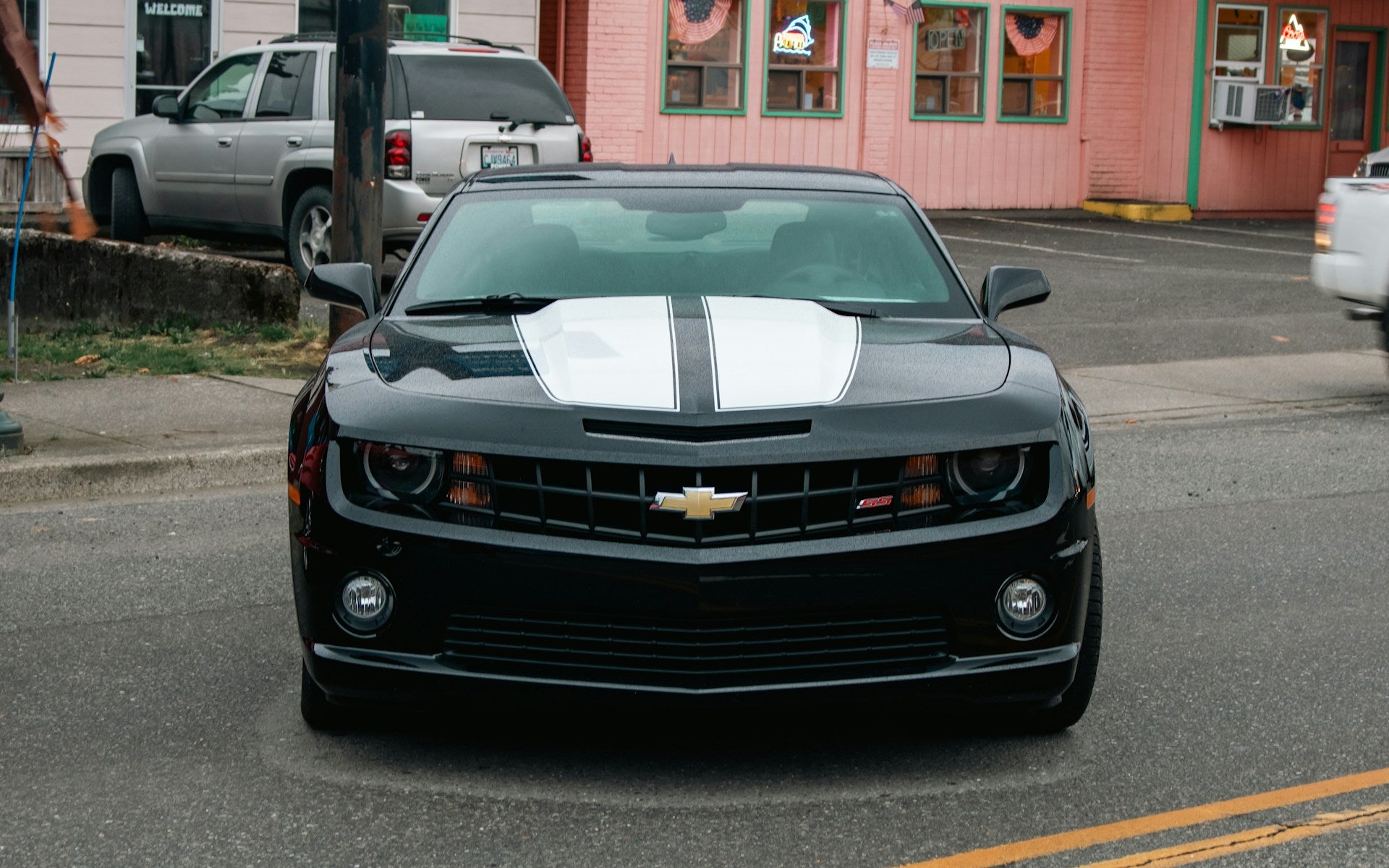
Trade-in Leverage for New Chevrolet Cars in Smithtown

Turn Your Trade-in Into a New Chevrolet Advantage Trading your current vehicle can be one of the easiest ways to move into new Chevrolet cars in Smithtown with more confidence and less stress on your budget. When demand for dependable cars, trucks, and SUVs is strong across Smithtown and Suffolk County, your trade-in can carry more weight than you might think. By putting your current vehicle toward your next Chevy, you can lower what you need to finance, shrink your monthly payment, or step up into a trim level with more comfort, tech, and safety features. In this article, we will walk through how trade-in value is figured out, why timing before winter can matter, how to prepare your car for appraisal, and how to match your trade-in to the right new Chevrolet for your life on Long Island. Why Fall Is Prime Time to Trade in Your Vehicle in Smithtown As the weather cools and roads start to remind everyone that winter is coming, many Long Island drivers begin to think more seriously about their vehicles. This change of season can make fall a smart window to trade. Here is why early fall often works in your favor: Drivers start planning for winter commuting, school runs, and trips in snow and slush SUVs and trucks with good traction and space become more popular Trading before icy roads and road salt helps protect the value of your current vehicle By moving into a newer Chevy before the harshest weather hits, you can avoid some of the heavy wear and tear that winter can bring, like corrosion from salt, pothole damage, or cold-weather battery problems. New model year Chevrolets also tend to arrive around this time. That fresh inventory means: More color and trim choices available on the lot A wider mix of sedans, trucks, and SUVs to compare Opportunities to line up the right features for your daily drive On Long Island, a lot of people balance weekday commuting with weekend outings to beaches, parks, and family events. Fall is when many drivers look at their current car and ask if it still fits how they live. Maybe you need more cargo room for sports gear, better all-weather traction, or a truck that can handle both work and play. A local dealership that understands these habits can help you think through what will work best once the cold sets in. How Dealerships Really Value Your Trade Many drivers wonder how a dealership gets to that final trade-in offer. It is not just guesswork, and knowing the basics can help you walk in more prepared. Key factors that shape your trade value include: Year, make, and model Mileage compared to similar vehicles Accident and damage history Service and maintenance records Current interior and exterior condition Local demand for that type of vehicle Online value guides can give a rough starting point. But they usually do not know what buyers around Smithtown and Suffolk County are asking for right now. Local experience and real-time market data can make your actual offer higher or lower than those general online numbers. Condition also plays a big role. A vehicle that looks clean, smells fresh, and runs smoothly sends a clear message that it has been cared for. Small things can help your offer, like: Taking care of basic maintenance before appraisal Handling any simple warning lights that can be easily addressed Making sure there are no obvious issues like low tire pressure Service history is also important. A stack of records, especially from trained technicians, shows that oil changes, brake work, and other upkeep were not skipped. Then there is the question of equity. Positive equity means your vehicle is worth more than what you still owe on it Negative equity means you owe more than the car is worth If you have positive equity, that value becomes a strong down payment on your next Chevy. If you have negative equity, dealership finance experts can look at ways to roll that amount into a new loan and still aim to keep your payment at a level that fits your budget. Strategies to Maximize Trade-in Value at Chevrolet of Smithtown You do not need to completely overhaul your car to get a fair offer, but a little bit of prep can help you make a better first impression. Before your appraisal, consider a few simple steps: Give your car a good interior and exterior cleaning Remove personal items from the cabin and cargo areas Gather all keys, remotes, and owner’s manuals Make sure easy maintenance items, like fluids and tire pressure, are in good shape These small actions show that the vehicle has been respected, which often makes an appraiser more confident in its long-term condition. Documentation is just as important as appearance. Helpful items to bring include: Receipts for recent major repairs Proof of regular oil changes and scheduled services Records for new tires, brake work, and battery replacement Any warranty or protection plan paperwork that may transfer Clear, organized paperwork makes it easier for an appraiser to say, yes, this car has been looked after. That can support a stronger trade figure. You can also start the process from home. Many drivers like to: Use an online trade-in form or estimator to get a ballpark figure Enter basic details such as year, mileage, and overall condition Then schedule an in-person appraisal so the team can see the car up close The in-person visit is where positive details that a form cannot capture really stand out, like upgraded equipment, a surprisingly clean interior, or newer tires. Matching Your Trade-in to the Right New Chevrolet Once you have a sense of your trade value, the fun part begins: pairing it with the right new Chevrolet. Common Long Island needs often point to certain Chevy models, such as: A Silverado for towing, hauling, and job site work An Equinox or Blazer for families that need space and comfort A Trax or Trailblazer for easy parking, good fuel efficiency, and daily commuting Your trade-in can help you move into something that better fits winter roads, crowded parking lots, or bigger family schedules. Maybe you want all-wheel drive, extra safety tech for highway driving, or a roomier back seat for car seats and backpacks. From a budget point of view, your trade-in plays a direct role: Its value lowers the amount you need to finance A lower balance can reduce your monthly payment You may be able to choose a shorter loan term and pay off your new Chevy sooner On top of that, Chevrolet incentives, seasonal specials, and loyalty offers may be available. When these stack with your trade, the overall package can look even stronger. A finance team that understands both lease and finance options can walk through how many miles you drive, how long you like to keep a vehicle, and which structure makes sense for you. Step Into Your Next Chevy with Confidence When you time your trade well, prepare your vehicle, and understand how offers are built, your current car or SUV turns into real leverage. A smart trade-in approach can lower your costs, help you upgrade features, and get you ready for fall and winter driving across Smithtown and Suffolk County with a new level of confidence. By working with a local Chevy-focused team that knows Long Island roads and routines, you gain guidance on both appraisal and financing, plus ongoing help with service and parts down the road. Trading in is not just about getting rid of your old car. It is about using its value to step into new Chevrolet cars in Smithtown that fit your life better today. Drive Home Your Ideal Chevy With Confidence Today Explore our latest offers on New Chevrolet cars in Smithtown and find the model that fits your lifestyle and budget. At Chevrolet of Smithtown, our team is here to answer your questions, walk you through features, and help you compare options. If you are ready to talk next steps or schedule a test drive, simply contact us and we will help you get started quickly.
Chevy EV

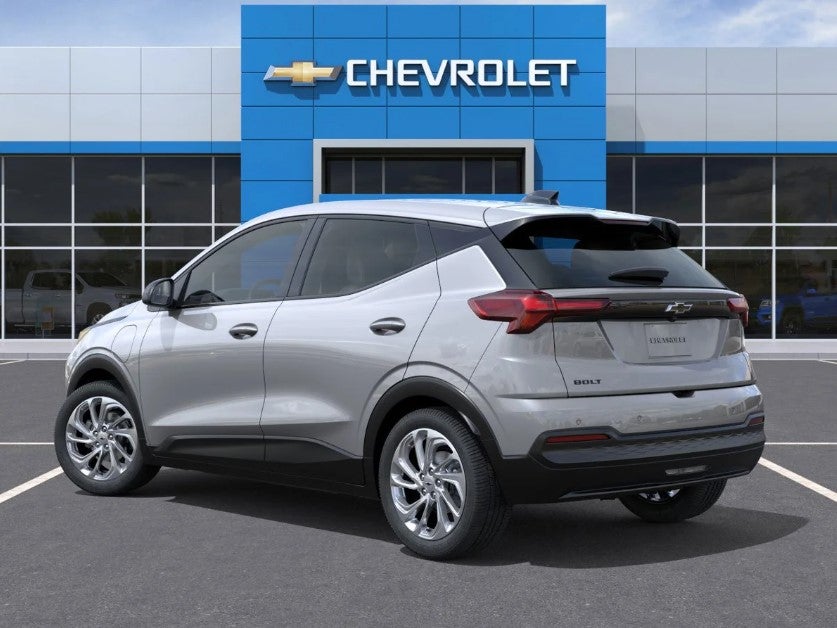
Protecting Chevy EV Sensors on Long Island’s Coastal Roads

Shielding Your Chevy EV Sensors From Coastal Damage Driving an electric Chevy along Long Island’s shoreline is a great way to enjoy quiet power and smooth torque. But salt air, ocean spray, sand, and heavy rain can be tough on the sensors that keep your EV smart and safe. Those small cameras, radar units, and parking sensors work quietly in the background, until something starts to go wrong. Modern Chevy EVs, like the Bolt EUV, Blazer EV, and Equinox EV, depend on these sensors for features such as lane keeping, forward collision alerts, and range management. When sensors are dirty, corroded, or damaged, those systems may stop working the way they should, and your confidence behind the wheel can drop fast. We work with Long Island drivers every day, so we see how local coastal weather affects EV technology. Below, we will walk through what threatens your Chevy EV sensors, how to spot early warning signs, simple ways to protect them, and when it is time to look into professional Chevy sensor replacement in Long Island. How Long Island’s Coastal Climate Affects Chevy EV Sensors Salt, moisture, and high humidity are part of life near the shore. They are also tough on exposed electrical parts. Over time, salty air and road spray can attack metal contacts and wiring inside cameras, radar modules, and parking sensors. Here is what often happens around the Island: Salt from sea air and road treatment sticks to bumpers and underbody parts Moisture sits on that salt, which can speed up corrosion on metal pins and connectors Fall and winter storms create puddles and slush that splash up into wheel wells and underbody sensors Repeated wet and dry cycles leave behind a crust of salt and grime Sand and small debris bring a different set of problems. Fine grit from beaches and coastal roads can: Scratch camera lenses, making images less clear for driver-assistance systems Clog small openings in ultrasonic parking sensors Stick to radar covers, which can weaken the signal and reduce detection range On top of that, leaf litter, dirt, and construction dust can build up around sensor housings. When that buildup grows, sensors may start to see the wrong thing or lose track of objects. Temperature swings also play a role. Quick changes from warm days to cool nights, mixed with strong rain and wind, can: Loosen plastic covers or clips around sensors Expose wiring to more water and grit Put stress on seals and small parts When people take late-summer and early fall trips out to the beaches, that is often when exposure to sand, salt, and heavy showers climbs, just as the weather starts to change. Spotting EV Sensor Trouble Before It Becomes Dangerous Your dashboard is usually the first place to tell you something is not right. Warning lights and alerts for systems like Forward Collision Alert, Lane Keep Assist, and Rear Park Assist may pop up unexpectedly. Pay close attention if: You see warnings only after a storm, car wash, or beach day Alerts appear, then clear, then come back again A feature shuts itself off and will not turn back on Those small hints can point to moisture or debris around the sensors, or early wiring issues. Changes in the way your driver-assistance systems behave are also important clues. For example, you might notice: Adaptive cruise control turns off without you touching the controls Parking sensors beep constantly in an open space, or stay silent near an object Lane-keeping features fail to see lane markings they used to follow When cameras or radar cannot see well, the car may shorten the range at which it reacts, or stop using a feature altogether. That may feel like the vehicle is less sure of itself, and it usually means something is blocking or confusing a sensor. Visual checks are helpful too. When you walk around your Chevy EV, look for: Fogged or hazy camera lenses near the rear hatch, grille, or mirrors Cracked or loose plastic covers around sensors in the front and rear bumpers Signs of standing moisture or stains around sensor seams Catching these issues early often means a quick cleaning, sealing, or adjustment instead of a more serious Chevy sensor replacement in Long Island later on. Proven Ways to Protect Chevy EV Sensors Near the Shore Good cleaning habits can make a big difference for coastal drivers. Regular gentle washes help remove salt, sand, and grime before they can sit and cause trouble. We suggest: Rinsing the car with clean water after beach trips or stormy drives Paying extra attention to the front and rear bumpers and lower body panels Giving the underbody a rinse when possible to wash away road salt and slush Using a soft microfiber cloth and EV-safe cleaner on camera lenses and sensor covers Avoid harsh chemicals or rough scrubbing on any sensor area. Scratches and damaged coatings can confuse the systems more than a bit of dirt. Seasonal maintenance before fall and winter is also smart. A professional sensor and safety system check can include: Scanning for stored sensor fault codes Checking sensor alignment and calibration Inspecting seals, covers, and wiring for early signs of wear Cleaning key sensors with the right tools and products Parking and driving choices help, too. When you can, try to: Park a little farther from direct ocean spray and heavy wind-blown sand Skip deep puddles on low coastal roads after strong rain Slow down through sand, standing water, and gravel patches Leave extra room in construction zones where fresh dust and debris are common These habits lower the impact on exposed sensors and connectors while keeping your daily routine simple. When You Really Need Professional Sensor Service Some light issues are safe for owners to address, such as wiping off surface dirt or clearing away a small patch of fog on a camera lens. But once you see repeated warnings, error messages, or physical damage, it is time for professional help. Problems that call for trained service include: Constant warning lights that return after a basic cleaning Features that stay disabled for more than a short drive Signs of impact, cracked housings, or bent brackets Any visible corrosion on connectors or wiring Trying to realign sensors, repair wiring, or change software at home can affect how safety systems work and can cause new problems you cannot see right away. It can also affect warranty coverage if work is not done to the right standard. For Chevy sensor replacement in Long Island, it helps to work with technicians who know Chevy EV systems and local conditions. Factory-style diagnostic tools can talk directly with the vehicle, read sensor data, and show if a part needs cleaning, adjustment, or replacement. Local experience also matters, since coastal wear and flood exposure tend to show up in familiar patterns. During a sensor service visit, you can usually expect: An initial scan and road test to confirm the concern A visual inspection of all related sensors, wiring, and mounts Careful cleaning or reseating of parts where needed Sensor calibration and a final verification drive to check proper operation A good service team can also suggest protective steps and a maintenance schedule that fits your daily route, whether you are near the water every day or only on weekends. That kind of plan helps your Chevy EV sensors stay ready for the next trip, no matter what the Long Island shoreline sends your way. Keep Your Chevrolet Driving Safely and Smoothly If your dashboard lights are on or your vehicle is not responding the way it should, we are ready to help diagnose and fix the issue correctly the first time. Schedule your Chevrolet sensor replacement in Long Island with Chevrolet of Smithtown and let our factory-trained technicians handle the rest. If you have questions before booking, feel free to contact us so we can walk you through your options.

Chevy Bolt EV

Suffolk County Used Chevy Bolt EV Winter Readiness: Range and Charging

Get Your Used Chevy Bolt Winter-Ready on Long Island Winter driving in Suffolk County feels different when you are in an electric car. The cold air, salty roads, and longer dark hours all affect how your used Chevy Bolt behaves. If you understand what changes and how to plan for it, winter driving can still be easy and comfortable. A used Chevy Bolt in Suffolk County can be a smart, efficient choice all year. In colder weather, it just takes a little know-how about range, preconditioning, and charging. We will walk through what kind of winter range you can expect, how to warm the car without wasting energy, and how to choose between home charging and public stations. Our team at Chevrolet of Smithtown is also here as a local resource for winter readiness checks, battery insight, and charger suggestions that fit the way you drive on Long Island. How Cold Weather Affects Your Bolt EV Range When temperatures drop, your Bolt’s lithium-ion battery does not work as efficiently. The chemical reactions inside the battery slow down in the cold, so you get less usable energy from the same charge. That means the range number on a mild fall day will usually be higher than what you see on a freezing morning. In typical Suffolk County winter conditions, drivers often notice that their used Bolt does not go quite as far on a full charge. City driving with stop-and-go traffic and lower speeds usually gives better winter range than long highway runs. On the highway, cold air, higher speeds, and wind all work against efficiency, so planning a little extra buffer is smart. Several things can drain winter range faster than you might expect: Heavy use of cabin heat and window defrost Wet, slushy, or snowy roads that add rolling resistance Lower tire pressure from the cold Roof racks, cargo boxes, and other add-ons that catch wind Extra weight from winter gear and cargo To plan your winter trips, try a few simple habits: Leave home with more charge than you think you need, especially for longer errands Use a trip planner app to map out charging options along your route Check your real-time range estimate before each drive and adjust if the weather is very cold Give yourself time for unexpected detours, traffic, or road closures Master Preconditioning for Comfort and Extra Range Preconditioning is one of the best tools you have in winter. It means warming the cabin and battery while your Bolt is still plugged in, so the energy comes from the grid instead of your battery. You start your trip with a warm car and more range left for driving. Your Bolt gives you a few easy ways to precondition: Schedule a daily departure time so the car heats up right before you leave Use the key fob to start cabin heat from inside your home Use the mobile app to turn on heat or defrost and set your target temperature By preheating the cabin and battery before you unplug, you: Preserve more range for driving instead of burning energy on initial warm-up Shorten defrost time so you can see clearly sooner Avoid blasting the heater on high while you are already on the road On Long Island, this is especially helpful for early morning runs to LIRR stations, late-night pick-ups, or kid drop-offs at practice when temperatures are below freezing. You can plug in at home, start preconditioning while you finish getting ready, then walk out to a warm, clear car with more range available for your Suffolk County commute or a longer trip east. Home Charging vs. Public Charging in Winter For most drivers, Level 2 home charging is the easiest way to live with an electric vehicle in the cold. When you plug in at home overnight, you wake up to a full battery, a warm cabin, and no need to stand outside in the wind. Keeping the car plugged in also lets the Bolt manage its battery temperature more effectively. The benefits of home charging in winter include: Consistent overnight charging while you sleep Simple preconditioning without worrying about public station time limits The ability to leave the car plugged in during cold snaps so battery systems can work as designed Public charging still has an important place, especially for longer trips. In cold weather, DC fast charging can be slower, because the battery and charger both protect themselves from charging too fast at low temperatures. You might notice that a station that seems quick on a mild day takes longer when it is very cold. When thinking about time and cost, keep in mind: Public DC fast chargers can vary in speed depending on temperature and your current state of charge Higher states of charge generally bring slower charging, especially when it is cold Shorter, planned fast-charge stops on longer trips often work better than trying to go from very low to very high in one session Many Suffolk County drivers end up with a blended strategy: Use Level 2 home charging for day-to-day commuting and errands Plan targeted public fast charging for weekend trips to the Hamptons, Riverhead, or into the city Consider weather, traffic, and temperature when choosing which station to use and when to stop Winter Care Tips for a Used Chevy Bolt in Suffolk County A few simple winter habits can help protect your battery and keep your drives smooth. Your Bolt will handle winter better if you avoid constant extreme charge levels, especially when it is very cold. Whenever possible, try not to sit for long periods at a full 100 percent or very close to empty. Helpful battery-friendly habits include: Avoid frequent 0 to 100 percent charges when the weather is extremely cold Park in a garage or sheltered area when you can Keep the battery in a moderate charge range if the car will sit for several days Leave the car plugged in so it can manage temperature more effectively To stay warm without using too much energy, think about targeted comfort: Use the seat heaters and heated steering wheel before cranking up full cabin heat Wear layers so you can keep cabin temperatures a bit lower Try ECO mode to soften aggressive heating and acceleration Tires and brakes matter too, especially on icy or slushy Long Island roads. Make sure your tires are in good shape and rated for the conditions you face. Check tire pressure regularly, since cold air drops pressure and can affect handling and range. Also pay attention to how regenerative braking feels on slick roads and leave extra space to slow down smoothly when traction is low. Regular service checks help keep winter stress low. A professional can look over: Tire tread depth and pressure Brake condition and brake fluid High-voltage components and visible cables Software updates and system settings related to charging and climate control Our team at Chevrolet of Smithtown can inspect your used Chevy Bolt, review how you drive around Suffolk County, and help you set it up for confident winter driving. We understand local traffic, typical winter conditions, and the routes many Long Island drivers use, and we can share practical advice that fits your daily routine. Drive Home Affordable Electric Power Today If you are ready to experience efficient, all-electric driving without the new-car price tag, explore our inventory and find the used Chevy Bolt in Suffolk County that fits your lifestyle. At Chevrolet of Smithtown, we will walk you through charging options, ownership costs, and available financing so you can make a confident decision. Have questions about availability or want to schedule a test drive? Simply contact us and our team will follow up with the details you need.

Chevy Trucks

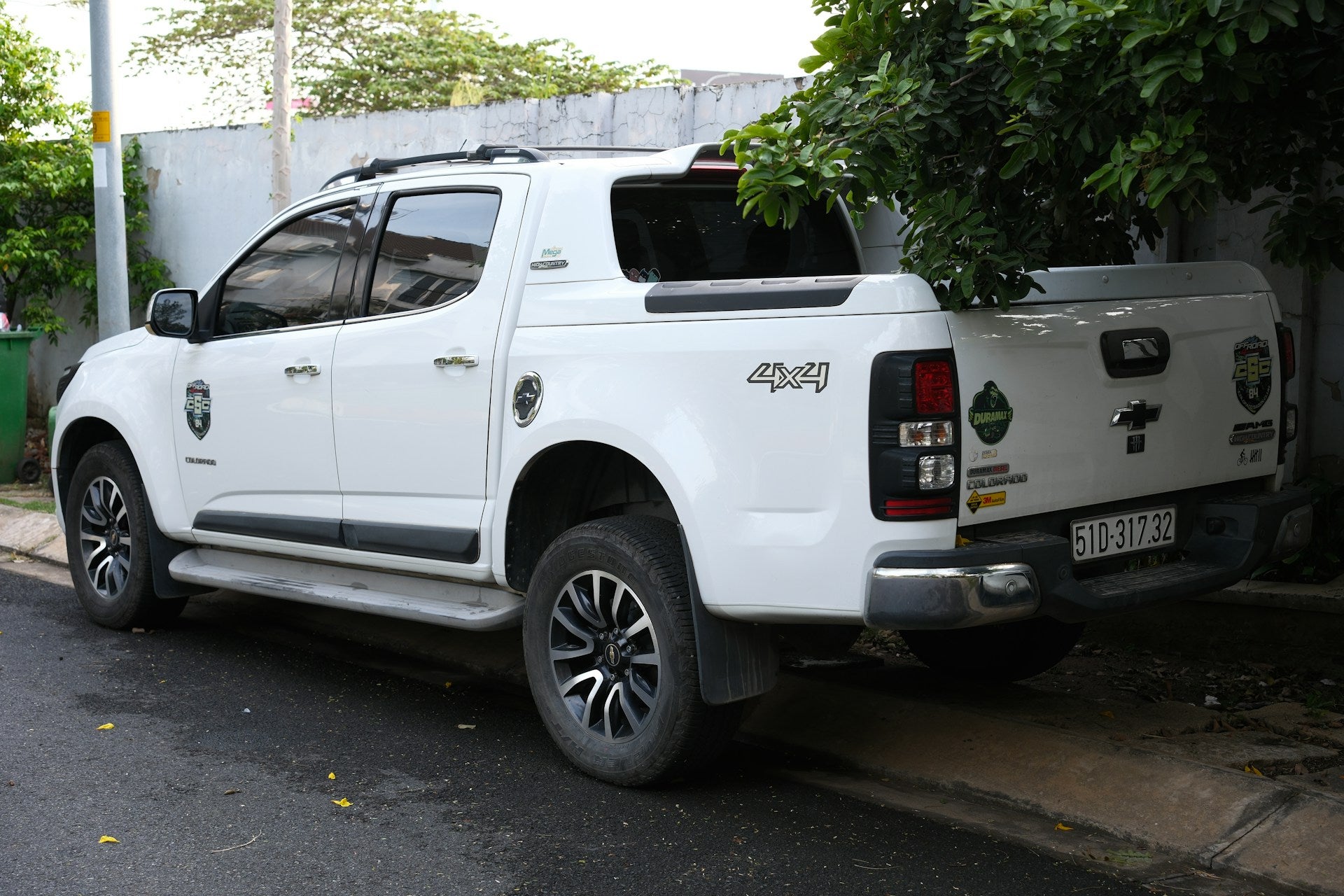
Commercial Chevy Trucks in Suffolk County for Marina and Construction Work

Work-Ready Chevy Trucks Built for Long Island Jobs Work in Suffolk County is tough on trucks. Marina crews are hauling boats, contractors are pulling trailers, and everyone is fighting tight deadlines and changing weather. If the truck does not start, pull, or stop the way it should, work slows down fast. Commercial Chevrolet trucks are built to keep that from happening. They bring power, strength, and smart upfit options so local businesses can keep jobs moving. Our team focuses on helping marina operators, builders, and trades choose new Chevy trucks in Suffolk County that match real workloads, not just what looks good on paper. Why Suffolk County Marinas Rely on Chevy Work Trucks Marina work is hard on gear. Trucks are backing down wet ramps, towing heavy loads, and sitting close to saltwater all day. By the end of boating season, they have pulled boats, jet skis, trailers, fuel, and parts across the yard many times. Chevy work trucks are a strong fit for that kind of routine. Popular choices for marina duty include: Silverado 1500 for lighter trailers, parts runs, and daily dock work Silverado HD models for larger boats, double-axle trailers, and heavier loads 4x4 options for slick boat ramps and soft gravel or sand These trucks offer the towing and hauling strength marinas need, along with helpful trailering tech. Available features like trailer sway control and backup aids can give drivers more confidence when they are lining up to the ramp or moving through a crowded yard. Marina teams also tend to go heavy on upfits and protection, such as: Ladder racks for long tools, power washers, and dock parts Locking toolboxes to keep gear secure on the dock or in the lot Spray-in or drop-in bed protection to handle wet lines, anchors, and metal parts Tow packages with the right hitches, wiring, and brake controllers We help marina owners and managers choose and set up these options so their trucks are ready for steady waterfront work and hold up better around salt, sand, and moisture. Heavy-Duty Chevy Trucks Built for Construction Sites Construction sites across Suffolk County are tough places to work and tough places for trucks. Vehicles are hauling lumber, blocks, and tools, towing equipment trailers, and creeping through dirt, ruts, and tight driveways. When the weather turns colder and wetter, the job does not stop, so the truck cannot either. For this kind of daily use, Silverado 2500 HD and 3500 HD are common picks. Contractors like these models because they offer: Strong payload for materials, tools, and in-bed fuel tanks High torque options to pull equipment trailers and heavier loads Available diesel engines for longer days and heavier towing Snowplow prep options for businesses that switch to winter work On top of power, construction crews need trucks that can take abuse and still keep drivers safe. Chevy trucks are built with heavy frames and strong suspensions that help them stand up to job site use. Available 4x4 and off-road packages can help with muddy entrances, unfinished driveways, and unpaved lots. Safety and driver help features are also important. Many owners like having: Available camera views to help with parking in tight spaces Driver-assist options that support drivers in traffic between jobs Trailering tech that can help keep trailers more stable on the road Those details can make long days feel smoother and help crews stay focused on the job instead of worrying about the truck. Fleet Solutions for Local Contractors and Marina Operators Some Suffolk County businesses do not run just one truck, they run a whole list of them. That is where commercial and fleet planning becomes important. When all trucks are different, maintenance, parts, and training can get messy. Building a commercial Chevy fleet can help by giving you: Consistent specs, so drivers can move from truck to truck with less confusion Similar parts, which can make maintenance planning easier Shared upfits, so gear and storage work the same across vehicles Volume opportunities when growing your fleet over time Our commercial staff works with marina operators and contractors to plan fleets around real work. That might mean mixing trucks with different gross vehicle weight ratings, so lighter trucks handle local runs and heavier trucks pull big trailers. It might also include planning for: Service bodies to carry tools and small parts Dump beds for landscaping, masonry, or site cleanup Flatbeds for larger materials, skids, or equipment Seasonal needs like snow and ice control setups The goal is to build a fleet that fits your work style, your crews, and your routes, not just fill a lot with random trucks. Finding the Right New Chevy Truck in Suffolk County Choosing the right work truck starts with a clear look at what you really do each day. Before visiting a dealer, it helps to write down: What you tow most often and how heavy it usually is How much weight you carry in the bed or body How many crew members ride in the truck on a normal day If the truck spends time on the highway, back roads, or tight lots Thinking through gas vs diesel matters as well. Gas engines can be a smart fit for shorter trips and lighter towing. Diesel options can shine with heavier loads and longer days pulling trailers. The right choice depends on how and where you use the truck, not just the engine badge. Test drives and on-site visits are also important. Many marina and construction owners bring notes, trailer sizes, and even pictures of their job sites. That makes it easier for our team to match them with new Chevy trucks in Suffolk County that line up with real-world work. If you need more specialized commercial builds, we can also look at order options and timing so trucks are ready for busy fall and winter seasons. Keeping Your Crew Rolling with Certified Chevy Service Even the best truck needs care, especially when it spends its life at job sites or on the water. Regular service can help prevent small issues from turning into big, work-stopping problems. Oil changes, brake checks, fluid checks, and tire care are all important when trucks carry heavy loads and tow often. Our service department focuses on commercial use and understands that downtime costs money. Business owners value: Factory-trained technicians who understand Chevy trucks Genuine parts designed to work with their vehicles Service plans that make future visits easier to manage Scheduling that respects busy work weeks and seasonal rushes By planning maintenance instead of waiting for breakdowns, you help keep your fleet on the road, your crew working, and your jobs on schedule. That is the kind of steady, reliable support we work to provide for marina and construction businesses across Suffolk County at Chevrolet of Smithtown. Drive Your Business Forward With The Right Chevy Truck Explore our inventory of new Chevy trucks in Suffolk County and let our team at Chevrolet of Smithtown help you match the right capability, upfits, and budget to your business needs. We take the time to understand how you work so you get a truck that earns its keep every day. If you are ready to talk specifics or schedule a visit, simply contact us and we will help you get started.

Fuel Pump

Fuel Pump Service for Long Island Chevy Drivers After Summer Towing

Protect Your Chevy’s Fuel System After Summer Towing Towing all summer is hard work for your Chevy, even if it never skipped a beat. Pulling a boat to the marina, hauling a camper out east, and sitting in traffic on the LIE or on Sunrise Highway all put extra strain on the fuel system that you cannot see from the driver’s seat. The fuel pump, fuel filter, and lines are working overtime any time you tow, especially in heat and stop-and-go traffic. That is why early fall is a smart time for Chevy fuel pump service in Long Island. A careful inspection now can help keep your truck or SUV ready for back-to-school runs, workdays, and weekend trips as the weather cools down. We will walk through how towing affects your fuel pump, signs of trouble to watch for, and why choosing a certified Chevy service team really matters for long-term reliability. How Summer Towing Wears on Your Fuel Pump Any time you hook up a trailer, your Chevy has to work harder. The engine needs more power to pull the extra weight, and that means the fuel pump has to deliver more fuel more often. Long pulls over bridges, climbing hills, and quick highway merges with a trailer behind you all depend on steady fuel flow and correct pressure. Heavy towing can stress the fuel system in a few key ways: The pump runs at higher demand for longer periods The fuel filter catches more debris and can start to clog Heat from the engine and road raises the temperature of the fuel On Long Island, late summer heat and traffic after beach days do not help. Sitting in slow traffic with a loaded trailer, idling at lights near the shore, or backing a boat down a ramp with the engine running can keep fuel temperatures higher than normal. Hot fuel can make internal parts inside the pump wear faster. Common issues that often show up after a busy towing season include: Reduced fuel pressure under load Early pump fatigue or noisy operation Partially restricted fuel filters that make the pump work harder These problems rarely show up all at once. Many times they build gradually, so the truck still runs, just not quite like it used to. That is why a preventive fuel system inspection after a heavy towing season is usually smarter than waiting until the truck will not start or loses power with a trailer hooked up. Warning Signs Your Chevy Needs Fuel Pump Attention Your Chevy will usually give you hints when the fuel pump or related parts need attention. They can be subtle at first, so it helps to know what to look for after months of towing. Watch for drivability clues, such as: Hard starts after the vehicle sits for several hours Stumbling or hesitation when you accelerate onto the Southern State or Northern State Parkway Sudden loss of power when passing or climbing a hill with a trailer You might notice sound or feel changes too. A common warning sign is a new whining or humming noise from the fuel tank area, especially when you are pressing the gas pedal or towing. The vehicle may feel sluggish when pulling away from a light, or it might struggle more than before when you are climbing a grade with a boat or camper behind you. Some drivers also notice a rough idle after the engine is fully warmed up. Your dashboard and fuel economy can offer more hints: Check Engine lights related to fuel pressure or mixture Trouble holding a steady speed on the highway, even with light throttle A clear drop in miles per gallon after months of towing It is easy to ignore symptoms that come and go, but intermittent issues are often the first sign that the pump is not keeping up. Catching these problems early with a professional fuel system inspection can help prevent getting stuck during a weekend trip, on a workday commute, or in holiday traffic. Why Certified Chevy Fuel Pump Service in Long Island Matters Fuel systems on modern Chevy trucks and SUVs are more complex than older models. Towing packages, different engines, and model-specific fuel pressure specs all affect how the pump and related parts should be tested and serviced. Factory-trained technicians know how each Chevy model is built, including: Correct fuel pressure ranges for your specific engine The right test points for checking pump output and electrical circuits Common wear areas on popular models like Silverado, Colorado, Tahoe, Suburban, Equinox, and Traverse Using genuine GM parts is another key piece of the puzzle. The fuel pump, filter, module, and seals are designed to match your Chevy’s original towing capacity and fuel demands. That helps restore proper performance and supports long-term reliability, especially for vehicles that tow frequently. There is also a big advantage in proper diagnostics. Professional test equipment lets the service team: Measure fuel pressure under different driving conditions Check current draw and voltage at the pump Confirm whether the problem is the pump, filter, wiring, or something else Choosing Chevy fuel pump service in Long Island also means working with people who understand local conditions. Coastal humidity, salt in the air, winter road treatments, and stop-and-go traffic can all speed up wear on fuel lines, connections, and tanks. Local experience helps the team know where to look first and what to double-check on a vehicle that tows boats, campers, or work trailers around the area. Fall Maintenance Checklist After Heavy Towing Once towing season slows down, it is a good time to give your Chevy a full health check, starting with the fuel system. A focused fall visit after months of hauling can help you head into colder, wetter weather with confidence. For the fuel system, we usually recommend: Fuel pump performance test under load Fuel filter check and replacement if needed Visual inspection of lines, fittings, and tank area for corrosion or damage Review of any diagnostic trouble codes related to fuel delivery Fuel pump care pairs well with other fall maintenance tasks, especially if your Chevy spent many weekends towing: Fresh oil and filter after working hard all summer Brake inspection, since stopping with extra weight adds stress Tire inspection for trucks and SUVs that tow, including tread, pressure, and any uneven wear Your fuel habits also matter for pump life. Try to: Use quality fuel from trusted stations Avoid running the tank very low on a regular basis Consider a professional fuel system cleaning if the vehicle has higher mileage or spent long periods sitting between trips Taking these steps as towing season winds down helps keep your Chevy ready for daily driving, school runs, job sites, and the occasional off-season adventure, without surprise fuel system problems. Keep Your Chevy Running Strong With Expert Fuel Pump Care Schedule your Chevy fuel pump service in Long Island with Chevrolet of Smithtown and help protect your engine from unexpected breakdowns. Our certified technicians will inspect, diagnose, and service your fuel system using genuine parts tailored to your vehicle. If you have questions before booking, feel free to contact us so we can help you choose the right service for your needs.

oil change

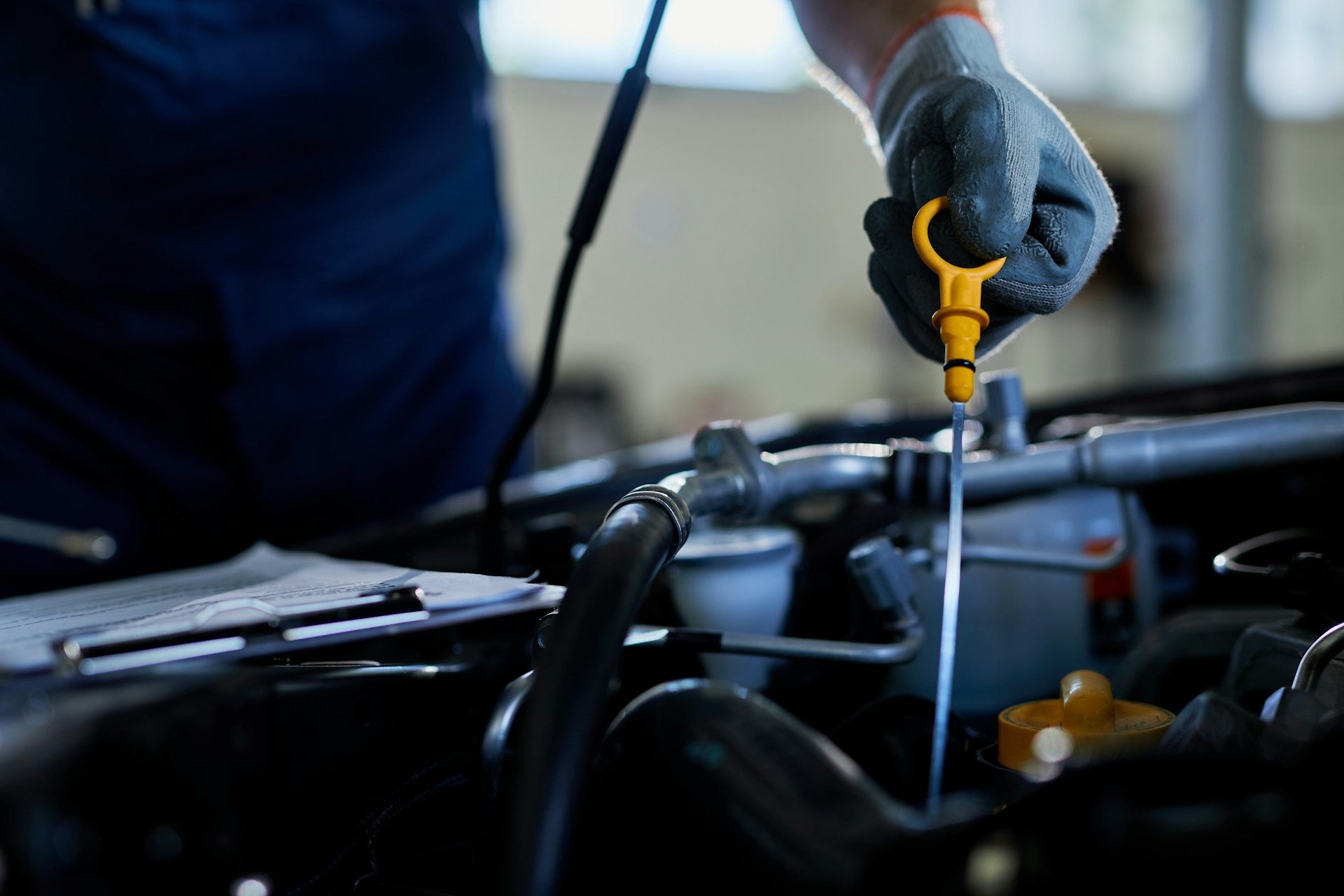
Beyond Oil Changes: What Chevrolet Maintenance Really Includes

What Chevrolet Maintenance Really Covers Chevrolet maintenance is about much more than a quick oil change and a tire rotation. Modern Chevys are packed with advanced systems, sensors, and electronics that all need attention if you want your vehicle to stay safe, smooth, and efficient. When you keep up with the full maintenance plan, you help protect your engine, brakes, steering, and comfort features all at the same time. At our dealership, we use factory information, GM-approved diagnostics, and parts made to work with your specific Chevy model. That helps protect performance on busy Suffolk County roads, supports good fuel economy, and can help your vehicle hold its value when it is time to trade or sell. Maintenance is not just checking a box; it is caring for the whole vehicle. In this guide, we will walk through what a complete Chevrolet service visit usually includes, how the timing works as your vehicle ages, and how to get ready for changing Long Island seasons, especially late summer and early fall. By the end, you will have a clear picture of what your Chevy really needs and why it matters for your daily drive. Why Factory Maintenance Matters on Long Island Roads Driving around Long Island can be hard on a vehicle. Stop-and-go traffic on the LIE and local roads means your brakes and transmission work extra hard. Salt air near the shoreline and road salt in winter can speed up rust and wear, especially on brake lines, suspension parts, and the underbody. All of that makes on-time Chevrolet maintenance in Long Island even more important. Regular checks and services help: Catch worn brakes before you hear grinding or feel vibration Spot cracked belts and aging hoses before they fail on the road Find uneven tire wear that can hurt handling and comfort Notice weak batteries that might struggle on cold mornings When you bring your Chevy to a dedicated Chevrolet service team, the staff follows information provided for your model and year. That includes the latest guidance from the manufacturer and diagnostic steps made for Chevrolet systems. This kind of focused care can help prevent small issues from turning into bigger repairs later. What Happens in a Full Service Visit A full service visit is a lot more than draining oil and changing a filter. It usually starts with a multi-point inspection, where a technician looks over many key parts of your vehicle. This helps create a clear picture of what is good, what needs attention soon, and what should be repaired now. A typical multi-point inspection may include checks of: Brake pads, rotors, and brake lines Tire tread, tire pressure, and signs of uneven wear Steering and suspension parts that affect ride and control Exterior lights, signals, and wiper blades Battery health and connections Fluid levels and fluid condition Along with the physical inspection, technicians also connect GM-approved diagnostic tools to your vehicle. These systems can read stored trouble codes, even if your check engine light is off. They can also help detect issues with sensors, emissions systems, and electronic controls, and identify if any software updates are available. Fluid care is another big part of a full Chevrolet maintenance visit. Beyond engine oil, your Chevy may also need: Coolant service to help control engine temperature Transmission fluid checks or changes to support smooth shifting Brake fluid checks to help keep brake response consistent Differential or transfer case fluid service on certain models Keeping these fluids fresh and at the right level supports performance, safety, and long-term reliability. Your Chevy Maintenance Timeline From New to High Mileage Every Chevrolet model has its own maintenance schedule, so the first place to look is always your owner’s manual. Still, it helps to think about maintenance in stages as your mileage climbs. Early on, around your first few service visits, the focus is often on: Oil and filter changes Tire rotations and basic inspections Making sure everything is breaking in as expected As you move into the middle years of ownership, more items usually appear, such as: Cabin and engine air filter replacement Brake inspections and possible pad replacement Deeper fluid checks and occasional flushes Once your Chevy has higher mileage, care may shift toward: More frequent checks of suspension, steering, and exhaust Close attention to belts, hoses, and gaskets Watching for any fluid seepage or leaks Not every driver uses their vehicle the same way, especially around Long Island. Frequent short trips, long daily commutes, riding in traffic, or regular towing can all increase wear. In those cases, it is smart to follow what is often called a severe service schedule and shorten the time between visits. Staying on track can support stronger performance, better fuel economy, and a more confident trade-in or sale later. It can also help support warranty coverage when your service history is clear and complete. Seasonal Chevrolet Maintenance in Long Island Late summer and early fall are a great time to get your Chevy ready for a new season of driving. As schools open and traffic patterns shift, you want your brakes, tires, and wipers to be ready for busy roads and heavier rain. Helpful late-summer and fall checks include: Brake inspection to confirm stopping power in wet conditions Tire tread and pressure check to prepare for cooler weather Wiper blade replacement and washer fluid top-off Alignment check after long summer trips or pothole hits As fall moves toward winter, maintenance needs often focus more on cold weather concerns. Battery testing is important, since weak batteries show up fast when temperatures drop. A look at your coolant system helps your engine stay at the right temperature in both cold and warm weather. It is also smart to confirm that your heater and defroster are working well so you have clear windows on frosty mornings. Long Island roads can see road salt in winter, which may leave marks long after the snow is gone. An underbody inspection can help spot early rust or damage from past seasons. It is also a good time to check comfort and safety features like remote start, tire pressure monitoring, and whether all-weather or winter-focused tires make sense for your driving. Genuine Parts and Trained Technicians Make the Difference When it is time for Chevrolet maintenance in Long Island, the parts and fluids that go into your vehicle matter. Genuine GM parts are made to work with the systems already in your Chevy, from the brake hardware to sensors and electrical connectors. Using approved fluids for your engine, transmission, and brakes helps those systems work the way they were designed. The people working on your Chevy matter just as much. Technicians at Chevrolet of Smithtown follow training based on Chevrolet vehicles, and they work with these models every day. That ongoing experience helps them recognize common wear patterns, understand how newer SUVs, trucks, and electric models are built, and apply the correct procedures when they inspect and repair your vehicle. Choosing a team that focuses on Chevrolet models can bring peace of mind. It helps support warranty coverage, since service follows factory guidance and uses appropriate parts. It can also lower the risk that comes with parts that do not fit quite right or methods that are not matched to your specific Chevy. Over time, that kind of care supports safer, more confident driving on Long Island roads in every season. Keep Your Chevy Running Its Best All Year Long Staying on top of scheduled care is the easiest way to protect your warranty, performance, and peace of mind. Our factory-trained technicians at Chevrolet of Smithtown are ready to handle all your routine and advanced service needs, from oil changes to diagnostics, with genuine GM parts. Schedule your next visit for Chevrolet maintenance in Long Island and keep your vehicle ready for every mile ahead. If you have questions before booking, simply contact us so we can help you plan your service.

Salt-Air Corrosion

Coastal Driving in Suffolk: Salt-Air Corrosion Protection & Undercarriage Care

Protect Your Chevy From Long Island’s Coastal Conditions Driving in Suffolk County means a lot of time near the water. Beach runs to Smith Point or Sunken Meadow, ferry trips, and daily commutes along the South Shore and North Shore all come with salty air and sandy roads. That mix feels great for us, but it can be tough on your Chevy if the undercarriage is not cared for. Salt, sand, and moisture can slowly attack the bottom of your vehicle where you do not usually look. Over time, they can cause rust, weaken key parts, and affect how your Chevy stops, steers, and rides. With help from Chevrolet Certified Service in Suffolk County, you can stay ahead of corrosion and keep your vehicle safer and smoother for the long haul. In this guide, we will talk through how salt air and sand cause damage, what makes late summer and fall, a smart time for undercarriage care, what trained technicians look for under your Chevy, and how professional cleaning and protection can work together to fight rust from the bottom up. How Salt Air and Sand Attack Your Undercarriage Coastal air is full of tiny salt particles. When you drive, that salty moisture clings to metal parts under your vehicle. Add sand from the beach and roadside shoulders, and you get a rough mix that can wear away protective layers and trap salty water where it does the most harm. Here is how that combo causes trouble under your Chevy: Salt speeds up rust on exposed metal, especially where paint or factory coatings are chipped Sand acts like sandpaper, scuffing coatings and leaving bare spots behind Damp sand packs into corners and seams and holds moisture against the metal Repeated wet and dry cycles help rust spread along lines, brackets, and welds Some of the most vulnerable parts under the vehicle include: Brake lines and fuel lines Suspension arms, springs, and mounting points Frame rails, crossmembers, and welds Exhaust pipes, mufflers, and hangers Bolts, clips, brackets, and other hardware In Suffolk County, this exposure builds up over the seasons. Summer beach days bring sand and salt spray. Fall storms push salt air farther inland and leave puddles that can be salty. In winter, road treatments can add more corrosive material to the mix. Even though modern Chevy models have better rust protection than older vehicles, repeated coastal driving without the right care can still lead to long-term damage underneath. Seasonal Undercarriage Care for Late Summer and Fall Late August and early fall are smart times to focus on the undercarriage. By then, your Chevy has gone through months of beach trips, hot parking lots near the bay, and long days by the water. It is also right before cooler, wetter weather and rougher road conditions arrive. A few simple habits can help limit extra exposure between professional service visits: Avoid driving through standing saltwater by the beach when you can Do not park for long stretches over damp, salty sand or wet grass After sandy trips, choose a wash that includes an underbody rinse Knock off loose sand from mats and steps so less grit sticks underneath For local drivers, a seasonal rhythm works well: End of summer: a thorough wash and undercarriage inspection after peak beach season Before winter: a deeper check of lines, frame, and shields ahead of storms and road treatments After winter: a follow-up inspection to spot fresh rust or damage and plan repairs early This is not just about how the bottom of your Chevy looks. Corrosion can weaken structural parts that help protect you in a crash. It can thin brake lines, affect how the suspension handles bumps, and even change alignment over time. Staying on top of undercarriage care is as much about safety as it is about keeping your Chevy looking good. What Certified Technicians Look for Under Your Chevy When you bring your vehicle to Chevrolet Certified Service in Suffolk County, trained technicians follow factory-based guidelines to check the areas many owners never see. They know where salt and sand like to hide and how early rust can appear on different Chevy models. During an undercarriage inspection, they focus on: Differences between light surface rust and deeper rust scale on the frame and crossmembers Condition of brake lines and fuel lines, looking for swelling, pitting, or flaking Suspension components, including bushings, ball joint boots, and mounting points Exhaust parts such as clamps, hangers, heat shields, and joints They also pay close attention to plastic shields, wheel well liners, and splash guards. These pieces are there to block salt, sand, and water from hitting sensitive parts, but only if they are: Properly attached Not cracked or broken Not packed with sand and debris If a shield is damaged or missing, that area can rust faster. Certified technicians document what they find, point out anything that affects safety first, and discuss steps to slow or stop corrosion before it becomes a serious repair. The focus is on catching small issues early, not waiting for a surprise leak, broken bracket, or structural concern. Professional Corrosion Protection and Cleaning Options Professional undercarriage care goes beyond a quick pass through a standard car wash. At a Chevrolet service center, the team has the tools and training to target the areas that see the most salt, sand, and moisture. Typical services can include: High-pressure underbody cleaning to flush out packed sand and salty residue Rust treatment for early problem spots so they do not spread as quickly Application of protective coatings or sealants on exposed metal where appropriate It is helpful to know the difference between a quick underbody spray and a more careful cleaning. A basic spray is better than nothing, but it may not reach: Inner frame channels Crossmembers and brackets Seams where panels meet Tight corners around fuel tanks and suspension mounts A more focused service aims water and cleaners into those hidden areas and checks them afterward. For many Suffolk County drivers, extra protective coatings or rustproofing products may make sense if the vehicle is: Driven to the beach often Used for towing boats or trailers near the water Expected to stay in the family for many years With Chevrolet Certified Service in Suffolk County, products and methods are chosen with your specific vehicle in mind so they work with the way your Chevy was designed instead of working against it. Keep Your Chevy Coastal-Ready with Chevrolet of Smithtown Coastal living is one of the best parts of driving in Suffolk County, and your Chevy should be ready to enjoy it without hidden damage building up underneath. Regular undercarriage inspections, smart driving habits near the water, and professional cleaning and protection can all work together to keep rust in check. At Chevrolet of Smithtown, our service team understands the local roads, the salty air, and how they affect Chevy vehicles over time. With Chevrolet Certified Service in Suffolk County, we help drivers create a simple plan for undercarriage care that matches how and where they drive, so their vehicles can handle beach days, bay roads, and daily commutes with confidence from the frame up. Keep Your Chevrolet Running Its Best With Expert Care When your vehicle needs attention, our team at Chevrolet of Smithtown is ready to provide trusted Chevrolet certified service in Suffolk County tailored to your car or truck. From routine maintenance to more complex repairs, we focus on getting the job done right so you can drive with confidence. Schedule your service appointment online today or contact us with any questions about your vehicle’s needs.

Chevrolet Service

Optimizing Chevrolet Maintenance on Long Island With Genuine Parts

Protect Your Chevy Investment with Smart Maintenance Taking care of your Chevrolet is one of the easiest ways to keep it safe, fun to drive, and ready for your daily routine on Long Island. Regular service helps your Chevy run the way it was designed to, from smooth acceleration to confident braking in stop-and-go traffic. It also helps you avoid surprise repairs and keeps your vehicle more appealing if you choose to trade it in later. Driving here brings a few extra challenges. Coastal weather, salty air, and crowded roads can all speed up wear on important parts. That is why Chevrolet maintenance in Long Island works best with a clear plan and quality parts that match how and where you drive. We serve drivers all over Suffolk County, and we see the same pattern again and again. When Chevy owners follow a steady maintenance schedule and choose genuine parts, their vehicles stay more reliable, feel better on the road, and hold their value longer. Why Long Island Driving Demands Extra Care Living near the water is great, but the salty air is tough on vehicles. Salt can stick to metal surfaces and slowly cause rust, especially underneath your Chevy. Over time, this can affect: Brake lines and calipers Exhaust systems and mufflers Suspension components Frames and undercarriages Stormy weather and heavy rain can push salty water and sand into places you rarely see. That is why regular inspections under the vehicle matter so much for Chevrolet maintenance in Long Island. Catching early signs of corrosion helps keep small problems from growing into bigger ones. Traffic is another factor. Stop-and-go driving on the Long Island Expressway, local parkways, or crowded town roads puts extra load on your engine, transmission, and brakes. Constant starting, stopping, and idling can cause: Faster brake pad and rotor wear Engine oil to break down sooner Transmission fluid to heat up and age more quickly Seasonal changes add one more layer. Late summer often leads into back-to-school traffic, wet weather, and the cooler months that follow. Around this time, it is smart to pay attention to: Battery health, since heat followed by cooler temperatures can strain older batteries Tire tread and air pressure for wet roads and changing temperatures Wiper blades and washer fluid to keep your view clear in heavy rain When you plan ahead, your Chevy is better prepared for everything from early-morning school drop-offs to weekend beach runs and stormy commutes. The Power of Genuine Chevrolet Parts for Long-Term Reliability When something needs to be replaced on your Chevy, the parts you choose make a real difference. Genuine Chevrolet parts are made to the same standards as the parts your vehicle was built with. They are designed to match your specific model, so they fit right the first time and work the way the factory intended. Compared to many generic aftermarket options, genuine Chevrolet parts usually offer: A precise fit for your model and trim Performance designed around your engine, transmission, and electronics Support from the original manufacturer That factory-level match matters most when it comes to safety. Items like brakes, airbags, sensors, and steering components are tuned to work together. Using parts built for your Chevy helps maintain things like braking distance and the way safety systems react in an emergency. Genuine parts are especially important for: Brake jobs, including pads, rotors, and hydraulic components Batteries made to handle your vehicle’s electrical demands Engine parts and sensors that communicate with your Chevy’s computer systems Using the right parts supports warranty coverage and helps keep your vehicle closer to its original condition. That is something many buyers look for when you decide it is time for something new. Building a Maintenance Plan for Chevrolet Owners on Long Island A good maintenance plan is not one-size-fits-all. It should fit how often you drive, where you drive, and the kind of trips you take. Still, there are a few basic steps that almost every Chevy on Long Island needs. A typical schedule often includes: Oil and filter changes at regular mileage or time intervals Tire rotations to even out wear and help with handling Brake inspections to check pads, rotors, and brake fluid Fluid checks for coolant, transmission, power steering, and windshield washer systems Local driving habits can change those intervals. Short trips around town, heavy traffic, and frequent beach visits can all mean your Chevy needs service a bit more often. Sand, salt, and stop-and-go use can speed up wear and cause fluids to age faster. Service advisors who know the area can help you fine-tune your plan. During a visit, they can ask simple questions about: Your daily commute and how far you drive Whether you often drive near the beach or on rougher roads How long you plan to keep your current Chevy From there, you can build a schedule that works with your calendar and keeps your vehicle in good shape without guesswork. How Chevrolet of Smithtown Simplifies Service and Repairs Taking care of your Chevy should feel simple, not stressful. A well-equipped service center can make a big difference, especially when it is focused on your specific brand. Factory-trained technicians are familiar with Chevrolet systems, from engines and transmissions to the latest driver-assist features, and they have access to diagnostic tools built to read your Chevy’s computers correctly. That kind of setup helps with: Finding the true cause of warning lights or odd noises Completing routine maintenance quickly and correctly Installing genuine Chevrolet parts that match your vehicle Convenience matters too, especially with Long Island schedules. Many drivers appreciate: Easy online service scheduling Service specials that help them plan regular visits Quick turnaround for common maintenance like oil changes, tire rotations, and inspections Clear communication also plays a big role in peace of mind. When you know what is needed now, what can wait, and why a service is recommended, it is much easier to make smart choices for your Chevy. A good service team will go over estimates with you, explain the work in plain language, and point out which repairs are urgent versus optional. Take the Next Step Toward Worry-Free Chevrolet Ownership Chevrolet maintenance in Long Island does not have to be complicated. A steady plan, genuine Chevrolet parts, and support from trained technicians can keep your vehicle comfortable, efficient, and ready for the road ahead. Regular checkups before weather shifts or busy seasons give you a chance to fix small issues early and keep your Chevy feeling solid year after year. By working with a local Chevy-focused team like Chevrolet of Smithtown, you get service that understands both your vehicle and your daily drive. With the right care, your Chevy can handle salty air, crowded roads, and changing seasons with confidence, so you can focus on enjoying every trip across Suffolk County. Keep Your Chevrolet Running Like New All Year Long When you are ready to stay ahead of repairs and protect your investment, schedule your Chevrolet maintenance in Long Island with our certified team at Chevrolet of Smithtown. We use genuine parts, advanced diagnostics, and factory-recommended procedures to help keep your vehicle safe and reliable on every drive. If you have questions about service intervals, pricing, or appointment availability, please contact us so we can help you plan your next visit with confidence.

Brake Fluid

Brake Fluid Service for Chevy Drivers on Long Island: Flush Intervals and ABS

Protect Your Chevy’s Stopping Power on Long Island Roads Brake fluid is one of those things you do not really think about until something feels off with your brakes. But that clear fluid in your Chevy’s brake system has a big job: helping your vehicle stop quickly and safely in Long Island traffic. With stop-and-go driving on Middle Country Road, sudden slowdowns on the Expressway, and wet, salty air from the coast, your brakes work hard every day. Old or contaminated brake fluid can change how your pedal feels, increase your stopping distance, and even affect how your ABS responds when you need it most. We want Long Island drivers to understand how brake fluid works, why fresh fluid matters, and when it is time for service. Our goal is to help you keep your Chevy’s stopping power strong, mile after mile. What Brake Fluid Really Does in Your Chevy Think of brake fluid as the link between your foot and your brakes. When you press the pedal, you are not pushing the brake pads directly. You are creating hydraulic pressure in a sealed system, and the brake fluid carries that pressure to the calipers and wheel cylinders at each wheel. Here is what is happening every time you slow down: Your foot pushes the brake pedal The master cylinder pressurizes the brake fluid That pressure travels through brake lines to each wheel Calipers or wheel cylinders clamp the pads or shoes against the rotors or drums Modern Chevy vehicles do not stop using only basic hydraulic pressure. They also rely on electronics like ABS and stability control. These systems need clean, consistent fluid so they can react quickly during: Hard, sudden stops Wet or slippery road conditions Emergency maneuvers, like avoiding an obstacle Most Chevys use DOT 3 or DOT 4 glycol-based brake fluid. They look similar, but they are not the same. Each fluid type has its own boiling point and performance range. Using the fluid type General Motors specifies for your model helps: Maintain proper pedal feel Support ABS and stability control performance Reduce wear on internal brake parts If you are unsure which fluid your Chevy uses, the owner’s manual will list the correct type. Moisture, Corrosion, and Long Island’s Coastal Climate Brake fluid is hygroscopic, which means it absorbs moisture from the air over time. Even though the brake system is sealed, tiny openings at the reservoir cap and rubber hoses can still allow moisture in. On Long Island, the humid, coastal climate speeds this process up. Warm, damp summer air, salt from nearby water, and seasonal temperature swings all work against your brake fluid. As moisture builds up, a few problems can start inside the system: Lower boiling point, which can lead to brake fade during hard stops or long drives Internal corrosion in brake lines, calipers, and ABS components Sludge or discoloration in the fluid, which can affect moving parts Signs that moisture or age may be affecting your brake fluid include: A soft or spongy brake pedal Longer stopping distances than you are used to Dark, brown, or cloudy fluid instead of clear or light amber If you notice any of these changes while driving around Smithtown or nearby towns, it is a good time to have your brake system inspected by a professional. Recommended Brake Fluid Flush Intervals for Chevy Drivers Brake fluid does not last forever. Even if you do not drive a lot of miles, the fluid still ages with time. A common rule is to flush the brake fluid roughly every 2 to 3 years, or as recommended in your Chevy owner’s manual. Your ideal interval can change based on how and where you drive: Frequent stop-and-go commuting Regular trips through hilly parts of Suffolk County Towing trailers, boats, or campers Driving in heavy traffic during hot weather These conditions can heat up the brake system and put more stress on the fluid. That means it may need to be serviced sooner. Many drivers like to plan brake checks around seasonal changes. Some helpful times to have your brake fluid inspected or tested are: Late summer, before school traffic and busier roads start up again Before winter, when cold, wet, and icy conditions challenge ABS and traction systems The most important thing is to follow the guidelines in your Chevy’s manual and work with a service team that understands and follows GM’s recommended maintenance schedule. How Fresh Brake Fluid Supports ABS and Emergency Braking Your ABS is designed to help you steer and stay in control when you brake hard. It uses sensors at each wheel and a control unit that rapidly applies and releases brake pressure so the wheels do not lock up. For that system to respond quickly, it needs clean brake fluid moving freely through very small passages inside: ABS valves Pumps Control modules When brake fluid is old, contaminated, or full of moisture, it can: Slow the flow of fluid through those small parts Cause sticky valves or uneven pressure Delay ABS response in a panic stop On wet Long Island roads or during sudden stops in traffic, those delays can matter. Fresh, properly bled brake fluid helps: Keep pedal feel firm and consistent Support fast ABS reaction when a wheel starts to lock Maintain stability control performance in tight or slippery turns Professional brake fluid service is more than just draining and refilling. A complete service typically includes: Visual inspection of the brake fluid and components Testing the fluid for moisture content or contamination Using specialized equipment to flush and bleed the system correctly This level of care is especially important on newer Chevy models that use advanced safety and driver-assistance features that work closely with the brake and ABS system. Why Choose Chevrolet of Smithtown for Brake Fluid Service When it is time for Chevy brake service in Smithtown, having the work done by a team that knows your vehicle can make a difference. A dealership service department is focused on Chevrolet models, from compact cars to trucks and SUVs. Here are some benefits of choosing a Chevy-focused service-team for brake fluid work: Technicians who are trained on Chevy braking and ABS systems Factory-approved brake fluids and parts designed for your vehicle Diagnostic tools built to communicate with GM control modules It is also common to combine a brake fluid flush with other maintenance tasks to save time and help keep your whole brake system in sync, such as: Brake pad and rotor inspection Tire rotation or tire inspection Alignment check Because we are located right in the Smithtown area and serve nearby communities like St. James, Lake Grove, and greater Suffolk County, we see the real road conditions your Chevy handles every day. That local experience helps us make service suggestions that fit how you actually drive, not just what is printed on a generic schedule. Keeping fresh brake fluid in your Chevy is a simple step that can pay off with better pedal feel, shorter, more confident stops, and reliable ABS performance on every trip across Long Island. Protect Your Stopping Power With Expert Brake Care Keep your Chevy responsive and safe with brake service handled by factory-trained technicians who know your vehicle inside and out. Schedule your Chevy brake service in Smithtown today and we will inspect, diagnose, and address any issues before they become bigger problems. At Chevrolet of Smithtown, we use quality parts and clear communication so you always know what is being done to your vehicle. If you have questions before booking, feel free to contact us and we will help you choose the right service for your needs.

Chevy Bolt EV

When Used Chevy Bolt EV Deals in Suffolk County Make Sense

Why a Pre-Owned Chevy Bolt EV Can Be a Smart Move Switching to an electric car can feel like a big step, but it often starts with a simple question: Does this fit my daily life? For many Suffolk County drivers, a used Chevrolet Bolt EV can be a smart way to try electric driving without jumping into a brand-new model. It can cut your trips to the gas station, trim your regular upkeep, and still give you the tech and comfort you want. On Long Island, daily driving usually means school drop-offs, office runs, and weekend drives to parks, beaches, and family events. As late summer traffic picks up and routines change, more drivers start looking for a way to make those miles easier and more efficient. A used Bolt EV can fit into that rhythm and ease the pain of stop-and-go driving. The key is knowing when a used Chevrolet Bolt EV in Suffolk County truly makes sense for your lifestyle and budget. With the right model and support, you can get an easy-to-park hatchback, quiet all-electric power, and a driving experience that feels simple and familiar, just without the gas pump. When a Used Chevrolet Bolt EV in Suffolk County Delivers Real Value Not every used EV is the same. Some hit a “sweet spot” where you get modern features, good range, and a friendlier price. For many shoppers, that sweet spot often looks like: A model a few years old Low to moderate mileage Clear service and recall records Remaining battery warranty coverage This type of Bolt EV usually has the comfort and tech most drivers want, like smartphone integration, driver-assist features, and a roomy cabin for a compact car. You skip much of the early depreciation while still getting an EV that feels current. Suffolk County driving fits an EV especially well. Common local trips often fall well within the Bolt EV range, such as: Commuting to local offices or LIRR stations Daily school and activity runs Regular shopping, errands, and appointments Weekend drives to nearby beaches, farms, and wineries In these situations, a used Chevrolet Bolt EV in Suffolk County can be ideal as: A first EV for a household that still has a gas vehicle A reliable commuter car that lives at a train station lot all day A second car for families that want to cut fuel use during the week An upgrade from an older gas compact that needs frequent repairs When the car matches how you already drive, the switch to electric feels much easier. Understanding Range, Charging, and Battery Health Range is usually the first thing people ask about. With a used Bolt EV, it helps to think in terms of realistic, everyday numbers instead of the highest possible figure. Your actual range will change based on: Outdoor temperature, hot summers or cold winters Use of AC or heat for comfort Speed, especially long stretches at highway pace How much stop-and-go traffic you see On Long Island, that often means more range in mild weather and a bit less in very hot or very cold spells. Many drivers still find they have plenty of range for a full day of errands or commuting with room to spare. Charging at home is often the simplest setup. Options many Suffolk County drivers consider include: Standard household outlet charging for light, short-distance use Level 2 home charging for faster overnight top-offs Workplace charging where available Public charging for road trips or occasional top-ups Homeowners sometimes choose to install faster charging if they plan to keep the car long term. Renters often rely on slower home charging plus workplace or public stations, which can still work well with typical local driving. Battery health is another key piece. When you shop for a used Bolt EV, it is important to understand: How the battery has been maintained Whether recall and software updates have been completed What the remaining battery warranty coverage looks like A careful review of the vehicle’s records and a clear explanation of battery status can give you better peace of mind for the years ahead. Total Cost of Ownership Compared to Gas and New EVs The cost of owning a car is more than the monthly payment. With a used Bolt EV, the total cost of ownership often looks different from a similar gas compact. You have: Electricity instead of gas for daily driving No oil changes Fewer moving parts in the powertrain Regular tire rotations and basic checks, just like any car In many cases, electricity for daily commutes can feel more predictable than gas, especially if you mostly charge at home. Over time, skipping gas station stops and certain maintenance visits can help offset your monthly vehicle costs. Comparing a used Bolt EV to a brand-new EV, a pre-owned model usually brings: A lower upfront purchase price Potential savings on insurance, depending on the vehicle Access to certified pre-owned options with added coverage and benefits Some drivers are also able to take advantage of EV-related programs, such as: State-level incentives for EV ownership, when available Possible utility rebates for installing a home charger Access to certain HOV perks where programs apply These benefits can change over time, so it is smart to review current options when you are shopping so you understand the larger financial picture. How to Shop Smart for a Used Bolt EV at Chevrolet of Smithtown Shopping smart for a used EV means taking a close, careful look at the details that matter for electric driving. Helpful steps often include: Reviewing a vehicle history report for past use and accidents Checking service records and recall completion Confirming software updates have been done Taking a test drive that matches your normal routes and speeds On the test drive, pay attention to how the car feels in traffic, on local roads, and at highway speed. Watch the range estimate as you drive. This helps you see how the Bolt EV fits into your real daily life, not just a short spin around the block. Features and trim levels matter too. When you shop for a used Chevrolet Bolt EV in Suffolk County, it helps to ask about: DC fast charging capability for quicker public charging Advanced safety features that support your comfort and confidence Infotainment options that connect with your phone and apps Seat and cargo flexibility that fits your family or commute At Chevrolet of Smithtown, our team is familiar with local driving habits and conditions across Suffolk County. We have access to genuine GM parts and factory-trained technicians who handle EVs, and we can talk through home charging questions, ownership planning, and financing options that take EV-related programs into account. Take Charge of Your Commute with a Test Drive Today Late summer is often when routines shift, with school runs, activities, and busy weekends filling the calendar again. It is also a smart time to think ahead about winter, when planning your range and reducing fuel stops can make life easier. Locking in a used Bolt EV before colder weather arrives can give you time to learn the car and build a charging routine that feels natural. When you are ready to see how a used Chevrolet Bolt EV in Suffolk County fits your life, we welcome you to explore the current options at Chevrolet of Smithtown. You can compare different pre-owned Bolt EV models, take a range-focused test drive, and talk with a product specialist who understands both EV technology and everyday Long Island driving. From trade-ins to financing, we are here to help you take your first step toward simple, all-electric commuting. Drive Home Affordable Electric Innovation Today Explore our selection of low-mileage, thoroughly inspected electric vehicles and find the used Chevrolet Bolt EV in Suffolk County that fits your daily driving needs. At Chevrolet of Smithtown, we make it simple to compare options, discuss financing, and understand charging solutions that work for your lifestyle. If you are ready to move forward or have questions about availability, pricing, or trade-ins, contact us so we can help you take the next step with confidence.

Chevy Service

Chevy Maintenance by Mileage for Long Island Drivers: 5K/10K/30K/60K

Keep Your Chevrolet Running Strong on Long Island Roads A smart maintenance schedule by mileage is one of the best ways to keep your Chevrolet safe, reliable, and ready for Long Island traffic. When you stay on top of service, you help avoid surprise breakdowns on the LIE, Sunrise Highway, Route 347, or any of the crowded local roads you use every day. You also protect your vehicle’s value and keep it feeling tight and responsive for years. Driving here is harder on a vehicle than in many other places. Salt air from the Sound and the ocean, winter road salt, stop-and-go commuting, potholes from freeze-thaw cycles, and even beach trips all speed up wear. That is why a simple mileage plan at 5,000, 10,000, 30,000, and 60,000 miles works best when it is tuned for Long Island conditions. Working with a local Chevrolet team that knows those conditions helps make sure your maintenance plan matches your real life. What to Do Every 5,000 Miles For most modern Chevrolets, 5,000 miles is a good basic interval for repeat service. Some drivers may need it sooner if their driving is more severe, which for many Long Island owners is common. At about every 5,000 miles, you should plan for: Oil and filter change Tire rotation Basic fluid and visual checks Fresh oil and a new filter help protect your engine from wear caused by heat, dirt, and old fluid. Short trips around town, long idling in traffic, and hot summer days can make oil break down faster. Clean oil helps the engine run smoother and can support long-term reliability. Tire rotation keeps wear more even across all four tires. Constant turns into tight parking spots, clipping curbs, and rough or patched pavement can cause one corner of the car to wear faster than the others. At this visit, it is smart to check: Tread depth and any uneven wear Sidewalls for cuts, bubbles, or cracks Air pressure, adjusted for changing temperatures A quick look under the hood and under the vehicle also goes a long way. At 5,000 miles, a tech can: Check coolant, brake, and washer fluid levels Look over belts and hoses for cracks or swelling Take a quick look underneath for rust or corrosion from road salt These small, regular checks often catch tiny problems long before they turn into bigger ones. 10,000 Miles: Safety Systems and Seasonal Prep Around every 10,000 miles, it makes sense to step up the inspection, especially for safety systems that work hard in heavy traffic. Brakes and steering components handle a lot on Long Island, with constant stop-and-go near shopping centers and during commuting hours. At this stage, a more complete check should include: Brake pad thickness Rotor condition Brake fluid level and condition Steering linkage and power steering operation If anything feels soft, pulls to one side, or makes noise when you brake or turn, this is the time to bring it up. The cabin air filter also deserves attention around 10,000 miles, depending on the model and driving environment. A dirty filter can cut airflow, make the HVAC work harder, and hurt defogging performance. With humid weather, coastal moisture, and pollen in late summer, keeping air moving freely through your vents helps with comfort and clear windows. This is also a smart mileage point to think ahead to the next season. Even though the calendar might say summer, 10,000-mile visits are a good time to check: Wiper blades for streaking or cracking Battery health and terminals for corrosion Headlights, brake lights, and turn signals Catching weak wipers or a tired battery now helps you avoid trouble when temperatures drop and the days get shorter. 30,000 Miles: Protecting the Heart of Your Chevrolet At 30,000 miles, your Chevrolet has done a lot of work. This is a key checkpoint to keep major systems in good shape, especially if you spend time commuting from Suffolk County into Queens or the city. Fluids are the lifeblood of your vehicle, so deeper fluid services usually belong at this stage. Depending on your model and driving, that can include: Transmission fluid inspection or service Brake fluid checks or a flush if needed Coolant system inspection, including hoses and radiator Hot Long Island summers and cold winters both put stress on these systems. Making sure the fluids are clean and at the right level helps prevent overheating in August and freezing issues in January. The air and fuel systems also deserve attention. At around 30,000 miles, many vehicles will be ready for: Engine air filter replacement Throttle body or intake cleaning, if needed Fuel system checks for buildup Frequent idling in traffic and repeated short trips can lead to carbon buildup that hurts power and fuel economy. Taking care of it at this stage can keep your Chevrolet feeling strong on ramps and highway merges. Suspension and alignment are another big focus at 30,000 miles. Long Island roads can be rough on shocks, struts, and alignment. A thorough check can help with: Pulling to one side on straight roads Vibration at certain speeds Uneven tire wear at the inner or outer edges A proper alignment and suspension check can restore a smooth ride and extend tire life. 60,000 Miles: Long-Term Reliability Checkpoint Around 60,000 miles, your Chevrolet is well into its service life, and a careful look at wear and tear items pays off. Different Chevrolet models and engines have different needs, but many share common checkpoints at this stage. Parts that may be due at or around 60,000 miles include: Spark plugs, where the design calls for service at this mileage Drive belts and some hoses Certain drivetrain components, based on model and use Replacing these on time helps prevent misfires, squeals, or sudden failures that could leave you stuck. If you own a truck or SUV that tows or uses four-wheel drive, this mileage marker is especially important. For vehicles that pull boats to Smithtown Bay or carry beach gear to places like Robert Moses or Montauk, a tech should check: Transfer case fluid and operation Differentials and axle seals 4x4 engagement and related hardware These systems work hard when towing or driving on sand, so regular inspection helps keep them ready when you need them. Rust, exhaust, and undercarriage areas also need serious attention at this point. Salt air and winter road salt can affect: Exhaust pipes, mufflers, and hangers Brake lines and fuel lines Underbody shields and mounting points Catching corrosion early can help prevent leaks, noise, or safety issues down the road. How Long Island Driving Changes Your Schedule Many Chevrolet owners’ manuals talk about “normal” and “severe” service. Severe service usually means conditions like: Frequent short trips that do not let the engine fully warm up Regular stop-and-go traffic or idling Very hot or very cold temperatures Dusty, sandy, or salty environments If that sounds like your daily life on Long Island, you may fall into that severe category, even if it does not feel extreme. That often means the standard mileage intervals should be tightened a bit for peace of mind. Beach trips, coastal parking, and humid, salty air all speed up rust and wear. If you spend time near the water or park near the shore, it can help to: Wash your vehicle more often, including the underbody Have brakes and undercarriage cleaned and inspected on a regular basis Mention beach use or towing to your service advisor A local team that understands Chevrolet maintenance in Long Island can help interpret the factory schedule based on how and where you drive. They can suggest whether you should stick with the 5k, 10k, 30k, and 60k pattern or adjust it to better match your commute, weekend trips, and seasonal habits. By paying attention to these mileage milestones and the way Long Island conditions affect your Chevrolet, you give your vehicle the best chance at a long, reliable life on the roads you drive every day. Keep Your Chevy Running Like New With Expert Care Regular service is the easiest way to protect your vehicle’s performance, safety, and value, and our factory-trained technicians are here to make it simple. Schedule your next Chevrolet maintenance in Long Island and we will tailor the visit to your vehicle’s exact needs. If you have questions about recommended services or scheduling, just contact us so we can help you plan your visit to Chevrolet of Smithtown.

Used Chevy

Choosing Used Chevy Cars on Long Island for New Teen Drivers

Smart, Safe First Cars for Long Island Teen Drivers Choosing a first car for a new teen driver is a big decision. Parents want something safe and reliable. Teens want something that feels fun and modern. Used Chevrolet cars in Long Island can check all those boxes without jumping straight into the cost of a brand-new vehicle. Many recent Chevrolet models offer the kind of safety tech, comfort, and value that work well for families. When you buy used, you can often get features that were once found only on higher trim levels or in higher trims. As a local Long Island dealership, we see every day how families balance teen wish lists with real-world safety and budget needs. Let us walk through what to look for when you are shopping for a used Chevrolet for a new driver. Safety First on Long Island Roads Long Island is not an easy place to learn how to drive. New teen drivers deal with: Busy highways like the LIE and Sunrise Highway Tight neighborhood streets with parked cars on both sides Stop-and-go traffic near schools, malls, and train stations Wet leaves in fall and slick roads in winter Because of that, safety features should be at the top of the list. When you are comparing used Chevrolet cars, try to find models with: Electronic stability control Anti-lock brakes Rearview camera Blind-spot monitoring Lane-keep assist or lane departure warning Automatic emergency braking or forward collision alert Chevrolet models like the Malibu, Equinox, Trax, and Cruze are often popular picks. They are known for strong safety performance and are widely used as daily commuters on Long Island. Buying these models used can help families gain access to helpful driver-assist features without paying new-vehicle prices. We also suggest checking crash-test ratings and getting a feel for visibility during a test drive. Good sight lines, clear mirrors, and a calm driving feel can help new drivers build confidence faster. Budgeting for a Teen Car That Lasts Every family has a different budget in mind for a first car. Some focus on keeping the initial purchase low. Others look more at long-term value. Used Chevrolet cars in Long Island can be a smart middle ground. You are not paying the premium of a brand-new vehicle, but you are also not dropping your teen into an older car with limited safety tech. When you plan your budget, think about: Age and mileage of the car Service history and overall condition How long you hope the car will serve your teen Features that matter most for your family There is also more to cost than just the price on the windshield. Total cost of ownership is important for teen drivers, especially on Long Island: Insurance: Teen driver insurance can be high, and safer, smaller vehicles often help keep it manageable. F uel: Compact sedans and small SUVs typically offer better fuel economy, which helps as your teen starts driving to school, work, or activities. Maintenance: A well-cared-for used Chevrolet can help avoid frequent, surprise repairs that sometimes come with very old cars. Taxes and fees: Remember to leave room in your budget for registration and local fees. Balancing these factors can help you choose something that fits your budget today and also holds up well over the next several years. Best Used Chevy Models for New Teen Drivers Certain Chevrolet models tend to work especially well for first-time drivers. They are easy to handle, comfortable for daily use, and practical for Long Island life. Compact sedans and hatchbacks are a strong starting point: Chevy Cruze: A compact sedan or hatchback that is easy to park near schools, shopping centers, and train stations. Chevy Sonic: Small footprint, simple to drive, and friendly for new drivers who are nervous about parking or tight streets. Small SUVs are another great option for families that want more space and a higher seating position: Chevy Trax: A small SUV that feels more like a car to drive, with good visibility and handy cargo space. Chevy Equinox: A bit larger than the Trax, with room for sports gear, band equipment, or weekend trips. What makes these models teen-friendly? Manageable power that keeps things under control Good fuel economy so they are not stopping for gas all the time Strong reliability when well maintained Modern connectivity like Apple CarPlay, Android Auto, and Bluetooth, which can support hands-free calling and audio For age and mileage, many parents like vehicles that are not too old, with mileage that matches regular use. Trims that include driver-assist features and smartphone integration often offer the best mix of safety and daily comfort, for teens. Why Certified Pre-Owned Chevrolets Give Parents Peace of Mind When a teen is just starting to drive, parents often want extra reassurance. Chevrolet Certified Pre-Owned vehicles are a way to gain more confidence than you might get from a typical used car. These vehicles go through a detailed inspection process and come with manufacturer-backed warranty coverage. Benefits usually include: A multipoint inspection by trained technicians Warranty coverage from the manufacturer Roadside assistance for added security A vehicle history report for added transparency For families, that can mean fewer surprises in the first years of your teen’s driving. Buying a Certified Pre-Owned Chevrolet from a local Long Island dealership can add another layer of comfort, since the team knows local driving conditions and common concerns for teen drivers. At Chevrolet of Smithtown, we are happy to explain how CPO compares to other used options and help you weigh what is best for your family. Test-Driving the Right Chevrolet on Long Island The test drive is where you and your teen really see how a car feels. It helps to plan a route that mirrors what their daily driving will be like around Long Island. Try to include: A stretch of highway, like a nearby parkway or major road School zones or areas with lower speed limits A parking lot for practicing pulling in and backing out Narrow residential streets with parked cars During the test drive, keep a simple checklist in mind: Comfort: Is the seat comfortable and adjustable for your teen’s height? Visibility: Can they clearly see out of the front, sides, and rear? Controls: Are the mirrors, cameras, and infotainment easy to use without distraction? Feel: Do the brakes, steering, and accelerator feel smooth and predictable? Shopping locally at Chevrolet of Smithtown gives you a team that understands teen drivers, local traffic, and Suffolk County roads. We can help match your teen with a vehicle that fits their size, experience level, and daily route, so everyone feels more relaxed when they pull out of the driveway. Drive Home Value With the Right Used Chevy Today Explore how our carefully inspected inventory of used Chevy cars in Long Island can fit your budget and driving needs without compromise. At Chevrolet of Smithtown, we take the time to understand what you are looking for so we can match you with the right vehicle and financing options. If you have questions or want to talk through your options before you visit, simply contact us.

Contact Us

Fill out this form below and we'll contact you shortly
*Required Fields