



Blog

Chevrolet Suburban vs Corvette: Which Fits You? Sounds Funny but What's the Right Vehicle for You?

Chevrolet Suburban vs Corvette: Which Fits You? Sounds Funny but What's the Right Vehicle for You?
THE SHORT ANSWER
Pick the Suburban if your normal week means a full house, lots of gear, or a trailer. Pick the Corvette if most days it's just you and maybe one passenger, and you want every drive to feel like an event. The right one is whichever fits your ordinary Tuesday, not the one dream weekend you picture.

The most common mistake we see is shopping for the life you picture instead of the one you actually drive. At North Shore Chevrolet of Smithtown in St James, we've watched people come in sure they wanted a Corvette and leave knowing a Suburban suited them better, and we've seen it go the other way too. Comparing a three-row family hauler to a two-seat sports car sounds a little funny, but it's a real choice households make. So let's take the questions folks actually ask us, starting with that mistake and finishing with cost and timing.

$63,700
Starting MSRP
20 mpg
EPA highway
41.5 cu ft
Cargo space
2026 Chevrolet Suburban, from its published specifications.

What's the biggest mistake people make choosing between these two?

Most people buy for the best day of the year instead of the average one. Someone pictures a summer run out to the North Fork with the roof panel off and forgets that most of their miles are school drop-offs on Route 25A and crawling along the LIE. Somebody else buys a full-size SUV for the one Thanksgiving trip to see the in-laws, then parks it alone at the train station the rest of the year.

The fix is simple: plan around your ordinary week first. After that, check that the vehicle can still cope with your occasional big moments, even if one of them means renting a trailer or borrowing a friend's truck once a year.

We'd rather you hear this from us now than six months into payments. Both of these Chevrolets are outstanding at what they're built for. They just do very different jobs, and the honest question is which job shows up on your calendar most often.

How do I figure out what my week really asks of a vehicle?

Grab a notepad and think about the last two normal weeks, not vacations or holidays. A few questions sort things out fast:

  • How many people ride with you on a regular day?
  • What do you carry most often: hockey bags, a big dog, a week of groceries, or just a laptop?
  • Do you tow a boat to a ramp, a camper, or a utility trailer?
  • Where do you park at home, at work and at the stores you visit most?
  • How do you plan to handle snow and slush from December through March?

If your answers keep landing on more people, more stuff and a hitch, you already know where this is heading. When they come back as you, a coffee and the open road, that points somewhere else entirely.

Parking deserves a real look. Measure your garage and driveway before you fall in love with anything, because a long SUV and a low sports car each have their own clearance quirks around here.

Who is the Suburban really the right fit for?

The Suburban is for people who move a crowd. Its big advantage is a third row that adults can actually sit in, plus usable cargo room behind that row even when every seat is full. That's the difference between it and a lot of smaller three-row crossovers, where the way-back seats are really for kids.

It also suits families who tow. If you're pulling a boat on summer weekends or a camper upstate, a body-on-frame SUV with available four-wheel drive is the kind of tool that job wants. The key figures near the top give you its starting price, best fuel economy and cargo space, so we won't repeat them here.

On the road, it's calmer than its size suggests. Highway drives on the Northern State are quiet and comfortable, and the tall seating position gives you a good view over traffic. If that sounds like your household, take a look at our new Chevy inventory and sit in the third row yourself before deciding.

Who is the Corvette really the right fit for?

The Corvette is for the driver who wants the drive itself to be the reward. It seats two, it sits low, and with the engine mounted behind the seats it feels balanced and eager in a way an SUV simply isn't trying to be.

People are often surprised by how livable it is. There's a front trunk plus a rear trunk, enough for a weekend bag and some groceries, and the ride is comfortable for daily commuting. Many owners here drive theirs all week in good weather.

Things to check first

That low nose needs some thought on steep driveways, parking lot entrances and speed bumps, which is why many owners choose the available front-lift feature. Winter is the other question. Plenty of local owners store theirs for the snowy months or switch to winter tires, and the E-Ray model adds all-wheel drive for people who want more confidence year-round.

If a new one stretches the budget, a certified pre-owned Corvette is worth a look, since you still get a vehicle that's been inspected and comes with factory-backed coverage.

Can we have both, or is there something in between?

Two vehicles in one driveway

Plenty of households solve this by owning one of each. The Suburban handles the school runs, team carpools and towing, while the Corvette comes out for sunny weekends and the occasional commute. If one adult drives solo most days, that split can make more sense than two big SUVs.

It works best when you're honest about insurance, registration and garage space for both. A second vehicle that sits too much can also develop its own small problems, from weak batteries to flat-spotted tires, so plan to drive it regularly.

The middle ground

If neither extreme fits, Chevrolet makes plenty of vehicles between them. The Tahoe is the shorter sibling of the Suburban, easier to park while keeping three rows. The Traverse is a three-row crossover that's lighter and simpler to live with for families who don't tow much. For a smaller household, the Blazer brings sporty styling in an SUV shape.

If you're replacing something now, it helps to value your current vehicle early. Knowing that number shapes which of these choices feels comfortable.

What does each cost to own, and when should I shop?

Your sticker price is only the start. A big SUV uses more fuel than a family sedan and wears large, pricey tires. A Corvette usually costs more to insure, and its performance tires tend to wear faster, especially if you enjoy it the way it's meant to be enjoyed. Get an insurance quote before you buy either one, because rates vary widely by driver and zip code.

Timing matters too. Interest in sports cars tends to rise in spring, so shoppers who browse in late fall and winter often find a calmer showroom and more time to decide. Model-year changeovers are another good moment to check our current offers on outgoing vehicles. Rates and terms depend on your credit and the lender, so we can walk through options with you, but we can't promise any particular approval or rate.

After the sale, keeping either one running right is our job. Our service department has GM factory-trained World Class and Master Class service technicians, and we keep a large parts inventory, which means fewer days waiting on an order whether you're bringing in a family hauler or a weekend toy.

Where
920 Middle Country Rd
St James, NY
KEY TAKEAWAYS
  • Choose for your typical week, then make sure the vehicle can still handle the occasional big day.
  • The Suburban covers people, cargo and towing; the Corvette covers two people and pure driving enjoyment.
  • Ownership costs and buying timing differ a lot between them, so plan for both before you sign.
FAQ

Common questions

Can a Corvette really be a daily driver on Long Island?

For a lot of people, yes. It's comfortable on the highway and has two trunks for everyday errands. The main things to plan for are steep driveways, potholes, and winter, which most owners handle with the front-lift feature, winter tires, or seasonal storage.

Is the Suburban hard to park in town?

It takes a little practice in tight lots, but the available cameras and parking sensors help a lot. Measure your garage first. If length is a worry, the Tahoe gives you three rows in a shorter body.

Should I test drive both even if I'm leaning one way?

We'd encourage it. Driving them back to back makes the trade-offs obvious in a few minutes, and it often confirms your choice or saves you from a costly mistake. Bring the car seats, the gear or the passenger you usually ride with so the test reflects real life.
Want to see it in person?
Come by for a test drive, or browse what is on the lot right now.
Or call (631) 406-9158 · 920 Middle Country Rd, St James

Recommended Posts

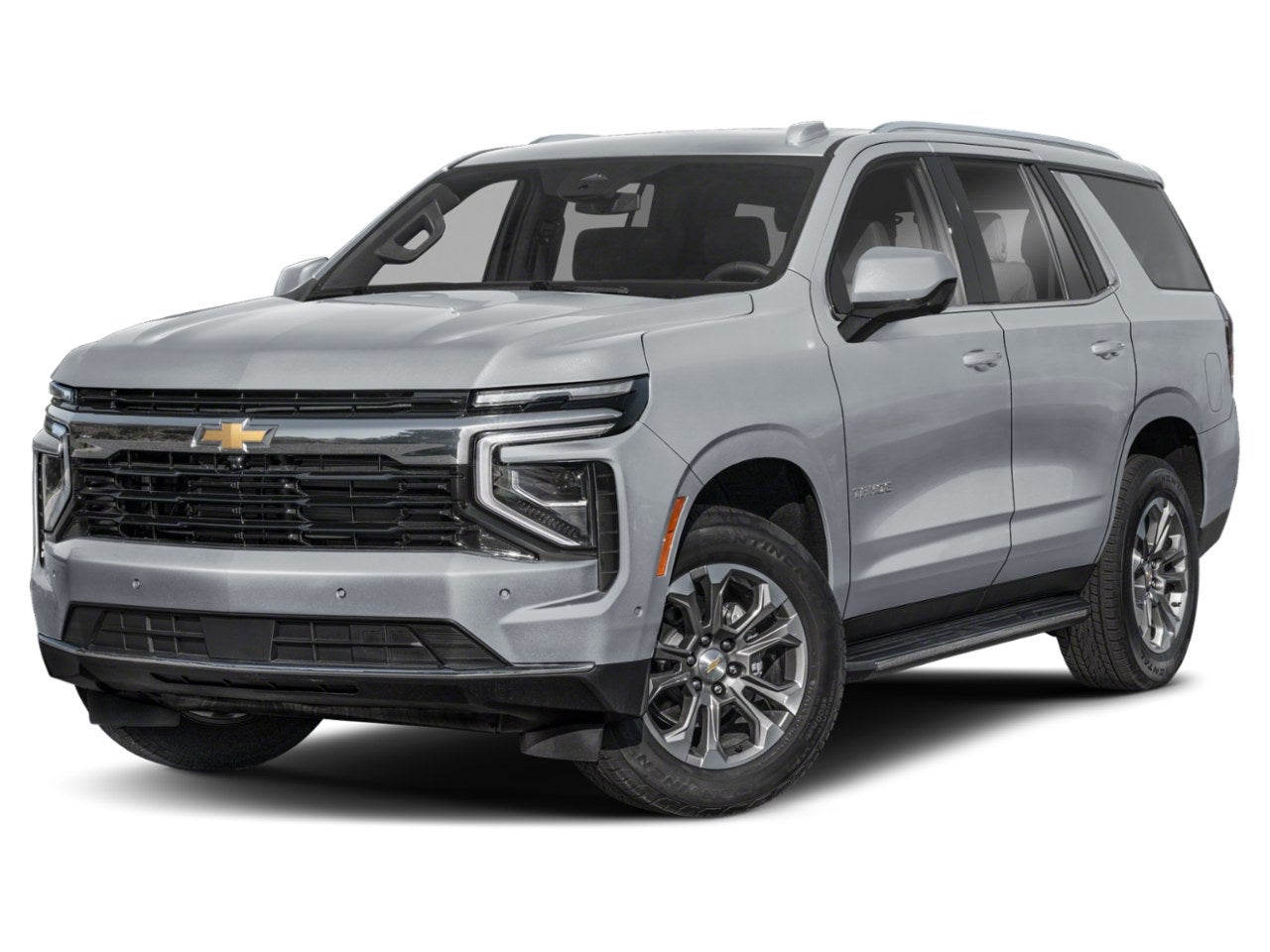
2026 Chevrolet Tahoe 4WD Commercial front three-quarter exterior

Getting Your Tahoe Ready for a St James Winter

THE SHORT ANSWER Getting a Tahoe ready for winter comes down to four things: tires, the battery and fluids, knowing what your drivetrain can and can't do on snow, and protection from road salt. Most of it fits into an afternoon or a single service visit, and a small emergency kit covers the rest. Winter on the North Shore brings nor'easters, black ice on back roads and a steady coat of road salt. A Chevy Tahoe can handle a lot, but it still needs some preparation before the first storm. At North Shore Chevrolet of Smithtown in St James, we've put together the basics in plain language, starting from scratch, so you know what to check and why it matters. IN THIS POST Tires: Where Winter Grip Starts Four-Wheel Drive and Rear-Wheel Drive, Explained Battery, Coolant and Wipers Salt, Slush and Rust Protection Your Winter Kit and Driving Habits Key takeaways Tires: Where Winter Grip Starts Your tires are the only part of your Tahoe touching the road, so they decide how well it starts, turns and stops on a slick morning. Tread is the patterned rubber on the tire's surface, and its grooves push slush and water away so the rubber can grip. Worn tread can't clear that slush, and a heavy SUV feels the difference right away. Try a quick check at home. Slip a penny into a groove with Lincoln's head pointing down. If you can see the top of his head, the tread is too shallow for winter, and it's time for new tires. All-season or winter tires All-season tires are what most vehicles wear from the factory. They handle rain and light snow, but their rubber stiffens as temperatures fall. Winter tires use a softer rubber and deeper tread cut with sipes, the tiny slits that bite into ice, so they stay flexible in the cold. If you commute early on Route 25A or head out before the plows finish Nesconset Highway, winter tires are worth a serious look. Cold air also lowers tire pressure. Check it monthly while the tires are cold, and fill to the number on the sticker inside the driver's door jamb, not the maximum printed on the sidewall. Four-Wheel Drive and Rear-Wheel Drive, Explained Drivetrain means the parts that send engine power to the wheels. With rear-wheel drive, only the back wheels push the vehicle. Four-wheel drive, often written 4WD, can send power to all four wheels, which helps a big SUV pull away from a snowy curb or climb an icy driveway. Most 2027 Tahoe trims, including the LT, RST, Z71 and High Country, come with four-wheel drive. Some versions, such as one Premier build and the 4DR POLICE, are rear-wheel drive, so confirm which one you own or are shopping for. Your window sticker or registration will tell you, and we can look it up from your VIN, the vehicle identification number. What 4WD does not do Here's the part that surprises new drivers: four-wheel drive helps you go, not stop. Brakes already work on all four wheels of any vehicle, so a 4WD Tahoe needs just as much room to stop on ice as a rear-wheel-drive one. Leave extra space, brake early and gently, and think of 4WD as help getting moving rather than permission to drive faster. Comparing trims with winter in mind? It's worth feeling the difference yourself, so book a test drive and ask us to walk you through the 4WD controls on the model you're considering. Battery, Coolant and Wipers Cold weather is hard on batteries. A battery's cold cranking amps (CCA) rating describes how much power it can deliver to start the engine in freezing weather, and that ability fades as a battery ages. If your Tahoe has been slow to start on chilly mornings, have the battery tested now rather than finding out in a parking lot in January. Coolant, also called antifreeze, keeps your engine from overheating in summer and from freezing in winter. Its protection weakens over time, and a simple test shows whether it still does the job at low temperatures. A short fluids-and-visibility list Washer fluid: switch to a winter blend made not to freeze, since summer fluid can ice up in the lines. Wiper blades: replace them if they streak or chatter, because salt spray from trucks ahead coats the glass fast. Heater and defroster: make sure both blow hot and clear the windshield quickly. Lights: clean the lenses and replace dim bulbs, since winter afternoons get dark early. Our team includes GM factory-trained World Class and Master Class service technicians, and they can check these items in one visit when you book service ahead of the season. Salt, Slush and Rust Protection Long Island road crews lean on salt and brine, a liquid salt mix sprayed before storms. It keeps the Long Island Expressway and the Sunken Meadow Parkway passable, but it clings to the underside of your Tahoe. Over time, that grime speeds up corrosion, the slow chemical process that turns bare metal into rust. Keep the underside clean Wash your Tahoe regularly through the winter, and choose a car wash with an underbody spray. Pick a day when temperatures climb above freezing so door seals and locks don't ice shut afterward. Pay extra attention to the wheel wells, the brake area and the hitch if you have one. Protect the inside, too Slush, sand and salt ride in on boots and soak into carpet. All-weather floor liners are molded trays that trap that mess so you can lift them out and rinse them off. Our parts department can help you find liners and other cold-weather accessories made for the Tahoe. A cargo liner is a smart addition if you haul wet gear, hockey bags or a snowblower part home from the store. Your Winter Kit and Driving Habits A few items in the cargo area can turn a stuck-in-the-snow evening into a minor delay. Keep them together in one bin so they're easy to grab. A snow brush and ice scraper long enough to reach the middle of the roof Jumper cables or a portable jump starter A flashlight, gloves, a warm blanket and a phone charger A small bag of sand or kitty litter for traction under a spinning tire Water and a few snacks Habits that matter more than gear Clear the snow off the roof and hood before you pull out. On a vehicle this tall, a sheet of snow can slide onto your windshield at the first stop sign or blow back toward the car behind you. Keeping the fuel tank at least half full during cold stretches gives you a reserve if traffic stops and you need to run the heater. Drive smoothly. Gentle steering, gradual acceleration and early braking keep a heavy SUV settled when shaded back roads around St James freeze over. We're involved in this community and customer satisfaction is our top priority, so if a question comes up while you're getting ready, contact us anytime. Where 920 Middle Country Rd St James, NY Call (631) 406-9158 KEY TAKEAWAYS Tire tread and tire pressure do more for winter safety than any other single item. Four-wheel drive helps you get moving, but it doesn't help you stop any sooner. Wash off road salt regularly and keep a basic winter kit in the cargo area. FAQ Common questions When should I get my Tahoe ready for winter? Aim for late October or early November, before the first hard freeze. That leaves time to swap tires or replace a weak battery without rushing. Our drive-in service lane makes it easy to stop by for a pre-winter check. Do I need winter tires if my Tahoe has four-wheel drive? Four-wheel drive helps when you're accelerating, but stopping and turning depend on your tires. Plenty of North Shore drivers do fine with healthy all-season tires, while people who drive early mornings or hilly back roads often prefer winter tires. How often should I wash my Tahoe in winter? Try for every week or two while roads are being salted, and soon after a storm. Choose a wash with an underbody spray, and go on a day that's above freezing. Should I warm up my Tahoe before driving? A short warm-up is plenty for a modern engine, and gentle driving warms it faster than idling does. Use that time to brush off snow and let the defroster start clearing the glass. Want to see it in person? Come by for a test drive, or browse what is on the lot right now. Schedule a test drive Browse new inventory Or call (631) 406-9158 · 920 Middle Country Rd, St James Or keep browsing Current offers Financing Value your trade Book service Contact us Used cars

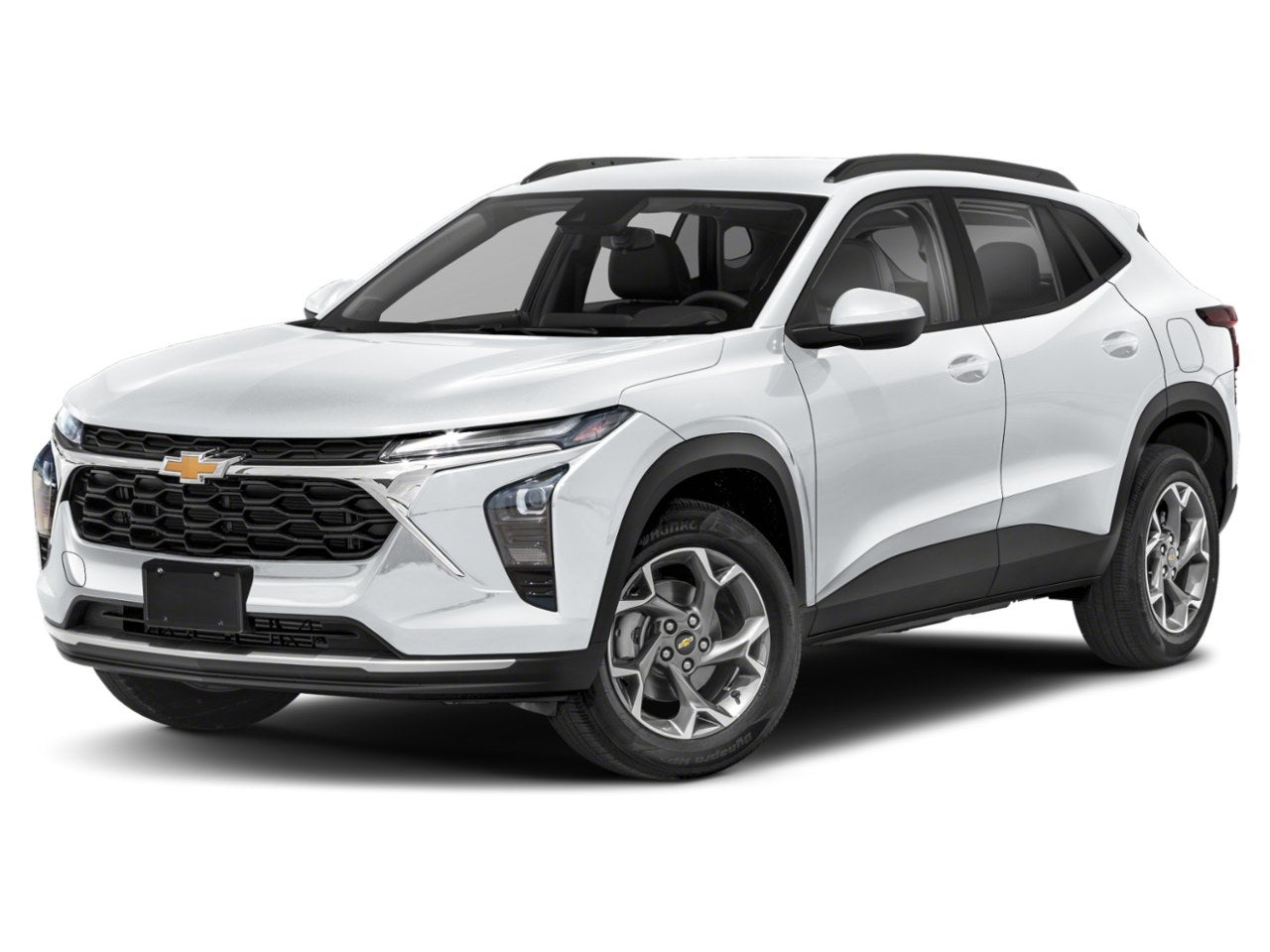
2026 Chevrolet Trax FWD 2RS front three-quarter exterior

Getting Your Chevrolet Trax Ready for Its First Long Island Winter

THE SHORT ANSWER Getting a Trax ready for winter comes down to four jobs: the right tires, a healthy battery and fluids, clear visibility, and protection from road salt. All three 2027 Trax trims are front-wheel drive, so tires matter most. Winter tires on all four wheels make the biggest difference on snow and ice. Your new Chevrolet Trax handles Long Island well most of the year, but December through March asks more of it. Road salt on the LIE, slush on Route 347 and mornings that swing from frozen to thawed all test tires, batteries and paint. At North Shore Chevrolet of Smithtown in St James, we walk new owners through the same short list every fall, starting from the basics so nothing gets skipped. IN THIS POST Start Here: What Winter Does to a Car Tires: The Single Biggest Upgrade Battery, Fluids and Clear Glass Fighting Salt and Rust Driving Smart and Packing a Kit Key takeaways Start Here: What Winter Does to a Car Long Island winters aren't Buffalo winters, but they're hard on cars in their own way. Temperatures hover near freezing, so snow melts by afternoon and refreezes overnight as black ice. That cycle is called freeze-thaw, and it shapes almost everything on this list. Highway crews coat the Long Island Expressway, the Northern State and local roads like Route 25A with salt and brine. It keeps lanes open, but it eats at metal underneath your car. Freeze-thaw also cracks pavement, so by February the roads around Smithtown and St James are full of potholes that are tough on tires. Then there's the Trax itself. The 2027 ACTIV, LT and RS all use front-wheel drive, meaning the engine sends power to the front wheels only. That's a solid winter layout, because the engine's weight sits right over the wheels doing the pulling, which helps them grip. It doesn't power all four corners the way all-wheel drive does, so your tires carry more of the load. Winter prep breaks into four jobs: Tires that grip in the cold A battery and fluids that work on freezing mornings Clear glass and working lights Protection from salt Get those four right and your Trax is ready for January. Tires: The Single Biggest Upgrade All-season vs. winter tires Most new cars come on all-season tires. They're a compromise: decent in rain and light snow, but their rubber stiffens as temperatures drop, and stiff rubber doesn't grip. Winter tires use a softer rubber that stays flexible in the cold, plus deep tread covered in small slits called sipes that bite into snow and ice. To spot a true winter tire, look on the sidewall for a mountain with a snowflake inside it. Mount four, never just two. Grip that's mismatched between front and rear can make the back of the car slide out in a turn. Tread and pressure Tread is the grooved part of the tire that touches the road, and worn tread can't clear slush. Try the quarter test: put a quarter upside down in a groove, and if you can see the top of Washington's head, it's time for new tires before winter. Cold air also shrinks, so tire pressure drops as temperatures fall. If the tire pressure light comes on during a cold snap, that's the reason. Check pressure monthly with a gauge, first thing in the morning before driving, and fill to the number on the sticker inside the driver's door jamb, not the number on the tire. Battery, Fluids and Clear Glass Cold slows the chemical reaction inside a car battery, so a weak one often gives out on the first frosty morning. Watch for an engine that cranks slowly or sounds sluggish when you start it. A battery test takes a few minutes and tells you how much strength is left, which beats finding out in a parking lot at 7 a.m. Next, check your fluids: Washer fluid: Summer fluid can freeze in the lines. Swap to a winter blend rated for below-freezing temperatures. Coolant: Also called antifreeze, it keeps the engine's cooling system from freezing. Only check it when the engine is cold, and have the mix tested if you're unsure. Oil: If an oil change is coming due, do it before winter so you're not scheduling one mid-storm. Visibility is the last piece. Streaky or torn wiper blades smear salt spray across the windshield, and that's a real hazard at night on the LIE. You can order wiper blades and fluid ahead of the first storm. A few habits help too: lift your wipers off the glass before a snowfall so they don't freeze down, and never pour hot water on an icy windshield, since the sudden temperature change can crack it. Fighting Salt and Rust Rust, or corrosion, starts when salt and moisture sit on bare metal. It happens out of sight, on the underbody, brake lines and suspension parts, which is why it surprises people. A first winter is the best time to build good habits, before anything has a chance to start. Washing in winter Use a car wash with an undercarriage spray every week or two from December through March, and soon after any storm that brings out the salt trucks. Pick a day when temperatures are above freezing so water doesn't freeze in door locks and seals. A coat of wax in the fall gives your paint a barrier that makes salt easier to rinse away. Inside and around the car Slush on your boots carries salt into the cabin, and it leaves white stains on carpet. All-weather floor mats with raised edges catch it before it soaks in. Wipe the rubber door seals now and then so doors don't freeze shut overnight. One more habit: clear snow off the roof, hood and lights before you drive, not just the windshield. A sheet of snow sliding off your roof at highway speed is dangerous for the car behind you, and snow left on the hood blows back onto the glass. Driving Smart and Packing a Kit On snow or ice, everything takes longer: speeding up, turning and especially stopping. Slow down, leave at least double your usual following distance, and keep your steering and pedal inputs gentle. Two systems on modern cars help here. Anti-lock brakes, or ABS, keep your wheels from locking up in a hard stop. When they kick in, you'll feel the pedal pulse and hear a grinding noise. That's normal, so keep firm pressure and don't pump the brakes. Stability control, standard on new cars in the US, gently brakes individual wheels to help keep the car pointed where you're steering. Neither one adds grip that your tires don't have. Your winter kit With 25.6 cubic feet of cargo space, the Trax has plenty of room for a small kit: Snow brush, ice scraper and a compact shovel Jumper cables or a portable jump pack Blanket, gloves and a flashlight A bag of sand or cat litter for traction A phone charger Keep the gas tank at least half full in case you're stuck in traffic during a storm. If you'd rather hand off the checklist, our GM factory-trained World Class and Master Class service technicians can cover tires, battery, fluids and wipers in one visit when you book service with us. Where 920 Middle Country Rd St James, NY Call (631) 406-9158 KEY TAKEAWAYS Put winter tires on all four wheels. On a front-wheel-drive Trax, they matter more than anything else you can do. Test the battery and switch to winter washer fluid and fresh wiper blades before the first storm. Rinse the underbody often from December to March so road salt doesn't turn into rust. FAQ Common questions Do I really need winter tires if my Trax has front-wheel drive? Front-wheel drive helps you get moving because the engine's weight sits over the drive wheels, but it doesn't help you stop or turn. Winter tires do. If you drive daily on Long Island through the winter, especially early mornings when black ice is common, they're the most useful upgrade you can make. Should I buy a separate set of wheels for my winter tires? It's worth considering. With winter tires already on their own wheels, seasonal swaps are faster and you avoid wear from mounting and removing tires twice a year. Ask us about tire pressure sensors when you do, since the second set of wheels needs them for the warning light to work. When should I put winter tires on and take them off? Around Thanksgiving is a good target on Long Island, before the first real cold spell. Take them off once spring temperatures stay mild, usually in late March or April. Their soft rubber wears quickly on warm pavement. How often should I wash my Trax in winter? Every week or two from December through March, plus soon after any storm that brings out the salt trucks. Choose a car wash with an undercarriage spray, and go on a day above freezing so water doesn't freeze in the locks and door seals. Want to see it in person? Come by for a test drive, or browse what is on the lot right now. Schedule a test drive Browse new inventory Or call (631) 406-9158 · 920 Middle Country Rd, St James Or keep browsing Current offers Financing Value your trade Book service Contact us Used cars

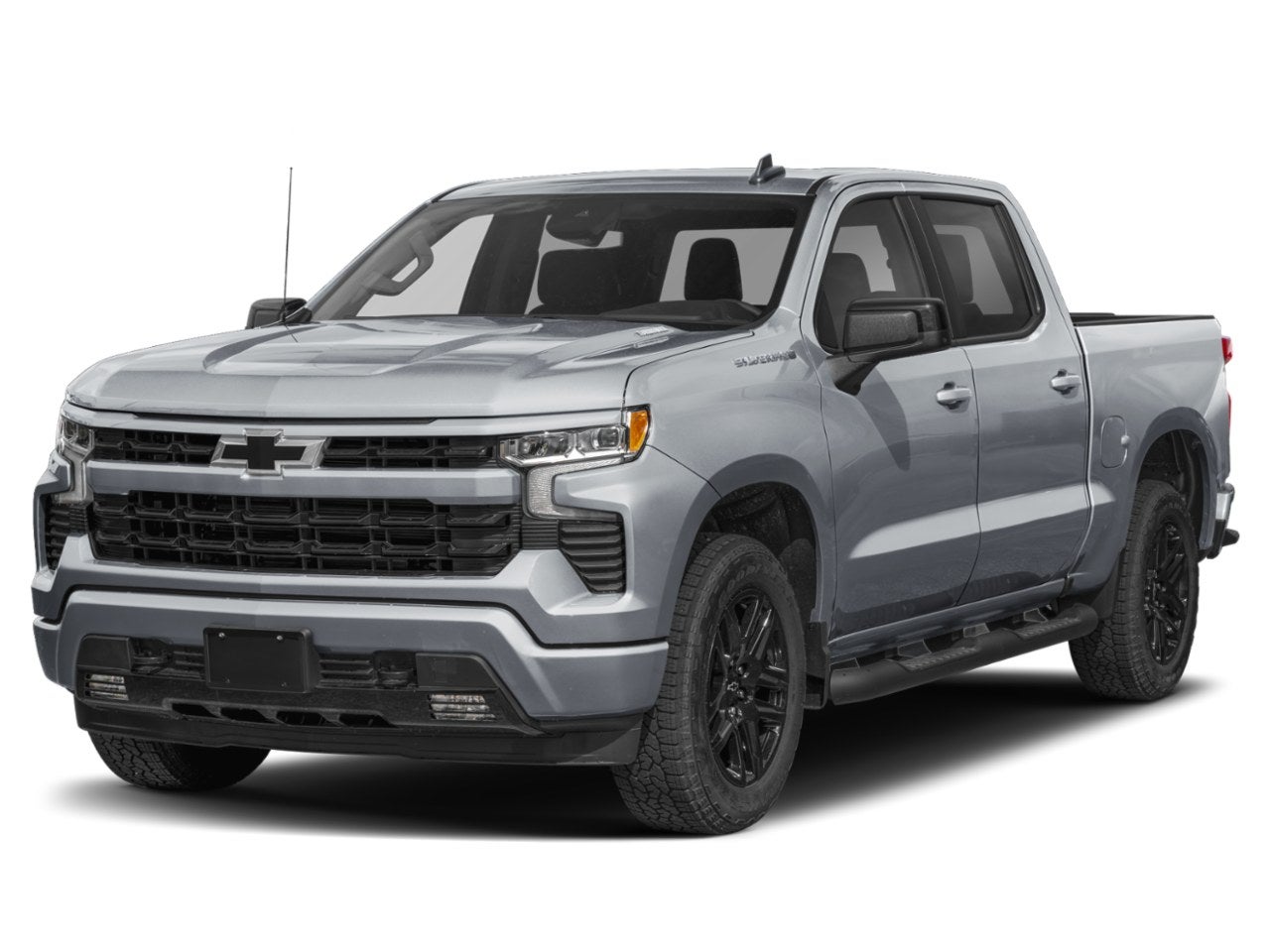
2026 Chevrolet Silverado 1500 4WD Crew Cab Standard Bed RST front three-quarter exterior

Choosing the Right Silverado 1500 Trim for Work or Weekends

THE SHORT ANSWER For mostly work, start with the Work Truck or Custom and spend on four-wheel drive if your ground gets soft. For work plus family weekends, a Crew Cab Custom or Crew Cab Silverado LT gives you a real back seat and more comfort. The Z71 w/1LT suits drivers who regularly head off pavement. Picking a Silverado 1500 comes down to three choices: cab size, which wheels get power, and how much comfort you want for the money. At North Shore Chevrolet of Smithtown in St James, we help truck shoppers sort through those choices, including people who have never owned a pickup. Here's how we explain them, starting from zero and building to a confident decision. IN THIS POST Truck Terms, Decoded Work Truck, Custom, LT and Z71: What Each Step Gets You Double Cab or Crew Cab: Who Rides With You 2WD or 4WD on Long Island Matching a Trim to Your Week Key takeaways Truck Terms, Decoded Before you compare trucks, it helps to know the words on the window sticker. A Silverado's name usually tells you three things at once. Once you can read it, the lineup stops looking like alphabet soup. Trim: a version of the truck with its own equipment and price. On the 2027 Silverado 1500, the ladder runs Work Truck, Custom, LT and Z71 w/1LT. Cab: the passenger area. Beyond the base Work Truck, you'll see Double Cab and Crew Cab. Both add a rear seat, and the Crew Cab is the roomier of the two, with full-size rear doors. Drivetrain: which wheels the engine drives. 2WD means rear-wheel drive. 4WD means four-wheel drive, which can power all four wheels when traction gets scarce. MSRP: the manufacturer's suggested retail price. It's the starting point before taxes, fees and any offers. So a name like Double Cab Custom (4WD) reads as Custom trim, Double Cab, four-wheel drive. Trucks with the same trim can differ quite a bit in price depending on cab and drivetrain, which is why we suggest settling those two first. One thing you don't have to choose is the engine. Across Work Truck, Custom, LT and Z71 w/1LT, it's a 2.7 L 4-cylinder, so your decision comes down to body, traction and features. Work Truck, Custom, LT and Z71: What Each Step Gets You The Work Truck is the starting point and the most affordable way into a Silverado 1500, from $38,600 for the 2WD version. It's built for job sites, fleets and anyone who wants a capable pickup without paying for extras they won't use. Custom sits one step up. Think of it as the Work Truck with more personality and polish. It's a good fit if the truck doubles as your daily driver and you want it to look the part in the driveway. LT is where comfort and convenience take a bigger jump. That matters if you spend long stretches behind the wheel on the LIE or Route 347. Pricing starts at $47,900 for the Double Cab Silverado LT. At the top of these trims sits the Z71 w/1LT, which pairs LT-level equipment with Chevy's off-road-minded Z71 package. Both Z71 versions come with four-wheel drive, and the Crew Cab tops out at $54,200. Here's a simple rule: buy the lowest trim with the features you'll actually use every week. You can browse our new Silverado inventory to see the trims in person, since the differences are easier to judge side by side than on paper. Double Cab or Crew Cab: Who Rides With You Cab size shapes daily life with a truck more than any other choice. Start by thinking about who sits in it, not just how often. When a Double Cab makes sense A Double Cab gives you a rear seat for occasional passengers, tools you want out of the weather, or a dog. It also costs less, trim for trim. A Double Cab Custom (2WD) starts at $43,600, while the Crew Cab Custom (2WD) starts at $46,000. If the back seat mostly holds gear and a coworker now and then, that gap can go toward a higher trim or four-wheel drive instead. When a Crew Cab is worth it A Crew Cab is the family choice. Adults fit in back for real trips, and full-size rear doors make car seats easier to get in and out. If you're driving kids to practice around Smithtown and friends to the beach on weekends, you'll be glad you paid for it. One more detail: the Crew Cab Work Truck, Crew Cab Silverado LT and Crew Cab Z71 w/1LT are rated at 305 HP, compared with 350 HP for most other trims. In everyday driving, you'll notice the cabin space more than that difference. Still, it's a good reason to book a test drive in the exact truck you're considering. 2WD or 4WD on Long Island Rear-wheel drive (2WD) is simpler and costs less. Four-wheel drive (4WD) adds traction you can call on when the rear wheels alone would spin. The price step is real. On the Double Cab Work Truck, going from 2WD to 4WD moves the MSRP from $41,900 to $45,200, and you'll see a gap of a few thousand dollars across the lineup. Choose 4WD if you: Tow a boat and launch it on wet, slippery ramps Face unplowed side streets or a steep driveway in winter Head onto beaches, fields or job sites with soft ground 2WD can be enough if you: Stick mostly to paved roads like Jericho Turnpike and the LIE Want the lowest price and simpler hardware Plan to run good winter tires when snow hits Four-wheel drive also adds parts that need care over time. Two examples are the transfer case, the gearbox that splits power between the front and rear, and the front differential. Our GM factory-trained World Class and Master Class service technicians handle that upkeep, and you can book service when it's due. Matching a Trim to Your Week Put the pieces together, and most shoppers land in one of three spots. Mostly work: a Work Truck or Double Cab Work Truck, in 4WD if your sites get muddy. You pay for capability, not extras. Work all week, family on weekends: a Crew Cab Custom or Crew Cab Silverado LT. You get the rear seat and a nicer cabin without going all the way to the top. Weekend adventures first: a Z71 w/1LT, with four-wheel drive and the off-road focus built in. Once you've narrowed it down, the next steps are practical. If you're driving something now, value your trade before you shop so you know what it's worth going in. Looking at financing options early also gives you time to compare. What happens after you buy matters too. We keep a large parts inventory, which helps when your truck needs something. We're involved in the community, with customer satisfaction as our top priority. Ask us which trim fits, and we'll tell you honestly if a less expensive one does the job. Where 920 Middle Country Rd St James, NY Call (631) 406-9158 KEY TAKEAWAYS Settle cab size and 2WD vs. 4WD first, because they move the price as much as the trim does. A Crew Cab is worth it if adults or car seats ride in back often. A Double Cab saves money if the rear seat mostly holds gear. Buy the lowest trim that has the features you'll use every week, and test drive the exact version you're considering. FAQ Common questions Is the Custom just a Work Truck with nicer looks? Mostly, yes. It's the step up for people who use the truck every day and want it to feel less like fleet equipment. Equipment can vary from truck to truck, so compare the window stickers on the exact trucks you're considering. Do I need 4WD if I already run winter tires? Not always. Good winter tires on a 2WD truck handle a lot of plowed Long Island roads. If you have a steep driveway, launch a boat, or drive on sand or job-site mud, 4WD gives you a margin that tires alone can't. Is MSRP what I'll actually pay? MSRP is the starting point. Taxes and fees get added, and current offers can lower the price. Ask us for an out-the-door figure on a specific truck so you're comparing real totals. Can you help me finance a Silverado 1500? We can walk you through financing options and submit an application for you. Approval, rate and terms depend on your credit and the lender, so we can't promise a result. Even so, applying early shows you where you stand before you pick a trim. Want to see it in person? Come by for a test drive, or browse what is on the lot right now. Schedule a test drive Browse new inventory Or call (631) 406-9158 · 920 Middle Country Rd, St James Or keep browsing Current offers Financing Value your trade Book service Contact us Used cars