




Blog

All Saint James Chevrolet Dealer
Chevy EV

Long Island Buyer’s Guide to Used Chevrolet EVs and Hybrids

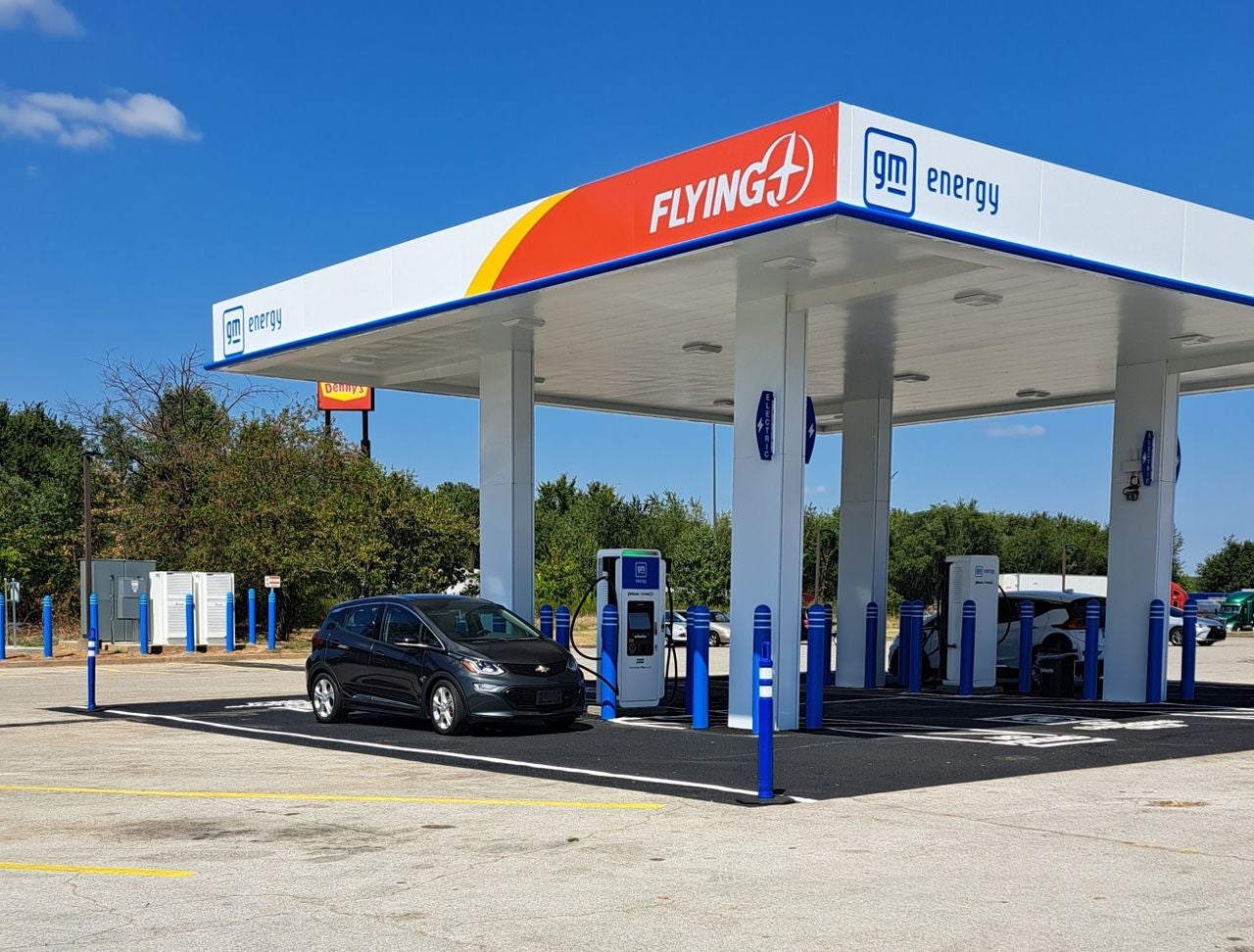
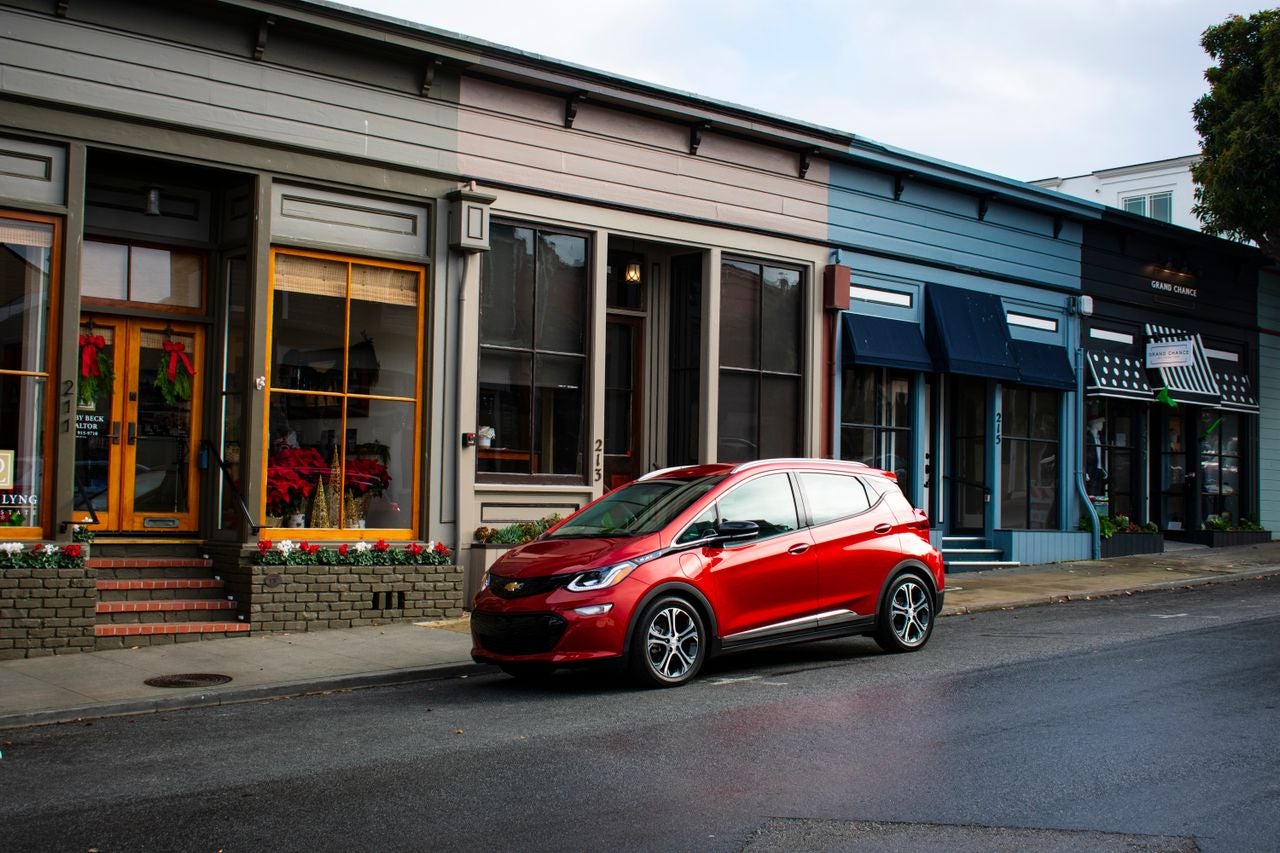
Drive Farther, Spend Less: Why Used Chevy EVs Make Sense on Long Island Switching to an electric or hybrid vehicle can make day-to-day driving on Long Island easier and less stressful. With gas prices creeping up and traffic slowing down your commute, using little or no gas starts to sound pretty good. more Choosing a used electric or hybrid Chevy can stretch your budget while still giving you modern tech and comfort. Pre-owned models usually cost less upfront, and they often lose value more slowly over time. That means you may be able to step into a higher trim level or a better-equipped vehicle than you expected. For Suffolk County drivers who deal with everything from crowded parking at train stations to weekend trips across the Island, shopping used gives you more choices. Our goal is to help you figure out what fits your commute, your home setup, and your driving habits so you feel confident going electric. Understanding Your Options: Used Chevrolet EVs and Hybrids Explained When you look at pre-owned Chevy electrified vehicles, you will likely see a few main types. Each one fits a slightly different kind of driver and lifestyle. Common used Chevrolet options include: Chevy Bolt EV, an all-electric hatchback Chevy Bolt EUV, an all-electric small utility vehicle Chevy Volt plug-in hybrid, usually found as an older pre-owned option Fuel-efficient gas models that pair well with an EV for families needing more than one vehicle Here is a simple way to think about the differences: EV (all-electric): Runs only on a battery. You plug it in to charge. Great for daily commuting, school runs, and local errands. Hybrid: Uses gas and a small battery that charges as you drive. You do not plug it in. Good for drivers who want better fuel economy but are not ready for charging at home. Plug-in hybrid: Has a larger battery you can plug in plus a gas engine. You can do short trips on electric power and still use gas for longer drives. Helpful if your commute is moderate but you often take longer rides across or off the Island. For many Long Island drivers, a used Chevy Bolt EV or Bolt EUV can cover the full week on a single home charge, depending on driving patterns. Think about: Daily commute distance, such as trips to Hauppauge, Stony Brook, Patchogue, or Riverhead School drop offs and errands in local neighborhoods Parking at Long Island Rail Road stations and leaving the car all day Occasional drives into Queens, Brooklyn, or Manhattan Matching typical EV ranges to these needs is usually easier than people expect, especially if you can charge at home or at work. Why a Used Chevy Bolt in Suffolk County Is a Smart Move If you are curious about electric driving, a used Chevy Bolt in Suffolk County is a strong place to start. It offers a long all-electric range for its size, so most daily routes can be handled without worrying about public charging. The compact body helps with tight parking spots at crowded train stations, shopping centers, and village streets. Drivers often ask a few common questions about the Bolt: Will the range be enough in all four seasons? How long do the batteries last? How does pre-owned pricing compare to new EVs or fuel-efficient crossovers? Actual range will change with temperature, driving style, and use of climate control, but many drivers find that there is more than enough for daily life, even with some seasonal variation. As for battery life, EV batteries are designed to last for many years of typical use. When you shop used, it helps to look at service history and any remaining warranty coverage so you know what to expect. A used Chevy Bolt can also pair well with Suffolk County lifestyles: Short trips between towns like Smithtown, Kings Park, and St. James Mixed highway and local driving on routes like the Long Island Expressway and Sunrise Highway Access to certain HOV lane options when rules apply Lower routine maintenance needs compared with many gas-only vehicles, since there are fewer fluids and moving engine parts If most of your miles stay on the Island, an electric hatchback like the Bolt can be a practical way to cut fuel stops and make driving quieter and calmer. Seasonal Realities: EV Ownership on Long Island in Summer and Winter Long Island summers are hot and humid, and winters can be cold and windy. Both seasons affect how an EV uses energy, but with a little planning, you can keep things simple. In warmer months, using the AC and driving to beach areas or parks may slightly reduce range. In winter, heating the cabin, warming the battery, and driving on cold roads can have a bigger effect. To manage this, it helps to: Precondition the cabin while the car is still plugged in so it uses grid power instead of battery power Keep your tires properly inflated for good efficiency and grip Plan charging breaks during longer holiday or family visits across the Island Home charging is a key piece of stress-free EV ownership. Many drivers start with: A standard household outlet for slow overnight charging Or a higher-powered home charger installed by a qualified electrician for faster charging Public charging can fill in the gaps, especially near: Shopping centers Office parks Some beach or recreation areas Season to season, it is smart to schedule service checks before major weather changes. That way, brakes, tires, and software are ready for snow, rain, and heat. Inspecting and Comparing Used Chevy EVs Before You Buy When you shop for any used vehicle, a clear checklist helps you feel comfortable with your choice. This is especially true for an EV or plug-in hybrid. Start by reviewing: Vehicle history reports to see past accidents or title issues Service records that show regular care Any open recalls and whether they have been addressed Remaining battery and powertrain warranty information, if any applies On a test drive, pay attention to: Real-world range estimates on the dash compared to your planned daily route How the regenerative braking feels when you lift off the accelerator Smoothness of acceleration, especially in stop and go traffic Charging port door, cable connection points, and any warning lights Try to include both highway and local roads, such as a stretch of the Long Island Expressway plus nearby streets. That gives you a clearer picture of how the car will feel on your commute, school runs, and weekend plans. Buying from a dealership that understands EVs adds another layer of reassurance. Technicians who work with electric systems can check battery health, software status, and key components. Access to genuine Chevrolet parts and up to date tools helps keep your EV ready for daily use. This kind of support matters when you are choosing the right used Chevy Bolt in Suffolk County for your budget and your commute. Start Your Electric Journey with Chevrolet of Smithtown When you are ready to explore pre-owned EVs and hybrids, having a local team that knows Long Island roads and traffic patterns can make the process much easier. At Chevrolet of Smithtown, we focus on helping Suffolk County drivers match the right vehicle to their real, everyday driving needs. We can walk through options like range planning for your exact commute, explain how different used Chevrolet EVs and hybrids can fit your household, and talk through charging at home or around town. By choosing an electric or hybrid Chevy, you can lower your fuel use, reduce many routine maintenance needs, and help keep Long Island air a little cleaner, all while making your daily drive more relaxed and quiet. Drive Home Electric Confidence Today Explore our current selection of the used Chevy Bolt in Suffolk County and see how easy it can be to go electric with Chevrolet of Smithtown. Our team is ready to walk you through charging, range, and ownership costs so you can decide with confidence. If you have questions or want to schedule a test drive, simply contact us and we will help you take the next step toward your EV.

Chevrolet

Smithtown Driver Guide to Chevrolet Timing Belt Service

Protect Your Engine with Smart Timing Belt Service Your timing belt is a simple-looking part that does a big job. It keeps key engine parts moving in sync so your Chevy can start easily, idle smoothly, and respond when you press the gas. When it wears out or fails, the damage can be sudden and serious. more For drivers around Smithtown and across Long Island, daily life is tough on engines. Stop-and-go traffic on local roads, short trips to the train or the store, plus humid summers and chilly winters all add stress to timing components. Even if you are not driving long distances every day, those conditions can age rubber and moving parts faster than you might expect. That is why smart timing belt service is really about peace of mind. By taking care of this hidden part on schedule, you lower your risk of a breakdown on the Long Island Expressway or on the way to the beach, and you help your engine last longer and run better over time. How Your Timing Belt Keeps Your Chevy Running Right The timing belt is a reinforced rubber belt that connects the crankshaft at the bottom of the engine with the camshaft or camshafts at the top. It keeps the pistons and valves opening and closing at the right moment. Some Chevy engines use a timing chain instead of a belt. A chain is made of metal and is designed to last much longer, but it still needs proper oil and occasional inspection. In simple terms, the timing belt or chain is the conductor of your engine. Without it, the moving parts would crash into each other. When everything is in time, fuel burns cleanly, power feels smooth, and your engine sounds normal. Different Chevy models and engines handle timing in different ways. In general: Many smaller gasoline engines use timing belts Some larger engines and many trucks use timing chains Some older models are more likely to have belts that need regular replacement The type your Chevy uses affects how often you should plan for service. Belts need replacement at set intervals, and chains often last longer but can still wear if oil changes are missed or the engine is stressed. If your Chevy has what is called an interference engine, a broken timing belt can cause the valves and pistons to collide. That can lead to: Bent valves Damaged pistons Damage to the cylinder head or other internal parts Repairing that kind of damage usually costs far more than a planned timing belt replacement. That is why staying ahead of timing belt service is such a smart move. When to Schedule Chevrolet Timing Belt Service in Long Island Timing belts age with both miles and time. Even if you do not drive a lot, rubber can crack, stretch, or weaken as years go by. That is why it helps to think of timing belt service as a long-term item, not something to wait on until a problem shows up. As a general starting point: Many Chevy timing belts should be inspected around higher mileages Some models have a recommended replacement interval based on years, even if mileage is low The owner’s manual gives model-specific guidance Because different engines have different needs, it is always best to check your manual or talk with a service advisor who knows Chevrolet timing belt service in Long Island and understands local driving habits. There are also warning signs that can hint at timing belt or timing component trouble: Ticking or clicking sounds from the front of the engine Engine misfires or rough running Rough idle or shaking at stoplights Oil leaks near the timing cover area Visible cracks, fraying, or glazing if the belt can be inspected If you notice any of these signs, it is smart to get your Chevy checked soon, before a minor issue turns into something bigger. Late spring is a great time for many Smithtown drivers to think about timing belt care. Getting things handled before summer road trips, hot weather, and heavier traffic can help your Chevy stay ready for drives to the beach, visits with family, and longer outings across Long Island. Why Professional Timing Belt Service Matters Timing belt service is not like swapping out wiper blades. It is a detailed engine job that needs care, the right tools, and the right information. During a timing belt service, a trained technician will usually: Remove covers and components to access the belt Remove the old belt and inspect it for wear patterns Check pulleys, tensioners, and seals for damage or leaks Install the new belt with the correct tension Set and verify the engine timing so everything is in sync If the belt is set even one tooth off, your engine may run poorly or not start at all. That is one reason DIY timing belt work, or having it done by someone who is not familiar with your type of Chevy, can be risky. It is easy to miss hidden wear on a tensioner, skip a small oil leak that can damage a new belt, or misread timing marks. Professional timing belt service at a Chevrolet-focused shop comes with clear benefits. Technicians who work with these engines regularly have: Experience with Chevrolet timing setups and common issues Access to the correct tools for tight spaces and precise alignment Up-to-date service information for specific Chevy engines Parts that are designed to work properly with your model That kind of care helps your new timing belt last as long as it should and supports the long-term health of your engine. What to Expect at a Chevrolet of Smithtown Service Visit When you bring your Chevy in for timing belt service, the visit usually follows a clear path. After you set a time that works for you, you will drop your vehicle off and share any symptoms you have noticed. From there, the service team will confirm what your model needs and move your vehicle into the shop for inspection. Once your Chevy is checked, you can expect to review an estimate before work begins. This is often where technicians will talk about related parts, because it can save time in the future to replace them at the same visit. Common items include: Timing belt tensioner and idler pulleys Water pump, if it is driven by the timing belt Front engine seals that may be starting to leak Accessory belts that need to be removed during the job Doing these pieces together can help reduce future downtime, since the same areas of the engine are already open. While your Chevy is in the shop, you can usually choose to wait in a customer area or arrange other transportation if options are available. Service staff keep you updated on progress and timing so you know what to expect and when your vehicle should be ready. Clear communication and upfront planning make it easier to fit timing belt service into your schedule and budget. Keep Your Chevy Road Trip Ready This Long Island Summer As the weather warms up and Long Island roads get busier, timing belt service becomes part of keeping your Chevy road trip ready. Handling it before peak summer traffic lowers your chances of being stuck on the shoulder during a hot afternoon or missing out on a day at the beach because of an unexpected breakdown. It also pairs well with other seasonal checks. During the same visit, you can have your coolant system, AC performance, and tires checked so your Chevy is ready for longer drives. Taking care of these items together helps you feel confident every time you turn the key, whether you are staying close to Smithtown or heading out across the Island. Protect Your Engine With Expert Timing Belt Service Today Keeping your timing belt in top shape can prevent costly engine damage, and we are here to make that service straightforward and convenient. Schedule your Chevrolet timing belt service in Long Island with Chevrolet of Smithtown and our certified technicians will inspect, replace, and road-test your vehicle with care. If you have questions before booking, you can contact us so we can help you choose the right service and appointment time.

Chevrolet

Chevrolet Maintenance Plans vs. Pay-as-You-Go Service on Long Island

Save More Over the Miles with a Smart Service Plan Keeping a Chevy in good shape on Long Island takes work. Traffic is heavy, repair costs feel higher every year, and the mix of salt air, sand, and winter road salt can be tough on any vehicle. When you add longer commutes and family trips into the mix, maintenance can turn into a real budget worry. more That is where the choice between a Chevrolet maintenance plan and pay-as-you-go service comes in. One gives you planned, prepaid care. The other has you paying each time you visit the service lane. How you drive, how far you go, and where you spend most of your time on the road all affect which path makes more sense. We will walk through what each option covers, how local conditions come into play, and how different driving habits change the long-term cost of Chevrolet maintenance in Long Island. What Chevrolet Maintenance Plans Actually Cover A Chevrolet maintenance plan is a prepaid package of routine services. Instead of paying at each visit, you pay up front or roll it into your vehicle financing, then come in when the service is due. Typical services in many Chevy-focused plans can include things like: Oil and filter changes at set mileage or time intervals Tire rotations to promote even wear Multi-point inspections to check major systems and safety items Fluid checks and top-offs, including coolant and brake fluid Engine or cabin air filter replacement at recommended times It is just as important to know what these plans usually do not cover. Maintenance plans are not the same as warranties. They typically do not include: Body repairs or paint work Most wear items like brake pads, rotors, or tires Collision damage or insurance-related repairs Major repairs outside normal service items Many drivers like prepaid plans because they bring a level of control. Prices are locked in up front, which can help you stay ahead of rising labor and parts costs across Long Island. It also makes monthly budgeting easier, since you know your basic maintenance is already covered. On top of that, service is done by technicians who work with Chevy vehicles every day and install parts designed for your model. Pay-as-You-Go Service Costs on Long Island Pay-as-you-go service is simple. You bring in your Chevy when it is time, the team performs the work that is due, and you pay that bill on the spot. You can choose what to approve at each visit and time your trips around your own schedule. Common routine services many drivers pay for visit by visit include: Oil and filter changes Tire rotations and balance Brake inspections or brake system checks Alignment checks after pothole hits or curb bumps Seasonal A/C or heat performance checks On Long Island, there are local factors that can influence how often you may need these services. Labor rates in many Suffolk County areas can be higher than in some rural regions. Coastal air and salt can lead to rust concerns, especially on underbody parts and suspension components. Potholes, construction zones, and stop-and-go traffic on roads like the LIE and Northern State Parkway put extra strain on steering, suspension, and brakes. Pay-as-you-go does offer some benefits, especially for certain drivers: Flexibility if your mileage is low and visits are rare The option to delay some services, even though that can carry risk The ability to time service with specials or coupons when they are offered The key is that your cost will rise and fall with each visit, and you are exposed to any future increases in parts and labor. Cost Breakdown by Mileage and Driving Habits Your annual mileage and driving style are two of the biggest factors in deciding between a maintenance plan and pay-as-you-go. For low-mileage drivers, under about 7,500 miles per year, service needs are lighter. If you mostly drive locally around Saint James, Smithtown, or nearby towns, you might only hit a few oil changes and tire rotations over three to five years. In these cases: Pay-as-you-go can sometimes be similar in cost to a plan You may appreciate the freedom to book service only when a reminder light comes on A smaller plan tailored to longer time intervals can still be helpful if you prefer set coverage Average commuters who drive between 7,500 and 15,000 miles per year have a different story. Daily trips on the LIE, Northern State, or Sunrise Highway rack up miles quickly. Oil change intervals come up more often, and regular inspections become more important. For these drivers, prepaid maintenance can start to show clear value because: Frequent oil changes and inspections are already built into the plan Budgeting is easier over several years of commuting You avoid surprises when a cluster of routine services hit at once High-mileage drivers, including those doing rideshare or delivery work, often go beyond 15,000 miles per year. They cycle through service intervals fast, see faster tire wear, and may need more brake and alignment checks due to constant use. In this range: Maintenance plans can line up closely with recommended service timing The overall cost of staying current on routine care is often lower compared with paying visit by visit Reducing downtime and having predictable appointments becomes a big advantage Seasonal Service Scenarios for Long Island Drivers Long Island driving changes with the seasons, and that affects maintenance decisions too. Spring and summer bring more weekend trips to oceanfront roads, beach parking lots, and ferry areas. Sand and salty mist can find their way into brakes, underbody parts, and finish surfaces. Many drivers end up needing: More frequent wash-downs, especially underneath Brake inspections after heavy beach and coastal use A/C checks to prepare for warm, humid days A maintenance plan that organizes these checks into regular visits makes it easier to stay on top of them instead of waiting until a problem shows up. As fall and winter approach, different services move to the front of the line. Snow, slush, and road salt put extra pressure on batteries, coolant systems, wipers, and tires. A smart plan can include: Battery tests before cold snaps Coolant and heater performance checks Wiper blade inspection and replacement when needed Tire inspections, rotations, and pressure checks for safer winter driving Another common situation on Long Island is shared family vehicles and student drivers. When a Chevy is passed between parents and kids, it is easy for oil changes and other services to slip by. Having scheduled, prepaid maintenance in place keeps the vehicle on track even when everyone is busy and not always watching the odometer. How to Choose the Right Plan for Your Chevy Picking the best option starts with a quick, honest look at how you use your vehicle. Helpful questions include: How many miles do you drive in a typical year? Is most of your driving stop-and-go, highway, or a mix? Are you often near the coast, or mostly inland? Is your Chevy brand new, a few years old, or older? How long do you plan to keep it? Once you have that picture, you can look more closely at the maintenance options available. Important details to compare include: Which services and intervals are covered Whether synthetic oil is included when your vehicle requires it How many years and miles the plan lasts How it lines up with the recommended schedule for models like Silverado, Equinox, or Traverse A steady, recorded service history can help support resale value later on and can lower the odds of surprise repairs. For many drivers who count on their Chevy for daily trips across Long Island, having clear maintenance steps mapped out brings real peace of mind. Keep Your Chevy Running Like New Year-Round Staying ahead of routine service is the best way to protect your vehicle’s performance and value, and our factory-trained team is here to help you do exactly that. Schedule your next Chevrolet maintenance in Long Island with Chevrolet of Smithtown and know your car, truck, or SUV is getting the dedicated care it deserves. If you have questions about recommended intervals, costs, or specific services, simply contact us and we will walk you through your options.

Chevy Brakes

Keeping Chevy Brakes Confident in Smithtown’s Spring Rain

Stop Confidently When Spring Roads Turn Slick Wet spring roads can turn a normal drive into a tense one in just a few seconds. One minute the pavement is dry, the next you are hitting a shiny patch of water or rolling over wet leaves along the Smithtown Bypass. In those moments, your Chevy’s brakes are the one system you need to trust without thinking twice. more Modern Chevy braking systems are built to work with features like anti-lock brakes and traction control to help you keep control in the rain. But even the best systems still rely on proper care. Worn pads, old brake fluid, or glazed rotors can make stopping in a downpour feel longer and less secure than it should. Here, we will walk through how spring rain affects your Chevy’s braking, what warning signs to watch for, and how professional Chevy brake service in Smithtown helps your vehicle stay ready when the clouds open up without warning. How Spring Rain Changes Your Chevy’s Braking Needs When spring showers hit Long Island, the road surface changes fast. Even if your brakes are in good shape, the grip between your tires and the pavement can drop as soon as the first raindrops land. Wet weather can affect braking in a few important ways: Water mixes with oil and grime on the road, making a slick layer under your tires Pollen and dirt can build up, turning into a thin, slippery film when it rains Puddles can hide potholes or rough patches that upset your stopping distance All of that means it usually takes more space and time to stop, even when you press the brake pedal at the same point you would on a dry road. Spring also brings those up-and-down-temperature days that are common around Saint James. After a tough winter, your brake parts may have taken some hits you cannot see. Frequent temperature swings can: Stress brake rotors, which may lead to warping or uneven surfaces Dry and harden rubber components, like hoses and dust boots Affect older brake fluid that has absorbed moisture over time That is why having your brakes checked before the heaviest spring rain and summer travel is so helpful. You do not want the first sign of a brake problem to show up as you slow down in a surprise shower on Route 25. Clear Signs Your Chevy Brakes Need Attention Now Brake problems often start small. Many drivers notice little changes but hope they will go away on their own. With brakes, those small changes are your Chevy’s way of asking for help. Common warning signs that your brakes need attention include: Squealing or chirping when you press the brake pedal Grinding sounds, which can mean pads are worn down to the metal A soft, spongy, or low-feeling brake pedal Vibrations in the steering wheel or pedal when you slow down The car pulling to one side as you brake In wet weather, pay close attention to how your Chevy feels when you stop. If you notice that it takes longer to slow down on rainy days than it used to, that is worth checking. A brake warning light on the dashboard should also never be ignored, especially if you are getting ready for spring weekend getaways or longer drives across Long Island. Catching these signs early usually keeps repairs more simple. Often, it might be: Replacing worn brake pads Resurfacing or replacing rotors Flushing old brake fluid Repairing a small leak in a brake line or caliper Waiting too long can allow minor wear to turn into more serious damage. That can mean more parts, more time in the shop, and more stress for you. Expert Chevy Brake Service in Smithtown You Can Trust When it comes to brake work, it helps to have people who understand your specific vehicle. Factory-trained technicians are familiar with Chevy models of all sizes, from smaller cars to larger SUVs and trucks. They know how these braking systems are laid out and what commonly wears first. A typical professional brake service often includes: Checking brake pads and shoes for thickness and even wear Inspecting rotors and drums for warping, cracks, and scoring Measuring rotor thickness and comparing it to safe limits Examining brake lines, hoses, and fittings for leaks or damage Inspecting calipers for proper movement and signs of sticking Looking at the condition and level of brake fluid Using the right parts and methods makes a big difference. Genuine GM parts are designed to work with your Chevy’s original braking system. Matching the correct pad material with the proper rotor and following Chevy torque specs helps your brakes feel solid and consistent. The proper type of brake fluid is just as important. Fluid that meets Chevy’s standards helps your brake system keep the right pressure and feel, especially when temperatures change and the rain starts to fall. All of this support helps keep your stopping power strong and can help protect any factory warranty coverage related to your brakes. Spring Maintenance Checklist for Strong, Safe Brakes Spring is a smart time to reset your vehicle care. After months of cold, salt, and potholes, your Chevy deserves a careful look before heavier rain and summer traffic arrive. A simple brake-focused-spring checklist looks like this: Schedule a professional brake inspection before long trips Have the brake fluid level and condition checked Listen for new squeaks, squeals, or grinding sounds when stopping Pay attention to pedal feel, travel distance, and how firmly the car stops Watch for any warning lights related to brakes, ABS, or traction control Brakes do not work alone. For safe stopping in the rain, other systems need to be in good shape too. During the same visit, it often makes sense to: Inspect tires for tread depth and uneven wear that can hurt grip Check tire pressure, since low or high pressure can affect stopping distance Test wiper blades so you can actually see the road you are trying to stop on Confirm that ABS and traction control lights come on briefly, then shut off as they should If you already have an oil change or tire rotation coming up, pairing brake service with that visit keeps your maintenance simple and consistent. This way, your Chevy is checked over from several angles, not just one. Make Your Next Rainy Drive Your Safest yet Spring rain is part of life on Long Island, and it is not going away. The good news is that with the right care, your Chevy can handle wet roads with confidence. Knowing your brakes have been inspected by trained hands, with the right parts and fluid, brings real peace of mind whenever dark clouds move in during your drive. At Chevrolet of Smithtown, we care about helping local drivers feel steady and in control, even when spring showers hit without warning. With thoughtful maintenance and professional Chevy brake service in Smithtown, you can head into every rainy day feeling ready each time you press the brake pedal. Schedule Expert Brake Care Before Your Next Drive Protect your stopping power by booking your Chevy brake service in Smithtown with our factory-trained technicians today. At Chevrolet of Smithtown, we inspect your entire braking system so small issues do not turn into expensive repairs. If you have questions about warning signs, pricing, or appointment availability, simply contact us and we will help you choose the best time and services for your vehicle.

Chevy Maintenance

Use Chevy Maintenance Minder and GM Owner Center for Long Island Service

Turn Your Chevy’s Tech Into a Year-Round Service Plan Long Island driving is tough on a vehicle. Stop-and-go on the LIE, salty ocean air, sand from the beach, and cold snaps all put extra stress on your Chevy. A simple “every 5,000 miles” rule does not always match what your car or SUV actually goes through on Suffolk County roads. more Your Chevy already has tools built in that can help. When you pair your onboard maintenance minder with your GM Owner Center account, you can build a service timeline that fits how and where you drive. That means fewer surprise repairs, better long-term condition, and easier planning for time in the service lane instead of on the shoulder. Decoding Your Chevy’s Maintenance Minder Alerts Your Chevy’s maintenance minder is smarter than a basic mileage reminder. It looks at how the vehicle is used and adjusts timing for service based on real driving, not just the odometer. In many Chevys, the system can factor in things like: Engine temperature and start-up conditions How often you drive short trips or long highway runs Idle time in traffic Driving speed and load, like towing or full cargo That is why two drivers with the same model and mileage can see different oil life percentages. Daily slow traffic near Smithtown or Commack can wear fluids and parts differently than steady highway driving. Common alerts you might see include: Oil life percentage, such as 20 percent or “Change Engine Oil Soon” Tire pressure warning light when one or more tires drop out of range Check engine light for system or sensor issues Brake system or ABS warnings when something needs attention Some alerts call for action right away, while others tell you to plan your next visit. Urgent alerts usually include: A flashing check engine light Brake warning lights that stay on Engine temperature light or message In these cases, it is safer not to keep driving long distances. For Long Island drivers, that might mean stopping before getting on the Sagtikos or Sunrise Highway. “Plan your visit” reminders are things like: Oil life at a low but not zero percentage Messages about upcoming service for filters or fluids Tire pressure light on a mild day when you do not feel anything odd Those are your early heads-up to look at your calendar and decide when you want to bring the vehicle in before a trip to the Hamptons or regular work commutes. Using GM Owner Center to Track and Plan Service To make all this information easier to use, you can connect it with GM Owner Center. It is an online place where you can view key details about your Chevy in one spot. Getting started is usually simple: Create or sign in to your GM Owner Center account Add your vehicle with the VIN from your dashboard or registration If your Chevy has OnStar, you may be able to link it for extra data Once your vehicle is linked, you can see: Digital service history, so you do not have to keep every paper receipt Recall notices and when they are completed Warranty information for your vehicle Factory-recommended maintenance schedules for your model Now, match what your maintenance minder is telling you with what you see in GM Owner Center. For example: Your dash says oil life is at 25 percent In GM Owner Center, you see when the last oil change was done You look at the factory schedule and what services usually pair with that mileage From there, you can note upcoming needs on your own calendar. Many drivers like to group services together, like an oil change, tire rotation, and basic inspection during the same visit, to cut down on trips. Adapting Your Service Timeline to Long Island Conditions Driving here is not the same as driving in a dry inland area. Local conditions can speed up wear on certain parts of your Chevy. Some Long Island-specific factors include: Beach sand that can get into carpets, brakes, and small gaps Winter road salt that can lead to corrosion on the underbody and brake lines Coastal humidity that affects metal and electrical connections Constant traffic that means more idling and braking Because of this, some services may make sense more often than the standard schedule suggests. For example, many drivers here choose: More frequent car washes, including underbody rinses after winter storms Earlier brake inspections after a salty winter season Extra tire checks before and after heavy summer road trips Cabin air filter checks if you drive near the beach a lot You can use your maintenance minder and GM Owner Center to adjust your timing. If the system says brakes should be checked in a certain number of miles, you might shorten that a bit after a winter with many treated roads. You can also add personal reminders for things the maintenance minder does not always call out directly, like detailed underbody inspections after several months of salt and slush. Seasonal Service Milestones for Chevy Drivers It helps to think of your Chevy’s care in seasons. Your maintenance minder and GM Owner Center give you the data, and the Long Island climate gives you the timing. Spring is a good time for post-winter checks: Alignment and suspension after potholes and rough roads Brake inspection for salt-related wear or noise Wiper blades and washer fluid for heavy rains Battery check after cold weather strain Summer heat and traffic bring other needs. Before holiday weekends or beach runs, many drivers plan: AC performance check to make sure the system cools quickly in stop-and-go traffic Cooling system inspection, including coolant level and condition Tire inspection for pressure, tread depth, and any sidewall damage In fall and winter, the focus shifts to grip and reliability. It often makes sense to: Align oil changes with colder weather for cleaner, fresh oil under stress Test the battery before the coldest months Inspect lighting so headlights and brake lights are bright on darker evenings Decide if you need winter tires or fresh all-season tires before storms Sticking to a simple seasonal rhythm, guided by your maintenance minder alerts and GM Owner Center history, keeps your Chevy better prepared for local conditions year after year. Turning Reminders Into a Visit at Chevrolet of Smithtown Once you get used to watching your maintenance minder and checking GM Owner Center, you will start to see patterns. You will know roughly when an oil change, tire rotation, or brake inspection is coming up, instead of being surprised by a warning light right before a long trip. When those reminders pop up, that is your cue to plan a visit to Chevrolet of Smithtown. Our team works with Chevy vehicles every day, and we understand how Long Island roads, weather, and traffic affect them over time. We use parts made for your vehicle, and we can review your alerts and GM Owner Center records with you so your service plan fits the way you actually drive in Suffolk County. With a little attention to the tech your Chevy already has, you can turn everyday alerts into a clear, personalized service timeline that keeps your vehicle ready for the next season, the next commute, and the next weekend drive across Long Island. Keep Your Chevrolet Running Like New Year-Round Regular service is the easiest way to protect your investment and stay confident on every drive. Schedule your next Chevrolet maintenance in Long Island with Chevrolet of Smithtown and let our factory-trained technicians handle the details. If you have questions about recommended service intervals or specific repairs, simply contact us and we will be happy to help you plan your visit.

Chevy Dashboard

Chevy Dashboard Warning Lights: At-Home Checks, Tow vs. Schedule Service

What Dashboard Lights Mean for Your Safety and Wallet When a warning light pops up on your dash, your vehicle is trying to tell you something important. Some lights hint that you should plan a visit to a service center soon, while others mean you need to pull over right away to protect your engine, your safety, and your budget. Knowing the difference can keep a small problem from turning into a big repair. more Modern Chevrolet vehicles use different colors and symbols to send clear messages. In general, red lights are “Warning” lights. They often mean stop as soon as it is safe and shut the engine off. Yellow or amber lights are “Caution” lights. They usually mean drive gently and schedule service as soon as you can. Here, we will explain four of the most common dashboard lights: Check Engine, Oil Pressure, Battery, and TPMS. We will walk through quick checks you can do at home and when it is smarter to call for a tow or book Chevrolet service in Smithtown before heading across Long Island. Check Engine Light Basics and Quick at-Home Checks The Check Engine light can cover many different systems, so it can feel confusing. It comes on when your vehicle’s computer sees something outside the normal limits. Common triggers include: Loose or damaged gas cap Oxygen sensor problems Misfires from ignition or fuel issues Emissions system faults A steady Check Engine light usually means there is a problem that needs attention soon. A flashing Check Engine light is more serious. A flashing light often points to a misfire that can damage the catalytic converter. The engine might still feel like it is running “okay,” but driving with a flashing light can get expensive fast. Simple checks you can do at home include: Safely pull over and make sure the gas cap is tight and clicks into place Listen for new sounds, like knocking, rattling, or loud exhaust noise Notice strong fuel or burning smells around the car If you have an OBD-II scanner, you can read the basic code, but remember that codes are clues, not a full diagnosis It also helps to jot down a few details: When the light came on If you were on the highway or local roads Weather and temperature Any loss of power, rough shifting, or hard starting You should arrange a tow if the Check Engine light is flashing, the engine runs rough, you feel a big loss of power, or you see smoke or smell something burning. If the light is steady and the vehicle feels normal, it is usually safe to drive gently and schedule Chevrolet service in Smithtown. Before a long drive, especially in hot weather or heavy traffic, it is smart to get advice from a service professional. Oil Pressure Light and Protecting Your Engine The Oil Pressure light is one of the most serious warnings on your dash. It often shows an old-style oil can in red. This light means your engine may not be getting the oil pressure it needs. Without proper oil pressure, metal parts can grind together and cause severe damage in a very short time. This light can be triggered by: Low oil level A failing oil pump Internal engine wear or blockage Major oil leaks If this light comes on while driving, treat it as urgent. As soon as it is safe, pull over and shut the engine off. Do not try to “just make it home” or keep driving to the beach. After a few minutes, on level ground, check your oil level with the dipstick. Note whether: The oil level is within the marked range The oil is very low or not showing on the stick The oil looks extremely dirty or smells burnt Look under the vehicle for fresh oil spots or a growing puddle. If the oil level is normal but the light comes back on when you restart, shut the engine off again and arrange for a tow. Driving like this can cause engine failure. If the oil is extremely low, you can add a small amount only to move the vehicle to a safer location, such as out of traffic. Do not continue your trip as normal. The safest choice is to have the vehicle towed to a service department that can inspect the system and perform any needed repairs. Battery Warning Light and Avoiding a Sudden No-Start The battery symbol on your dash does not always mean the battery itself is weak. Often, it points to a charging system issue. Your alternator, accessory belt, or wiring may not be sending enough power to keep the battery charged while you drive. Typical causes include: Worn or broken serpentine belt Failing alternator Loose or corroded battery terminals Faulty wiring or connections You may notice this light more often when you are using a lot of electrical items, such as headlights, AC, wipers, and phone chargers. If the Battery light turns on while driving and the car still feels normal, you may only have limited time before it stalls. A few quick checks you may be able to do safely: With the engine off and cool, look to see if the belt is still in place or appears shredded Visually inspect the battery terminals for heavy white or blue corrosion or loose clamps Turn off non-essential electrical loads like the radio and extra lights to conserve power If you see a missing belt, smell burning rubber, or notice dimming lights and flickering screens, find a safe place to pull over and arrange a tow, since the car may soon lose power steering or overheat. Even if the light goes off later, it is wise to schedule service soon, because intermittent charging problems can leave you stranded with a dead battery. TPMS Light, Tire Care, and Seasonal Temperature Swings Your Tire Pressure Monitoring System (TPMS) keeps an eye on tire pressure. The warning symbol usually looks like a horseshoe with an exclamation point. When this light is solid, it often means one or more tires are low on air. A flashing TPMS light usually points to a fault in the monitoring system itself. Tire pressure changes with temperature. Cool mornings followed by warmer afternoons can cause readings to shift enough to trigger the light, especially during spring and early summer. Still, any TPMS warning is a good reason to check your tires. At home, you can: Use a good tire pressure gauge to check all four tires plus the spare Compare pressures to the sticker inside the driver’s door, not the numbers on the tire sidewall Look for nails, cuts, bulges, or uneven wear patterns Adjust pressure when the tires are “cold,” before a long drive, and then see if the light resets after a short trip If a tire is only slightly low and you see no damage, it is usually safe to bring it back to the correct pressure and continue driving, then plan a tire inspection. If a tire is very low, dropping quickly, or visibly damaged, do not keep driving on it. Use the spare if it is safe to do so, or call for roadside help so the tire can be checked and repaired or replaced. Staying Ahead of Warning Lights with Local Chevrolet Experts The best way to handle dashboard lights is to avoid them when possible. Regular oil changes, fluid checks, battery tests, and tire rotations help catch small problems before they trigger a warning. Taking care of these basics costs less and gives you more peace of mind than dealing with a breakdown on the side of the road. For drivers around Saint James and across Suffolk County, having a trusted team that knows your Chevrolet and local driving conditions makes things easier. Factory-trained technicians and the right parts can make a real difference in how smoothly these issues get resolved. Multi-point inspections, careful checks of key systems, and clear explanations help you understand what your vehicle needs and why. Keep your owner’s manual handy and use this guide as a quick reference when a dash light comes on. If a warning light has been on recently, or you are planning longer drives across Long Island, this is a good time to book a diagnostic visit and routine maintenance so you can enjoy the road with confidence. Keep Your Chevrolet Running At Its Best When you are ready to schedule maintenance or repairs, our certified team is here to help with trusted Chevrolet service in Smithtown. At Chevrolet of Smithtown, we use genuine parts and up-to-date diagnostics so your vehicle gets the care it deserves. If you have questions or want to talk through your service needs before booking, simply contact us and we will walk you through the next steps.

Chevrolet

Value-Based Chevrolet Maintenance for Long Island Drivers

Keep Your Chevy Running Strong on Long Island Roads Long Island driving is tough on a Chevrolet. Stop-and-go traffic on the LIE, salty ocean air, rough winter potholes, and humid summers all put extra stress on your car, SUV, or truck. If you want your Chevy to stay smooth, safe, and ready for anything, the way you care for it matters just as much as how you drive it. more That is where value-based Chevrolet maintenance in Long Island comes in. It is about smart, preventative service that fits real life, helps avoid big repairs, and keeps your Chevy feeling solid for years. At Chevrolet of Smithtown, we work with drivers across Suffolk County who face these same road and weather conditions every day, so we shape service plans that match local needs and real budgets. In the sections below, we will walk through which services matter most as we head into late spring, how to prioritize maintenance without ignoring safety, and how a factory-guided service team can help protect both your peace of mind and your future resale value. Why Value-Based Maintenance Matters for Long Island Drivers Value-based maintenance is not about chasing the cheapest service. It is about getting the right work done at the right time, based on your Chevrolet owner’s manual, your actual driving, and your long-term plans for the vehicle. The goal is simple: steady, smart care that keeps costs predictable and helps you avoid surprise breakdowns. Skipping smaller services may feel like a quick way to save money, but it often raises the odds of big repairs later. For example: Delaying oil changes can lead to engine wear Ignoring brake inspections can let minor issues grow into full brake system repairs Skipping tire rotations can cause uneven wear and shorter tire life On Long Island, the risk is even higher. Heavy commuting, frequent trips to the beach, and weekend drives across the Island add up to a lot of miles. Coastal air can encourage corrosion, and seasonal temperature swings can be tough on engines, batteries, and fluids. That is why Chevrolet maintenance in Long Island needs to stay a step ahead of wear and tear instead of chasing problems after they show up. Different drivers benefit from value-based planning in different ways: Daily commuters can aim for better fuel economy and fewer roadside surprises Families with SUVs can focus on safety, steady braking, and reliable climate control Truck owners can protect towing strength and suspension for work and recreation In every case, thoughtful maintenance helps the vehicle stay dependable and supports stronger trade-in or resale value later on. Seasonal Chevrolet Maintenance Tips for Long Island Spring Spring is a perfect time to see how your Chevy handled winter and to get ready for warmer, busier months. After snow, salt, and potholes, a focused checkup can catch small issues before they affect safety or comfort. A good postwinter checkup often includes: Brake inspection for rust, corrosion, and uneven wear Suspension and steering checks to spot damage from potholes Underbody and frame inspection to look for salt-related rust Fluids and filters are just as important this time of year. Spring is a strong moment to: Change engine oil and filter so your engine runs cleaner and cooler Replace the cabin air filter to handle pollen and humid air Check coolant and brake fluid so your Chevy is ready for summer heat Tires and alignment play a big role in both safety and fuel efficiency. After winter, it helps to: Rotate tires so they wear evenly Check tread depth and sidewalls for hidden damage Set tire pressures and check alignment to keep steering sharp and steady Do not forget comfort and visibility. Long Island summers are humid, and traffic can make a hot car feel even worse. Having the A/C system inspected and, if needed, recharged before peak heat can make every drive easier. A strong A/C system also helps clear fogged windows on rainy spring and summer days, which supports safer visibility. Prioritizing Service on a Budget Without Skipping Safety Most drivers need to watch their budget, and that is completely normal. The key is to choose what must be done now and what can safely wait. Safety should always come first, especially considering how busy Long Island roads can be. Non-negotiable items usually include: Brakes that grab, pulse, grind, or feel soft Tires with low tread, cracks, or bulges Steering problems like pulling, shaking, or extra play in the wheel Critical fluids such as engine oil, brake fluid, and coolant At Chevrolet of Smithtown, our technicians and service advisors can help you sort repairs into “handle now,” “plan soon,” and “monitor” so you can spread work across visits. Some drivers like to time certain services around paychecks or tax refunds, especially in spring when many people are planning their budgets. A big part of value-based Chevrolet maintenance in Long Island is choosing preventative service over reactive repairs. For example, taking care of fluid services on time usually supports smoother performance and helps reduce the risk of major component failures that can take your vehicle off the road. Paying attention to smaller maintenance items early is almost always easier than dealing with a major breakdown later. Dealer service offers, prepaid maintenance options, and honoring factory warranties can also help keep things manageable, giving you factory-guided care without cutting corners on quality or safety. Why Choose a Certified Long Island Chevy Service Team Your Chevy is built to specific standards, and it makes sense to have it serviced by people who know it inside and out. Factory-trained technicians at a Chevrolet dealership work with these vehicles every day, follow official maintenance schedules, and rely on up-to-date diagnostic tools and information. There are several advantages to using a certified Chevy service team: They understand the systems and technology in your exact model They receive ongoing training as vehicles and service procedures change They use service information and technical bulletins from the manufacturer Genuine GM parts are another major plus. Parts that are made to match your vehicle’s original design tend to fit better and perform more consistently, which is especially helpful in a coastal area where extra moisture and salt are part of daily life. Using the right parts supports long-term reliability and can help protect warranty coverage. Local experience matters too. A service team that works with Suffolk County drivers every day recognizes common patterns of wear from: Parking near the shore Stop-and-go traffic and short trips Mixed suburban and city driving with frequent starts and stops That local knowledge helps shape clearer, more practical recommendations so you are not paying for things you do not need, and you are not missing items that really matter in this area. Convenient options like online scheduling, clear service reports, and steady maintenance reminders help make it easier to stick with a plan and build long-term trust with one shop that knows your vehicle’s history. Plan Your Chevrolet Maintenance Visit with Confidence A little preparation before your next service visit can make the whole process smoother. It helps to: Review your owner’s manual maintenance schedule Look for any warning lights or messages on your dashboard Make a short list of changes you have noticed, such as new noises, brake feel, steering pull, rough shifting, or lower fuel economy When you arrive, you and your advisor can talk through that list, your typical driving, and your budget so you can build a value-based plan that fits you. At Chevrolet of Smithtown, we focus on clear explanations and step-by-step planning, so you always know which services matter most right now and which can be scheduled for a future visit. Spring is a smart time for Long Island drivers to get ahead of maintenance before summer traffic, beach runs, and long weekends add extra strain to your Chevy. With thoughtful, value-based Chevrolet maintenance in Long Island, you can head into the warmer months knowing your vehicle has the support it needs to handle the road ahead. Keep Your Chevrolet Running Its Best All Year Long Staying ahead of routine service is the easiest way to protect your investment and enjoy confident driving every day. Schedule your Chevrolet maintenance in Long Island with Chevrolet of Smithtown and let our factory-trained technicians handle the rest. If you have questions about recommended services or scheduling, simply contact us and we will be happy to help.

Chevy Tires

Protecting Chevy Tires During Long Island’s Pothole Season

Safeguard Your Chevy Tires From Long Island Potholes Long Island roads can be tough on your Chevy, especially when winter starts to fade and spring rain shows up. Those freeze-thaw cycles create cracks in the pavement, and before long you are dodging deep potholes on your daily drive through Saint James, and the rest of Suffolk County. Even one bad hit can be enough to damage your tires or wheels. more Potholes are not just annoying bumps in the road. They can affect your safety, shorten tire life, and lead to repairs that could have been avoided. With a little planning, smart driving habits, and regular Chevrolet tire rotation in Long Island, you can give your tires and suspension a better chance against rough roads. How Potholes Damage Your Chevy’s Tires and Suspension When your tire slams into the sharp edge of a pothole, a lot happens in a split second. The tire, wheel, and suspension all take the hit. Some problems show up right away, but others build up over time. Common pothole damage includes: Sidewall bulges where the inner cords are broken Cuts or gashes in the sidewall or tread Bent or cracked wheels Broken belts inside the tire Slow leaks that are hard to spot at first Repeated hits can also knock your wheels out of alignment. That can strain suspension parts and cause uneven tire wear. When tires wear unevenly, they lose grip faster and may not handle as well in wet or rough conditions. There are warning signs drivers in Saint James and across Suffolk County should watch for after hitting a pothole: Vibration through the steering wheel or seat Pulling to one side Steering wheel off-center when driving straight Unusual humming or thumping from the tires Tire Pressure Monitoring System (TPMS) light turning on If you notice any of these signs, it is best to have a professional look at your tires, wheels, and alignment as soon as possible. Smart Driving Strategies During Pothole Season You cannot fix the road, but you can change how you drive on it. A few simple habits can go a long way toward keeping your Chevy’s tires in better shape during pothole season. Try these practical tips on Long Island roads: Keep a safe distance behind the car ahead so you can see potholes early Scan the road, especially near puddles, patchwork asphalt, or rough shoulders Slow down in areas where you know the pavement is damaged Hold the wheel firmly and avoid sudden swerves Tire pressure also plays a big role. Underinflated tires flex too much and are more likely to pinch, bend, or bulge when they hit a hole. Overinflated tires are stiffer and can crack or cut more easily. Keeping your tires at the pressure listed on the driver’s door jamb helps your tires handle impacts as they were designed to. Sometimes you cannot safely go around a pothole. In that case, it is usually better to slow down beforehand, keep the wheel straight, and roll through it at a controlled speed. Hard braking right at the edge of the hole can put extra load on the front tires, and swerving at the last second could put you into another lane or off the road. Hitting a pothole at high speed multiplies the force on your tires and wheels, which can turn a minor bump into major damage. Why Regular Chevrolet Tire Rotation in Long Island Matters Tires never wear perfectly evenly on their own. Front tires tend to wear differently than rear tires because of steering and braking. On rough Long Island roads, that uneven wear can get worse, especially after a harsh winter. Routine Chevrolet tire rotation in Long Island helps spread out that wear so all four tires age more evenly. When tread depth is more balanced, your Chevy has better traction and the tires can absorb pothole impacts more evenly from corner to corner. Many drivers follow a rotation schedule such as: Every 6,000 to 8,000 miles Or at the same time as regular oil changes After a rough winter with a lot of potholes, sticking to these intervals becomes even more helpful. During a professional rotation, trained technicians do more than just move the tires around. They can: Check sidewalls for cuts, bubbles, or bruises Measure tread depth and compare it across all four tires Look for cupping, feathering, or other uneven wear patterns Spot signs that may point to alignment or suspension issues from pothole hits Catching these problems early can help you address the root cause before it leads to bigger issues or the need for early tire replacement. Professional Tire and Alignment Care at Chevrolet of Smithtown Pothole damage is not always easy to see from the outside. That is where professional tire and alignment care becomes important. A careful inspection can uncover hidden damage and help keep your Chevy driving straight and smooth. At a full-service Chevrolet dealership, technicians typically offer: Tire inspections for cuts, bulges, and tread depth Wheel balancing to reduce vibration Four-wheel alignment checks and adjustments Tire options that are designed to work well with Chevy vehicles A post-winter alignment check is especially helpful if you have driven through a lot of rough patches on Long Island roads. Alignment service can correct problems such as: Your Chevy pulling to the left or right Steering wheel off-center when you are going straight Uneven wear on one side of a tire or on the inner or outer edges Scheduling Chevrolet tire rotation in Long Island at the same time as an alignment check and a quick look at your brakes creates a solid base for spring maintenance. Your tires, steering, suspension, and stopping power all work together, so keeping them in sync helps your Chevy feel more secure and comfortable on every drive. Get Your Chevy Ready for Long Island’s Spring Roads As pothole season winds down and spring brings more daylight and weekend trips, it is a smart time to give your Chevy some attention. A spring tire check, rotation, and alignment can help clear up any issues left behind by winter roads and set you up for smoother driving into summer. Drivers in Saint James and across Suffolk County who stay on top of tire care often see benefits like longer tire life, better fuel efficiency, and more confidence behind the wheel, no matter the season. With regular Chevrolet tire rotation in Long Island and professional inspections, you can help protect your tires, suspension, and your peace of mind on every commute, errand, and family outing. Keep Your Chevrolet Riding Smooth And Safe Scheduling your next Chevrolet tire rotation in Long Island helps extend tire life, improve handling, and keep every drive more secure. At Chevrolet of Smithtown, we make it quick and simple to book a convenient service appointment that fits your busy schedule. If you have questions about recommended service intervals or what your vehicle needs, just contact us and our team will be happy to help.

chevy Truck

Spring Maintenance Checklist for Used Chevy Trucks in Suffolk

Give Your Used Chevy Truck a Fresh Spring Start Spring is the perfect time to give your used Chevy truck a careful once-over. After months of salt, slush, and potholes across Suffolk County, small problems can start to show up in big ways. Catching those issues early helps your truck stay safe, strong, and ready for warmer weather and longer drives. more Winter on Long Island is tough on metal, rubber, and fluids. Road salt can speed up rust, cold snaps can stress your battery and fluids, and potholes can knock your suspension out of line. With a smart spring checklist and help from a trusted local service team, your used Chevy truck can keep working hard for years to come. Check Tires, Wheels, and Alignment After Pothole Season Tires and wheels take a beating during winter. Potholes, deep puddles, and rough roads across Suffolk County can leave their mark, even if you do not see it at first. Start with your tire tread and wear pattern. You want the tread to wear evenly across the tire, not just on one edge. Watch for signs like: Inside or outside edges wearing faster than the center Cupped or scalloped patches on the tread One tire wearing down faster than the others These can point to alignment or suspension problems from hard winter hits. Next, look closely at your wheels and sidewalls. Even one deep pothole can cause: Bends or cracks in the rim Bubbles or bulges in the sidewall Small cuts or tears around the bead Any of these can affect safety and should be checked by a professional. As temperatures rise, tire pressure also changes, so it is smart to have it set to the level recommended for your Chevy truck. A professional alignment and tire rotation can help your truck track straight, feel more stable at highway speed, and use fuel more efficiently. It can also help your tires wear more evenly so they last longer after another Suffolk County winter. Defend Your Truck From Salt Damage and Rust Road salt is helpful for melting snow and ice, but it is hard on metal. Used Chevy trucks have several common rust zones that deserve extra attention after winter. Pay close attention around: Frame rails and crossmembers Wheel wells and fender lips Rocker panels and door bottoms Underbody components like the exhaust and brake lines Salt and slush can get packed into these spots and sit there. When that happens, rust can start to form where you do not easily see it. A simple at-home salt removal routine can make a big difference. When the weather is mild, many drivers: Rinse the undercarriage, not just the body panels Spray around suspension parts, brake lines, and exhaust Check that drain holes in doors and rocker panels are clear Even with regular rinsing, some areas are hard to reach without a lift and the right tools. A dealership-level inspection can help find hidden rust and weak spots before they spread. Professional rust protection sprays or undercoating can also help your used Chevy truck stand up better to future Suffolk County winters. Protect Brakes, Suspension, and Steering From Winter Wear Every pothole and frost heave sends a shock through your suspension and steering. Over time, the parts that keep your truck stable can loosen, wear out, or go out of adjustment. Key parts that take abuse in winter include: Shocks and struts Control arms and bushings Tie rods and ball joints Steering components and wheel bearings Your brakes also work hard in cold, wet conditions. Road salt, moisture, and grit can collect around pads and rotors. Watch and listen for warning signs like: Truck pulling to one side when braking or driving Clunking or knocking sounds over bumps Extra bounce after you hit a bump Spongy brake pedal or longer stopping distances Vibration in the steering wheel at certain speeds These are all red flags that call for a thorough spring check. A multi-point inspection by trained technicians can review brake pads and rotors, look for uneven wear, and test suspension and steering parts that might have weakened over winter roads. Freshen Fluids, Filters, and Battery for Warmer Weather Cold weather is hard on fluids and electrical parts. As spring settles in across Suffolk County, it is a great time to refresh what keeps your Chevy truck running smoothly. Fluids that deserve a careful look include: Engine oil and filter Coolant in the radiator and overflow tank Transmission fluid condition and level Brake fluid clarity and level Windshield washer fluid Fresh, clean fluids help your engine and brakes perform better when the weather warms up and you spend more time on the road. Filters matter too. A dirty engine air filter can make your truck work harder than it needs to, and a clogged cabin filter can leave you breathing dust and pollen. Spring is also a good time to think about: Replacing a dark or clogged engine air filter Installing a new cabin air filter before pollen season kicks up Your battery also felt every cold morning start. Even if it did not fail, it may have been weakened. Professional testing can show how strong it really is. Cleaning the terminals and checking for corrosion can help prevent surprise no-starts when the truck sits in the sun all day. At a full-service dealership, the team can check all these items at once, then replace or top off what your used Chevy truck needs for a strong spring and summer. When to Repair, Upgrade, or Move to a New Chevy Truck After a full spring inspection, you may face a choice. Some used Chevy trucks only need a few repairs to stay in good shape. Others might show rust, worn suspension, or aging components that suggest it might be time to think about an upgrade. It helps to ask: Are repair needs popping up more often? Is rust starting to appear in key structural areas? Does the truck feel less secure or comfortable on longer drives? Do you want newer safety or towing features for Suffolk County driving? If it feels like you are putting more and more into an older truck, moving to something newer can make sense. New Chevy trucks in Suffolk County offer modern technology, advanced safety systems, and towing features that can handle local highways and back roads with more confidence. A full-service dealership can look at your current truck, help estimate its trade-in value, and walk you through both used and new Chevy truck options. With clear information on financing and features, it becomes easier to match your next truck to your budget, your work needs, and your daily Long Island driving. Drive Home Your Ideal Chevy Truck With Confidence If you are ready to upgrade your daily drive or tackle tougher jobs, explore our selection of new Chevy trucks in Suffolk County and find the model that fits your needs. At Chevrolet of Smithtown, we take the time to understand how you drive so we can match you with the right trim, features, and budget. Reach out to our team with questions, talk through financing options, or schedule a test drive when you are ready. You can also contact us to get personalized guidance before you visit.

Chevy Tires

Prepping Your Chevy Tires for Long Island Beach Season

Get Your Chevrolet Tires Beach-Ready for Long Island Summer Getting your Chevrolet ready for beach season starts where your vehicle meets the road, your tires. As Long Island heads toward Memorial Day, beach permits, longer drives, and weekend trips are all coming fast, which makes this a smart time to give your tires some attention. Good tires help you stop, turn, and carry your family and gear safely, from the parkways to the parking lot and out toward the shore. more Long Island driving can be tough on tires. We have tight parkway ramps, rough winter leftovers, sandy access roads, and salty air near the water. In this guide, we will walk through how local beach driving affects your tires, what to check at home, how Chevrolet tire rotation in Long Island fits in, and when it makes sense to let a professional team step in before summer gets busy. How Long Island Beach Driving Affects Your Tires Beach season is fun, but it is hard work for your tires. The mix of sand, salt, and coastal air around Long Island can wear things down faster than many drivers realize. Here’s what your tires deal with near the beach: Sand that can work into tread and small cracks Salt that can speed up rust on metal parts Humid air that lingers on wheels and under your vehicle Over time, this combination can affect: Tread, which may wear down faster or hold sharp debris Sidewalls, which can dry, crack, or get nicked Metal components, like wheels and hardware, which can corrode The way we drive in summer adds even more stress. Getting to popular beaches often means stop-and-go traffic, quick lane changes, and full loads of people, coolers, and gear. Extra weight puts more pressure on your tires, especially on hot days. Heat plays a big role too. On roads like the Long Island Expressway and Sunrise Highway, hot pavement and higher speeds can raise tire temperature and pressure. If a tire is already damaged or worn, that extra heat can increase the chance of a blowout. That is why heading into beach season with healthy, properly inflated tires is so important. Spring Tire Checkup Before You Hit the Sand A simple spring check in your driveway can tell you a lot about your tires before you start racking up beach miles. You do not need special tools to spot the most common problems. Start with a basic visual check: Look at each tire from the side and front Check for cuts, bulges, or bubbles in the sidewalls Look for cracks, dry areas, or missing chunks of rubber Scan for nails, screws, or other objects in the tread You can also do a quick tread depth check with a penny. Put the penny into a tread groove with Lincoln’s head facing down. If you can see the top of his head, your tread is likely too low for safe driving, especially in wet summer conditions. Tire pressure matters just as much as tread. Spring on Long Island can swing from cool mornings to warm afternoons, and those changes affect air pressure. Underinflated tires can: Make your steering feel soft or slow Increase stopping distance Lower fuel economy Build up more heat on long drives Overinflated tires can feel harsh and may have less grip on the road. The best approach is to use the recommended pressure listed on the driver’s door jamb label, not the number on the tire sidewall. If you notice uneven wear patterns, strong vibration, or any damage you are not sure about, that is the point where a DIY check is not enough. That is a good time to consider a professional tire inspection or Chevrolet tire rotation in Long Island so a trained team can look everything over closely. Why Tire Rotation and Alignment Matter for Beach Season Tire rotation is one of the easiest ways to help your tires last longer, especially with the kind of driving we see around Suffolk County and the rest of Long Island. The front and rear tires wear in different ways, and tight parkway ramps, potholes, and frequent trips to the shore can speed up that uneven wear. Regular Chevrolet tire rotation in Long Island helps: Spread wear more evenly across all four tires Keep traction balanced front to back Support smoother, more predictable handling Delay the need for early tire replacement Wheel alignment is just as important. After winter, it is common for wheels to be slightly out of line from hitting potholes, rough shoulders, or bumpy parking lots near the water. When alignment is off, you might notice: The steering wheel pulls to one side The vehicle does not track straight on a flat road Uneven wear on the inner or outer edges of the tires Poor alignment can shorten tire life and make long summer drives more tiring because you are always correcting the wheel. Many drivers find that combining rotation and an alignment check before the busy summer season helps set the vehicle up for smoother, safer driving all the way through the warmer months. As a general habit, it is smart to think about tire rotation at regular mileage intervals, or about every oil change or two, depending on how you drive. An alignment check is helpful after a season of heavy potholes or anytime you notice your Chevrolet not driving as straight as it used to. Smart Tire Choices for Long Island’s Coastal Roads Picking the right type of tire for your Chevrolet can make your daily drives and beach trips feel more confident and more comfortable. Long Island gives us a mix of highway cruising, local stop-and-go traffic, and wet conditions around coastal areas. Most drivers here choose all-season tires. They are built to handle: Everyday commuting on parkways and local roads Light to moderate rain A mix of warm and cool temperatures Some drivers prefer performance or touring tires. These can offer: Sharper steering feel on curvy ramps Quieter rides on longer trips Different tread patterns for more grip in wet corners Tread design plays a big part in how safe your vehicle feels when the weather changes fast. Look for features like: Wide grooves to move water away in heavy rain Sipes, or thin slits in the tread, for better wet traction Stable shoulder blocks for stronger cornering For roads that get sandy or dirty near the beach, you want a tire that can keep good contact with the pavement without packing full of grit right away. Genuine GM-approved tire options help match the tire to the Chevrolet, which is especially helpful with models like Silverado, Equinox, Traverse, and other Chevrolet vehicles that might carry different loads and see different kinds of driving. Working with a parts and service team that knows Chevrolet models can make it easier to match the tire to how and where you drive, from daily school runs to weekend beach trips across Suffolk County. Schedule Your Chevrolet Tire Service Before Summer Starts As beach season gets closer and Long Island roads get busier, taking care of your tires ahead of time can give you one less thing to worry about. A full tire check that includes inspection, Chevrolet tire rotation in Long Island, and an alignment review helps keep your Chevrolet ready for everything from quick sunset drives to full-day shore trips. When your tire service is handled by people who work on Chevrolet models every day, you gain the benefit of experience with your specific vehicle and the right GM parts and tire choices. That combination can support better safety, comfort, and peace of mind as you head toward another Long Island summer on the road and by the beach. Protect Your Tires And Drive With Confidence Keeping up with regular tire care helps your vehicle handle better and last longer, and we are here to make that simple. Schedule your Chevrolet tire rotation in Long Island so our factory-trained technicians can inspect your tires, adjust wear patterns, and support safer driving year-round. At Chevrolet of Smithtown, we work around your schedule and clearly explain any recommendations so you can make informed decisions. If you have questions before booking, just contact us and our team will be happy to help.

Silverado 2500

Choosing a Used Chevy Silverado 2500 for Suffolk County Work

Work Smarter in Suffolk County with a Proven Heavy-Duty Truck Choosing the right work truck in Suffolk County is about more than looks. You need something that pulls, hauls, and works hard every single day, without giving you a headache when the weather turns or the schedule gets tight. A used Chevy Silverado 2500 fits that role for many local crews. more Contractors, landscapers, builders, and small business owners around Long Island often need to tow equipment to job sites, haul materials, and deal with snow after coastal storms. The truck has to feel stable on the Long Island Expressway, but still be easy to handle on tighter neighborhood roads and backroads. That is where a used Chevy Silverado 2500 in Suffolk County really shines, giving you serious strength along with everyday comfort. For drivers who want a heavy-duty truck that is already proven on local roads, a used Silverado 2500 can be a smart move. At Chevrolet of Smithtown, we work with many people who depend on their trucks for work, so we understand how local conditions shape what you need from your next pickup. Why a Used Chevy Silverado 2500 Fits Suffolk County Jobs A Silverado 2500 is built for real work. When you choose a used model that is set up the right way, it can handle many different jobs around Suffolk County without feeling overmatched. Here is why it fits local work needs so well: Power for towing trailers, skid steers, and mowers Strong payload strength for lumber, stone, and tools Available gasoline and diesel engines to match how you use your truck Heavy-duty build that holds up to daily use and changing seasons Gas engines in the Silverado 2500 are a good match for mixed driving and lighter towing, especially if you are often driving short distances between nearby towns. Diesel options tend to shine when you are pulling heavier trailers more often, or when you want strong pulling power and low-end torque for steep grades or rougher job sites. Durability is a big deal on Long Island. From cold, salty winters to hot, humid summers, your truck faces all kinds of conditions. The Silverado 2500 is built with a heavy-duty frame, strong suspension parts, and a driveline meant to work under load. That kind of build helps the truck stand up to plowing, job site bumps, and long days with tools in the bed. Choosing used can also be a smart way to get a heavy-duty truck while keeping your budget in check. A used Chevy Silverado 2500 in Suffolk County can deliver the muscle you need with a lower upfront cost than a new truck, which can help you manage cash flow, especially if you are running several vehicles or growing your business. Key Features to Prioritize in a Used Silverado 2500 Not every Silverado 2500 is the same. When you are shopping used, it helps to know which features matter most for your type of work and for Suffolk County roads. Start with the engine and drivetrain. Think about: Gas vs diesel based on towing weight and driving distance 4x4 vs 4x2 depending on winter use and off-pavement job sites Rear axle ratio, which can affect pulling feel and fuel use If you plow snow, pull heavy trailers, or often work on soft or muddy ground, a 4x4 truck can give you extra traction during wet springs and snowy winters. If your jobs keep you mostly on dry roads with lighter loads, 4x2 might be enough. Cab and bed setup also matter every single day. Regular Cab trucks give you a long bed in a shorter overall truck, which is good for solo work and maximum bed space. Double Cab and Crew Cab trucks add rear seat space for extra crew members or secure interior storage. When you look at beds and storage, pay attention to: Bed length, especially if you haul long material Bed liners or spray-in protection to help handle rough cargo Tie-downs and racks for ladders, pipe, or equipment Work-focused packages can make your life easier too. Many used Silverado 2500 trucks come with trailer packages, integrated trailer brake controllers, backup cameras, and helpful safety tech. Features like these can support driver confidence in tight yards, crowded job sites, and busy Suffolk County traffic. Inspecting a Used Chevy Silverado 2500 Like a Pro A heavy-duty truck often lives a hard life, so a careful look is important before you decide. Start by asking about service history and how the truck was used. Regular maintenance can make a big difference in how a used truck will treat you going forward. Key mechanical checks include: Engine oil and fluid condition Brake wear and rotor condition Suspension parts like shocks, ball joints, and bushings Tire wear patterns that can show alignment issues Hitch, wiring, and trailer brake setup Since Long Island has coastal air and winter road salt, looking at the body and frame is especially important. Check for rust on the frame, under the doors, in the bed, and around wheel wells. Surface rust is common on older trucks, but heavy scaling or soft metal on the frame can be a red flag. A good test drive is your best friend. Pay attention to: How the transmission shifts, both light throttle and harder pulls Steering feel and whether the truck tracks straight Brake strength and any pulsing or squeaking Ride comfort with an empty bed and, if possible, some weight in the back If you are not sure what to look for, having the truck checked by trained technicians can give you more peace of mind. A professional inspection helps you understand the condition of major components before the truck joins your work fleet. How Chevrolet of Smithtown Simplifies Your Truck Search Searching for the right used Chevy Silverado 2500 in Suffolk County is easier when you work with people who understand local work. Trucks that have already been set up for things like plows, ladder racks, or trailer towing can help you get to work faster. There are some clear advantages to working with a local dealership that focuses on Chevrolet trucks: Access to used Silverado 2500 trucks suited for regional needs Staff who understand how these trucks are used by local trades Guidance on which features matter most for your type of work Once you have your truck, the way it is cared for will shape how long it stays on the job. Certified service, GM-trained technicians, and genuine GM parts all help keep your Silverado 2500 in good working shape. Regular maintenance, done the right way, supports uptime so your truck is ready when you are. Financing is another piece of the puzzle. Many business owners have to balance equipment needs with seasonal work and changing income. Working with a team that understands business and fleet needs can help you pick terms that fit how your work year flows, so payments feel more manageable when jobs slow down. Get Your Used Silverado 2500 Ready for the Busy Season As the days get longer and outdoor work ramps up, many Suffolk County crews start planning for more projects. Landscapers, contractors, and trades often need their trucks ready before the schedule fills up. A used Silverado 2500 can be set up for towing, hauling, or plowing so it is ready for the months ahead. At Chevrolet of Smithtown, we are part of the same community you work in, so we see how much a dependable truck matters. When you are ready to explore used Silverado 2500 options, it helps to talk through your daily jobs, must-have features, and plans for upfitting or accessories. The right match can serve your business for years of work across Suffolk County. Find Your Next Heavy-Duty Silverado With Confidence If you are ready to upgrade your truck, explore our current selection of used Chevy Silverado 2500 in Suffolk County and let our team help match you with the right fit for your work and lifestyle. At Chevrolet of Smithtown, we inspect every certified pre-owned vehicle carefully so you can shop with peace of mind. Have questions about financing, availability, or trade-in options? Simply contact us and we will walk you through your next steps.

Chevy SUVs

Comparing New Chevy SUVs in Suffolk County for Summer Road Trips

Hit the Road in a New Chevy SUV This Summer Planning a summer road trip around Suffolk County means spending a lot of time in your vehicle. Whether you are heading to the Hamptons, catching a ferry to Fire Island, cruising out to Montauk, or driving upstate for a long weekend, the SUV you choose can make a big difference in how relaxed you feel when you arrive. more Comfort, safety, fuel economy, and cargo space all matter when the temperatures rise and the roads get busy. A new Chevy SUV in Suffolk County gives you options in every size, from easygoing commuters to full-size family haulers, so you can match your ride to your plans. We are here on Long Island to help you compare the latest Chevy SUVs so your summer trips are smooth, fun, and simple. Why a Chevy SUV Is Built for Long Island Summers SUVs fit the way people live and drive across Suffolk County. With higher ground clearance than many sedans, a Chevy SUV feels more confident in sandy beach lots, uneven driveways, and rougher back roads on the way to trails or campgrounds. You also get more space for the items that always seem to come along when the weather is warm. Key advantages of a Chevy SUV for summer include: Extra cargo room for coolers, beach chairs, umbrellas, and bags Higher seating position for better visibility in heavy traffic Available all-wheel drive for rain, coastal storms, and messy roads Flexible seating that folds to fit larger gear Chevy SUVs are built to balance performance with fuel savings. Modern engines are designed to feel strong when merging onto the LIE or Sunrise Highway, but they are also tuned for better efficiency on longer drives. Features like stop/start systems and well-matched transmissions can help you stretch a tank of gas when prices go up in peak travel months. Inside, comfort matters just as much. Many Chevy SUVs offer: Available ventilated front seats Dual- or tri-zone climate control Quiet cabins that help reduce road noise Large sunroofs for fresh air and light Those details are helpful when you are creeping through traffic on a humid afternoon or driving home late from a day at the shore. Compact Chevy SUVs for Efficient Weekend Getaways If your plans are more about quick trips than cross-country drives, compact Chevy SUVs like the Trax and Equinox fit very well. They keep things simple and efficient while still giving you the space and flexibility that a sedan often lacks. Drivers across Suffolk County appreciate compact SUVs for: Easy parking in tighter lots at beaches, parks, and shops Light, responsive steering in city streets and village centers Better fuel economy for frequent runs between Suffolk and the city Rear seats that fold flat for beach bags, small coolers, and hiking gear Even though these SUVs are smaller, they do not feel bare. Many models offer smartphone integration that makes it easy to bring your favorite music and maps along. Available wireless charging reduces cable clutter for short weekend getaways. Advanced driver-assistance systems, such as lane keeping and automatic emergency braking, can support you when traffic suddenly slows or the weather turns. All-wheel drive is available on many compact Chevy SUVs, so if a summer storm rolls in while you are on the expressway or taking a back road home, you can feel more planted and in control. Family-Friendly Chevy SUVs for Longer Road Trips For longer vacations or bigger families, midsize and three-row Chevy SUVs like the Blazer and Traverse are strong options. These vehicles are built with family life in mind, from seating layouts to storage spots. Family-friendly benefits include: Spacious cabins with room for kids, friends, and relatives Multiple seating configurations to balance people and cargo Generous rear cargo areas for strollers, sports gear, and luggage Plenty of cupholders and storage cubbies for snacks and small items When you are headed to the Adirondacks, New England, or attractions farther south, keeping passengers comfortable can make hours on the highway feel shorter. Available rear-seat entertainment systems and plenty of USB ports help keep tablets and phones charged, which means fewer arguments and more quiet time for the driver. Safety is a big concern for parents, and Chevy SUVs offer peace-of-mind features such as: Chevy Safety Assist on many models Available adaptive cruise control to ease long highway stretches Lane centering and lane departure alerts for better focus Helpful camera systems for parking in crowded summer destinations Those features work together to support the driver, especially when you are tired from a full day of activities. Full-Size Chevy SUVs for Maximum Space and Power If you have a large family, a boat, a camper, or a lot of gear, full-size Chevy SUVs like the Tahoe and Suburban deliver the space and power you want. These models are ready for serious summer duty, from towing to long interstate drives. Full-size Chevy SUV strengths include: Strong engines that handle towing and hilly roads with confidence Impressive towing capability for boats, trailers, or campers Three rows of seating with generous legroom Big cargo areas even when most seats are in use For Suffolk County boaters heading to local marinas or families setting up at campgrounds, having a vehicle that can pull the load and stay stable on the road is a big comfort. On higher trims, you will find upscale touches that make long drives feel calm and relaxed, such as: Refined interiors with soft materials Advanced navigation systems with clear route guidance Surround-view cameras to help with tight maneuvering High-end audio systems that make road-trip playlists sound better These details can turn a long drive into quiet time to talk, listen to music, and enjoy the ride. Smart Tech and Safety Features for Summer Travel Across the Chevy SUV lineup, modern tech makes summer driving easier to plan and manage. Built-in navigation with real-time traffic can suggest faster routes around backed-up roads. Available Wi-Fi hotspot capability lets passengers stream, work, or browse while you travel, which is helpful on longer rides. Many Chevy SUVs also offer smartphone app connectivity so you can: Check vehicle status before a trip Find your SUV in a busy lot Review fuel levels and other key info Safety tech adds another layer of comfort in busy summer conditions. Helpful systems include: Automatic emergency braking for sudden stops Blind-spot monitoring for lane changes on multi-lane highways Rear cross traffic alert when backing out at crowded beaches or outlets Parking assist features that help guide you into tighter spaces Convenience features are small but make day-to-day use easier when it is hot and busy outside. Remote start can let the AC cool the cabin before you get in. Hands-free liftgates make it simpler to load groceries, luggage, or beach gear when your hands are full. Configurable driver profiles mean different drivers in the household can quickly return seat and mirror settings to their liking. Choosing the Right New Chevy SUV in Suffolk County Picking the right new Chevy SUV in Suffolk County starts with a simple question: how do you really drive in warm weather? Some people mainly commute and visit local beaches. Others take regular weekend trips or one or two big vacations a year. Your answers point you toward compact, midsize, or full-size options. Think about: How many people you drive on a normal day and on busy weekends How often you tow or haul larger items Where you drive most, from local roads to long highway stretches Which comfort and tech features matter the most to you Budget and features also go hand in hand. Chevy SUVs come in a range of trims, so you can decide which items are must-haves and which are simply nice bonuses. Lease offers and incentives from a local Suffolk County dealer can help you line up the payment style and feature mix that fits your situation. Here at Chevrolet of Smithtown, we help drivers compare models side by side, take test drives, and review trade-in options. When you can sit in each SUV, move the seats, test the tech, and drive local roads, it becomes much easier to see which Chevy is ready for your summer road trips. Find Your Ideal Chevy SUV With Confidence If you are ready to compare trims, features, and pricing side by side, start with our detailed model research for your next new Chevy SUV in Suffolk County. At Chevrolet of Smithtown, we will walk you through available options so you can choose the SUV that fits your lifestyle and budget. Have specific questions or want to schedule a test drive? Simply contact us and our team will follow up with clear, straightforward answers.

Contact Us

Fill out this form below and we'll contact you shortly
*Required Fields