



Blog

All Saint James Chevrolet Dealer
Chevy

How To Spot A Failing Alternator In Your Chevy

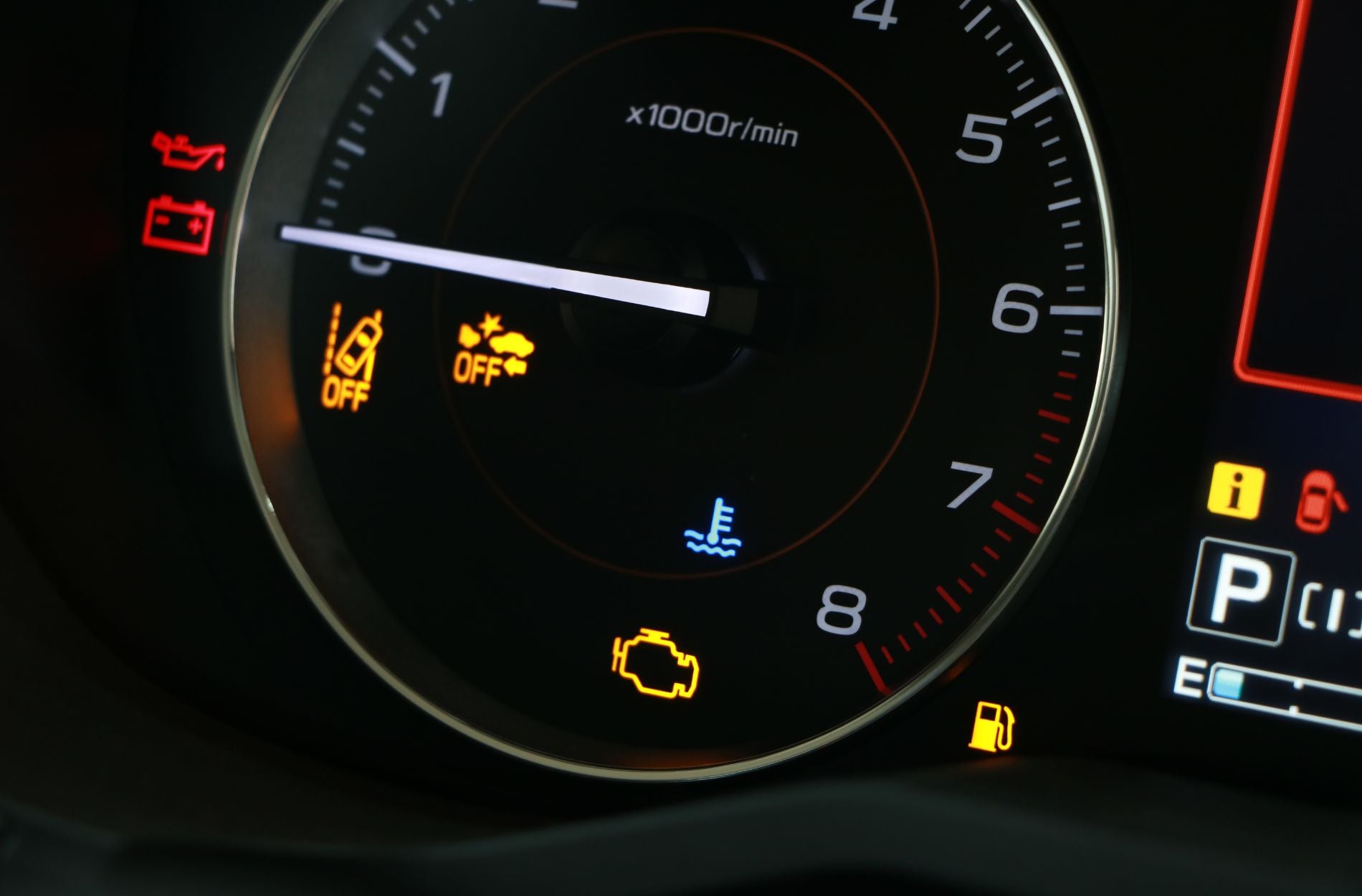
Your Chevy relies on its alternator every time you start the engine, turn on the headlights, or plug in a device while driving. It keeps the battery charged and powers your electrical systems. But like any part, the alternator can wear out over time. When that happens, you might notice odd electrical behavior or trouble keeping your vehicle running smoothly. more Spotting the warning signs early can help you avoid unexpected breakdowns or expensive repairs. You don’t need to be a mechanic to notice when something’s off. All it takes is a little awareness and knowing what to look for. Here are some telltale signs that your alternator may be failing and what they might look like in your daily driving. Common Signs Of A Failing Alternator Not all symptoms of a bad alternator hit at once. Most begin gradually and get worse over time. Here are a few red flags that could point to a problem: Dimming or flickering headlights: If your headlights seem to get weaker as you drive or shift in brightness when you hit the gas, that could be a sign your alternator’s not producing enough power. Dead or weak battery: A battery that constantly needs a jumpstart might not be the issue itself. A struggling alternator won’t charge it properly, leaving you with power problems even if the battery is new. Odd sounds from the engine: If you hear a squealing, whining, or grinding noise coming from the engine bay, especially when first starting the car, it could be the alternator bearings or belt wearing out. Picture getting ready to head home after work in Suffolk County, hopping into your Chevy, turning the key, and getting flickering lights, a dragging start, or no start at all. That kind of stress isn’t just frustrating. It can throw off your whole day and leave you scrambling for help. A failing alternator doesn’t announce itself with a big neon sign. Instead, it sends subtle hints. When you catch those signs early, you give yourself the chance to fix the issue before it leaves you stuck in a parking lot or on the shoulder of the road. If you're noticing more than one of these symptoms, it's a good time to have your vehicle looked at by someone familiar with Chevrolet systems. Dashboard Warning Lights When something’s wrong under the hood, your dashboard lights can offer helpful clues. One of the most common early warnings of a bad alternator comes from the battery warning light, or sometimes a light labeled ALT or GEN. It might flash briefly or stay on. If that light shows up while driving, your charging system is likely underperforming, and the battery’s running on borrowed time. Other signs can show up too. You might notice: Dimmed interior or dashboard lighting Warning lights that don't make sense showing up all at once Gauges behaving oddly or not working at all If your vehicle starts acting strange and you’re staring at a dashboard lit up unexpectedly, don’t ignore it. Consistently brushing aside battery or electrical system warnings can drain your battery and even cause other parts of the vehicle’s computer system to react poorly. On newer Chevys with digital displays, you might also get alerts through your infotainment screen. Don’t wait for the lights to go out altogether before doing something about it. Getting ahead of a weak alternator can save you time, money, and frustration down the line. Electrical Issues And Malfunctions Beyond the warning lights, a failing alternator can result in various electrical hitches throughout your vehicle. When the alternator isn’t delivering enough power, one of the first things you might notice is failing accessories. This includes power windows, radio, and seat warmers that don't work as they should. Lights might dim or flicker, and the AC may not blow as strongly as expected. These signs mean your car's not getting enough juice to keep all systems running at full capacity. You might also experience trouble starting the vehicle. When the alternator doesn't charge the battery sufficiently, starting the engine can become a hit-or-miss situation. A misbehaving alternator can lead to more frequent stalls or even instances where turning the key only results in a click instead of kicking to life. Here's a quick list of what to check and listen for that might indicate alternator trouble: Accessories like power windows or sunroof acting sluggish Stalling or difficulties in getting the engine to start, especially on cooler mornings Merely a clicking sound when trying to start the engine Take these electrical issues as alerts. You want to catch them while the solutions are still manageable. It’s always better to address such concerns proactively rather than wait until a simple fix turns into a major problem. What To Do Next If you’ve spotted several of the issues mentioned, it’s important to get a professional diagnosis to avoid further damage. Misfired guesses or unnecessary part replacements could cost you much more down the road. Skilled technicians have the tools and expertise to identify precisely what's going wrong under the hood. In Suffolk County, finding a trusted location for a diagnostic check is key. They can perform thorough checks to figure out if the alternator is indeed the culprit or if something else is affecting your vehicle’s performance. With professional testing equipment, they'll look for potential issues that would be missed in a basic check. Letting alternator problems linger puts unnecessary stress on the car's entire electrical system and adds to the risk of a sudden breakdown. Getting clear answers about your vehicle's performance now can save you from bigger headaches later. Turning to professionals who specialize in Chevrolet vehicles helps you get accurate diagnosis the first time. Helping Your Chevy Stay Reliable Recognizing the early warning signs helps prevent future breakdowns and unexpected repair bills. Paying attention to dim lights, buzzing sounds, or sluggish accessories can help you spot alternator problems early on and avoid being stuck on the side of the road. Even the most reliable Chevys need regular maintenance to keep doing their job. Keeping up with alternator checks makes sure you get consistent performance and peace of mind every time you start your engine. Slow starts, flickering lights, or failing electronics are all signs worth acting on. Before small issues snowball into expensive repairs, schedule a checkup for your vehicle. Taking small steps like this keeps your Chevy in great shape for all your errands and commutes around Suffolk County. A little attention now helps your car stay ready for every road ahead. Keeping your Chevy in great condition is all about timely maintenance and recognizing issues before they escalate. If your vehicle’s showing signs of alternator trouble, consider reaching out to experts who can provide thorough diagnoses and reliable repair. Learn how the Chevrolet dealership in Suffolk County can help service your Chevy and keep it running smoothly. At Chevrolet of Smithtown, our skilled technicians are ready to assist you with all your automotive needs.

Silverado

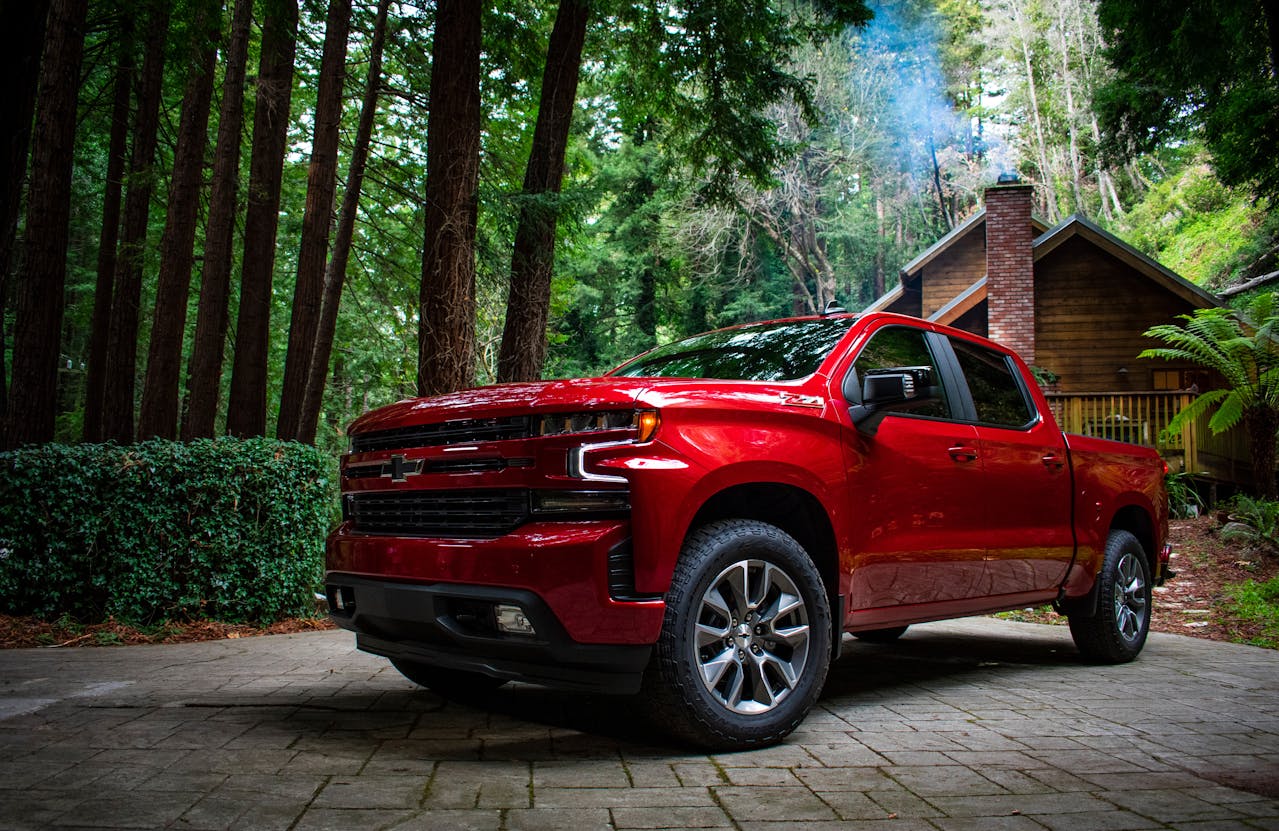
The Right Way To Test Drive A Used Silverado

Shopping for a used truck isn’t just about good looks and a low price. It’s about knowing exactly what kind of ride you’re getting before you sign anything. That’s why a proper test drive is one of the most important parts of buying a used vehicle, especially if you’re looking at a Chevrolet Silverado. These full-size trucks are known for their strength and reliability, but no two used models are exactly the same. more Taking the right steps during a test drive can save you from unexpected repair costs and help you feel more confident about your decision. Whether you're buying for work, daily driving, or towing gear on weekends, how a Silverado feels on the road makes all the difference. Here’s how to approach the test drive the right way, with tips focused on getting the most honest read on a truck’s condition and performance. The Importance Of Pre-Test Drive Research Before you even set foot inside the truck, make time to do a little homework. Learning about the specific year and trim level of the Silverado you're planning to test drive can make all the difference. Not every model year is the same, and knowing where to focus your attention helps you spot signs of wear or maintenance issues faster. Start by reading about common trouble spots for that generation of Silverado. For example, some years are known for early rusting in certain areas or electronic glitches. A quick search on message boards or truck ownership forums can point out what to be aware of. That doesn’t mean every used truck is going to have problems, but knowing what to look for puts you a step ahead. Look into these points before heading across town for your test drive: Check if there have been any recalls for the model and whether those were addressed Compare the truck’s mileage with average wear indicators to gauge care Get a copy of the service records if possible and see how often major services were done Browse photos or videos of similar models to understand what a well-cared-for truck should look like Doing even 15 minutes of prep can help you think more clearly during the test drive. Instead of reacting to every unfamiliar click or quirk, you’ll walk in knowing what’s typical and what’s worth a second look. Checklist Before You Start The Engine Once you're standing in front of the truck, take a few minutes to walk around the vehicle. You don't need to be a mechanic to spot red flags that could impact performance or cost you down the road. Trust your eyes, ears, and instinct. If something looks off or feels patched together, take your time to figure it out. Work your way through this checklist before starting the engine: 1. Exterior Condition: Check for uneven gaps where panels meet, mismatched paint, or signs of body filler. These can hint at past accidents or rushed repairs. 2. Tire Health: Tires should wear evenly. If one side’s bald while the others are fine, the truck might have alignment or suspension issues. 3. Underbody and Frame: If you can safely get a peek underneath, check for any excessive rust, bent parts, or fluid leaks. Rust on the frame could mean serious trouble in the future. 4. Engine Bay: Open the hood. The engine should be relatively clean, with no signs of dried fluids, frayed wires, or questionable fix jobs like duct tape patching hoses. 5. Interior Wear: Check the driver’s seat, steering wheel, and pedals. These should match the stated mileage. Heavy wear on low-mileage trucks is a red flag. If everything seems mostly clean and in good shape, it’s time to turn the key and see how it feels on the road. Always ask questions if something doesn’t add up. Better to slow down now than regret moving too fast later. Key Areas To Focus On During The Test Drive Starting the truck is when things really get exciting. As you begin your test drive, focus on a few key areas to ensure everything feels just right. You want to make sure the truck performs well and meets your needs, all while keeping an ear out for anything unusual. Here’s a handy guide on what to pay attention to: 1. Handling and Steering: Listen and feel for any strange noises or vibrations as you take turns. The steering should feel responsive and smooth, without any pulls to the left or right, which could signal alignment issues. 2. Brakes: Test the brakes in various settings. They should stop the truck firmly without making grinding noises. If you feel any pulsing through the pedal, it could indicate warped rotors. 3. Acceleration and Transmission: Accelerate from a standstill and check for smoothness. Shifting should be clean and not draggy. If you notice any jerking or hesitation, it might be wise to inquire further before deciding. 4. Interior Comfort and Features: How do the seats feel on your drive? Adjust the settings to see if the controls are working well. Check the climate system, radio, and other features you’ll use regularly to make sure they function properly. While driving, pull over occasionally to switch gears in different settings, like reverse and all-wheel drive if applicable, to confirm they engage and disengage as expected. Post-Test Drive Evaluation Once you’ve taken the Silverado for a drive, park it and give things a final look with fresh eyes. Post-test evaluations can catch whatever might have been missed initially and offer extra peace of mind. 1. Listen for Odd Noises: With the engine running, listen for any ticking or knocking sounds. Unusual noises could point to maintenance issues. 2. Check for Fluid Leaks: Look underneath the truck for any pooling fluids that might indicate leaks. Engine oil and transmission fluid leaks often start small but can lead to bigger problems. 3. Review Performance Notes: Reflect on how the truck performed during your drive. Were there aspects you were unsure about? Make detailed notes on anything that felt off or might need a second look. After your evaluation, it might help to have a quick chat with a trusted mechanic. Their trained eyes can uncover issues that might not be noticeable on a drive alone. This added step gives you more confidence before making your final decision. Drive Off Confidently In Suffolk County Taking each of these steps during your test drive can help you find the truck that fits best with your lifestyle. Whether you're heading to work sites, weekend camping trips, or daily errands, feeling confident in your Silverado is key. A well-executed test drive doesn’t just help you spot problems. It makes sure you’re investing in something that feels right every time you get behind the wheel. Evaluating the vehicle inside and out, researching its history, and checking how it drives gives you the complete picture. Take your time and trust the process. With a little preparation, you’ll know when you've found the right one. If you're ready to find the perfect Silverado that suits your lifestyle, stop by Chevrolet of Smithtown. As a trusted used truck dealer in Suffolk County, we offer a wide selection of well-maintained vehicles for you to explore. Our knowledgeable team is here to assist you with any questions you might have during your test drive. Browse our inventory to discover the right fit for your needs.

Chevrolet

Fixing Poor Gas Mileage In Your Chevrolet

Nobody likes spending more at the gas pump than they have to. If you’ve noticed your Chevrolet isn’t going as far on a tank of gas as it used to, you’re not alone. Poor gas mileage can hit suddenly or build up slowly over time, but either way, it makes every drive less efficient and more expensive. The good news is, there’s usually a reason behind it and often, it’s something you can change. more Whether you’re running errands across town or taking weekend trips out of Suffolk County, your vehicle works hard for you. Keeping it in top shape with regular care makes a big difference. That’s where a checkup through Chevrolet Certified Service in Suffolk County can help. A little maintenance can often bring your fuel efficiency back to where it should be. But first, it helps to know what might be working against you. Common Reasons For Poor Gas Mileage Gas mileage isn't just about how big your engine is. Even smaller details can take a big toll over time. When a vehicle seems to burn through gas faster than normal, one or more of the following may be to blame: Tire pressure: If your tires are underinflated, your vehicle has to work harder just to roll. This increases drag and forces your engine to burn more fuel. Dirty air filters: Your engine needs air just as much as it needs gas. A clogged air filter can choke airflow, making the engine less efficient. Worn-out spark plugs: These ignite the fuel in your engine. If they’re not working right, that can lead to poor performance and wasted gas. Driving style: Quick stops and starts, speeding, or letting your car idle too long can all eat away at your gas tank. Old engine oil: As oil ages, it loses effectiveness, and that forces the engine to work harder, using more fuel. Extra weight: The more stuff you’re carrying around, the harder your car has to work. Take a look in your trunk—you might be hauling more than you realize. One example we’ve seen often is a driver who forgets to check their tire pressure during weather swings from spring into summer. Those changes can mess with tire levels fast. A quick refill makes handling smoother and gives them better mileage right away. Sometimes, it’s not just one thing. It’s a few small issues adding up. That’s why inspecting multiple parts of your vehicle at once can help find the hidden causes behind bad gas mileage. When you get a professional look from someone trained in Chevrolet models, they’re more likely to spot the real problem instead of just guessing. Easy Fixes To Improve Gas Mileage Getting better gas mileage doesn't always require a major overhaul. There are a few simple steps you can take that can make a big difference. Many of these fixes can be done with a quick stop at your local auto service shop. 1. Check your tires: Start by making sure your tires are properly inflated. When your tire pressure is right, your car rolls easier, which means less work for the engine. 2. Change your air filter: A clean air filter means better airflow to the engine, leading to more efficient fuel combustion. It helps the engine breathe and burn fuel more cleanly. 3. Mind your oil: Regular oil changes keep your engine running smoothly. Fresh oil creates the right lubrication and helps prevent the engine from overworking. 4. Use the right fuel: Check your owner’s manual to be sure you’re using the right fuel type for your Chevrolet. The wrong kind can reduce performance and fuel efficiency. 5. Lighten your load: If your backseat or trunk is full, removing extra weight can improve how efficiently your car runs. Every added pound means extra effort for your engine. These fixes are quick and can make every trip through Suffolk County better for your time and your wallet. Benefits Of Professional Maintenance Routine maintenance done by professionals has bigger benefits than many drivers expect. Trained technicians often notice issues that are easy to miss, even if you know your car well. Spark plug check: A trained eye can evaluate if your spark plugs are working as intended. Poor spark means wasted fuel every time you press the gas pedal. Alignment services: If your wheels aren’t aligned properly, they can create resistance and uneven wear. That adds up to lower gas mileage and more trips to the tire shop. Professional inspection: A diagnostic check can catch things you wouldn’t notice on your own. Technicians use tools to see how your engine is performing, if sensors are off, or if the system is misreading info that affects fuel management. Choosing Chevrolet Certified Service in Suffolk County ensures every checkup is done right. Mistakes are avoided, inefficient systems are tuned up, and your Chevrolet runs closer to factory performance. Proper maintenance today reduces big, costly problems later. You get the best return from your engine and increase how far each tank of gas takes you. Sustainable Driving Habits Gas mileage is shaped by how you drive, not just what shape your car is in. Some habits practically burn extra fuel while others do the opposite. Making changes doesn’t take much, and over time, it makes a noticeable difference. Smooth driving: Slow, steady acceleration keeps the engine’s activity efficient. Quick bursts of speed chew through gas faster than most people expect. Watch your speed: Keeping close to the posted limits isn’t just safer—it makes your fuel go further. Higher speeds often lead to higher fuel consumption for no big gain. Avoid idling: Letting your car sit running eats fuel with zero return. Turning it off during long waits saves gas and keeps your engine cooler. Shifting to better habits puts less wear on your engine and keeps your gas tank fuller longer. You’ll find the ride smoother, too. Keep Your Chevrolet Moving the Extra Mile Small issues can lead to big fuel costs if ignored. But with regular checkups, drivers in Suffolk County can avoid wasting gas and make every drive go further. Routine visits to certified professionals take the guesswork out of maintenance and help your vehicle reach peak performance. From checking tire pressure to tuning your engine components, everything works better when your Chevrolet is maintained with care. You don’t have to be an expert when your car is in the hands of one. Between regular visits and smarter habits behind the wheel, you’ll spend less time at gas stations and more time enjoying the road ahead. If you’re ready to improve your fuel efficiency and keep your vehicle running smoothly, scheduling routine maintenance through Chevrolet Certified Service in Suffolk County is a smart move. The skilled technicians at Chevrolet of Smithtown are here to help you get the most out of every mile, offering expert care that keeps your car reliable, responsive, and cost-effective on the road.

Contact Us

Fill out this form below and we'll contact you shortly
*Required Fields