




Blog / Saint James Chevrolet Dealer

When Your Check Engine Light Needs a Sensor Diagnosis

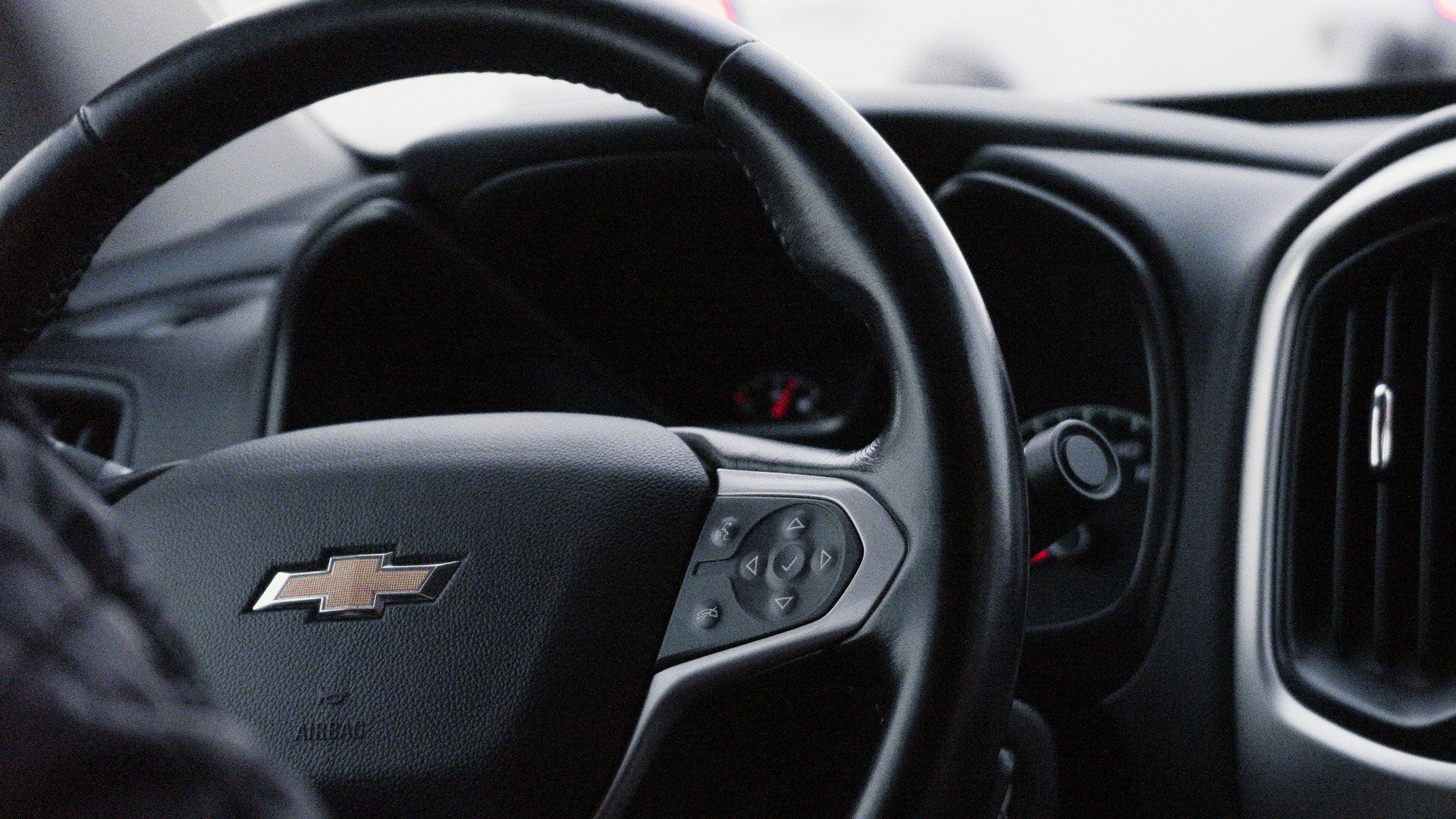
chevrolet dashboard

That check engine light isn’t just there to make your dashboard more colorful. When it lights up, your car is telling you something’s not right under the hood. It might be something minor, or it could be the start of a bigger issue if left unchecked. Either way, ignoring it can lead to expensive repairs or major performance problems down the road.

In many cases, sensor issues are what trigger the warning. Your vehicle relies on a network of sensors to deliver real-time information to the engine control unit. These sensors help manage everything from fuel usage to emissions and even how smoothly your engine runs. When one of them malfunctions, the warning light often comes on, and that's your cue to get things looked at before they get worse.

Common Causes for the Check Engine Light to Illuminate

The check engine light is a general indicator. It doesn’t point to one exact issue, but instead it lets you know there’s something happening that needs attention. One of the most common reasons for that light is a sensor sending faulty signals or not working at all.

Here are a few reasons your check engine light might come on:

  • Loose or damaged gas cap: This simple part helps maintain proper pressure in the fuel system, and if it’s not tight, sensors may detect an issue.
  • Failing oxygen sensor: This sensor tracks how much oxygen is in your exhaust. If it stops working, it can cause your car to burn more fuel than it should.
  • Mass air flow sensor issues: This one helps control how much fuel gets sent to the engine. A bad reading can throw off your entire fuel-to-air balance.
  • Bad spark plugs or wires: A misfiring engine can be caused by spark issues, which sensors can pick up on quickly.
  • Catalytic converter problems: If this part starts failing, you might see a mix of warning lights and experience reduced performance.

Sensors play a big role in detecting and reporting these kinds of problems. So when your check engine light comes on and stays on, it’s usually a signal that your vehicle's system is getting weird feedback, often from one of those sensitive sensor parts.

Types Of Sensors That May Need Replacement

Modern Chevy vehicles are built with multiple sensors designed to help the vehicle run smoothly and meet emission standards. When one of these sensors fails or begins to wear out, performance can suffer, and that dashboard light is quick to show up.

Here are some of the most common sensors that may need checking or replacing:

1. Oxygen (O2) Sensor

Found in the exhaust system, this sensor helps manage fuel mixture by reading how much oxygen is being released. A bad O2 sensor usually leads to poor gas mileage and can even damage the catalytic converter.

2. Mass Air Flow (MAF) Sensor

This sensor checks how much air is getting into the engine. If it's off, it can lead to engine hesitation or rough acceleration.

3. Manifold Absolute Pressure (MAP) Sensor

This one helps measure pressure inside the intake system and plays a big part in fuel delivery. A faulty MAP sensor can cause hard starts or stalling.

4. Throttle Position Sensor

As its name suggests, it keeps track of the throttle opening. If this sensor isn’t working right, your car might speed up or slow down unpredictably.

5. Camshaft and Crankshaft Position Sensors

These monitor the timing and position of key engine parts. When they’re out of sync or not working, the engine may not start at all.

One driver in Suffolk County came in after their vehicle started hesitating at traffic lights. Turns out the mass air flow sensor was misread due to debris buildup near the intake. Once it was replaced, the car was running like new again.

Each of these sensors works hard behind the scenes to keep your car running right. When one starts acting up, your car doesn’t just feel different. It lets you know with that check engine light. Responding early can keep a small issue from turning into a major headache.

Signs You Need a Sensor Diagnosis and Replacement

Your vehicle might not always spell things out clearly, but when a sensor starts to fail, it usually leaves clues. The check engine light is just the beginning. Pay attention to changes in how your car feels or sounds while driving. These could be early signs that something’s off.

Here are some of the more common symptoms to watch out for:

  • Poor gas mileage: A failing oxygen sensor or mass air flow sensor can throw off the fuel mixture, forcing the engine to burn more than it should.
  • Sluggish acceleration or hesitation: If the throttle position sensor or air intake sensors aren't sending the right signals, your car may hesitate or feel slow when you hit the gas.
  • Rough idling or stalling: When the engine feels jumpy or inconsistent while stopped, it could mean the sensors aren’t accurately reading airflow or pressure.
  • Trouble starting: If your car is cranking longer than usual or won’t start at all, the issue might be with the crankshaft or camshaft position sensor.
  • Shifting problems: On vehicles with automatic transmissions, faulty sensors can lead to hard or delayed shifting.

Ignoring these signs can lead to worse performance, reduced fuel economy, and long-term wear on engine parts. For example, a driver on Long Island noticed their SUV was chewing through gas faster than normal and running rough during colder mornings. After a quick diagnostic, the issue turned out to be a failing O2 sensor, an easy fix that made a big difference.

The earlier these signs are addressed, the better. Continuing to drive with one or more bad sensors can cause a ripple effect in the engine’s performance.

Professional Sensor Diagnosis And Replacement On Long Island

Dealing with sensor problems isn't just about swapping out parts. It takes real tools and knowledge to correctly pinpoint which component is acting up. Even if multiple codes pop up on a scan tool, it doesn’t always mean each part needs replacing. That’s where professional support makes all the difference.

Getting service from trained techs means you’re not guessing. Your car gets hooked up to diagnostic equipment that does more than just read codes. It helps analyze patterns and trends. Based on those results, a qualified technician knows whether to replace a sensor or check for deeper electrical or mechanical issues behind the warning.

This kind of full-scope diagnosis is especially important once fall rolls into October. On Long Island, where temperatures can swing, your car's sensors need to be in top shape for accurate cold-start readings and smooth performance on chilly mornings. A misfiring sensor in spring might annoy you. That same issue in colder weather might leave you stuck.

There’s also the peace of mind in knowing the right sensor is being installed using proper tools. Nothing is worse than fixing the wrong thing first. And since newer Chevy models rely more heavily on computer systems, skipping a real diagnostic could lead to extra headaches over time. Keeping sensor replacements in expert hands is the smartest, safest route.

Drive with Confidence on Long Island

Sensors are easy to overlook until they aren’t. While one small faulty reading may not shut your car down today, it can throw everything else off balance in just a few weeks. A healthy sensor system helps your vehicle run smoother, respond better on the road, and use fuel more wisely.

The key is catching those signs early and letting the right people handle the repair. That way, what starts as a routine check engine light doesn’t turn into a larger mechanical issue later. Getting ahead of simple fixes now helps you stay behind the wheel longer without interruption.

Whether it's a weird noise, poor gas mileage, or a blinking light that won’t quit, addressing sensor problems quickly is the way to go. Long Island drivers who stay alert to these early warnings usually save themselves time and hassle down the road. And that’s something everyone can appreciate.
When sensors start to show signs of wear, getting them looked at by professionals is the smart move. Trust the experts to get to the root of the problem and keep your car running like it should. For reliable service you can count on, let Chevrolet of Smithtown take care of your Chevrolet sensor replacement on Long Island. Keep your vehicle in peak condition and enjoy smoother drives ahead.

Posted in:

Related Posts

Chevy Trucks

Smithtown Shopper Guide to New Chevy Trucks for Work and Family

Find the Right Chevrolet Truck for Long Island Life Choosing a new truck is a big decision, especially when it has to work hard during the week and still be comfortable for the family on weekends. Around Smithtown and across Suffolk County, drivers ask a lot from their trucks, from hauling tools to hauling soccer gear. New Chevrolet trucks are built for that kind of mixed life. They bring together towing power, smart storage, and strong frames with quiet cabins, roomy back seats, and modern tech. Our goal is to give you a clear, simple guide so you can pick the right truck for your work, your family, and your Long Island lifestyle, and know what to look at when you compare different models, trims, and options. Why New Chevrolet Trucks Fit Suffolk County Drivers Long Island driving can be tricky. One day you are crawling along Route 347 in traffic, the next you are squeezing down a tight neighborhood street, then a storm rolls in and you need confident handling in snow and slush. Your truck has to handle all of it without feeling too big or too thirsty on gas. New Chevrolet trucks are built with that kind of everyday mix in mind. They offer: Strong towing and payload for trailers, equipment, and home projects Engine options that help balance power with good fuel use Different cab and bed sizes so you do not drive more truck than you need For families, comfort and safety matter just as much as strength. Key features many Suffolk County drivers look for include: Spacious cabs with plenty of legroom in the back Rear seats that work well with child seats and booster seats Available driver-assist features that can alert you to hazards Large touchscreens with Apple CarPlay and Android Auto to keep everyone connected and entertained With the right setup, your truck can feel easy to handle on a tight side street, steady on the highway in bad weather, and relaxed on those summer trips to the beach. Work-Ready Chevrolet Trucks for Contractors and Trades If your truck is part of your business, it needs to pull its weight every single day. Many local contractors, landscapers, and builders choose the Chevrolet Silverado 1500 or Silverado HD because they are built to tow, haul, and handle rough job sites. The Silverado 1500 is a great choice if you: Haul tools, small equipment, or landscaping gear Tow trailers, small machines, or building materials Need a mix of work strength and daily driving comfort The Silverado HD, with heavier-duty parts and higher towing and payload limits, is a better fit if you: Pull larger trailers or heavier equipment Carry heavy loads in the bed on a regular basis Need a truck that spends most of its time on job sites Helpful work features often found on these trucks include things like: Integrated trailer brake controller and trailering camera views Bed lighting for early starts or late finishes Multiple tie-down points to keep cargo secure Multi-Flex style tailgates that can help with loading or act as a work step At Chevrolet of Smithtown, our truck team can walk business owners through bed sizes, cab styles, and work-focused packages. We can also help you think about commercial options and point you toward professional advisors who can discuss tax questions and long-term business planning. Family-Friendly Chevrolet Trucks for Everyday Life Many families in Suffolk County want the space and strength of a truck without giving up the comfort of an SUV. Crew cab versions of the Silverado 1500 and the midsize Chevrolet Colorado hit that sweet spot, giving you easy rear-door access and room for kids, pets, and cargo. For family use, many drivers look for: Wide opening rear doors that make it easier to lift child seats in and out Flat or nearly flat rear floors so kids can stretch their legs Quiet cabins that cut down on road noise Climate controls that keep both front and rear passengers comfortable Modern tech makes daily life simpler too. Features often available on new Chevrolet trucks include: Multiple USB ports so phones and tablets stay charged Large touchscreens with Apple CarPlay and Android Auto Available safety suites that can help with lane keeping or front collision alerts With this kind of setup, a new truck can easily replace both a family SUV and a utility vehicle. You can bring home improvement supplies, sports gear, beach chairs, or camping equipment, and still park in most driveways and garages around Smithtown. Comparing Chevrolet Truck Models for Your Needs The first big choice is usually size and strength. Here is a simple way to think about the main options: • Chevrolet Colorado Best if you want a smaller truck that is easy to park, good for commuting, light hauling, and weekend fun. • Chevrolet Silverado 1500 Great for drivers who split time between work and family, tow medium-size trailers, and need more space. • Chevrolet Silverado HD Ideal for heavy-duty work, larger trailers, and serious hauling needs. Bed length and cab style also matter: • Shorter beds and crew cabs are easier to park and better for families • Longer beds help if you often haul lumber, tools, or large items For Suffolk County drivers, certain options tend to be popular: • Four-wheel drive for snow, rain, and unpaved lots • All-weather floor liners to handle sand, salt, and mud • Off-road-oriented packages for beach driving where it is allowed Test-driving a few different configurations is the best way to feel the differences in ride comfort, turning radius, and visibility. Small changes, like seat position or mirror size, can make a big impact on how relaxed you feel in traffic and on longer trips. Fall Truck Shopping Tips at Chevrolet of Smithtown As temperatures drop, many drivers start thinking ahead to winter weather, holiday travel, and indoor projects. Fall can be a smart time to pick a new truck, since you have time to get used to it before the roads get slick or the calendar fills up with family events. Before you visit, it helps to do a little homework: Estimate what you tow now and what you might tow later Measure your garage or driveway space for length, width, and height Make a list of must-have features, like four-wheel drive or a crew cab Note nice-to-have items, like a sunroof or premium audio Think about how long you plan to keep the truck and what type of fuel and maintenance schedule fits you Once you have your list, our team at Chevrolet of Smithtown can help you narrow down options. We can talk through maintenance plans, available GM parts and accessories like bed covers or liners, and helpful add-ons such as winter tires or remote start systems. That way your truck is ready not just for the first cold snap, but for many seasons of work and family life on Long Island. Find Your Ideal Chevy Truck With Confidence Whether you are ready to tow, haul, or upgrade your daily drive, we make it easy to compare trims, features, and capabilities across our lineup of New Chevy trucks in Suffolk County. At Chevrolet of Smithtown, our team is here to answer your questions and help you narrow down the right fit for your needs and budget. If you would like personal assistance or want to schedule a test drive, simply contact us and we will follow up promptly.

fleet

Planning a New Chevrolet Express Fleet in Smithtown

Powering Your Business with a Smart Fleet Plan Planning your next group of vans is one of the best ways to protect your business from surprises. A clear fleet plan helps you control operating costs, keep drivers on the road, and stay ready when jobs pick up. When you work out the details before the busy months hit, you can focus on serving customers instead of scrambling for vehicles. Building a new Chevrolet Express fleet in Smithtown ahead of time also helps you avoid rushed choices. Last-minute buying often means taking what is left on the lot instead of what actually fits your routes, tools, or passengers. By thinking ahead, you can order the right vans, the right features, and the right upfits for the way you work. We know Long Island roads, weather, and traffic patterns, so we understand what local businesses deal with each day. That local knowledge makes it easier to match the right Chevrolet Express vans to your routes through Smithtown and the surrounding communities. Defining Your Chevrolet Express Fleet Needs The first step is getting clear on what you need your vans to do. Different businesses put very different demands on a Chevrolet Express, so it helps to list your goals before you talk about models or features. Think about your type of work: Contractors and trades may need heavy tools, ladder racks, and secure storage Delivery services may need organized shelving, easy side access, and good fuel economy Medical, catering, and specialty services may need refrigeration or custom interiors Shuttle and group transport may need Passenger Van setups with flexible seating Next, think about fleet size and replacement timing. Ask questions like: Are you adding vans to meet new demand, or replacing older units? How many vehicles do you need on the road each day to stay on schedule? Can you roll in new vans in stages to help with cash flow and training? A phased rollout can help you: Keep at least part of the fleet working while other vans are being prepared Spread out registration and insurance changes Test a setup on a few vans before you order more with the same configuration You also want to be honest about payload, towing, and range needs. Think about: Weight of tools, parts, or goods on a normal day Any trailers or extra equipment you pull The longest daily route, including traffic and idle time Planning for real-world loads across Smithtown, from side streets to parkways, helps you avoid buying vans that are too small for the job or bigger than you truly need. Choosing the Right New Chevrolet Express in Smithtown Once you know your goals, it is time to look at specific Chevrolet Express choices. The main decision is between Cargo and Passenger vans. Cargo Vans focus on open space for tools, racks, and equipment. Passenger Vans are built for people first, with rows of seats and features that keep riders comfortable. You will also choose between regular and extended wheelbase. In simple terms: Regular wheelbase is easier to park and turn on tighter neighborhood streets Extended wheelbase adds interior length for more gear or more passengers Engine choices affect power and fuel use. A stronger engine may be helpful for: Heavy cargo loads Frequent towing Routes with lots of stop-and-go traffic A more efficient engine may be better for: Lighter loads Mostly highway miles High mileage delivery work Local weather and traffic also play a part. On Long Island, you may want to consider: Traction control features and tires that handle wet and cold roads Interior protection like rubber floor liners for snow, sand, and salt Remote start and heated options to help drivers on early, cold mornings Driver assist and safety tech for busy roads and tight parking areas Planning early for a new Chevrolet Express in Smithtown gives you a better shot at getting the exact combination of model, color, and features you want. When demand goes up, popular configurations can be harder to find, and lead times for upfits can grow. Upfitting and Customization for Smithtown Businesses A Chevrolet Express really becomes a work tool once it is upfitted for your business. Interior build-outs can turn a basic van into a rolling workshop, mobile office, or shuttle. Common upfit ideas include: Shelving and drawers for parts and hand tools Ladder racks for safe roof storage and easy access Bulkhead partitions to separate the cabin from the cargo area Refrigeration units for food, flowers, or medical supplies Custom seating layouts and grab handles for shuttle use Branding is another big piece of the puzzle. Your vans are often the most visible part of your business as they move through Smithtown and the rest of Long Island. Simple but strong branding can include: Full or partial wraps with your logo and colors Clear, easy-to-read lettering and phone or online info Reflective accents to help with visibility at night Good placement on the sides and rear of each van helps people see your brand in traffic, in neighborhoods, and at job sites. A dealership that works with commercial clients on a regular basis can help line up trusted upfitters, schedule work, and coordinate timing so that safety and warranty standards are followed. That way, your vans are ready to work as soon as possible. Budgeting, Financing, and Fleet Management Tools Once you have the right setup in mind, it is time to think about how you want to pay for your Chevrolet Express fleet and how you plan to manage it over time. Many businesses think about whether to buy or lease: Buying may fit long-term use, higher mileage, and custom upfits you plan to keep Leasing can help keep payments predictable and may allow easier refresh cycles Your choice may depend on: How many miles your vans cover each year How long you usually keep a work vehicle How important it is to have the newest model or tech There may also be commercial incentives and small business tax advantages that apply when adding multiple new vehicles. It helps to talk with a financing specialist who understands fleet needs and current programs for business buyers. After you plan the purchase, think about day-to-day fleet management. Helpful basics include: Tracking oil changes, tire rotations, and other routine service Keeping simple logs of fuel use and route patterns Watching driver habits, like idling and harsh braking Starting this from day one makes it easier to control costs and spot problems early, like a van that is working too hard or a route that may need to be adjusted. Keeping Your Fleet Working with Certified Service No fleet plan is complete without a clear service strategy. A simple maintenance calendar built around Chevrolet Express recommendations can help your vans stay ready through busy seasons. A good preventive plan usually covers: Regular oil and filter changes Brake checks and fluid inspections Tire rotations and alignment checks Seasonal checks of batteries, wipers, and heating or cooling systems Using trained technicians and parts made to fit your specific Chevrolet models can help protect your investment and support any warranty coverage tied to proper service. Commercial service departments are used to working with business schedules and can help you set up a routine that respects your peak hours. To cut down on downtime, you can: Stagger service so only a few vans are in the shop at once Book work during slower business days when you can spare vehicles Ask about options that help your team stay mobile while a van is in for service When your service partner understands how much you depend on your Express vans, it is easier to keep your fleet on the road and your customers taken care of. Find the Right Commercial Van to Keep Your Business Moving If you are ready to upgrade your work fleet, explore the versatility and capability of the new Chevrolet Express in Smithtown with Chevrolet of Smithtown. Our team will help you compare configurations, tailor upfit options, and choose the right solution for your daily demands. Have questions about inventory, timelines, or financing options? Simply contact us and we will walk you through your next steps.

van

Commercial Chevy Express Vans in Smithtown for Growing Fleets

Powering Growing Long Island Fleets with Express Vans Commercial work on Long Island does not slow down. Delivery routes get longer, service calls stack up, and many businesses find themselves stretching a few vans further than they should. When a fleet starts to feel maxed out, the right commercial van can make all the difference in how smoothly each day runs. That is where the New Chevrolet Express in Smithtown comes in. It is a simple, tough work van built to haul, tow, and keep going day after day. Instead of focusing on fancy extras, the Express is focused on what really matters for a working fleet: strength, space, and uptime. Local conditions make that especially important. Suffolk County traffic, coastal weather, salt on the roads, and tight job schedules are hard on any commercial vehicle. Businesses need vans that hold up, can be serviced quickly, and have parts on hand when something wears out. A dependable commercial partner that understands those needs, helps with upfitting, and offers fleet-focused financing can be just as important as the van itself. Why the Chevrolet Express Works Harder for Your Business The Express is built around work. It offers strong power, big capacity, and straightforward engineering that many fleet owners prefer. Key strengths include: Powerful engine options designed to pull heavy loads Serious towing capability for trailers, equipment, or extra cargo Available cargo and passenger layouts for different kinds of work A reputation as a no-nonsense work van that can handle tough use The Express uses body-on-frame construction, similar to many trucks. This design is known for strength and durability. It can handle heavy payloads and rough use without a lot of drama. The simple, proven setup also makes it easier for service technicians to work on, which can mean shorter visits in the service lane and more time on the road. Safety matters for fleets as well. Many businesses have different drivers in and out of the same van all week long. Features like stability control and available rear vision camera systems can help drivers stay more confident in tight parking lots, busy job sites, and crowded streets. These protections help guard both the people behind the wheel and the tools, products, or passengers you depend on. For many Long Island businesses heading into busy fall schedules and heavier traffic, the New Chevrolet Express in Smithtown offers something important: dependable work strength that helps keep the focus on customers and jobs, not on whether the van will make it through the day. Choosing the Right Express Van for Your Fleet Needs One of the biggest advantages of the Express is choice. Instead of forcing every business into the same setup, it gives you a clear set of options you can fit to your work. Main model choices include: Cargo vs passenger body styles 2500 vs 3500 weight ratings for different payload needs Standard and extended wheelbase options for more interior room Cargo vans are often the go-to pick for: Electricians, plumbers, and other trades who carry tools and parts HVAC teams moving bulky units and service gear Parcel and courier services that need organized packages Caterers or event crews hauling food, tables, and supplies Passenger versions of the Express often make sense for: Non-emergency medical transport and shuttles Schools, camps, and community groups Hotels and local travel services Matching the right van to the job is not always simple. Payload, interior volume, seating needs, and equipment all have to line up with the work you do every day. Commercial specialists who live in this world can sit down with you, talk through how your team uses vehicles now, and help you choose the right Express setup. That often includes planning for: Interior shelving and bins Partitions between cab and cargo Ladder racks or exterior storage Electrical outlets or lighting upgrades When adding vans in early fall, timing matters too. Many fleets want new units ordered, upfitted, lettered with logos or wraps, and ready to roll before the year-end rush and winter service calls hit across Suffolk County. Lowering Total Cost of Ownership on Every Mile For fleet buyers, the real question is not just what a van costs at the start. Total cost of ownership is what really shapes the budget over time. That includes: Upfront purchase cost Fuel use Routine maintenance Repairs and unexpected issues Downtime when a van is off the road Eventual resale or trade-in value The Express focuses on simple, proven components instead of complex, hard-to-service systems. Many owners appreciate that fewer surprises often mean fewer headaches. Service teams know the platform, parts are widely available, and many common jobs can be handled quickly. A strong support team matters here too. A certified service center that works on Chevrolet vehicles all day long and uses genuine GM parts helps keep repairs consistent and reliable. Service scheduling that takes local business hours into account can help limit how often a van is sitting instead of working. Financing and possible fleet incentives on the New Chevrolet Express in Smithtown can also play into total ownership costs for businesses. Some buyers may find tax advantages for business vehicles purchased before the end of the tax year. A tax professional can give specific advice for each situation. Preparing Your Fleet for Long Island’s Fall and Winter Rush As temperatures start to drop, many Long Island fleets see their workload jump. Delivery services ramp up, contractors squeeze in more projects before the cold sets in, and shuttle services stay busy with schools, events, and local travel. That is often the right time to look at both new vans and smart upfits, such as: All-weather tires ready for cold, wet roads Bright interior cargo lighting for early mornings and dark evenings Shelving and bins that cut down on loading and unloading time in bad weather Strong heating and defrost performance to keep drivers focused and windows clear Planning ahead gives you breathing room. Ordering vans, choosing upfits, scheduling installations, and adding graphics or wraps all take time. Many fleets also like to work in some driver walk-arounds or simple training on new layouts and features before the late-fall and holiday peak hits. When sales, upfitting support, and service planning are all coordinated in one place, it becomes easier for Suffolk County businesses to move into their busiest months with vans that are ready for the work ahead instead of limping along with worn-out vehicles. Schedule Your Commercial Express Van Fleet Review Today A smart first step for many owners and fleet managers is a clear look at what they already have. That might mean checking which vans are nearing the end of their useful life, which ones are racking up repair bills, and where lack of capacity is slowing down growth or forcing extra trips. From there, it helps to gather a few basics like how many vehicles are in the fleet, what types of jobs they handle, target timelines, and an idea of budget. With that information in hand, sitting down with the commercial team at Chevrolet of Smithtown makes it easier to review New Chevrolet Express in Smithtown options, talk through custom ordering and upfit ideas, and shape a plan that fits the way your Long Island business really works. Drive Your Business Forward With the Right Commercial Van Explore how a New Chevrolet Express in Smithtown can support your daily operations with the space, durability, and flexibility your work demands. At Chevrolet of Smithtown, we will walk you through upfitting options, trim levels, and financing so you can choose the configuration that truly fits your business. If you have questions or want to schedule a dedicated consultation with our commercial specialists, simply contact us to get started.