



Blog

All Saint James Chevrolet Dealer
Chevrolet

Signs Your Oxygen Sensor Needs Attention

If something feels off when you're behind the wheel, your vehicle could be trying to tell you something. One part that often gets overlooked is the oxygen sensor, even though it plays a big role in how well your engine runs. When it starts to slip, your Chevy might still get you from one place to another, but you could notice rougher rides, strange smells, or higher fuel use. These little shifts are your clue that something under the hood needs a closer look. more An oxygen sensor helps your vehicle balance the right mix of fuel and air. When this balance slips, everything else gets affected—from engine power to emissions. If you've noticed your check engine light popping up, your gas tank isn’t lasting as long, or your car’s acting generally sluggish, your oxygen sensor might not be pulling its weight. Catching the signs early can help you avoid bigger car troubles down the road. Understanding the Role of an Oxygen Sensor Your oxygen sensor, sometimes called an O2 sensor, tracks how much oxygen is in your exhaust system. It sends that information to your car’s computer, which then adjusts how much fuel to send into the engine. The goal is to keep the fuel-to-air mix just right. If there’s too much or not enough oxygen, you’ll start to notice problems. When everything’s working like it should, the sensor helps your car: 1. Burn fuel more cleanly and efficiently 2. Keep emissions low 3. Protect the engine from running too lean or too rich 4. Maintain smooth idling and acceleration If your oxygen sensor fails or begins to wear out over time, you might not notice it right away. The changes typically happen so gradually that you may just assume your car is getting older. One driver thought their Chevy was just showing signs of age after it started losing power on hills. After a technician looked into it, the issue pointed back to a worn oxygen sensor affecting the fuel mixture. Any time something interferes with the data your engine depends on to perform its job, the vehicle's drivability suffers. Keeping an eye on how your car reacts to everyday driving can give you early hints before the issue worsens. Common Signs Your Oxygen Sensor Needs Attention Oxygen sensor problems don’t usually scream for attention. They tend to sneak up quietly during your daily drives. Knowing what signs to look for can help you take action before serious damage happens. Here are a few signs to watch for: 1. The check engine light comes on If your dashboard light switches on, a faulty oxygen sensor could be the reason. While this light can mean a few things, the oxygen sensor is a frequent culprit. A basic diagnostic check can help sort it out. 2. Reduced fuel efficiency When the sensor stops working properly, it may tell the engine to add too much fuel. The result is more trips to the gas station even though your driving habits haven’t changed. 3. Rough idling or misfiring The wrong air-fuel mix caused by a struggling sensor can make your engine sound off or feel shaky when it’s running at low speeds or stopped. 4. Sluggish acceleration If you hit the gas pedal but the car doesn’t respond how it used to, it might be due to a poor fuel mix slowing down the engine. 5. Failed emissions test On Long Island, where emissions standards are part of inspections, a bad oxygen sensor can be one of the top reasons your vehicle doesn’t pass. Even if the signs are small or only show up now and then, they still put extra stress on your engine and exhaust system. Ignoring them means more wear and a higher chance of repair costs later on. If you’re checking off more than one of these symptoms, it’s worth having the oxygen sensor tested soon. Why Timely Attention to Oxygen Sensor Issues is Important Waiting too long to fix a worn-out oxygen sensor can lead to more than just poorer gas mileage. Your Chevy’s engine needs the right fuel-to-air balance to keep working the way it’s meant to. If the sensor isn’t keeping that balance in check, other systems in the engine can slowly start to break down. Leaving sensor problems alone for too long can: 1. Wear down spark plugs, catalytic converters, or the engine itself 2. Push your fuel costs higher by forcing the car to burn more gas 3. Cause your car to miss state-required emissions standards Think of your vehicle like a group project. Even if just one part isn’t holding up its end, it affects the whole team. Fixing the sensor helps everything else get back in sync, making your ride smoother, cleaner, and more dependable. When to Seek Professional Help on Long Island In some cases, you might not be able to spot an issue until it starts affecting multiple systems, or your check engine light just won’t go off. This is where professional help makes all the difference. A trained tech can use advanced tools to zero in on the cause before small issues turn into expensive repairs. Here’s when it’s time to bring your Chevy in for a check: 1. The check engine light keeps coming back 2. You’ve noticed an unexpected drop in fuel mileage 3. You failed your last emissions test On Long Island, where emissions regulations are taken seriously, addressing sensor problems sooner helps you stay within legal standards while also keeping your engine performing properly. With the right tools and know-how, the pros at Chevrolet of Smithtown can inspect and fix the issue safely and accurately, saving you both time and stress in the long run. The Role of Routine Care in Long-Term Chevy Performance If your vehicle has felt just a little off recently, it might be tempting to chalk it up to changes in the weather, road conditions, or even your imagination. But before you write it off, take a minute to think through the signs—rough idling, slow pickup, fuel costs creeping up, or warning lights that don’t quite explain themselves. It’s these everyday signals that often tell the bigger story. Addressing them early, especially when they point to the oxygen sensor, can help you avoid breakdowns, failed emissions tests, and costly surprises. Having a trusted team check out and maintain your sensor plays a big part in making sure your Chevy stays strong for the long haul. A little care at the right moment keeps your car running cleaner and more efficiently. Whether it’s your first time dealing with sensor issues or you’ve had them before, making timely service a habit pays off every mile you drive. If your current car performance issues have you concerned about your oxygen sensor, don't wait until a small problem becomes a big repair. You can trust Chevrolet of Smithtown to handle these issues efficiently. Learn how to keep your engine running reliably with expert Chevy oxygen sensor service on Long Island, and give your vehicle the attention it deserves.

SUV Choice

The Traverse As Your Family Vehicle

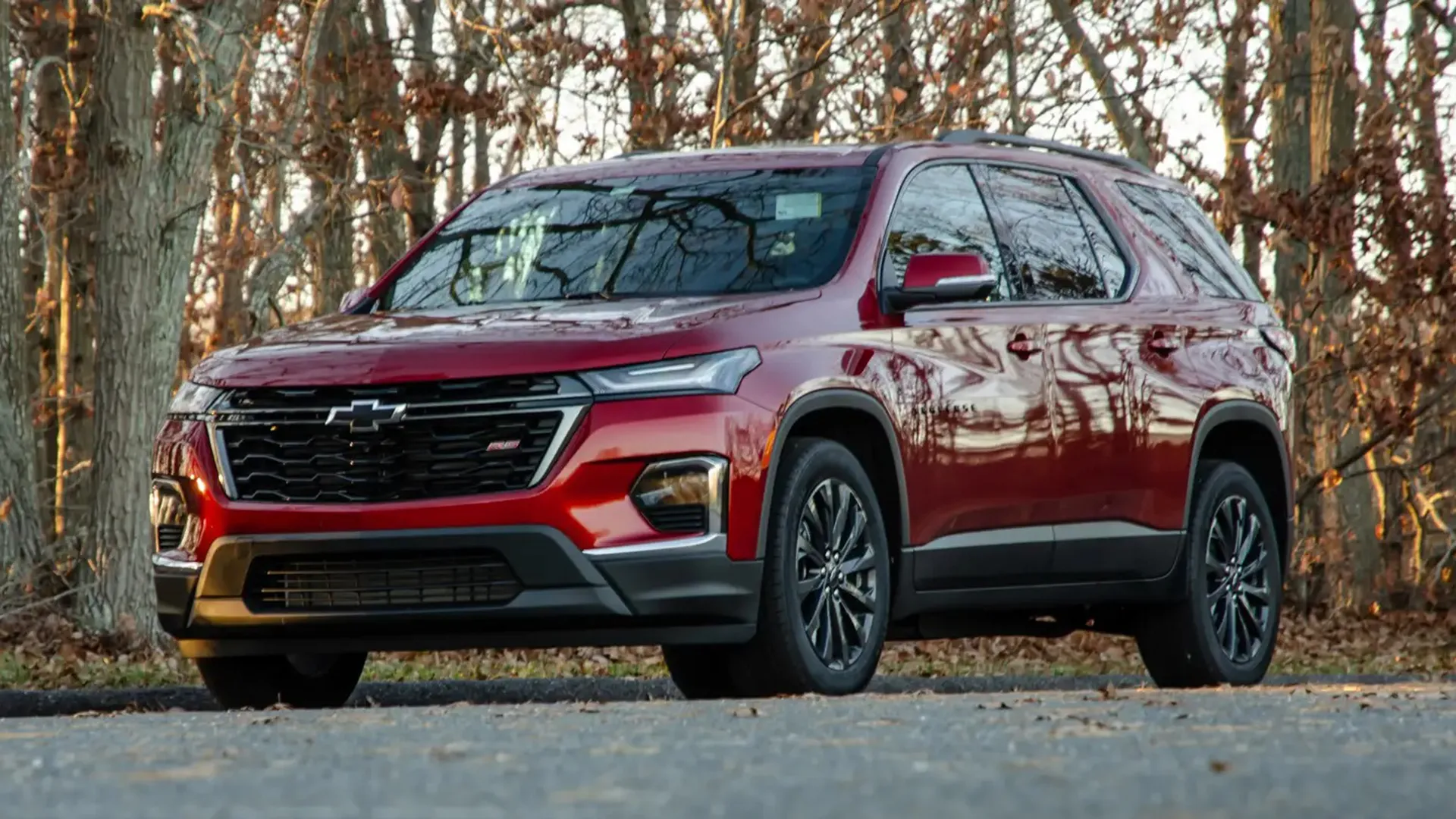
Finding the right vehicle for your family isn’t always simple. You need something comfortable and roomy. Safe, but not boring. Spacious without feeling like you’re driving a bus. That’s where the Chevrolet Traverse comes in. It’s big enough to carry your entire crew and still has the design of a well-rounded SUV that handles daily life smoothly. more If you’re thinking about making a change, looking into a used Chevrolet Traverse in Suffolk County might be the smart move. Used doesn’t mean outdated. This SUV holds up over the years, and its useful features carry through reliably across model generations. Whether you’re planning road trips or just handling school pick-ups, the Traverse checks many boxes for families. Spaciousness and Comfort for the Whole Family One of the biggest reasons families choose the Traverse again and again is space. It’s built to move groups of people comfortably. Whether you’re shuffling between activities, shopping for groceries, or heading out for a weekend in the Catskills, you won’t be short on room. Here’s where the Traverse really makes a difference: It seats up to eight people comfortably across three rows, depending on the model. There’s generous headroom and legroom, even in the third row. Rear seats fold flat, giving you space for gear, strollers, or bags. Wide-opening rear doors make it easier to load car seats or help kids buckle in. Tri-zone climate control keeps everyone riding comfortably at their preferred temperature. The quiet cabin adds to the comfort, especially during longer drives. Many trims include soft-touch materials, and the seats hold up well, even with everyday wear and tear. If you’ve ever juggled wriggling toddlers while trying to load up a trunk full of groceries, a flat-load floor and smart cargo layout won’t go unnoticed. You don’t have to give up comfort just because you need space. The Traverse blends roomy design with features that help busy families get through the day a little easier, no matter where the road leads. Safety Features You Can Rely On Safety matters every time your family gets in the car. Whether you're driving newborns or young teens, having a vehicle that can help protect what matters most brings peace of mind. With the Chevrolet Traverse, even used models deliver features that support safety on every drive. Many late-model used Traverses include: Rear Vision Camera for easier backing out in crowded parking lots Rear Park Assist to help navigate tight spots Rear Cross Traffic Alert to catch movement behind you Lane Change Alert with Side Blind Zone Alert for confident merging Teen Driver technology that lets you set controls and get feedback on young drivers’ habits Whether you're on the highway or in a neighborhood, having that extra layer of support from safety systems makes a difference. Teen Driver tech, in particular, gives parents a way to ease younger drivers into new responsibilities without feeling like backseat nags. But it’s not only about sensors. The Traverse is built with strong materials and a crash-absorbing frame. You’ll typically find multiple airbags placed throughout the cabin and strong braking to support smooth stops. Together, these features provide added confidence every time you get behind the wheel. Versatility and Practicality The Chevrolet Traverse is more than just a big SUV. It’s a flexible, problem-solving tool that fits how your family lives. Whether you’re heading out on a trip or staying close to home, it has the features to keep up with whatever the day brings. A few ways it adapts to your needs: Flexible seating arrangements make room for passengers, sports gear, pet crates, or just about anything. The infotainment system is great for long rides. With smartphone connectivity, your playlists, apps, and calls are all within reach. The multi-zone climate control lets everyone set their comfort level. That means less arguing over the AC settings. Storage compartments are placed throughout the cabin so snacks, chargers, and emergency kits are close by when needed. Whether it’s a weekly schedule full of errands or the excitement of a road trip, having a vehicle that adjusts with ease makes things simpler. From quick grocery runs to all-day excursions, the Traverse won’t slow you down. Affordable and Reliable Choice Buying a family vehicle doesn’t have to mean stretching your budget to the edge. A used Chevrolet Traverse offers a thoughtful balance between affordability and dependable performance, especially for families in Suffolk County looking for long-term value. Here’s why a used option might be right for you: It costs less than new models but still brings plenty of the same features and comfort. Many pre-owned Traverses have low miles and are in excellent physical condition. Durability has been a constant strength in the Traverse line, meaning it’s built to last and doesn't feel out of date quickly. Choosing a pre-owned Traverse doesn’t mean settling. Instead, it allows your family to drive a well-made vehicle while keeping your finances in check. You get a ride that has proven reliability without having to worry about hidden surprises down the road. Drive Home a Used Chevrolet Traverse Today Finding a vehicle that checks all the right boxes can feel like a tough search, but the Chevrolet Traverse makes things easier. It’s roomy without being too large. It’s packed with safety features without feeling complex. It adapts to whatever your day looks like and offers smart long-term value that fits into your financial goals. For families in Suffolk County, it’s easy to see why the Chevrolet Traverse remains such a trusted choice. Whether your plans are about getting through the school week or heading out for a weekend getaway, a used Traverse gives you support, comfort, and confidence every mile of the way. To find the right combination of space, dependability, and comfort for your next ride, take a look at a used Chevrolet Traverse in Suffolk County. From roomy seating to flexible storage, it’s a solid fit for drivers who need more from their SUV. Browse the latest options available through Chevrolet of Smithtown and see which one lines up with your lifestyle.

Chevy

Addressing Chevy Transmission Shifting Problems

If your Chevy has started hesitating between gears, shifting harder than usual, or making strange noises when it downshifts, you’re not alone. Transmission shifting problems pop up more often than many drivers expect, especially around busy roads and stop-and-go traffic on Long Island. A lot of people assume it’ll sort itself out, but ignoring it might just lead to more serious issues later. more Late summer is a time when more drivers are out and about, which means your car is working harder in the heat. Transmission trouble doesn’t care if you're headed to the beach or just picking up groceries. Staying alert to how your Chevy performs and knowing the first signs of trouble can save you a lot of time and stress down the road. Common Transmission Shifting Problems On Long Island Roads Transmission shifting issues can show up in a few different ways, and not all of them are easy to spot at first. For Chevy drivers on Long Island, especially those who deal with varying road speeds and constant stop-and-go traffic, these problems can creep in quietly and get worse over time. Here are some of the most common ones we see: Hard or jerky shifting This is when it feels like your car kicks or jerks every time it moves from one gear to another. It’s not just annoying, it’s often one of the earliest signs that something deeper is going on. Slipping gears If you press the gas and the car revs but doesn't move as fast as it should, that could be a sign that the transmission is slipping. It may move in and out of gears without you doing much. This makes driving tough, especially during lane changes or merging. Lags between gears Ever noticed your car hesitating before it picks up speed? A delay in gear engagement might be to blame. It can happen when you shift from Park to Drive or between lower gears at stoplights. Weird noises when shifting Clicking, whining, or grinding sounds when your Chevy changes gears can point to worn parts inside the transmission. Even if these noises come and go, they’re worth addressing sooner rather than later. These problems can affect both automatic and manual transmissions, though they might feel different depending on the setup of your car. Sometimes, drivers don’t realize that what feels like a small hiccup could actually be the start of something bigger. Catching these early makes it easier to fix before things really break down. Signs Your Chevy Transmission Needs Attention When a transmission starts malfunctioning, it tends to send out signals. While some are easier to spot, others get passed off as small, normal quirks. Learning the signs of a failing or struggling transmission can help you take action before you’re stuck at a green light with a car that won’t move. Look out for these common signs: 1. Delayed response If your Chevy doesn’t move right away after shifting into Drive or Reverse, that's not normal. That delay could be the transmission struggling to engage. 2. Loud or unusual noises Buzzing, grinding, or whining sounds when you're accelerating or slowing down shouldn't be ignored. If it happens most when shifting gears, it could mean internal damage or fluid issues. 3. Grinding between gears This tends to happen more obviously in manual transmissions, but some automatic vehicles will have rough or grinding gear changes. It usually points to worn-out parts or problems with the fluid. 4. Gear slipping A transmission should stay in the gear it's placed in, unless you shift. If it moves out of gear on its own, especially while driving, this needs immediate attention. 5. Fluid leaks Spotting red or brown fluid underneath your vehicle could mean your transmission is leaking. Even small leaks matter because low transmission fluid creates shifting problems and adds long-term wear. People sometimes wait until these issues get worse. But jumping on the first signs is always the smarter route. If you're seeing or feeling any of these on Long Island roads, especially after short drives or hot days, don’t just hope they go away. Getting the problem checked early can help keep things running smooth. Importance of Professional Maintenance Taking your Chevy to a professional for transmission maintenance can't be stressed enough. Some drivers might feel tempted to tackle problems on their own or put them off altogether. However, ignoring transmission issues often leads to bigger headaches and expensive repairs. Professional mechanics have the right tools and experience to diagnose and fix transmission issues effectively. Routine checkups prevent small problems from spiraling into major ones. A skilled technician can spot early signs of trouble you might not see. They can also ensure important parts are well-lubricated and functioning as they should, reducing the risk of breakdowns. When dealing with something as intricate as your transmission, the knowledge and experience of a trained mechanic are invaluable. Regular maintenance doesn't just keep your car running smoothly, it also extends its overall lifespan. In Long Island, with its diverse climate changes and heavy road use, keeping on top of maintenance is even more important. The area's unique conditions put a lot of demands on a vehicle's transmission. Getting a professional involved helps keep your car in top shape, ready for any road conditions it might face. Maintaining Your Chevy Transmission Keeping your Chevy's transmission in great condition doesn't always mean major repairs. A few regular care tips can help. These practices not only ensure a smoother drive but also prolong the life of your transmission. 1. Check your fluid levels Make sure the transmission fluid is at the correct level and appears clean. Regularly checking and topping off fluids can prevent overheating and serious damage. 2. Listen to your vehicle If you notice any unusual noises when changing gears, don't wait. Addressing these early can avoid further issues. 3. Smooth driving habits Avoid sudden starts and stops when possible. Gentle driving reduces stress on the transmission. 4. Schedule regular check-ups Just like people benefit from regular health check-ups, so do cars. Scheduling routine maintenance with certified technicians can catch problems before they require costly repairs. By following these simple steps, drivers can significantly minimize the chances of facing major transmission issues. It's important to remember that these practices aren't replacements for regular professional maintenance checks but work alongside them to keep the vehicle in the best possible condition. Keeping Your Chevy Running Smoothly on Long Island Addressing transmission problems quickly is key to ensuring your vehicle stays reliable. Your car is a big part of your daily life, whether for work, errands, or leisure drives. By paying attention to symptoms early and trusting professionals when issues pop up, your Chevy will continue to run smoothly along the scenic roads of Long Island. Beyond saving money and avoiding breakdowns, proper care gives you peace of mind. Driving should be enjoyable and stress-free. With simple maintenance checks and timely interventions, you'll keep your Chevy in great shape, ready for whatever adventures Long Island has to offer. For Chevy owners looking to prevent transmission issues and keep their vehicle in top shape on Long Island, trust the reliable service at Chevrolet of Smithtown. Take advantage of our expert team and thorough care by exploring how we handle Chevrolet maintenance on Long Island. Your car deserves consistent attention to stay dependable for wherever the road takes you.

Chevy

Getting The Most From Your Chevy's Fuel System

Your Chevy’s fuel system may not be the first thing that comes to mind when thinking about vehicle maintenance, but it plays a big part in how your car performs day to day. Whether you're commuting through Suffolk County traffic, running errands around town, or heading out on road trips, keeping the fuel system working right helps your ride stay smooth, reliable, and efficient. When everything is running how it should, your engine gets the fuel it needs without wasting any of it. more Neglecting this system over time can lead to more than just weak gas mileage. You might notice a loss in engine power, difficulty starting your car, or even unexpected breakdowns. With the late summer heat still hanging around Long Island in August, the extra demand on your engine and fuel system can make existing problems worse. That’s why staying on top of fuel system maintenance matters if you want to keep enjoying your Chevy without surprises. Understanding Your Chevy's Fuel System Your Chevy’s fuel system is made up of a few different parts, all working together to get fuel from the gas tank to the engine. While they each have their job, they rely on each other to keep the car running the right way. Here’s a look at the key parts and what they do: Fuel Pump: This pulls gasoline out of the tank and pushes it to the engine at the right pressure. If the pump is weak or failing, your engine might not get enough fuel. Fuel Injectors: Injectors send the correct amount of gas directly into the engine’s combustion chamber. When they get clogged or dirty, your engine may misfire or run rough. Fuel Filter: The filter catches dirt and debris before the gas reaches the engine. If it’s dirty or clogged, fuel flow slows down, and performance drops. Pressure Regulator: This controls the amount of fuel that reaches the injectors. When the pressure is off, you can see uneven engine performance. Gas Tank: It stores the fuel. While it may seem simple, rust, sediment, or a crack in the tank can cause big issues if left alone. Each of these components is exposed to wear and tear over time. A lot of what they deal with happens out of sight — gunk in the fuel, moisture from the air, or heat from the engine. That's why issues can build up for months before drivers notice anything wrong. An example would be hearing a whining sound from the rear of the car while driving. Most drivers might ignore it, thinking it’s just road noise. But this could be the fuel pump making that sound, trying harder than it should to keep pressure up. Fuel system trouble doesn’t usually show up all at once. By recognizing how these parts work and how they depend on each other, you'll start to spot when something’s off before real damage is done. Signs Your Fuel System Needs Attention There usually aren't any lights flashing to say your fuel system needs help. But your car does send signs. You just have to know what to look for. Here are some common things drivers often notice: 1. Hard starts or no start at all If your vehicle struggles to start — especially after sitting for a while — the fuel pump or injectors might be the issue. Sometimes, it starts but takes longer than usual. Or it tries and fails. 2. Poor gas mileage Burning more fuel than normal is a big red flag. If you find yourself filling the tank a lot more often without changing driving habits, something isn’t right. 3. Loss of power while driving or climbing hills When your Chevy doesn’t respond like it used to when you hit the gas pedal, it often means not enough fuel's getting through. 4. Stalling Random stalls, particularly when idling or slowing down, often point back to the fuel pump or injectors. If your engine dies after running fine all day, check the fuel system. 5. Unusual noises A high-pitched whining or buzzing sound from the rear of the car can be your fuel pump working harder than usual. It's not always loud, but it's often steady. 6. Check engine light While the light can point to dozens of things, one possible reason is a problem in the fuel system, especially with the injectors or emissions. The longer these problems go unnoticed or ignored, the more damage they can cause. Fuel pumps can burn out, injectors can fail altogether, and a small clog can turn into a full breakdown. And when you’re dealing with hot weather, summer traffic, and long waits in Suffolk County, that extra stress doesn’t help. Catching these signs early makes it far easier and safer to fix the issue without big repair bills down the road. Benefits of Professional Fuel Pump Service Having a professional service your fuel pump comes with clear benefits. Regular service ensures that the pump is doing its job efficiently, avoiding unexpected failures that can leave you stranded on the side of the road. Experienced mechanics have the tools and know-how to spot issues early and handle them correctly. This means they can perform a thorough inspection, clean or replace parts when needed, and keep the system running smoothly. Professional service centers on Long Island are familiar with common issues specific to the area. They understand how local weather, like humidity and salt from the coastal air, can affect vehicle components. They’re prepared to address these challenges with knowledge and quality parts built for your Chevy model. This kind of care can extend the life of your vehicle, improve how it performs on the road, and give you peace of mind while driving. Trusting professionals also means you don’t have to guess what’s wrong or end up replacing parts that didn’t need replacing in the first place. Skilled technicians save you time and money, while keeping your Chevy safer and more reliable for the road ahead. Tips for Maintaining Your Chevy's Fuel System Keeping your Chevy's fuel system in good shape doesn’t have to be complicated. Here are some practical tips to help you: Use quality fuel Fill up at reputable gas stations where you know the fuel is fresh and clean. It lowers the chance of harmful dirt or moisture getting into your tank. Monitor your tank level Avoid driving on empty. Letting your fuel level stay too low stirs up sediment at the bottom of the tank, which can clog filters and lines. Schedule regular check-ups Set reminders to have your vehicle looked at by professionals. They can catch small issues before they get worse. Consider seasonal check-ups Long Island's changing weather can affect fuel system parts. Before a cold winter or hot summer, it’s a good idea to get everything inspected. Replace filters regularly Fuel filters help keep dirt and debris from entering the engine. Replacing them on schedule is one of the easiest ways to protect your fuel system. These small habits go a long way. You get better gas mileage, fewer surprises on the road, and a smoother ride every time you hop behind the wheel. Keep Your Chevy Running Smoothly Maintaining the fuel system is one of the smartest ways to keep your Chevy dependable on Suffolk County roads. Knowing how its parts work, learning the signs of trouble, and getting help from professionals when needed makes a big difference. Whether it’s your fuel pump, filter, or injectors, proper care helps you avoid the headache of long-term damage or surprise repairs. Every mile counts, whether you're driving to work, picking up groceries, or heading out east for the weekend. Staying on top of fuel system maintenance helps your Chevy perform at its best and lasts longer. Regular service adds confidence every time you turn the key. Ready to keep your Chevy in top shape? Rely on our certified team for the best care. For expert Chevy fuel pump service on Long Island, drop by Chevrolet of Smithtown. Our knowledgeable staff is here to help maintain your vehicle so it runs smoothly for years to come.

Chevy Tahoe

Common Problems With Used Chevy Tahoe Transmissions

The Chevy Tahoe has long been known for its size, power, and durability. It's a popular choice in places like Suffolk County where families and businesses alike need dependable performance. But like any vehicle that sees years on the road, used Tahoes can experience some wear and tear, especially when it comes to the transmission. Knowing what to look out for can make a big difference in maintaining your Tahoe's performance and helping you feel confident behind the wheel. more Understanding common transmission issues isn’t just for mechanics. If you own or are thinking about buying a used Chevy Tahoe in Suffolk County, having a general idea of what can go wrong with the transmission could keep your costs down and your drives hassle-free. Whether it’s small warning signs or bigger problems that need immediate attention, staying informed helps you avoid delays and breakdowns at the worst times, like heading out east on a weekend or navigating summer traffic through town. Transmission Slipping One of the more common issues with older Tahoes is transmission slipping. This happens when the gears don't stay locked in properly or when the vehicle suddenly changes gears on its own. You might notice a delay when shifting between gears or that your Tahoe revs without gaining speed like it should. Transmission slipping can make your drive feel off. Here are some symptoms drivers tend to notice: Sudden changes in RPM without pressing the gas harder Hesitation before the gear engages A slipping sensation while accelerating Odd noises like whining or grinding when shifting Several things can lead to this problem. Low or dirty transmission fluid is often the simplest cause, and keeping your fluid clean and at the right level is step one. But there could also be issues with the transmission bands or solenoids that need more in-depth work. If you’re experiencing slipping regularly, avoiding traffic or long drives won’t solve the problem. A certified technician should look things over, especially before the damage spreads and leads to more expensive repairs. Think of transmission slipping like riding a bike with a loose chain. No matter how fast you pedal, you won’t get the traction you need. Just like that bike needs a tightened chain, your Tahoe might need an adjustment or a more serious fix to get back to running smooth. Hard Shifts Another issue that can crop up in used Chevy Tahoes is hard shifting. This is when your vehicle makes jerky or rough movements during gear changes. It can feel like your SUV is slamming into gear instead of shifting smoothly. Many drivers will first notice the problem when they: Shift from park to drive or reverse Accelerate from a stoplight Drive up hills or inclines Slow down to make a turn Hard shifting doesn’t mean your Tahoe is beyond help, but it can be uncomfortable and even damaging if ignored. These rough shifts can cause long-term wear on other parts of the drivetrain and are often signs of deeper issues. Worn-out or damaged transmission mounts, problems with the torque converter, or faulty sensors can be behind it. When shifts don’t feel smooth, it’s smart to get things checked early. Waiting too long might lead to repairs that impact not just comfort, but also safety and reliability. In a place like Suffolk County where daily routes can vary between quiet backroads and busier highways, you want your transmission to respond the way it should every time. Transmission Fluid Leaks Transmission fluid leaks can spell trouble for your Tahoe and can happen more often than you’d like in older vehicles. Spotting a leak early can save you time and money, but first, you need to know what to look for. Typically, transmission fluid is bright red with a slightly sweet smell. These clues help you identify a leak with less guesswork. If you see red fluid under your Tahoe after it’s been parked, it’s time to take a closer look. Common areas to check for leaks include: The underside of the transmission pan Around the gasket From the fluid lines Near the seals and plugs Acting quickly on fluid leaks is key because this fluid is responsible for cooling and lubricating internal parts. When your truck doesn’t have enough of it, the transmission has to work harder under more heat, which leads to wear. Get a technician to inspect the leaking area and diagnose the root of the problem. Ignoring it turns what could be a simple fix into a more expensive job. Overheating Transmission When transmission parts overheat, they can wear down or warp faster than normal. An overheating transmission is usually linked to fluid issues, cooling system trouble, or driving conditions that push the vehicle too hard. In a busy area like Suffolk County where you could be towing a trailer, sitting in traffic, and then cruising on the highway all in a single afternoon, your Tahoe’s transmission can take on a lot. One of the most noticeable signs is if your transmission begins to steam or you catch a strong burnt smell while driving. That’s a clear warning to pull over and let things cool down. If left untreated, overheating can cause permanent internal damage. Burnt fluid loses its cooling and protective effects, which only speeds up further damage. Consistent overheating can even result in total transmission failure. That’s why watching your fluid levels, the fluid’s condition, and overall cooling system are so important to avoid repeat problems. To help prevent overheating: Regularly check your transmission fluid level and color Don’t tow or haul more than your vehicle’s rating Ask about adding a transmission cooler if your Tahoe is used heavily If overheating happens more than once, don’t wait. Getting a full inspection is the best way to pinpoint what’s going on before things get worse. Keeping Your Used Chevy Tahoe in Top Shape The transmission problems mentioned above don’t always mean the vehicle is nearing the end of the line. In fact, catching and fixing them early is what keeps used Chevy Tahoes reliable and road-ready. By paying attention to warning signs and getting professional help when needed, you cut down the risk of major repairs or unexpected stops in your schedule. Routine maintenance goes a long way. From fluid changes and inspections to making sure coolers and filters are doing their job, small steps help preserve your Tahoe’s performance. The transmission is one of the most important systems in your vehicle. If it’s well taken care of, your SUV has a much better chance of living up to its name for strength and reliability. Drivers in Suffolk County know the value of dependable transportation. Whether you’re heading to work, loading up for a weekend, or getting the kids to school, your Chevy Tahoe plays a big role in daily life. Keeping it running right should always be part of the plan. Take the next step to ensure your vehicle remains reliable and ready for the road. Whether you're dealing with transmission issues or just want to keep your Tahoe in great condition, our service team is here to help. Learn more about caring for a used Chevy Tahoe in Suffolk County and how regular maintenance can improve performance and extend its life. Trust Chevrolet of Smithtown to keep your Tahoe running smoothly for years to come.

Chevrolet Spark

The Spark As Your City Companion

City life in Suffolk County can move quickly, and having the right car helps make things smoother. If you're looking for something smart, compact, and easy to drive, the Chevrolet Spark checks all the boxes. It’s small enough to park just about anywhere but still gives you enough space inside to stay comfortable. more For local drivers who are always on the go—crossing towns for work, quick errands, or weekend hangouts—the Spark fits into the rhythm of daily life. It's designed for short city drives, without the bulk that gets in the way. A used Chevrolet Spark in Suffolk County gives drivers a blend of convenience, space, and smart design to move through their lives with less hassle. Meet Your Ideal City Companion Suffolk County has plenty of busy intersections, surprise U-turns, and parking spots that seem built for scooters, not cars. A nimble car can make the difference between stressing out in traffic or gliding through it. That’s where the Chevrolet Spark becomes such a good fit. This compact car keeps things tight but smart. Its short frame and slim design let you fit into those oddly shaped parallel spots without needing multiple tries. Whether you’re aiming for a tight space near the train station or slipping into street parking close to your favorite lunch spot, the Spark holds its own and then some. Even though it’s small, the Spark doesn’t skimp on interior space. You get smart storage areas, easy-to-reach controls, and more headroom than you'd think. Drivers and passengers alike can ride comfortably, whether it's a 10-minute trip or a half-hour drive to a meetup. That blend of size and thoughtfulness gives it a smooth edge for anyone who’s navigating Suffolk County every day. Navigating Urban Roads With Ease Anyone who's driven around Suffolk County knows that city driving means more than just navigating traffic lights. There are pickups and drop-offs, one-way detours, and double-parked cars blocking lanes. The Chevrolet Spark thrives in these conditions, giving you a more relaxed drive during even the busiest parts of your day. Here’s what makes it handle so well in the city: 1. It turns with ease, making winding turns and narrow alleys less frustrating. 2. Its compact body slides perfectly into tight parking spots and small driveways. 3. The steering feels responsive, helping you stay in control even in sudden stop-and-go traffic. These features go a long way when you’re heading across town for groceries or looping the block near school pickup lines. A car like this simply takes the edge off. You don’t feel like you're working against it, and that freedom adds comfort to your daily routine. You're not wasting time trying to realign for the fifth time in a tough parallel space, and you won’t feel like you're driving a vehicle that's too much for your local roads. The Spark matches up well with Suffolk County’s quick turns and mixed road styles. Fuel Efficiency for City Driving A big part of city driving involves stoplights, short trips, and slowing down just when you get up to speed. These patterns burn a lot of fuel in some cars, but the Chevrolet Spark handles it with care. This car sips fuel instead of draining it. This means less time and money spent at gas stations and more freedom in your schedule. You’ll notice the savings over time. Whether it's a Monday morning work trip or a weekend grocery run, the Spark keeps your tank fuller for longer and your wallet happier. You may not even think about fuel efficiency when you first start driving it, but over time, it shines through. If you're making several short drives on the same day, you won’t feel like you’re running on empty just hours later. That kind of long-lasting efficiency is perfect for Suffolk County's specific driving style, where distances are short but frequent. Comfort and Connectivity Underneath the Spark’s helpful design is a surprisingly cozy and connected experience for drivers. Just because it’s a small car doesn’t mean comfort and features are left out. The seating is laid out smartly, offering enough space and support whether you’re sitting in traffic or heading to a weekend picnic. You’ll also find well-placed interior details that make a difference. The materials feel pleasant, buttons and dials are where you'd expect them, and small touches go a long way toward a more enjoyable ride. On the connectivity side, the Spark is no slouch. It comes with an available touchscreen system that doesn’t require a tech expert to operate. You can sync your smartphone easily to take calls, play music, or use apps for directions and more. Whether heading out for a beach day or checking in before a meetup, everything feels just a tap or voice command away. These features make it easier to stay on task or unwind a little while getting around. You don't need to give up tech and comfort just because you opted for a practical car. Affordable and Reliable One of the key reasons local drivers turn to the Chevrolet Spark is its cost. A used Spark holds value well and gives you plenty without draining your savings. It’s priced reasonably from the start, making it a top pick for people looking to stick to realistic budgets. Keeping it on the road also won’t break the bank. The Spark’s build is sturdy, and maintenance is generally light. You won’t be left with massive repair bills every few months, which makes a big difference over time. With fewer mechanical surprises, you can drive knowing things are likely to stay on track. It also doesn't take a lot of upkeep to stay that way. From oil changes to filter swaps, owning a Spark is straightforward. This makes it ideal for those who want to get from one place to another without the worry of ongoing service costs. For people in Suffolk County who depend on their car every day, that dependability really counts. Drive Around Suffolk County with Confidence Suffolk County offers a mix of driving experiences, from downtown loops to errands across suburb neighborhoods. The Chevrolet Spark fits into all of it, keeping things smooth and simple while still giving you a bunch of helpful features along the way. It’s got what drivers need to stay confident on the road: ease of handling, strong gas mileage, solid comfort, and just the right amount of tech. Whether you're heading to a favorite lunch spot, the train station, or just making your way to work, this small car delivers. The Chevrolet Spark stands out as a smart, practical option. It's the kind of daily vehicle that takes pressure off the road and adds ease to everything you do. For Suffolk County drivers who want to feel in control, stay comfortable, and keep costs down, the Spark makes a lot of sense. Considering the unique needs of driving around Suffolk County, a used Chevrolet Spark offers the perfect balance of functionality and economy without compromising comfort and style. If you're ready to explore your options and find the right fit for your daily drives, take a look at our current inventory of used Chevrolet Spark in Suffolk County. Chevrolet of Smithtown is here to help you enjoy every trip with confidence and ease.

Chevy

Solutions For A Noisy Chevy Belt System

A noisy belt in your Chevy isn't just annoying — it could be a sign of a bigger issue. That high-pitched squeal or steady whining sound under the hood might seem small at first, but ignoring it can lead to more serious problems later. Belts play a big role in how systems like the alternator, power steering, and AC function. When one of them is even slightly off, it can throw off the performance of your entire vehicle. more Late summer driving in Suffolk County puts extra stress on your car, especially with added traffic, weekend trips, and the heat. If your Chevy’s belt system is acting up, now’s the right time to take action. Whether it’s slipping, stretched, or just plain worn out, a noisy belt means repairs shouldn’t be delayed. If you wait too long, you might be dealing with a bigger — and more expensive — repair down the road. Common Symptoms Of A Noisy Belt When your Chevy starts making noise under the hood, it's trying to tell you something. Belts can get loud once they're past their prime, and each sound points to a possible issue. These are some of the most common warning signs you should know about: Squeaking or chirping: This tends to happen right after starting the engine, especially when it’s cold out. That noise could mean the belt is loose, dirty, or worn. Whining or humming: A steady sound while driving may be the result of a belt that’s too tight, stretched, or misaligned. Squealing during acceleration: A slipping belt is usually the culprit here — either it’s not under enough tension or the surface has become glazed. Visible wear and tear: Even if your belt isn’t making noise yet, visible cracks, frays, or shiny patches are signs that replacement is needed soon. Think about pulling out of your driveway and hearing a high-pitched squeal right as you shift into gear. That sound often means there’s friction in the belt system. If ignored, the belt could snap and leave you stranded. These sounds might be annoying, but they’re actually helpful clues. Giving them attention now can help you avoid a bigger problem later. Causes Of Belt Noise Understanding where the noise is coming from can help you get right to the source of the problem. Most belt noise comes from four main causes that often show up with regular wear and driving conditions. 1. Worn-out or damaged belts: Over time, belts made of rubber and other flexible materials harden, crack, or lose their grip. Tropical humidity, heat, and long mileage can speed up the damage. 2. Misaligned pulleys: Pulleys are supposed to guide the belt smoothly. But when they’re crooked or not aligned right, friction increases and squeaks or chirps are more likely. 3. Tension problems: Belts work best under the right amount of pressure. If tension is too tight, it can pull parts out of alignment. If tension is too loose, you’ll be dealing with slippage and squealing. 4. Contaminants: Dirt, oil, water, and other grime can collect over time and get in the way of how the belt functions. Slippery buildup often leads to noise when the belt loses its grip. Road dust, oily engine parts, and everyday wear all take a toll. The good news is, knowing where to look can help you deal with the noise before things get worse. Solutions And Preventive Measures Preventing belt problems before they start is one of the easiest ways to lower your chances of future car trouble. These smart steps make a big difference in performance and peace of mind. 1. Regular inspections: Get used to checking your belt every few months, especially before and after the hotter seasons. Look for cracks, frays, or shine. 2. Proper alignment: Pulleys should be aligned properly across their full length so the belt moves smoothly. Misaligned pulleys create uneven friction, which causes damage fast. 3. Tension checks: The belt needs to be tight — but not too tight. If it’s sagging or stretched, it won’t grip the pulleys right and may slip. Readjusting tension or replacing a stretched belt early can save time and money. 4. Clean surroundings: It helps to keep your hood area free from heavy buildup. Excess grime, leaves, and sprayed engine oil can all affect how the belt runs. Wipe things down during regular maintenance or after large weather shifts. Even when you aren’t hearing anything strange now, following these steps can help prevent unexpected issues. Taking a few minutes every so often to inspect the belt and surrounding components could keep things running smooth down the road. Services Offered By Chevrolet Parts Department On Long Island If you’re dealing with belt noise or belt damage, heading to the experts helps keep things simple and stress-free. The Chevrolet parts department on Long Island offers high-quality solutions that are built to fit your specific Chevy model. Original equipment manufacturer (OEM) belts are made to match factory standards, which helps with performance and longevity. Pair that with expert installation and you’ve got a combination that holds up over time. The right part not only fits better but also gives fewer problems later on. If you’re not sure whether it’s time to change your belt yet, getting a professional inspection is always a smart move. With trained technicians who know Chevy inside and out, you’ll get answers fast and avoid damage that spreads to more expensive parts of your vehicle. Why Acting Now Helps Your Chevy Later Belt noise isn’t something that fixes itself over time. In fact, it usually gets worse. Taking time now to get your Chevy checked is a simple way to dodge more expensive trouble later. Whether you’ve noticed squealing, humming, or jerky responses from one of your systems, tackling the issue today gives you peace of mind tomorrow. Waiting too long can risk more than just noise — a failed belt can shut down your alternator, AC, or power steering. Don’t let a small sound turn into a major issue. Listen early, act quickly, and visit professionals who know how to keep your Chevy at its best. If you’re hearing belt noise or noticing signs of wear, trust the team at Chevrolet of Smithtown to help you get ahead of the problem. The Chevrolet parts department on Long Island offers high-quality, genuine components made to fit your vehicle, along with expert insight to keep your Chevy in great shape.

Chevy

Understanding Your Chevy's Warning Lights

Driving a Chevy is usually smooth sailing, but when a warning light pops up on your dashboard, it can feel like your car is speaking a different language. These lights are designed to grab your attention, but not all of them mean there’s a major issue. Some are simple reminders, while others are alerting you to a problem that shouldn't wait. Either way, knowing what your vehicle is trying to tell you makes a big difference in how you respond. more Whether you're commuting through Long Island traffic or heading out for a weekend getaway, understanding your Chevy’s warning lights gives you a better sense of control and confidence. Let’s break down what some of the most common dashboard lights mean, why they come on, and what steps you should take when they do. Common Warning Lights And Their Meanings Your Chevy's dashboard lights are meant to keep you informed about the condition of your vehicle. While each light is tied to a different system, there are a few you’re more likely to see pop up. Knowing how to respond to them can help prevent bigger problems later on. Here are some common dashboard warning lights and what they typically signal: Check Engine Light: This is one of the most familiar warning lights. It can mean anything from a loose gas cap to a serious engine problem. If the light is flashing, stop the vehicle and have it checked immediately. If it’s solid, you can keep driving but should schedule a service appointment soon. Brake Warning Light: If this light turns on, check that the parking brake is fully released. If it stays on or turns on while you’re driving, it could indicate low brake fluid or a potential issue in the braking system. Battery/Charging Alert: This light shows a problem with the battery or charging system, such as the alternator or voltage supply. Electrical components could be affected, so it’s best to have it inspected soon. Oil Pressure Warning: This could mean your engine isn’t getting enough oil. Stop in a safe place, turn off the car, and call for service. Ignoring this light can lead to engine damage. Tire Pressure Monitoring System (TPMS): This light signals that one or more tires are under-inflated. Fluctuations in temperature, especially during Long Island’s colder months, can make this light come on. Check and adjust the tire pressure accordingly. When any of these lights appear, staying calm helps. Make sure you're in a safe location, then use your owner’s manual to get more details. Some issues are urgent, while others give you time to plan for service. Either way, it’s best not to ignore them. Addressing a small issue can help you avoid major repairs later. The Importance Of Timely Chevrolet Sensor Replacement On Long Island Every Chevy today is packed with sensors. These tiny parts constantly collect data and communicate with your car’s onboard systems to keep things working properly. When something isn’t right, one or more of those sensors will trigger a dashboard light to let you know. A check engine light, for example, may be caused by a faulty oxygen sensor. It’s tempting to put off repairs, but ignoring worn or broken sensors can lead to larger problems. Something as small as a sensor controlling your fuel mixture can affect your fuel economy and engine performance over time. The type of driving common on Long Island – a mix of highways, local roads, and heavy stop-and-go traffic – puts vehicles under a lot of strain. Reliable sensors play a big role in helping the engine run smoothly and efficiently in those conditions. If those sensors misread a system or fail entirely, the result can be more than just inconvenience. Addressing these issues early can help your car stay on the road longer. Getting faulty sensors replaced quickly is the better choice. It’s work best left to professional technicians who understand how to properly diagnose sensor issues using specialized equipment. That way, you can trust the job’s done right and avoid further headaches down the line. Tips For Handling Warning Lights No one enjoys that moment when a warning light appears on the dash. But knowing what to do when it happens can help you stay confident and safe. Here are some straightforward tips to help: 1. Stay Calm and Find Safety: If a light comes on while you're driving, don’t panic. Pull over to a safe spot if needed and assess what’s going on. 2. Check the Manual: Your Chevy’s owner’s manual has a section for dashboard warning symbols. This can help you immediately understand the situation better. 3. Pay Attention to Other Clues: Is your vehicle acting strange? Are there strange sounds, odd smells, or changes in how it feels when you drive? These details can help a technician diagnose the issue faster. 4. Get Help from Experts: If you’re not sure about a light, or if it stays on even after you've tried a basic check, schedule service with a certified technician. A full inspection could prevent surprise repairs in the future. It’s good to stay alert, but it’s even better to know where to turn for help. Minor dashboard warnings left unchecked can evolve into serious vehicle damage. How Regular Maintenance Can Help Prevent Warning Light Issues Preventive care is one of the most effective ways to stay on top of potential dashboard alerts. Keeping on top of routine maintenance ensures your vehicle gets regular inspections that can catch things before lights turn on in the first place. Regular oil changes, tire rotations, fluid checks, and brake service are more than simple checkups. They keep your vehicle performing well and reduce the chance of faults that might trigger dashboard lights. Following your manufacturer’s recommended maintenance schedule is one of the best things you can do for your Chevy’s health. During routine inspections at Chevrolet of Smithtown, our technicians also check on sensor performance. This proactive check is helpful in spotting sensors that may soon need attention. Catching a failing sensor before it sends off warning signs keeps your day-to-day driving hassle-free. By building a habit of regular maintenance, you're investing in your Chevy’s future. It’s a small amount of time in the shop that can save you from much larger problems later. Stay Safe with Professional Help from Chevrolet of Smithtown Dashboard warning lights shouldn’t be ignored, but they also don’t have to turn into a source of stress. Staying informed about what your Chevy is trying to tell you keeps you in control, especially when driving through Long Island’s busy roads or enjoying a peaceful weekend trip. If a light does pop up and you’re left guessing, it's always smart to have professionals take a look. The team at Chevrolet of Smithtown has the tools and knowledge to sort out the problem, explain what’s happening, and fix it the right way. From sensor replacements to regular maintenance, we help keep your Chevy dependable and ready for your next drive. Taking care of your Chevy with timely sensor replacements keeps it running smoothly across the diverse roads of Long Island. For expert service and support, count on Chevrolet of Smithtown. To keep your vehicle performing at its best and prevent future dashboard alerts, learn more about Chevrolet sensor replacement on Long Island. Prioritizing regular maintenance means fewer surprises and a smoother ride every time.

Chevy

What To Do When Your Chevy Won't Start

You're running late for work or getting ready for a weekend trip, and suddenly your Chevy won’t start. It’s frustrating, and that moment of silence after turning the key can make your stomach drop. Whether the lights come on but the engine doesn't crank, or everything seems completely dead, it's a situation no driver wants to face. Vehicles are supposed to take you where you need to go, not leave you stuck in a parking lot or driveway. more Getting your car started again depends on understanding what’s going wrong. There are a few usual suspects when your Chevy won’t turn over, and most of them can be identified with basic observation. Knowing where the problem might be is the first step. If you're in Suffolk County and experiencing this, it's a good time to get your vehicle looked over by someone who knows what they’re doing. Common Reasons Your Chevy Might Not Start Before jumping to conclusions, it's helpful to know the most likely reasons a vehicle won't start. It can be something small, like a low battery, or something more complex under the hood. Here’s a look at the most common trouble areas: Battery Problems: This is often the most straightforward cause. A dead battery can happen when lights are left on or when the battery is just old. You might notice dim headlights or no response from your dashboard. Even if the lights work, the battery might not have enough power to start the engine. Corrosion around the terminals can also block the battery connection and keep power from getting where it needs to go. Starter Trouble: The starter gets the engine turning. If it fails, you may hear a clicking noise when you turn the key, but the engine won’t come alive. In some cases, you might not hear anything at all. A worn-out starter motor or a bad solenoid could be the reason. Fuel System Issues: If your engine isn’t getting fuel properly, it won’t start. This could be because of an empty tank, a clogged fuel filter, or a bad fuel pump. If the engine cranks but never catches, fuel problems are worth checking. Ignition System Problems: There’s a chain of events that begins when you turn the key. If something disrupts that process, like a worn ignition switch or bad spark plugs, your Chevy might stay silent. If the dashboard stays dark or you had some stalling before the car stopped working altogether, the ignition system could be at fault. In late summer, especially in areas like Suffolk County, battery wear tends to be more common due to prolonged heat exposure. Higher temperatures can cause batteries to weaken faster than expected, sometimes with no warning signs. Understanding how each part plays a role in starting your engine helps narrow down what could be wrong. From there, reaching out to a qualified professional is the quickest way to fix the issue and get back behind the wheel. Troubleshooting Tips When your Chevy won’t start, there are a few things you can check to get some quick answers. Going through each possible issue can point you in the right direction. Check the Battery: Take a look at the battery first. Is there buildup or corrosion on the terminals? If so, gently cleaning that off might help improve the connection. Make sure the wires are securely attached. If you have a voltmeter, test the battery’s charge to see if it’s strong enough. Listen for Clicking Sounds: Turn the key and pay attention. If you hear a clicking noise but no engine movement, the starter might be involved. That clicking usually means the solenoid is working but the starter motor isn’t. Fuel Level and Quality: Double check your gas tank to make sure there’s fuel. It happens more often than you’d think. If you’ve just refueled and the trouble started afterward, contaminated gasoline might be the cause. Inspect Spark Plugs: Worn spark plugs won’t spark the air and fuel mixture, which prevents your engine from starting. If they look dirty, cracked, or worn, replacing them could improve performance. Go through these steps slowly. Rushing can make you miss an important sign. If the issue isn’t obvious, it might be time to bring your Chevy in for a full inspection. When to Call a Professional Sometimes the issue runs deeper than a battery or loose wire. Knowing when to reach out for professional help can save you time and prevent further damage. If you’ve tried the basic troubleshooting steps and still can’t get your Chevy started, or if you’re hearing strange sounds, smelling fuel, or noticing flickering dashboard lights, those are signs of bigger problems. Here’s what to watch for: 1. No sound or only clicking even after multiple tries. 2. No clear cause identified after checking the battery and fuel. 3. Engine starts inconsistently or stalls shortly after turning on. These are cases where certified technicians can run proper diagnostics and catch things not visible from a simple glance. Keeping your car in good condition year-round can help avoid these problems in the first place. A professional can spot warning signs early and ensure you’re covered before your car refuses to move again. Keeping Your Chevy in Top Condition A smooth-running Chevy is no accident. It takes consistent care and service to keep everything working together. Here’s how routine upkeep can help you avoid issues like a no-start problem. Regular Maintenance: Be sure to follow your vehicle’s maintenance schedule. Oil changes, filter replacements, and tire checks all support your Chevy’s overall health. Battery Care: Heat and cold both affect battery life. Keep terminals clean and have your battery tested once in a while, especially before seasonal changes. Fuel System Maintenance: Periodic fuel treatments or inspections can prevent blockages that keep fuel from reaching the engine. Professional Inspections: Having experts look at your vehicle regularly allows them to catch small problems you're likely to miss. Trained technicians can test components more accurately and make sure your Chevy is safe and ready for the road. By paying attention to the signs and setting a schedule for service, you're putting your Chevy in the best position to perform whenever you need it. Get Back on the Road with Chevrolet of Smithtown When your Chevy refuses to start, it’s more than just an inconvenience. It interrupts your plans and adds unnecessary stress. The sooner the issue is handled by someone who understands your vehicle, the better. At Chevrolet of Smithtown, we know the local conditions in Suffolk County that affect your car’s performance. From unexpected battery wear in the summer to fuel system concerns, our team brings experience and reliable solutions to every diagnosis. Whether it’s your first visit or your tenth, we treat every Chevy with care and every driver with respect. Let our professionals help you get back on the road safely and with confidence. Make sure your Chevy is always ready to roll by staying on top of regular maintenance. Whether it's a routine check or a deeper issue under the hood, you can count on expert care from a Chevrolet dealership in Suffolk County. Trust Chevrolet of Smithtown to provide the dedicated service your vehicle deserves.

Chevy's Steering Wheel

Strange Vibrations From Your Chevy's Steering Wheel

If you’ve been driving around Long Island and noticed a strange vibration coming from your Chevy's steering wheel, you’re not alone. It might start as a slight shaking you feel at high speeds or maybe when you're slowing down. It could even show up during regular trips around town. Either way, it’s not something you want to ignore. Weird movements like that are usually your car’s way of saying something’s off. more Driving with a vibrating steering wheel isn’t just annoying. It can be risky, too. It affects how safely your vehicle handles, especially on long drives, crowded streets, or during quick turns. More importantly, what feels like a harmless shake could come from parts that are wearing out or already damaged. Paying attention to these early signs keeps you safer and could help avoid more complicated issues later. Common Causes Of Steering Wheel Vibrations Vibrations can come from several parts of your Chevy. Some are easy fixes, and others need a deeper look under the hood or below the wheels. One of the most common culprits is misalignment. If your suspension or wheels aren't properly aligned, your whole ride can feel off. Your tires may pull slightly in one direction, and the steering wheel wiggles more than it should. This is where a Chevy alignment service on Long Island becomes really important. Uneven alignment makes it harder to drive in a straight line, especially at higher speeds. Other common drivers of steering wheel vibration include: Tire imbalance. If your tires aren’t evenly balanced, especially after new ones are installed or rotated, they can cause shaking. This is often felt more the faster you drive. Worn-out tires. When your tires wear down unevenly or have bald spots, that irregular surface transfers vibrations right up the steering column. Brake system issues. If your wheel shakes mostly when braking, warped rotors could be the reason. Over time, brake rotors can get uneven, and that bumpiness shows itself through the steering wheel. Suspension wear and tear. Loose or worn suspension parts like ball joints, tie rods, or control arms can lead to small but noticeable vibrations while driving, especially if you hit rough patches or potholes. It's not always easy to pinpoint the cause by feel alone, but being aware of these signs helps you describe the problem to a professional faster. The Role Of Alignment In Ensuring Smooth Steering Classic roads and coastal routes around Long Island are beautiful but not always smooth. That makes vehicle alignment something worth paying attention to. When alignment is off, your Chevy may start pulling to one side. You might notice the steering wheel sitting slightly off-center even though you're driving straight. On top of that, uneven tire wear becomes more noticeable the longer you go without service. Alignment doesn't only impact tire life. It plays a big role in how well your Chevy handles. A misaligned vehicle forces the engine and suspension to work harder. That can lead to poor fuel use, reduced comfort, and a less stable ride. Here are a few signs that might mean you need a Chevy alignment service on Long Island: Your car pulls sharply or subtly to one side when you're not turning The steering wheel sits crooked even when driving straight You feel a shake or vibration in the steering at high speeds Tires show uneven wear patterns, especially on the inner or outer edges You recently hit a big bump, pothole, or curb with noticeable force Sticking to regular alignment checkups keeps your driving experience smooth and safe. It also helps preserve your suspension and tires, two parts that tend to wear faster when alignment is off. Making sure everything stays in line saves time, money, and stress down the road. When To Seek Professional Help There comes a time when a vibrating steering wheel needs more than a quick check. Knowing when to call in the experts can save you from future headaches. If you're feeling the shake more frequently or during specific actions like braking or accelerating, that signal should not be ignored. Vibrations that increase over time usually mean something is getting worse, not better. Here are a few more signs you should be on the lookout for: Persistent vibrations that don’t go away after tire rotation or air checks New or unusual noises coming from the steering system Steering feels rough or hard to control You notice changes in vehicle handling, especially during turns Turning to a professional ensures your car gets the right fix the first time around. Experienced mechanics can spot problems hidden beneath the surface. Also, with their tools and training, they tackle issues without causing further damage, which DIY fixes might risk. At Chevrolet of Smithtown, we specialize in diagnosing and repairing alignment-related issues for Chevy vehicles. Our experienced team handles everything from alignment to tire inspection and suspension checks. Preventative Measures To Avoid Future Vibrations Keeping your steering wheel vibe-free doesn’t stop at a single fix. Regular maintenance becomes your first line of defense against recurring problems. A few simple steps can keep those annoying shakes at bay and your drive feeling smooth. Here’s how to stay ahead of it: Schedule regular alignments. This helps prevent the uneven tire wear that often leads to steering wheel vibrations. Inspect tires frequently. Check them monthly for wear and pressure levels. Properly inflated tires last longer and perform better. Rotate tires every 5,000 to 7,500 miles. This promotes even tire wear and improves handling. Perform regular brake checks. Especially if you’ve noticed vibration during braking. Warped rotors can sneak up fast. Get suspension inspections once or twice a year. Catching worn parts early prevents more serious issues from forming. These small, routine steps go a long way in keeping your Chevy running at its best. Why A Smoother Drive Starts With Quick Action Steering wheel vibrations might seem small, but they can hint at larger issues under the hood. And let's face it, nobody enjoys a shaky drive, especially in scenic places like Long Island. Not only does it chip away at your ride quality, it can put key components to the test. Addressing vibrations early gives you the confidence to cruise smoothly and safely, from beach outings to city trips. It also helps avoid complex repairs that might arise from neglected issues. Taking care of your alignment, making routine checks, and turning to the right professionals when needed helps keep your Chevy as responsive and quiet as ever. By staying on top of these warning signs and keeping up with proper maintenance, you’ll ensure your vehicle remains ready for anything the road throws your way. Whether you're heading out east or just cruising around your neighborhood, a steady and smooth steering wheel makes all the difference. Keep your Chevy performing at its best by addressing any unsettling vibrations today. For comprehensive support tailored to your vehicle's handling and safety, schedule a Chevy alignment service on Long Island with the experienced team at Chevrolet of Smithtown and enjoy a smoother, more confident ride every time you hit the road.

Express Van

Why The Express Van Works For Business

Running a business in Suffolk County often comes with a long to-do list and plenty of moving parts. Whether it's making deliveries, transporting materials, or bringing a crew from one job site to another, having a dependable vehicle can make everything easier. One of the vehicles that stands out for its consistent performance and flexibility is the Chevrolet Express Van. It’s known for being simple, tough, and ready for almost anything you throw at it. more What makes this van a go-to for so many different types of businesses is its ability to fit into just about any workflow. From local contractors to plumbers and electricians, the Express Van offers reliable space, customization, and function. With the mix of neighborhoods, highways, and industrial areas across Suffolk County, local business owners benefit from a vehicle that works as hard as they do, and the Express Van is built to keep up. Ideal For Freight And Personnel Transport One of the best parts about the Chevy Express Van is its practical, no-frills approach to transport. Whether your staff needs to move tools and equipment, supplies, or team members, this van handles it with ease. The interior is roomy and laid out in a way that makes hauling large or awkward items manageable. You don’t have to cram everything into a small space or worry about multiple trips when you’ve got that kind of cargo room. Business owners in industries like construction, landscaping, HVAC, and cleaning services often need to carry both tools and a crew. The Express Van allows you to do just that without the need for a second vehicle. You can configure the model based on whether you need more seats or more open space. Here are a few ways the interior can be adapted to your needs: 1. Add storage racks or shelving for organizing tools and supplies 2. Install partition walls to separate the cargo area from the seating 3. Choose extended versions for increased cargo length 4. Remove rear seating to open up the full van for freight transport 5. Add ladder racks or roof storage for extra equipment This kind of flexibility makes the van a smart investment for small to mid-sized businesses who need space but still want to keep their setup simple. When moving a work crew around Suffolk County or making daily deliveries from job to job, having access to both cargo space and seating cuts down on wasted time and extra fuel costs. Cost-Effective And Reliable Performance While many vehicles claim to be budget-friendly, the Express Van lives it. It has a long-standing reputation for being dependable with fewer maintenance headaches over time. That’s appealing to any business trying to avoid surprise repair bills or downtime waiting for a tow. It's designed to last and hold strong through daily use. Fuel economy may not be the first thing that comes to mind with a van of this size, but the Express Van keeps things efficient, especially when you compare it to larger trucks or running multiple smaller vehicles. For businesses with set delivery routes or service calls in nearby towns, it’s an option that quietly saves money over time. Durability is another strong point. The engine and frame are built tough, made to handle heavy usage without falling apart too soon. Even better, parts are widely available which means it’s quicker to fix and get back on the road. You won’t find yourself waiting around for weeks for something as simple as a belt or filter. If your business depends on staying mobile, especially across Suffolk County, you want a van that keeps moving day after day. The Express Van delivers just that, staying reliable without the need for constant attention or complicated upkeep. Whether you're driving around neighborhoods, going upstate, or handling several job sites in one day, you know you’ve got something solid under your feet. Customization Options For Specific Business Needs One big advantage of the Chevy Express Van is how it can be tailored to fit a business’s unique demands. Different industries have different needs, and the Express Van can adapt. For instance, a mobile pet grooming service might benefit from water tanks and power converters installed, while a catering business could add refrigeration units. These modifications ensure that businesses across Suffolk County can operate efficiently and meet their specific goals. These are just a few ways the van can be customized: 1. Upgrade electronics with built-in GPS systems or enhanced communication tools 2. Install special equipment like shelving, racks, or partitions made for specific trades 3. Improve comfort with additional seating or stronger air conditioning This adaptability makes the Express Van appealing to growing companies. It allows a business to expand or shift operations without needing a whole new fleet. Having the option to modify or upgrade key features means that as your business evolves, your vehicle can evolve with it. Built For Safety And Convenience When it comes to safety, the Express Van doesn't cut corners. Business vehicles need to protect not only workers and customers, but also the equipment and supplies they carry. Standard safety features include antilock brakes and stability control to help drivers stay in control in different road conditions. These tools help everyone in the van stay safe while also protecting the investment in cargo. Convenience is part of the experience too. The Express Van makes every part of the workday more efficient with access points designed around real-world use. Available sliding side doors and wide rear-access doors help crews load and unload faster. That really matters when making quick delivery runs or pulling tools out for a short job. The less time spent wrestling with cargo or entry points, the quicker your team can move through the day. The layout of the Express Van supports that goal. It helps create a clean workflow of parking, unloading, completing a job, and hitting the road again without extra steps. That rhythm adds efficiency to every hour. Why Suffolk County Businesses Rely On It The versatility and day-to-day function of the Chevy Express Van make it a great fit for nearly any type of business operating in Suffolk County. From transporting goods to hauling a full work team, it helps simplify the complex task of running operations across a wide area. That combination of practicality, strength, and space means companies can spend more time working and less time figuring out how to get jobs done. Choosing a used Chevy Express Van also brings added value. These vans are built tough, have long service lives, and parts are easy to access. You get the features you need along with the savings of going pre-owned. It’s a way to stay smart about spending without giving up reliability or performance. Local weather, roads, and job types require something that can take a hit and keep going. This van offers exactly that. It’s no wonder so many local contractors, businesses, and service technicians continue to choose the Express Van year after year. Keeping Your Fleet Running Strong Running a successful business comes down to consistency. Vehicles like the Express Van help support that by staying reliable with lower upkeep and easy customization. But staying reliable also means keeping up with maintenance. That’s where a trusted service center becomes part of your plan. With regular checkups, oil changes, and inspections, you can keep your used Chevy Express Van in Suffolk County running smoothly for the long haul. It supports your team, your schedule, and your bottom line. When it’s time to grow your fleet or replace an aging vehicle, it’s worth seeing how a used Chevy Express Van can fit right into your workday. With its strong track record and ability to adapt to nearly any task, it helps you run your business without interruption. Whether you need one van or a few, it’s a reliable way to move forward while keeping operations steady and stress low. If you're looking for a dependable work vehicle that can grow with your business, a used Chevy Express van in Suffolk County offers the space, strength, and flexibility you need to stay on track. Chevrolet of Smithtown is here to help you find the right fit for your daily operations and long-term goals.

Chevy

Dealing With Chevy Transmission Fluid Leaks

Once your Chevy starts showing signs of wear, ignoring the little things can create big problems down the road. One of the issues that often goes unnoticed is a transmission fluid leak. It's easy to miss in the beginning but can cause expensive damage if left unchecked. The transmission is what helps your vehicle shift gears smoothly, so keeping the fluid at the right level and in clean condition matters more than most people think. more Transmission fluid leaks can sneak up on drivers, especially when you're busy juggling daily errands, work commutes, or weekend trips. You might spot a small stain on the driveway and brush it off, only to find your vehicle acting strange a few weeks later. That red or brown puddle isn’t something to ignore. Catching it early can save both time and money while keeping your Chevy driving the way it should. Identifying Transmission Fluid Leaks Figuring out whether your Chevy has a transmission fluid leak starts with paying attention to a few tell-tale signs. Most leaks don't start with a warning light, so you'll need to rely on your own observations before any major symptoms occur. Here are some common indicators something might be off: Puddles or stains under your vehicle: Transmission fluid is usually red or dark brown and may have a slightly sweet or burnt smell. If your car keeps leaving a noticeable puddle behind after being parked overnight, that’s a red flag. Slipping gears or delayed shifting: If your transmission hesitates when shifting or feels jerky during acceleration, low fluid could be to blame. Whining or humming sounds: Unusual sounds, especially when the car is in gear, can mean the transmission is under strain. Warning lights on the dashboard: While not always related to fluid, if your check engine or transmission warning light turns on, it’s best to get it checked immediately. Burning smell: Overheated transmission fluid gives off a distinctive smell and is a clear sign that levels may be too low or the system is overheating due to friction. Catching a leak early makes a big difference. The longer transmission fluid continues to drip, the greater the risk of damage to internal parts. This could lead to more expensive repairs, including replacing the entire transmission. Something as simple as wiping up a small stain shouldn’t be the end of it. Keep tracking where the stain appears and how often. Consistent leaks are a sign it’s time to take a closer look under the car. Common Causes Of Transmission Fluid Leaks Once you've spotted what might be a leak, the next question is what’s causing it. Transmission systems have several components that all work together, which means there are multiple places the fluid can escape. Some causes involve simple wear and tear, while others come from service-related issues or weather conditions. Here are some of the most common reasons: 1. Worn Seals or Gaskets: Over time, rubber seals and gaskets lose their flexibility. When they dry out or crack, they can’t keep the fluid in like they used to. This is common in older vehicles or ones with high mileage. 2. Damaged Transmission Pan: Your transmission pan sits underneath the car and can get scraped or dented. On Long Island roads, potholes in the winter are especially rough. A hole or crack can lead to a slow but steady fluid leak. 3. Loose or Broken Drain Plug: The drain plug is removed during fluid changes. If it’s not tightened properly or has thread damage, it may leak even right after a service. 4. Worn Out Transmission Lines: Metal lines that carry fluid can rust over time. This is especially true in Suffolk County where road salt is used to treat ice in winter. Once these lines crack, fluid leaks out and system pressure drops. 5. Improper Installation After Service: If someone recently worked on your transmission and didn't install parts like the pan or lines correctly, gaps may be left behind. This can result in fluid leaking faster than expected. Driving conditions and habits play a role too. Stop-and-go city traffic, towing, or long work commutes through Long Island summers and winters can wear out your system faster. If any of these are part of your daily routine, it's smart to check your fluid levels more often and schedule extra inspections when needed. The earlier you catch a problem, the easier it is to fix. Steps to Address Transmission Fluid Leaks Once a transmission fluid leak is suspected, a few simple steps can help confirm the issue. Start by checking the fluid levels using the dipstick under the hood. If the reading shows the fluid is low, it’s a sign that something’s wrong. Topping it off may help you get by temporarily, but it doesn’t fix the root cause. Next, inspect under the vehicle for leaks. Any fresh stain or reddish fluid may be the clue you need. If you find fluid around the pan, fittings, or lines, you may be able to narrow down the source. Look out for worn or damaged parts. Cracks in hoses or visible wear on seals could be signs the components need replacement. If anything looks out of place or beyond your comfort zone, it’s time to get professional help. Modern transmissions are complex, and guessing at the solution can make problems worse. Fixing the wrong part or delaying repairs might result in a full breakdown or more expensive damage. Visiting a certified service technician ensures your Chevy is carefully inspected by someone who knows the system inside out. They can identify problem areas, repair or replace parts as needed, and test everything to make sure it runs correctly again. Preventive Maintenance Tips for Long-Lasting Performance If you want to avoid leaks and drive smoothly, a little prevention goes a long way. Maintaining your transmission doesn’t require a lot of effort, but consistency matters. Schedule regular fluid checks: Keeping your transmission fluid at a proper level and making sure it still looks red and clean can help catch problems early. Change the fluid on time: Over time, heat and friction break down the fluid. Stick to the Chevy-recommended service intervals for periodic fluid changes. Inspect important parts: Keeping an eye on seals, lines, and gaskets allows you to replace them before they wear out. This keeps the entire system tighter and more reliable. Avoid overloading: Hauling heavy loads often can stress your transmission. Make sure you’re staying within your vehicle’s limits to avoid unnecessary strain. Drive gently: Speeding and hard gear changes may not harm your car right away, but they add wear to your transmission over time. Smooth acceleration helps your parts last longer. Planning occasional inspections with a trusted service professional helps spot what you might miss at home. At Chevrolet of Smithtown, technicians understand the local needs on Long Island—from salty roads to frequent traffic. Their team can help you stay ahead of avoidable issues and recommend services that make sense for your driving habits. Keep Your Chevy Running Smoothly Staying alert to early signs of wear and acting quickly when you notice a leak helps your Chevy's transmission last longer. Ignoring fluid stains or odd gear behavior can easily lead to bigger and more expensive repairs. A little attention now can spare you from a costly breakdown later. Whether you're driving across Suffolk County for work or heading out east for a family weekend, you want your Chevy to shift smoothly and perform without worry. Simple habits like checking fluid levels and scheduling checks with trusted Long Island service technicians are key. Every vehicle deserves reliable care, especially when it’s something you count on each day. Be proactive with your maintenance and trust local professionals who know what it takes to keep your Chevy at its best. Keeping your Chevy in peak condition takes regular care and the right team on your side. If you’re nearby and looking to stay ahead of issues like fluid leaks, routine Chevrolet maintenance on Long Island can make a big difference. At Chevrolet of Smithtown, we’re here to provide the expert service your vehicle needs to stay safe, smooth, and road-ready no matter where the drive takes you.

Contact Us

Fill out this form below and we'll contact you shortly
*Required Fields