




Blog / Saint James Chevrolet Dealer

Blog

All Saint James Chevrolet Dealer
Tires

Signs Your Chevy Needs New Tires

Your tires do a lot more than just help your Chevy move. They’re the first point of contact between your vehicle and the road, which means they play a major role in traction, handling, and overall safety. Over time, even the best tires wear down, and when they do, your vehicle may become less predictable, less safe, and more expensive to repair if issues are ignored too long. more Knowing when your Chevy needs new tires isn’t always obvious. You might not notice a big change right away. Instead, small signs build up over time. Whether you’re commuting through Suffolk County or driving out to the North Fork, paying attention to how your tires look and feel can help avoid bigger problems down the road. Here are some key signs that will help you catch tire issues before they become safety risks. Visual Inspection One of the easiest and most effective ways to check if your tires are in good shape is simply by looking at them. A quick visual scan can say a lot about the condition they’re in long before a light turns on in your dashboard. Here’s what to look for: 1. Tread Depth Your tire tread helps maintain grip, especially in wet or slippery conditions. Tires with worn-down tread lose their ability to stick to the road, which increases the risk of hydroplaning. A simple way to check is by doing the penny test. Place a penny upside down into the tread. If you can see all of Lincoln’s head, it’s time to think about replacement. 2. Uneven Wear Not all tread wear happens evenly. If one part of the tire is worn more than another, that could be a red flag. Common causes include misaligned wheels, unbalanced tires, or suspension problems. Uneven treads might look like more wear on the inside or outside edges of the tires or even patches of smooth rubber. If tires wear like that, they’re likely not making full contact with the road the way they should. It’s also smart to check your tires for things like bulges, cracks, or embedded items like nails or glass. These can all affect how well your tires perform and how safe your ride is. Even tires that look fine might be hiding damage that's not easy to spot without a closer look or help from a professional. Performance Issues Sometimes the signs are less about what you see and more about how the car feels when you drive it. Changes in performance can be a clue that something isn’t quite right with your tires. You might notice: 1. Vibration or Thumping If your car starts to feel like it’s shaking, especially at higher speeds, that might point to tire issues. The tire may be out of balance, or it could be damaged inside where you can’t see it. In some cases, a flat spot from sitting too long can cause a rhythmic thump when driving. 2. Handling Problems Loss of tire grip affects how your vehicle turns and stays in control, especially around corners or during braking. If the steering feels off or the car pulls to one side, it could be because one or more tires aren’t performing evenly. One example is driving on a wet road and feeling your Chevy slip slightly during a turn. That can happen when your tires don’t have enough tread to move water out from under the rubber. It’s small moments like this that are easy to brush off but are real signs that something is off. Addressing those symptoms early helps avoid more serious issues during Suffolk County's fall storms or as winter approaches. Warning Signs While Driving While driving your Chevy, pay close attention to cues that might indicate your tires are no longer up to the task. These signs often show up while you're behind the wheel, and catching them early can help you stay safer on the road. One thing to watch for is a Tire Pressure Monitoring System (TPMS) alert. This system lets you know when a tire has significantly lost air, which can affect how your car handles. Ignoring these alerts can lead to lower fuel efficiency and possible flats, so it's important to take them seriously. If the TPMS light comes on, always check your tires right away to make sure there's no slow leak or puncture. Another warning sign is frequent air leaks. It’s normal to add air once in a while, especially with changing temperatures, but if you find yourself refilling a particular tire often, there could be an issue. Leaks might come from punctures, faulty valves, or sidewall damage. Staying consistent with pressure checks helps spot these issues before they turn into bigger headaches. Seasonal Considerations With cooler weather rolling into Suffolk County, drivers face more wet pavement, early frosts, and slippery surfaces. That makes tire condition extra important. As winter gets closer, tires need to be in solid shape to deal with icy conditions and plummeting temperatures. Tires with enough tread and firm grip help prevent accidents in tough conditions. Pushing through winter with worn tires adds extra risk on roads that are already more difficult. This time of year is also when fall rains hit the area. Roads stay slick, and wet leaves can reduce traction even further. If your tires aren’t up to the challenge, it’s easier to skid or slide in surprise situations. Switching to or keeping high-quality all-season tires can be a smart move. These tires work well across a range of road conditions. They balance performance during both dry, warm spells and cooler, wetter days. If you're in Smithtown or nearby towns, having tires that can adjust to sudden weather changes helps ensure your Chevy handles well. Keep Your Chevy Rolling Smoothly Being alert to the signs of tire wear helps you stay one step ahead. It’s not about guessing or waiting for a flat. It’s about knowing the simple things to look for, feel for, and listen to so you can stay safe. By catching early warning signs, you reduce the risk of surprises on the road. Your Chevy will drive better, handle sharper, and keep you and your passengers safer. Whether you're driving to work, picking kids up from school, or heading out east for the weekend, having dependable tires is what keeps everything running smoothly. For drivers in Suffolk County, regular tire checks are a smart habit. Don’t wait for trouble before taking action. Instead, choose confidence and comfort each time you turn the key. To keep your Chevy performing at its best and make sure your tires are ready for whatever the road brings, schedule a checkup with the team at Chevrolet of Smithtown. Our technicians are here to help with tire inspections, rotations, replacements, and more. Learn more about how our Chevy Tire Center in Smithtown can keep you moving safely and smoothly.

Chevrolet

The Colorado For Work And Play

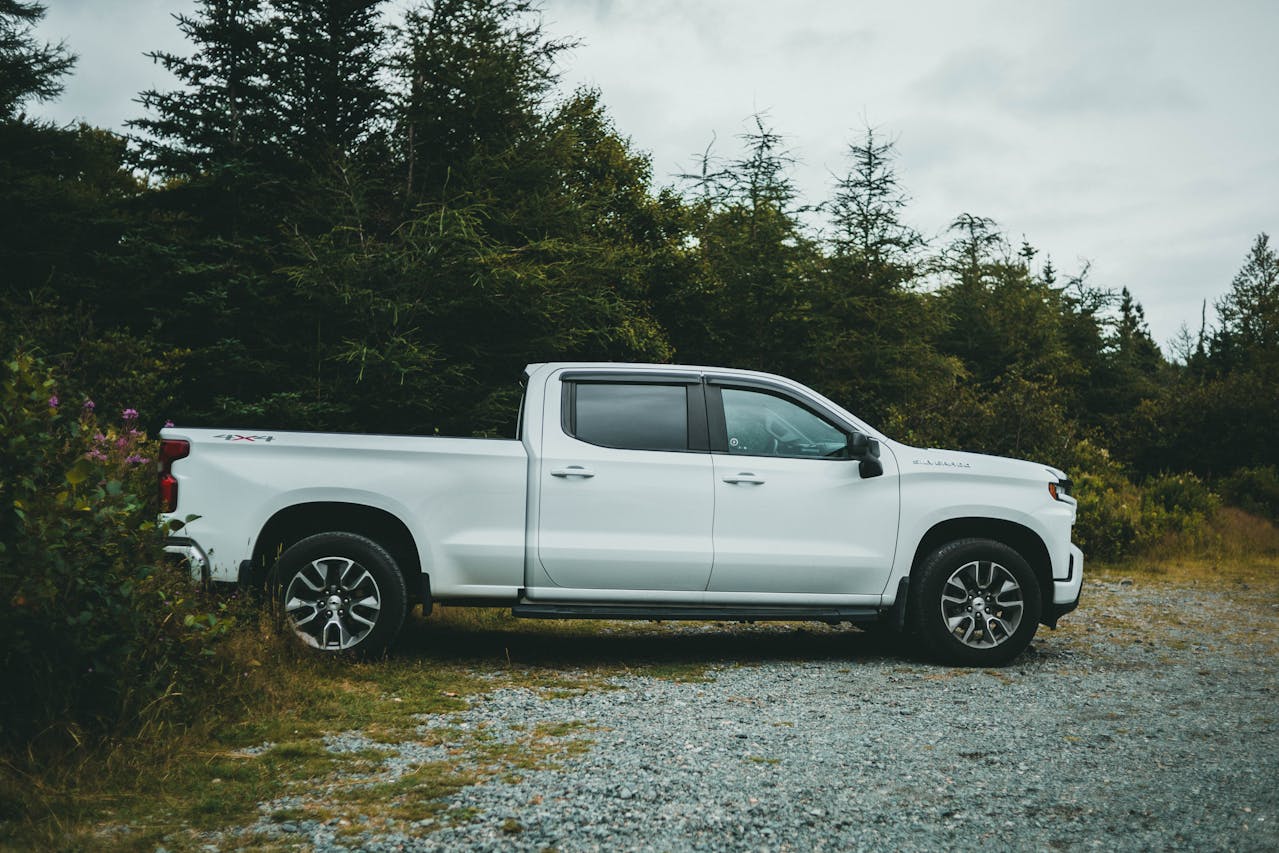
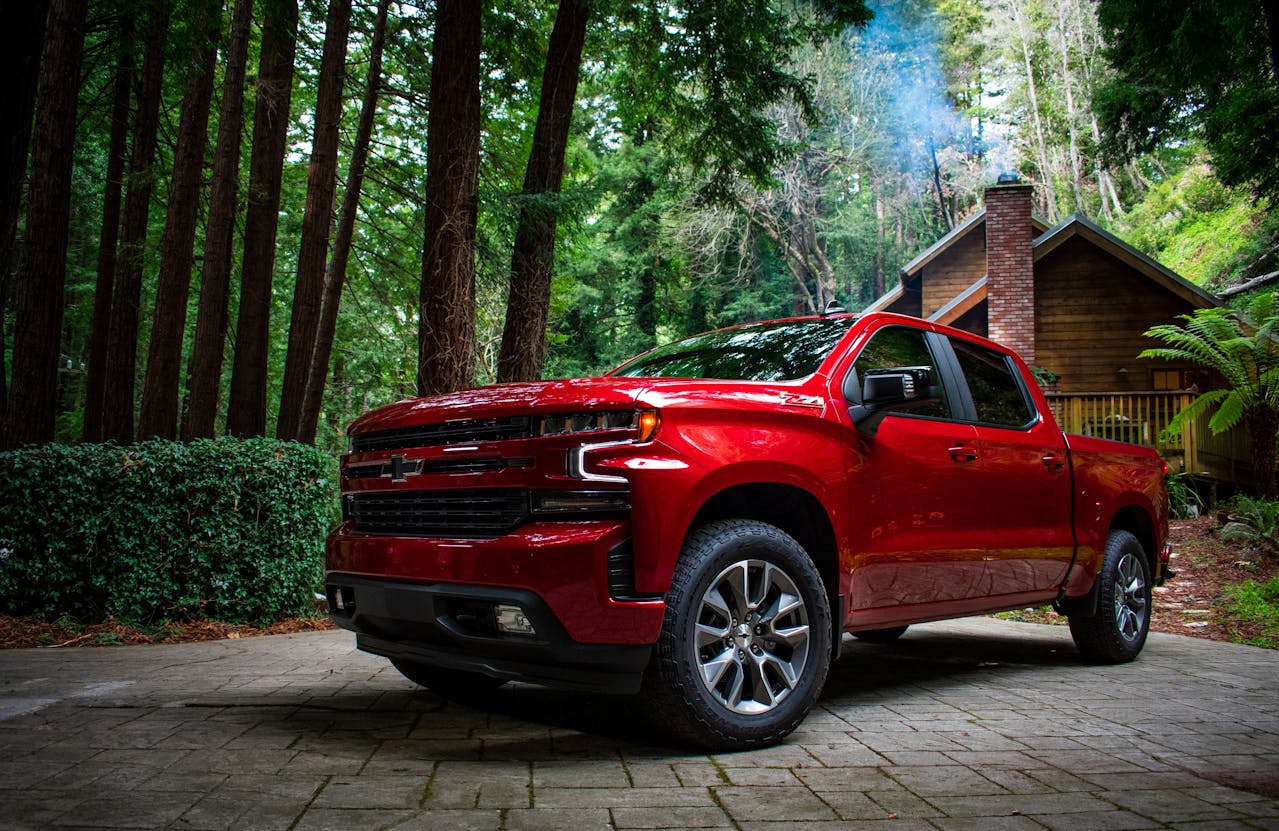
Versatile, reliable, and ready for anything — the Chevrolet Colorado continues to be a smart pick for those balancing work responsibilities with weekend adventures. This midsize pickup blends strength and style in a way that makes it easy to tackle a construction site on a Friday and a mountain trail on a Saturday. Whether you're loading up gear or heading out for a long drive, the Colorado holds its own without being overbearing. more By the time September rolls around in Suffolk County, drivers start preparing for the colder months ahead. That means making sure your truck can handle both daily tasks and seasonal transitions. The good news is, the Chevrolet Colorado doesn’t make you choose between hauling power and trail-ready fun. It’s built to do both, and it does it in a way that feels natural behind the wheel. The Chevrolet Colorado's Performance For Work When it’s time to head out for a busy day, the Colorado is more than ready. With a choice of engines, including options that deliver more torque for tougher jobs, this truck is designed for real-world demands. From carrying supplies to towing a trailer, it has the capability that hardworking drivers expect without the bulk of a full-size pickup. Here are a few practical highlights that make the Colorado a solid partner at work: 1. Available engine options offer flexibility based on how much power and fuel efficiency you need. 2. The Colorado’s strong frame and suspension hold up well under stress, whether you’re hauling on the highway or driving through rougher spots. 3. It’s equipped with features like built-in towing support and trailer sway control, making it easier to manage loads, especially when you're dealing with stop-and-go traffic or tight turns. Even the bed of the truck is built with function in mind. From tie-down hooks to available spray-in liners, it’s designed to keep equipment steady and protected. And when you're loading tools or materials, having the right setup in the back can save both time and effort. In Suffolk County, where jobs and seasons vary, it's helpful to have a vehicle that adjusts to different needs. For example, a local landscaper may pull a trailer all week, then use the same truck to pick up kids or run errands over the weekend. That kind of flexibility is hard to beat, and it's exactly what the Colorado offers. It gives you work-ready muscle without taking away everyday ease. Features That Make the Colorado Ideal for Play Switching from work to play has never been easier. The Chevrolet Colorado's versatility makes it an excellent choice for adventure seekers. Its off-road capabilities stand out, giving drivers the confidence to explore beyond paved roads. Whether you're tackling rocky trails or sandy paths, this truck's rugged design is built to take on a variety of terrains. Some key features that make the Colorado adventure-ready include: 1. High ground clearance and available off-road suspension package offer better handling in tricky conditions. 2. Four-wheel drive (4WD) options provide enhanced control and stability. 3. Skid plates protect the underbody from rough patches, ensuring a safer ride. Apart from its adventurous spirit, the Colorado also pays attention to comfort. Those long road trips feel shorter thanks to cozy seating and thoughtful amenities. From a sound system that transforms trips into mini-concerts to climate control features that keep everyone comfortable, the truck ensures you enjoy every moment on the road. There’s enough space to pack both gear and passengers without feeling cramped. Whether you're driving to a beach on Long Island or navigating dirt paths in upstate New York, the Colorado brings plenty of fun without sacrificing utility. That balance of dependability and comfort is one of the reasons drivers keep coming back to this truck. Benefits of Purchasing a Used Chevrolet Colorado in Suffolk County Deciding to buy a used Chevrolet Colorado offers several advantages, especially in Suffolk County. First, there's the obvious benefit of cost savings. Used vehicles come with a lower price tag, allowing drivers to enjoy the perks of a solid truck without stretching their budget. When you're buying locally in Suffolk County, you also get the ease of service and support right around the corner. This community-centric approach ensures that you're not just buying a truck, you're joining a network of nearby professionals who know the model inside and out. Buying locally tends to build a sense of trust. You can personally inspect the vehicle, ask questions, and even meet a team who stands behind their inventory. And if you're curious about how a used Colorado might fit into your lifestyle, consider a real-world example. Imagine a young family in Suffolk County looking for a versatile vehicle. They find a used Colorado that meets their needs for space, safety, and utility. They save money and gain peace of mind knowing they're backed by a trusted local dealership. Whether you're using it for weekday commutes, weekend getaways, or seasonal yard work, a used Chevrolet Colorado checks all the boxes. With the right maintenance and dealership support, it’s a long-term value that continues to deliver no matter how your needs evolve. Your Perfect Companion for Every Journey The Chevrolet Colorado integrates work and play with ease, offering a vehicle that feels like two rolled into one. Its function during the workweek transitions smoothly into weekend escapades. This duality makes it a preferred choice for those who don't want to compromise on either front. Owning a Colorado doesn't mean settling. It means choosing a truck that adapts to your lifestyle, whether that includes job site demands or open-road adventures. With a balance of power, comfort, and confidence-inspiring features, the Colorado is ready for whatever lies ahead. If you're someone who juggles everyday responsibilities and outdoor hobbies, there’s a good chance this pickup is the right match. Whether you're looking for a truck that handles tough jobs during the week and outdoor getaways on the weekend, choosing a used Chevrolet Colorado in Suffolk County is a smart, flexible option. Explore available models at Chevrolet of Smithtown that can keep up with your work demands while offering comfort and adventure-ready features for your days off.

Chevy

Why Your Chevy's Suspension Feels Bouncy

If your Chevy feels like it’s bouncing more than usual during your daily drive, there could be something going on with the suspension. While a bit of seasonal road roughness is expected, an overly springy or uneven ride usually means there’s a problem that shouldn’t be ignored. A bouncy suspension doesn’t just feel annoying. It affects how well your car grips the road, handles turns, and even how long your tires last. more Suspension problems tend to build slowly. A driver might get used to the slight changes over time until they become too noticeable to ignore. That’s why it’s helpful to spot the symptoms early. Knowing what to listen and look for can make a huge difference in catching issues before they become expensive repairs. Understanding what’s behind a rough or floaty ride helps protect your vehicle and makes your daily drive much safer. So, let’s break down why your Chevy might feel like a trampoline instead of your usual smooth ride around Long Island. Common Causes Of Bouncy Suspension If your vehicle has started bouncing more than usual over speed bumps, potholes, or even on flat roads, your suspension likely has a problem. Here are a few of the most common reasons why your Chevy may be feeling off. 1. Worn-Out Shocks or Struts These parts absorb the impact from the road and help your vehicle stay stable. Over time, they lose their ability to do that. If shocks or struts are worn out, your car will bounce more after hitting bumps and feel unstable when turning. You may even notice that it takes longer to come to a stop. 2. Damaged Suspension Springs Springs hold the weight of your vehicle and work together with the shocks to give a smooth ride. When a spring breaks down or flattens over time, it shifts the pressure onto the shocks. This can cause the vehicle to sag on one side or feel uneven when driving. 3. Tire Problems Even if the suspension is overall in decent shape, worn tires or incorrect tire pressure can lead to a choppy ride. If your tires are overinflated, underinflated, or show uneven wear, they can throw off your car’s balance. Checking your tire pressure regularly and rotating your tires every few months can help avoid this issue. Changing temperatures in the fall can also play a part in tire pressure. A drop in overnight temps may lower the pressure and lead to a rougher ride. One Long Island driver noticed that her Chevy vibrated more after a week of cooler nights. A quick check by a technician showed that one side’s shocks were worn through completely. An inspection could’ve prevented a more serious issue. Signs Your Chevy’s Suspension Needs Maintenance Knowing when to bring your car in for a suspension check can prevent budget-busting repair costs. Here are some common signs that your vehicle’s suspension may already be struggling: Extra bouncing after hitting a bump or pothole Nose-diving when braking Leaning or swaying when turning One side or corner of the car looks lower than the rest Clunking or squeaking from under the vehicle Uneven tire wear or patches on the tread If your vehicle starts to handle differently or ride quality changes, don’t wait for it to get worse. A small issue can snowball into a bigger, more expensive fix if left alone. Catching suspension problems early helps protect the rest of your vehicle and keeps you safer behind the wheel. The Importance of Regular Maintenance Keeping your suspension in good shape isn’t just a matter of comfort. It plays a direct role in your safety and in how long your Chevy lasts. If you’re driving through Suffolk County and facing hills, winding roads, or sudden stops, having a strong suspension helps your tires grip better and improves your control. Regular maintenance gives mechanics a chance to check on all of your suspension parts, from shocks to springs to tires. Any of these could wear down quietly over time. Technicians can catch damaged pieces before they turn into dangerous or costly repairs. Seasonal changes add another layer to the need for maintenance. On Long Island, fall often brings cooler mornings and wet weather. Both can influence how your vehicle handles. Pairing your seasonal tire checks with a quick suspension inspection helps keep everything working together the way it’s supposed to. These visits are usually quick but can make a big difference in your driving experience and long-term safety. It's not just about avoiding repairs. A well-maintained suspension lets your vehicle perform the way it was built to. Whether you're taking a tight turn, braking hard in traffic, or just cruising a bumpy road, everything runs more smoothly with fewer surprises. How Chevrolet of Smithtown Can Help If you live near or in Suffolk County, you don’t have to look far for support when your ride starts feeling off. At Chevrolet of Smithtown, our service center is equipped to handle suspension issues with skill and care. Our certified technicians focus on Chevrolet vehicles every day, so they know all the small signs to watch for that other shops might miss. Whether it’s time to replace worn shocks, inspect your springs, or do a full alignment and tire check, we make the process simple and dependable. We use parts that are made to fit Chevrolets, ensuring your car gets the service it needs to get back on the road without delays. Delaying suspension service is one of the easiest ways to turn a simple fix into a costly problem. If you’re hearing noises or noticing performance changes, it’s a sign your Chevy needs attention. Our team can help catch those problems early and give you a smoother, safer ride—all while keeping your daily routine as stress-free as possible. Keep Bumps From Ruining Your Ride No one wants their daily drive through Suffolk County to feel like an off-road adventure. Your Chevy is built for comfort, control, and reliability, but that can change fast with worn suspension parts. A bouncy ride is more than a nuisance. It could mean your safety is at risk. Taking simple steps like scheduling regular checks and watching for symptoms keeps your vehicle feeling like new. Whether you’re heading across town or further down the road, suspension care makes all the difference in how your Chevy performs. It’s never too early to start thinking about how your vehicle handles. If you’ve noticed your car bouncing more or hearing new noises, don’t wait. The sooner you address it, the sooner you’ll get back to a ride that feels just right. To keep your Chevy performing at its best, stay on top of routine Chevrolet maintenance on Long Island. At Chevrolet of Smithtown, we're here to help make sure your ride stays smooth, safe, and ready for every road ahead. Schedule your service today and drive with peace of mind.

Chevrolet

Resolving Common Chevy Starting Issues

Few things feel more frustrating than turning the key (or pushing the button) and your Chevy not starting. Whether you're heading out to work, picking up the kids, or simply running errands around Suffolk County, a no-start situation can throw your whole day off. It's not only inconvenient, but it also makes you wonder what's going on under the hood. more There are a handful of reasons why your Chevy might struggle to start. The issue could be as simple as an old battery or something deeper like a failing fuel pump. Either way, taking action sooner rather than later can save you from being stuck in a driveway or parking lot later on. If you're noticing switching delays, strange noises, or weak flickers in your dashboard lights, it's probably time to figure out what could be causing the problem. Identifying the root cause is the first step to getting back behind the wheel with peace of mind. Battery Problems One of the most frequent culprits of starting issues is the battery. It's the power source that wakes up everything else in your vehicle, and when it's lagging, your engine may never even get a chance to fire up. Here are a few warning signs that your battery might be the issue: Engine cranks more slowly than usual Clicking sound without a full start Dim dashboard lights or headlamps Battery warning light stays on You’ve recently needed a jump-start Batteries tend to wear out over time, especially after dealing with both cold winters and hot summers. Beyond age, corrosion around the battery terminals or loose connections can shut everything down fast. It’s smart to pop the hood now and then and look for white, powdery buildup on the terminals. If you notice something like that, it could be interrupting the flow of electricity to the rest of the vehicle. Another common mistake is leaving the headlights or interior lights on when the engine is off. Even something as small as a dome light can drain the battery overnight. In some cases, the battery may seem bad, but the real issue is the alternator not charging it properly. A weak or failing alternator can make the battery look like the problem, when it's actually a charging issue. If your Chevy has trouble holding a charge or struggles to start, a full inspection is the best way to go. Getting ahead of battery problems not only saves time, but helps steer clear of those surprise breakdowns, especially during busy fall days on Long Island. Ignition Switch Failures If your battery checks out but you're still having trouble starting your vehicle, the ignition switch could be the issue. The ignition switch connects your key or start button to your car’s electrical system. When it fails, the starters and other electronic components don’t get the message to fire up. You might notice things like: Difficulty turning the key or pressing the start button No response when trying to start Flickering lights before the car stalls Intermittent loss of power while driving Picture this: you turn the key and hear absolutely nothing. No dashboard lights, no clicks, total silence. A few minutes later, the car might suddenly respond. That on-and-off behavior usually points to worn contacts inside the ignition switch that are failing to connect properly. These issues can be unpredictable, which makes them easy to ignore until they happen at a really bad time. If you're seeing a pattern, bring it in before it gets worse. A faulty ignition switch can lead to more serious electrical troubles, and getting it replaced can prevent bigger problems later. Fuel System Issues Another common issue that causes your Chevy not to start is trouble with the fuel system. Your engine needs a steady supply of fuel to fire up, and if something is blocking or slowing it down, you’ll feel it right away. Here’s what to look out for: Sputtering when the engine starts Stalling right after startup Smell of gas around the vehicle Poor gas mileage One of the first components to consider is the fuel filter. Over time, dirt and debris can clog the filter, stopping fuel from reaching the engine. A clogged filter forces your engine to work harder or fails to deliver the fuel it needs altogether. Then comes the fuel pump. This component pushes fuel from the tank to the engine. If the pump begins to weaken or fail, the fuel pressure may drop too low for the engine to start or run quietly. Without enough pressure, your Chevy can sputter out mid-drive or not even turn over to begin with. Routine maintenance, like checking the fuel filter and inspecting the pump, is a simple way to avoid fuel-related no-start troubles. Letting a certified technician handle these checks gives you peace of mind that your fuel system is clean and doing what it should. Starter Motor Problems When you press the button or turn the key and only hear clicking, the issue might be the starter motor. This part is responsible for getting the engine moving so your vehicle can run. If it’s not working right, you might be stuck. Keep your eye out for these signs: Repeated clicking when trying to start Engine doesn’t turn over Unreliable starting behavior from day to day The starter might have a worn-out component inside, or it’s struggling to draw enough power from the battery. Sometimes it’s not the starter itself but a loose or corroded connection that keeps it from responding. Either way, a professional test is the best way to find out what’s really going on. Starter issues can sneak up on you. One day, your car starts fine, and the next day it doesn’t budge. Scheduling diagnostics and replacing a faulty starter right away saves the stress of waiting on a tow and keeps your Chevy dependable. Why Quick Attention Makes All the Difference When your car doesn’t start, it throws everything off. Whether it’s a simple fix like tightening a battery connection or something more involved like replacing a fuel pump, taking action early can prevent surprise breakdowns and costly repairs down the road. Getting professional help keeps starting components working like they should and helps prevent wear on connected systems. It’s especially important in a busy season like autumn, when a dependable start makes all the difference during school runs, weekend errands, and heading into the holidays. We recommend bringing your vehicle into a Chevrolet service center on Long Island when you first notice something is off. That early step can restore confidence in your vehicle and keep you on schedule. When your Chevy shows signs of starting problems, it’s important to address them promptly to maintain long-term dependability. Whether it’s a battery that’s on its last legs, an ignition switch acting up, or fuel system hiccups, timely checks and repairs can make a world of difference. For those around Suffolk County looking for expert help, our Chevrolet service center on Long Island is ready to provide thorough diagnostics and effective solutions. Let Chevrolet of Smithtown handle your vehicle's needs to keep you cruising smoothly down the road.

Catalytic Converter

Signs Of A Failing Catalytic Converter

The catalytic converter plays a big role in reducing harmful emissions from your vehicle. Tucked into the exhaust system, it takes the nasty gases your engine creates and converts them into less harmful ones before they exit the tailpipe. Without it, cars would pollute the air much more, and you’d likely have a harder time passing emissions inspections. more When your catalytic converter begins to fail, you might not notice it at first. But over time, performance drops, weird smells pop up, and your Check Engine light might come on. Catching these signs early can help you avoid more serious problems that could lead to costly repairs. It’s a small component with a big job, and when it’s not doing that job right, your entire vehicle feels it. Unusual Engine Performance If your car just doesn’t feel like it used to, that could point to trouble with the catalytic converter. When it stops processing exhaust efficiently, it can cause pressure in the exhaust system to build up, and that makes your engine work harder to deliver less. Here’s what you might feel while driving: Your car takes longer to speed up It feels like the engine is choking or lagging You notice you're filling up the gas tank more often It stalls or struggles to stay running after starting You may compare it to trying to jog while breathing through a straw. Your engine needs to breathe easily to perform well. When the catalytic converter is clogged or deteriorating, it’s like blocking that airflow, which forces your vehicle to work harder to push forward. If you’ve driven your car for a while, changes in everyday performance will stand out. Trust those instincts. Especially when driving around areas like Suffolk County, where stop-and-go traffic is common, the strain on your engine becomes more noticeable. Your car should accelerate smoothly and respond when you press the gas. If it doesn't, it's time to look deeper at what might be going wrong under the hood. Check Engine Light Seeing that Check Engine light glow on your dashboard is never fun. It's easy to ignore it and hope it goes out on its own, but when it comes to your catalytic converter, doing so might cause more harm than good. The catalytic converter is tied directly to your car’s emission controls. Modern vehicles are built with oxygen sensors that notice when the converter isn’t doing its job. If the converter isn’t processing gases the way it should, those sensors send a warning and trigger the light. Here’s why this matters: The light is often one of the first signals you’ll get about catalytic converter problems Ignoring it may allow damage to continue spreading through your exhaust or engine systems Continuing to drive with a failing converter can increase pollution and lower fuel economy Keep in mind, the Check Engine light isn’t a diagnosis. It’s a sign that something needs checking out. Sometimes it could be a loose gas cap or a faulty sensor, but when matched with other symptoms like low engine power or strange smells, the catalytic converter could be the cause. On Long Island, where emissions testing is required, letting issues go unchecked could lead to costly inspection failures. Having that light checked out quickly can save time and money, especially when it leads you to catch a converter problem before it causes more serious engine issues. Strange Noises If you hear odd rattling sounds when you start your car or while driving, it might be a warning from your catalytic converter. These noises often mean something has come loose inside the converter, like a broken piece of the core, which then rattles around. This sound isn't just annoying. It's a signal that the converter has some internal issues, possibly due to wearing out over time or being damaged by driving over rough surfaces or debris. The usual noise signs include: Rattling sounds especially when starting the vehicle Metallic clanging or knocking while accelerating Noises that change with the speed of the vehicle Listening for these sounds is important, because they alert you to problems inside the converter that you can't see. Ignoring them can lead to more damage as broken parts may become lodged in the exhaust system, causing additional strain on your engine. Foul Exhaust Smell A failing catalytic converter can often be detected by a distinct and unpleasant sulfuric aroma, often compared to rotten eggs. This smell is due to the converter not properly processing the gases, leading to the build-up of hydrogen sulfide. Normally, the converter breaks down this compound into less harmful emissions, but a malfunctioning converter fails at that job. Such foul odors are more than just a nuisance. They indicate that unprocessed, harmful gases are being released from your exhaust system. Make sure to take this smell seriously, especially if it's accompanied by other symptoms like strange noises or a glowing Check Engine light. In places like Long Island, strict emission controls make it even more important to keep the catalytic converter working right, both for the environment and your vehicle’s safety. Increased Emissions and Failed Inspections An obvious sign of catalytic converter trouble is a spike in your car’s tailpipe emissions. If your vehicle starts producing more smoke than usual, it should be your cue to get things checked out. These increased emissions mean the converter isn’t breaking down the toxins as it should, and that can lead to failing an emissions test. On Long Island, where emission standards are rigorous, a malfunctioning catalytic converter could mean a failed inspection. This doesn’t just leave you with extra trips to repair shops. It can lead to fines, restricted vehicle use, and added stress. It’s also a sign that the car is releasing more air pollutants than it should, which impacts the health and air quality of your local community. Keeping Your Chevy in Top Condition Identifying and understanding these signs early can save you from more expensive repairs and longer shop visits down the line. Listening to your vehicle’s cues is one of the easiest ways to avoid serious issues. Whether it's new noises, strange smells, loss of power, or warning lights, these are all your vehicle’s way of asking for help. If you notice anything off and suspect your catalytic converter may be the issue, your best move is to get it checked out by professionals. Waiting not only risks more expensive damage, but it could also mean failing inspections that impact whether your vehicle can stay registered and legally on the road. With regular inspections and strong local support from technicians who know what to look for, you can keep your Chevy running better for longer. Don’t wait until problems pile up. A healthy catalytic converter means a cleaner ride, better performance, and peace of mind. Experiencing issues with your catalytic converter? Don’t wait for it to lead to engine trouble or a failed emissions test. Have your vehicle inspected and serviced by professionals who understand what your Chevy needs. Learn more about our Chevrolet catalytic converter service on Long Island to help keep your vehicle running clean and smooth. Chevrolet of Smithtown is here to support you every mile of the way.

Power Steering

Fixing Power Steering Problems In Your Chevy

Power steering problems can sneak up on you. One day your Chevy handles smoothly, and the next it feels like you're steering through wet cement. The power steering system is what makes daily driving feel easy and safe. When it starts showing signs of wear or malfunction, it can affect not just comfort, but also the ability to stay in control behind the wheel. more Catching these issues early helps reduce the chance of expensive repairs down the line. Delaying service can turn a simple fix into a bigger issue involving pumps, hoses, or steering components. If you start noticing strange noises, trouble turning, or fluid puddles in the driveway, it's time to pay closer attention to what your car is trying to tell you. Common Symptoms Of Power Steering Problems Most power steering issues don’t come out of nowhere. Your Chevy will usually drop hints that something isn’t quite right. Some signs are easy to brush off initially, but ignoring them can make the situation worse. Here’s a look at common symptoms that signal the system needs attention. Whining or groaning noises: If you hear whining or groaning when turning the wheel, it could mean the power steering fluid is low or contaminated. These sounds often show up when you're moving at low speeds or turning in tight spots like parking lots. Stiff or hard-to-turn steering wheel: Struggling to turn the steering wheel, especially at lower speeds, often points to a failing power steering pump or a worn serpentine belt. Steering wheel feels loose or jerky: Inconsistent movement while steering can suggest an issue with the steering gear or rack, which are both key to proper handling. Fluid leaks: Power steering systems use fluid to help reduce the amount of effort needed to steer. If you notice reddish or brownish puddles under your vehicle or around the steering components, you might have a leak in a hose or the steering rack. Warning light on the dashboard: Some Chevy models will alert you via a dashboard warning light if there's a major issue with the power steering system. Either a general service light or a specific power steering alert could come on. If any of these symptoms sound familiar, it’s best not to wait. Things like fluid leaks and noise can start small but may quickly lead to pump failure or major steering system damage. Causes Of Power Steering Issues Understanding what leads to steering problems makes it easier to prevent them. Power steering systems are made up of several parts working together. When one part starts to wear down or fail, it can affect the entire system. Here are common power steering troublemakers: Fluid issues: Leaks are one of the most frequent causes. Cracked hoses, worn seals, or loose connections can let fluid escape. Once levels drop too low, the pump can’t push fluid effectively, and that leads to noise and trouble steering. Worn serpentine belt: This belt drives the power steering pump. If it’s loose or cracked, it can cause the pump to spin improperly or not at all. This makes the steering wheel harder to turn. Failing power steering pump: The pump moves fluid through the system and creates the pressure needed to help you turn the vehicle. Pump failure usually brings on noise along with a heavier steering feel. Contaminated or old fluid: Over time, debris can build up in the fluid. That debris can wear down internal parts and reduce the system’s overall function. Damaged steering rack or gear: These parts help translate the steering wheel's motion to the wheels. Damage here impacts how your vehicle responds to input, which can be tough to ignore once it starts. Driving habits and local conditions can also play a role. For example, regularly driving on pothole-filled roads or taking sharp turns at high speeds can put extra strain on these steering components. Extra wear shows up faster when parts are already aging or when fluid isn’t replaced routinely. Steps to Troubleshoot Power Steering Problems When something feels wrong with your Chevy's power steering, some basic checks can help you understand what's happening. These steps aren't about fixing the problem yourself, but about getting a clearer idea of what might be wrong. Here's a simple guide to getting started: 1. Check Fluid Levels: Start by locating the power steering fluid reservoir. Once you find it, check the fluid level. If it’s low, there might be a leak. Use a clean dipstick or the markings on the reservoir to measure it accurately. 2. Look for Leaks: Examine the area around the reservoir and under the vehicle. Puddles of fluid or damp spots on hoses or connections can indicate a leak. 3. Listen for Noises: Turn the ignition on and turn the steering wheel both ways. Whining or groaning noises often mean there's air in the system or a fluid issue. 4. Check Belt Conditions: The serpentine belt drives the power steering pump. If it's cracked or frayed, it might not turn the pump properly, affecting the steering. These initial checks can point you in the right direction, but it's best to consult with a professional for a thorough diagnosis. Troubleshooting on your own is fine for observation, but repairs require expert service. Professional Repair and Maintenance After spotting symptoms or trying some basic troubleshooting, seeking professional help is the next important step. The power steering system has several components that must work together smoothly, and it takes skilled mechanics to correctly pinpoint and resolve issues. Specialists have the tools and training needed to repair or replace parts like the pump, belts, steering rack, or hoses. They know how to work specifically with Chevrolet vehicles and can get things sorted without unnecessary delays. Having your Chevy serviced at a trusted Chevrolet service center on Long Island ensures that you’re getting help from technicians who understand your vehicle inside and out. They don’t just fix problems—they also help prevent them. Routine service visits also help keep your steering system in better condition overall. Whether you're replacing fluid at the right interval or inspecting belts for wear before they snap, regular maintenance can save you from larger repair bills later on. Stay in Control by Staying Ahead Staying in control of your vehicle starts with paying attention to the signs it gives you. Don’t ignore noises, stiffness, or leaks when you're behind the wheel. All of these can add up to bigger problems if left alone. Taking care of your Chevy's power steering system means a more comfortable and reliable drive. Whether you're making daily commutes or weekend drives across Suffolk County, having steering you can count on makes a big difference. Getting regular service and prompt repairs from a Chevrolet service center on Long Island helps extend the life of your vehicle and ensures better handling over time. Don't wait for a small issue to become a costly repair. A smooth turn of the wheel shouldn’t feel like a workout. Keep your Chevy in great shape by giving its steering system the attention it needs. Make sure your Chevy remains safe and smooth on the roads by addressing any power steering issues early. For expert diagnosis and maintenance, trust our professional team at Chevrolet of Smithtown. Our Chevrolet service center on Long Island is here to provide the care your vehicle needs to keep every drive comfortable and worry-free.

Equinox

The Equinox For Modern Families

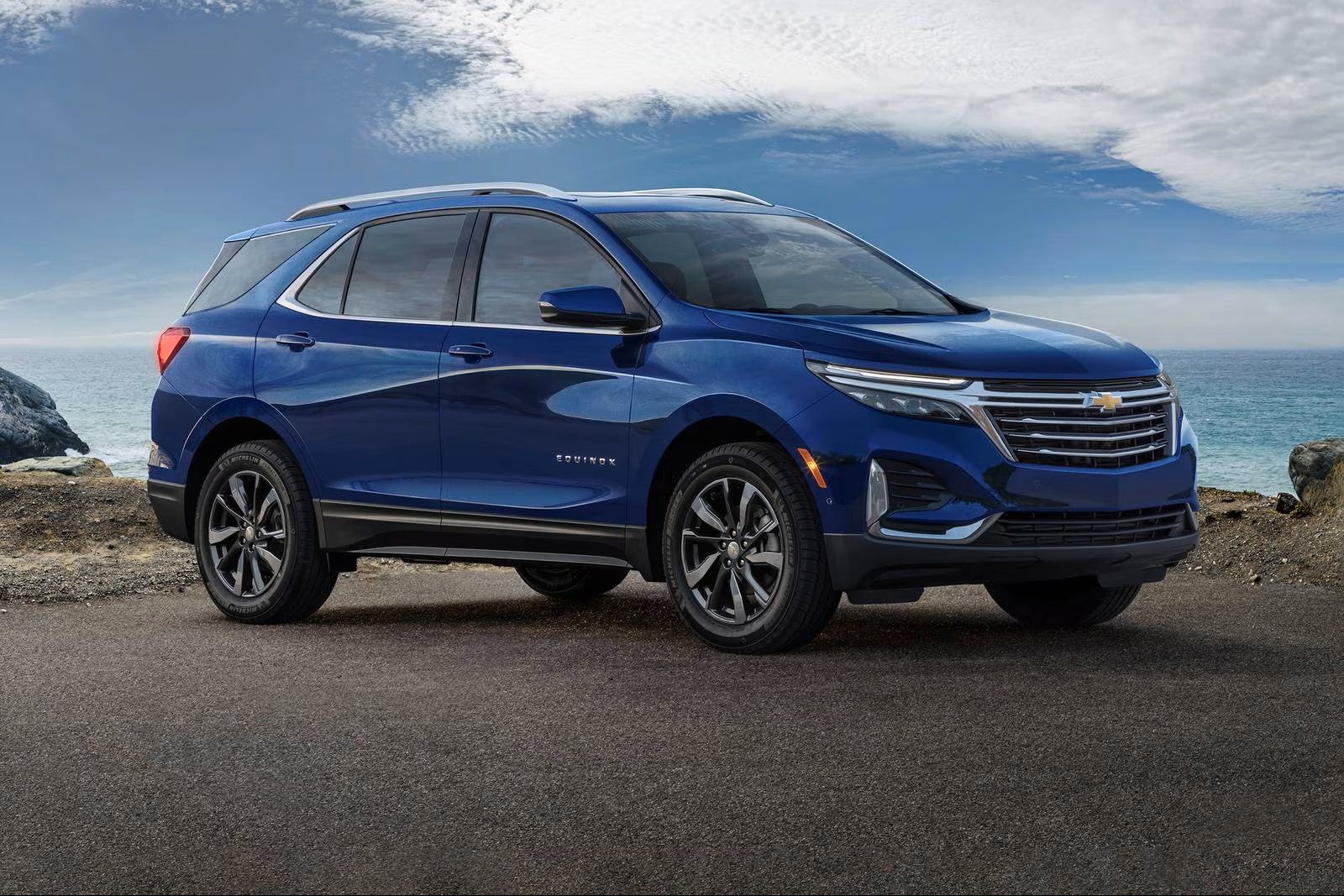
When it comes to finding the right vehicle for your family, the search usually boils down to comfort, safety, and features everyone can enjoy. The Chevrolet Equinox offers all of that in one neat package, making it a go-to choice for busy households. With school drop-offs in the morning, sports practice in the afternoon, and weekend getaways upstate, families need a versatile SUV that can meet them where they are, both in routine and adventure. more The Equinox checks those boxes for families in Suffolk County. Whether you're running errands through town or heading out for a day at the park, it adjusts to your schedule with ease. What makes it stand out is how it balances smart features with everyday usefulness. Here’s a closer look at why the Equinox could be the right fit for your family's next ride. Spacious Interior And Comfort Space matters when your day involves grocery runs, carpool pickups, and weekend getaways. The Equinox offers a roomy cabin that never feels tight, even when everyone’s along for the ride. Whether you're toting toddlers, teenagers, or the family dog, there’s plenty of room to stretch out. Inside the Equinox, families will find several features built with comfort and functionality in mind: Flexible seating with a 60/40 split-folding rear bench seat to expand trunk space Clever storage spots to manage snacks, bags, and toys with ease Multiple USB charging ports so devices stay powered Dual-zone automatic climate control to keep front and rear passengers happy The upholstery is comfortable without being too soft, making it practical for daily use. Whether it’s dog fur, sand from Long Island beaches, or melted crayons, the materials are designed to wipe clean easily. The interior stays quiet on most drives, which helps on those longer trips when kids want to nap or watch something on a tablet. Families often find the peaceful cabin a nice break from the hustle of everyday life. One Long Island parent shared how their Equinox has become the default ride for carpools and weekend adventures. The low road noise, simple controls, and comfortable seats make travel much less of a chore and more of a shared experience. Advanced Safety Features Having your family in the car adds a whole layer of responsibility to every trip. That’s why having dependable safety features makes such a difference. The Chevrolet Equinox brings smart protective systems to the table, helping parents feel more confident behind the wheel. Standard safety features include: Forward collision alert with automatic emergency braking Lane keep assist with lane departure warning Rear vision camera for better visibility while backing up Teen driver technology to promote safer habits among new drivers Buyers can also choose from advanced options such as adaptive cruise control, front and rear park assist, or a surround vision camera. These enhancements are especially useful in tight parking areas, during lane changes on busy routes, or when teaching a newly licensed driver who’s learning the ropes. For families in Suffolk County, where daily driving can include everything from school drop-offs to day trips across the island, these safety tools provide added peace of mind. Knowing your vehicle is backing you up with proactive features allows you to relax a bit more during hectic days. Technology and Connectivity Staying connected and entertained on the road goes a long way in keeping the family satisfied during outings. The Equinox handles this with an easy-to-use setup and a suite of favorite features built in. The infotainment system comes with an intuitive touchscreen, plus Apple CarPlay and Android Auto that make syncing your smartphone quick and easy. You can access your music, podcasts, navigation, and apps without hassle. Built-in voice controls bring another layer of convenience for when you need to change a song or get directions without taking your hands off the wheel. Other tech-forward features available include: Rear-seat entertainment options to keep kids engaged Built-in Wi-Fi hotspot so everyone can stay connected during long drives In-dash navigation system to guide you smoothly across Suffolk County and beyond This is especially helpful on longer trips when keeping younger passengers busy can make a huge difference. For families driving to Montauk for a summer weekend or just heading across town to visit relatives, having entertainment and internet access on the go makes each drive easier and more enjoyable. Fuel Efficiency and Performance Whether you're going to the grocery store or setting out on a vacation, gas mileage makes a difference. The Chevrolet Equinox delivers good fuel efficiency without cutting corners on driving comfort. Its engines are designed to give you solid performance while keeping fuel stops to a minimum. Drivers appreciate how easy the Equinox is to handle. It provides a smooth, steady ride across both city roads and open highways. Maneuvering through the narrow streets in local towns or finding a parking spot at busy shopping centers is stress-free. It responds easily to turns and corners, making it feel more compact than it looks. For families watching their environmental impact, any available hybrid or energy-saving models offer appealing options. But overall, the current lineup is already tuned with long-distance comfort and fuel savings in mind. That helps make weekend travel or weekday commutes more efficient and less expensive. Why the Equinox Fits Suffolk County Families Suffolk County drivers deal with a little of everything—coastal roads, suburban lanes, winter weather, and summer weekend traffic. The Equinox is made to handle these shifts and still provide a ride that feels dependable and enjoyable. Its available all-wheel drive makes it a solid pick for changing road conditions. Whether it’s snow in the winter or sand near the coast, the Equinox gives families the kind of traction and balance needed to stay on track no matter what. Plus, its size is ideal for squeezing into smaller driveways or narrow side streets—without giving up interior space. Parents in Suffolk County know how important flexibility is in a vehicle. It’s not just about how well it drives, but how well it fits kids, gear, bags, groceries, and everything else that comes with family life. The Equinox’s cargo options, smooth handling, and convenience features meet the needs of local families in real, everyday situations. Drive Home in Your Equinox Today Choosing the right vehicle for your family can feel like a big decision, but the Chevrolet Equinox makes that choice easier. With a blend of comfort, safety tools, modern tech, and everyday performance, it’s a smart pick for busy households. When you add in its ability to meet the unique needs of Suffolk County, from local roads to family outings, it stands out even more. Whether you're headed to a school event or planning your next road trip, the Equinox is ready for whatever’s ahead. With its blend of spaciousness, cutting-edge safety features, and advanced technology, the Chevrolet Equinox is a versatile choice for families in Suffolk County. If you're ready to experience the comfort and convenience of driving a new Chevrolet Equinox in Suffolk County, Chevrolet of Smithtown is here to help you find the model that fits your family's lifestyle perfectly.

Chevy Engine

What To Do About Chevy Engine Knocking

Hearing a knocking sound coming from your Chevy's engine can be unsettling. It's not just noise. It's usually a warning that something deeper might be wrong under the hood. Engine knocking, also called detonation, happens when fuel burns in your engine at the wrong time. Instead of a smooth combustion cycle, you're dealing with uneven bursts that can cause serious damage if ignored. more Taking care of engine knocking early helps avoid bigger repairs later. It’s one of those issues that may seem small at first but can snowball if left unchecked. A knocking engine doesn’t just affect how your vehicle sounds. It can mess with your fuel economy, lower performance, and lead to costly damage over time. Understanding what causes it and what to do when you hear it puts you in a better spot to protect your engine and your wallet. Common Causes Of Engine Knocking There are a few reasons why you might hear knocking from your Chevy’s engine. Sometimes it’s something simple, but other times it’s tied to more serious internal issues. Here are a few common causes: Low-quality or incorrect fuel. If you're filling up with fuel that doesn’t meet your vehicle’s needs, it can mess with the combustion process and trigger knocking. Timing problems. Engine timing is about the exact moment your spark plug fires. When that’s off, it causes premature combustion which leads to knocking. Worn or faulty spark plugs. These small parts play a big role in engine performance. If they’re old or damaged, they won’t fire properly, leading to engine knock. Carbon build-up. Over time, layers of carbon can form in your engine’s combustion chamber. This impacts how fuel burns and can lead to uneven bursts of combustion. Say, for example, you’ve been using cheaper gas to save a few bucks over the summer. Everything might seem fine for a while, but then your engine starts pinging or tapping on your daily commute. That sound could be your Chevy letting you know the fuel you're using just doesn't cut it anymore. The longer that goes unaddressed, the higher the chance of something breaking down. Knowing what could be behind that knocking sound is the first step toward dealing with it. Once you're aware of the possible causes, it's easier to know what your next move should be. Immediate Steps To Take When You Hear Engine Knocking If your engine starts making a knocking sound, there are a few things you can do right away to lessen the risk of serious harm before heading to a professional. Acting quickly helps tackle the issue before it turns into a bigger problem. 1. Slow things down. Ease off the gas and avoid heavy acceleration or high speeds. Letting your engine relax reduces pressure and gives you some time to figure out what's going on. 2. Check your fuel. Take a quick look at your gas receipt or pump label. If you’ve used low-octane fuel when your Chevy calls for higher, that could be the problem. Fill up with the right fuel next time to see if things quiet down. 3. Watch the sound. Try to notice when the knocking happens. Is it when you’re speeding up? Going uphill? Noticing patterns can help a technician pinpoint the cause. None of these steps are meant to fix the problem forever, but they help get things under control until you can get a full diagnosis. Engine knocking doesn’t have to mean a major disaster, but putting it off raises the chances that it might turn into one. Taking simple first steps can keep things from getting worse while guiding you toward proper repairs. Professional Solutions For Engine Knocking When your Chevy's engine starts knocking, it's usually time to turn to the professionals. Visiting a certified service center is key, because understanding what’s happening inside your engine can be quite complex. Skilled technicians have the right tools and knowledge to correctly diagnose the issue and suggest the right fix. Here are some services professionals might recommend: Spark Plug Replacement. Worn or faulty spark plugs can lead to improper combustion, causing engine knocks. Changing them out often resolves the problem. Timing Adjustments. If your engine's timing is off, it can mess with how fuel burns. Proper timing ensures smoother and more efficient combustion. Fuel System Cleaning. Sometimes, the issue stems from buildup or contaminants in the fuel system. A thorough cleaning can clear out carbon deposits and other residues that might lead to knocking. Inspection and Diagnostics. Technicians can perform comprehensive diagnostics to identify underlying issues, preventing future problems. Partnering with a trusted service provider ensures your vehicle receives the care it deserves. Expert attention helps you avoid the guesswork and get your Chevy back to running smoothly in less time. While some vehicle issues might be manageable on your own, engine knocking is best left in the hands of those who know what to look for and how to fix it properly. Preventative Measures To Avoid Future Engine Knocking Once your Chevy is back in good health, it’s wise to embrace routines that help keep engine knocking at bay. Regular maintenance is at the heart of prevention, offering your vehicle the tune-ups it needs to perform optimally. Here’s what you can do to minimize future risks: Stick to regular maintenance schedules with check-ups that include oil changes, filter swaps, and general inspections. Fill up with high-quality fuel. Cheaper options might seem like savings, but they can lead to long-term problems. Use the right engine oil and additives to enhance performance and reduce wear. Monitor your driving habits. Consistent high speeds and aggressive acceleration can put extra strain on your engine. An example of the importance of prevention comes to life when considering that a driver who frequently skips their scheduled maintenance may face preventable repairs down the line. A simple oil change, for instance, can save an engine from wear and tear that might snowball into something bigger. Keeping Your Chevy in Top Shape Engine knocking might seem intimidating, but it's an issue you can address with the right knowledge and support. Taking prompt action when you first hear that unsettling knock makes all the difference in maintaining your Chevy’s health. Regular maintenance, timely diagnostics, and staying informed are key strategies in keeping your vehicle’s engine running smoothly. Don't let engine knocking disrupt your peace of mind. Embracing a proactive approach means you're less likely to run into unexpected surprises. It's all about ensuring you enjoy a smooth ride, free from the worries that engine trouble can bring. By focusing on preventive care and expert solutions, you're looking out for your Chevy's future performance and reliability. Keep your Chevy performing at its best and protect against engine knocking by seeking expert help. For quality care you can count on, turn to our Chevrolet Certified Service in Suffolk County where our skilled technicians are ready to assist. Let Chevrolet of Smithtown be your trusted partner in maintaining your vehicle’s longevity and performance.

Chevrolet

Solutions For Poor Chevy Brake Performance

Brakes are one of the most important parts of your vehicle when it comes to staying safe on the road. When they’re working like they should, you get quick, controlled stops and better handling, especially in tight traffic or sudden situations. But when brake performance starts to slip, it doesn’t take long before even the shortest trip feels a little uncertain. Poor brake response, grinding noise, or needing more distance to stop are all things you don’t want to ignore. more Taking action early helps avoid bigger, more expensive problems later. You might notice small signs at first, like your car pulling to one side when braking or a high-pitched squeal each time you press the pedal. These early warnings may not seem urgent, but they usually point to a deeper issue with your braking system. Knowing what to look and listen for can help you catch problems early before they become serious safety risks. Understanding Common Brake Problems A vehicle's braking system has several moving parts, and any one of them can cause trouble if something is off. Getting to know the most common brake issues helps when figuring out what’s going wrong. Worn Brake Pads: Brake pads press against metal rotors to create the friction that slows your car down. Over time, that friction wears the pads down. If they’re too thin, they lose the ability to stop your car quickly. A squealing or grinding noise when braking usually means the pads have worn down too much. If it sounds like metal on metal, stop driving and have it checked right away. Brake Fluid Issues: Brake fluid helps transfer the force from your foot into the actual brakes. If the fluid is low, dirty, or leaking, your brakes might feel slow, soft, or unresponsive. A brake warning light, low fluid in the reservoir, or visible fluid near the wheels or under the car are signs there may be a leak or moisture contamination. Rotor Wear and Tear: Rotors can wear unevenly, get grooved, or even warp from extreme use or overheating. Warped rotors make the steering wheel shake or pulse when braking. You might also feel the brake pedal vibrate or hear strange sounds when slowing down. Brake Line Damage: The brake lines carry fluid between the master cylinder and the wheels. If these lines are corroded, cracked, or leaking, brake performance will drop fast. You might notice the pedal dropping to the floor or not offering much resistance. Brake fluid leaks around the tires or frame could be a clue that the issue lies here. Each of these problems can reduce braking power in different ways, but they all affect how long it takes to stop and that affects your safety. If any of these signs show up, it’s smart to have a professional take a look right away. Troubleshooting Poor Brake Performance When your brakes start feeling off, there are a few things you can check or pay attention to before heading to a service center. These simple observations help narrow down what’s going on. 1. Visual Inspection Look through the wheel spokes to check the brake pads. If the material looks thinner than a quarter-inch, they may be worn out. Scan around each wheel for any signs of fluid leaks, which could point to a brake line or fluid issue. Check your driveway or garage floor for any fresh fluid spots under your vehicle. 2. Listening for Noises A high-pitched squeak usually means the brake pads are close to the end of their life. A grinding noise might mean the pads are completely worn and the metal backing is scraping the rotor. Clicking or rattling could suggest loosened parts in the caliper or pad hardware. 3. Brake Pedal Feel If the pedal feels spongy, there's likely air in the brake lines or an issue with the brake fluid. A soft pedal that sinks to the floor while braking might mean a fluid leak or master cylinder failure. A hard pedal that feels like it takes too much pressure might be a sign of a problem with the brake booster or vacuum system. One example many drivers can relate to: you're in slow traffic and start to notice a slight shake when applying the brakes. It might just feel annoying at first, but over time that shake becomes more noticeable. That’s a classic sign of warped rotors and a good reason to have them checked. Getting familiar with these common warning signs gives you a head start on protecting your car and your safety. Ignoring brake issues may seem harmless today, but they usually don’t get better on their own. Professional Solutions And When To Seek Help When dealing with brakes, professional help is your best ally. Regular maintenance catches potential issues before they turn into costly repairs or accidents. Just because brakes are behaving doesn’t mean everything is perfect. Chances are, a lot goes on under the surface that requires trained eyes to spot. Routine check-ups ensure everything is in good shape. Professionals have the tools and expertise to spot signs of wear that aren’t obvious. They can measure brake pad thickness accurately, check the quality of brake fluid, and inspect the entire braking system for leaks or damage. Without this, you might not know there’s a problem until it’s too late. Consider visiting a service center if you notice any of these scenarios: Grinding noises that sound like metal on metal Brake fluid leaks that leave visible puddles under your car A brake warning light on the dashboard Continued spongy or sinking brake pedal feel Seeking professional service doesn’t just solve the problem. It extends the life of your brakes. A mechanic evaluates every aspect of your brakes and addresses issues promptly. They can make adjustments, replace worn components, and restore your brakes to peak condition. This not only ensures safety but also saves money long term. Ensuring Long-Term Brake Health Maintaining a car’s brake health involves more than spot-checks and fixes. It's about making habits that prevent wear and keep your vehicle road-ready. Start by scheduling regular check-ups with a professional. Depending on your driving habits, a brake inspection every six months to a year can keep everything operating smoothly. Adjusting your driving habits helps too. Avoid hard stops when possible, as they cause rapid wear. Instead, anticipate stops and slow down gradually. This reduces the strain on your brakes. Consider driving with plenty of space between you and the car ahead, giving you more time to brake gently. Keep an eye out for: Listening for changes in your brakes' sounds and performance Observing any differences in pedal response while driving Monitoring fluid levels and looking for signs of leaks or other issues Staying on top of brake maintenance ensures you and your passengers stay safe on the road. When treating your brakes with care, you enhance their reliability and extend their lifespan, ultimately making every drive safer. Keeping Your Chevy Safe On The Road Reliable brakes mean the difference between a safe drive and a risky one. That’s why keeping them in perfect health remains so important. Good braking performance isn’t just about getting from point A to B. It’s about getting there safely every time. Regular brake care is a cornerstone of responsible vehicle ownership. Prioritize regular maintenance because it brings peace of mind. Knowing your brakes are in top shape lets you focus on the road ahead rather than worrying about what’s happening under the wheels. Follow up on any signs of trouble promptly and avoid unnecessary risks. In owning a Chevy, you already make an investment in quality and safety. Supporting that investment with proper brake maintenance ensures your journeys are as smooth as they are safe. By staying vigilant and proactive, you ensure each trip keeps you on the path to enjoying safe and memorable travels. To keep your vehicle running safely and smoothly, schedule your next Chevrolet maintenance on Long Island with Chevrolet of Smithtown. Our team offers thorough brake inspections and trusted service that helps preserve your car’s performance and dependability on the road.

Silverado

The Silverado 2500 For Heavy Duty Work

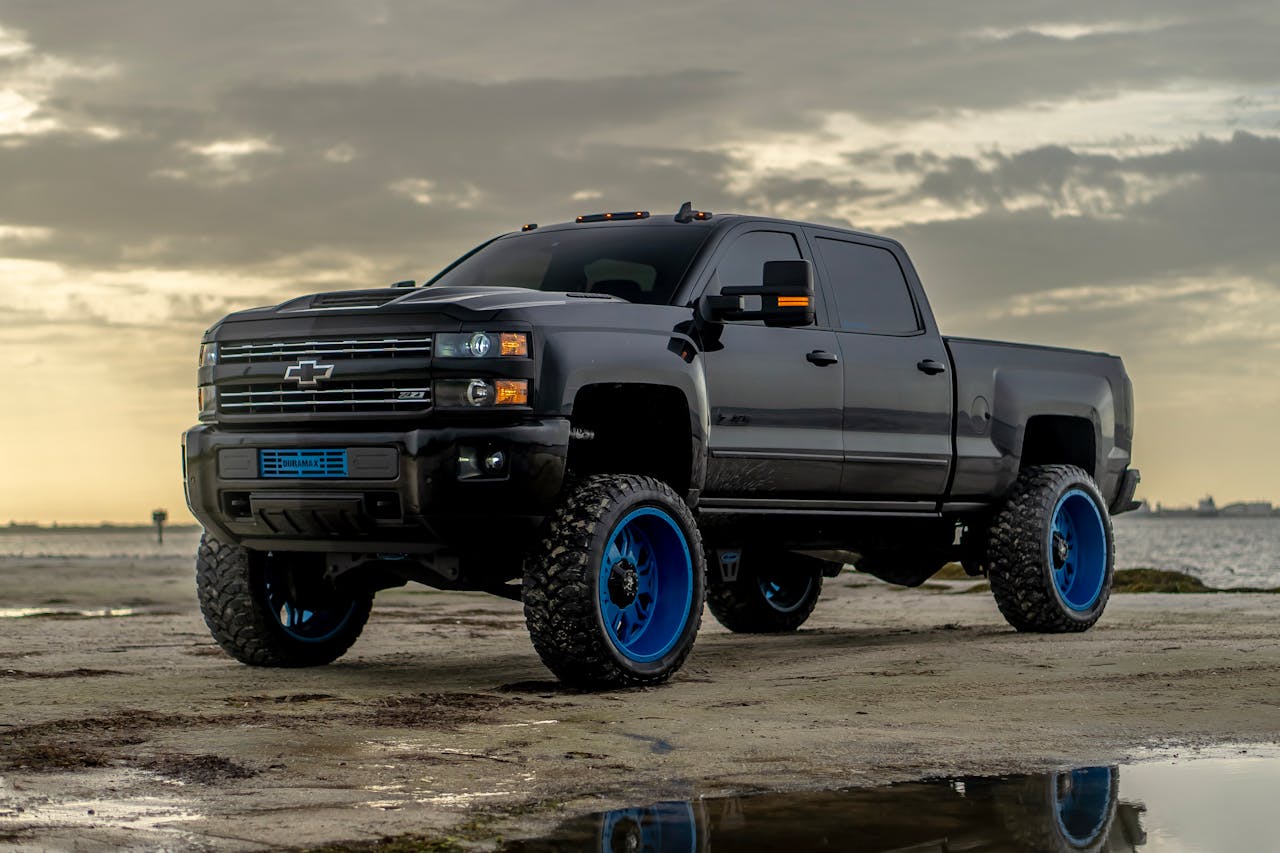
When you're working jobs that demand real strength, you need a truck that won't back down. The Chevrolet Silverado 2500 is built for challenges bigger than your average pickup can handle. Known for its durability and power, this truck delivers consistent performance whether you're hauling heavy equipment or towing trailers long distance. It's not just a truck built for any driver. It's a truck made for those who depend on it every day. more For people in Suffolk County, owning a Silverado 2500 means being ready for anything the job throws your way, from steady construction work to weekend projects that require moving large loads. This is the kind of reliability people turn to when other trucks simply can't get it done. With September rolling in and the transitional weather bringing new work demands, now is a good time to see how a Silverado 2500 could be the right fit. Powerful Performance Features The Silverado 2500 doesn’t just look strong, it performs like it too. Under the hood, this heavy-duty pickup is all about giving you choices that match the kind of work you tackle. Drivers can typically find used models powered by either a V8 gas engine or a diesel option. The gas engine offers solid horsepower and torque, making it a strong all-rounder. If you’re handling heavier loads regularly, though, the available Duramax turbo-diesel is where the Silverado shines. It’s built to manage tough towing jobs with steady pulling power. One feature that sets the Silverado 2500 apart is how grounded and balanced it feels, even under stress. Whether you're carrying materials across town or hauling a trailer for miles, the truck keeps things in control. That stability comes from its well-designed suspension and power distribution system. Here’s what makes the performance side so dependable: Engine options often include a 6.6L gasoline V8 and a 6.6L Duramax turbo-diesel Sturdy transmission systems for both highway cruising and job site driving High towing capability with exhaust braking for extra confidence on declines Integrated trailer brake controller and sway control for safer handling Heavy-duty axles and reinforced frames built for long-term hard use Having power is one thing, but putting that power to work reliably is what makes the Silverado 2500 a go-to truck in Suffolk County. Versatility and Utility The Silverado 2500 is more than just a workhorse. It’s versatile enough to fit different job demands. If you’re on a site hauling equipment or need to move materials from one location to another, this truck makes it easier. Used models come in various cab and bed configurations, which means you’re not stuck with a one-size-fits-all setup. Whether you need more seating for a crew or extra cargo space, there’s a model that fits. Towing is another strong suit. Used Silverado 2500 pickups are built to handle serious trailer loads, whether it's construction machinery or something for weekend use like a camper or boat. Even better, safety and control features keep the experience smooth and secure. Utility highlights include: Multiple bed lengths to match different load sizes Configurable cab styles for more passenger or cargo flexibility High towing capacity backed by features like trailer sway control Available payload options built to keep up with high-demand work This kind of flexibility matters for those who don’t have predictable days. The Silverado 2500 helps you shift gears, literally and figuratively, without breaking rhythm. Comfort and Technology On the inside, the Silverado 2500 offers a quieter, more comfortable ride than you might expect from a heavy-duty truck. After a long day, being able to relax behind the wheel counts. Upholstery ranges from easy-to-clean work-grade materials to more premium options in higher trims. Seating is spacious, and visibility is engineered to make maneuvering less stressful. Technology is never an afterthought. Many used models come with smart infotainment systems that sync with your smartphone. You’ll have access to hands-free calls, playlist streaming, maps, and more, helping you stay connected without distraction. AC and heating systems keep the interior climate just how you want it. This is useful in Suffolk County, where unpredictable seasonal shifts can make you appreciate a well-functioning HVAC setup. Vehicles also often include blind-spot monitoring and backup cameras, useful for high-traffic areas and tight job sites. Every day, this balance of comfort and function makes a difference—whether you’re stuck in traffic or parked by the job site reviewing blueprints. Why Choose a Used Chevy Silverado 2500 in Suffolk County Choosing a used Silverado 2500 may be smarter than buying new, especially for value-driven drivers in Suffolk County. A pre-owned model lets you avoid the drop in value that occurs when a truck is driven off the lot. Instead, you get a proven vehicle that already shows how well it holds up under pressure. You don’t have to leave your area to find one, either. Suffolk County offers trusted options like Chevrolet of Smithtown, giving you a reliable starting point with personalized service. More than that, the changing weather and mixed road conditions found across the county make a rugged vehicle like this more of a necessity than a luxury. Suffolk drivers face a mix of environments, from unpaved backroads to crowded main streets. The Silverado 2500 is made to handle those shifts without missing a beat. You’re not just buying a used truck. You’re buying a piece of equipment that stands up to your needs on your time. Drive Your Silverado 2500 Today At Chevrolet of Smithtown, we understand that choosing a truck is about more than looks or lists of features. It’s about knowing that the truck will do what you need when it matters most. The used Chevy Silverado 2500 gives you the ability to work hard without trading off comfort, control, or peace of mind. Our team helps you find models with the engine, transmission, and towing setup that fits your day-to-day. Whether you know exactly what you want or are still figuring things out, we’re here to answer questions and offer guidance without pressure. When you're ready to upgrade your work truck or need a capable weekend hauler, the Silverado 2500 is waiting at the lot. If you're tired of settling for vehicles that can’t keep up, maybe it’s time to see what a real heavy-duty truck feels like—one that puts reliability first and keeps comfort along for the ride. Looking for dependability and strength in your vehicle choice? Discover how a used Chevy Silverado 2500 in Suffolk County can meet your work and lifestyle needs. Whether it's for towing, loading, or simply cruising in comfort, explore our collection at Chevrolet of Smithtown and find the perfect match for your tasks and adventures.

Chevrolet

Fall Weather Tips For Your Chevrolet

As fall arrives in Suffolk County, it’s a good time to take stock of how your Chevrolet handled the summer and prep it for what’s ahead. Cooler temperatures, shorter days, and wet and slippery conditions can impact both comfort and safety. A little attention now can go a long way in keeping your Chevy running strong and helping you avoid problems that pop up when the weather shifts. more Wear and tear from heat, oil buildup, or loose belts might not be obvious after summer ends. But even small issues can turn into costly surprises if ignored. Seasonal maintenance helps detect these changes before they escalate. A Chevrolet tune-up on Long Island ensures your vehicle performs at its best, even on those cold, rainy days. Check And Replace Wiper Blades Fall weather brings rain, fog, and even the occasional frost, all of which make visibility a top priority. Good wiper blades are your first line of defense for keeping your windshield clear. Unfortunately, harsh summer sun can dry them out, leaving the rubber cracked and fragile. Look out for these signs that your wiper blades need replacing: They leave streaks or smudges when activated You hear squeaking noises even on a wet windshield The blades are cracked or splitting When any of these symptoms show up, it's time to get a new pair. Make sure to choose blades that match your Chevrolet’s model and windshield size. Some blades are designed for rainy seasons, which can handle more water and debris without losing efficiency. Don’t forget about washer fluid either. Fall roads can throw leaves and mud at your windshield, especially during storms. A clean reservoir with a washer fluid rated for colder temperatures helps clean your windshield quickly and effectively. Think about the last time you drove down Sunrise Highway in a downpour. Unresponsive or streaky wipers can turn a routine trip into a frustrating and unsafe experience. Replacing them takes just a few minutes and can make a big difference. Inspect And Maintain Tires Tires have a huge impact on handling, braking, and control—especially when roads are slippery from rain or leaf buildup. Fall is a smart time to get those tires inspected. Start by looking at tread depth. Bald tires reduce grip and make it harder to stop under wet conditions. You can do a quick test using a penny, but nothing beats having a professional inspect them for wear patterns. Uneven wear might signal an alignment or suspension issue. Make sure to also check tire pressure. When the weather cools off, tires naturally lose air, sometimes overnight. Driving with low pressure shortens tire life and leads to poor fuel economy. It can also increase your chances of hydroplaning. Rotating your tires and getting an alignment helps avoid uneven wear and keeps the ride smooth. Fall maintenance usually includes these checks to make sure your Chevy grips the road properly no matter the condition. With Long Island traffic picking up after summer, being sure your tires are ready to handle the load is one less thing to worry about. Properly maintained tires will help you brake on wet roads and steer safely when leaves or puddles cover your path. Battery Check Hot summer days can drain even a strong battery. Once temperatures drop, an already weakened battery may struggle with basic starts. Fall is the right season to test it before that first cold snap turns a slow crank into a no-start. Here are some warning signs that your battery may be giving out: The engine starts slower than usual Headlights or interior lights dim when starting The check engine light turns on briefly during startup Even without these signs, it’s worth having a technician test your battery’s voltage and condition. They can let you know how much life is left and whether a replacement is due. Think about how inconvenient it would be to leave a weekend event only to find your car won’t start. A battery check during your fall maintenance appointment is quick and could save you a lot of time and hassle down the road. Brake System Examination Brakes are central to your safety, especially when the roads are slick and filled with falling leaves. In fall traffic situations—think back-to-school rush or early sunsets—a solid brake system is a must. Pay attention to these brake warning signs: A squealing or grinding noise when braking A soft or spongy feel when pressing the pedal The car pulls to one side under braking If you notice any of these, get a brake inspection immediately. Mechanics can measure brake pad thickness, check the brake lines, and make sure your calipers and rotors are all in good shape. Fall can bring wet streets and more stop-and-go traffic. A brake system that's fully inspected and maintained gives you confidence and control when the unexpected happens. Heating System and Defroster Check As the morning chill sets in, a working heater isn’t just a comfort—it’s necessary. A reliable HVAC system not only keeps you warm but also helps maintain visibility. Your defroster should blow warm air evenly across the windshield to clear up condensation fast. If the air coming out feels weak or uneven, or there are loud noises when the system turns on, your HVAC system may need attention. Clogged filters or malfunctioning air vents can make it harder for the system to operate efficiently. And if you’ve noticed fog building up on the windows that won’t go away quickly, your defroster could be the issue. Running the heat and defroster for a few minutes while checking airflow can catch problems early. A licensed technician can dig deeper inside the system and make sure everything works as it should before cold weather hits harder. Without reliable heat and window defogging, your morning commute across Suffolk County could be not only uncomfortable but potentially unsafe. Getting ahead of those heating or HVAC issues is worth the peace of mind. Stay Safe This Fall Your Chevrolet handles a lot throughout the year, and fall is the ideal time to give it some extra care. Shorter days and unpredictable weather make it even more important to drive with confidence. Every system working as it should means fewer surprises and smoother travels. From wipers and brakes to batteries and tire checks, these small seasonal changes stack up in a big way. When something stops working right, it usually happens at the worst time. Taking care of fall maintenance keeps you one step ahead and makes daily driving safer and easier. Whether you're headed to the school pickup line or taking a scenic ride through the East End, a properly maintained Chevy means one less thing on your mind. Let seasonal tune-ups take care of the small stuff so you can enjoy a stress-free, comfortable drive all the way through autumn. Keeping your Chevrolet in top condition during the fall ensures every drive is safe and pleasant. Avoiding issues on wet and slippery roads can save you from unexpected downtime and costly repairs. For a comprehensive check, schedule your Chevrolet tune-up on Long Island with Chevrolet of Smithtown. Our skilled technicians can help keep your vehicle running reliably all season long.

Chevy

When Your Chevy Makes Grinding Noises

Hearing a grinding noise from your Chevy can spark serious concern. It’s one of those sounds that grabs your attention right away. You’re on your usual route, windows up, music low, and suddenly there it is — a deep, uncomfortable grinding. It might come from the front, the back, or even underneath. No matter where it’s coming from, it usually means something's not working the way it should. more Taking care of it early can save time, money, and bigger problems down the road. Grinding noises don't usually go away on their own. Getting familiar with the possible causes helps you explain the issue more clearly when you bring your Chevy in for service. Let’s break down a few likely reasons behind those sounds and what they could mean for your vehicle. Understanding the Causes of Grinding Noises in Your Chevy When it comes to strange car noises, grinding ranks high on the worry scale. It’s not just annoying. It’s usually a sign that something mechanical is wearing down or out of place. Left alone, issues like these could lead to breakdowns or expensive repairs. Here are some of the most common causes of grinding noises in a Chevy: Worn brake pads or rotors: This is one of the biggest culprits. As brake pads wear thin, the metal behind them starts rubbing directly against the brake rotor. That metal-on-metal sound is hard to miss. Wheel bearing wear: Grinding that gets louder as you gain speed might be tied to a worn wheel bearing. These help your wheels spin smoothly but don’t last forever. Suspension trouble: Sometimes grinding can come from faulty suspension parts like worn-out joints or control arms. These noises can pop up during turns or when riding over uneven pavement. Transmission problems: In rare cases, grinding may signal trouble inside the transmission, such as worn gears or low fluid levels. Stone or debris caught in the brake system: A small rock or piece of gravel lodged in the brake caliper can create a noisy grind every time the wheel turns. Once you figure out where the sound is coming from, it's easier to focus attention on what needs to be fixed. That’s when diagnosis comes into play, especially at the front or rear of the vehicle. Diagnosing Front-End Grinding Noises Front-end grinding is usually easier to detect compared to other vehicle noises. It tends to show up during braking, steering, or while driving at lower speeds. Paying attention to when and where the sound happens gives some clues about what’s going wrong. When the sound comes from the front of your Chevy, start by considering these areas: 1. Brakes – If grinding kicks in when you press the brake pedal, the pads might be worn down or the rotors warped. A vehicle that has been sitting unused for a while can also build up rust on the rotors and cause temporary grinding during the first few drives. 2. Wheel bearings – A humming or grinding sound that changes with speed might point to one or both front wheel bearings. If it gets worse when turning, that's another sign to get them checked. 3. Steering components – Loose or worn tie rod ends or ball joints can also make grinding noises. This is noticeable during sharp turns or while backing out of a parking spot or driveway. 4. CV joints – If the grinding sound shows up mostly during tight turns, a worn constant velocity (CV) joint could be the issue. These help your front wheels pivot and stay stable as the suspension rises and falls. To help narrow it down, drive slowly in a quiet area and try these tests: Listen while braking. Does the noise only happen then? Turn the wheel left and right slowly. Does the sound get louder or change pitch? Does the sound increase with speed? Finding patterns like these helps guide your service technician to the right area. It still takes a trained eye to fully diagnose and make repairs, but narrowing it down helps get the process started faster and more accurately. Investigating Grinding Noises from the Rear Grinding from the rear section of your Chevy isn’t something you want to ignore. The back end has its own set of parts that can wear out or fail. If you’re hearing noises coming from behind you, here’s what could be going on: Rear brake issues: Just like the front, rear brakes can wear out. If your Chevy has drum brakes, the shoes inside may be worn or damaged, causing grinding every time the brakes are applied. Rear wheel bearings: These can wear down and create a grinding sound, especially when driving at higher speeds, over bumps, or while cornering. Axle or differential components: If your Chevy is rear-wheel or all-wheel drive, parts inside the differential or axle could wear out. These parts affect how power gets to the wheels, and when they start failing, they can create a heavy or droning grinding noise. To help figure things out, listen for details like: Does the grinding noise get louder as you speed up? Is it more noticeable when braking? Do you feel any vibrations while the grinding happens? Parts in the rear of the car can affect both safety and performance. Something like a worn wheel bearing, if left untreated, can lead to loose wheels or uneven tire wear. Getting your Chevy inspected early helps cut off these problems before they grow. When to Seek Professional Help Not every sound requires immediate panic, but some definitely call for a closer look. If you’ve noticed that grinding noise more than once and it isn’t going away, it’s probably time for a professional to check things out. Here are signs it’s time to schedule a visit: Persistent grinding: If the sound sticks around every time you drive or keeps coming back, you’re likely dealing with a part that’s worn out, failing, or already damaged. Unusual vibration: A shaky ride matched with grinding could point to a dangerous issue. Parts might be loose or worn in a way that affects stability. New noises stacking up: If your Chevy starts making other noises alongside the grinding, like clunks or squeals, it could mean more than one part is involved. At this point, DIY solutions won’t do. A certified technician will take off tires, inspect braking systems, check internal components, and use professional tools to find the cause. It’s the sort of care most drivers can’t perform at home and helps you avoid making things worse by guessing wrong. Chevrolet of Smithtown has trained service professionals who know exactly how different Chevy models behave. They’ll inspect your vehicle with precision and let you know what needs to happen now and what can wait. Ready to Silence Those Grinding Noises? Fixing grinding noises before they lead to a bigger breakdown is a smart way to protect your vehicle. Whether it’s worn brake pads or a deeper issue in your drivetrain, early action keeps things simple and avoids paying more later. Regular maintenance makes a huge difference. When your vehicle is looked at on a schedule, worn parts can be spotted and replaced before they cause noise. But once grinding starts, it requires attention before it affects safety or starts damaging other systems. Whether the problem is minor or more complicated, it's easier to take the next step when there’s a team ready to help. Listening to your Chevy when it complains pays off when it means peace of mind and more miles ahead without worry. Now’s the right time to get back to smooth, quiet drives. Don't wait for the sound to get worse. If grinding noises continue to be a hassle and you're unsure about the next steps, schedule an inspection at our Chevrolet service center on Long Island. The technicians at Chevrolet of Smithtown are here to identify the issue and get your car back to quiet, smooth operation. Don’t let strange sounds distract you behind the wheel—let’s get it sorted out together.

Contact Us

Fill out this form below and we'll contact you shortly
*Required Fields