




Blog / Saint James Chevrolet Dealer

Blog

All Saint James Chevrolet Dealer
Chevy

Understanding Your Chevy's Warning Lights

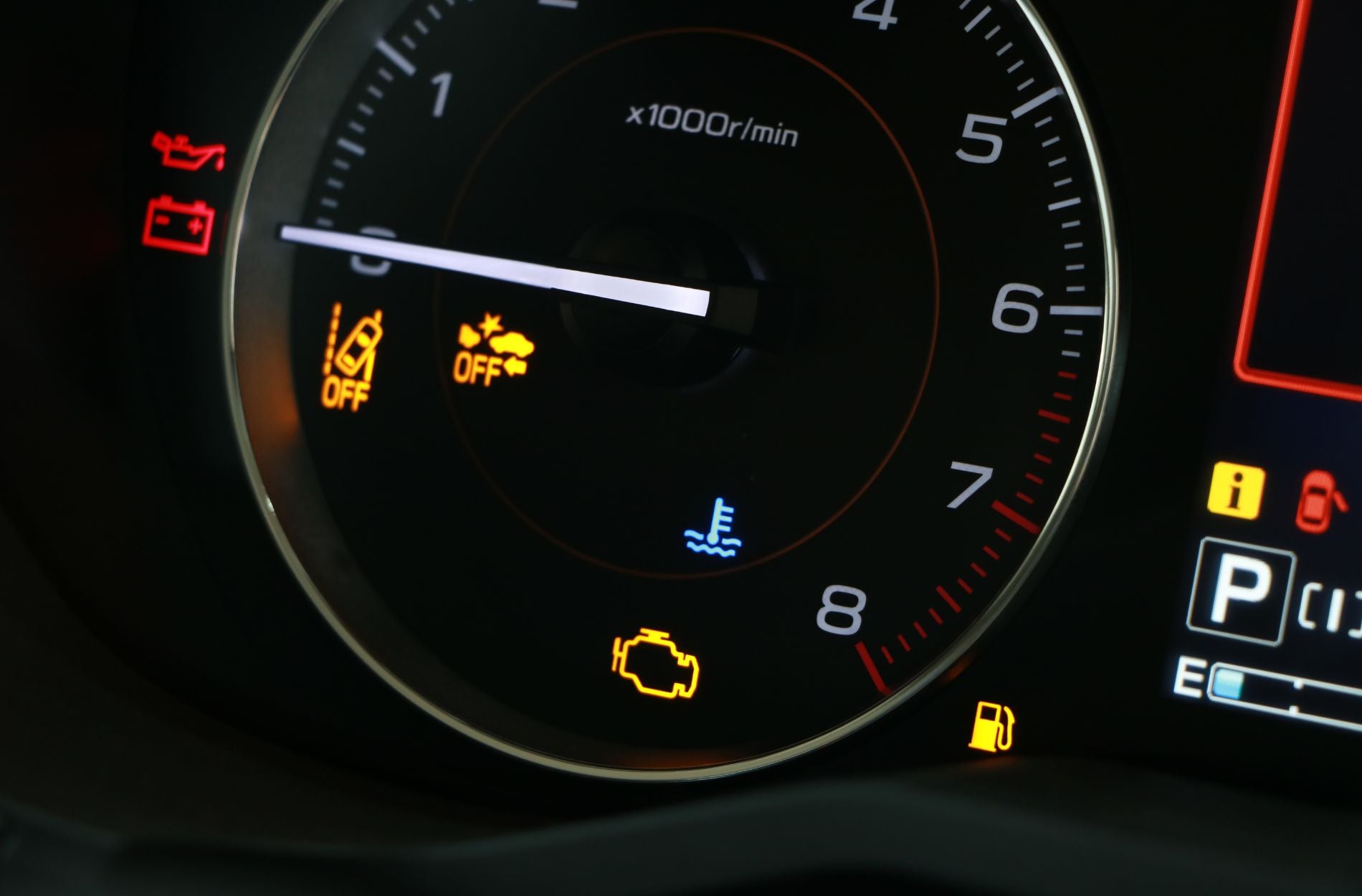
Driving a Chevy is usually smooth sailing, but when a warning light pops up on your dashboard, it can feel like your car is speaking a different language. These lights are designed to grab your attention, but not all of them mean there’s a major issue. Some are simple reminders, while others are alerting you to a problem that shouldn't wait. Either way, knowing what your vehicle is trying to tell you makes a big difference in how you respond. more Whether you're commuting through Long Island traffic or heading out for a weekend getaway, understanding your Chevy’s warning lights gives you a better sense of control and confidence. Let’s break down what some of the most common dashboard lights mean, why they come on, and what steps you should take when they do. Common Warning Lights And Their Meanings Your Chevy's dashboard lights are meant to keep you informed about the condition of your vehicle. While each light is tied to a different system, there are a few you’re more likely to see pop up. Knowing how to respond to them can help prevent bigger problems later on. Here are some common dashboard warning lights and what they typically signal: Check Engine Light: This is one of the most familiar warning lights. It can mean anything from a loose gas cap to a serious engine problem. If the light is flashing, stop the vehicle and have it checked immediately. If it’s solid, you can keep driving but should schedule a service appointment soon. Brake Warning Light: If this light turns on, check that the parking brake is fully released. If it stays on or turns on while you’re driving, it could indicate low brake fluid or a potential issue in the braking system. Battery/Charging Alert: This light shows a problem with the battery or charging system, such as the alternator or voltage supply. Electrical components could be affected, so it’s best to have it inspected soon. Oil Pressure Warning: This could mean your engine isn’t getting enough oil. Stop in a safe place, turn off the car, and call for service. Ignoring this light can lead to engine damage. Tire Pressure Monitoring System (TPMS): This light signals that one or more tires are under-inflated. Fluctuations in temperature, especially during Long Island’s colder months, can make this light come on. Check and adjust the tire pressure accordingly. When any of these lights appear, staying calm helps. Make sure you're in a safe location, then use your owner’s manual to get more details. Some issues are urgent, while others give you time to plan for service. Either way, it’s best not to ignore them. Addressing a small issue can help you avoid major repairs later. The Importance Of Timely Chevrolet Sensor Replacement On Long Island Every Chevy today is packed with sensors. These tiny parts constantly collect data and communicate with your car’s onboard systems to keep things working properly. When something isn’t right, one or more of those sensors will trigger a dashboard light to let you know. A check engine light, for example, may be caused by a faulty oxygen sensor. It’s tempting to put off repairs, but ignoring worn or broken sensors can lead to larger problems. Something as small as a sensor controlling your fuel mixture can affect your fuel economy and engine performance over time. The type of driving common on Long Island – a mix of highways, local roads, and heavy stop-and-go traffic – puts vehicles under a lot of strain. Reliable sensors play a big role in helping the engine run smoothly and efficiently in those conditions. If those sensors misread a system or fail entirely, the result can be more than just inconvenience. Addressing these issues early can help your car stay on the road longer. Getting faulty sensors replaced quickly is the better choice. It’s work best left to professional technicians who understand how to properly diagnose sensor issues using specialized equipment. That way, you can trust the job’s done right and avoid further headaches down the line. Tips For Handling Warning Lights No one enjoys that moment when a warning light appears on the dash. But knowing what to do when it happens can help you stay confident and safe. Here are some straightforward tips to help: 1. Stay Calm and Find Safety: If a light comes on while you're driving, don’t panic. Pull over to a safe spot if needed and assess what’s going on. 2. Check the Manual: Your Chevy’s owner’s manual has a section for dashboard warning symbols. This can help you immediately understand the situation better. 3. Pay Attention to Other Clues: Is your vehicle acting strange? Are there strange sounds, odd smells, or changes in how it feels when you drive? These details can help a technician diagnose the issue faster. 4. Get Help from Experts: If you’re not sure about a light, or if it stays on even after you've tried a basic check, schedule service with a certified technician. A full inspection could prevent surprise repairs in the future. It’s good to stay alert, but it’s even better to know where to turn for help. Minor dashboard warnings left unchecked can evolve into serious vehicle damage. How Regular Maintenance Can Help Prevent Warning Light Issues Preventive care is one of the most effective ways to stay on top of potential dashboard alerts. Keeping on top of routine maintenance ensures your vehicle gets regular inspections that can catch things before lights turn on in the first place. Regular oil changes, tire rotations, fluid checks, and brake service are more than simple checkups. They keep your vehicle performing well and reduce the chance of faults that might trigger dashboard lights. Following your manufacturer’s recommended maintenance schedule is one of the best things you can do for your Chevy’s health. During routine inspections at Chevrolet of Smithtown, our technicians also check on sensor performance. This proactive check is helpful in spotting sensors that may soon need attention. Catching a failing sensor before it sends off warning signs keeps your day-to-day driving hassle-free. By building a habit of regular maintenance, you're investing in your Chevy’s future. It’s a small amount of time in the shop that can save you from much larger problems later. Stay Safe with Professional Help from Chevrolet of Smithtown Dashboard warning lights shouldn’t be ignored, but they also don’t have to turn into a source of stress. Staying informed about what your Chevy is trying to tell you keeps you in control, especially when driving through Long Island’s busy roads or enjoying a peaceful weekend trip. If a light does pop up and you’re left guessing, it's always smart to have professionals take a look. The team at Chevrolet of Smithtown has the tools and knowledge to sort out the problem, explain what’s happening, and fix it the right way. From sensor replacements to regular maintenance, we help keep your Chevy dependable and ready for your next drive. Taking care of your Chevy with timely sensor replacements keeps it running smoothly across the diverse roads of Long Island. For expert service and support, count on Chevrolet of Smithtown. To keep your vehicle performing at its best and prevent future dashboard alerts, learn more about Chevrolet sensor replacement on Long Island. Prioritizing regular maintenance means fewer surprises and a smoother ride every time.

Chevy

What To Do When Your Chevy Won't Start

You're running late for work or getting ready for a weekend trip, and suddenly your Chevy won’t start. It’s frustrating, and that moment of silence after turning the key can make your stomach drop. Whether the lights come on but the engine doesn't crank, or everything seems completely dead, it's a situation no driver wants to face. Vehicles are supposed to take you where you need to go, not leave you stuck in a parking lot or driveway. more Getting your car started again depends on understanding what’s going wrong. There are a few usual suspects when your Chevy won’t turn over, and most of them can be identified with basic observation. Knowing where the problem might be is the first step. If you're in Suffolk County and experiencing this, it's a good time to get your vehicle looked over by someone who knows what they’re doing. Common Reasons Your Chevy Might Not Start Before jumping to conclusions, it's helpful to know the most likely reasons a vehicle won't start. It can be something small, like a low battery, or something more complex under the hood. Here’s a look at the most common trouble areas: Battery Problems: This is often the most straightforward cause. A dead battery can happen when lights are left on or when the battery is just old. You might notice dim headlights or no response from your dashboard. Even if the lights work, the battery might not have enough power to start the engine. Corrosion around the terminals can also block the battery connection and keep power from getting where it needs to go. Starter Trouble: The starter gets the engine turning. If it fails, you may hear a clicking noise when you turn the key, but the engine won’t come alive. In some cases, you might not hear anything at all. A worn-out starter motor or a bad solenoid could be the reason. Fuel System Issues: If your engine isn’t getting fuel properly, it won’t start. This could be because of an empty tank, a clogged fuel filter, or a bad fuel pump. If the engine cranks but never catches, fuel problems are worth checking. Ignition System Problems: There’s a chain of events that begins when you turn the key. If something disrupts that process, like a worn ignition switch or bad spark plugs, your Chevy might stay silent. If the dashboard stays dark or you had some stalling before the car stopped working altogether, the ignition system could be at fault. In late summer, especially in areas like Suffolk County, battery wear tends to be more common due to prolonged heat exposure. Higher temperatures can cause batteries to weaken faster than expected, sometimes with no warning signs. Understanding how each part plays a role in starting your engine helps narrow down what could be wrong. From there, reaching out to a qualified professional is the quickest way to fix the issue and get back behind the wheel. Troubleshooting Tips When your Chevy won’t start, there are a few things you can check to get some quick answers. Going through each possible issue can point you in the right direction. Check the Battery: Take a look at the battery first. Is there buildup or corrosion on the terminals? If so, gently cleaning that off might help improve the connection. Make sure the wires are securely attached. If you have a voltmeter, test the battery’s charge to see if it’s strong enough. Listen for Clicking Sounds: Turn the key and pay attention. If you hear a clicking noise but no engine movement, the starter might be involved. That clicking usually means the solenoid is working but the starter motor isn’t. Fuel Level and Quality: Double check your gas tank to make sure there’s fuel. It happens more often than you’d think. If you’ve just refueled and the trouble started afterward, contaminated gasoline might be the cause. Inspect Spark Plugs: Worn spark plugs won’t spark the air and fuel mixture, which prevents your engine from starting. If they look dirty, cracked, or worn, replacing them could improve performance. Go through these steps slowly. Rushing can make you miss an important sign. If the issue isn’t obvious, it might be time to bring your Chevy in for a full inspection. When to Call a Professional Sometimes the issue runs deeper than a battery or loose wire. Knowing when to reach out for professional help can save you time and prevent further damage. If you’ve tried the basic troubleshooting steps and still can’t get your Chevy started, or if you’re hearing strange sounds, smelling fuel, or noticing flickering dashboard lights, those are signs of bigger problems. Here’s what to watch for: 1. No sound or only clicking even after multiple tries. 2. No clear cause identified after checking the battery and fuel. 3. Engine starts inconsistently or stalls shortly after turning on. These are cases where certified technicians can run proper diagnostics and catch things not visible from a simple glance. Keeping your car in good condition year-round can help avoid these problems in the first place. A professional can spot warning signs early and ensure you’re covered before your car refuses to move again. Keeping Your Chevy in Top Condition A smooth-running Chevy is no accident. It takes consistent care and service to keep everything working together. Here’s how routine upkeep can help you avoid issues like a no-start problem. Regular Maintenance: Be sure to follow your vehicle’s maintenance schedule. Oil changes, filter replacements, and tire checks all support your Chevy’s overall health. Battery Care: Heat and cold both affect battery life. Keep terminals clean and have your battery tested once in a while, especially before seasonal changes. Fuel System Maintenance: Periodic fuel treatments or inspections can prevent blockages that keep fuel from reaching the engine. Professional Inspections: Having experts look at your vehicle regularly allows them to catch small problems you're likely to miss. Trained technicians can test components more accurately and make sure your Chevy is safe and ready for the road. By paying attention to the signs and setting a schedule for service, you're putting your Chevy in the best position to perform whenever you need it. Get Back on the Road with Chevrolet of Smithtown When your Chevy refuses to start, it’s more than just an inconvenience. It interrupts your plans and adds unnecessary stress. The sooner the issue is handled by someone who understands your vehicle, the better. At Chevrolet of Smithtown, we know the local conditions in Suffolk County that affect your car’s performance. From unexpected battery wear in the summer to fuel system concerns, our team brings experience and reliable solutions to every diagnosis. Whether it’s your first visit or your tenth, we treat every Chevy with care and every driver with respect. Let our professionals help you get back on the road safely and with confidence. Make sure your Chevy is always ready to roll by staying on top of regular maintenance. Whether it's a routine check or a deeper issue under the hood, you can count on expert care from a Chevrolet dealership in Suffolk County. Trust Chevrolet of Smithtown to provide the dedicated service your vehicle deserves.

Chevy's Steering Wheel

Strange Vibrations From Your Chevy's Steering Wheel

If you’ve been driving around Long Island and noticed a strange vibration coming from your Chevy's steering wheel, you’re not alone. It might start as a slight shaking you feel at high speeds or maybe when you're slowing down. It could even show up during regular trips around town. Either way, it’s not something you want to ignore. Weird movements like that are usually your car’s way of saying something’s off. more Driving with a vibrating steering wheel isn’t just annoying. It can be risky, too. It affects how safely your vehicle handles, especially on long drives, crowded streets, or during quick turns. More importantly, what feels like a harmless shake could come from parts that are wearing out or already damaged. Paying attention to these early signs keeps you safer and could help avoid more complicated issues later. Common Causes Of Steering Wheel Vibrations Vibrations can come from several parts of your Chevy. Some are easy fixes, and others need a deeper look under the hood or below the wheels. One of the most common culprits is misalignment. If your suspension or wheels aren't properly aligned, your whole ride can feel off. Your tires may pull slightly in one direction, and the steering wheel wiggles more than it should. This is where a Chevy alignment service on Long Island becomes really important. Uneven alignment makes it harder to drive in a straight line, especially at higher speeds. Other common drivers of steering wheel vibration include: Tire imbalance. If your tires aren’t evenly balanced, especially after new ones are installed or rotated, they can cause shaking. This is often felt more the faster you drive. Worn-out tires. When your tires wear down unevenly or have bald spots, that irregular surface transfers vibrations right up the steering column. Brake system issues. If your wheel shakes mostly when braking, warped rotors could be the reason. Over time, brake rotors can get uneven, and that bumpiness shows itself through the steering wheel. Suspension wear and tear. Loose or worn suspension parts like ball joints, tie rods, or control arms can lead to small but noticeable vibrations while driving, especially if you hit rough patches or potholes. It's not always easy to pinpoint the cause by feel alone, but being aware of these signs helps you describe the problem to a professional faster. The Role Of Alignment In Ensuring Smooth Steering Classic roads and coastal routes around Long Island are beautiful but not always smooth. That makes vehicle alignment something worth paying attention to. When alignment is off, your Chevy may start pulling to one side. You might notice the steering wheel sitting slightly off-center even though you're driving straight. On top of that, uneven tire wear becomes more noticeable the longer you go without service. Alignment doesn't only impact tire life. It plays a big role in how well your Chevy handles. A misaligned vehicle forces the engine and suspension to work harder. That can lead to poor fuel use, reduced comfort, and a less stable ride. Here are a few signs that might mean you need a Chevy alignment service on Long Island: Your car pulls sharply or subtly to one side when you're not turning The steering wheel sits crooked even when driving straight You feel a shake or vibration in the steering at high speeds Tires show uneven wear patterns, especially on the inner or outer edges You recently hit a big bump, pothole, or curb with noticeable force Sticking to regular alignment checkups keeps your driving experience smooth and safe. It also helps preserve your suspension and tires, two parts that tend to wear faster when alignment is off. Making sure everything stays in line saves time, money, and stress down the road. When To Seek Professional Help There comes a time when a vibrating steering wheel needs more than a quick check. Knowing when to call in the experts can save you from future headaches. If you're feeling the shake more frequently or during specific actions like braking or accelerating, that signal should not be ignored. Vibrations that increase over time usually mean something is getting worse, not better. Here are a few more signs you should be on the lookout for: Persistent vibrations that don’t go away after tire rotation or air checks New or unusual noises coming from the steering system Steering feels rough or hard to control You notice changes in vehicle handling, especially during turns Turning to a professional ensures your car gets the right fix the first time around. Experienced mechanics can spot problems hidden beneath the surface. Also, with their tools and training, they tackle issues without causing further damage, which DIY fixes might risk. At Chevrolet of Smithtown, we specialize in diagnosing and repairing alignment-related issues for Chevy vehicles. Our experienced team handles everything from alignment to tire inspection and suspension checks. Preventative Measures To Avoid Future Vibrations Keeping your steering wheel vibe-free doesn’t stop at a single fix. Regular maintenance becomes your first line of defense against recurring problems. A few simple steps can keep those annoying shakes at bay and your drive feeling smooth. Here’s how to stay ahead of it: Schedule regular alignments. This helps prevent the uneven tire wear that often leads to steering wheel vibrations. Inspect tires frequently. Check them monthly for wear and pressure levels. Properly inflated tires last longer and perform better. Rotate tires every 5,000 to 7,500 miles. This promotes even tire wear and improves handling. Perform regular brake checks. Especially if you’ve noticed vibration during braking. Warped rotors can sneak up fast. Get suspension inspections once or twice a year. Catching worn parts early prevents more serious issues from forming. These small, routine steps go a long way in keeping your Chevy running at its best. Why A Smoother Drive Starts With Quick Action Steering wheel vibrations might seem small, but they can hint at larger issues under the hood. And let's face it, nobody enjoys a shaky drive, especially in scenic places like Long Island. Not only does it chip away at your ride quality, it can put key components to the test. Addressing vibrations early gives you the confidence to cruise smoothly and safely, from beach outings to city trips. It also helps avoid complex repairs that might arise from neglected issues. Taking care of your alignment, making routine checks, and turning to the right professionals when needed helps keep your Chevy as responsive and quiet as ever. By staying on top of these warning signs and keeping up with proper maintenance, you’ll ensure your vehicle remains ready for anything the road throws your way. Whether you're heading out east or just cruising around your neighborhood, a steady and smooth steering wheel makes all the difference. Keep your Chevy performing at its best by addressing any unsettling vibrations today. For comprehensive support tailored to your vehicle's handling and safety, schedule a Chevy alignment service on Long Island with the experienced team at Chevrolet of Smithtown and enjoy a smoother, more confident ride every time you hit the road.

Express Van

Why The Express Van Works For Business

Running a business in Suffolk County often comes with a long to-do list and plenty of moving parts. Whether it's making deliveries, transporting materials, or bringing a crew from one job site to another, having a dependable vehicle can make everything easier. One of the vehicles that stands out for its consistent performance and flexibility is the Chevrolet Express Van. It’s known for being simple, tough, and ready for almost anything you throw at it. more What makes this van a go-to for so many different types of businesses is its ability to fit into just about any workflow. From local contractors to plumbers and electricians, the Express Van offers reliable space, customization, and function. With the mix of neighborhoods, highways, and industrial areas across Suffolk County, local business owners benefit from a vehicle that works as hard as they do, and the Express Van is built to keep up. Ideal For Freight And Personnel Transport One of the best parts about the Chevy Express Van is its practical, no-frills approach to transport. Whether your staff needs to move tools and equipment, supplies, or team members, this van handles it with ease. The interior is roomy and laid out in a way that makes hauling large or awkward items manageable. You don’t have to cram everything into a small space or worry about multiple trips when you’ve got that kind of cargo room. Business owners in industries like construction, landscaping, HVAC, and cleaning services often need to carry both tools and a crew. The Express Van allows you to do just that without the need for a second vehicle. You can configure the model based on whether you need more seats or more open space. Here are a few ways the interior can be adapted to your needs: 1. Add storage racks or shelving for organizing tools and supplies 2. Install partition walls to separate the cargo area from the seating 3. Choose extended versions for increased cargo length 4. Remove rear seating to open up the full van for freight transport 5. Add ladder racks or roof storage for extra equipment This kind of flexibility makes the van a smart investment for small to mid-sized businesses who need space but still want to keep their setup simple. When moving a work crew around Suffolk County or making daily deliveries from job to job, having access to both cargo space and seating cuts down on wasted time and extra fuel costs. Cost-Effective And Reliable Performance While many vehicles claim to be budget-friendly, the Express Van lives it. It has a long-standing reputation for being dependable with fewer maintenance headaches over time. That’s appealing to any business trying to avoid surprise repair bills or downtime waiting for a tow. It's designed to last and hold strong through daily use. Fuel economy may not be the first thing that comes to mind with a van of this size, but the Express Van keeps things efficient, especially when you compare it to larger trucks or running multiple smaller vehicles. For businesses with set delivery routes or service calls in nearby towns, it’s an option that quietly saves money over time. Durability is another strong point. The engine and frame are built tough, made to handle heavy usage without falling apart too soon. Even better, parts are widely available which means it’s quicker to fix and get back on the road. You won’t find yourself waiting around for weeks for something as simple as a belt or filter. If your business depends on staying mobile, especially across Suffolk County, you want a van that keeps moving day after day. The Express Van delivers just that, staying reliable without the need for constant attention or complicated upkeep. Whether you're driving around neighborhoods, going upstate, or handling several job sites in one day, you know you’ve got something solid under your feet. Customization Options For Specific Business Needs One big advantage of the Chevy Express Van is how it can be tailored to fit a business’s unique demands. Different industries have different needs, and the Express Van can adapt. For instance, a mobile pet grooming service might benefit from water tanks and power converters installed, while a catering business could add refrigeration units. These modifications ensure that businesses across Suffolk County can operate efficiently and meet their specific goals. These are just a few ways the van can be customized: 1. Upgrade electronics with built-in GPS systems or enhanced communication tools 2. Install special equipment like shelving, racks, or partitions made for specific trades 3. Improve comfort with additional seating or stronger air conditioning This adaptability makes the Express Van appealing to growing companies. It allows a business to expand or shift operations without needing a whole new fleet. Having the option to modify or upgrade key features means that as your business evolves, your vehicle can evolve with it. Built For Safety And Convenience When it comes to safety, the Express Van doesn't cut corners. Business vehicles need to protect not only workers and customers, but also the equipment and supplies they carry. Standard safety features include antilock brakes and stability control to help drivers stay in control in different road conditions. These tools help everyone in the van stay safe while also protecting the investment in cargo. Convenience is part of the experience too. The Express Van makes every part of the workday more efficient with access points designed around real-world use. Available sliding side doors and wide rear-access doors help crews load and unload faster. That really matters when making quick delivery runs or pulling tools out for a short job. The less time spent wrestling with cargo or entry points, the quicker your team can move through the day. The layout of the Express Van supports that goal. It helps create a clean workflow of parking, unloading, completing a job, and hitting the road again without extra steps. That rhythm adds efficiency to every hour. Why Suffolk County Businesses Rely On It The versatility and day-to-day function of the Chevy Express Van make it a great fit for nearly any type of business operating in Suffolk County. From transporting goods to hauling a full work team, it helps simplify the complex task of running operations across a wide area. That combination of practicality, strength, and space means companies can spend more time working and less time figuring out how to get jobs done. Choosing a used Chevy Express Van also brings added value. These vans are built tough, have long service lives, and parts are easy to access. You get the features you need along with the savings of going pre-owned. It’s a way to stay smart about spending without giving up reliability or performance. Local weather, roads, and job types require something that can take a hit and keep going. This van offers exactly that. It’s no wonder so many local contractors, businesses, and service technicians continue to choose the Express Van year after year. Keeping Your Fleet Running Strong Running a successful business comes down to consistency. Vehicles like the Express Van help support that by staying reliable with lower upkeep and easy customization. But staying reliable also means keeping up with maintenance. That’s where a trusted service center becomes part of your plan. With regular checkups, oil changes, and inspections, you can keep your used Chevy Express Van in Suffolk County running smoothly for the long haul. It supports your team, your schedule, and your bottom line. When it’s time to grow your fleet or replace an aging vehicle, it’s worth seeing how a used Chevy Express Van can fit right into your workday. With its strong track record and ability to adapt to nearly any task, it helps you run your business without interruption. Whether you need one van or a few, it’s a reliable way to move forward while keeping operations steady and stress low. If you're looking for a dependable work vehicle that can grow with your business, a used Chevy Express van in Suffolk County offers the space, strength, and flexibility you need to stay on track. Chevrolet of Smithtown is here to help you find the right fit for your daily operations and long-term goals.

Chevy

Dealing With Chevy Transmission Fluid Leaks

Once your Chevy starts showing signs of wear, ignoring the little things can create big problems down the road. One of the issues that often goes unnoticed is a transmission fluid leak. It's easy to miss in the beginning but can cause expensive damage if left unchecked. The transmission is what helps your vehicle shift gears smoothly, so keeping the fluid at the right level and in clean condition matters more than most people think. more Transmission fluid leaks can sneak up on drivers, especially when you're busy juggling daily errands, work commutes, or weekend trips. You might spot a small stain on the driveway and brush it off, only to find your vehicle acting strange a few weeks later. That red or brown puddle isn’t something to ignore. Catching it early can save both time and money while keeping your Chevy driving the way it should. Identifying Transmission Fluid Leaks Figuring out whether your Chevy has a transmission fluid leak starts with paying attention to a few tell-tale signs. Most leaks don't start with a warning light, so you'll need to rely on your own observations before any major symptoms occur. Here are some common indicators something might be off: Puddles or stains under your vehicle: Transmission fluid is usually red or dark brown and may have a slightly sweet or burnt smell. If your car keeps leaving a noticeable puddle behind after being parked overnight, that’s a red flag. Slipping gears or delayed shifting: If your transmission hesitates when shifting or feels jerky during acceleration, low fluid could be to blame. Whining or humming sounds: Unusual sounds, especially when the car is in gear, can mean the transmission is under strain. Warning lights on the dashboard: While not always related to fluid, if your check engine or transmission warning light turns on, it’s best to get it checked immediately. Burning smell: Overheated transmission fluid gives off a distinctive smell and is a clear sign that levels may be too low or the system is overheating due to friction. Catching a leak early makes a big difference. The longer transmission fluid continues to drip, the greater the risk of damage to internal parts. This could lead to more expensive repairs, including replacing the entire transmission. Something as simple as wiping up a small stain shouldn’t be the end of it. Keep tracking where the stain appears and how often. Consistent leaks are a sign it’s time to take a closer look under the car. Common Causes Of Transmission Fluid Leaks Once you've spotted what might be a leak, the next question is what’s causing it. Transmission systems have several components that all work together, which means there are multiple places the fluid can escape. Some causes involve simple wear and tear, while others come from service-related issues or weather conditions. Here are some of the most common reasons: 1. Worn Seals or Gaskets: Over time, rubber seals and gaskets lose their flexibility. When they dry out or crack, they can’t keep the fluid in like they used to. This is common in older vehicles or ones with high mileage. 2. Damaged Transmission Pan: Your transmission pan sits underneath the car and can get scraped or dented. On Long Island roads, potholes in the winter are especially rough. A hole or crack can lead to a slow but steady fluid leak. 3. Loose or Broken Drain Plug: The drain plug is removed during fluid changes. If it’s not tightened properly or has thread damage, it may leak even right after a service. 4. Worn Out Transmission Lines: Metal lines that carry fluid can rust over time. This is especially true in Suffolk County where road salt is used to treat ice in winter. Once these lines crack, fluid leaks out and system pressure drops. 5. Improper Installation After Service: If someone recently worked on your transmission and didn't install parts like the pan or lines correctly, gaps may be left behind. This can result in fluid leaking faster than expected. Driving conditions and habits play a role too. Stop-and-go city traffic, towing, or long work commutes through Long Island summers and winters can wear out your system faster. If any of these are part of your daily routine, it's smart to check your fluid levels more often and schedule extra inspections when needed. The earlier you catch a problem, the easier it is to fix. Steps to Address Transmission Fluid Leaks Once a transmission fluid leak is suspected, a few simple steps can help confirm the issue. Start by checking the fluid levels using the dipstick under the hood. If the reading shows the fluid is low, it’s a sign that something’s wrong. Topping it off may help you get by temporarily, but it doesn’t fix the root cause. Next, inspect under the vehicle for leaks. Any fresh stain or reddish fluid may be the clue you need. If you find fluid around the pan, fittings, or lines, you may be able to narrow down the source. Look out for worn or damaged parts. Cracks in hoses or visible wear on seals could be signs the components need replacement. If anything looks out of place or beyond your comfort zone, it’s time to get professional help. Modern transmissions are complex, and guessing at the solution can make problems worse. Fixing the wrong part or delaying repairs might result in a full breakdown or more expensive damage. Visiting a certified service technician ensures your Chevy is carefully inspected by someone who knows the system inside out. They can identify problem areas, repair or replace parts as needed, and test everything to make sure it runs correctly again. Preventive Maintenance Tips for Long-Lasting Performance If you want to avoid leaks and drive smoothly, a little prevention goes a long way. Maintaining your transmission doesn’t require a lot of effort, but consistency matters. Schedule regular fluid checks: Keeping your transmission fluid at a proper level and making sure it still looks red and clean can help catch problems early. Change the fluid on time: Over time, heat and friction break down the fluid. Stick to the Chevy-recommended service intervals for periodic fluid changes. Inspect important parts: Keeping an eye on seals, lines, and gaskets allows you to replace them before they wear out. This keeps the entire system tighter and more reliable. Avoid overloading: Hauling heavy loads often can stress your transmission. Make sure you’re staying within your vehicle’s limits to avoid unnecessary strain. Drive gently: Speeding and hard gear changes may not harm your car right away, but they add wear to your transmission over time. Smooth acceleration helps your parts last longer. Planning occasional inspections with a trusted service professional helps spot what you might miss at home. At Chevrolet of Smithtown, technicians understand the local needs on Long Island—from salty roads to frequent traffic. Their team can help you stay ahead of avoidable issues and recommend services that make sense for your driving habits. Keep Your Chevy Running Smoothly Staying alert to early signs of wear and acting quickly when you notice a leak helps your Chevy's transmission last longer. Ignoring fluid stains or odd gear behavior can easily lead to bigger and more expensive repairs. A little attention now can spare you from a costly breakdown later. Whether you're driving across Suffolk County for work or heading out east for a family weekend, you want your Chevy to shift smoothly and perform without worry. Simple habits like checking fluid levels and scheduling checks with trusted Long Island service technicians are key. Every vehicle deserves reliable care, especially when it’s something you count on each day. Be proactive with your maintenance and trust local professionals who know what it takes to keep your Chevy at its best. Keeping your Chevy in peak condition takes regular care and the right team on your side. If you’re nearby and looking to stay ahead of issues like fluid leaks, routine Chevrolet maintenance on Long Island can make a big difference. At Chevrolet of Smithtown, we’re here to provide the expert service your vehicle needs to stay safe, smooth, and road-ready no matter where the drive takes you.

Chevy Trailblazer

What Makes The Blazer Stand Out

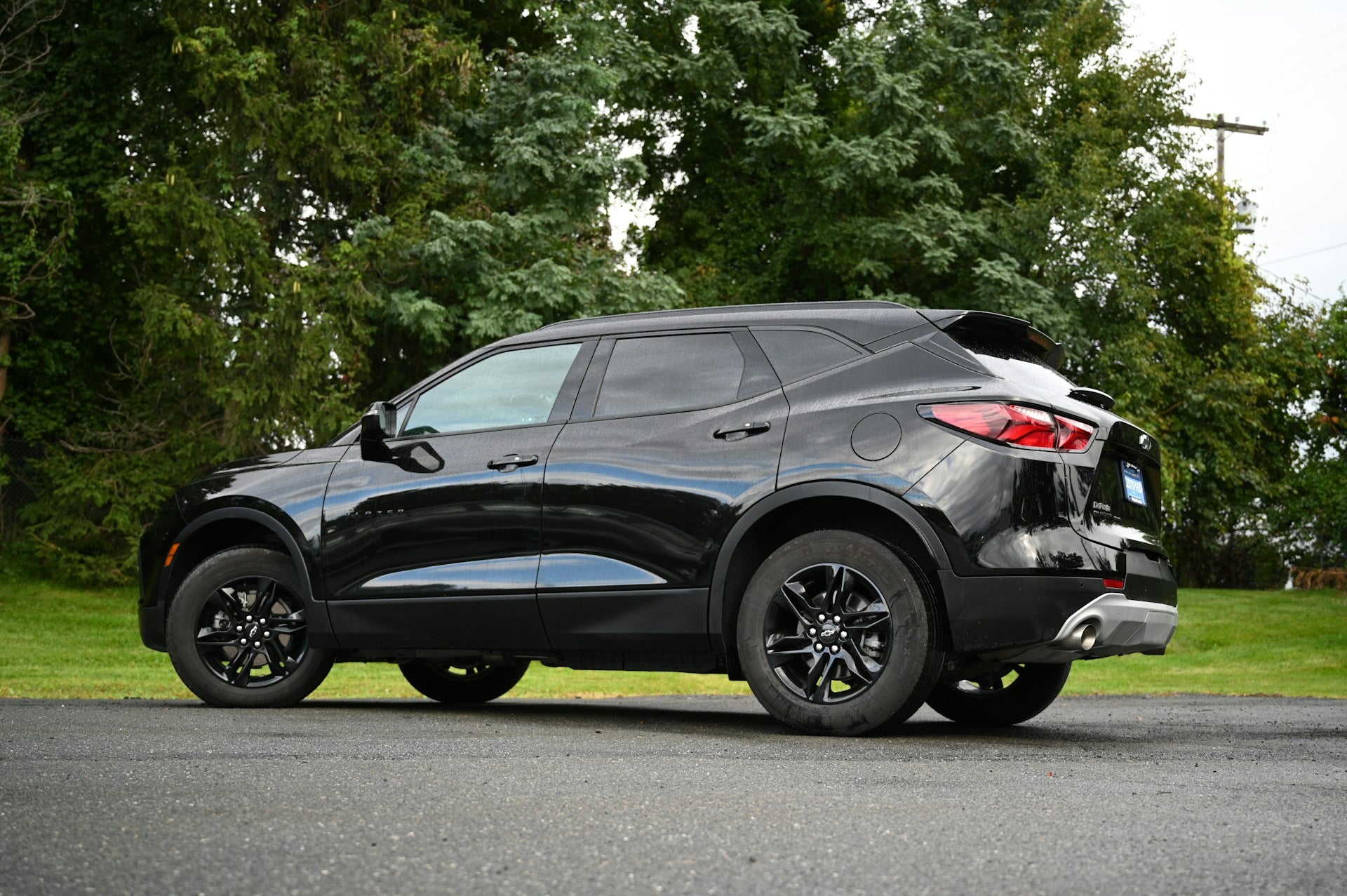
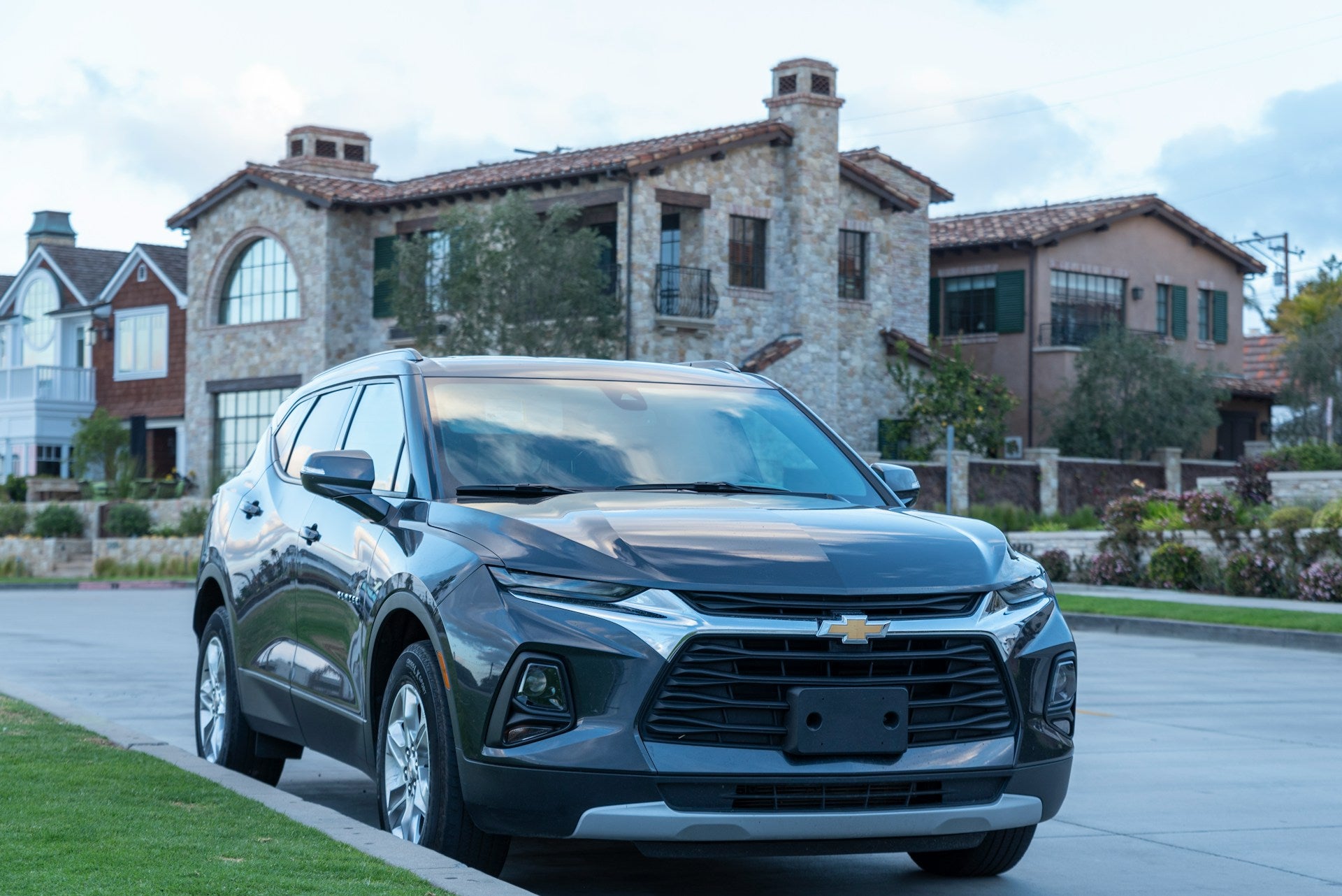
The Chevrolet Blazer brings together style, performance, and utility in a way few midsize SUVs can pull off. Whether you're running errands, commuting through traffic, or loading up for a weekend beach trip, it handles it all without missing a beat. With bold lines, a comfortable interior, and surprisingly agile road manners, it's easy to see why drivers in Suffolk County keep coming back to it. more What sets the Blazer apart is how well it adapts. It’s sporty without being over the top, and it’s practical without being boring. From the way it grips the road to how easy it is to drive through downtown or navigate tight parking spaces, it fits right into the everyday routines of people who just want a vehicle that works hard and still looks sharp doing it. Versatile Design Looks matter, and the Blazer delivers. Its exterior stands out with clean lines, a wide stance, and a front end that’s impossible to ignore. Even from afar, it has a confident vibe that gives off a sense of motion even when it's parked in the driveway. Its aggressive grille, slim headlights, and sculpted body show off a style that leans sporty but still feels approachable. Step inside, and the appeal continues. The cabin is thoughtfully laid out, with soft-touch materials and a modern design that’s easy on the eyes and comfortable for daily use. There's plenty of room for passengers without a cramped feeling, and you won’t have to sacrifice cargo space just to keep everyone comfortable. Whether you're loading groceries or packing for a weekend getaway, the Blazer adapts to fit your needs. Some interior and design features that make the Blazer stand out: Dual-zone climate control to keep everyone comfortable in summer heat or winter chills Split-folding rear seats for more cargo flexibility A center console that’s both sleek and practical Adjustable seating to give drivers of all sizes a good view and better comfort Ambient interior lighting that adds a nice touch at night The mix of good looks and comfort makes the Blazer a solid choice for drivers who appreciate style without giving up everyday practicality. It feels upscale without being over the top and roomy without being bulky, which is a big win for families and commuters across Suffolk County. Performance and Handling The Chevrolet Blazer performs well whether you're taking short trips around town or heading out for a longer adventure. One reason people enjoy driving it is the variety of engine options. Some versions of the Blazer feature a fuel-efficient four-cylinder, while others include a V6 that gives a little more kick on the open road. That flexibility means there's a Blazer out there for all types of drivers. People who like a smoother, more spirited ride will appreciate the way the Blazer feels behind the wheel. Its suspension handles bumps and curves with ease, and it corners with the kind of control most SUVs don’t usually offer. It’s easy to see why so many Suffolk County drivers turn to the Blazer when they want a midsize option that doesn’t feel clunky when changing lanes or passing slower traffic. For folks who want a bit more adventure, the available all-wheel drive helps take the Blazer from city roads to gravel paths without missing a beat. It adds extra grip in rain, light snow, or even slightly uneven surfaces, so drivers feel more in control regardless of the surface beneath them. Whether you’re going to the beach, upstate, or around town during light winter weather, the Blazer performs with confidence. Advanced Technology The Blazer shines when it comes to technology. Whether you're commuting or heading out with the kids, its advanced systems work to make the ride more enjoyable and less stressful. From entertainment to navigation to hands-free connections, the car’s features are simple to use and packed with value. Some standout tech features include: An easy-to-navigate touchscreen interface that integrates with smartphones Apple CarPlay and Android Auto for quick access to apps, calls, and music Multiple USB ports for charging devices An available navigation system to help you find your way without hassle A premium audio system that delivers crisp, clean sound The infotainment system is user-friendly and doesn’t feel overly complicated like some others on the market. Everything is organized neatly so that drivers and passengers alike can access what they need without taking too much focus off the road. These tech features make daily driving easier and long drives more entertaining. From hands-free texting to keeping passengers entertained in the back seat, the Blazer’s technology checks all the right boxes for families and individuals alike. Safety Features When you're in charge of transporting your family or just looking to stay safe during daily drives, safety is more than just a checklist. The Chevrolet Blazer brings forward systems that work together to protect its passengers. It has plenty of helpful features that kick in when you need them most, keeping an extra eye on traffic situations and road conditions. Some trusted safety features on the Blazer include: Adaptive cruise control for keeping an appropriate following distance Lane-keeping assist to gently guide you back if you drift Blind-spot monitoring to help out when changing lanes Rear cross-traffic alert for backing out of tight spots High safety ratings that reflect its protective build and systems These systems offer added peace of mind for drivers in Suffolk County, especially when picking up kids from school, stopping at the store after a long day, or making the early morning commute. Being able to rely on the Blazer’s safety features makes it appealing for both long-term ownership and everyday use. The proactive design behind these safety innovations allows drivers to feel more at ease. Many of these systems are always working in the background, often catching small hazards before they turn into larger issues. The Blazer That Fits Suffolk County Drivers The Chevrolet Blazer brings a blend of comfort, sharp looks, strong handling, and reliable tech into one complete package. It doesn’t just check a few boxes. It gives drivers in Suffolk County a ride that feels like it was designed with their exact needs in mind. From busy weekday drop-offs to spontaneous weekend getaways, the Blazer easily adapts to both lifestyles and road conditions. All of its features show that practicality doesn’t have to come at the cost of style or fun. The Blazer proves midsize SUVs can offer impressive performance, interior comfort, and safety without going overboard on size or complexity. For anyone looking at a used Chevrolet Blazer in Suffolk County, it’s clear why it's a top pick. This is a vehicle built for now and ready for what’s next. Discover the convenience and reliability of a used Chevrolet Blazer in Suffolk County. With its blend of style, performance, and advanced safety features, it's an ideal choice for families and adventurers alike. To explore options that suit your lifestyle, Chevrolet of Smithtown is here to help you find the one that's just right.

Chevy

Why Your Chevy's AC Isn't Cold Enough

Driving around Suffolk County in August with a weak AC can turn even a short trip into a sweaty ride. When you hop in your Chevy, hit the AC button, and all that comes out is lukewarm air, it can get uncomfortable fast. A working AC system isn’t just about comfort during the summer. It also helps control humidity in the cabin and keeps the windows clear. more There are a few reasons why your Chevy's AC might not be blowing cold air like it should. Sometimes the fix is simple. Other times it points to a deeper problem. Either way, you shouldn’t ignore it. Catching signs early and knowing what could be causing the issue makes it easier to get back to cool, comfortable driving. Common Reasons Your AC Isn't Cold Enough Your Chevy's AC involves multiple parts working together to blow cold air. When even one of them starts to fail, the whole system loses its cooling power. Some issues are minor. Others take more work to repair. Here are a few common reasons your AC might be running warm. Low refrigerant levels: Refrigerant cools the air before it flows into the cabin. If it’s low, your AC can’t get the job done. Sometimes the refrigerant wasn’t filled properly, or there could be a leak. Either way, this needs attention from a technician. Worn or faulty compressor: The compressor helps move refrigerant through the system. When it fails, the AC might stop producing cold air or quit working altogether. The compressor can wear out over time, especially with heavy use in hot weather. Clogged or dirty condenser coils: The condenser coils help discharge heat from the system. If they’re covered in dust, dirt, or leaves, the system can’t release heat properly. This keeps the air from getting cool. It’s common with cars parked near trees or those driven on dirt roads. Electrical troubles: The AC system relies on wiring and sensors to operate correctly. If a sensor fails or a wire gets damaged, it can impact performance. Your AC may turn on and off randomly or stop responding altogether. The heat and humidity of summer make AC systems work harder than usual. When your system loses cooling strength or starts fading in and out, it’s usually pointing to one of these issues. Paying attention early helps avoid expensive repairs later. Signs Your AC Needs Immediate Attention Sometimes it’s pretty clear when your car’s AC isn’t working right. Other times, the signs sneak up on you. Watching for early clues can help you fix the problem before it gets worse. 1. Warm air instead of cool: If your vents are only blowing warm air, then the system isn’t cooling properly. This could mean low refrigerant, compressor trouble, or something more mechanical going on. 2. Odd noises: Clicking, banging, or strange hissing sounds while the AC is running are signs that parts may be loose, broken, or worn out. They aren’t normal and usually lead to more serious issues if ignored. 3. Strange smells: If your AC has a musty odor like mold or mildew, there might be bacteria in the system. A burnt smell could point to electrical issues or overheating components. 4. Weak airflow from the vents: Even if the air is cool, poor airflow can ruin comfort. This can mean a blocked cabin filter or a fan that’s starting to give out. Sometimes the change is gradual, so it’s easy to miss if you’re used to it. If these signs sound familiar, it might be time to get your Chevy looked at. Letting AC problems go for too long usually leads to more serious damage. Spotting the signs and acting on them helps keep costs down and systems working well. Steps to Diagnose and Address the Problem You can do a couple of things on your own before you head to a service center. But some problems are hard to catch without professional help. Start by checking the refrigerant level. If it’s low, you might see signs like puddles or oily spots under the hood. Those could be traces of a leak. That’s not something to mess with, especially since refrigerant plays a key role in keeping your AC functional. Next, look at your thermostat settings. It sounds basic, but sometimes the AC button can get turned off or switched to the wrong mode. Set it to cold and assure the fan speed is right. Listening for the sounds your car makes when the AC is running can help too. Clicking or hissing noises are often clues that your compressor or other mechanical parts aren’t operating normally. While these tests are helpful, it often takes a technician to get to the real issue. Someone from a Chevrolet service center on Long Island can run diagnostics, check hard-to-reach parts, and repair whatever part of the system is causing the problem. Keeping Your AC in Top Shape If you want your AC to keep working year after year, a little regular care goes a long way. Start with your air filter. When it’s clogged with dirt or debris, airflow drops. Replacing or cleaning the filter keeps cool air moving strong. It’s smart to get your AC inspected at least once a year before summer hits. These check-ups help prevent small problems from growing into pricey ones. If you drive in dusty conditions, or park under trees often, your condenser coils might need a bit more attention. Cleaning these coils helps your system stay more effective at cooling. A professional will also check refrigerant levels, seals, hoses, and electrical parts. That kind of regular care keeps all parts of the system in check and operating the way they should. It can also extend the lifespan of the AC unit in your Chevy, which saves you money over time. Enjoy Cooler Drives All Summer Long No one likes sweating through stop-and-go traffic in the August heat. A working AC can turn summer drives around Suffolk County from miserable to comfortable. That’s why getting problems fixed early matters. Whether it’s a weak blast of air, strange sounds, or rising cabin temps, catching AC issues early is the best way to avoid bigger problems later. Keep up with filter changes, watch for leaks, and get your AC checked out by professionals regularly. If you keep your system in good condition, it won’t just keep you comfortable. It can also make your Chevy feel newer and more reliable, especially when you’re driving through long stretches of humidity and sun. Being proactive is the easiest way to keep your cool behind the wheel. To keep your Chevy's AC running smoothly and avoid those hot, uncomfortable drives around Suffolk County, schedule a service with a trusted team. Our Chevrolet service center on Long Island is here to provide a complete check-up and any needed repairs. At Chevrolet of Smithtown, our trained technicians will help restore your AC system’s cooling power, so you can stay comfortable wherever the road takes you.

Chevy

Signs Your Chevy Needs New Spark Plugs

You rely on your Chevy to get you where you need to go, whether it's local errands, your daily commute, or weekend road trips around Suffolk County. But when something feels off with how it drives, it can throw off your whole routine. One issue that often gets overlooked is worn-out spark plugs. These small components have a big job. When they start to wear down, your vehicle’s performance takes a hit. more Spark plugs play a part in everything from starting your engine to keeping your ride smooth. If they're on their last leg, you'll start to feel and hear the signs. Summer heat puts extra demand on your vehicle, making August a smart time to pay attention to any new or strange behavior under the hood. Knowing what symptoms to look for can help you stay ahead of a small issue before it turns into a bigger one. Common Signs Your Chevy Needs New Spark Plugs A bad or worn-out spark plug doesn’t usually cause your Chevy to stop running right away, but it will start showing signs. You might notice changes in how your vehicle drives, starts, or sounds. Here are some common signs to watch for when your spark plugs need replacing: 1. Hard Starts: If your vehicle doesn’t start as easily as it used to, worn spark plugs could be the reason. They may not be creating the spark needed to fire the engine right away. This might cause your engine to hesitate or turn over longer than normal. 2. Engine Misfires: A misfire feels like your car skips or stumbles for a moment, either when you accelerate or sit in idle. It’s often a quick shake or hiccup in how the engine runs. This usually happens when the spark plug isn’t firing with the right timing or strength. 3. Declining Fuel Efficiency: When spark plugs start to wear down, your engine has to work harder to do the same job. That often means more fuel is being used. If you notice you’re stopping to refuel more than usual, even though your driving habits haven’t changed, your spark plugs might be the reason. 4. Lack of Acceleration: If your Chevy feels slower or doesn’t pick up speed as quickly when you press the gas, it might be time to replace the spark plugs. A weaker or inconsistent spark can reduce the amount of power your engine puts out. 5. Rough Idling: When you're stopped at a light or parked with the engine running, things should be smooth. But if you hear chattering, feel shaking, or notice unusual vibrations, it could be because your spark plugs aren't consistently firing the way they should. Let’s say you’re driving through Suffolk County and every time you tap the gas, your vehicle hesitates before picking up speed. It might not seem like a big deal at first, but if it keeps happening, it’s a sign your spark plugs could be wearing out. Getting ahead of it now can help you avoid more serious engine problems down the road. Why Spark Plugs Wear Out Spark plugs are hard workers. They fire up every time your engine runs, which happens thousands of times during just one drive. With that kind of pressure, it’s easy to see why they eventually wear out. Here are a few reasons spark plugs stop working as they should. Normal Wear and Tear: Every time the engine runs, spark plugs ignite the air and fuel mixture that powers your vehicle. That constant sparking slowly wears away the metal, making the plugs less effective over time. Like anything that’s used every day, they just don't last forever. Deposits and Buildup: As fuel burns, it can leave behind residue on the spark plug tips. This buildup makes it harder for the plug to spark properly. If fuel quality is poor or the engine is running too rich, buildup can form quicker and make plugs fail even sooner. Environmental Factors: Temperature changes, moisture, and road conditions can all put extra strain on spark plugs. In Suffolk County, vehicles may deal with hot summer traffic and colder winter starts. This mix of conditions can cause plugs to wear out differently depending on how frequently and how far you drive. Knowing why spark plugs wear out makes it easier to keep them working well. When you understand how driving habits and the environment affect them, you’re more prepared to stay ahead of future problems. How to Address Spark Plug Issues When you begin noticing signs that your spark plugs might be going bad, it’s smart to take care of things early. Waiting too long can risk damage to other parts of your engine. Here’s what you can do: 1. Conduct Basic Inspections Make it a habit to look at your car’s maintenance schedule in the owner’s manual. It usually tells you how often spark plugs should be checked or replaced. If you know where the plugs are, a quick inspection can sometimes help you spot obvious wear or damage. Still, handling this without training can make it worse. 2. Consulting Chevrolet Certified Service in Suffolk County The most reliable and safe way to handle spark plug problems is by turning to certified professionals. Technicians at Chevrolet Certified Service in Suffolk County are familiar with your vehicle’s engine systems. They can perform a complete check, troubleshoot hidden issues, and replace plugs with the right type for your Chevy. You’ll get peace of mind knowing your engine is running at its best. Dealing with any spark plug issues quickly prevents larger problems and helps keep your vehicle performing the way you expect it to. Maintaining Your Chevy’s Performance Staying on top of your Chevy’s regular maintenance is one of the easiest ways to extend your vehicle’s life and improve your experience behind the wheel. Preventing issues beats fixing them after something breaks. Importance of Regular Maintenance: No matter what model you drive, your Chevy needs consistent care. Spark plugs may seem like a small part, but they affect the whole performance of your engine. Waiting too long between tune-ups or ignoring these components can lead to power loss, poor gas mileage, and even engine damage if left unchecked. Scheduling Routine Check-Ups with Professionals: Professional maintenance is more than just an oil change. It includes inspections on parts like spark plugs, belts, hoses, and filters. Expert technicians are trained to spot the small problems before they grow, helping you avoid unexpected repair bills or breakdowns. When you make an appointment with Chevrolet Certified Service in Suffolk County, your Chevy gets the focused care it needs to keep you moving. Whether you're commuting down the Sunrise Highway or heading out on a weekend getaway, you want your Chevy to perform without hesitation. Taking simple steps to rotate in new spark plugs and check engine health can go a long way in keeping your vehicle dependable. Keep Your Drive Smooth and Worry-Free Spark plugs might not be something you think about often, but when they wear down, the signs are hard to miss. From slow starts and engine misfires to choppy idling and poor fuel economy, these issues build up fast. Taking steps to recognize these symptoms early and reaching out to experts at Chevrolet Certified Service in Suffolk County can help save both time and money. Keeping your spark plugs in shape keeps your engine healthy. And when your engine is happy, so is your drive. Staying ahead with regular maintenance checks means fewer surprises and more time enjoying the drive. Make sure your Chevy is ready for any adventure by giving it the attention it deserves. Schedule an appointment for expert care through our Chevrolet Certified Service in Suffolk County to keep everything running smoothly. Our team at Chevrolet of Smithtown is here to help maintain your vehicle's performance with confidence.

Chevy

What That Clicking Sound In Your Chevy Means

Hearing an odd clicking sound while you're driving your Chevy can quickly go from curious to concerning. These kinds of noises can creep up unexpectedly, whether you're pulling out of your driveway or coasting through Long Island traffic. Drivers often aren't sure whether it's something simple like a loose item in the car or a more serious issue that needs attention. Either way, ignoring it is never the best move. more Clicking sounds are usually signs that something mechanical isn’t working as it should. The sound might be steady or come and go, but either way, it’s worth figuring out what’s going on. Whether it’s coming from under the hood, near the wheels, or inside the cabin, finding out what’s behind the noise can help you avoid unwanted breakdowns and keep your time on the road as safe and smooth as possible. Common Causes Of Clicking Sounds In Your Chevy Clicking sounds in your Chevrolet can mean different things depending on where they’re coming from. While some causes may be minor, others can point to mechanical problems that need immediate service. Here’s a breakdown of the most common reasons you might hear that annoying tick, pop, or click while you’re on the go. 1. Engine Area Complications The engine bay is packed with moving parts, and just one issue can throw things off. Clicking from the engine might be due to low oil levels, a misfiring spark plug, or worn valve lifters. These sounds often speed up as you press the gas. If you’ve skipped an oil change or two, that clicking may be your first red flag. 2. Suspension Issues If the clicking happens when turning or going over bumps, the suspension might be at fault. Worn struts, bad CV joints, or damaged control arms can all cause clicks, especially during sharp turns or changes in road height. Drivers often notice these sounds when backing out of a parking spot or pulling into a driveway at an angle. 3. Electrical Sources Surprisingly, your car’s electronics can make clicking noises too. If a relay switch or electrical panel isn’t working properly, it can cause repeated clicks, especially when turning the ignition or using systems like the AC, wipers, or lights. This kind of clicking usually comes from behind the dashboard or near the fuse box. To better pinpoint where the clicking is coming from, try isolating the sound: Does the clicking happen while the car is idle? Is it louder during turns? Can you hear it when accelerating or decelerating? Does it come from the front, back, or underneath? Answering these can really help when it’s time to talk to a technician. One driver in Suffolk County noticed a loud clicking only when turning left out of their driveway. Turned out to be a worn CV joint, and catching it early saved them from a full axle replacement. Taking strange sounds seriously can help you avoid bigger repairs down the line. If your Chevy is making clicks that weren’t there before, it’s time to get it checked out. Understanding the Severity of Clicking Sounds When you hear clicking noises in your Chevy, it's important to determine whether it's a minor inconvenience or a sign of a major problem. Recognizing the severity can help you decide how urgently to seek professional assistance. Minor Issues: Minor clicking sounds might arise from something as simple as loose fittings or minor wear and tear. For example, a slight click when you start the engine might be a loose spark plug. Although not critical, addressing these minor issues can prevent more severe problems later. Major Concerns: Persistent or loud clicking often points to bigger issues like a faulty CV joint or problems in the engine. If the noise increases with speed or becomes more pronounced when turning, it's essential to have it checked immediately. Ignoring such sounds can lead to costly repairs or even compromise your safety. To better evaluate the problem: 1. Note the Frequency: Keep track of when and how often the noise occurs. 2. Identify Conditions: Determine if it happens while accelerating, braking, or idling. 3. Observe Changes: Pay attention to any changes in the pattern of the clicking. Being aware of these factors can make it easier to share accurate information with technicians, which speeds up finding a solution. How Our Chevrolet Service Center on Long Island Can Help Addressing vehicle noises promptly ensures your Chevy remains in peak condition. At our service center, we offer a range of professional diagnostic services to identify and fix the source of clicking sounds: Comprehensive Diagnostics: Our experienced technicians use advanced tools to pinpoint the exact source of the issue. This thorough approach helps in identifying problems that might be overlooked otherwise. Expert Repairs: Once diagnosed, our team employs genuine parts and follows best practices to ensure any issues are resolved efficiently and effectively. Regular Maintenance: To prevent clicking sounds and other unexpected noises, routine maintenance checks are important. Regular servicing can help in spotting potential issues before they develop into significant problems. Timely service is more than just about fixing immediate concerns. It plays a key role in maintaining your vehicle's longevity and performance. Addressing noises like clicking early can prevent further damage, helping your Chevy run smoothly on Long Island roads. What to Expect During a Service Visit Bringing your vehicle for a service should be simple and stress-free. Here’s what typically happens when you visit us for a clicking noise: 1. Initial Check-In: Discuss the noise you're hearing with our service advisor, providing as much detail as possible about when it occurs. 2. Diagnostic Testing: Our technicians will then conduct a thorough investigation using specialized equipment to find the noise source. 3. Suggested Repairs: Once the issue is identified, we'll explain the problem and discuss the necessary repairs. We maintain transparency, ensuring you understand every step of the process. 4. Post-Repair Assurance: After repairs, tests confirm that everything runs as it should, giving you peace of mind as you get back on the road. This process is designed with customer comfort in mind, so you’ll know what to expect every step of the way. Keep Your Chevy Running Quiet and Smooth Strange car sounds, like clicking, should never be ignored. Resolving these issues promptly keeps your vehicle running smoothly and prevents larger problems down the line. Even sounds that seem minor can be the early warning signs of something more. Routine checks paired with responsive maintenance can save time, stress, and money. Keeping your Chevy in peak shape means fewer surprises on the road and a more enjoyable drive each time you're behind the wheel. Whether you're commuting across Suffolk County or heading out for the weekend, it's comforting to know your vehicle is dependable. If you hear something that doesn’t sound quite right, it’s time to get it checked before it turns into something bigger. If you're hearing a clicking noise in your Chevy and want to get it looked at sooner rather than later, our team at the Chevrolet service center on Long Island is here to help. At Chevrolet of Smithtown, we’ll diagnose the issue, recommend the right solution, and get you back on the road with confidence. Schedule your service today and drive without the worry.

Chevy Silverado

Resolving Electronic Issues In Your Silverado

Most Silverado owners appreciate the power and performance their truck delivers, but it's easy to forget how much depends on the electronic systems inside. From the touchscreen and audio to the battery and dashboard lights, everything has to work together for a smooth drive. When one thing slows down or stops working, it can throw everything off and cut into your day. more Electronic issues can be frustrating because they don’t always have obvious causes. Maybe the screen freezes, your lights flicker, or your battery keeps dying. These problems might seem minor at first but could point to something deeper that needs attention. Understanding what might be going wrong and where to begin can help you keep your Silverado running without headaches. Common Electronic Issues In Your Chevy Silverado Like any vehicle loaded with technology, the Chevy Silverado can experience problems from time to time. Some electronic issues are just annoying, while others interrupt how the truck performs. Here are the ones drivers most often run into: Infotainment problems: The touchscreen or display might freeze, lag, or shut off without warning. Bluetooth connections may drop. You might also have problems updating the system or connecting your smartphone. Sometimes, a reboot helps, but frequent glitches usually need a deeper look. Battery and charging failure: Electronics need stable power, and problems with the battery can lead to random faults. If you notice dim lights, slow starts, or a warning icon on your dash, the battery may not be holding its charge. These issues might be worse after the truck stays parked for several hours. Lighting malfunctions: Your Silverado’s lights do more than just illuminate the road. They signal your turns, let others see you at night, and feed you information. When tail lights start acting up or dashboard lights flicker, it can be more than a minor inconvenience. It might point to loose wiring or deeper electrical trouble. One driver came in late July complaining their dashboard lights were fading in and out during their evening commute across Long Island. They thought it was simply wear and tear, but faulty wiring near the ignition switch was sending inconsistent power across the system. Getting it fixed early kept the more delicate electronics from shorting out entirely. No matter what, electrical issues shouldn't go ignored. They often affect more than just one feature and can get worse with time. Knowing the signs and staying alert to sudden changes can help you avoid bigger repairs later on. Diagnosing and Addressing the Issues Spotting an electronic issue in your Silverado early can save you from unnecessary troubles. Start by paying close attention to any irregularities. Is your touchscreen unresponsive at times? Do you see unexpected warning lights flashing on your dashboard? These are clues that shouldn’t be ignored. If you detect any of these signs, it’s time to take action. Here’s how you can get started: 1. Observation: Identify when and how often the issue occurs. Does it happen while driving or when starting the truck? 2. Consult the manual: Look at the owner's manual for any specific troubleshooting steps related to electronic systems. 3. Seek professional help: Contact a professional service center for a thorough diagnostic evaluation. Skilled technicians can better pinpoint the problem using specialized tools. Professional diagnostics are important because they provide insight into the root cause of the problem, making sure it gets fixed correctly the first time. If your infotainment system is giving you trouble, a skilled technician might trace it to a software glitch or a defect in the wiring. Quick fixes might solve the immediate issue but won’t address underlying faults that could cause the problem to return. Sometimes what looks like a battery issue might actually be related to poor alternator output, especially if dashboard lights dim while the engine is running. Or if a taillight only fails in wet weather, it could be a moisture issue instead of a broken bulb. These are tricky to identify on your own, and that’s exactly why professional service is worth it. Knowing when to ask for help makes a big difference. The sooner you bring in your Silverado for expert care, the more likely you can save money and avoid towing or last-minute repairs down the line. The Role of Our Chevrolet Service Center on Long Island Getting help from a reliable service center is a smart way to handle electronic issues. Expert technicians are trained to manage all types of electrical problems that might arise in a Silverado. Whether it’s complicated software difficulties or something as straightforward as a battery replacement, having access to professional services ensures that your vehicle gets the attention it needs. Our service center specializing in electronic systems offers solutions tailored to these specific challenges. We address everything from minor repairs to comprehensive replacements. Our focus is on providing quick, effective service that improves both the safety and functionality of your Silverado without the added stress. Another strength of working with us is access to up-to-date equipment and software used by Chevrolet-trained technicians. That matters when dealing with infotainment bugs, incorrectly calibrated sensors, or any error codes that pop up. We service Long Island Chevrolet drivers with careful attention to their truck’s electronic systems, keeping everything working as it should. Whether you're experiencing flickering headlights or your dash display cuts in and out, we’ll do our best to narrow it down to the cause and fix it the right way. Keep Your Silverado Running Smooth and Strong Taking care of your Silverado starts with addressing electronic issues right away. Timely repairs prevent minor annoyances from growing into major setbacks. When your truck’s electronic systems are running how they should, your drive becomes smoother, and your day stays on track. Routine maintenance and regular check-ups help catch problems early. Having our experts take a look now and then can help spot warning signs you might miss, especially with electrical components that sit beneath the surface. Whether it’s resolving a dead battery, patching up flickering tail lights, or fixing a stubborn infotainment screen, staying on top of these issues pays off in the long run. When your Silverado is reliable, capable, and ready to tackle whatever your day throws at it, everything else runs a little easier too. If you're looking for power, performance, and next-level tech in your next truck, a new Chevy Silverado on Long Island could be the perfect fit. Chevrolet of Smithtown is proud to offer a wide selection of models to match your needs. Whether you're focused on reliability, towing capability, or advanced features, we’ve got you covered. Find your next ride by exploring our new Chevy Silverado on Long Island lineup today.

Chevy Suburban

Top Signs Of A Reliable Used Suburban

When it comes to finding a used SUV that can handle family trips, daily commutes, and weekend escapes, the Chevy Suburban stands out. It offers the dependability and comfort that many drivers look for, especially those needing extra space and strength on the road. But not every used Suburban will give you that same peace of mind. Some are well taken care of with regular service, while others might have skipped important maintenance along the way. more For drivers in Suffolk County, it helps to have reliable options nearby. Whether you're driving along the coast or heading out on the Long Island Expressway, having a dependable Suburban can make all the difference. If you’re wondering how to separate the good ones from the not-so-good ones, we’re here to guide you through it. Check the Vehicle History Report The first step is getting your hands on the vehicle history report. This document offers a full picture of the SUV’s past and is one of the best ways to avoid surprises down the road. Most reports gather data from sources like insurance companies, repairs shops, DMV records, and more. Here are the top things to look for: Accident records. A small fender bender might not be a red flag, but major collisions with frame damage or airbag deployment could signal problems that might pop up later. Number of owners. A car that changes hands often might not have consistent maintenance. On the other hand, one-owner vehicles usually have a more predictable upkeep history. Service records. Oil changes, brake inspections, and fluid top-offs need to be done on schedule. If the report shows regular visits to the shop, that's a good thing. Title history. Avoid any that are branded as salvage or rebuilt. These could hide deeper damage and could cost you down the line. Mileage consistency. Make sure the mileage lines up across inspections and reports. Any gaps or sudden drops could point to tampering. You can get history reports online or through the dealership. If one isn’t available, or something in it makes you uneasy, move on to another option. Inspect the Mileage Mileage plays a big part in how a used Suburban performs. While high mileage doesn’t always mean bad news, it all comes down to how the vehicle was treated. Balanced driving and regular upkeep help stretch out a vehicle’s lifespan. Here’s what to look at: How old is the vehicle, and what's the mileage? A basic benchmark is around 12,000 to 15,000 miles per year. If it's much less or more, find out why. Is the high mileage backed by good maintenance? A Suburban that’s gotten proper care, even into the six-figure mileage range, might still have plenty of life left. City miles compared to highway miles. Highway driving tends to be gentler on the engine, while city driving includes more stop-and-go starts that wear things down faster. Do signs of wear make sense? If a Suburban claims low miles but feels worn out inside or out, it could be a warning sign. Say you come across a 2018 Suburban with 90,000 miles that’s clean, well-documented, and still runs smoothly. That could be a much better choice than a same-year model with fewer miles but sketchy history. Examine the Condition of the Exterior and Interior How the Suburban looks and feels tells you a lot about its past care. Start with a close look at the exterior. Check the paint for chips, fading, or bubbling. Rust is a definite concern, especially near the wheel wells or underneath. Look for aligned body panels and well-fitted doors which suggest it hasn’t had major repairs. When getting inside, take your time. Check the seats for tears or sagging, and look at the dashboard for cracking, sticky buttons, or warning lights. Test out the radio, power windows, AC, and other electronic features. A good interior match to the mileage shows someone likely took care of it. Keep an eye out for these signs: Cracked dash or worn seat covers Loose or misaligned body panels Electrical systems that don’t work quite right Stale or musty smells, which could mean mold or water damage If a Suburban looks clean, runs all its systems correctly, and smells fresh, it likely had a responsible owner. Test Drive and Mechanical Inspection The test drive is your best chance to see how the Suburban handles real-world conditions. Try to take it on a mix of streets, including backroads and highways. Listen carefully for odd noises when starting, braking, or turning. Try sharp turns, quick braking, slow acceleration, and see how it holds up. Use this basic checklist while driving: Steady, even acceleration Quiet, predictable braking Smooth steering and no pulling Working AC and heating No warning lights lighting up on the dashboard Even if the drive feels perfect, a technician should inspect it before you commit. A professional technician at a trusted location can lift the vehicle and spot worn parts, leaks, or damage that’s not easy to see from a quick test drive. Evaluate the Price and Warranty Options Price should always reflect the Suburban’s condition, mileage, features, and history. Before agreeing to anything, compare local market prices for similar years and trims in Suffolk County. If the numbers don’t match, ask why. Many used Suburbans come with some remaining factory warranty or have certified pre-owned (CPO) options. These can offer longer coverage for peace of mind. Extended service contracts may also be an option, and though not always needed, they could save you money if repairs come up later. Here’s how to approach pricing and protection: Research the price ranges for the same trim and year nearby Ask about any manufacturer warranty still valid Get the details on extended warranty options Negotiate based on facts, history report, and features This stage is about more than just saving money. It’s your chance to set yourself up for fewer surprises and smoother driving ahead. Making the Most of Your Used Suburban Purchase When you find a Chevy Suburban that checks all the right boxes, owning one can be a great decision. These SUVs are reliable, roomy, and built to suit all kinds of roads and lifestyles. The key is knowing what to look for so your money goes toward a vehicle that you can count on for years. After you buy, don’t skip out on scheduled upkeep. Oil changes, tire rotations, brake checks, and fluid replacements go a long way toward keeping things running smoothly. Make sure to also pay attention to how it handles, sounds, and drives over time. Catching small issues early can prevent major repairs later. Finding a used Chevy Suburban in Suffolk County offers the chance to get a capable SUV without paying new-vehicle prices. If you’re paying attention to the details and working with a trusted dealership like Chevrolet of Smithtown, you can end up with a vehicle that truly holds its value and constantly has your back. Discover the peace of mind that comes with owning a dependable SUV by exploring a used Chevy Suburban in Suffolk County. At Chevrolet of Smithtown, our selection is built to deliver comfort and performance for everyday driving and family getaways. Find the Suburban that fits your lifestyle and enjoy the journey ahead with confidence.

Road Trip

Summer Road Trip Tips For Your Chevrolet

The countdown to summer is officially on, and there's nothing quite like the freedom of hitting the road in your Chevrolet with sunshine overhead and your favorite playlist rolling. Whether it’s a beach day with your family or a weekend escape to the mountains, few things top a summer road trip. But while the destination is always exciting, making sure your vehicle is ready for the ride can make or break the experience. more Before driving off in search of summer fun, it’s smart to take some time to prepare. Long drives can put extra strain on your car, especially under high temperatures. Making sure it’s road-trip ready is more than just checking the gas tank. From basic safety checks to perfect add-ons that bring comfort and convenience, your Chevy deserves a little attention before the miles start adding up. If you're searching for tips on Chevrolet accessories on Long Island and how to prep for a road trip, you're in the right place. Pre-Trip Maintenance Checks Getting stuck on the side of the road with a car full of luggage and family is no one's idea of summer fun. That’s why maintenance checks are a smart first step before any trip. With hotter days ahead, parts of your vehicle will be working harder than usual and worn-out components can quickly go from functional to failure. Start with your tires. Check that the tread is intact and there’s no uneven wear. Inflate them to the recommended pressure listed in your owner's manual or the sticker inside the driver’s door. If you're bringing extra weight in your car, like camping gear or suitcases, you’ll want your tires in their best shape. Look at your fluid levels next. This includes: Engine oil Coolant Brake fluid Transmission fluid Windshield washer fluid Topping off or replacing these fluids is often simple, but it's better to have everything looked over by a technician to make sure there are no leaks or issues hiding under the hood. Your car’s battery also takes a hit when temperatures rise. Heat can evaporate battery fluid and lead to corrosion around the terminals. If your battery is over three years old or you’ve noticed dimming lights or slower startups, it's probably time to test it. Another smart move is checking or replacing your windshield wipers. A summer storm can roll in quickly, and worn-out blades won’t do you much good when visibility matters the most. It’s also worth inspecting brake pads and rotors. Even if there are no warning signs like squeaking or grinding, any long-distance trip puts added stress on your brakes, especially in stop-and-go traffic or hilly terrain. While all of this might seem like a lot to cover, it’s much easier when a professional gets under the hood. Letting someone trained to spot the small stuff take care of it now can help you avoid bigger problems mid-trip. You'll feel better knowing your Chevy is safe, steady, and ready for whatever comes next on the open road. Must-Have Chevrolet Accessories On Long Island Having the right accessories can turn any basic road trip into a more organized and enjoyable experience. Whether you're heading to the shore or visiting friends upstate, adding a few well-thought-out extras to your vehicle can make traveling more comfortable and practical. Here are a few popular Chevrolet travel accessories many drivers around Long Island consider: 1. Roof Racks: Great for carrying bikes, surfboards, or luggage when you're short on interior space. They're especially useful for longer trips or vacations with gear-heavy stops like the beach or mountains. 2. All-Weather Floor Mats: These protect your interior from sand, dirt, and spills. Whether it’s wet towels, muddy shoes, or dropped snacks, cleanup is a breeze when you've got durable floor mats in place. 3. Cargo Organizers: A trunk organizer or collapsible bin helps keep groceries, beach gear, or road trip snacks from sliding around your cargo space. It also makes loading and unloading much faster. 4. Portable Coolers: These electric coolers plug right into the car and keep drinks and snacks cold on the go. Perfect for weekend getaways or keeping kids happy with chilled juice boxes on a hot drive. 5. Sunshades and Vent Visors: Sunshades are handy to keep the cabin cooler when parked, while vent visors let you crack the window without letting the rain in, making them a solid choice during summer showers. Each of these accessories is designed to solve a real problem, whether it’s making sure your luggage stays in place or keeping your drinks cold without needing ice. And getting them locally on Long Island means you won’t need to wait for shipping or guess about proper fit. The second half of your trip prep goes beyond what’s under the hood. It’s about making your travel experience more relaxed, safer, and a little more fun. With the right Chevrolet accessories on Long Island, you’ll be all set for whatever adventure comes your way. Packing Tips and Essentials Making sure you’ve packed everything you might need can be the difference between a smooth trip and constant stops for forgotten items. A well-thought-out packing checklist ensures you don't overlook the important stuff. Begin with the basics, like clothing and toiletries, but don’t skimp on the lesser-thought items either. Break your list into categories to keep things organized: Safety and Emergency Kit: Always have a first-aid kit stocked with bandages, antiseptic wipes, and any personal medications. Jumper cables, a flashlight, and a multi-tool can be handy in unexpected roadside situations. Entertainment and Chargers: Enhance your passengers' travel time by packing tablets, books, and games. Make sure to bring along phone chargers and power banks to keep devices running, especially when using navigation apps. Comfort Items and Snacks: Whether it’s neck pillows for longer drives, blankets for cooler nights, or a bag full of snacks to munch along the way, these items can add comfort and convenience to the trip. When it comes to organizing, pack heavy items at the base of your trunk or cargo space. Use luggage with wheels to simplify transport at rest stops or hotels. Keeping a small, easily accessible bag in the cabin with essentials, like a ziplock for wet towels or sunscreen, is also a smart move. Entertainment and Navigation Solutions The latest Chevrolet models come packed with infotainment systems designed to keep everyone happy on a long trip. Before leaving, take a few minutes to load up on what you'll need en route. Download maps for offline use in case you're venturing into an area with spotty service. You can also create playlists in advance that suit everyone's musical tastes, ensuring that no one's jockeying for the aux cord. In-car Wi-Fi available in many Chevrolet models gives you the freedom to browse the web, stream music, or even catch up on your favorite shows. This feature is a lifesaver for families with kids who need entertainment between stops. Make full use of the navigation features. Some models offer voice commands that allow you to get directions without taking your hands off the wheel. Program stops in advance if you know where you'll be resting, dining, or sightseeing. It’s all about using the technology to make your journey as relaxing as possible. Ready, Set, Go with Confidence Preparing your Chevrolet for a summer road trip doesn't just keep you safe. It sets the tone for a smoother, less stressful vacation. When the basics are checked and the extras are packed, you're better able to enjoy the experience from mile one. Pull over for a photo, explore a scenic route, or grab some ice cream at a roadside stand. It's all part of the fun, and it's even better when you're not second-guessing what you may have forgotten. Prepping your vehicle now gives you more time to enjoy the ride and less to worry about. Start your adventure on the right foot by making sure your Chevy is ready inside and out. From service checks to Chevrolet accessories on Long Island, a little work upfront makes a big difference when you're cruising down the coast or winding through the countryside. Make sure your Chevy is fully prepared before hitting the road this summer. Explore how our selection of Chevrolet accessories on Long Island can add comfort, organization, and convenience to your travel plans. Reach out to Chevrolet of Smithtown today to get your ride ready for the adventure ahead.

Contact Us

Fill out this form below and we'll contact you shortly
*Required Fields