



Blog / Saint James Chevrolet Dealer

Blog

All Saint James Chevrolet Dealer
Chevrolet Colorado

Off-Road Capability of the Used Chevrolet Colorado

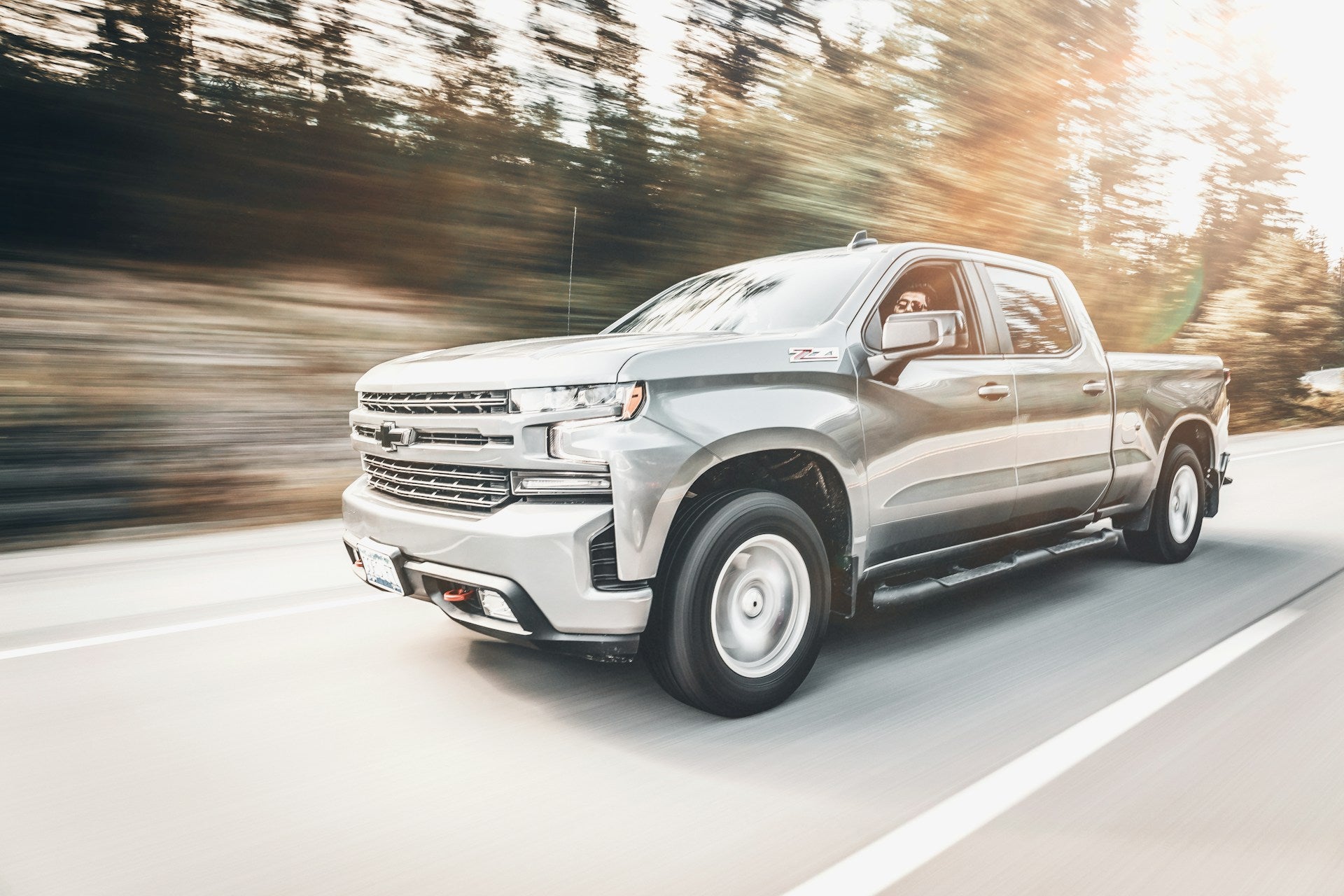
At Chevrolet of Smithtown, we understand the needs of local drivers looking for a truck that can handle both daily tasks and rugged trails. That's why the used Chevrolet Colorado stands out as a top pick for those wanting adventure on the weekends and reliability during the week. Midsize in size but big in capability, it's a strong addition to Suffolk County roads and trails. more Its appeal comes not only from its manageable frame and versatility but also from available off-road-ready features. A growing number of drivers are choosing used Chevrolet Colorado models for their mix of comfort, power, and off-pavement strength. Let's take a closer look at just how well this truck performs in off-road situations across Suffolk County and what makes it so adaptable for different terrain and weather conditions. Overview Of The Chevrolet Colorado’s Off-Road Features The Chevrolet Colorado's size gives it a unique advantage. It’s small enough to fit through tight trails but built with the strength to climb over rocks and handle dips in rough terrain. Whether you’re going out fishing, camping, or just exploring, this truck brings confidence to every route. Here’s a breakdown of some of the main off-road features drivers look for in a used Colorado: 1. Four-Wheel Drive (4WD): Many off-road-ready Colorados include this system, which keeps traction steady even when all four wheels need to dig in. Whether it's snowy roads or sandy trails, 4WD keeps your truck going. 2. Off-Road Suspension: Comfort and control improve with a strong suspension. When the trail gets uneven or filled with hidden ruts, a tuned suspension can absorb shocks and lessen body roll. 3. Skid Plates: These metal shields underneath the vehicle guard against rocks, branches, and other hazards. For off-roading in Suffolk County where forest trails can be unpredictable, skid plates make a difference. 4. All-Terrain Tires: These tires are built to handle changing surfaces—dirt, mud, gravel, and light snow—without losing grip. Most off-road variations of the Colorado already come with these pre-installed. 5. Locking Rear Differential: When one rear wheel slips, this feature locks both wheels to spin together. It’s useful on muddy backroads or when extra grip is needed to overcome obstacles. Together, these features let the Colorado go off-road with the ease of more specialized off-road vehicles, yet it still offers a smooth ride when you're back on city streets or highways. Performance In Different Off-Road Conditions Suffolk County’s outdoor terrain offers an ideal place to test what the Chevrolet Colorado can do. With beaches, woodlands, and wet seasonal shifts, conditions vary a lot. This midsize truck handles those changes well, switching from trail-crawler to beach cruiser with just a few adjustments. In muddy conditions, the 4WD system prevents slip and keeps the truck moving ahead. Its all-terrain tires help it climb out of soft patches instead of sinking in, especially after rainfall when trails get messy. Raised clearance and solid suspension help it cross puddles and small water crossings without damage to vital parts underneath. Out near locations like Smith Point and Cupsogue, sand can be tricky for larger trucks. The Chevrolet Colorado manages this better thanks to its lighter build. With slightly deflated tires for more surface contact, it avoids digging in too deep and stays closer to the top layer of sand for a smoother ride. For rocky paths or older dirt roads, such as those around Manorville or Calverton, the Colorado’s shorter wheelbase and excellent suspension come into play. It gives the truck better maneuvering room, so dips, bumps, and small rock climbs are easier to handle with minimal scraping or swaying. In late fall and early winter when Suffolk County gets wet leaves, early snows, and frozen patches, the Colorado shows great balance. Its traction features help it stay in control when other vehicles would start sliding. Back trails can get slick fast, but with durable tires and smart drivetrains, the Colorado keeps you on course. Modifications And Upgrades For Enhanced Off-Roading While the stock setup on most used Chevrolet Colorado models is already trail-ready, some owners like adding modifications that can improve performance or give the truck added style and function. Here are a few commonly installed upgrades: 1. Lift Kits: These add space between the ground and your undercarriage, which is useful for climbing over larger rocks or clearing fallen branches without damage. 2. Upgraded Shocks: Better shocks can give added comfort and control, especially on rough roads or bumpy backcountry trails. 3. Rock Sliders: These bars add protection along the lower body so that side panels don’t take a hit from rocks or debris. They also double as steps on lifted trucks. 4. LED Light Bars: When trails go deep into wooded areas, sunlight fades fast. Extra lighting gives better visibility and peace of mind during early morning or evening rides. 5. Snorkel Kits: For trips that include stream crossings or dusty paths, a snorkel raises the engine’s air intake, which can help reduce the chance of water or debris entering the engine. If you’re serious about upgrades, it’s a smart move to have them professionally installed. That way, you know everything is fitted correctly and safely. Professional techs can also tune the parts to match your specific model, driving style, and usual terrain. Real-World Off-Road Experiences In Suffolk County Suffolk County offers many scenic and challenging places to drive off-road, and we’ve seen the Chevrolet Colorado shine on quite a few of them. Many local drivers enjoy heading out to spots like Otis Pike Preserve. Here, narrow passages, sandy ridges, and brush-filled paths all test a truck’s ability to respond quickly and handle bumps without losing comfort. Drivers who’ve taken their trucks there say the Colorado is great for weaving through those tight trails where larger pickups might struggle. When rain pools up or the trail has been used heavily, the truck holds its line and keeps moving. That balanced grip and smaller turning radius make exploring more enjoyable and less tiring on the driver. On beach access roads or hilly terrain that turns to ice during early winter, the Colorado still refuses to slow down. Its control systems handle the shifting surfaces well, and plenty of drivers have shared how it handles both inland woods and coastal zones without needing dramatic adjustments. Before heading out to any off-road areas, remember to check if permits or registration are needed for trail access. Some spots are seasonal or require passes, so planning goes a long way toward keeping your adventure on track. Ready to Tackle Any Terrain The used Chevrolet Colorado is a smart choice for anyone ready to explore Suffolk County’s backroads, beach trails, and forest paths. It mixes trail-ready features with easy driving manners that make it comfortable enough for daily travel and tough enough for weekend fun. Its factory-offered packages lend confidence for the average off-roader, while upgrades and add-ons are available for those who want to take things to the next level. As your local Chevrolet experts, we’re here to help you find the right model and assist with any modifications you want to make down the road. From managing fall's wet leaf-covered trails to navigating snowy corners or sandy stretches, this pickup rises to the task. Chevrolet of Smithtown is proud to offer used Chevrolet Colorado models that provide strength, control, and flexibility for all kinds of off-road conditions right here in Suffolk County. Ready to experience the excitement of off-road driving in Suffolk County? Discover how a used Chevrolet Colorado in Suffolk County can transform your weekend adventures. At Chevrolet of Smithtown, we offer a range of models to help you find the perfect fit for your next off-road escape.

Chevy Suburbans

Brake System Problems in Used Chevy Suburban Models

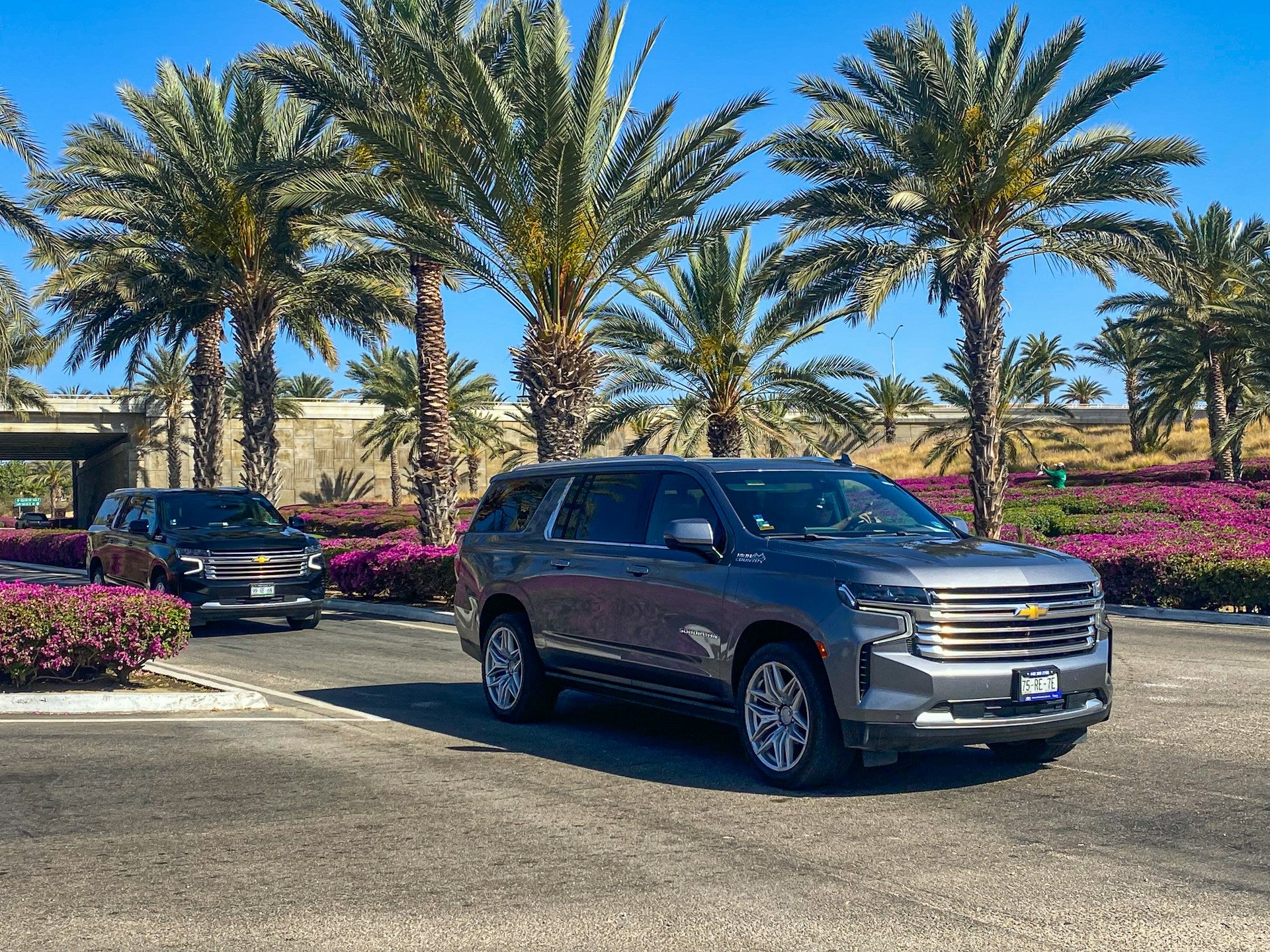
Brake problems in a used Chevy Suburban can show up at the worst possible moments like during the busy fall season in Suffolk County when the roads start to get slick and routines shift into overdrive. If you've been noticing odd noises coming from your brakes or it feels like you're pushing harder than usual on the pedal, you're not imagining things. These are common red flags that something might be off in the brake system, especially in older vehicles. more The Chevy Suburban is built to handle a lot, from road trips and family hauls to tough weather. Over time, its brake components can wear down just like any other vehicle. Letting small issues slide can quickly lead to more expensive and risky problems. Understanding what to look out for and when to take action can save you a lot of stress while keeping your Suburban running safely year-round. As colder months approach, paying attention to how your vehicle responds on the road makes a real difference. Common Brake Issues in Used Chevy Suburban Models Used Suburban models tend to show specific patterns of wear when it comes to the brakes. Since these vehicles are large and often carry heavier loads, parts like brake pads and rotors take more of a beating than they might in a smaller car. Over time, that wear adds up and leads to a list of frequent complaints that Suburban owners encounter. Here are some of the most common brake issues seen in used Suburbans: Loud screeching or grinding sounds when applying the brakes A shaky feeling in the steering wheel when braking Increased stopping distance Soft or slow-to-respond brake pedals Brake warning light turning on These problems don’t always mean a full system failure, but they shouldn't be ignored. For example, if your brake pads are worn thin, the vehicle's stopping power drops, which isn't something to put off fixing. That soft pedal could mean air or moisture in the brake lines or low brake fluid, which shows that the system might not have been regularly serviced or checked. Another issue drivers experience is uneven brake wear across the wheels. This can happen if one of the calipers is sticking or a rotor is warped. While it might not always be super noticeable at first, ignoring it can lead to bigger repair bills later. Some drivers in Suffolk County notice these problems more in wet or cold seasons. Moisture and road salt can wear down brake components faster. What starts as a minor squeak can snowball into metal-on-metal grinding if it's not looked at in time. Paying attention to changes in how the vehicle feels or sounds is often the key to catching things early. Diagnosing Brake System Problems Catching a brake system problem early often starts with listening to your vehicle. Strange sounds and new sensations in the pedal or steering aren’t just annoyances. They’re clues. Learning what to look for can help you take action before you're stuck calling for a tow. Start by keeping an eye and ear out for these signs: 1. Unusual Noises – That high-pitched squeal when you brake is usually the wear indicator telling you the pads are almost gone. 2. Vibration – If braking feels bumpy or shaky, your rotors might be warped or worn unevenly. 3. Warning Light – A brake light on the dash doesn’t always mean failure, but it should never be ignored. 4. Longer Stop Times – If it takes more effort or distance to come to a full stop, it’s time to look at the whole system. 5. Pulling – If your Suburban pulls to one side when braking, the issue could involve uneven pad wear or a stuck caliper. Regular checkups with a trained auto technician can keep these issues from building up. Even if your Suburban feels fine today, brake wear happens gradually. By the time changes are obvious, the parts may already be worn past the safe limit. Regular service also helps catch hidden issues like fluid leaks or corroded brake lines, things that can sneak up on you if left unchecked. Solutions For Brake System Problems Once you've identified a problem with the brake system in your used Chevy Suburban, the next step is getting it fixed properly. It's tempting to look up tutorials or try small fixes on your own, but when it comes to brakes, working with a trained professional is always the safer choice. The braking system has several working parts, and if even one of them is off, it can affect how the entire vehicle performs. Most brake issues come down to worn-out parts. Brake pads, rotors, calipers, and the brake lines all have a limited lifespan. Certified mechanics are trained to diagnose the issue right away and can tell whether your Suburban needs a simple pad replacement or something more involved. They have the proper tools to test for things like brake fluid contamination, worn rotors, or stuck calipers that a regular visual check might miss. One major advantage of going to a professional is access to original equipment parts. Using genuine parts keeps your braking responsiveness at Chevy’s factory standards. Off-brand parts might be cheaper but don’t always work as well in a heavy SUV like the Suburban, especially one that has spent years on Suffolk County’s roads. Another thing to keep in mind is safety inspections. Some brake problems aren’t just about what you hear or feel. A trained specialist can check for things like brake line corrosion or hydraulic pressure issues. These don’t always give clear signs, but they can fail without warning. For drivers who haul passengers or gear, skipping this step can become a serious safety risk. Professional repairs give you peace of mind that everything's been tightened, flushed, and tested the right way. Preparing Your Used Suburban for Suffolk County Winters By November, Suffolk County starts seeing colder nights, early frosts, and surprise freezes. All of that makes brake performance more important than ever. If your Suburban’s brake system isn’t ready for winter, icy road conditions can turn small issues into major ones. Whether you're running errands in town or taking the backroads, your brakes need to respond the moment you press the pedal. It’s smart to get a full brake inspection before the salt trucks hit the roads. If you’ve noticed anything odd like a soft pedal, delayed stopping, or grinding noises, don’t wait. These could point to low pads, old fluid, or moisture in the system—all things that can worsen when the temperature drops. Here’s a short list of prep tips before winter kicks in: Have brake pads and rotors inspected and replaced if worn down Replace brake fluid if it looks dark or contaminated Check the ABS for warning lights or stored error codes Inspect calipers, hoses, and brake lines for any cracking or rust Ask your technician about added protection for brake lines from salt exposure Water can make its way into the system and lower braking power. In freezing temperatures, this can turn into a real issue. If you live in Suffolk County where the weather shifts constantly, getting ahead of that risk matters. If you're swapping to winter tires anyway, it’s a good time to have your brakes inspected. Getting it all done in one visit saves time and sets your vehicle up for the safer winter driving season. Drive Confident Through Every Season Taking care of your Suburban's brake system helps avoid stress and keeps you and your passengers safe. Noisy brakes or a soft pedal might seem like minor stuff, but they’re early warnings worth listening to. Fixing problems as they come up gives you better control and can make your drive smoother no matter the season. If you’re in Suffolk County and rely on your Suburban for family trips, bad weather drives, or just everyday routes, don’t wait until your brakes make the situation worse. Being proactive saves money and avoids last-minute repairs. Brake issues don’t fix themselves, but with regular checks and help from professionals trained to work with Chevy vehicles, you’ll feel more at ease on the road. Whether you're dealing with brake concerns or just staying ahead on maintenance, keeping your vehicle in top condition starts with regular care. If you're considering a used Chevy Suburban in Suffolk County, having a trusted team to evaluate and maintain your brake system makes all the difference. Chevrolet of Smithtown is here to help keep your Suburban safe and ready for whatever the road brings. Schedule your brake system check today and drive with confidence.

Van Cargo

Cargo Space Solutions for Your Used Chevy Express Van

If you're driving a used Chevy Express van in Suffolk County, chances are you're relying on it for more than just the morning commute. Whether it’s for a small business, weekend projects, or hauling gear, how you use the cargo space can make a big difference. During the fall months, when holiday prep ramps up and the weather gets a little less forgiving, having an organized van can help keep your days running smoothly. more The Chevy Express already offers generous room in the back, but sometimes that open layout needs a little structure to reach its full potential. Packing everything in without a plan usually means wasted time digging for tools or dealing with shifting loads every time you take a turn. With the right cargo space solutions, that empty van becomes a flexible workspace on wheels, and that can be a huge help when you're on the go across Suffolk County. Custom Shelving and Cabinets One of the simplest ways to take control of your van’s space is by installing custom shelving or cabinets along the walls. These additions make it easy to sort tools, hardware, or supplies so you can grab what you need without rummaging around. Tall shelves are great for using vertical space that typically goes wasted, while short, enclosed cabinets let you secure smaller items. Materials vary depending on how much weight your shelves need to handle. If you mostly carry light equipment, cheaper options may do the job. For heavier loads, metal or reinforced wood shelves are smarter picks. You’ll also want to think about moisture resistance, especially during Suffolk’s colder, wetter months. Here’s what custom shelves and cabinets can offer: Better use of vertical room along the van’s sides Less clutter on the floor, freeing up walk space Protection for your tools or goods from shifting during drives Quieter rides, since locked-down items are less likely to rattle Easier inventory tracking for work-related items It’s also important to make sure everything is bolted down securely. Loose cabinets or makeshift setups can slide when you brake hard, which creates both safety issues and extra wear on your gear. If your van is doing double duty this season—moving between job sites, parking on sloped driveways, or carrying holiday setups—having well-installed shelving adds reliability you’ll feel every time you get behind the wheel. Foldable And Removable Seats For Flexible Space If your used Chevy Express van still has its rear seats, foldable or removable configurations can open up all kinds of possibilities. This feature is perfect for drivers who need passenger seating sometimes and clear cargo space at other times. Instead of choosing between a people-mover or a haul van, you can switch modes depending on the day. Some models of the Chevy Express are designed with quick-release seat latches, so you don’t even need tools to take out a full row of seats. Others offer folding seatbacks that tuck flat. Either way, that flexibility lets you get the space you need without permanently stripping out the interior. Try these steps to get the most out of your seat setup: 1. Check which seat style you have (bench seats or split folding) 2. Set aside protective mats for the floor before loading cargo 3. Remove or fold seats ahead of time to avoid delays when loading 4. Store removed seats in a safe place to avoid damage 5. Use tie-down straps or nets to secure items once the space is cleared In the fall, when you're alternating between moving supplies and taking family or coworkers around Suffolk County, this switchable layout saves time and keeps your van from feeling cramped. Whether you’re transporting packages or holiday decorations, having seats that work with your schedule—not against it—can make a big difference. Roof Racks And External Storage Solutions When the inside of your van is packed tight, turning to exterior storage gives you extra space without changing your main setup. A roof rack on your used Chevy Express van can be a solid upgrade if you're regularly moving long or bulky items. Ladders, lumber, camping gear—those kinds of things stay out of your way but still come with you. There are a few options when choosing a roof rack. Basic crossbars work well for lighter gear, while ladder racks are better for heavier tools or construction materials. Some racks include roller attachments or side rails to help with loading and keeping items secure during highway driving. If you’re planning to use the roof often, it’s a good idea to strap everything down with tight, weatherproof tie-downs and check your clearances before entering garages or drive-thrus. In Suffolk County, where parking lots and service bays vary quite a bit, this matters more than you might think. And if the idea of lifting heavy items onto the roof doesn’t sound appealing, here are two other smart options: Hitch-mounted cargo carriers: Great for hauling coolers, extra bags, or holiday items without using roof space or the van floor Rear door ladder racks: Ideal when you need to make the most of rear access without losing interior space As fall heads into November, and holiday events and winter projects start stacking up, external storage solutions can carry more than just tools. Throw in seasonal gear, foldable tables, or bundled supplies. The goal is keeping the inside of your van usable and clutter-free. Built-In Storage Compartments That Make Sense Built-in compartments aren’t just about stashing gear. They're about giving everything you bring along a home. These setups work inside doors, under benches, and even under floors—places where space often gets wasted. Start by mapping out your most-used items. Do you need access to power tools every day? Or are work boots, gloves, and measuring tape what you're constantly reaching for? Figuring that out helps guide where to place compartments. To keep it simple, consider these common compartment setups: Side-door pouches for gloves, cables, or notebooks Under-seat cubbies for chargers, paperwork, or first aid kits Drawer systems for small tools or toolboxes Lockable bins for anything expensive or fragile In Suffolk County, where conditions can shift, having gear locked away keeps it out of the weather and safely secured when you’re parked outside all day. For example, in wet and windy late-fall afternoons, a well-fitted underfloor compartment can keep your paperwork dry and stop it from sliding all over the van. These built-in options give your setup a custom feel without overdoing it. It's all about making your space work the way you do. You want to step inside and know where everything is. No hunting, no wasted time. Keeping Your Cargo Van Organized Through The Year Once your setup is in place, staying organized is the final piece of the puzzle. It’s easy to load too much or toss things in a hurry, so setting a routine helps you stay on top of your gear. A few quick habits make a big difference over the long run. Here’s a basic plan that works well for fall and the holidays: Clean out the van weekly, especially if you're swapping out seasonal gear Tidy up loose items daily and return them to their spots Use labeled bins and shelves so you don’t waste time guessing Keep a list of what you need for certain types of jobs or events to avoid overpacking Double-check your tie-downs and cargo straps before each trip And if you're carrying holiday decorations, event supplies, or client gifts, protect them by putting softer items higher up and keeping sharp tools lower and secure. That way, everything gets to where it needs to be safe and ready to go. Get More Out of Your Van with the Right Help When you're making regular drives across Suffolk County, every little thing inside your van adds up—tools, gear, boxes, and bags. How and where you store them affects everything from how fast you can get to work to how well your gear holds up. By putting in a little time to organize your Chevy Express van, you're setting yourself up for smoother days ahead. Your van should work with you, not against you. Whether you're moving gear, making deliveries, or preparing for cold-weather events, good cargo storage helps keep things simple. With the right setup, your used Chevy Express becomes more than just a way to get from place to place. It's the support system behind everything you do. Discover how organizing your used Chevy Express van in Suffolk County can make hauling gear, tools, or decorations a whole lot easier. At Chevrolet of Smithtown, we're here to help you create a cargo space that supports your day-to-day needs with simple, effective solutions. Reach out to see how we can make your van work better for everything you do.

Chevrolet engine

Signs Your Chevrolet Engine Needs a Tune-Up

At Chevrolet of Smithtown, we know how important it is for your vehicle to run well day after day. Whether you’re heading to work, making errands around Long Island, or planning a weekend getaway, your Chevrolet engine should support you with steady performance and reliability. One of the smartest ways to make sure your vehicle stays dependable is by keeping up with regular engine tune-ups. more Over time, critical engine parts wear down or fall out of sync. When that happens, the vehicle may start giving off small signals that something's changing. If those signs go unnoticed, small engine problems can grow into something costlier and more disruptive. Thankfully, many of these signs are easy to spot once you know what to look for. Here's what drivers across Long Island should pay attention to when it comes to Chevy engine tune-ups. Performance, Power, And Fuel Efficiency Issues No one knows your car like you do. When something doesn’t feel quite right on the road, it’s often a signal that something underneath the hood needs care. One clear sign is a dip in power. If your Chevy isn’t accelerating like it used to or seems slow to respond when merging on the expressway or climbing a hill, the engine might be underperforming due to worn spark plugs or build-up in the fuel system. Another red flag is declining gas mileage. If you find yourself stopping to refuel more often even though your driving habits haven’t changed, the engine may be running inefficiently. Dirt and debris in the air or fuel filters, faulty oxygen sensors, or even minor misfires can lead to poor fuel economy. These changes don’t always cause large mechanical failures right away, but they do signal that corrective maintenance is overdue. Your vehicle's sounds also provide helpful clues. Pay attention to new or unusual noises, such as: 1. Knocking or pinging when you press the gas 2. Clicking sounds while the engine idles 3. Rough or uneven sounding engine operation at lower speeds These small indicators may seem harmless at first, but they often suggest engine parts aren’t in sync or combustion isn’t happening as efficiently as it should. Listening early and acting quickly can keep these from turning into bigger repairs. Startup And Running Challenges There should be no guessing game when you start your car. If your Chevy struggles to turn over or hesitates after you turn the key, don't overlook it. Issues like these can be caused by worn spark plugs, a weak ignition system, or old sensors. On cool Long Island mornings, these problems may feel more exaggerated, making prompt action even more necessary. Stalling is another warning sign that often shows up at the most inconvenient times—like when idling at red lights or right after you press the gas from a complete stop. It can indicate that your fuel mixture is off, or that there’s a clog or miscommunication in the ignition or intake system. Rough idling is also worth paying attention to. If the car shakes or gives off vibrations when parked or stopped, it could be pointing to poor timing, clogged components, or uneven firing in the cylinders. Issues like these might not disable your vehicle outright, but they do reduce engine efficiency and comfort. Of course, there’s the check engine light too. While it may seem vague, this dashboard warning exists for a reason. It means your onboard system has detected a problem somewhere in performance or emissions. Diagnostic scans can zero in on the source, and in many cases, a tune-up clears the issue and resets systems before larger problems develop. Emission Problems You Shouldn't Ignore A well-maintained engine not only runs better but also helps reduce harmful emissions. If you see a change in your tailpipe's smoke, it’s your vehicle's way of signaling something has gone wrong. Excess exhaust or a sudden change in color often means fluids are being burned when they shouldn’t be. Here’s what common exhaust colors can suggest: Blue smoke: Engine might be burning oil Black smoke: Fuel mixture could be too rich White smoke with a sweet smell: Possible coolant leak Beyond smoke, smells are another strong clue. Odors like burnt oil, raw fuel, or a rotten egg scent all point to different engine issues—possibly oil leaks, inefficient fuel burn, or a failing catalytic converter. These smells are unpleasant on their own, but worse, they often accompany mechanical damage that worsens without prompt attention. Failing a state emissions test is also a common symptom of engine trouble. If your Chevy doesn’t pass, it could be due to old spark plugs, malfunctioning sensors, or incomplete combustion. Getting a tune-up can often fix these issues and help get your vehicle back within state limits. Why Timely Tune-Ups Matter Regular tune-ups do more than solve obvious problems. They keep your engine working consistently, help you save fuel, and protect you from costly repairs later on. As parts like spark plugs or filters wear out with age and regular driving, replacement becomes important for balanced engine performance. A tune-up at Chevrolet of Smithtown includes system diagnostics and tests that catch small faults before they grow into bigger issues. Certified technicians know what to look for in Chevrolet vehicles and have access to tools and equipment for accurate inspections and repairs. Genuine Chevrolet parts also make a difference. Using the exact components made for your vehicle helps restore performance as intended, without the risks that come from aftermarket alternatives. Here is what you can typically expect during a tune-up service: 1. Spark plug replacement and coil inspection 2. Air filter and fuel filter cleaning or replacement 3. Fuel injector inspection and service 4. Engine timing adjustments and system recalibration 5. Vacuum tests and seal checks 6. Diagnostic scan to detect hidden errors Maintaining these systems improves your daily drive and also keeps your Chevy from overworking itself. A healthy engine runs more quietly, drinks less fuel, and responds more precisely in all traffic conditions. This becomes especially useful when roads get busier in Suffolk County or during seasonal changes that bring harsher starts and longer idling. How to Keep Your Engine in Top Shape Driving across Long Island every day demands a lot from your vehicle. Traffic, weather, and road conditions can change quickly, which means your car needs to be ready for whatever the day brings. That’s why knowing and acting on these signs early matters. Whether your car begins to perform differently or you just want to stay ahead of the curve, staying on top of engine tune-ups is one of the easiest ways to avoid bigger troubles down the road. As small issues develop, things like reduced power, strange smells, or that stubborn check engine light may be trying to get your attention. Keeping performance steady, fuel use balanced, and breakdowns at bay doesn’t require guesswork. You just have to recognize the signs and get your Chevy checked out before it's too late. Your vehicle is meant to be dependable every season, especially when you're depending on it to handle life around Long Island. A smooth ride, quieter engine, and worry-free driving experience are often just one appointment away. If you want your Chevy to stay dependable through every season on Long Island, now’s a great time to schedule professional maintenance. Learn how a Chevrolet tune-up on Long Island can make a big difference in day-to-day performance and long-term value. At Chevrolet of Smithtown, our factory-trained technicians use advanced tools and genuine parts to catch small issues early, keeping your engine running strong and your drives stress-free.

Chevrolet wheel

Signs Your Chevy Needs Wheel Alignment Service

Wheel alignment might not be the first thing on your mind when maintaining your Chevy, but it plays a big role in how safely and efficiently your vehicle handles day to day. Even something as small as hitting one of the island’s many potholes or brushing against a curb can throw the alignment off. Over time, misalignment can sneak up without major warning signs, but the longer it's ignored, the more trouble it causes, from faster tire wear to poor fuel usage or a shaky ride. more Driving through Long Island often means dealing with bumpy roads, sudden weather shifts, and busy traffic. If your alignment isn’t right, those everyday drives start to feel pretty uncomfortable. Knowing what warning signs to look for gives you a chance to fix the issue early before it leads to bigger problems. Let’s go through some of the most common signs that your Chevy might need a wheel alignment service. Uneven or Rapid Tire Wear When your wheels fall out of alignment, it doesn’t just affect the way your car handles. It affects the way your tires wear down. Improper alignment causes the tires to press against the pavement at odd angles. Even if your tires are well-inflated and rotated regularly, misalignment can still wear them out faster than they should. You’ll want to check all four tires and look for signs like: One side of the tire looking smoother or more worn than the other Front tires wearing faster than rear ones, or vice versa Random bald spots, even if the tread depth seems fine elsewhere Edges that appear scraped or rubbed down unevenly It’s a good idea to give the tires a once-over each time you wash the car or get gas. If the outside edges are smoother while the center has tread, or if certain tires are clearly more worn than others, that’s a flag worth paying attention to. One driver on Long Island noticed his front tires wore out much quicker than the rear, even after a fresh set just a few months earlier. The issue turned out to be a misalignment paired with a slight pull in the steering, which was caught and corrected before it got worse. Routine tire wear isn’t always avoidable, but when all four wheels are properly aligned, the tread wears more evenly across the board. This helps your tires last longer, improves ride comfort, and keeps steering feel more consistent with every turn of the wheel. Vehicle Pulling to One Side If your Chevy feels like it’s drifting or pulling off course, even when your hands are steady on the wheel, that’s a classic sign that something's off. This kind of behavior often points directly to a wheel alignment issue. Even a slight misalignment can cause the car to lean or veer without notice, especially on flat roads where your car is supposed to track straight. Here’s how you can tell if your car is pulling: You need constant correction to keep it in your lane The vehicle drifts to the left or right when driving straight It feels like your steering wheel isn't centered when your tires are The car seems harder to control when braking or going over bumps Long Island roads, particularly after the summer traffic or early fall rains, can bring a mix of rough patches and potholes. It’s not unusual for suspension or alignment settings to get knocked out of place around this time of year. If your vehicle tends to drift more often after hitting any of these rough spots, that could be your first clue. Driving a Chevy that’s constantly pulling to the side not only tires you out from making constant corrections, but it can also add wear and tear to the tires and steering components. Getting it checked sooner rather than later saves both time and the headache of dealing with related issues later on. Vibrating or Shaking Steering Wheel If you start to feel shaking through your steering wheel when you drive, especially at higher speeds, there's a good chance your alignment is part of the problem. A vibrating wheel usually means your tires or suspension parts aren't in sync, and poor alignment can throw everything out of balance. When wheels aren’t aligned correctly, they don’t roll smoothly. That imbalance creates a wobble or vibration you can feel through your hands as you grip the wheel. At first, it might feel like a light tremble, but it can quickly grow worse the longer it's left unchecked. Here are a few things to pay attention to: Steering wheel shakes or wobbles when accelerating Vibration felt through the wheel at higher speeds The feeling seems more noticeable on certain roads, but doesn’t go away You recently hit a pothole or curb and noticed the problem soon after Long Island roads don’t make things easy during the change from late summer into fall. The combination of heavy traffic and scattered road repairs means extra stress on your suspension. If the road conditions didn’t even seem that bad, one strong bump is sometimes all it takes for your alignment to shift out of place. Ignore the shaking, and it could eventually lead to uneven tire wear, steering control issues, or suspension damage. If your ride no longer feels smooth, or you get a strange thumping sensation at speed, it’s worth having it checked out sooner rather than later. Steering Wheel Off-Center Your steering wheel is supposed to sit straight when you're driving in a straight line. If it starts leaning a little to the left or the right while your wheels are still moving forward, that’s another red flag your alignment may be off. Even a small tilt can be a sign that your wheels are working harder than they should to keep you on track. Many drivers shrug it off if the car still drives fine, but ignoring this small detail could lead to bigger alignment issues over time. A steering wheel that’s even slightly off-center could mean that certain suspension parts are stressed unevenly, especially when cornering or going over dips. To spot this issue: Drive on a flat, straight road and glance at your wheel If the logo or emblem isn’t centered, it could be off The car may still track straight, but the wheel tilts slightly You feel like you're making minor but constant steering adjustments Even if your Chevy seems fine otherwise, that tilted steering wheel throws off the balance. It’s one of those things that nags at you the more you notice it. More than anything, it’s a signal that something’s out of place and will likely continue to wear down tire tread unevenly or affect handling if it’s ignored. Alignment Services at Chevrolet of Smithtown Driving on Long Island puts your vehicle to the test more than you might think. From potholes and construction patches to sharp turns and stop-and-go traffic, your suspension and steering deal with a lot. That’s why wheel alignment isn’t something to skip over. The signs may feel minor at first, like that little steering pull or a light vibration, but they’re hints that a bigger issue could be brewing. Fixing a misalignment doesn’t just make your car drive nicer. It helps your tires last longer, keeps your steering tighter, and helps avoid other repairs that come from letting things wear out unevenly. The longer it goes unnoticed, the more wear can show up in places like your suspension bushings or tie rods. It’s easy to think of alignment as a one-and-done service, but road conditions play a big role. If you drive around Suffolk County regularly, it makes sense to build alignment checks into your ongoing maintenance. Whether it’s after a rough winter or before the rainy season picks up, having it looked at gives you some peace of mind and a smoother ride through every trip. Keeping your Chevy's alignment in top shape means enjoying smoother rides and avoiding unnecessary wear on your tires and suspension components. For trusted Chevy alignment service on Long Island, Chevrolet of Smithtown is here to help. Whether you've noticed early signs or want to ensure everything's aligned after a rough patch of road, our team is ready to assist. Keep your travels safe and steering straight with professional care.

Chevrolet Accessories

Which Chevrolet Accessories Improve Winter Performance

When cold weather kicks in on Long Island, roads turn slick, days get shorter, and driving feels very different. Winter isn't just about bundling up in coats and gloves, your vehicle needs to be ready too. If you drive a Chevrolet, a few smart accessory upgrades can make handling winter weather safer and easier. From keeping your tires gripping well to warming up the ride before you even step outside, thinking ahead pays off. more Adding the right Chevrolet accessories can do more than just get you through the season. They can improve how your vehicle performs in tough conditions. Whether you're commuting through icy backroads or making a grocery run in freezing rain, a few key add-ons can boost comfort, control, and peace of mind. Keep reading to learn which upgrades are actually worth considering. Winter Tires and Chains for Tough Conditions Tires might not be the flashiest upgrade, but they're one of the most impactful. All-season tires are decent for many situations, but they just don’t match the grip and control you get from winter tires once the temperatures drop. Roads across Long Island can get covered in snow, slush, or black ice with little warning, and when that happens, traction really matters. Winter tires are made from flexible rubber that stays softer in the cold. That means better contact with the pavement, stronger grip in low temps, and more confidence driving in snow or on frozen patches. If you’ve ever felt your vehicle slide just a bit too much when turning or stopping in a parking lot, you’ll immediately feel the difference with true winter tires. Here’s where tire chains come into play. They aren’t always necessary for daily driving on Long Island, but if you’re heading further out, like into hilly areas upstate or on slippery rural roads, they can be a smart backup. Just make sure they’re the right fit for your specific model and size. When choosing winter tires or chains, keep these tips in mind: Check the tire size listed inside your driver-side door or in the owner’s manual Search for winter tires with the three-peak mountain snowflake symbol stamped on the sidewall Look at tread patterns; deeper grooves and biting edges improve traction in snow If you plan to install chains, try a practice run in your driveway before hitting the road Chevrolet offers approved options designed to work best with their lineup, so sticking with those choices helps confirm fit, safety, and long-term performance. Warmth on Cold Mornings: Heated Accessories One of the roughest parts of winter driving starts before you even hit the road. Cold seats, a freezing steering wheel, and fogged-up mirrors can make for a rough start. Heated accessories fix all of that and make every drive more bearable once the temperatures start dipping in late fall. Sliding into a warm seat or gripping a warm steering wheel on a frosty morning can change your whole mood. Heated seats, available in many Chevrolet models, are a lifesaver when the air is bitter and the cabin takes time to heat up. Some trims offer both front and rear heated seats, which is a big help if you’ve got passengers along for the ride. Heated side mirrors are another feature that tends to fly under the radar but makes a big difference. When they’re warmed up, you won’t need to scrape them clean every time frost or light snow hits overnight. It also helps with visibility during drizzle or frost, when moisture clings to the mirror surface. And then there’s the heated steering wheel. It doesn’t sound like a must-have at first, until you’ve gripped a hard, icy wheel during a 25-degree morning commute. Once you get used to it, you won’t want to go without. Drivers can explore accessory kits or trim upgrades that include: Single or dual-level heated seat kits that can be added post-purchase Wiring kits for adding heated mirrors if they weren’t included in the build Steering wheel upgrade packages available for select Chevrolet models These heated additions are more than comfort upgrades. They help drivers stay focused, warm, and in control from the moment they start the drive. All-Weather Floor Mats and Cargo Liners Salt, slush, and sand are part of daily life on Long Island once winter hits, and they follow you right into your car. That’s where all-weather floor mats and durable cargo liners can really make a difference. These accessories protect your vehicle’s interior from becoming stained, worn out, or just plain dirty in the colder months. Unlike standard carpet mats, all-weather mats are made of tough rubber and designed with deep grooves to catch snow, water, and mud. They’re easy to lift out and rinse off, so cleanup doesn’t have to be a hassle after a messy week. If you’ve got kids or pets, these mats will be your best friend during the winter. Wet boots, spills, and crumbs won’t stand a chance. Cargo liners work the same way for your trunk or rear compartment. Whether you’re hauling groceries, ski gear, or muddy boots, a liner helps contain the mess. Many Chevrolet models offer custom-fit liners that follow the floor shape exactly, preventing leaks or slipping. Look for these features when buying mats and liners: Raised edges to trap melted snow and spills Rubber material that won’t crack in low temps Anchoring systems or textured backs to keep mats in place Exact model-specific fits to cover more surface area Keeping the cabin clean during the winter isn’t about being fussy. It preserves the look and value of your vehicle while saving time on scrubbing out salt and grime later. Remote Start Systems for Easy Warm-Ups Nobody likes getting into a freezing car and waiting for the defroster to catch up on a busy morning. That’s why having a remote start system can be a smart upgrade. These systems let you start your vehicle from inside your home, office, or anywhere nearby, so the engine and interior are already warming up before you leave. Remote start isn’t just about staying warm. It gives your vehicle a head start by warming the engine and getting fluids moving right away. That can be better for overall performance, plus it clears fogged or frosty windows before you even open the door. Many Chevrolet models support remote start options through the factory or as dealer-installed accessories. Basic kits operate via the key fob, while more advanced versions sync with mobile apps. These apps can let you check the locks, start the engine, and even turn on the heated seats if supported. Tips for picking the right remote start system: Make sure it’s compatible with your model’s trim and system Choose between fob-based or mobile app controls Look for features that let you preset the temperature or schedule warm-up times Prioritize safety features that shut off the engine if doors are opened A remote start system can completely change how you experience winter mornings on Long Island. With one press, the car gets ready for you, not the other way around. Ready for Whatever Winter Brings Winter driving is more than just cold air and fewer hours of sunlight. It means adjusting to unpredictable conditions, slippery roads, and the need for extra care just to stay comfortable behind the wheel. The right Chevrolet accessories can help make each of those daily challenges feel easier. From traction-enhancing tires to a warmed-up cabin waiting for you outside, it all adds up to a safer, cleaner, and more pleasant winter experience. Keeping your Chevrolet protected inside and out can reduce wear and tear while helping you enjoy the drive, even when the roads are rough. Each upgrade is about making real improvements where they count. Whether that’s better visibility through defrosted mirrors, clean floors after a long week, or hands that stay warm on the steering wheel, the difference is noticeable. With winter accessories built around your vehicle's needs, you stay ahead of the season instead of scrambling to catch up. Enjoying a smoother winter drive takes the right preparation, and upgrading with Chevrolet accessories on Long Island can make all the difference. Whether you need winter tires, heated seats, or a remote start system, these additions tackle the challenges of cold weather driving. Discover options tailored to your vehicle at Chevrolet of Smithtown and ensure you're ready for any winter condition Long Island can throw your way.

Chevrolet Spark

Battery and Electrical Issues in Your Used Chevrolet Spark

A used Chevrolet Spark is known for being a reliable little ride, but just like any older car, it comes with a few things you’ll want to keep an eye on. One of the areas that tends to cause headaches for drivers is the battery and electrical system. If you’re driving through Suffolk County this fall, dealing with changing weather and cooler mornings, the last thing you want is to hop in your car and find it won’t start or notice flickering lights at night when you’re out running errands. more Electrical issues are pretty common in used vehicles, especially those that deal with short trips and varying temperatures year-round. The good news is, spotting the signs early and knowing what could be behind these problems makes things a whole lot easier. Here's a walkthrough of some of the most common battery and electrical issues you may run into with a used Chevrolet Spark and what those issues might feel like behind the wheel. Common Battery Issues in Used Chevrolet Spark Batteries don’t last forever. In a used Chevrolet Spark, especially one that’s been around Suffolk County for a few seasons, battery issues might show up sooner than you'd expect. Whether it's been sitting for stretches or tackling the daily commute, these conditions can speed up battery wear. Luckily, there are signs you can watch for and steps you can take to slow things down. Here are some signs that your battery might be struggling: 1. Headlights or dashboard lights seem dim, especially when starting the engine 2. You hear a slow crank when turning the key or pushing start 3. You need to jump the car after it’s been parked for just a couple of days 4. Strange electrical glitches, like the radio or clock resetting unexpectedly These little clues aren’t always dramatic but shouldn’t be ignored. One driver in Suffolk County mentioned needing frequent jump starts in the colder months, even after short drives. It turned out the battery wasn’t holding a charge well anymore, which often happens after years of weather swings and stop-and-go traffic. The biggest reasons batteries die early include: 1. Frequent short trips that don't let the battery fully recharge 2. Letting the car sit unused for long periods 3. Extreme hot or cold weather 4. Age, especially after three or four years of regular use You can help extend the life of your battery in a few simple ways: 1. Turn off lights, AC, and accessories before shutting down the engine 2. Go for long drives now and then to help keep it charged 3. Check for corrosion around the terminals and get it cleaned if needed 4. Have your battery tested during regular checkups, especially before winter Keeping the battery healthy not only saves you from early breakdowns but also keeps other electrical systems running smoothly. Used models like the Spark still have plenty of miles left in them when properly cared for. Recognizing Electrical Problems Electrical problems can start small but usually get worse over time. In a used Chevrolet Spark, small annoyances like a flickering dashboard light or a glitchy radio might seem unimportant at first. But these can be signs of bigger problems waiting to happen. Here are a few symptoms that could hint at larger electrical issues: 1. Dashboard lights blinking, fading, or acting strangely 2. Power windows chewing away slowly or stopping completely 3. The radio, interior lights, or other accessories cutting out randomly 4. A burning plastic smell coming from the dashboard or fuse area 5. Fuses blowing multiple times for no clear reason These problems can be the result of: 1. A failing alternator that isn’t charging the battery correctly 2. Poorly grounded wires or loose connections 3. Corroded fuse terminals 4. Issues in accessory wiring or electrical control modules If your Chevrolet Spark starts acting up like this during your daily commute around Suffolk County, it’s smart to get everything checked before things spiral. Ignoring these signs can lead to more serious problems, including impacts on lighting, performance, and safety features. Catching these issues early is key. It's easy to think a flickering light is no big deal until you’re stranded. Keeping up with scheduled inspections and talking to a technician about anything unusual can keep surprise breakdowns at bay. Troubleshooting and Addressing Issues When weird electrical symptoms crop up in your used Chevrolet Spark, chances are something is out of whack. A slowly dying battery or jumpy dashboard might not feel urgent, but if left alone, those symptoms can open the door to more expensive repairs. Electrical problems don’t tend to fix themselves, and taking shortcuts usually backfires. So what’s next if your Spark starts acting weird? The smartest move is to bring it in for a full check of the battery and electrical system. Here's what a professional diagnosis can include: 1. Battery strength testing with proper measuring equipment 2. Alternator output testing to confirm proper charging 3. Checks for shorts, blown fuses, and poor grounding 4. Wire and module inspections for hidden damage You might not even realize your car has a slow-draining electrical issue. Something as simple as a glove box light staying on overnight or a module drawing power when the car is off could leave your battery drained by morning. These tricky problems are easier for professionals to catch with proper tools. Getting regular maintenance makes a big difference. Battery testing, alternator inspections, and terminal cleanings done on schedule help keep your used Spark running strong. These small checkups can prevent surprise shutdowns and bigger headaches later on. Waiting to fix electrical concerns can put you at risk for being stranded, especially as the weather shifts in Suffolk County. It’s not just about quick fixes. Taking care of battery and electrical systems protects everything else tied to your car’s performance. Keep Your Spark Powering Through Suffolk County Roads Your used Chevrolet Spark can handle Suffolk County roads just fine with the right care. Between those frosty fall mornings, local traffic, and weekend drives out to Montauk or the shore, your Spark is doing a lot of work behind the scenes. If the battery or electrical system isn’t running as it should, you’re going to feel it right away. Dim lights, trouble starting, or odd tech glitches can seriously wear down your driving experience. The best way to stay ahead of electrical problems is to act early. When those little red flags start to show themselves, it’s time to get them checked. And even if things seem fine, getting on a great maintenance schedule now can help stop problems from sneaking in down the line. Whether it’s running errands in town, picking up the kids, or getting out of the city for a while, a well-maintained Spark gives you reliable peace of mind. Regular checkups keep it ready to go, keep you safe, and make your time behind the wheel a whole lot smoother. Stay prepared, stay alert, and let the experts help you keep your Chevy Spark charged up for everything Suffolk County throws your way. Ensure your used Chevrolet Spark in Suffolk County stays reliable by prioritizing regular maintenance and prompt attention to electrical and battery concerns. When you're ready to explore options for your current vehicle or consider something new, Chevrolet of Smithtown is here to help you stay confident on the road every day.

Chevrolet Equinox

Space and Safety Features in the New Chevrolet Equinox

The new Chevrolet Equinox has become a go-to for folks who want a compact SUV that blends comfort, space, and smarter safety features. Whether you're shuttling the family to school or loading up for a weekend trip, this SUV proves it can handle everyday life with ease. It’s designed to meet real needs, not just show off looks. more Around Suffolk County, drivers deal with everything from busy roads to unpredictable weather. That’s why having a vehicle that offers both breathing room and solid safety tech matters. The Equinox delivers both, and it’s built with thoughtful features that can really make a difference on Long Island roads. Spacious Interior and Comfort Step inside the new Chevrolet Equinox and the first thing you’ll notice is how much space it gives you without feeling bulky. There’s room to bring the kids, pack in the groceries, and still have breathing space left over. The low step-in height also makes entry and exit easy for kids and older passengers, especially during those damp Suffolk County fall mornings when nobody wants to struggle in the rain. The cabin layout is simple and clean, with soft-touch materials that still hold up to dirt and mess. Storage is right where you’d hope it would be: center console, door pockets, seatback areas. These spaces are great for things like reusable water bottles, charging cables, snacks, and other on-the-go items. Then there’s the versatile cargo space. Whether the seats are up or folded flat, the open area in the back gives you what you need for bulkier items like strollers or folded chairs for a beach day at Sunken Meadow. A few highlights of the interior design: Rear seats that slide back and recline, so passengers have more legroom or you have more room for cargo Dual-zone climate control to keep front and back comfortable without any arguments over the settings Available hands-free power liftgate to make loading easier when your arms are full Split-folding rear seats for flexible storage setups It’s these kinds of thoughtful features that help families stretch every mile while keeping everyone comfortable inside the ride. Advanced Safety Systems Safety tends to get talked about more than actually understood, but in the Equinox, the features are right where they matter. The vehicle comes loaded with tools that help you avoid problems before they start and make it a lot easier to feel confident on the road. Even the base model includes systems that often cost extra elsewhere. Here’s a quick rundown of some stand-out safety technologies in the new Chevrolet Equinox: Forward collision alert with automatic emergency braking to help prevent or reduce the impact of front-end crashes Lane-keep assist with lane departure warning so you know when you’re drifting without a signal Rear vision camera and available rear cross traffic alert to give you better views when backing out of tight driveways or parking lots Adaptive cruise control that adjusts your speed based on the flow of traffic ahead Teen driver technology that lets you set limits and get feedback about how someone is driving, which comes in handy for families with new drivers at home What’s even more helpful for day-to-day life in Suffolk County is how these safety features work together. Whether it’s dealing with wet leaves on the road, tight parking spots at a busy store, or pedestrians around schools, the Equinox supports drivers with alerts, assists, and extra help right when it’s needed. For families, installing car seats is also straightforward. The lower anchors and tethers are easy to find, and the seat height allows for easy access without struggle. That means quicker drop-offs, fewer backaches, and better peace of mind. User-Friendly Technology That Works For You Driving around Suffolk County often means juggling sudden delays, last-minute errands, or weekend detours. That’s when an SUV like the Chevrolet Equinox comes in handy, not just for how it drives, but for the way it keeps you connected. The setup inside is built to be user-friendly, even for folks who aren’t big on gadgets. Controls are easy to see and use, and the central touchscreen helps keep things organized without feeling complicated. Smartphone integration includes Apple CarPlay and Android Auto, so you can stream music, confirm appointments, or follow directions without fumbling with your device. With USB ports in both the front and back seats, chargers are always in reach. The built-in voice recognition also helps with calls, music, and directions while letting you keep your hands on the wheel. Here’s how these features make daily driving smoother and safer: Touchscreen that’s easy to read and quick to respond Built-in apps that assist with real-time turn-by-turn navigation Available Wi-Fi hotspot so passengers can connect their devices during the drive Wireless charging tray to keep your phone powered without messier cables The smart design means you don’t need to spend time learning a new system, it just works. Especially during heavy traffic in places like Route 347 or around local schools, this kind of technology helps you stay focused on the road. Performance and Reliability The Chevrolet Equinox keeps things steady when it comes to how it performs. It delivers a comfortable ride that handles potholes, traffic, and sudden stops, all without feeling rough. Under the hood, it’s built to balance responsiveness with fuel savings, so you’re not burning too much gas running errands or commuting across longer parts of Suffolk County. This SUV knows its way around turns and doesn’t lose its cool when the road gets bumpy. There’s enough pick-up to feel confident getting on the highway, and the cabin stays quiet even when you're driving over patched pavement. Fuel mileage stays fair, giving you a little financial relief heading into colder months when driving time generally goes up. Where it works best for local drivers: Suspension smooths out worn roads and construction-heavy routes Size makes it easier to park in slightly tighter urban spaces Good visibility helps when making tricky turns or checking blind spots Available all-wheel drive helps hold traction in rain, slush, or light snow Owners around Long Island will appreciate how well it stands up to wear, whether taking frequent trips from Sayville to Huntington or running multiple errands around town. The Equinox handles active daily demands without feeling tired; you can trust it to keep going. Drive Safely with the New Equinox from Chevrolet of Smithtown The new Chevrolet Equinox checks the boxes that so many drivers in Suffolk County are looking for. It's got the right amount of space, makes safety a top priority, and brings the right tech to the table without overcomplicating the drive. For every part of your routine, dropping off kids, loading up for a grocery run, or heading out on a weekend trip, the Equinox proves ready and willing. It’s smart without being flashy, cozy without feeling crowded, and safe without making a production out of it. With help from smart features and a design that keeps local needs in mind, the Equinox stands as a solid choice for families, commuters, and anyone needing more from their SUV. Whether you're making the school circuit during the week or road-tripping through the pine barrens on a Saturday, this vehicle makes those drives simple and confident. Experience the perfect mix of space, safety, and tech right here in Suffolk County. Discover the benefits of the new Chevrolet Equinox in Suffolk County, built for real-life driving and everyday comfort. Schedule your test drive today with Chevrolet of Smithtown and see what smart driving feels like.

Chevrolet truck

What Makes a Quality Used Truck Worth the Investment

Buying a used truck isn’t just about saving money. It’s about finding a workhorse that fits your needs, whether you're hauling gear for a side job, towing your camper, or just want something tough for everyday driving. A well-built, well-cared-for truck can last for years and handle whatever gets thrown at it. That’s one reason trucks remain a top choice for buyers looking to get more value out of their vehicle purchase. more In Suffolk County, owning a reliable truck makes a lot of sense. Winters bring snow, summers are hot, and roads can take a beating after the colder months. A strong used truck with the right maintenance history and key features can handle these changing conditions without missing a beat. The trick is knowing what separates the good ones from the ones that aren’t worth it. Here’s what to keep in mind when looking for a solid investment. Assessing the Condition of a Used Truck Before you talk numbers or get caught up in the look of a shiny exterior, start by checking the nuts and bolts of the truck. A good used truck will show signs of care, not just signs of a deep wash. Some wear and tear is totally normal, especially with trucks that have been used for labor or towing. What matters most is how it’s been maintained. Here are a few things to look out for: Outside and inside wear: Walk around the truck and check for large dents, uneven panel gaps, or mismatched paint that could suggest major repairs. Inside the cabin, look at the seats, dash, and controls. Worn-out pedals or buttons can match high mileage, but if they’re oddly worn out on a low-mileage truck, that’s a red flag. Engine and transmission health: Pop the hood and look for any leaks or odd smells. The engine shouldn’t be coated with grime or oil. When driving, the transmission should shift smoothly. Hesitation, jerking, or clunking noises can be early signs of big problems. Tires, brakes, and suspension: Tires can tell you a lot. Uneven wear may point to suspension issues or poor alignment. Brake pads, rotors, and shocks need to be in good shape for safe driving, especially in fall and winter when road conditions get tricky. Someone once brought home what looked like a steal of a deal until they noticed a slow pull to the left, weak brake response, and bald rear tires. Turns out the suspension needed replacing and the rotors were warped. A visual check would’ve caught most of those before the deal was done. Keep in mind, no used truck is going to be perfect, but the right one doesn’t come with major surprises waiting around the corner. Reviewing the Vehicle History Beyond what your eyes and ears can tell, a vehicle’s history gives you the big picture. A history report helps you understand what that truck has been through—where it’s been driven, how often it’s been fixed, and whether it’s had any serious issues. Here’s what you should look for when reviewing a truck's background: 1. Accident reports Look for any accidents the truck’s been in and how severe they were. Minor bumper scrapes aren’t the end of the world, but frame damage or airbag deployment could mean deeper problems. 2. Service records Trucks that have regular oil changes, tire rotations, and brake replacements show the previous owner took care of them. Gaps or a total lack of service logs might mean issues were ignored. 3. Ownership history Fewer owners typically means fewer chances for bad maintenance habits. If a truck’s had several owners across a short period of time, you might want to dig deeper into why. 4. Mileage consistency Make sure mileage reported on the title, service records, and odometer all line up. Jumping numbers could suggest odometer tampering or reporting issues. Reading the history is like pulling open a report card. It doesn’t always tell the full story, but it definitely highlights any trouble areas you don’t want to miss. Whether you're browsing online or visiting a used truck dealer in Suffolk County, always ask for a complete history report before getting serious about a purchase. Benefits Of Certified Pre-Owned Trucks If you’re weighing your options between different used trucks, don’t overlook those labeled as certified pre-owned. These trucks go through added steps before hitting the lot. That includes detailed inspections by trained technicians that go well beyond a quick oil change or surface cleanup. The goal is to make sure these trucks meet higher standards, so you’re not taking a gamble. The certification process usually includes checks on: - Powertrain functionality - Brake performance - Steering and suspension issues - Exhaust and emissions systems - Interior tech and safety features One of the big upsides of choosing a certified truck is the warranty. While each manufacturer handles that differently, most offer extra coverage for the engine, transmission, and sometimes more. That peace of mind pays off if something comes up down the road. You’re also more likely to see benefits like roadside help or free maintenance for a certain period of time. These perks might make a certified pre-owned option worth the extra cost upfront. Take for example someone who bought a certified used truck for work in Huntington. After a few months, the AC struggled and the backup camera glitched out. Because it was certified, those repairs were taken care of quickly without dipping into their savings. That kind of support can make all the difference when your truck is part of your daily life. Certified pre-owned trucks sit in a sweet spot. They hold more value than standard used trucks but can be more affordable than going brand new. If you're buying in Suffolk County where the seasons shift and road conditions change, starting with one that’s been thoroughly inspected can save you time and stress. Test Driving And Choosing A Dealer In Suffolk County No matter how good a used truck looks on paper, the test drive is where everything clicks or falls apart. The drive gives you a sense of how the truck really feels. Is the steering tight? Does it handle bumps well? Are there weird rattles or noises when you turn sharply? You want to pay attention to how it performs, not just how it looks or sounds during idle. When you test drive: - Accelerate at different speeds to see how the transmission shifts - Use the brakes firmly and gently to check response and stability - Drive over different surfaces like rough asphalt or side roads with potholes or dips - Test all tech tools inside the cabin, including the infotainment system, HVAC, lights, and cruise control - Make tight turns in a safe spot to see how the tires respond and to catch any suspension problems Besides the truck itself, where you buy matters too. A trustworthy used truck dealer in Suffolk County should give you full access to maintenance records, offer a full test drive without pressure, and answer your questions directly. If something feels rushed or vague, that’s usually a red flag. Work with a team that treats your investment like their own. Before wrapping things up, ask a few clear questions: - When was the last time this truck had a full tune-up or inspection? - Was it used primarily for personal driving or heavy work? - Are there service warranties in place, even if limited? - Has anything recently been replaced or upgraded? The more open and honest the answers, the better your experience will be, both during the sale and beyond. Why a Used Truck Is a Smart Call for Long-Term Value The right used truck ticks more than just the price box. It brings value through performance, dependability, and the ability to adjust to your routine, from messy Suffolk winters to the heavy loads of weekend projects. When you take time to look past the paint job and pay attention to how it handles, you’re more likely to drive away with something that truly works for you. Whether you need it for daily miles, weekend towing, or just to feel safer on the road when things get icy or wet, a well-maintained truck will hold its ground. Upfront decisions today can lead to fewer problems years down the line. That’s what makes a used truck a smart long-term choice. Your search for a reliable workhorse doesn't have to be stressful. At Chevrolet of Smithtown, our dedicated team understands why you need a dependable truck, especially with Suffolk County's changing conditions. As a trustworthy used truck dealer in Suffolk County, we offer a range of options to fit your lifestyle, from certified pre-owned to other well-maintained choices. Explore our selection today and find the vehicle that will reliably power through your days and beyond.

Chevy Silverado

Transmission Warning Signs in Used Chevrolet Silverado 1500

If you're driving a used Chevrolet Silverado 1500 in Suffolk County, keeping an eye on how your truck shifts, sounds, and responds on the road can save you from bigger problems down the line. The transmission handles power delivery from the engine to the wheels, and when it starts acting up, your entire driving experience can change, sometimes quietly, sometimes suddenly. Spotting early transmission warning signs is one of the best ways to avoid getting stuck with expensive repairs or a vehicle that lets you down when you need it most. more Fall is a good time to pay attention to how your Silverado is handling, especially before heavy winter weather sets in across Suffolk County. That drop in temperature can amplify issues that were already bubbling under the surface. Whether you're shopping for a used Silverado or currently own one, knowing what to watch for can help prevent headaches. Here are some signs that something might be wrong with the transmission. Common Transmission Warning Signs Transmission trouble doesn’t usually come out of nowhere. Most of the time, your Silverado will drop hints—sounds, delays, or movements that feel just a little off. Catching these early can make a big difference in what kind of work your truck might need and how quickly it can be fixed. Here’s what to watch for: Strange Sounds While Driving or Shifting A grinding or whining noise that kicks in when you change gears or speed up could point to a transmission issue. You might notice the sound when you're going uphill or accelerating from a stop. These noises usually don’t just go away, and they’re rarely something you want to ignore. Slipping Gears If your Silverado suddenly changes gears when you didn’t ask it to or feels like it’s hesitating between shifts, that's called slipping. This can feel like the truck momentarily loses power or jerks forward without warning. It's a strong sign that your transmission isn’t locking gears like it should. Delayed Gear Engagement You press the gas and nothing happens right away or there's a pause before the truck starts moving. If it takes a few seconds longer than it should to go into drive or reverse after shifting, there may be internal wear or low transmission fluid causing the delay. Let’s say you’re driving along Route 347 and go to accelerate, but there’s a lag before your Silverado responds. That lag might not be from the engine. It could be a sign your transmission is struggling to keep up. When things don’t feel instant and smooth, there’s usually a reason, and it’s worth finding out what it is sooner rather than later. Dashboard Warning Lights That Shouldn't Be Ignored Your Silverado’s dashboard is built to send you clear warning signs, especially when something as important as the transmission begins to go off track. If you see any new lights pop up, it’s worth paying attention. Ignoring them can often lead to bigger issues. Start with the transmission fluid temperature light. This usually looks like a thermometer sitting inside a gear shape. If this light turns on, your transmission may be overheating. Heat can damage parts and reduce system performance. Overheating could be caused by low fluid levels, clogged lines, or worn components. Then there’s the check engine light. While it doesn’t always point to transmission issues, it’s definitely something you shouldn’t brush off. If this light turns on when your Silverado struggles to shift or makes odd sounds, get it looked at quickly. The check engine alert works with your truck’s internal computer system, letting you know when something is off—usually before complete failure occurs. A helpful tip is to not just rely on the light itself. Pay attention to when and how it comes on. Is it during highway speeds? After cold starts? Little details like that can help explain what’s going wrong under the hood. Telltale Physical Symptoms of Transmission Problems Checking your truck visually or using your sense of smell may not sound high-tech, but it's a smart move when tracking down signs of transmission trouble. Some problems leave obvious physical clues if you know where to look. Look out for: Visible Fluid Leaks Take a peek under the truck, especially if it's been parked in one spot for a while. Transmission fluid is usually red or reddish-brown. If you start seeing stained patches or wet spots on the ground, it could be fluid escaping from the system. This may mean a broken seal or cracked hose. Burning Odor from Under the Hood A hot, sharp smell—especially after driving a longer distance—might mean your transmission is overheating. Transmission fluid helps cool the system. When it’s low, leaking, or old, heat builds fast, and that smell could be the result. Shaking or Jerking While Driving If your Silverado feels rough while shifting, or it jolts between gears, those are physical signs that something inside the transmission could be wearing down. It may start small but will only get worse without actual maintenance. So, if your Silverado has always been fine, but recently you’ve noticed a few drips in your driveway and that burning smell when pulling into your garage in Holtsville, it’s time to get it checked. Those little things could be trying to tell you something big. Why A Certified Inspection Matters Spotting warning signs is only the first step. Once you feel something's off, bring your Silverado to experts who work with these vehicles every day. Automatic transmission problems can get worse fast, especially if the wrong fix is tried or the problem is just ignored. Certified technicians have the right tools and the right training to test parts, find the source of problems, and fix it properly. Automatic transmissions are made up of lots of moving parts, electronics, sensors, and pressurized fluid. Without the right tools and knowledge, it’s impossible to know what exactly is wrong. Skipping a full inspection often leads to repeat problems. A leak might be patched, but if pressure is still low, it won’t shift correctly. A warning light might reset itself, but the root issue is still hiding. A certified inspection takes the guesswork out of repairs. It lets you know what’s causing the symptoms and what needs to be done to fix them for good. Silverado drivers in Suffolk County who deal with icy roads, heat waves, and busy commutes can’t afford transmission trouble. That’s why it makes sense to catch issues early and let experienced technicians take a close look. What Your Silverado Needs To Stay Reliable Paying attention to how your used Chevrolet Silverado 1500 feels day to day can make a big difference. From strange noises to dashboard lights to odd smells, your transmission speaks up in small ways. Ignoring those signs could turn a small fix into a bigger problem. If something starts to feel off, it probably is. Getting it checked early means your Silverado stays reliable and ready when you need it. Your truck is built to work hard through the seasons in Suffolk County, but it can only do that if key parts like the transmission are working the way they should. Spotting issues early, understanding what they mean, and knowing when to trust a technician can extend the life of your truck and give you peace of mind behind the wheel. Get ahead of the problems, and you’ll feel the difference every mile. Stay mindful of what your used Chevrolet Silverado 1500 in Suffolk County is telling you regarding its transmission. If you've noticed any warning signs, be proactive and get it checked to keep everything running smoothly. Schedule an appointment with Chevrolet of Smithtown and let our certified technicians ensure your Silverado is ready for anything that comes its way. Whether it's routine maintenance or addressing a specific issue, we're here to help.

Chevy Parts

When to Replace Common Wear-and-Tear Parts in Your Chevy

Every car goes through wear and tear, no matter how well it's built. For Chevy drivers on Long Island, knowing which parts wear out over time and when to replace them can be the difference between a smooth drive and unexpected trouble. Fall is a good time to pay attention to these things, especially before winter weather starts making road conditions tougher. more Replacing certain parts at the right time helps avoid breakdowns and keeps your ride feeling solid. There’s no need to wait for something to completely fail before giving it some attention. From tires to brake pads, a little prevention goes a long way toward keeping your Chevy safe and reliable throughout daily commutes, weekend errands, and everything in between. Commonly Worn Parts and When to Replace Them Not every problem under the hood comes with a warning light or mess. Some things wear down over time and show signs you may not notice unless you’re paying close attention. Long Island drivers deal with stop-and-go traffic, seasonal shifts, and salty air—all things that can affect how quickly certain parts wear out. Here's a closer look at the parts that need regular checks and when to think about replacing them: 1. Brake Pads and Rotors Signs of brake wear include squeaking, a soft pedal, or longer stopping distances Most brake pads wear out between 25,000 and 60,000 miles depending on driving habits If you hear grinding, that usually means the pads are gone and the rotors are taking damage too Have your brakes looked at if you notice shaking when stopping or if the car pulls to one side 2. Tires Check tread depth using a coin or tread gauge — worn treads reduce grip, especially in wet conditions Uneven wear is a sign of alignment problems or skipped tire rotations Rotate tires every 6,000 to 8,000 miles to help them wear evenly Replace tires if sidewalls have cracks or bulges or if the car feels shaky at higher speeds 3. Battery A weak battery shows up as dim lights or a slow start Most batteries last around three to five years, but cold weather can shorten that If your Chevy takes longer than usual to crank or dies unexpectedly, have it tested Corrosion around terminals is another red flag 4. Wiper Blades Wipers that streak, chatter, or miss patches during rain should be replaced Long Island gets plenty of fall rain, so it's smart to change them once or twice a year A quick test: spray washer fluid and check for full, clean sweeps across the windshield 5. Belts and Hoses Cracks, frays, or glazing on belts mean it’s time for replacement Hoses that feel soft or look swollen can burst if left alone Listen for squealing under the hood — that can point to a slipping belt With age and heat, these parts get brittle. Inspect them during regular service to catch problems early One driver in Suffolk County noticed his Chevy started making a squealing noise when he turned the wheel. He assumed it was nothing serious until the power steering failed. A worn-out belt had finally snapped. So even if a problem seems small, it’s a smart move to get a second opinion before it gets worse. Regular inspections can catch small red flags before they turn into larger repairs. Benefits Of Timely Replacements Waiting too long to replace worn parts can cause bigger problems than you'd think. Catching trouble early usually means less time at the shop and fewer headaches on the road. You avoid the stress of unexpected breakdowns and save money over time by not letting minor issues grow into serious repairs. A car that’s well taken care of simply drives better. Your steering stays sharp, brakes respond quickly, and the ride stays smooth. On Long Island roads, where potholes and traffic wear down parts faster, this matters more than people realize. With good traction, working brakes, and a strong battery, your Chevy handles changing seasons without hiccups. Here’s what you get by staying ahead of part wear: Safer rides, especially during rain, snow, or icy weather Better fuel performance when parts like tires and belts are in good shape Lower chance of breakdowns or needing a tow Quieter, smoother driving with less vibration or clunking Longer life for other vehicle systems that work harder when parts are worn Letting things slide might seem okay at first, but cars have their way of showing you they need help. That single worn tire you decided to ride out might mess with the others during rotation. A loose belt could snap and take down your AC or power steering at the worst time. Simple upkeep helps everything last longer. Why Professional Maintenance Makes A Difference There’s a big difference between checking parts during a quick glance and having a trained technician look things over with the right tools. A professional knows what to spot before it causes problems and can tell when a part is nearing the end of its lifespan. You’re not just getting a fix — you’re getting peace of mind. Shops that specialize in Chevrolet vehicles understand how different models perform and wear under local driving conditions. They follow factory service schedules and use proper testing methods, especially for parts like batteries, hoses, and brakes that aren’t always easy to judge by sight. They also document work clearly, which helps keep a good service record if you ever trade in or sell your vehicle. An example from a driver in Patchogue shows how this matters. His Silverado kept making a light clicking noise, but he didn’t think much of it. When he stopped in for a routine tire rotation, the service tech spotted a rotor that was badly scored from a worn-down brake pad. What could have been a few hundred dollars if caught early turned into a much costlier repair — but at least it was found before it failed completely. Getting regular inspections, especially before winter kicks in, prepares your Chevy for colder months. Drivers on Long Island know conditions can change fast. Having working belts, tires, wipers, and brakes gives you fewer reasons to worry when the weather takes a turn. Staying Ahead of Repairs Makes Every Drive Easier No one enjoys surprise repairs. The best way to avoid them is by watching for early signs, listening to your car, and staying on top of basic service. Parts wear out. That’s normal. But when you replace them on schedule, you stay in control — of both your car and your time. It’s also a smart way to keep your Chevy working the way it’s supposed to. Whether you’re heading to the beach in Montauk, dropping the kids at school, or stuck on the LIE during rush hour, a reliable ride makes all the difference. Long Island roads come with their own set of challenges, but with regular care and timely replacements, your car is ready for anything. Regular maintenance makes all the difference in avoiding road troubles and ensuring a smooth drive across Long Island. If you're ready to take the next step in extending the life and performance of your vehicle, explore our service options for Chevy car parts on Long Island. At Chevrolet of Smithtown, our expert team is dedicated to keeping your car running at its best through all seasons.

Chevrolet Care

Year-Round Service Schedule for Your Chevrolet Vehicle

Keeping your Chevrolet in great shape year-round isn’t just something to think about before a big trip or when a light pops up on the dash. It helps your vehicle run better, last longer, and avoid surprises. Regular service can make a big difference, especially if you live on Long Island where the seasons shift fast. From salt-covered roads in winter to the heat and humidity in summer, each part of the year affects how your vehicle performs. more The good news is that a consistent service schedule can help you stay ahead of wear and tear. It allows you to catch small problems before they turn into big ones and boosts your safety along the way. When you live in a place like Suffolk County, where every season brings different driving challenges, having a clear plan helps you stress less and drive more confidently. Whether you're checking your tires or flushing your fluids, understanding what to look for each season goes a long way toward keeping your Chevrolet in top shape. Winter Maintenance Checklist: Beating the Cold When winter hits Long Island, the cold doesn't just hit you. It hits your vehicle too. Low temps can drain your battery, lower your tire pressure, and put your heating system to the test. Add in salt-covered roads, and your Chevy gets hit from all sides. Winter maintenance is about more than staying warm. It’s about making sure you stay mobile, no matter how rough the weather gets. Here’s where to focus: 1. Battery Health Cold slows the chemical reaction in your battery, which means it won’t hold a charge as well. If your car cranks slowly or you’ve had the same battery for a few winters, get it checked. Cold mornings with no engine response are the last thing you want before work. 2. Tire Condition If your tires are worn or underinflated, you’ll notice it once the roads get slick. Winter or all-season tires with good tread help your vehicle stop safely on snowy or icy roads. Uneven wear or bald spots mean it's time for a new set or rotation before the worst of the season kicks in. 3. Heating System Check Your heater is about more than comfort—it’s about visibility, too. A weak blower or clogged heater core puts your defrosters at risk. Clear windows make winter driving safer, so if your system isn’t as warm or fast as it used to be, schedule a check. Spring Maintenance Tips: Shaking Off The Winter Wear Spring arrives with warmer weather and leftover damage from the colder months. Rain, potholes, and leftover salt can all take a toll on your Chevrolet’s performance and appearance. Spring service helps you undo winter's wear and prepares your ride for smoother driving ahead. Here are a few things to focus on: Check for Rust and Salt Corrosion Road salt is useful in winter but hard on your undercarriage. After the last snow has melted, take a minute to check for rust spots on the suspension, brake lines, and other exposed metal. Catching corrosion early can save you from expensive damage later. Test the Brakes Your brakes work overtime in winter, especially in traffic and on slippery roads. If spring brings squeaky sounds or a soft brake pedal, your pads or fluid might be worn. If braking feels off or takes longer, don’t wait—schedule an inspection. Replace Wiper Blades and Check Fluids Wiper blades go through a lot in the winter. Reach for new ones in the spring so you're ready for the rainy season. While you're at it, check your oil, coolant, brake, and windshield washer fluids. Cold weather can affect fluid thickness and levels, so it's wise to top off or change them. Getting ahead of any damage from snow, salt, and temperature swings keeps your vehicle feeling good as the temps rise. Spring is your reset button. Summer Maintenance Tips: Stay Cool and Drive Confident Long Island summers bring high heat, traffic backups, and beach days—which all put your vehicle to work. Your Chevy has to deal with hot roads, packed parking lots, and long weekend drives. This is when small issues can quickly turn into breakdowns if ignored. Start with the AC system. Weak airflow or warm air when the AC is on could mean low refrigerant, clogged vents, or a bad compressor. Getting your AC looked at before the sun hits its peak saves you from sweaty rides and more serious problems later. Hot pavement also affects your tires. Air expands with heat, and overinflated tires can lead to faster wear or less grip. On the flip side, underinflated tires drag and waste fuel. Regularly check your pressure and rotate your tires so they wear evenly. Finally, your cooling system plays a big part in how your engine handles the summer heat. Traffic in towns like Commack or Smithtown can cause your engine to heat up fast without airflow. If the radiator is blocked or coolant is low, your engine may overheat when sitting still. A quick check of fluid levels and leaks can go a long way in keeping things cool and running. Summer doesn’t have to be hard on your Chevy if you prep beforehand. Fall Maintenance Checklist: Getting Ready for Cooler Temps Fall is your reset before the colder season rolls in again. Use it to check those smaller systems that help you drive safer and more comfortably as the days get shorter and wetter. Focus on the following: Windshield Wipers Between early sunsets and unexpected drizzle, you’ll want wipers that get the job done right. If your blades squeak or skip, replace them. Clear vision makes a big difference during fall commutes and weekend trips. Brake System Braking is one of the most important parts of safe fall driving. Damp roads and early storms test your rotors and pads. If you heard squeaking in the summer or felt weird pressure at the pedal, look into replacing worn parts or flushing older fluid. Exterior Lighting Make sure your headlights, turn signals, and brake lights are all working. Dim or foggy lights can make it harder for others to see you, especially at rough intersections. A walkaround with a friend can catch anything that isn’t lighting up quite right. These tune-ups are simple but carry real value. Don’t let a small problem grow into something that stalls you out in the dead of winter. Keep Your Chevrolet in Peak Condition on Long Island Each season throws something different at your Chevrolet. From road salt to sweltering pavement, the changes add up. Following a year-round Chevrolet maintenance schedule on Long Island helps you avoid surprises and keeps your Chevy running just how it should. Vehicles don't always shout when something’s wrong. Instead, they whisper—slow starts, weird noises, or lights that don’t shine as bright. Regular service lets you listen before those whispers turn into repairs. Treat your service schedule like a check-up. It keeps things smooth and gives you peace of mind for errands, long drives, or daily commutes. At Chevrolet of Smithtown, we’re here to support you every season so you never have to guess what your vehicle needs. With the weather always changing, the way you take care of your vehicle should change too. Keep it simple, keep it seasonal, and let us help make it worry-free. Ensure you're keeping up with everything your vehicle needs throughout the year. To make sure your ride is ready for all the changing Long Island weather conditions, take a closer look at how proper Chevrolet maintenance on Long Island can keep things running smoothly. At Chevrolet of Smithtown, we're here to help keep your Chevy in top shape every season.

Contact Us

Fill out this form below and we'll contact you shortly
*Required Fields