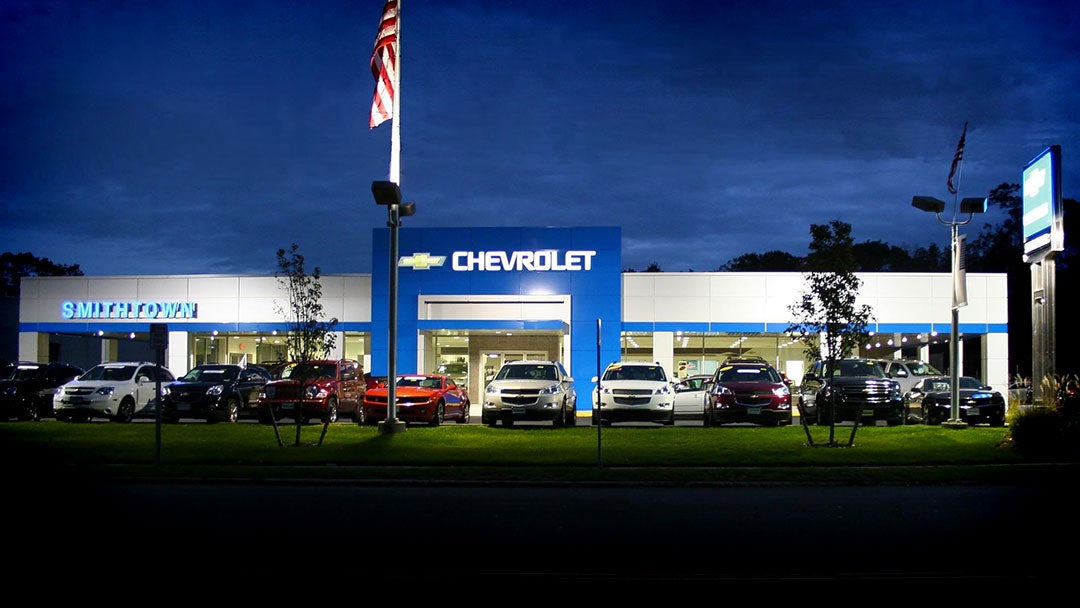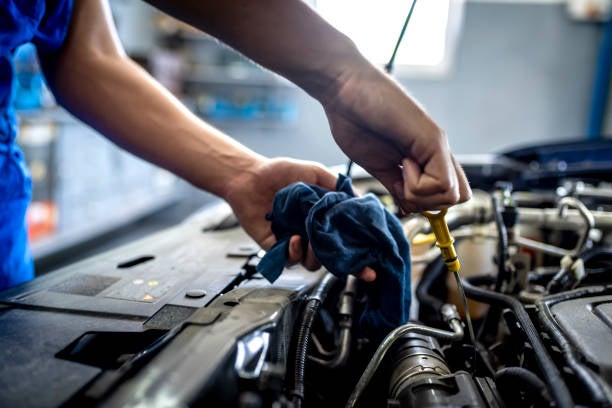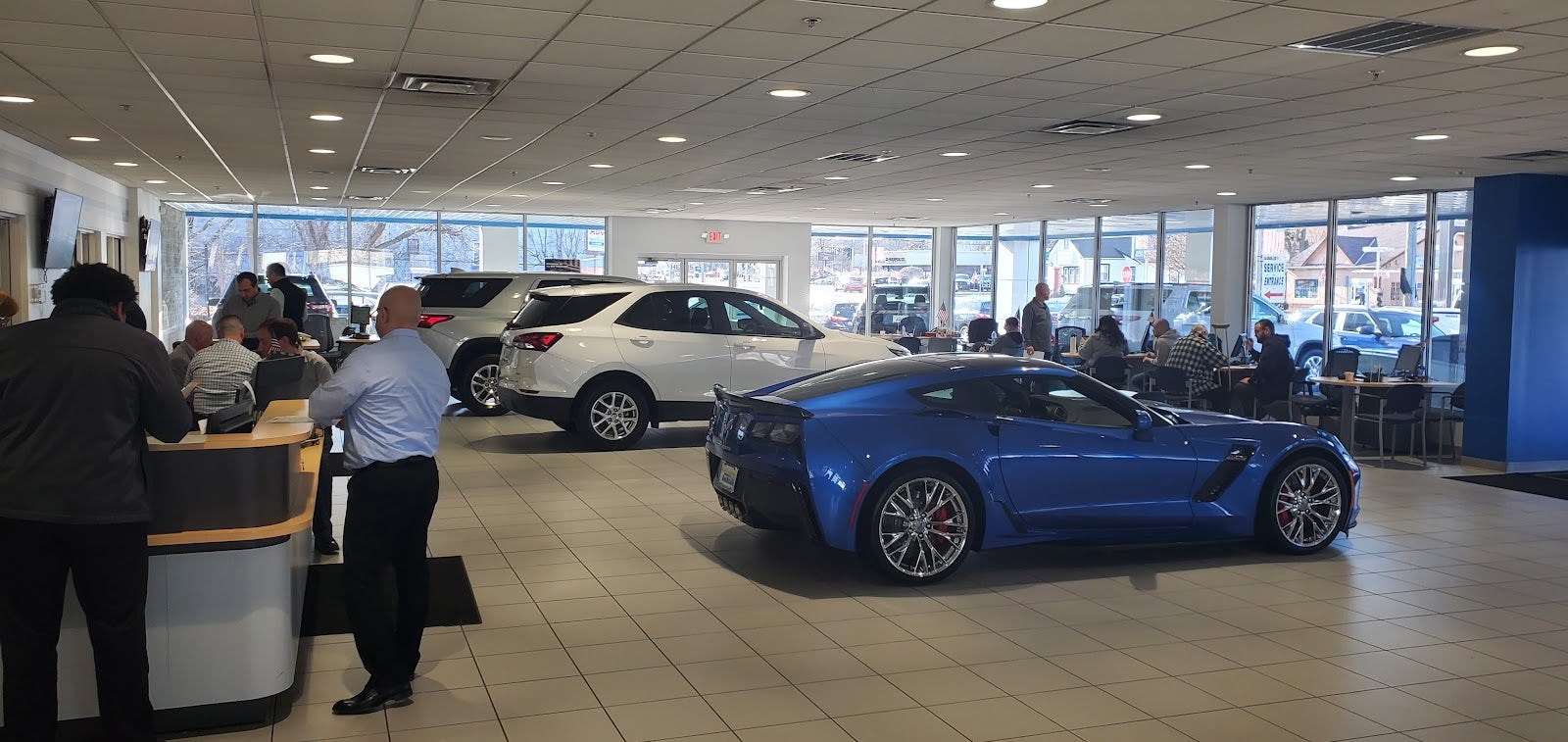



THE SHORT ANSWER Shopping for a used Chevrolet comes down to three steps: decide what you actually need, check the specific vehicle's history and condition, then judge the whole deal by its out-the-door price. Picking the right model is the easy part. Where people get burned is skipping the history report, the inspection and the test drive, or judging the deal by its monthly payment. So how do you find a used Chevy that's actually a good buy, and not just a clean one that photographs well? That's the question we hear most at North Shore Chevrolet of Smithtown in St James, and the answer is less about luck than about knowing what to check and in what order. Below, we walk you through it the way we'd explain it at the counter, from figuring out what you need to what happens after you drive home. IN THIS POST Start with how you really drive Matching the Chevy lineup to your life Build a budget around the total cost Certified, dealer used or older and cheaper Read the history before you fall in love Inspect it like a Long Islander Take a test drive that actually tells you something Settle the price, your trade and the paperwork Key takeaways Before you open a single listing, think about an ordinary week. A daily crawl on the Long Island Expressway, weekend runs out east on Route 25A, hockey bags in the back, a boat trailer in July: those shape the right vehicle far more than paint color or wheel style. Grab a piece of paper and answer a few honest questions: - Who rides with you most days, and how many seats do you truly need? - What do you haul, and how often? Groceries are different from lumber. - Where do you park? A tight municipal lot in Smithtown or Port Jefferson is a different story from your own driveway. - Do you need all-wheel or four-wheel drive, or would good winter tires on a front-drive car do the job? - How long do you plan to keep it? Now split your answers into **must-haves** and **nice-to-haves**. Third-row seating for a family of six is a must-have. A sunroof usually isn't, however much you'd enjoy it. That short list does real work. When you start browsing our used cars, you can rule out half the lot in a minute and spend your time on the vehicles that fit. It also keeps you steady when a flashy trim level tries to talk you into something your week doesn't call for. Matching the Chevy lineup to your life Chevrolet builds a wide range of vehicles, and a used shopper gets to pick from several model years of each. Knowing roughly where each one sits saves you from comparing a compact crossover to a full-size truck. ### Crossovers and SUVs The Trax and Trailblazer are the small, easy-to-park end of the range, a good fit if you're mostly solo or a couple. Step up to the Equinox when you want more back-seat room for kids and car seats. The Traverse adds a third row without the bulk of a truck-based SUV. If you need serious space or towing ability, the Tahoe and Suburban are the big, body-on-frame choices. ### Trucks, cars and EVs The Colorado is the midsize pickup, easier to live with in town, while the Silverado covers heavier work and towing. On the car side, Chevy has stopped building the Malibu, but plenty of used ones are around, and that makes it one of the more affordable ways into a comfortable sedan. The Bolt EV and Bolt EUV are worth a look if you can charge at home and your driving stays mostly local. Once you've narrowed things to one or two models, compare **trim levels**, not just model names. Two Equinoxes from the same year can feel like different vehicles depending on the trim and options. Build a budget around the total cost Most people set a budget around the price on the windshield. A better number is what the vehicle costs you to own each month, all in. Here's what goes into that number: - The vehicle price plus New York sales tax and DMV registration and title fees - Your loan payment, which depends on the rate, the term and your down payment - Insurance, which on Long Island can change a lot from one model to the next - Fuel or charging, based on your actual commute - Upcoming maintenance, like tires or brakes the vehicle may need soon Before you fall for a particular truck, get an insurance quote using its VIN. Two similar vehicles can carry noticeably different premiums, and it's better to learn that before you sign than after. On financing, shop the rate as carefully as the vehicle. A longer term lowers the payment but usually costs more over the life of the loan, so look at the **total amount financed and paid**, not just the monthly figure. Rates depend on your credit, the lender and the age of the vehicle, so nobody can promise you a number in advance. You can compare a bank or credit union offer with our financing options and keep whichever works better for you. Certified, dealer used or older and cheaper Used Chevys tend to fall into three groups, and knowing which one you're looking at tells you a lot about the risk you're taking on. ### GM Certified These are newer, lower-mileage vehicles that have passed a factory-set inspection and come with extra warranty coverage from GM. You pay more than you would for a similar non-certified vehicle, and in return you get **coverage that kicks in after the sale**. Ask for the exact terms in writing, because coverage periods and what's included can change with the program year. ### Dealer used and older vehicles A regular used vehicle from a dealer has usually been inspected and reconditioned, but it carries whatever factory warranty is left, if any. Older, higher-mileage vehicles cost less up front and ask more of you: more homework, a closer inspection and a cushion in your budget for repairs. Neither path is right for everyone. If you want predictability and plan to keep the vehicle for years, start with our certified pre-owned Chevys. If you're buying a first car for a new driver or a second vehicle for short local trips, a well-kept older model can be the smarter use of your money. We carry a large selection of new, pre-owned and GM Certified vehicles, so it's easy to put these options side by side on the same visit. Read the history before you fall in love A vehicle history report won't tell you everything, but it will tell you plenty, and it takes about five minutes to read. We're a CARFAX Advantage Dealer, so ask us for the report on any vehicle you're serious about. Here's what to look for: - **Title brands** like salvage, rebuilt or flood. Long Island still sees cars that went through Superstorm Sandy or later flooding, and water damage can cause electrical problems years later. - Accident reports, plus what kind of damage was noted. A minor scrape is different from structural or airbag-deployment damage. - The number of owners and how long each one kept the vehicle. - Service records. Regular oil changes on schedule are a very good sign. - Past use as a rental, fleet or lease vehicle. - Where it was registered. Years in a snowbelt state mean years of road salt. Gaps in the history aren't automatically a problem, since plenty of owners use independent shops that don't report. Just ask about them. Next, run the VIN through NHTSA's free recall lookup at nhtsa.gov/recalls. Open recalls on a Chevy can be fixed at no charge at a Chevrolet dealer, but you want to know about them up front, and you want to see that the fix has actually been done. Inspect it like a Long Islander Salt, potholes and stop-and-go traffic leave their marks, so a walk-around here should focus on a few things in particular. ### Underneath and outside Crouch down with a flashlight and look at the rocker panels, the bottoms of the doors, the wheel wells and the brake lines. Surface rust on the frame of a Silverado or Tahoe is normal, but **flaking, bubbling or holes** are not. Check that the panel gaps line up and the paint matches from panel to panel, since a mismatch can point to body work the history report missed. Tires tell their own story. Uneven wear on the inside or outside edges suggests alignment trouble, and mismatched brands can mean a past owner cut corners. On the sidewall, the last four digits of the DOT code show the week and year each tire was made. ### Inside and under the hood A musty smell or damp carpet is a warning sign, so lift a floor mat. Test every window, lock, seat adjuster, the touchscreen, the backup camera and the climate control on both heat and A/C. Under the hood, look for leaks, crusty battery terminals and fresh fluid that seems to be hiding something. For peace of mind on an older vehicle, ask about an independent pre-purchase inspection. A reasonable dealer won't object. New inventory Everything on the floor and on the way. Browse › Used and certified Trade-ins we kept, and cars we certified. Browse › This month’s offers What is discounted right now. Browse › Where 920 Middle Country Rd St James, NY Call (631) 406-9158 KEY TAKEAWAYS Know your must-haves and your real total budget before you start browsing. Read the vehicle history report and check open recalls by VIN, then inspect for rust and wear and test-drive on roads like the ones you use every day. Ask for an out-the-door price in writing, and keep your trade-in conversation separate from the purchase. FAQ Common questions Is mileage or age more important on a used Chevy? Neither one tells the whole story by itself. A newer vehicle with lots of highway miles and steady service records can be in better shape than an older one with low miles that sat for long stretches or made only short trips. Look at mileage, age and maintenance history together, and let the inspection and test drive settle the question. Is a GM Certified vehicle worth paying more for? It depends on how long you plan to keep it and how much repair risk you're comfortable with. Certification adds a factory-set inspection and extra GM warranty coverage, which many buyers value for a vehicle they'll drive for years. If you're buying an inexpensive second car for short trips, a well-kept non-certified vehicle may make more sense. Can I buy a used Chevy if my credit isn't great? Lots of people with less-than-perfect credit do finance a used vehicle, but approval and rates depend on your credit history, income, down payment and the lender, so no one can promise an outcome. A bigger down payment and a realistic budget often help. It's worth comparing an outside offer from a bank or credit union with dealer financing. Should I get an independent inspection on a used car from a dealer? On older or higher-mileage vehicles, it's a smart move, and a reasonable dealer won't object. A mechanic you trust can put the vehicle on a lift and spot rust, leaks or worn parts that are hard to see on a driveway walk-around. On a GM Certified vehicle, the factory inspection and warranty already cover much of that risk. What should I bring when I'm ready to buy? Bring your driver's license, proof of insurance or your agent's contact information, and any pre-approval letter from your bank. If you're trading in a vehicle, bring its title or loan payoff details, all of its keys and any service records you have. Calling ahead to confirm the vehicle is still available saves you a wasted trip. Want to see it in person? Come by for a test drive, or browse what is on the lot right now. Schedule a test drive Browse new inventory Or call (631) 406-9158 · 920 Middle Country Rd, St James Or keep browsing Current offers Financing Value your trade Book service Contact us Used cars