



Blog

All Saint James Chevrolet Dealer
Chevy Colorado

Towing Capacity Facts About Used Chevy Colorado

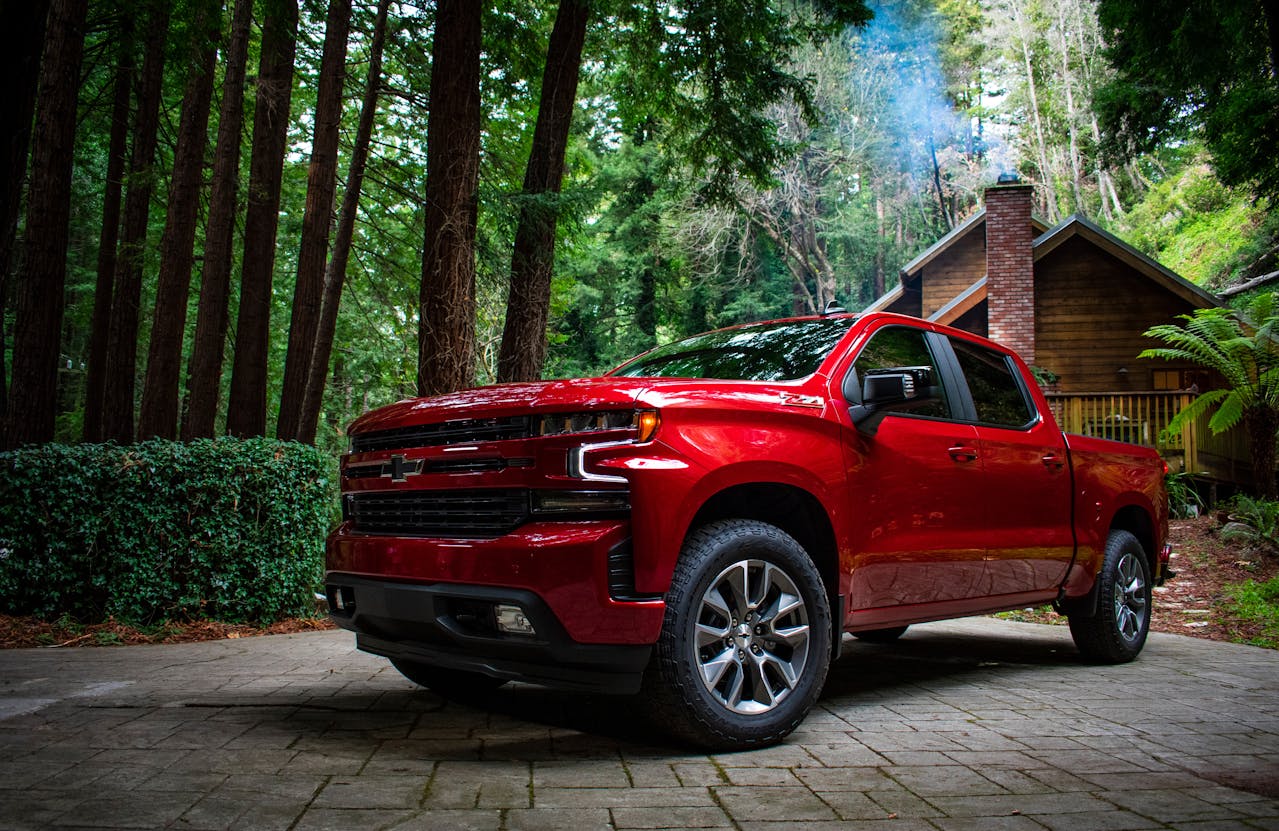
Whether you're hauling camping gear for a weekend getaway or towing equipment across Suffolk County, it helps to know exactly what your used Chevy Colorado can handle. A lot of drivers buy trucks expecting them to do the heavy lifting without giving much thought to towing limits. But skipping that step could mean trouble on the road, especially when it comes to safety and long-term vehicle health. more Understanding what your used Chevy Colorado is equipped to tow gives you more peace of mind when the trailer’s hooked up and you're driving down Route 347 or making sharp turns near Setauket. It keeps things smoother and helps your truck last longer. With November already here and chilly weather setting in, paying attention to those towing numbers is a smart move for anyone in Suffolk County. Understanding Towing Capacity Towing capacity is the maximum amount of weight a truck can safely pull behind it. That total includes the trailer and everything loaded in or on it. If you're not paying attention to these limits, you could run into serious issues. Steering becomes harder, brakes don’t respond as quickly, and you risk damaging your engine or transmission. Several factors help determine how much your Chevy Colorado can reasonably tow: 1. Engine size – Larger engines can move more weight. A basic four-cylinder setup won’t haul as much as a V6 or a diesel option. 2. Transmission type – In many setups, an automatic transmission can handle heavier loads more smoothly than a manual. 3. Drivetrain – Rear-wheel drive versions usually tow slightly more than four-wheel drive ones, mainly because they weigh less. 4. Axle ratio – Lower axle ratios provide more torque, which boosts towing capability but affects fuel mileage. So, whether you're hauling the family ATV for a weekend out east or picking up supplies for a home improvement project, staying within your vehicle’s limits matters. Going over that limit isn’t just a strain on your truck, it can make towing uncomfortable and unsafe. Think of it like this: If your Colorado can tow up to 5,000 pounds, and your trailer weighs 4,000 pounds, you might think you’re in good shape. But if you load up 1,000 pounds of tools or furniture, that adds up fast. Now you’re at 5,500 pounds, which is over your limit. That extra weight can stress the brakes, suspension, and even the tires. Double-checking your vehicle's specs is easy. Towing details are usually found in the owner’s manual or printed on a sticker inside the driver-side door. It doesn't take long to check, and it can save you from bigger issues down the road. Towing Capacity of Different Used Chevy Colorado Models Not all used Chevy Colorado trucks are created equal. Towing capacity can vary quite a bit depending on the model year, trim level, and configuration. Over time, Chevrolet has made upgrades that affect performance across the board, especially when it comes to towing features. Here are general towing ranges across popular used model years: 1. 2015–2016 models – Expect towing capabilities between 3,500 and 7,000 pounds. Many of these models came equipped with a V6, which offers a good middle ground between power and fuel economy. 2. 2017–2018 models – With options like the 2.8L Duramax Turbo-Diesel, these models can tow up to 7,700 pounds, making them a favorite for heavier jobs. 3. 2019–2020 and beyond – While the raw towing numbers remained similar, newer models included more driver-assist tech like trailer sway control, integrated brake controllers, and better visibility aids like backup cameras. Towing capability also depends on whether the truck includes a factory tow package or if the equipment was added later. A stock Colorado might do fine for light tasks, but one with upgraded shock absorbers, hitches, and cooling systems is better suited for regular towing. So, if you’re shopping for or already own a used Chevy Colorado in Suffolk County, make sure you check which extras are included. Whether you're trailering surf gear out to Montauk or helping a friend move furniture in Patchogue, the right setup goes a long way. Practical Considerations for Towing in Suffolk County Towing around Suffolk County comes with its own challenges. From narrow tree-lined lanes to congested town centers, road conditions can catch drivers off-guard if they’re not properly prepared. The landscape varies more than people think. Backroads through places like Stony Brook or Port Jefferson can get hilly fast. Local traffic patterns are filled with quick stops and tight turns, especially in busy areas around malls or town centers. All of this gets trickier when there’s a trailer behind you. To make towing easier and safer in Suffolk County, keep these tips in mind: Stick to well-maintained roads when towing heavier loads Start braking earlier, particularly if the road has timed lights close together Take wider turns, since trailers don’t follow your truck’s exact line Check your mirrors often. Blind spots are larger with a trailer Strap down cargo securely, even for short distances. Bumpy roads can shift items quickly And remember to watch the sky. By late November, it’s not unusual for roads to freeze overnight or during a cold rain. If you’re towing and hit even a small patch of ice, it can throw off balance and braking power quickly. Wind also plays a role. On long stretches like Sunrise Highway, gusts can push trailers hard, especially if they’re tall or lightly loaded. Before heading out, take a few minutes for a walkaround. Make sure brake lights work, chains are connected properly, and nothing feels loose. These small checks can make your trip across Suffolk less stressful. Enhancing Your Chevy Colorado Towing Experience A safe and efficient towing experience doesn’t rely only on stats and limits. How you care for and configure your truck can make a big difference. If you’re planning to tow frequently, take steps to keep your used Chevy Colorado in towing shape. Start with tire maintenance. The added weight of a trailer puts extra pressure on your tires. Make sure the tread is in good shape and the pressure matches the workload. Then turn your attention to the brakes. If stopping feels delayed or uneven, it might be time for new brake pads or a system check. The suspension also takes a hit during towing. If your truck sags in the back or bounces too much, upgraded shocks or helper springs can help. These don’t have to drastically change ride comfort when not towing but can make a big difference when there’s extra weight in tow. Here are a few other upgrades and checks to think about: Add towing mirrors for expanded visibility Install a trailer brake controller for better stopping power Use a weight-distribution hitch for stability with big trailers Check the cooling system to prevent overheating under load Keep up with regular service, especially oil and transmission fluid Imagine you’re pulling a snowmobile trailer out to a cabin in eastern Suffolk or hauling firewood before a winter storm. Taking these steps will keep your ride smooth and cut down on stress during cold weather trips. If any of these parts seem worn or if you’re not sure what condition your equipment is in, it's smart to bring the truck in for a professional check. Towing isn’t the time for guesswork. Make the Most of Your Chevy Colorado in Suffolk County When you understand towing limits and take care of your truck, your used Chevy Colorado becomes a reliable partner for everyday jobs and weekend escapes alike. It’s a truck built to handle a lot, but knowing where the limits are helps you avoid mistakes that could cause expensive wear or safety issues. Whether you're headed out to the shoreline with gear or helping a neighbor move bulky items, knowing your truck is prepped and set up right lets you focus more on the trip and less on what might go wrong. This time of year, it’s especially smart to check in on how your truck is doing. Cold conditions make towing harder, and well-maintained systems are key to handling those challenges. Being proactive with maintenance and setups now helps you avoid forced repairs later—when it’s colder and more inconvenient to take care of them. Your used Chevy Colorado in Suffolk County has the potential to do more than just get you from A to B. With attention and care, it’s ready for light work, weekend getaways, and even heavier loads when needed. And with winter just around the corner, there’s no better time to get it in perfect shape for whatever lies ahead. If you're looking to get the most out of your truck, a properly maintained used Chevy Colorado in Suffolk County can handle everyday towing with confidence and ease. Let the team at Chevrolet of Smithtown help you find the right setup to match your lifestyle and keep your vehicle running strong for every job ahead.

Oil change

Benefits of Regular Oil Changes at a Certified Service Center

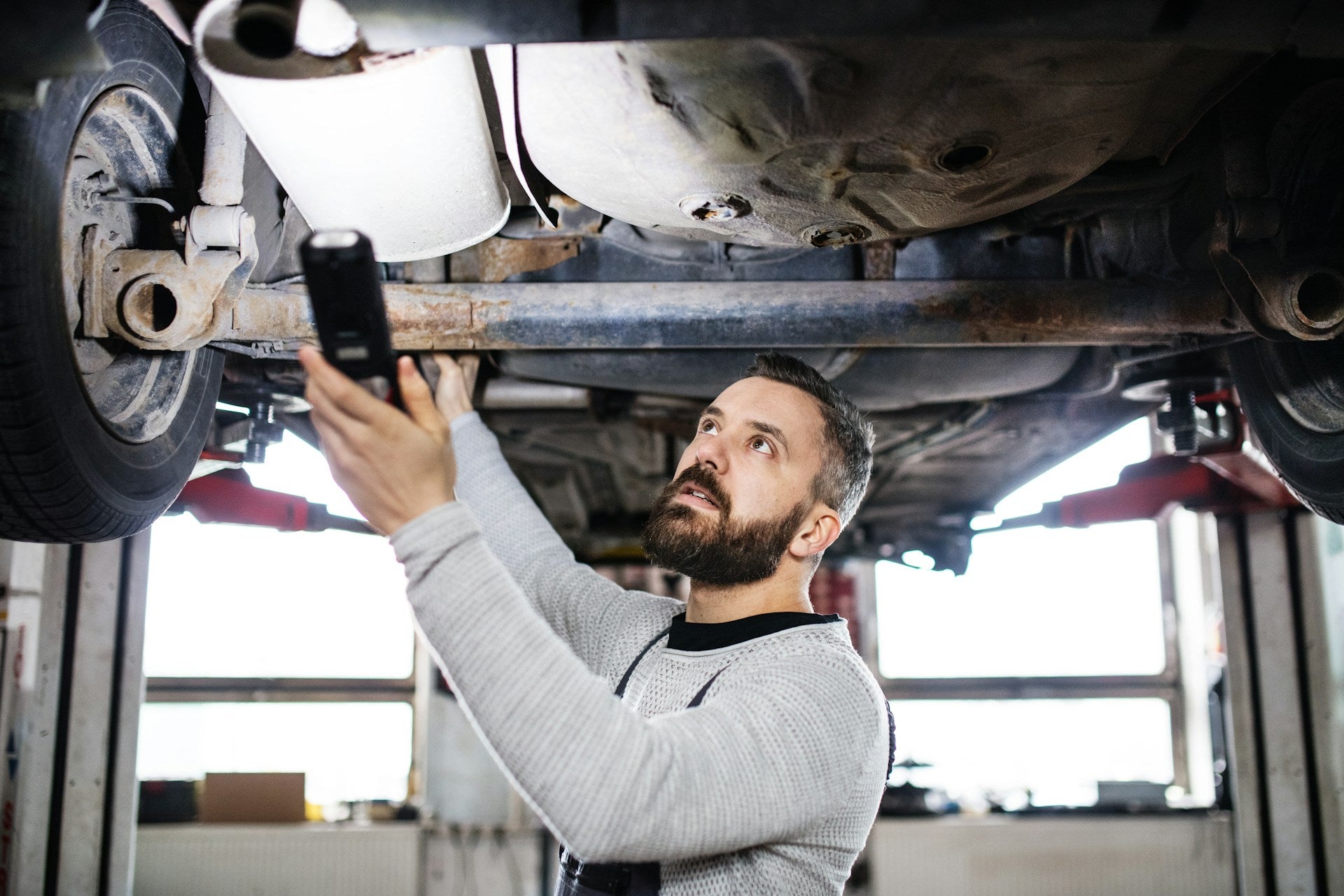
Oil changes are one of those things that often get pushed to the bottom of a to-do list until something goes wrong. Skipping regular oil service might not seem like a big deal at first, but over time, it can really mess with how your vehicle runs. Clean oil keeps your engine running smoothly, while old, dirty oil can slowly wear it down. And with colder weather settling into Suffolk County by late November, making sure your oil is fresh becomes even more important for daily driving. more One easy way to make sure your car gets proper care is by going to a certified service center. These are places where trained professionals use the right oil for your vehicle and check for other issues that might go unnoticed. Regular oil changes aren't just about swapping fluid. They’re about keeping your vehicle dependable, especially when local roads start icing up or morning commutes get longer. The Role Of Oil In Your Vehicle's Health Motor oil isn’t just there to keep things slick inside the engine. It pulls double duty by cleaning and protecting. When it's fresh and clean, oil helps prevent metal parts from grinding against each other, keeps the engine cool, and grabs dirt that collects as you drive. But like anything else, it wears out. If you leave it in too long, it stops doing its job well. Here’s what oil is doing every time you start your car: Lubricating engine parts so they don’t scrape or wear down Helping cool the engine by carrying heat away from the hottest spots Cleaning sludge and debris that collect while the engine runs Protecting metal parts from rust and corrosion Once oil gets too dirty or thick, it stops being helpful. Instead of flowing smoothly through the engine, it becomes sticky and forces parts to work harder. That means more heat and more wear, which can take a toll on your vehicle’s engine. It’s a bit like running a race with gravel in your shoes. Your engine is working harder than it needs to with old oil. If you’re often driving in stop-and-go traffic around Suffolk County or making quick, cold-weather trips, your oil breaks down faster than you'd think. That’s why oil changes on schedule are a smart way to keep your vehicle solid and reliable. Benefits Of Regular Oil Changes Keeping up with oil changes gives your vehicle plenty of payoffs, and you'll actually notice some of them during your daily drives. Your vehicle may sound quieter, run smoother, and handle cold starts better. Clean oil helps it all go more smoothly. Here are some solid benefits that come with sticking to the right maintenance schedule: 1. Better performance Fresh oil keeps engine parts moving without extra resistance. This means quicker response when you accelerate and fewer odd noises or rough driving. 2. Longer engine life Engines handle a lot of heat and stress every time you drive. Clean oil protects them so they can last longer without expensive repairs. 3. Improved gas mileage An engine that runs smoothly doesn’t use as much fuel. Fresh oil can help you stretch your tank a bit further. 4. Fewer harmful emissions Old, dirty oil can make your engine work less efficiently, which can lead to smoke or bad smells. Clean oil helps your ride stay cleaner for the environment. 5. Lower repair costs Skipping oil changes can cause damage that adds up fast. Staying on schedule keeps your vehicle healthier and helps you avoid big repair bills. It doesn’t take long to get an oil change, especially if you go somewhere that knows your vehicle inside and out. But the cost of putting it off can grow fast. Engines work harder in the winter, especially during cold starts on Suffolk County mornings. Fresh oil keeps things running more smoothly whether you’re dropping the kids off at school, commuting to work, or heading out for the weekend. Advantages Of Using A Certified Service Center It might sound like a simple appointment, but where you get your oil change really matters. Certified service centers bring more to the table than just speed. They’re staffed with trained professionals who know brands like Chevrolet inside and out. That means the work they do is backed by knowledge and care. Here’s what sets certified centers apart: Technicians trained to work on your specific make and model Use of manufacturer-approved oil and filters that actually fit your vehicle Routine checks on things like brakes, tires, fluid levels, and battery condition to catch issues early When your oil change is handled by someone who’s certified to work on your car, you don’t need to guess whether it was done right. There’s less worry that something was skipped or done the quick-and-easy way. Certified technicians follow processes that are made for your vehicle, so the work is reliable. That kind of service starts to matter even more when the temperatures drop across Suffolk County. Cold weather puts stress on your engine and any little issue can turn into something bigger if the oil quality isn’t right. Certified care helps your engine avoid those problems and stay running strong no matter the weather. Why Choose Chevrolet Certified Service in Suffolk County Drivers across Suffolk County know things can change fast. One day it's sunny, the next it’s sleeting. Traffic never quite behaves the same way two days in a row. That’s why having a dependable service team behind you makes such a difference. Chevrolet Certified Service in Suffolk County gives you that extra peace of mind. Certified centers are built for Chevrolet models. That means everything from the tools to the parts to the oil filter has been selected because it works with your specific vehicle. Choosing a certified service gives you strong support for your warranty and confidence that nothing slipped through the cracks during your appointment. If you live near Saint James or anywhere else in Suffolk County, it's convenient too. You won’t have to drive far or wait too long to set an appointment. Your vehicle gets the care it needs without rearranging your whole week to make it happen. There’s another bonus to choosing the same certified shop every time. They get to know your vehicle and its service history. They stay on top of things like oil change schedules and can help spot problems before they grow. It becomes one thing you no longer need to remember or worry about. Drive With Confidence Every Day Your car handles a lot over the course of a normal day. Cold mornings, traffic jams, quick trips to the store, longer drives on the weekend. Regular oil changes make sure your engine is ready for all of it without wearing down too fast. That’s especially true when the temperatures in Suffolk County start dropping late in the year. Even if your car seems like it’s running fine, all it takes is a skipped oil change or two to create expensive problems. By staying on schedule, you’re choosing smoother drives, fewer surprises, and more life from your engine over time. With everything else you’re juggling, it’s an easy win when you keep your car well-maintained. It runs better, saves fuel, and stays out of the repair bay. Making oil changes part of your regular routine is one of the simplest ways to keep your Chevrolet dependable and ready for whatever the next day brings. Need a reliable partner to keep your vehicle in top shape? Discover how our Chevrolet Certified Service in Suffolk County provides expert care for your car. At Chevrolet of Smithtown, our skilled technicians help your ride perform smoothly season after season, giving you one less thing to think about as you navigate Long Island roads.

silverado

Safety Technology in the New Chevy Silverado

Driving around Long Island means dealing with everything from quiet neighborhood roads to packed highways and unpredictable weather. Whether it’s a foggy morning on the LIE or a snowy evening commute in Suffolk County, staying safe behind the wheel makes a big difference. That’s where smart vehicle tech comes into play, especially when it’s already built into your truck. more The new Chevy Silverado isn’t just strong and capable. It’s also loaded with modern safety features that help you stay on track when things get hectic. These systems are made to help you concentrate, respond faster, and drive with more confidence. Whether you’re running errands on a lazy Saturday or hauling gear to a job site, more protection means less stress on every drive. Advanced Safety Features in the New Chevy Silverado The Silverado comes built with safety features that work in the background, ready to step in or alert you when something’s off. They’re seamless, tuned for real-world conditions, and work like a second set of eyes on the road. Some top standouts include: Automatic Emergency Braking: This system watches ahead and can apply brakes for you if it senses you’re coming up too fast behind another vehicle. It helps if you're briefly distracted and not slowing down quickly enough. Lane Keep Assist with Lane Departure Warning: If you start drifting without using a blinker, this system can gently guide your truck back into your lane or sound a chime to warn you. Forward Collision Alert: It compares your speed and the distance to the next car and gives an alert when you're about to get too close, helping you react before it gets risky. Each of these systems is made to give you more time to notice changes on the road. Whether it’s helping you stop on a dime or keeping you steady in your lane, they’re all about boosting reaction time. They’re smooth, too. You won’t feel them constantly interrupting or pulling too hard. Let’s say you’re heading down Route 347 during rush hour and traffic suddenly slows. Automatic Emergency Braking could notice that change before you do and slow your truck just in time. Instead of dealing with a fender bender, you're moving along with a sigh of relief. These tools don’t replace your focus or experience. They add cushion. Your Silverado becomes more than a vehicle—it’s a reliable co-pilot tuned into what’s going on around you. Benefits of Silverado’s Safety Technology for Long Island Drivers Life on Long Island offers all kinds of driving challenges in a single day. One minute, you're on open road. The next, you're dodging parked cars on a busy town street. Then there’s the unpredictable weather and weekend beach crowds. This is where the Silverado’s safety features really start to shine. They’re designed to help with all the curveballs that come with local roads, traffic, and schedules. Here’s how they add value: Early warnings help you respond during sudden lane changes or stop-and-go traffic Steady lane guidance makes highway driving more comfortable Brake alerts help you avoid rear-end situations Lane support keeps you centered if you drift after long hours behind the wheel Extra awareness reduces fatigue from needing to stay hyper-focused nonstop If you’ve ever driven down Nichols Road with the kids in the backseat or headed out east with tools packed in the back, you know how much concentration it takes. Knowing your truck can support you when things get hectic makes all the difference. Picture crossing an intersection where you're not quite sure when the light will change. The Silverado’s sensors are already working, giving you quicker help if someone ahead stops without warning. These little moments add up to more peace of mind and fewer near-misses. Technology That Supports Safe Winter Driving Long Island winters can feel like a guessing game. One turn off the main road, and you’re dealing with icy side streets or leftover slush from last night’s storm. Visibility dips, roads get slick, and everyday stops take twice the focus. That’s where the latest Silverado models step in. These trucks are set up with systems that help get you through rough spots without breaking a sweat. Some useful winter-ready features include: All-Wheel Drive: Keeps you grounded when roads get slippery, making starts and stops more stable Traction Control: Stops wheel spin so you can hold your path over icy patches Hill Descent Control: Helps you coast safely down steep or uneven hills Heated Side Mirrors: Clears frost for better side and rear visibility Windshield Wiper De-Icer: Keeps blades from icing up so your view stays clear Say you’re heading down Route 25 early one morning and hit black ice by a stoplight. With these systems already ready in the background, the Silverado responds smoothly—before you even have time to panic. That’s time saved and stress avoided. The systems kick in automatically when conditions get tough. That way, you’re not stuck toggling controls while trying to keep your eyes on the road. The result? A safer, more focused drive, even on rough days. How to Access the Latest Safety Technology Getting into a Silverado that’s already packed with safety features doesn’t need to be complicated. At Chevrolet of Smithtown, we help you match the right trim to the right lifestyle, with safe driving at the center. Here are a few easy starting points: 1. Look for Silverado trims that come with advanced safety systems as standard or included in popular packages 2. Set up a demo with one of our product specialists who can show you how each feature works in real traffic 3. Take a test drive right here on Long Island to try out lane assist, braking tech, and more during live road conditions 4. Talk with our team about your usual driving routes so we can offer ideas that fit your daily navigation Whether you’re someone who drives back and forth to a job site or just wants a safer ride getting the kids to school, we’ll help you find the match that works best. Being able to test features right on familiar roads around Suffolk County adds clarity. And if you’ve got weather worries, our team can line up winter-ready models for you to try firsthand. We aim to make it easy to understand your options. From picking features to putting them through real road tests, there’s no guesswork involved. Drive Safely and Confidently with the New Chevy Silverado The new Chevy Silverado has what it takes to keep up with the twists and turns of Long Island life. Its power and size may grab attention, but it’s the thought-out safety systems that really prove it’s ready for anything. When roads get unpredictable or traffic piles up, these technologies help shape a smoother, more reliable drive. It’s not about taking control away. It’s about giving you added clarity and response in the moments that matter most. For Long Island drivers dealing with early snow, narrow backroads, crowded shopping centers, and tight turns through town, the Chevy Silverado offers a level of backup that speaks to real needs. You feel it when your mirrors stay clear in a frost, or when your brakes respond faster than you expected. Step behind the wheel, and it’s clear this truck is more than a hauler. It’s a well-rounded partner for the road, ready for the highs, lows, and every season in between. Explore the benefits of a new Chevy Silverado on Long Island, where its safety technology is built to handle the island's diverse driving conditions. Stop by Chevrolet of Smithtown to get a closer look at how the Silverado can support your daily commute, weekend plans, and everything in between with more confidence behind the wheel. From icy roads to busy town traffic, it's built to keep up with your day.

Chevrolet

Quality Service Makes a Difference for Your Chevrolet

Taking care of your vehicle doesn’t have to be a guessing game. Whether you’re commuting across Long Island or heading out for weekend plans, your Chevrolet runs better when it’s well-maintained. Small services like oil changes or tire checks can prevent bigger problems from happening later. When it comes to keeping your ride smooth, safe, and reliable, regular maintenance makes all the difference. more Quality service does more than keep your car running. It helps extend the life of your vehicle and save time and money in the long run. From engine performance to fuel efficiency, every part plays a role and it only works well when everything's in top shape. That’s why choosing the right place to service your car matters. Expert Technicians and Genuine Parts When you bring your vehicle in for service, you want to know it’s in the right hands. Certified technicians are trained to work specifically on Chevrolet vehicles. That means they know the systems, the quirks, and the latest tools needed to get the job done right without guesswork. It’s not just about fixing something that’s broken. It’s about catching small issues early and making sure your car stays reliable down the road. Using genuine Chevrolet parts also plays a big part in how your car performs over time. Aftermarket parts may look the same, but they don’t always fit or function as well. When a certified tech installs a part built for your exact model, it's more likely to work the way it should and last longer. That attention to detail can help your car handle better, stop faster, and stay more efficient. Good service isn’t just about repairs. It’s about protecting what you already have and avoiding problems later. Take replacing brake pads, for example. Doing it with high-quality parts from the start helps avoid uneven wear, strange noises, or worse unsafe stopping. The right service keeps your car working the way it was meant to, day in and day out. Comprehensive Services Offered At Our Chevrolet Service Center On Long Island Our service center doesn’t just handle oil changes and inspections. There’s a full list of services that keep your Chevrolet in shape for everyday use. Whether your car needs something basic or more in-depth, trained staff can handle a wide range of needs. Here’s a look at just some of the services available: Routine oil and filter changes Tire inspections, rotations, and replacements Brake repairs and replacements Transmission service and gear checks HVAC maintenance for AC and heating issues Battery checks and replacements Multi-point inspections for seasonal maintenance These services cover what most Long Island drivers deal with from season to season. For example, fall into winter is when tires need extra attention, as colder temps affect air pressure and grip. If your air conditioning didn’t perform well during the summer, now’s the time to check that the heating system is ready before the weather shifts. Having access to a wide range of services in one place saves you another trip later. It keeps you one step ahead by making it easier to stay on schedule with maintenance that supports every part of your vehicle. Whether your schedule is tight or your commute is long, service shouldn’t be something you have to stress about. Benefits Of Scheduled Maintenance Putting off maintenance might save a little time now, but it almost always costs more later. Skipping appointments, even for small things like oil changes or tire rotations, gives minor wear a chance to turn into serious damage. That means bigger repair bills, more time without your car, and more stress when things break down at the worst moment. Sticking to a maintenance schedule helps avoid surprises. By checking key systems on time, techs can spot small issues early and fix them before they become headaches. That includes things like low brake fluid, worn belts, or leaks that often go unnoticed until they’ve already caused damage. Here are a few reasons why Long Island drivers benefit from scheduled service: Helps maintain fuel efficiency by keeping filters and fluids fresh Reduces risk of breakdowns by spotting worn parts early Adds to long-term resale value by showing strong service history Keeps manufacturer warranties valid on newer models Supports smoother rides during seasonal shifts in weather Just think about what happens if you ignore low tire pressure. Your tires wear out faster, you burn more gas, and you could lose control on a wet road. Something that takes five minutes to check could save you an entire weekend without a car. And during this time of year, with colder temperatures around Suffolk County, it’s smart to check the heating system, battery, and brakes ahead of the winter season. Regular upkeep keeps you ready for the road no matter what the forecast says. Customer Experience And Convenience Regular service shouldn't feel like a hassle, especially when life already feels packed. The experience of getting your vehicle maintained should be smooth from the moment you book the appointment to the time you leave the lot. That’s where convenience plays a big part. Good service centers make it easy to schedule, wait, and leave without extra delays. For Long Island drivers, location matters too. Nobody wants to travel across counties to get something as simple as an oil change. Having a trusted shop nearby saves time and reduces the stress of figuring out what to do while your car’s in the shop. More and more drivers are looking for options that fit into their routines. Popular features include: Online scheduling with available times and services listed up front Comfortable waiting areas with Wi-Fi and refreshments Vehicle status updates during longer services Loaner vehicles or courtesy shuttles for appointments that take hours Saturday hours for people who can’t come during the week If you’re juggling errands, commuting to work, or coordinating kids’ activities, being able to drop off your car and carry on with your day makes a big difference. And when you know the same team handles your vehicle every visit, you gain peace of mind and save time explaining things over and over. Why Staying On Schedule Pays Off Staying on top of service does more than just prevent problems. It brings consistency to how your car drives, feels, and performs through every season. Whether you’re dealing with potholes after winter or prepping for summer road trips, a well-serviced car rides smoother and feels more reliable. Quality care, real parts, and professional inspections carry real value. When your vehicle gets the right attention at the right time, small investments in routine service pay off in fewer surprises and more years on the road. Investing now helps protect against trouble later. With the right care, your Chevrolet keeps working the way it should so you can focus on everything else. By making routine maintenance a priority, you're setting your Chevrolet up for year-round reliability and better performance. Schedule your next service at our Chevrolet service center on Long Island and let the team at Chevrolet of Smithtown help you keep things running smoothly without the stress.

Fuel Pump

5 Signs of a Failing Fuel Pump in Your Chevy

When your vehicle starts acting up, it can be easy to brush off small changes, especially when everything else seems to be running fine. But ignoring those early warning signs often leads to bigger issues down the road. One part that tends to give subtle clues before failing completely is the fuel pump. It's not something most drivers think about every day, but when it starts to go bad, your Chevy’s performance can drop quickly. more Chevrolet of Smithtown proudly serves drivers throughout Suffolk County and nearby communities, offering reliable repairs, certified service, and genuine parts. As nights get cooler this November, keeping vehicles ready for seasonal changes is more important than ever. A fuel pump may not fail all at once—it usually starts with quieter signals. Addressing those signs early can help you avoid getting stranded on the roadside or facing expensive repairs during the winter months. Difficulty Starting the Engine One of the first signs your Chevy’s fuel pump might be wearing out is trouble when you're trying to start the car. On a well-maintained vehicle, the engine should start quickly. If it cranks longer than usual, needs a few attempts, or feels like it’s struggling to catch, the pump could be responsible. It might not be supplying enough fuel from the tank, making it harder for the engine to fire up. This problem gets more common as the weather dips, especially in Suffolk County. Cold mornings mean the engine needs more fuel to get going. Imagine preparing for work on a chilly November day, only to find your vehicle struggles just to start. That little delay isn’t just inconvenient—it’s a sign your fuel delivery system might be failing. The issue can happen on and off, especially when the tank is low or the temperature has dropped overnight. If your car starts normally one day but has trouble the next, don’t ignore the pattern. Fuel pump failure doesn’t always happen suddenly. It usually begins with an inconsistent fuel supply that only gets worse. Loss of Power While Driving The fuel pump doesn’t just come into play at startup. It supports your engine every second that you're driving. When the pump begins to fail, it can’t reliably deliver the fuel your Chevy needs, and that imbalance shows up in real-time. If you're driving and notice the car losing power, especially during acceleration, there could be a problem. Here are a few signs to catch early: 1. Sudden loss of speed without applying the brakes 2. Engine taking longer to respond when stepping on the gas 3. Struggling to get up hills or merge onto highways 4. Intermittent cut-offs in power that come and go These moments slow you down and can make driving feel unpredictable. Suffolk County traffic doesn’t leave much room for hesitation. When your Chevy can't keep up with your input, it can make merging, turning, or maintaining speed more difficult—not to mention less safe. These issues tend to appear when the engine needs more fuel, like when going uphill or accelerating onto a busy road. If your vehicle used to feel peppy and now feels sluggish or delayed, don't wait to get it checked. Jerking or Sputtering at High Speeds Driving on the Long Island Expressway or any stretch of open highway calls for smooth, predictable performance. If your Chevy begins to jerk or sputter during high-speed cruising, that may point to a fuel pump that’s wearing out. This happens when the pump can’t maintain the pressure needed to deliver fuel evenly at higher engine loads. You might notice it during these moments: Accelerating to pass another vehicle Maintaining 50 mph or more on a straightaway Driving on a long uphill stretch Taking a road trip beyond local streets Jerky movement or a drop in power when you're going fast can feel like the car is skipping or hesitating. That kind of inconsistency is frustrating and risky, especially when you're merging or passing around Suffolk County. Often, it’s caused by weak fuel flow at times when the engine demands more. If your ride was smooth last month but now feels choppy at highway speeds, your fuel pump may be part of the issue. Pay attention to when it happens. Does the symptom show up only when the tank is low? Or only on longer drives? These patterns can help service professionals identify whether you’re dealing with a pump problem or something else in the fuel system. Unusual Noises from the Fuel Tank Strange sounds coming from underneath the vehicle are another signal many drivers miss. A healthy fuel pump makes a low humming noise, hard to hear unless you're listening for it. But once the pump starts to wear out, it can sound louder—whining, buzzing, or humming more than normal. Here’s when to listen closely: 1. After turning the key to the “on” position, before starting the engine 2. After long drives, especially in colder weather 3. When the fuel tank is nearly empty Fuel pump noise usually comes from the rear part of the car, near the gas tank. Sometimes, it even sounds like a faint electric whine under the back seat. Other things to listen for: A faint buzzing that wasn’t there before Intermittent rattling or squealing noises during turns A loud whirr that fades in and out during the drive While it’s tempting to turn up the radio and ignore weird sounds, these early warnings are how your vehicle lets you know something needs attention. A noisy fuel pump may not seem serious, but it often signals that the parts are wearing out and struggling to perform. Poor Fuel Efficiency from a Failing Pump If you're visiting the gas station more often without driving more miles, your fuel system may be working against you. A failing pump can send too little or too much fuel to the engine. In both cases, that imbalance causes the system to run poorly. You’ll notice lower fuel economy—and possibly even new smells from the exhaust. Keep an eye out for these warning signs: 1. Dropping miles-per-gallon even though your trips haven’t changed 2. Needing to refuel more often than last season 3. Smelling gasoline more often, even without a visible leak Fuel pumps that are under pressure or beginning to fail can put strain on other engine parts like spark plugs and oxygen sensors. That strain leads to more fuel waste and performance issues, which can get more expensive the longer they’re left unchecked. Low fuel efficiency isn’t just a budget concern. It’s a sign the engine isn’t running the way it should. Over time, this can affect your ability to pass emissions, extend your cold starts, and even shorten the overall life of key vehicle parts. How to Keep Your Chevy Running Smoothly Fuel system problems have a way of stacking up if you wait too long to act. First it’s hard starts, then a few sputters at high speed, and before you know it, your vehicle stalls without warning on a cold Long Island morning. Signs like jerking, unusual noises, slower response, and worse gas mileage are your Chevy’s way of asking for help. The sooner you spot them, the more likely it is that you’ll avoid expensive repairs or getting stuck in the wrong place at the wrong time. By tackling these issues early, you help protect your vehicle’s performance as winter approaches. Whether it’s harder to start, sluggish under pressure, or just making noises you haven’t heard before, it’s worth having a Chevrolet-certified technician take a look. They can identify whether a fuel pump issue is to blame or if other components in the system need work. Prevention can go a long way in keeping your ride ready for anything Suffolk County throws your way. Whether you’re experiencing quirky sounds from your fuel tank or your Chevy’s power seems a bit off, addressing these issues early can save you from unexpected headaches. Don’t let a failing fuel pump disrupt your daily routine or your peace of mind. Schedule a comprehensive Chevy fuel pump service on Long Island with Chevrolet of Smithtown to ensure your vehicle continues to run smoothly through the seasons. Let our professionals take care of your car, keeping it reliable and ready for whatever the road throws your way.

Chevy Camaro

Sport Mode Features in Your Used Chevy Camaro

There’s something about sliding behind the wheel of a Chevy Camaro that hits different. The low rumble of the engine, the tight grip of the steering, and the way the car hugs the road are all part of what makes driving one a thrill. If you’re cruising around Suffolk County in a used Chevy Camaro, there's one feature that turns up the fun even more: Sport Mode. It delivers extra excitement through sharper handling, quicker response, and the kind of performance you feel in your gut. more Whether you’re weaving through back roads near the North Shore or coasting east toward Montauk, Sport Mode brings something extra to your drive. It’s not just about speed. It’s also about the connection between you and the car. That feeling of control and enjoyment on roads you drive every day never gets old. Learning how this feature works in your used Camaro can help you make the most of every mile while keeping things smooth on Suffolk’s mix of town streets and winding coastal roads. Understanding Sport Mode In A Chevy Camaro Sport Mode isn’t some complicated feature made for expert drivers. It’s a setting that changes how your Camaro responds when you’re behind the wheel. Think of it like shifting your car’s mindset. Everything becomes a bit more focused, direct, and tuned into the road. When you activate Sport Mode, your Camaro adjusts a few things: The engine becomes more responsive, reacting faster to pressure on the gas pedal. The steering feels tighter and more in sync with your movements. The transmission holds onto gears longer, giving you quicker power when accelerating. In some models, the suspension may firm up for a more road-hugging feel. Whether you're heading into slower curves near Sag Harbor or flying down flat stretches of Nicholls Road, these changes work together to give you better control and a more exciting drive. Even if you're just heading through the quiet roads of Manorville, Sport Mode sharpens the way the car moves and responds to every curve. You don’t need to be a race car driver to enjoy it either. Sport Mode is made to offer regular drivers a more engaging experience without extra effort. As soon as you switch it on, it feels like the car is in tune with you and ready to respond to every move. Features Of Sport Mode In A Used Chevy Camaro Sport Mode isn’t just one thing. It tweaks several systems in your Camaro at once. These changes add up to a driving experience that’s more responsive, grounded, and just plain fun. Here’s how these features work when you're in Sport Mode: Throttle Response: This is all about how the engine reacts when you press the gas pedal. In Sport Mode, it responds faster and more eagerly. A light touch gets you moving faster, making highway merging or passing more enjoyable. Transmission Behavior: Gear shifts happen differently in Sport Mode. The car holds gears longer, especially at higher RPMs. This keeps the engine in its power band longer, which means better pickup and smoother power delivery. Steering Input: In Sport Mode, the power steering adjusts so you feel more connected to the road. Turns feel quicker and more controlled, which is great for curvy backroads or even tight city corners. Suspension Feel: On models with adaptive suspension, Sport Mode firms things up. This reduces body roll when taking turns, giving you that planted, agile feeling without sacrificing all your comfort. Let’s say you’re heading out for a weekend drive through the northern parts of Suffolk County where the roads get hilly. Turn on Sport Mode, and your Camaro grips the pavement tighter, takes corners better, and gives you a boost on uphill climbs. It adds energy to your drive but never feels out of control. This isn’t just about going faster. It’s about confidence behind the wheel. Whether running errands or just cruising, Sport Mode makes the drive stand out. Benefits Of Using Sport Mode In Suffolk County Suffolk County has plenty of drives that aren’t just about getting from point A to point B. From long bends along Montauk Highway to scenic routes through farm and wine country, the roads here beg to be enjoyed. Sport Mode helps make that happen. Think about weekend drives out to Riverhead or even cruising toward The Hamptons. In Sport Mode, your Camaro handles turns with less body lean, offers stronger pickup when you hit the gas, and delivers a steadier feel on rolling terrain. It gives you the chance to enjoy the drive, not just get through it. Even weekday driving becomes more fun. Maybe you're heading through the winding backroads in Setauket or dealing with stop-and-go traffic near Patchogue. The sharper steering and throttle response make your Camaro feel more alert, giving you a more connected feel without going overboard. Here are some ways Sport Mode adds to your drive across Suffolk County: Gives you quicker throttle response on long stretches of Middle Country Road. Helps with tighter cornering along Montauk Highway heading east. Makes your morning drive feel smoother and more responsive around town. The best part is that you can switch it on when you want a boost and turn it off when you just want to cruise. It’s a flexible tool that lets you tailor the ride, no matter where you are in Suffolk County. How To Activate And Customize Sport Mode Switching into Sport Mode is simple. Your used Chevy Camaro doesn’t make you search through menus or set a bunch of controls. You can activate it in a few steps: 1. Start the vehicle and make sure it’s in Drive. 2. Find the Drive Mode Selector button near the center console. 3. Press the button until “Sport” shows up on the dashboard. 4. Once it's on-screen, you're in. The system has already adjusted. Some models offer more personalization. You might be able to change how strong the throttle response is, how tight the steering gets, or how stiff the suspension becomes. These settings let you fit the car to your preferences. For example, if you often drive through the hilly areas of Port Jefferson and want more control around cornering, you can go with firmer steering and a steady suspension. If your trips are mostly on highways, you might want a responsive throttle with smoother shifts. Even if you're someone who doesn’t spend time adjusting settings, Sport Mode in its default form is a solid upgrade. It reacts faster, steers more confidently, and adds life to every mile. Make Every Mile In Suffolk County Count If there’s one feature in your used Chevy Camaro that can truly change the drive without changing the car, it’s Sport Mode. It’s already part of what makes your Camaro special. All you have to do is switch it on and enjoy a more engaging ride. From scenic highways to rolling backroads, Suffolk County is full of routes that can benefit from extra sharp handling and responsiveness. Sport Mode is an easy way to have more fun without giving up comfort. Once you get used to how your Camaro feels with Sport Mode, every trip feels a little more exciting. Get the full thrill of cruising through Suffolk County with all the perks of a used Chevy Camaro in Suffolk County. As you explore the roads and enjoy driving experiences that only a Camaro can offer, stop by Chevrolet of Smithtown to check out our collection. Dive into performance and style today at our dealership, where each drive is a new adventure.

Chevy Trailblazer

Power and Performance in the Used Chevy Trailblazer

The Chevy Trailblazer has a way of standing out. It’s got the size that works for everyday errands, the muscle to handle bigger jobs, and the kind of style that feels right whether you're headed to the beach or hauling gear for fall projects. Used models bring even more value to the table for drivers looking to get strong performance without giving up comfort or versatility. more For folks in Suffolk County, power and performance are more than just nice extras. Between seasonal weather changes, uneven terrain, and weekend road trips, it matters how your SUV handles whatever the day throws your way. A used Chevy Trailblazer balances capability with control, giving you the confidence to do more while staying comfortable behind the wheel. Engine Options And Performance One of the biggest reasons people turn to the Chevy Trailblazer is the way it drives. A used Trailblazer delivers solid strength right under the hood. Depending on the model year, you’ll find a few different engine options, each one offering a unique mix of efficiency and muscle. Some models are built with turbocharged engines that pack a punch without wasting fuel. Others lean toward more traditional setups that give steady power for everyday use. Here's where it gets interesting: what you choose depends on how you drive around Suffolk County. If your days involve a lot of local commuting with the occasional longer trip, a smaller turbo engine might give you the balance you’re after. Need more pull? A bigger engine setup might be a better match. Horsepower and torque work together to shape how that power feels. Horsepower helps with speed and passing, while torque gives you that push when starting off or climbing hills. Suffolk roads aren’t always flat or predictable, so a strong engine can make daily drives feel smoother, especially once the weather cools down and roads change. You can really feel the difference in real-world use. Say you're heading out east with a packed trunk on a Saturday morning. The quick acceleration and steady power delivery help you merge and pass without that lag that some smaller SUVs struggle with. You won’t need to floor it to keep up, which makes for a much more relaxed drive. Whatever engine your used Chevy Trailblazer has, the performance is built to match what drivers need through the fall and well into winter. It’s the kind of pickup and punch that makes everyday drives a little easier and a lot more fun. Towing Capacity And Payload A vehicle's usefulness doesn't stop at its engine. If you're thinking about towing anything or hauling gear, you'll want to know what your used Chevy Trailblazer can handle. For folks in Suffolk County, that feature makes a real difference. While towing capacity can vary based on the model and drivetrain, many used Trailblazers are still ready for everyday hauling without a second thought. This makes them a solid pick for pulling lightweight trailers, small boats, or construction tools. You shouldn't expect it to perform like a full-size pickup, but for weekend hauls and job site gear, it gets the job done well. Here’s what towing and payload capabilities look like in practical terms: 1. Moving a trailer for landscaping or work supplies 2. Towing an average-sized fishing boat to the water 3. Carrying heavy bags of soil or sand during fall yard cleanups 4. Hauling tools, ladders, or project materials for home improvement 5. Packing up supplies for a local market or holiday event The payload rating is about how much your SUV can carry inside, including passengers and cargo. That means even if you're not towing anything, the Trailblazer gives you the space and power to bring everything you need along for the ride. That’s good news when you stock up for large seasonal events or have gear to move before winter sets in. Used Chevy Trailblazers give you flexibility without feeling oversized or hard to park. In Suffolk County, where you might go from suburbs to wooded backroads, that balance matters. You want a vehicle that can pull its weight without feeling like you're driving a tank. The Trailblazer keeps things simple and it’s ready when you are. Off-Road Capabilities If you’ve ever headed off the beaten path in Suffolk County, you already know not every SUV can handle the ride. With the used Chevy Trailblazer, off-road confidence comes built in. These SUVs offer features meant for tough conditions, which means potholes, gravel backroads, and uneven trails won’t leave you second-guessing your route. One standout feature is the availability of all-wheel drive or four-wheel drive on many Trailblazer models. That extra traction can make a noticeable difference on dirt or slippery surfaces. The Trailblazer also benefits from a smart suspension setup that balances comfort on paved streets with control when things get rough. Ground clearance on many used models is high enough to avoid trouble when driving over rocks or debris. Off-road performance includes more than just hardware. The Trailblazer also has things like drive mode selectors, depending on the model year, which adjust how the vehicle responds on different surfaces. These options are helpful when switching between areas like wet pavement and soft paths. Here are some spots in or near Suffolk County where Trailblazers feel at home: 1. West Hills County Park for light trail access 2. Rocky Point Pine Barrens for scenic weekend rides 3. Off-beach lots east of Smith Point for recreational gear drop-offs To keep off-road performance strong, it helps to check things like tire pressure regularly, especially when seasons change. Dirt and mud build-up under the chassis should also be washed off after an outing. Good maintenance supports the drivetrain, and that leads to better grip and steadier overall handling. So whether you're heading to a campsite or exploring a wooded shortcut, a used Trailblazer has the equipment and control to do more than just get you there. It helps you enjoy the ride doing it. Fuel Efficiency And Economy Drivers in Suffolk County spend a good amount of time on the road whether it’s getting to work, running errands, or heading out east for weekend plans. Fuel efficiency affects how far your gas money goes. With used Chevy Trailblazers, some models strike a nice balance between power and mileage. Smaller engines with turbocharging tend to do better on fuel. If your Trailblazer falls into that category, you’ll find that lighter-footed driving helps stretch those tanks even longer. If your model uses a bigger engine, fuel economy might be lower but comes with extra towing or acceleration strength. It's all about matching your vehicle to your routines. Here are a few easy ways to help get more miles from your tank: 1. Keep your tires inflated to the proper level 2. Reduce heavy loads in the cargo area when they’re not needed 3. Avoid hard acceleration whenever possible 4. Stick to regular oil changes and routine maintenance 5. Limit unnecessary idling, especially in colder months Where you drive also plays a part. Stop-and-go traffic in towns like Patchogue or Huntington can burn through fuel quicker than open stretches like Sunrise Highway. Identifying which model year fits your route patterns can go a long way in helping you manage costs without losing performance. Fuel mileage often gets overlooked when people shop for SUVs with power. But the Trailblazer manages to offer both, especially when you take care of it and match it to how you drive. With gas prices always changing, it’s worth paying attention to this part of the picture. Built With Power That Works For You A used Chevy Trailblazer isn’t just about bold styling or big-ticket features. It’s about the things that make everyday life more manageable. Around Suffolk County, that could mean taking on different terrains, towing when needed, or driving more economically across long distances. With solid engine options, useful utility features, and fuel-conscious design, the Trailblazer brings real value without feeling complicated. If you're looking to feel confident during fall and winter road conditions or need something that supports your active days, a used Trailblazer gives you that sweet spot between performance and practicality. It’s built to move with you through the curves of your week whether you're hauling supplies, exploring trails, or simply getting from one town to the next. Explore the features and capabilities of a used Chevy Trailblazer in Suffolk County with Chevrolet of Smithtown. Whether you’re gearing up for everyday drives or planning weekend getaways, our selection offers versatile options built to handle your lifestyle. Stop by and see how a Trailblazer can power your next adventure.

Chevrolet Colorado

Off-Road Capability of the Used Chevrolet Colorado

At Chevrolet of Smithtown, we understand the needs of local drivers looking for a truck that can handle both daily tasks and rugged trails. That's why the used Chevrolet Colorado stands out as a top pick for those wanting adventure on the weekends and reliability during the week. Midsize in size but big in capability, it's a strong addition to Suffolk County roads and trails. more Its appeal comes not only from its manageable frame and versatility but also from available off-road-ready features. A growing number of drivers are choosing used Chevrolet Colorado models for their mix of comfort, power, and off-pavement strength. Let's take a closer look at just how well this truck performs in off-road situations across Suffolk County and what makes it so adaptable for different terrain and weather conditions. Overview Of The Chevrolet Colorado’s Off-Road Features The Chevrolet Colorado's size gives it a unique advantage. It’s small enough to fit through tight trails but built with the strength to climb over rocks and handle dips in rough terrain. Whether you’re going out fishing, camping, or just exploring, this truck brings confidence to every route. Here’s a breakdown of some of the main off-road features drivers look for in a used Colorado: 1. Four-Wheel Drive (4WD): Many off-road-ready Colorados include this system, which keeps traction steady even when all four wheels need to dig in. Whether it's snowy roads or sandy trails, 4WD keeps your truck going. 2. Off-Road Suspension: Comfort and control improve with a strong suspension. When the trail gets uneven or filled with hidden ruts, a tuned suspension can absorb shocks and lessen body roll. 3. Skid Plates: These metal shields underneath the vehicle guard against rocks, branches, and other hazards. For off-roading in Suffolk County where forest trails can be unpredictable, skid plates make a difference. 4. All-Terrain Tires: These tires are built to handle changing surfaces—dirt, mud, gravel, and light snow—without losing grip. Most off-road variations of the Colorado already come with these pre-installed. 5. Locking Rear Differential: When one rear wheel slips, this feature locks both wheels to spin together. It’s useful on muddy backroads or when extra grip is needed to overcome obstacles. Together, these features let the Colorado go off-road with the ease of more specialized off-road vehicles, yet it still offers a smooth ride when you're back on city streets or highways. Performance In Different Off-Road Conditions Suffolk County’s outdoor terrain offers an ideal place to test what the Chevrolet Colorado can do. With beaches, woodlands, and wet seasonal shifts, conditions vary a lot. This midsize truck handles those changes well, switching from trail-crawler to beach cruiser with just a few adjustments. In muddy conditions, the 4WD system prevents slip and keeps the truck moving ahead. Its all-terrain tires help it climb out of soft patches instead of sinking in, especially after rainfall when trails get messy. Raised clearance and solid suspension help it cross puddles and small water crossings without damage to vital parts underneath. Out near locations like Smith Point and Cupsogue, sand can be tricky for larger trucks. The Chevrolet Colorado manages this better thanks to its lighter build. With slightly deflated tires for more surface contact, it avoids digging in too deep and stays closer to the top layer of sand for a smoother ride. For rocky paths or older dirt roads, such as those around Manorville or Calverton, the Colorado’s shorter wheelbase and excellent suspension come into play. It gives the truck better maneuvering room, so dips, bumps, and small rock climbs are easier to handle with minimal scraping or swaying. In late fall and early winter when Suffolk County gets wet leaves, early snows, and frozen patches, the Colorado shows great balance. Its traction features help it stay in control when other vehicles would start sliding. Back trails can get slick fast, but with durable tires and smart drivetrains, the Colorado keeps you on course. Modifications And Upgrades For Enhanced Off-Roading While the stock setup on most used Chevrolet Colorado models is already trail-ready, some owners like adding modifications that can improve performance or give the truck added style and function. Here are a few commonly installed upgrades: 1. Lift Kits: These add space between the ground and your undercarriage, which is useful for climbing over larger rocks or clearing fallen branches without damage. 2. Upgraded Shocks: Better shocks can give added comfort and control, especially on rough roads or bumpy backcountry trails. 3. Rock Sliders: These bars add protection along the lower body so that side panels don’t take a hit from rocks or debris. They also double as steps on lifted trucks. 4. LED Light Bars: When trails go deep into wooded areas, sunlight fades fast. Extra lighting gives better visibility and peace of mind during early morning or evening rides. 5. Snorkel Kits: For trips that include stream crossings or dusty paths, a snorkel raises the engine’s air intake, which can help reduce the chance of water or debris entering the engine. If you’re serious about upgrades, it’s a smart move to have them professionally installed. That way, you know everything is fitted correctly and safely. Professional techs can also tune the parts to match your specific model, driving style, and usual terrain. Real-World Off-Road Experiences In Suffolk County Suffolk County offers many scenic and challenging places to drive off-road, and we’ve seen the Chevrolet Colorado shine on quite a few of them. Many local drivers enjoy heading out to spots like Otis Pike Preserve. Here, narrow passages, sandy ridges, and brush-filled paths all test a truck’s ability to respond quickly and handle bumps without losing comfort. Drivers who’ve taken their trucks there say the Colorado is great for weaving through those tight trails where larger pickups might struggle. When rain pools up or the trail has been used heavily, the truck holds its line and keeps moving. That balanced grip and smaller turning radius make exploring more enjoyable and less tiring on the driver. On beach access roads or hilly terrain that turns to ice during early winter, the Colorado still refuses to slow down. Its control systems handle the shifting surfaces well, and plenty of drivers have shared how it handles both inland woods and coastal zones without needing dramatic adjustments. Before heading out to any off-road areas, remember to check if permits or registration are needed for trail access. Some spots are seasonal or require passes, so planning goes a long way toward keeping your adventure on track. Ready to Tackle Any Terrain The used Chevrolet Colorado is a smart choice for anyone ready to explore Suffolk County’s backroads, beach trails, and forest paths. It mixes trail-ready features with easy driving manners that make it comfortable enough for daily travel and tough enough for weekend fun. Its factory-offered packages lend confidence for the average off-roader, while upgrades and add-ons are available for those who want to take things to the next level. As your local Chevrolet experts, we’re here to help you find the right model and assist with any modifications you want to make down the road. From managing fall's wet leaf-covered trails to navigating snowy corners or sandy stretches, this pickup rises to the task. Chevrolet of Smithtown is proud to offer used Chevrolet Colorado models that provide strength, control, and flexibility for all kinds of off-road conditions right here in Suffolk County. Ready to experience the excitement of off-road driving in Suffolk County? Discover how a used Chevrolet Colorado in Suffolk County can transform your weekend adventures. At Chevrolet of Smithtown, we offer a range of models to help you find the perfect fit for your next off-road escape.

Chevy Suburbans

Brake System Problems in Used Chevy Suburban Models

Brake problems in a used Chevy Suburban can show up at the worst possible moments like during the busy fall season in Suffolk County when the roads start to get slick and routines shift into overdrive. If you've been noticing odd noises coming from your brakes or it feels like you're pushing harder than usual on the pedal, you're not imagining things. These are common red flags that something might be off in the brake system, especially in older vehicles. more The Chevy Suburban is built to handle a lot, from road trips and family hauls to tough weather. Over time, its brake components can wear down just like any other vehicle. Letting small issues slide can quickly lead to more expensive and risky problems. Understanding what to look out for and when to take action can save you a lot of stress while keeping your Suburban running safely year-round. As colder months approach, paying attention to how your vehicle responds on the road makes a real difference. Common Brake Issues in Used Chevy Suburban Models Used Suburban models tend to show specific patterns of wear when it comes to the brakes. Since these vehicles are large and often carry heavier loads, parts like brake pads and rotors take more of a beating than they might in a smaller car. Over time, that wear adds up and leads to a list of frequent complaints that Suburban owners encounter. Here are some of the most common brake issues seen in used Suburbans: Loud screeching or grinding sounds when applying the brakes A shaky feeling in the steering wheel when braking Increased stopping distance Soft or slow-to-respond brake pedals Brake warning light turning on These problems don’t always mean a full system failure, but they shouldn't be ignored. For example, if your brake pads are worn thin, the vehicle's stopping power drops, which isn't something to put off fixing. That soft pedal could mean air or moisture in the brake lines or low brake fluid, which shows that the system might not have been regularly serviced or checked. Another issue drivers experience is uneven brake wear across the wheels. This can happen if one of the calipers is sticking or a rotor is warped. While it might not always be super noticeable at first, ignoring it can lead to bigger repair bills later. Some drivers in Suffolk County notice these problems more in wet or cold seasons. Moisture and road salt can wear down brake components faster. What starts as a minor squeak can snowball into metal-on-metal grinding if it's not looked at in time. Paying attention to changes in how the vehicle feels or sounds is often the key to catching things early. Diagnosing Brake System Problems Catching a brake system problem early often starts with listening to your vehicle. Strange sounds and new sensations in the pedal or steering aren’t just annoyances. They’re clues. Learning what to look for can help you take action before you're stuck calling for a tow. Start by keeping an eye and ear out for these signs: 1. Unusual Noises – That high-pitched squeal when you brake is usually the wear indicator telling you the pads are almost gone. 2. Vibration – If braking feels bumpy or shaky, your rotors might be warped or worn unevenly. 3. Warning Light – A brake light on the dash doesn’t always mean failure, but it should never be ignored. 4. Longer Stop Times – If it takes more effort or distance to come to a full stop, it’s time to look at the whole system. 5. Pulling – If your Suburban pulls to one side when braking, the issue could involve uneven pad wear or a stuck caliper. Regular checkups with a trained auto technician can keep these issues from building up. Even if your Suburban feels fine today, brake wear happens gradually. By the time changes are obvious, the parts may already be worn past the safe limit. Regular service also helps catch hidden issues like fluid leaks or corroded brake lines, things that can sneak up on you if left unchecked. Solutions For Brake System Problems Once you've identified a problem with the brake system in your used Chevy Suburban, the next step is getting it fixed properly. It's tempting to look up tutorials or try small fixes on your own, but when it comes to brakes, working with a trained professional is always the safer choice. The braking system has several working parts, and if even one of them is off, it can affect how the entire vehicle performs. Most brake issues come down to worn-out parts. Brake pads, rotors, calipers, and the brake lines all have a limited lifespan. Certified mechanics are trained to diagnose the issue right away and can tell whether your Suburban needs a simple pad replacement or something more involved. They have the proper tools to test for things like brake fluid contamination, worn rotors, or stuck calipers that a regular visual check might miss. One major advantage of going to a professional is access to original equipment parts. Using genuine parts keeps your braking responsiveness at Chevy’s factory standards. Off-brand parts might be cheaper but don’t always work as well in a heavy SUV like the Suburban, especially one that has spent years on Suffolk County’s roads. Another thing to keep in mind is safety inspections. Some brake problems aren’t just about what you hear or feel. A trained specialist can check for things like brake line corrosion or hydraulic pressure issues. These don’t always give clear signs, but they can fail without warning. For drivers who haul passengers or gear, skipping this step can become a serious safety risk. Professional repairs give you peace of mind that everything's been tightened, flushed, and tested the right way. Preparing Your Used Suburban for Suffolk County Winters By November, Suffolk County starts seeing colder nights, early frosts, and surprise freezes. All of that makes brake performance more important than ever. If your Suburban’s brake system isn’t ready for winter, icy road conditions can turn small issues into major ones. Whether you're running errands in town or taking the backroads, your brakes need to respond the moment you press the pedal. It’s smart to get a full brake inspection before the salt trucks hit the roads. If you’ve noticed anything odd like a soft pedal, delayed stopping, or grinding noises, don’t wait. These could point to low pads, old fluid, or moisture in the system—all things that can worsen when the temperature drops. Here’s a short list of prep tips before winter kicks in: Have brake pads and rotors inspected and replaced if worn down Replace brake fluid if it looks dark or contaminated Check the ABS for warning lights or stored error codes Inspect calipers, hoses, and brake lines for any cracking or rust Ask your technician about added protection for brake lines from salt exposure Water can make its way into the system and lower braking power. In freezing temperatures, this can turn into a real issue. If you live in Suffolk County where the weather shifts constantly, getting ahead of that risk matters. If you're swapping to winter tires anyway, it’s a good time to have your brakes inspected. Getting it all done in one visit saves time and sets your vehicle up for the safer winter driving season. Drive Confident Through Every Season Taking care of your Suburban's brake system helps avoid stress and keeps you and your passengers safe. Noisy brakes or a soft pedal might seem like minor stuff, but they’re early warnings worth listening to. Fixing problems as they come up gives you better control and can make your drive smoother no matter the season. If you’re in Suffolk County and rely on your Suburban for family trips, bad weather drives, or just everyday routes, don’t wait until your brakes make the situation worse. Being proactive saves money and avoids last-minute repairs. Brake issues don’t fix themselves, but with regular checks and help from professionals trained to work with Chevy vehicles, you’ll feel more at ease on the road. Whether you're dealing with brake concerns or just staying ahead on maintenance, keeping your vehicle in top condition starts with regular care. If you're considering a used Chevy Suburban in Suffolk County, having a trusted team to evaluate and maintain your brake system makes all the difference. Chevrolet of Smithtown is here to help keep your Suburban safe and ready for whatever the road brings. Schedule your brake system check today and drive with confidence.

Van Cargo

Cargo Space Solutions for Your Used Chevy Express Van

If you're driving a used Chevy Express van in Suffolk County, chances are you're relying on it for more than just the morning commute. Whether it’s for a small business, weekend projects, or hauling gear, how you use the cargo space can make a big difference. During the fall months, when holiday prep ramps up and the weather gets a little less forgiving, having an organized van can help keep your days running smoothly. more The Chevy Express already offers generous room in the back, but sometimes that open layout needs a little structure to reach its full potential. Packing everything in without a plan usually means wasted time digging for tools or dealing with shifting loads every time you take a turn. With the right cargo space solutions, that empty van becomes a flexible workspace on wheels, and that can be a huge help when you're on the go across Suffolk County. Custom Shelving and Cabinets One of the simplest ways to take control of your van’s space is by installing custom shelving or cabinets along the walls. These additions make it easy to sort tools, hardware, or supplies so you can grab what you need without rummaging around. Tall shelves are great for using vertical space that typically goes wasted, while short, enclosed cabinets let you secure smaller items. Materials vary depending on how much weight your shelves need to handle. If you mostly carry light equipment, cheaper options may do the job. For heavier loads, metal or reinforced wood shelves are smarter picks. You’ll also want to think about moisture resistance, especially during Suffolk’s colder, wetter months. Here’s what custom shelves and cabinets can offer: Better use of vertical room along the van’s sides Less clutter on the floor, freeing up walk space Protection for your tools or goods from shifting during drives Quieter rides, since locked-down items are less likely to rattle Easier inventory tracking for work-related items It’s also important to make sure everything is bolted down securely. Loose cabinets or makeshift setups can slide when you brake hard, which creates both safety issues and extra wear on your gear. If your van is doing double duty this season—moving between job sites, parking on sloped driveways, or carrying holiday setups—having well-installed shelving adds reliability you’ll feel every time you get behind the wheel. Foldable And Removable Seats For Flexible Space If your used Chevy Express van still has its rear seats, foldable or removable configurations can open up all kinds of possibilities. This feature is perfect for drivers who need passenger seating sometimes and clear cargo space at other times. Instead of choosing between a people-mover or a haul van, you can switch modes depending on the day. Some models of the Chevy Express are designed with quick-release seat latches, so you don’t even need tools to take out a full row of seats. Others offer folding seatbacks that tuck flat. Either way, that flexibility lets you get the space you need without permanently stripping out the interior. Try these steps to get the most out of your seat setup: 1. Check which seat style you have (bench seats or split folding) 2. Set aside protective mats for the floor before loading cargo 3. Remove or fold seats ahead of time to avoid delays when loading 4. Store removed seats in a safe place to avoid damage 5. Use tie-down straps or nets to secure items once the space is cleared In the fall, when you're alternating between moving supplies and taking family or coworkers around Suffolk County, this switchable layout saves time and keeps your van from feeling cramped. Whether you’re transporting packages or holiday decorations, having seats that work with your schedule—not against it—can make a big difference. Roof Racks And External Storage Solutions When the inside of your van is packed tight, turning to exterior storage gives you extra space without changing your main setup. A roof rack on your used Chevy Express van can be a solid upgrade if you're regularly moving long or bulky items. Ladders, lumber, camping gear—those kinds of things stay out of your way but still come with you. There are a few options when choosing a roof rack. Basic crossbars work well for lighter gear, while ladder racks are better for heavier tools or construction materials. Some racks include roller attachments or side rails to help with loading and keeping items secure during highway driving. If you’re planning to use the roof often, it’s a good idea to strap everything down with tight, weatherproof tie-downs and check your clearances before entering garages or drive-thrus. In Suffolk County, where parking lots and service bays vary quite a bit, this matters more than you might think. And if the idea of lifting heavy items onto the roof doesn’t sound appealing, here are two other smart options: Hitch-mounted cargo carriers: Great for hauling coolers, extra bags, or holiday items without using roof space or the van floor Rear door ladder racks: Ideal when you need to make the most of rear access without losing interior space As fall heads into November, and holiday events and winter projects start stacking up, external storage solutions can carry more than just tools. Throw in seasonal gear, foldable tables, or bundled supplies. The goal is keeping the inside of your van usable and clutter-free. Built-In Storage Compartments That Make Sense Built-in compartments aren’t just about stashing gear. They're about giving everything you bring along a home. These setups work inside doors, under benches, and even under floors—places where space often gets wasted. Start by mapping out your most-used items. Do you need access to power tools every day? Or are work boots, gloves, and measuring tape what you're constantly reaching for? Figuring that out helps guide where to place compartments. To keep it simple, consider these common compartment setups: Side-door pouches for gloves, cables, or notebooks Under-seat cubbies for chargers, paperwork, or first aid kits Drawer systems for small tools or toolboxes Lockable bins for anything expensive or fragile In Suffolk County, where conditions can shift, having gear locked away keeps it out of the weather and safely secured when you’re parked outside all day. For example, in wet and windy late-fall afternoons, a well-fitted underfloor compartment can keep your paperwork dry and stop it from sliding all over the van. These built-in options give your setup a custom feel without overdoing it. It's all about making your space work the way you do. You want to step inside and know where everything is. No hunting, no wasted time. Keeping Your Cargo Van Organized Through The Year Once your setup is in place, staying organized is the final piece of the puzzle. It’s easy to load too much or toss things in a hurry, so setting a routine helps you stay on top of your gear. A few quick habits make a big difference over the long run. Here’s a basic plan that works well for fall and the holidays: Clean out the van weekly, especially if you're swapping out seasonal gear Tidy up loose items daily and return them to their spots Use labeled bins and shelves so you don’t waste time guessing Keep a list of what you need for certain types of jobs or events to avoid overpacking Double-check your tie-downs and cargo straps before each trip And if you're carrying holiday decorations, event supplies, or client gifts, protect them by putting softer items higher up and keeping sharp tools lower and secure. That way, everything gets to where it needs to be safe and ready to go. Get More Out of Your Van with the Right Help When you're making regular drives across Suffolk County, every little thing inside your van adds up—tools, gear, boxes, and bags. How and where you store them affects everything from how fast you can get to work to how well your gear holds up. By putting in a little time to organize your Chevy Express van, you're setting yourself up for smoother days ahead. Your van should work with you, not against you. Whether you're moving gear, making deliveries, or preparing for cold-weather events, good cargo storage helps keep things simple. With the right setup, your used Chevy Express becomes more than just a way to get from place to place. It's the support system behind everything you do. Discover how organizing your used Chevy Express van in Suffolk County can make hauling gear, tools, or decorations a whole lot easier. At Chevrolet of Smithtown, we're here to help you create a cargo space that supports your day-to-day needs with simple, effective solutions. Reach out to see how we can make your van work better for everything you do.

Chevrolet engine

Signs Your Chevrolet Engine Needs a Tune-Up

At Chevrolet of Smithtown, we know how important it is for your vehicle to run well day after day. Whether you’re heading to work, making errands around Long Island, or planning a weekend getaway, your Chevrolet engine should support you with steady performance and reliability. One of the smartest ways to make sure your vehicle stays dependable is by keeping up with regular engine tune-ups. more Over time, critical engine parts wear down or fall out of sync. When that happens, the vehicle may start giving off small signals that something's changing. If those signs go unnoticed, small engine problems can grow into something costlier and more disruptive. Thankfully, many of these signs are easy to spot once you know what to look for. Here's what drivers across Long Island should pay attention to when it comes to Chevy engine tune-ups. Performance, Power, And Fuel Efficiency Issues No one knows your car like you do. When something doesn’t feel quite right on the road, it’s often a signal that something underneath the hood needs care. One clear sign is a dip in power. If your Chevy isn’t accelerating like it used to or seems slow to respond when merging on the expressway or climbing a hill, the engine might be underperforming due to worn spark plugs or build-up in the fuel system. Another red flag is declining gas mileage. If you find yourself stopping to refuel more often even though your driving habits haven’t changed, the engine may be running inefficiently. Dirt and debris in the air or fuel filters, faulty oxygen sensors, or even minor misfires can lead to poor fuel economy. These changes don’t always cause large mechanical failures right away, but they do signal that corrective maintenance is overdue. Your vehicle's sounds also provide helpful clues. Pay attention to new or unusual noises, such as: 1. Knocking or pinging when you press the gas 2. Clicking sounds while the engine idles 3. Rough or uneven sounding engine operation at lower speeds These small indicators may seem harmless at first, but they often suggest engine parts aren’t in sync or combustion isn’t happening as efficiently as it should. Listening early and acting quickly can keep these from turning into bigger repairs. Startup And Running Challenges There should be no guessing game when you start your car. If your Chevy struggles to turn over or hesitates after you turn the key, don't overlook it. Issues like these can be caused by worn spark plugs, a weak ignition system, or old sensors. On cool Long Island mornings, these problems may feel more exaggerated, making prompt action even more necessary. Stalling is another warning sign that often shows up at the most inconvenient times—like when idling at red lights or right after you press the gas from a complete stop. It can indicate that your fuel mixture is off, or that there’s a clog or miscommunication in the ignition or intake system. Rough idling is also worth paying attention to. If the car shakes or gives off vibrations when parked or stopped, it could be pointing to poor timing, clogged components, or uneven firing in the cylinders. Issues like these might not disable your vehicle outright, but they do reduce engine efficiency and comfort. Of course, there’s the check engine light too. While it may seem vague, this dashboard warning exists for a reason. It means your onboard system has detected a problem somewhere in performance or emissions. Diagnostic scans can zero in on the source, and in many cases, a tune-up clears the issue and resets systems before larger problems develop. Emission Problems You Shouldn't Ignore A well-maintained engine not only runs better but also helps reduce harmful emissions. If you see a change in your tailpipe's smoke, it’s your vehicle's way of signaling something has gone wrong. Excess exhaust or a sudden change in color often means fluids are being burned when they shouldn’t be. Here’s what common exhaust colors can suggest: Blue smoke: Engine might be burning oil Black smoke: Fuel mixture could be too rich White smoke with a sweet smell: Possible coolant leak Beyond smoke, smells are another strong clue. Odors like burnt oil, raw fuel, or a rotten egg scent all point to different engine issues—possibly oil leaks, inefficient fuel burn, or a failing catalytic converter. These smells are unpleasant on their own, but worse, they often accompany mechanical damage that worsens without prompt attention. Failing a state emissions test is also a common symptom of engine trouble. If your Chevy doesn’t pass, it could be due to old spark plugs, malfunctioning sensors, or incomplete combustion. Getting a tune-up can often fix these issues and help get your vehicle back within state limits. Why Timely Tune-Ups Matter Regular tune-ups do more than solve obvious problems. They keep your engine working consistently, help you save fuel, and protect you from costly repairs later on. As parts like spark plugs or filters wear out with age and regular driving, replacement becomes important for balanced engine performance. A tune-up at Chevrolet of Smithtown includes system diagnostics and tests that catch small faults before they grow into bigger issues. Certified technicians know what to look for in Chevrolet vehicles and have access to tools and equipment for accurate inspections and repairs. Genuine Chevrolet parts also make a difference. Using the exact components made for your vehicle helps restore performance as intended, without the risks that come from aftermarket alternatives. Here is what you can typically expect during a tune-up service: 1. Spark plug replacement and coil inspection 2. Air filter and fuel filter cleaning or replacement 3. Fuel injector inspection and service 4. Engine timing adjustments and system recalibration 5. Vacuum tests and seal checks 6. Diagnostic scan to detect hidden errors Maintaining these systems improves your daily drive and also keeps your Chevy from overworking itself. A healthy engine runs more quietly, drinks less fuel, and responds more precisely in all traffic conditions. This becomes especially useful when roads get busier in Suffolk County or during seasonal changes that bring harsher starts and longer idling. How to Keep Your Engine in Top Shape Driving across Long Island every day demands a lot from your vehicle. Traffic, weather, and road conditions can change quickly, which means your car needs to be ready for whatever the day brings. That’s why knowing and acting on these signs early matters. Whether your car begins to perform differently or you just want to stay ahead of the curve, staying on top of engine tune-ups is one of the easiest ways to avoid bigger troubles down the road. As small issues develop, things like reduced power, strange smells, or that stubborn check engine light may be trying to get your attention. Keeping performance steady, fuel use balanced, and breakdowns at bay doesn’t require guesswork. You just have to recognize the signs and get your Chevy checked out before it's too late. Your vehicle is meant to be dependable every season, especially when you're depending on it to handle life around Long Island. A smooth ride, quieter engine, and worry-free driving experience are often just one appointment away. If you want your Chevy to stay dependable through every season on Long Island, now’s a great time to schedule professional maintenance. Learn how a Chevrolet tune-up on Long Island can make a big difference in day-to-day performance and long-term value. At Chevrolet of Smithtown, our factory-trained technicians use advanced tools and genuine parts to catch small issues early, keeping your engine running strong and your drives stress-free.

Chevrolet Accessories

Which Chevrolet Accessories Improve Winter Performance

When cold weather kicks in on Long Island, roads turn slick, days get shorter, and driving feels very different. Winter isn't just about bundling up in coats and gloves, your vehicle needs to be ready too. If you drive a Chevrolet, a few smart accessory upgrades can make handling winter weather safer and easier. From keeping your tires gripping well to warming up the ride before you even step outside, thinking ahead pays off. more Adding the right Chevrolet accessories can do more than just get you through the season. They can improve how your vehicle performs in tough conditions. Whether you're commuting through icy backroads or making a grocery run in freezing rain, a few key add-ons can boost comfort, control, and peace of mind. Keep reading to learn which upgrades are actually worth considering. Winter Tires and Chains for Tough Conditions Tires might not be the flashiest upgrade, but they're one of the most impactful. All-season tires are decent for many situations, but they just don’t match the grip and control you get from winter tires once the temperatures drop. Roads across Long Island can get covered in snow, slush, or black ice with little warning, and when that happens, traction really matters. Winter tires are made from flexible rubber that stays softer in the cold. That means better contact with the pavement, stronger grip in low temps, and more confidence driving in snow or on frozen patches. If you’ve ever felt your vehicle slide just a bit too much when turning or stopping in a parking lot, you’ll immediately feel the difference with true winter tires. Here’s where tire chains come into play. They aren’t always necessary for daily driving on Long Island, but if you’re heading further out, like into hilly areas upstate or on slippery rural roads, they can be a smart backup. Just make sure they’re the right fit for your specific model and size. When choosing winter tires or chains, keep these tips in mind: Check the tire size listed inside your driver-side door or in the owner’s manual Search for winter tires with the three-peak mountain snowflake symbol stamped on the sidewall Look at tread patterns; deeper grooves and biting edges improve traction in snow If you plan to install chains, try a practice run in your driveway before hitting the road Chevrolet offers approved options designed to work best with their lineup, so sticking with those choices helps confirm fit, safety, and long-term performance. Warmth on Cold Mornings: Heated Accessories One of the roughest parts of winter driving starts before you even hit the road. Cold seats, a freezing steering wheel, and fogged-up mirrors can make for a rough start. Heated accessories fix all of that and make every drive more bearable once the temperatures start dipping in late fall. Sliding into a warm seat or gripping a warm steering wheel on a frosty morning can change your whole mood. Heated seats, available in many Chevrolet models, are a lifesaver when the air is bitter and the cabin takes time to heat up. Some trims offer both front and rear heated seats, which is a big help if you’ve got passengers along for the ride. Heated side mirrors are another feature that tends to fly under the radar but makes a big difference. When they’re warmed up, you won’t need to scrape them clean every time frost or light snow hits overnight. It also helps with visibility during drizzle or frost, when moisture clings to the mirror surface. And then there’s the heated steering wheel. It doesn’t sound like a must-have at first, until you’ve gripped a hard, icy wheel during a 25-degree morning commute. Once you get used to it, you won’t want to go without. Drivers can explore accessory kits or trim upgrades that include: Single or dual-level heated seat kits that can be added post-purchase Wiring kits for adding heated mirrors if they weren’t included in the build Steering wheel upgrade packages available for select Chevrolet models These heated additions are more than comfort upgrades. They help drivers stay focused, warm, and in control from the moment they start the drive. All-Weather Floor Mats and Cargo Liners Salt, slush, and sand are part of daily life on Long Island once winter hits, and they follow you right into your car. That’s where all-weather floor mats and durable cargo liners can really make a difference. These accessories protect your vehicle’s interior from becoming stained, worn out, or just plain dirty in the colder months. Unlike standard carpet mats, all-weather mats are made of tough rubber and designed with deep grooves to catch snow, water, and mud. They’re easy to lift out and rinse off, so cleanup doesn’t have to be a hassle after a messy week. If you’ve got kids or pets, these mats will be your best friend during the winter. Wet boots, spills, and crumbs won’t stand a chance. Cargo liners work the same way for your trunk or rear compartment. Whether you’re hauling groceries, ski gear, or muddy boots, a liner helps contain the mess. Many Chevrolet models offer custom-fit liners that follow the floor shape exactly, preventing leaks or slipping. Look for these features when buying mats and liners: Raised edges to trap melted snow and spills Rubber material that won’t crack in low temps Anchoring systems or textured backs to keep mats in place Exact model-specific fits to cover more surface area Keeping the cabin clean during the winter isn’t about being fussy. It preserves the look and value of your vehicle while saving time on scrubbing out salt and grime later. Remote Start Systems for Easy Warm-Ups Nobody likes getting into a freezing car and waiting for the defroster to catch up on a busy morning. That’s why having a remote start system can be a smart upgrade. These systems let you start your vehicle from inside your home, office, or anywhere nearby, so the engine and interior are already warming up before you leave. Remote start isn’t just about staying warm. It gives your vehicle a head start by warming the engine and getting fluids moving right away. That can be better for overall performance, plus it clears fogged or frosty windows before you even open the door. Many Chevrolet models support remote start options through the factory or as dealer-installed accessories. Basic kits operate via the key fob, while more advanced versions sync with mobile apps. These apps can let you check the locks, start the engine, and even turn on the heated seats if supported. Tips for picking the right remote start system: Make sure it’s compatible with your model’s trim and system Choose between fob-based or mobile app controls Look for features that let you preset the temperature or schedule warm-up times Prioritize safety features that shut off the engine if doors are opened A remote start system can completely change how you experience winter mornings on Long Island. With one press, the car gets ready for you, not the other way around. Ready for Whatever Winter Brings Winter driving is more than just cold air and fewer hours of sunlight. It means adjusting to unpredictable conditions, slippery roads, and the need for extra care just to stay comfortable behind the wheel. The right Chevrolet accessories can help make each of those daily challenges feel easier. From traction-enhancing tires to a warmed-up cabin waiting for you outside, it all adds up to a safer, cleaner, and more pleasant winter experience. Keeping your Chevrolet protected inside and out can reduce wear and tear while helping you enjoy the drive, even when the roads are rough. Each upgrade is about making real improvements where they count. Whether that’s better visibility through defrosted mirrors, clean floors after a long week, or hands that stay warm on the steering wheel, the difference is noticeable. With winter accessories built around your vehicle's needs, you stay ahead of the season instead of scrambling to catch up. Enjoying a smoother winter drive takes the right preparation, and upgrading with Chevrolet accessories on Long Island can make all the difference. Whether you need winter tires, heated seats, or a remote start system, these additions tackle the challenges of cold weather driving. Discover options tailored to your vehicle at Chevrolet of Smithtown and ensure you're ready for any winter condition Long Island can throw your way.

Contact Us

Fill out this form below and we'll contact you shortly
*Required Fields