




Blog / Saint James Chevrolet Dealer

Blog

All Saint James Chevrolet Dealer
Service Center

What to Look For in a Chevrolet Service Center on Long Island This Spring

As spring starts to settle in across Suffolk County, it’s a good time to give your vehicle the attention winter didn’t allow. The salt, ice, and cold have likely added wear to parts you don’t always think about, especially if you've been commuting daily. Now that the weather’s warming up, finding the right Chevrolet service center on Long Island can help make that seasonal transition easier and safer. more That includes more than just a quick oil change. Seasonal maintenance is about paying attention to the signs and choosing a place that knows how to care for your car, your schedule, and the kind of roads we all drive in this area. What Spring Means for Your Car in Long Island By the end of winter, Suffolk County roads start to show the damage. Snowplows and freeze-thaw cycles leave behind potholes. Salt buildup can affect more than your paint job. Your suspension, tires, and brakes may all need an extra look. Winter potholes can affect wheel alignment and suspension parts, making spring the right time for a checkup. Brake systems may have worn down faster in colder conditions, especially with frequent stop-and-go driving in snow. Cold air lowers tire pressure, so warmer weather can throw that balance off, affecting handling and traction. Salt and sand can collect in hard-to-see areas, which may speed up corrosion under the car or in the brake lines. Spring service isn’t just for fixing what’s broken. It’s a way to catch small issues early before they become more expensive problems later. Signs of a Trustworthy Service Center When you’re picking a service shop, details matter. A good one won't just fix your car, they’ll make the process feel simple and fair. Communication should be open and clear. Whether it’s explaining the issue or giving you a written estimate, you shouldn't feel rushed or left guessing. Scheduling should be practical. You want to know how long the service might take and whether they have the parts on hand, especially for common issues. How they treat returning customers says a lot. If you get the sense they remember your concerns or explain things without pressure, you’re in good hands. Booking an appointment should be quick and straightforward, not a game of phone tag or unclear options. These things add up to trust. And with vehicle maintenance, trust is what people remember more than anything else. What a Chevrolet-Focused Center Brings to the Table Choosing a service center that focuses only on Chevrolet models can make your visits more productive. The people working on your vehicle know what to expect and aren’t guessing their way through general repairs. Technicians are trained specifically to handle your model, whether it’s a Malibu, Silverado, or Equinox. Repairs can be more accurate because they use diagnostic tools made for Chevrolet systems. They have direct access to GM parts, without long waits or substitutions that don’t quite fit. Local knowledge matters, too. Mechanics who understand the driving patterns on Long Island can tell the difference between road wear from beachside salt air or potholes along major commutes. This kind of experience often saves time and improves results, especially if your car needs more than just basic servicing. Chevrolet of Smithtown’s certified service center is equipped with GM tools, factory-trained staff, and direct access to GM Genuine Parts. Oil changes, alignments, seasonal multi-point inspections, and warranty work are all performed onsite. Convenience and Location Matter Getting your car serviced isn’t just about the repair itself. It’s about how it fits into your daily life. Spring can be a busy season with more travel, errands, and catch-up tasks after winter. If the shop is close to your home, your job, or the school, it’s much easier to handle drop-offs, especially if your car will be in the shop for more than a few hours. Look for hours that give you flexibility. Early weekday openings or Saturday availability can make a big difference if you’re balancing appointments with everyday routines. Waiting spaces might not seem important until you’re in one. A spot that’s clean, has Wi-Fi, or offers a shuttle makes a long day feel shorter. Being without your car, even for a few hours, throws off your whole rhythm. A location that understands that and makes it easier is something worth considering. Seasonal Services You Might Want This Spring Season change means car needs change too. Once the winter tools come off the shelf, some new checks should go on your calendar. Tire rotation is smart after a winter of uneven wear. It helps your tire set last longer and can prevent vibration while driving. Pressure checks are just as important. With changing temperatures, tire inflation needs a reset to keep your fuel economy steady. Spring brings pothole season, which is when wheel alignment can really go off. A quick realignment now can save your tires later. Brake checks should happen any time you’ve been driving through ice, salt, or slush. Noise or extra stopping distance are common warning signs. Wiper blades likely took a beating from freezing temperatures. Swapping them out helps with spring rain. Cabin air filters trap pollen and dust, which show up fast once winter is over. If sneezing has started in your car, a clean filter may help. These aren't extras. They're small services that keep your vehicle comfortable and ready for a smoother season of driving. Ready for the Spring Roads Ahead Taking care of your car after a Suffolk County winter means looking past just mileage and oil changes. Salt, cold, and potholes leave a trail, and spring is the right time to address it all. With more daylight and better weather ahead, it's worth making sure you're not dragging winter problems with you through the next part of the year. A strong Chevrolet service center on Long Island should help make that process easier. From check-in to final pickup, the right place will keep your spring routine rolling with fewer surprises. Spring is the perfect time to make sure your vehicle is ready for the road ahead, from checking brakes and tires to addressing any alignment issues caused by winter weather. Taking a thorough approach now helps prevent surprises later and keeps your car running smoothly. Choosing a local shop with experience on Long Island roads makes a big difference. For drivers seeking a dependable Chevrolet service center on Long Island, Chevrolet of Smithtown is here to help you schedule your next visit.

Chevrolet

How Chevrolet Accessories on Long Island Help With Spring Upgrades

With spring just around the corner on Long Island, most of us start thinking about how to shake off the last of winter. For drivers, that often means prepping our vehicles for wetter roads, cleaner interiors, and more outdoor plans. Whether you are hauling gear for a garden project or trying to keep mud off your carpets, small updates can go a long way. more Chevrolet accessories on Long Island offer a simple way to adjust your Chevy for the season. If you drive a truck or SUV, a few upgrades can make things easier, from handling spring messes to carrying more when you are out and about in Suffolk County. Get Your Vehicle Ready for Wet and Muddy Roads Rain shows up quickly once winter starts to ease. Mix in some leftover salt and mud, and your daily drive can leave your car looking worse for wear. The roads across town and into more rural spots do not always stay clean for long. Mud flaps and splash guards help keep salt, slush, and dirt from getting kicked onto your paint or undercarriage. All-weather floor mats can catch what your boots bring in and are easy to hose off. These smaller upgrades help keep the mess off your seats and floors while cutting down cleanup time. When spring rain hits, it is nice to have a few tools in the car that make it easier to stay dry, organized, and ready to go again the next day. With each rainstorm, grime and residue can build up fast, which is why investing in quality accessories for protection really pays off. Not only does this keep your Chevy looking great all season, but it also preserves your vehicle’s finish by reducing exposure to damaging elements left on the roads after winter. Increase Storage for Spring Jobs and Sports As the weather warms up, we tend to load up our vehicles more often. Whether you are landscaping, biking, or taking weekend trips, extra carrying space becomes more useful. Roof racks are great for bikes, fishing rods, or luggage that will not fit inside the cabin. Bed extenders let pickups carry longer items without losing access to the tailgate. Cargo nets and box rails keep everything tight and secure, even on bumpy backroads. Chevrolet accessories like these turn your vehicle into a better helper during spring projects without having to change what you drive. Chevrolet of Smithtown’s parts center offers GM Genuine Accessories to fit every Chevy model, including spring must-haves like floor liners, cargo management solutions, splash guards, tonneau covers, and step assist kits. Our staff can help you compare options, order directly from the dealership, and arrange expert installation in-house. Having versatile cargo solutions makes busy weekends and spontaneous plans easier to tackle. You will find it more convenient to get your gardening supplies, sports equipment, or travel gear from home to your destination, minimizing hassle and keeping everything where it belongs while on the move. Make Spring Drives More Comfortable Spring weather on Long Island does not settle down right away. One minute it is sunny, and the next it is full of wind or light rain. Extra comfort features may be small, but they make day-to-day drives easier. Window visors let you crack open the windows without letting in the rain. Sunroof deflectors clear up wind noise and reduce the chance of water sneaking in during light rain. An upgraded cabin air filter makes a big difference once pollen starts floating around again. These are things we tend to notice only after we have got them installed. Once they are in, the ride feels quieter, fresher, and more relaxed. As spring progresses, you might appreciate climate control inside the vehicle even more. With pollen levels rising and temperature shifts happening rapidly, even a short drive becomes more enjoyable when the cabin stays comfortable and insulated from weather changes. Taking a few minutes to add these features can help make those unpredictable springtime commutes much more pleasant for everyone. Protect Surfaces During Post-Winter Cleanup If your backseat turns into a drop-off point for muddy shoes, pets, or garden tools, spring can be a messy season. Rather than fight it, a few smart choices inside the car can help you stay ahead of the cleanup. Trunk liners catch the dirt and water that come with potting soil, mulch bags, or sporting equipment. Seat covers stop grime from settling into your upholstery during March and April yard trips. Road salt and sand left from winter can scratch or stain your interior if it is not blocked. Swapping these items in and out seasonally can help keep your interior looking newer without much effort. When you add protective accessories at the start of spring, it is easier to enjoy all the season has to offer without dreading the clean-up afterward. This small investment means you spend less time vacuuming and scrubbing, and more time enjoying everything Long Island has for the warmer months. Local Access and Smart Selections Buying Chevrolet accessories on Long Island gives you better control over how your upgrades fit into your daily routine. These items are built to match the local weather and roads, which often shift between wet mornings and salty streets. Getting accessories nearby means being able to check how things look and feel before installing. You are less likely to deal with returns or awkward fits when buying items made for your exact model. Local selections tend to reflect what Long Island drivers actually use during messy or active seasons. Going through the trouble of ordering parts that do not quite suit your car or location often leads to frustration. Local gear works with how people around here actually use their vehicles. Many Chevy drivers on Long Island choose dealership accessories so they can avoid the headache of poorly-fitting aftermarket parts. When you select items nearby, you know they are made to handle local conditions and fit your exact Chevy model, avoiding the frustration that can come with one-size-fits-all options. Ready for Spring, Without Replacing Your Ride Keeping your vehicle feeling fresh does not have to mean ditching it for something new. A few smart accessories can stretch what your Chevy already does well, especially when spring asks for more hauling, more protection, and more comfort. Some tweaks under the seats or on the roof can save time, reduce wear, and help fit more into your day. Whether you are heading to a job site, going for a drive along the coast, or spending hours in weekend stop-and-go traffic, it is worth making those updates count. Spring is the perfect season to upgrade your gear and make driving easier without a complete overhaul. Simple updates can help you haul more, stay cleaner, and enjoy a more comfortable ride through rain and mud season. When considering Chevrolet accessories on Long Island, it helps to have guidance from a local team that understands your model and daily needs. At Chevrolet of Smithtown, we are ready to help you find the right fit, so contact us today to discuss your options or schedule an appointment.

Chevy Colorado

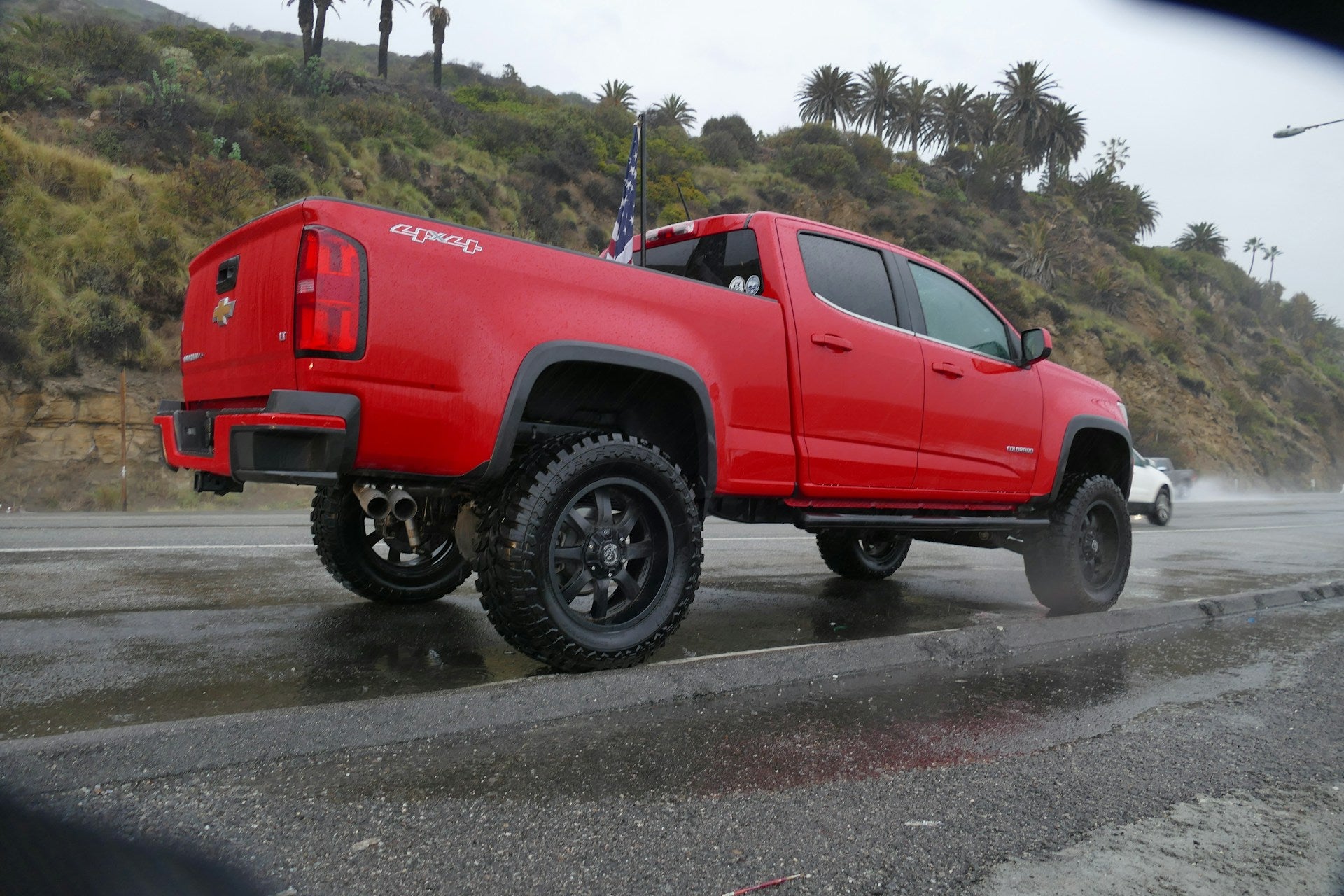
What Makes a Used Chevrolet Colorado in Suffolk County Stand Out

Driving in Suffolk County during late winter means dealing with wet roads, leftover ice, and shorter days. It’s the kind of season that asks a lot from your vehicle, especially if it needs to handle both work and personal driving. That’s where the used Chevrolet Colorado in Suffolk County starts to stand out. This midsize pickup is known for being practical without feeling oversized. It’s a smart pick for people who want enough muscle for weekend projects or towing but need something simple enough for daily errands. more Many used trucks look good at first glance. It takes an extra bit of focus to find one that really fits your needs around here. The Colorado tends to hit the sweet spot between comfort and function. With a little care in what you choose and what you check, you’ll likely find that it’s not just about getting a good deal. It’s about finding a truck that can keep up with both your schedule and the weather outside. Built for Local Roads and Everyday Tasks Long Island roads aren’t always friendly to larger trucks. Tight turns, smaller driveways, and crowded parking lots can make full-size pickups feel bulky. The Colorado often feels just right by comparison. It rides and handles more like an SUV than a large work truck, which can make a real difference if you're driving through towns like St. James, Patchogue, or Riverhead. For those who switch between job sites and home life, it’s got the flexibility to manage both: Smaller overall size makes it easier to park and move through neighborhoods Extended and crew cab versions offer space for kids, coworkers, or extra tools Available bed lengths give you loading freedom without wasting unused space That balance makes it a smart pickup for people who want real truck function without the size getting in the way. Whether you’re loading mulch or picking up supplies for a DIY project, it gets it done while still feeling tame enough for a quick stop at the store. Chevrolet of Smithtown offers a selection of used Chevrolet Colorado pickups with crew cab and extended cab options, as well as service records, detailed photos, and available Carfax vehicle reports for easy comparison on current inventory. Every used vehicle is inspected for local wear and comes with transparent pricing and convenient dealership support. Cold Weather Features You’ll Actually Use February mornings around here don’t go easy on vehicles. You wake up needing a windshield that clears fast, seats that don’t feel like ice slabs, and tires that grip. Many used Colorados come with the little features that make those cold starts more manageable. Features that make a winter difference include: Heated front seats that take the edge off right away Remote start so the truck warms up before you step outside Strong defrosting and climate control to fight fog and frost Add in traction support like four-wheel drive or an available auto-locking rear differential, and you’ve got help when the roads are slick or muddy. Used trucks in this lineup often come with those extras included, depending on past ownership. You’re not just stuck with a base model. That can make a pre-owned Colorado feel more winter-ready right from the test drive. What to Check Before You Buy Late winter is a smart time to shop for a truck like this, but we suggest looking a bit deeper before making your pick. The way a truck handled road salt, wet roads, or uneven pavement over the years matters as much as its mileage. Keep an eye on these before saying yes: Undercarriage: Look for early rust or patch jobs, especially near frame edges Tires and Brakes: Uneven wear or spongey brake feel can show hidden fixes or skipped service Cold Starts: If it hesitates or rattles once it’s turned on, dig deeper We always suggest asking about the battery’s age, fluid levels, service records, and whether it’s been parked through multiple winters. Trucks that were checked and maintained with this type of weather in mind will usually show fewer issues once spring hits. Why The Colorado Holds Up in Suffolk County One reason we like the Colorado is how well it works through all seasons here. Beyond just surviving winter, it handles the wear and tear of our roads throughout the year. You’ve got sandy paths near the shoreline, older roads full of patchwork, and job sites that aren’t paved at all. The Colorado’s suspension and strong build usually handle that environment without getting knocked around too much. What does that mean for used buyers? The frame and underbody tend to last well, especially if regularly washed Its drivetrain is built for mixed conditions, from freeway to job site Many previous owners use these trucks lightly, so they often arrive clean and mechanically sound This truck wasn’t designed as an extreme hauler, which means people usually drive them like daily rides. That’s good news if you’re trying to find one with life left in it. You can often find trucks that weren’t pushed too hard and still offer a lot of reliability. A Smart Choice for Long Island Drivers When you're looking in Suffolk County for a pickup that’s ready to handle both everyday life and the demands of late-winter weather, the Chevrolet Colorado checks a lot of boxes. Its size makes it easier to live with than full-size models, and its features often make cold morning drives less frustrating. Add in the truck’s ownership history and condition, and it’s not hard to find used models that still feel solid across seasons. From morning commutes to spring cleanups, these pickups tend to fit what Long Island drivers need. If you're careful about what to check and when to shop, the Colorado offers a strong mix of value, utility, and comfort with fewer trade-offs. For those who live between snow, sand, and highways, that kind of balance matters. Exploring truck options for your daily drives and weekend projects around Suffolk County? We recommend starting with a closer look at a used Chevrolet Colorado in Suffolk County so you can evaluate cabin space, drivability, and seasonal features firsthand. At Chevrolet of Smithtown, we’re here to help you find the truck that fits your lifestyle best, reach out to discuss your needs and let us guide you every step of the way.

Chevrolet Colorado

Used Chevy Colorado in Suffolk County Picking the Right Model for You

When you're shopping for your next truck, matching what you want with what makes sense for the season matters, especially in a place like Suffolk County. Late winter around here brings melted snow, salt-packed roads, and deep potholes, so whatever you drive has to hold up. Choosing a used Chevy Colorado in Suffolk County can be a smart move if you’re looking for a pickup that’s capable but still easy to live with. Its size, handling, and range of features make it a good fit for everyday driving that doesn’t pause for the weather. more We know how local roads can shift from slushy to muddy in a matter of weeks. That’s why it helps to understand your options with the Colorado. Each model year brings something different to the table, and the right match often depends on your routine and how you use your truck. Below, we break it down based on your needs and our experience with what works across changing Long Island roads. Why a Mid-Sized Pickup Works Well in Suffolk County Where we live, road conditions can shift fast, especially near the end of winter. You need a vehicle that can deal with messy streets without feeling too big for your driveway or local parking lots. That’s where a mid-sized pickup like the Chevy Colorado comes in. It’s built to handle tight street corners, narrow driveways, and busy parking lots better than full-sized trucks, which can feel oversized for day-to-day errands. Even with a smaller frame, it still brings enough hauling capacity for light jobs, like moving firewood, towing trailers, or loading up tools. You won’t be stuck avoiding spots after a snowfall. Mid-sized trucks hold steady whether it’s late-season slush or pothole-riddled backroads after a freeze. That combination of controlled size with real utility makes this truck feel more usable year-round. It fits the needs of drivers who don’t want to sacrifice toughness just to get better fuel use or easier city parking. What to Look for When Buying Used Buying a used truck brings its own checklist. You’re not just thinking about color and features. You’re asking how well the vehicle’s been cared for and how it’s held up through previous winters, especially around here. Look for signs that the suspension, undercarriage, and brake systems were regularly checked and stayed in good shape. Salt from plowed roads can wear them down fast. Ask to see records. A truck that’s been maintained on time often gives fewer surprises down the road. Mileage matters, but the type of driving matters more. Long-distance, low-stress driving wears a truck differently than one used for regular towing or heavy site work. Visual checks help too, but they don’t tell the full story. If you can, focus on models with clear service histories and recent inspections. These little steps go a long way toward peace of mind. Chevrolet of Smithtown’s inventory of used Chevy Colorado trucks features a variety of cabs, bed lengths, and trims, and includes vehicles with detailed Carfax reports and service records. Each truck receives a full multi-point inspection before sale and many are eligible for GM Certified Pre-Owned status. Comparing Model Years and Trim Options The Colorado comes in a range of trims and engine setups depending on the year, and it’s worth comparing more than just the price tag. Whether you're pulling trailers or just want a solid weekend ride, the right fit may depend on more details than people expect. Some earlier models offer basic interior setups with fewer electronics, which might appeal to drivers who don’t need modern tech. Others come with backup cameras, touchscreens, and built-in smartphone connection. The crew cab gives more room inside for passengers or gear, while extended cabs trade space for a longer bed. Think about which one lines up better with how you use your truck. Engine choices vary too. Some lean more toward daily commuting with steady fuel use, while others bring more horsepower and towing help. We’ve found that drivers who know exactly what jobs or routines their truck will take on often make quicker and more satisfying decisions. It's not always about picking the newest or fanciest model, it’s finding the version that lines up with what you do on a regular basis. Best Fit for Your Driving Needs Every driver uses their truck differently. Some just want something dependable for getting around town. Others need regular towing ability or cabin space for weekend getaways outside of Suffolk County. A used Colorado gives you a few directions to go. If you’re driving mostly in towns, tight areas, or school zones, a two-wheel drive with cleaner fuel use might do the job just fine. If your routes include ice, slush, or uneven dirt roads, especially in early spring, it’s worth looking at 4WD options. You’re going to feel the difference when traction is low. Think about interior space too. If it’s just you and a dog, fine. But if you’ve got kids, gear, or friends piling in regularly, the cab layout matters a lot more. Picking a vehicle that matches how you really use it, not just how you imagine using it once or twice a year, makes all the difference long term. Matching comfort, space, and drivability to your lifestyle can turn a decent truck into one that earns its spot in your driveway. Confident Choices for Changing Roads Late winter in Suffolk County has a way of testing your vehicle’s strength. Snow turns to slush, pavement breaks apart, and visibility jumps between bright sun one day and icy wind the next. That means now is a solid time to think about your next move. A used Colorado works well as a steady middle ground between a simple sedan and a full-sized pickup. It gives you cargo space, decent towing muscle, and enough ground clearance to handle unpredictable road changes this time of year. If you think you’ve outgrown smaller cars but don’t want to go all in on a heavy-duty hauler, this mid-sized truck fits the middle just right. Picking the right one comes down to a few questions. Where do you drive most? What do you need it to haul? And how much comfort do you want while doing it? Answer those honestly, and you’re already halfway to finding the right match. Looking for a pickup that handles Suffolk County roads with the right combination of size, utility, and comfort? We’ve helped plenty of drivers upgrade to trucks that fit both their daily routes and seasonal conditions. Take a look at our current inventory of used Chevy Colorado in Suffolk County to find the perfect option for your lifestyle. Chevrolet of Smithtown is ready to help you make a choice that fits your needs, so stop by or contact us today to get started.

Chevy Alignment

When to Seek Chevy Alignment Service on Long Island After Winter Storms

After a heavy winter storm, it’s easy to notice the slushy mess and salt-covered roads. But what many drivers miss is how those same conditions affect how your car drives. Deep potholes, icy buildup, and frozen curbs do more than rattle your ride. They can knock your wheels out of place. more Alignment keeps your car pointing straight and driving smoothly. When your wheels are aligned correctly, your steering wheel stays centered, your tires wear evenly, and your handling feels solid. If they’re off, your car starts to drift without meaning to or shakes on the highway. Getting a Chevy alignment service on Long Island after winter storms can help keep you safe and steady as the season winds down. Signs Your Chevy Might Be Out of Alignment After a Storm Snow hides a lot underneath the road surface, and once it melts, the damage shows up fast. After a storm, it's not uncommon for drivers to hit potholes or ice patches without warning. These impacts can shift how the wheels sit, which throws off how your car tracks and steers. Here are signs that your alignment may be off: Your steering wheel pulls to one side when driving straight It feels harder to turn than usual or needs constant correction Your tires show uneven wear, even if the tread looked good last month The wheel shakes or vibrates at certain speeds You hear a difference in the road noise or sense that something feels “off” If misalignment goes unchecked, it can wear down parts faster and make driving more stressful. What starts as a subtle pull might lead to an expensive repair if left alone too long. What Happens During an Alignment Check An alignment check sounds simple, but it’s a detailed look at how your car’s steering and suspension are working together. These parts connect your wheels to your car’s frame and are meant to work in balance. When winter hits hard, that balance gets knocked around. During an alignment check, we look at: Suspension angles, including camber, caster, and toe, to see if the wheels are tilted or turned the wrong way Steering response and wheel placement to make sure everything lines up Uneven drag or wear that could show up between the tires or on the undercarriage We use advanced machines to measure the necessary angles and make accurate adjustments. This isn’t a fix you can eyeball. Even tiny shifts in alignment can affect how your car handles. Winter often hides small problems, and this kind of check can uncover issues drivers don’t even know they have yet. Chevrolet of Smithtown’s service department uses Hunter alignment equipment and advanced diagnostic tools to perform precise wheel alignment on all Chevy models. Factory-trained technicians follow GM standards during each inspection and adjustment to ensure the ride, steering, and tire wear are optimized for local roads. Timing Matters: Why Late Winter Is a Smart Time for Alignment Service By late February, Long Island roads start to show the results of a full season of storms. Snow turns to slush, slush freezes again, and all that salt and shifting causes the pavement to buckle or crack. That’s when potholes start showing up in places you don’t expect. This time of year is smart for an alignment check for a few reasons: You’ve likely driven through several storms and rough patches already There’s time to correct issues before spring road repairs and runoff make them worse You’ll see longer life from your tires and a smoother ride if adjustments are made now Sliding around after the next storm becomes less of a problem when your wheels are pointing where they should. Taking care of alignment now also means better control when those first mild, wet days of March start washing out shoulders and corners. Other Problems That Often Show Up With Alignment Issues Alignment problems are rarely the only thing going wrong. When wheels are off balance, it creates stress for other parts of your car, which can chip away at their lifespan without much warning. Here’s what we often find connected to alignment trouble: Brake wear from uneven contact between the pads and rotors Suspension issues that make the car feel loose or bouncy on bumps Changes in steering feel, including more play in the wheel or a delay in response Fuel use that climbs because your vehicle is fighting extra resistance Catching these issues during winter can stop them from becoming more serious once spring arrives. Everything gets put under more pressure after winter, especially with rainstorms and rough road repairs ahead. Fixing one problem at the source saves you from dealing with four different ones in March. How Long Island Roads Add Extra Wear in Winter Driving in Suffolk County in winter isn’t like driving elsewhere. Regional snow means more plows, more salt, and more freeze-thaw patterns that hit our roads hard. Local streets, especially the ones that don’t get cleared as often, can be some of the hardest for cars to handle. Some Long Island-specific challenges include: Salt buildup that gets flung up into wheel wells, eating away at parts you barely see Deep slush and frozen ruts in neighborhood streets that cause tires to twist and shift Road repairs that hold up well in fall but fail by February, leading to sharp breaks and drop-offs Even if you stick mostly to highways, rough on-ramps or poorly plowed side roads can still do damage. Knowing how our weather and road types play out helps us spot what kind of alignment issues happen more often in winter. It’s this kind of local experience that helps turn a quick check into a full picture of how your car’s holding up. Keep Your Chevy Steady Through Late Winter and Early Spring By the time February reaches its second half, most of the major winter impacts have already hit your vehicle. But that doesn’t mean road damage stops. Freezing nights followed by warmer days push more water into small pavement cracks, and that’s when even more potholes start popping up. If your Chevy has started feeling off or tougher to steer lately, it could be more than just the typical wear and tear. Getting alignment checked during this stretch between deep winter and early spring can keep small issues from growing. Pay attention to how your car handles when the roads are wet or uneven. Does it drift on straightaways or shake more at speed? That quiet pull or vibration might not feel like a big deal today, but it often points to something deeper. Keeping your wheels aligned now means you’ll have a better shot at an easier spring once the roads begin to break up all over again. At Chevrolet of Smithtown, we understand how challenging Suffolk County winters and unpredictable roads can affect your vehicle’s handling. When your steering feels off or you notice uneven tire wear, it’s time for an expert inspection. Keeping your alignment in top shape helps keep you safe and extends the life of your tires. Schedule a visit with us and let our team handle your Chevy alignment service on Long Island.

silverado

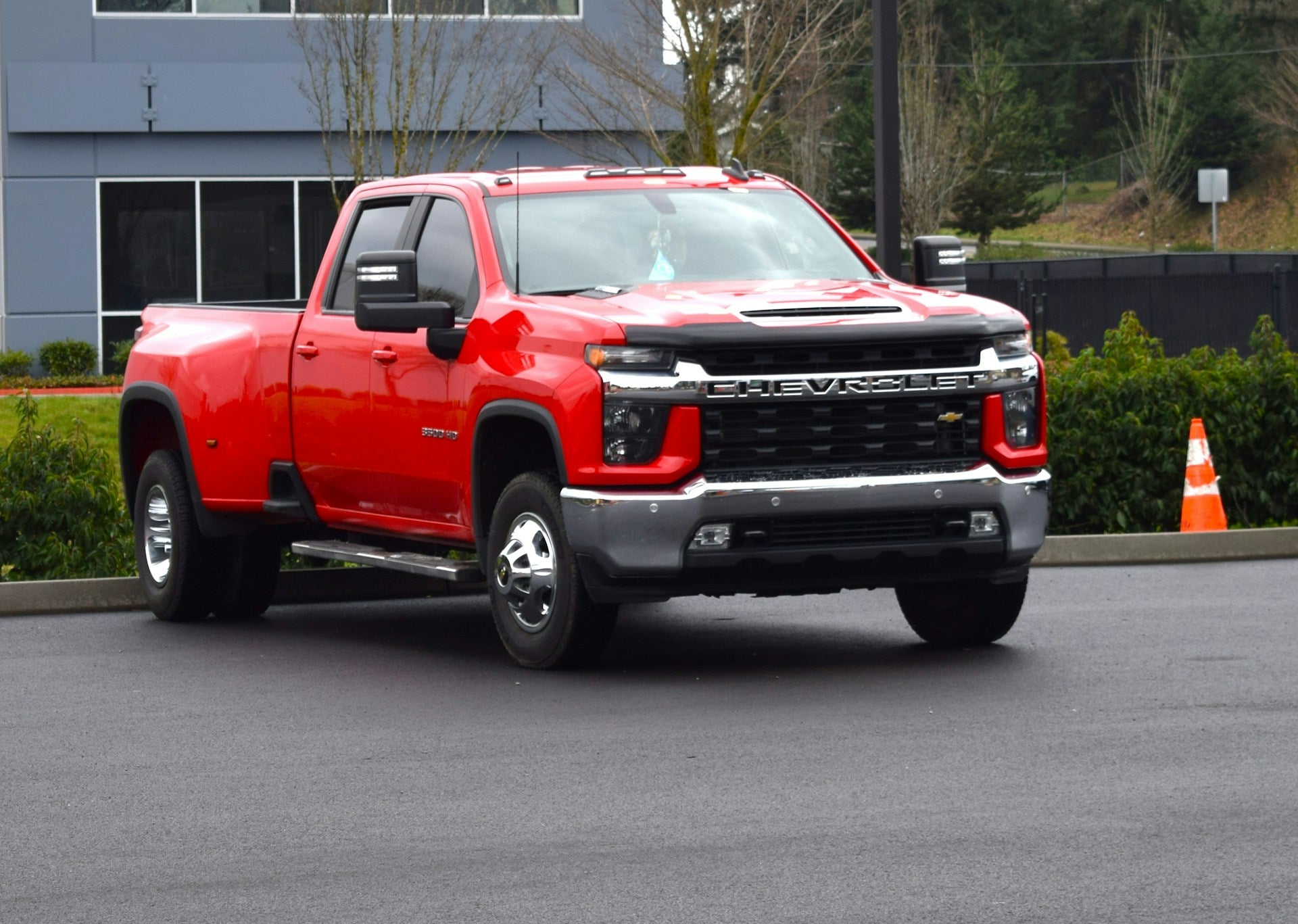
Should You Consider a Used Chevrolet Silverado 3500 in Suffolk County

As winter winds down in Suffolk County, drivers start taking stock of how their vehicles handled the cold season. Roads here face constant wear from freezing temperatures, salt, and snowplows. Conditions like these can be tough on smaller vehicles that were not made for heavy use. That’s when a truck built for strength really starts to stand out. more If you’re considering a used Chevrolet Silverado 3500 in Suffolk County, you might be looking for something that can handle more than just the daily drive. Maybe you have towing needs, do outdoor work, or just want the kind of solid handling that makes winter less stressful. The Silverado 3500 is built to work hard, and even used models bring plenty to the table for people who need both power and comfort in their vehicle. What Makes the Silverado 3500 a Strong Contender The Silverado 3500 is known for its serious strength. It is a heavy-duty truck that is built to pull, haul, and keep going under pressure. That might mean loading up heavy equipment for a jobsite or towing a trailer over rough roads after a snowstorm. Either way, it is made to step up when weather and road conditions are not easy. Some of the biggest benefits include: Towing power that helps with trailers, boats, and work vehicles A large bed for cargo, tools, or outdoor gear Strong suspension and frame that can handle uneven terrain and potholes But it is not just a work truck. The Silverado 3500 has enough room and comfort to make longer drives feel easy. Many models come with spacious seating, quiet cabins, and smart storage, which makes them just as useful for families, especially those who enjoy weekend outdoor trips. In areas like Long Island, where the weather swings and the road conditions change fast, this kind of balance really matters. Chevrolet of Smithtown offers a range of used and Certified Pre-Owned Silverado 3500 models that include Carfax vehicle history reports, multi-point inspections, and available GM-backed warranties for added confidence in your purchase. Benefits of Choosing Used Over New Buying a used truck often makes more sense for people looking to save money without giving up what matters most. A used Silverado 3500 can offer the same heavy-duty performance found in newer models, especially when it has been well taken care of. There are a few key reasons used makes sense: Lower purchase price gives more room in the budget for maintenance or upgrades A slightly older truck often still has all the durability and towing strength you need Depreciation hits early in a truck’s life, so used buyers avoid most of that value drop You might not get every new feature, but many used Silverado 3500s already have the things that matter, from strong engines to comfortable cabins and smart safety features that help on icy roads. What to Look for in a Used Heavy-Duty Truck When shopping for a used truck, especially one built to take on heavy loads, there is more to check than just the usual mileage and paint. Cold winters can wear down certain parts faster, so it is worth looking a little closer at how the truck has held up through the seasons. Here are important areas to inspect: Tire condition and alignment, since snow-packed roads and salt can create uneven wear Suspension and undercarriage, which take a lot of hits from potholes and freeze-thaw cracks Brake pads and rotors, especially if the truck has done hauling or towing on hilly roads It is also smart to review service records. A clear maintenance history can give peace of mind that the truck was handled with care. And when it comes to mileage, what matters most is how the vehicle was driven. A work truck used for steady, low-stress hauling can often outlast a newer one that has been pushed too hard without upkeep. Chevrolet of Smithtown’s certified service technicians inspect all used Silverado 3500 trucks for winter-related wear and verify key maintenance items, providing recommendations on any upcoming service needs to keep your truck road-ready through all weather. Why Suffolk County Drivers Can Get More From a Used Silverado 3500 Suffolk County brings unique challenges. From deep snow in February to rough, salt-damaged roads in March, winter here is hard on vehicles. Small SUVs and lighter pickups can struggle when road conditions change. That is where the build and muscle of a Silverado 3500 starts to stand out. It suits local drivers because: It handles salted, pothole-filled roads better than smaller trucks Towing and hauling on uneven ground, even during the thaw, is far more comfortable Road height and size give drivers better visibility and control when slush or black ice show up By the time winter is fading and early spring melt starts to set in, having the right kind of truck can really change how you feel on the road. A well-kept used Silverado 3500 gives drivers the confidence to take on Suffolk County’s mix of rough patches without second thoughts. Built to Last, Ready for More Not every truck is made to face rough roadwork, storm-damaged streets, or icy conditions day after day. But the Silverado 3500 is. Choosing a used Chevrolet Silverado 3500 in Suffolk County is about knowing what kind of performance and comfort you really need, and not paying for more than that. It is a smart pickup when you want something that has already proven itself, especially one that can handle winter stress and still feel solid heading into spring. From weekend jobs to everyday reliability, a used Silverado can keep moving strong, just like Suffolk County drivers do. After a challenging Suffolk County winter, many local drivers discover the perfect balance of price and performance in a well-maintained pre-owned truck. Explore our selection of used Chevrolet Silverado 3500 in Suffolk County to see what is available today. At Chevrolet of Smithtown, we are ready to walk you through your options and help you find a truck that fits your needs. Give us a call or stop by to get started.

Chevy Car Parts

How to Identify the Chevy Car Parts You Might Need on Long Island

Short winters still leave their mark here on Long Island. The roads may look dry by February, but underneath that layer of leftover salt and grime, your vehicle could already be showing signs of wear. A few cold snaps, daily commutes, and the occasional ice patch can do a number on the parts you count on most. Every rattle, slow start, or low tire warning nudges you closer to a bigger repair. more This is the right time to figure out which Chevy car parts on Long Island might need swapping out or a closer look. Getting ahead of common part issues before the spring rush kicks in can save you stress, especially if longer drives are on your calendar. Winter may have been mild, but that doesn’t mean your vehicle hasn’t taken a few hits behind the scenes. Watch for Winter Wear and Tear Even when winter weather seems to go easy on us, the side effects stick around. Roads coated with salt and slush become a slow burn for your undercarriage. That buildup can start corroding parts you don't see every day. Brake lines and suspension parts wear more quickly when salt and moisture collect in hard-to-reach spots. Rust or grime can build around joints and fittings before you even notice a change in how the vehicle drives. Headlight lenses and windshield wipers often take a hit from road debris and dried salt, which dulls vision and makes rainy driving tougher. Cold mornings drain batteries faster, especially older ones. If it’s cranking slower than usual or the lights flicker a little at startup, your battery might be losing strength. Strange engine sounds, brake noise, or even sluggish heater performance all tell a story about what might be going wrong. Paying attention to those early signs is often the difference between a simple parts replacement and a more expensive visit later. If you start keeping an eye, and ear, out for these signs as winter ends, it’s easier to catch minor problems before they grow. Salt and wet slush can drift up into spots you might not check often. This means the underbody, brake assemblies, and suspension joints can develop surface rust or sticky buildup, which chip away at performance. Surface salt can remain on wheels, making them prone to slow leaks or balance issues. Even a truck or SUV that’s washed frequently after a storm can have problem spots you don’t see right away in the daylight. Know What Warning Signs to Look For Modern cars give us plenty of heads-up when something's off, but those dashboard lights only help if we understand what they’re saying. Drivers in Suffolk County are used to riding through pothole season and quick temperature swings, but it helps to listen closer at this time of year. The check engine light doesn’t just mean engine trouble. It can point to sensor problems, misfires, or something as small as a loose gas cap. A low tire pressure alert may not seem urgent, but it can be a sign the cold weather finally pushed your tire seals too far. ABS or brake warnings usually mean worn pads or a sensor out of place, both can pop up after some rough winter driving. Beyond dashboard lights, keep your ears tuned for changes. Grinding or squealing noises often link to brake pads or worn belts. A knocking sound might be tied to suspension parts. If something starts to feel different, there's a good chance a specific part is wearing faster than the rest. You might also notice vibrations in the steering wheel or a “thump” each time you turn. These are small but helpful cues to check for ball joint or tie rod wear under your vehicle. Climate swings make rubber gaskets and hoses shrink, grow, and lose strength, sometimes resulting in leaks or odd smells, especially on the first drive of the day. All these details add up over the winter months and can affect how smoothly your car handles on your daily route. Interior and Comfort Features Matter Too We often forget about the smaller parts until they stop working altogether, but your heating, lights, and airflow systems face just as much pressure in winter as the engine does. And they’re often connected to wear that shows up as the seasons change. Weak airflow or slow cabin heat might point to a dirty cabin filter or early trouble in the HVAC controls. If the defrost feels sluggish or the temperature takes too long to adjust, the blend door or heater core might need attention. Flickering dome lights or power window issues can trace back to aging fuses or electrical parts affected by cold snaps. These may seem like comfort issues now, but they shift into safety issues fast once fog, cold rain, or glare come into play on spring roads. Staying warm and keeping your view clear both require parts that sometimes don’t age well after winter. Sometimes, fans run louder or cabin lights dim slightly if electrical contacts have been exposed to cold and moisture. Frozen window seals or sticky door locks, in particular, can be a sign that more significant wear is happening just out of sight. Paying attention to little symptoms inside the cabin now can prevent more serious inconveniences as you start making longer spring drives. When to Check Based on Long Island Conditions Living on Long Island means we deal with more than just December snow. Our roads often go cold, wet, and cracked deep into February. Freeze-thaw cycles push tires and brakes harder. Potholes start popping up fast. That’s why we always recommend seasonal check-ins a little ahead of schedule. This time of year gives you a good window to check the Chevy car parts on Long Island that tend to fail first. Shorter mornings and colder nights mean you might not notice small problems right away. That low washer fluid or check tire alert often gets ignored until it turns into something worse. Use this window before spring to look for: 1. Brake noise or fading pedal feel 2. Tire tread that’s thinning more on one side than the other 3. Windshield wipers that leave streaks or miss spots 4. HVAC settings that don't match what you feel 5. A battery that drags when you start the car Taking the time to check now gives you a chance to act before repair shops fill up with everyone else who waited until spring to notice something was wrong. Chevrolet of Smithtown’s parts and service center stocks GM-certified car parts and components, including batteries, brake pads, filters, sensors, and more, all made to fit your Chevy model. Our technicians perform quick diagnostic checks and can help pinpoint the exact part you need for safer spring driving. Make the Transition to Spring a Smooth One Being proactive with part wear helps you stay ahead of bigger car troubles, especially during the shift from late winter into spring. That nagging rattle or minor warning light rarely stays small for long. And once you start planning weekend drives or spring trips, those issues tend to show up at the worst time. Driving around Suffolk County means dealing with fast-changing weather and rougher roads in some places. That takes a toll not just on major systems, but on little components too, the ones that often get overlooked until they fail. A worn sensor, an unbalanced tire, or a shaky battery can turn a smooth drive into something far more inconvenient. Getting familiar with the small signs now puts you ahead of the curve. Your car has already been through the toughest part of winter. A few targeted checks on the parts we've mentioned can make a real difference once the seasons change. Noticing changes in how your car handles after winter? Stay ahead of seasonal wear with a quick check of the parts that take on the most mileage, including brakes, belts, wipers, and filters. We help drivers across Suffolk County protect their vehicles with reliable components. See the most commonly needed Chevy car parts on Long Island before spring driving picks up. Call Chevrolet of Smithtown to schedule a part inspection or learn about service options that fit your needs.

Used Truck

Finding a Used Truck Dealer in Suffolk County With Reliable Options

Finding a used truck that can handle day-to-day driving on Long Island is more than a matter of price or mileage. Local roads, traffic, and weather conditions make the decision feel more personal, especially once winter takes its toll. Snow may not blanket the streets all season, but freeze-thaw cycles, salt, and slushy roads take a slow toll on any pickup over time. more If you're looking for a used truck dealer in Suffolk County, there's more to think about than just the paint and features. A strong dealer will look at how the truck handles, how it was used, and how it might hold up over the next few years in this climate. Buying used can make sense when it's done thoughtfully, with a little patience and a clear eye for details that might be easy to miss. What to Expect From a Reliable Used Truck Not every used truck wears its age the same way. We have seen reliable ones roll up with over a hundred thousand miles that still run strong, and nearly new ones that start showing trouble early. The difference often lies in how it was used and how well it was kept. What drivers need often comes down to how they plan to use the truck. Some are commuting to work and need something that rides easy. Others are hauling loads for work or towing campers on the weekends. Knowing what you are going to put the truck through helps you focus on the right configuration and features. Four-wheel drive, bed length, tow package, or cab size all matter depending on the day-to-day. There are a few signs that show a truck's best days might be behind it: Uneven tire wear, which can point to alignment or suspension issues Rust around the wheel wells or undercarriage Rough starts or sluggish acceleration, especially when cold Unusual brake feel or steering that pulls to one side Mileage is just one piece of the puzzle. It helps to ask about prior use. Was it a company truck pulled off the fleet, or was it someone’s weekend ride? Condition, records, and general history speak volumes beyond a number on the dash. How Long Island Weather Can Affect Used Trucks Living in Suffolk County means getting used to quick switches in weather. One week it is icy, the next it is mild and wet. That back-and-forth puts pressure on vehicles that coats and corrodes the parts you do not always see. Bodies may look clean after a wash, but the real damage tends to settle underneath. Salt from winter roads speeds up corrosion, especially if a truck is not washed often Moisture and trapped dirt under wheel wells, fenders, or along the exhaust system eat into the metal Coastal air brings a steady supply of humidity that does not help equipment age quietly Freeze-thaw cycles turn small cracks into wider gaps that let water work its way where it should not That is why used trucks in this area benefit from solid inspection records. Frame damage or undercarriage rust might not show up in a test drive, but they matter once spring rains kick in. If you are looking at buying in early February, you are right on time to catch winter-related wear that is already surfaced, without the rush of early spring buyers competing for appointments. Chevrolet of Smithtown’s used truck inventory features detailed Carfax vehicle reports, GM Certified Pre-Owned options, and fresh third-party inspections on every truck before the keys are handed over. Models span a wide range of years, trims, cabs, and mileage levels to fit any local job or personal need. What Sets a Reliable Dealer Apart Walking onto a lot and seeing rows of clean trucks is only step one. The better question is how those vehicles ended up there and what has been done between trade-in and resale. A good used truck dealer in Suffolk County pays attention to more than just shine or sticker price. Dealers that do things right usually have a system in place: They check vehicles before making them available, not just after someone asks about them They share service records or at least explain what they know and do not know about the truck They rotate stock often enough to keep things fresh while not pushing buyers into quick decisions If a truck has been sitting for months without being re-checked, there might be surprises hiding under the hood. That is why many buyers look for options that include verified inspections or certification programs that cover everything from fluid levels to frame strength. Getting a used truck around this time of year does not have to feel rushed, but it should still feel confident. Questions to Ask Before Making a Decision Shopping for a used pickup does not mean showing up and hoping something feels right. Coming in with a few pointed questions can make a big difference in how that conversation goes. If a dealer is not ready with clear answers, it may not be the best place to move forward. Here are a few questions we always suggest people keep in their back pocket: 1. How was the truck previously used and how long was it owned? 2. Was it used commercially or for personal driving? 3. Has the truck spent its entire life in this region or somewhere with less salt exposure? 4. What kind of maintenance records are available? 5. Was any recent service done, brakes, tires, fluids, battery, alignment? 6. Has the vehicle ever been in an accident or had body repairs? 7. Does the dealer inspect vehicles themselves or rely on third-party reports? 8. Are there any warranties left or optional protection plans available? These can keep the conversation honest and focused. It is not about tripping someone up, just making sure the truck you are eyeing fits what you need and will not surprise you a few weeks later. Make Your Spring Drives Easier With the Right Truck Late winter is an ideal time to look for a truck that will carry you into the next season without drama. You have made it through icy mornings and dark commutes, and it is not too late to spot weather wear before spring miles pick up. Whether you are planning weekend trips or settling into a new work project, now is a good moment to look for something you trust. By choosing carefully and asking the right questions early, you can find a vehicle that is not just a short-term solution. It is a better choice for the road ahead and the kind of local driving you know best. Suffolk County roads ask a lot of vehicles. A good used truck can still check all the right boxes once you know where to look and which questions to ask. Exploring your options for a pickup in Suffolk County? Our team understands the unique needs of local drivers and is committed to helping you find the perfect match. As a trusted used truck dealer in Suffolk County, we make it simple to compare models for performance and durability so you can feel confident in your decision. Whether you are ready to trade in or considering your first truck, Chevrolet of Smithtown is here to answer your questions and schedule your visit.

Car Maintenance

Quick Chevrolet Maintenance on Long Island Before Spring Breaks

Even though winter on Long Island doesn’t always stretch out for months, the freeze-thaw cycles, slush, and salty roads can stack up fast on your car. As we edge closer to spring, those little headaches from the past few months start to show. That rattling noise, that slow battery start, the windshield wiper streaks, all of it adds up if we don’t catch it early. more Now is a smart time to take care of Chevrolet maintenance on Long Island while we still have a few cold weeks ahead. Weather changes quickly here, and once spring hits, small problems can turn into bigger ones, especially if you’re planning longer drives or dealing with pothole season. Finishing up your winter maintenance checklist in February gives your car the best shot at staying ready when the warmer days come fast. Get Ahead of Cold-Weather Issues Just because we’re past the holidays doesn’t mean winter is done. Roads in Suffolk County can look dry until they hit you with messy slush or midnight freezes. That’s when cars start acting up in little ways that are easy to miss. • Batteries still struggle after cold nights. If your car takes a bit longer to start or the headlights dim briefly, it could mean the battery isn’t holding charge like it used to. • Tire pressure continues to drop with cold mornings. Even just a few psi too low can change how your car grips the road or how evenly it wears its tires. • Road salt and grime often end up packed under the car, building up around brake lines, exhaust parts, and wheel wells. These spots don’t always get cleaned off and are the first to show wear come spring. We’ve seen that late winter is when smaller damage shows up from earlier storms. Fluctuating temperatures cause seals and hoses to crack, too. By tackling these now, you avoid dealing with larger repairs that always seem to hit once the weather finally turns nice. Keep Brakes and Tires Road-Ready Winter on Long Island chips away at your brakes and tires without much warning. The mix of potholes, frozen ruts, and patches of slush can put stress on parts of your car that you don’t check every day. • Potholes are a big concern. They can throw off your alignment or cause uneven brake wear. If your steering feels off-center or your car pulls to one side, it might be more than just the roads. • Brake pads take a hit when grime gets into the system. Grinding sounds or a longer stopping distance are good reasons to have them checked. • Tire tread and balance matter more before spring travel begins. Wet roads from rainfall mean you need solid tread patterns that push water away and keep traction. As we get closer to spring break, lots of people start thinking about day trips or longer drives. Making sure your tires and brakes are ready means one less thing to worry about once travel picks up. Chevrolet of Smithtown’s certified service center offers brake inspections, tire checks, and road-ready maintenance using genuine GM parts for all Chevrolet models. Our technicians use state-of-the-art diagnostic tools to catch smaller issues before they become bigger problems as the season turns. Wipers, Lights, and Airflow Count More Than You Think When people think of maintenance, they usually think of heavy stuff under the hood. But visibility makes a huge difference once fog, rain, and glare from longer days start showing up in March. • Wiper blades take a beating all winter. Ice buildup and salt can leave them streaky, torn, or just too dry to glide right. If you can’t clear your windshield fully, it’s time for a new set. • HVAC systems hint at problems when airflow seems slower or heat takes too long to get going. That weakness might stick around into summer, when you’ll be counting on strong AC. • Foggy or dim headlights lower your ability to see and be seen. Dirty lenses and old bulbs are easy fixes but make driving at night or in low light much safer. Light and airflow might not seem like priorities while it’s still chilly, but they can make a major difference on early spring drives when dusk hits sooner than expected and wet roads kick up even more grime. Local Timing Makes a Difference Driving habits and weather patterns around Suffolk County set their own maintenance rhythm. What works in other places doesn’t always fit here. On Long Island, late January and early February still bring cold snaps, slick side roads, and leftover salt that hasn't been washed away by spring rains. • Holding off until late March to check your car leaves too much time for trouble to grow quietly. • Hidden ice and brief thaws often damage parts without any real warning, and by the time you're planning that spring day trip, your vehicle may already be overdue. • A faster check during February means you’re ahead of problems while they’re still slow-forming, not after they cause stalls or leaks. Preparing your car based on how Long Island winters really work helps you avoid last-minute fixes during weeks when repair outlets are usually backed up with spring problems others didn’t catch early enough. Keep Spring Driving Smooth and Simple Getting this stuff out of the way now has a clear advantage. By the time March rolls in, all you’ll really want to do is enjoy the drive, not worry whether that low tire pressure light will come back on or if your brakes are going soft again. Quick checks during this part of the season let you spot the little things. A loose belt, low washer fluid, uneven tire wear, basic issues, but they feel like a pain once you're already out on the road with a car full of stuff and plans for the day. Planning ahead means fewer surprises and a better ride, which always makes spring feel a little easier. Keeping your vehicle road-ready now means by the time the sun sticks around longer and you’ve got somewhere to be, your car is ready to roll from the start. Whether you’re noticing signs of wear or want to make sure your ride is ready for warmer days, we’re here to help you stay ahead of spring. Regular checkups are a simple way to prevent bigger issues and keep things running smoothly during the season’s first road trips. Taking care of routine needs like oil changes, brakes, or tire rotation is a smart move as winter comes to an end. For trusted help with Chevrolet maintenance on Long Island, Chevrolet of Smithtown is just a call away to schedule your next appointment.

Chevrolet Dealer

How to Find a Chevrolet Dealer on Long Island Offering Seasonal Checks

On Long Island, winter doesn’t always show up the same way each year. Some seasons bring heavy snow and ice, others swing between deep cold and wet slush. Either way, local drivers know how easy it is for bad weather to take a toll on their cars. Dealing with the damage before it builds up takes more than a quick fluid top-off or tire check. more A Chevrolet dealer on Long Island can help with seasonal checks that are built around what matters here, cold, salt, potholes, and fast temperature dips. Now that we’re getting toward the end of January, this is the right time to step back and ask: is your vehicle still in decent shape? Late winter is when small problems start showing up, and fixing them now can keep spring driving from turning into one long repair project. How Cold Weather Impacts Your Vehicle Winter has a way of causing problems in places you wouldn’t expect. It’s not just snow that causes trouble. Cold air, road salt, and hidden ice can wear out major systems quicker than you think. Tire pressure drops when the temperature falls, which throws off handling and fuel use Batteries can struggle to hold a charge when left in freezing conditions night after night Windshield washer fluid can freeze up or run dry just when you need it most Salt and slush build up underneath the car and eat away at parts you rarely see, like brake lines or exhaust pipes Quick thaws followed by freezes break apart seals, wiper blades, and exposed rubber We see more front-end issues after snow events, too. Ice chunks and hidden curbs damage bumpers and splash shields without much warning. If your car sounds louder than usual or just feels "off," winter may be the cause. What Happens in a Seasonal Vehicle Check Seasonal checks are about catching things while they’re small. At this point in winter, most problems have already started. A good inspection gives us a clearer picture of what’s going on underneath, especially after a few snowstorms or temperature swings. Mechanics inspect key components like brakes, battery life, tire tread, and belts We check fluids like motor oil, transmission fluid, and coolant to see if any are low, dirty, or starting to break down Suspension and alignment get reviewed, especially after driving through potholes or icy ruts Lights and wipers are tested to make sure you’re getting enough visibility, which is important when days are still short Sometimes we recommend replacing certain fluids too if they’ve thickened or faded from winter use. Running out of things like brake fluid or radiator protection just as it starts warming up can push a vehicle to the edge. Chevrolet of Smithtown offers certified winter and seasonal service checks, including brake inspections, battery testing, and fluid top-offs using GM parts and diagnostic tools that match your vehicle’s needs. Detailed multi-point inspections help spot winter damage early and give recommendations to keep your Chevy running strong as seasons change. Why Use a Dealer Instead of a Quick Service Shop There are definite advantages to using a Chevrolet dealer on Long Island for seasonal care. Our environment here isn’t like driving further south where winter barely shows up. We’ve seen what New York roads do to cars year after year. Local driving brings a mix of snow, sand, and salt that not everyone knows how to spot damage from Dealerships have checklists that match the model, which helps with newer vehicles needing system updates or manufacturer alerts Factory-trained mechanics know how to recognize common Chevrolet issues before they become repairs Some problems only show up under certain weather, and our technicians get enough of those conditions to recognize the patterns Quick shops sometimes miss deeper wear or overlook important updates because they’re focused on fast fixes. That may save a little time but doesn’t always help once spring adds new challenges like potholes or storm runoff. How to Spot When It's Time for a Seasonal Appointment Even if your vehicle starts every morning without trouble, there may still be warning signs it needs a check. We’ve seen drivers try to push through late winter only to get hit with larger problems in early spring. Hard starts on cold mornings often point to battery wear, even if it hasn’t failed yet Uneven heating is sometimes the first sign something’s wrong with coolant levels or cabin airflow Slushy roads can throw tire balance or alignment out of place, causing pull or vibration at higher speeds If your heat takes forever to turn on, the blower or thermostat may be due for repair Unusual sounds from underneath, like squeaks, rattles, or grinding, might mean rust or salt buildup is hurting your suspension or brake components Late January and early February are smart times to check. You’ve already been through a few storms, and there’s still time to fix things before the spring weather adds new wear. We always remind drivers it’s easier to repair something now than wait for it to fail during heavy rain or traffic season. Better Driving Starts With Good Timing By the time Long Island drivers get halfway through winter, the damage is already there. Cold nights and icy roads don’t just burn through wiper fluid or tire tread, they slowly eat away at the overall strength of your vehicle. Minor issues that started in December can turn into expensive repairs by March if they’re left alone. Getting the timing right with a seasonal check could mean getting more miles out of your current tires, keeping your brakes from grinding next month, or simply staying warm during one more cold snap. The goal isn’t perfection, it’s making sure small things from winter don’t trip you up just as the weather starts to shift. Better maintenance now means fewer surprises later. After a challenging winter on Suffolk County roads, there’s still plenty of time to get your car ready for spring. Common issues like undercarriage damage and worn brakes tend to show up this time of year, and our team sees them every season. For drivers in need of a dependable Chevrolet dealer on Long Island, we’re here to help you identify exactly what your vehicle needs to handle the warmer months ahead. At Chevrolet of Smithtown, we want to keep your ride safe, smooth, and ready for all your spring adventures, so give us a call to book your seasonal checkup.

Sensor Trouble

Chevrolet Sensor Replacement on Long Island in Late Winter Signs to Watch

Late winter on Long Island doesn’t always show up with big snowstorms. Sometimes it’s freezing mornings one day and mild, soggy potholes the next. That mix can be hard on your car, especially if you drive regularly through Suffolk County. The freeze and thaw cycle can stress important systems without you knowing until warning lights come on. more We see it often this time of year. People stop in for something simple, only to find that one or more sensors aren’t working the way they should. Since so many vehicle functions rely on sensors, small problems can lead to frustrating driving experiences. It’s no surprise that Chevrolet sensor replacement on Long Island tends to pick up just as winter starts winding down into spring. Signs Your Chevrolet Sensor May Be Failing When something’s off with a sensor, your Chevrolet usually tries to warn you. But those warnings aren’t always clear if you don’t know what to watch for. There are a few signs that tend to show up again and again, especially during colder months. Dashboard lights that stay on or blink, especially ones tied to traction control, brakes, or tire pressure Slower response when you press the gas pedal, steer into a turn, or brake at stop signs The engine struggles to turn over or hesitates in the morning, especially after a cold night These signs don’t always mean disaster, but they do signal that it’s time to pay attention. Ignoring them could lead to larger problems that show up at the worst time. Some drivers get used to seeing a warning light come on and off, figuring it’s not a big deal if the car seems to drive fine. That’s a risky approach, especially with newer models that rely more and more on electronic systems. Modern vehicles are so interconnected that one small sensor problem can cause a chain reaction, making it harder to pinpoint issues later. How Late Winter Conditions Impact Sensor Function You might not think of your car’s sensors when you’re dodging slush or splashing through puddles. But late winter creates tough conditions for the small systems that help your car run smoothly. Long Island roads are not the kindest this time of year, and it takes a toll. Sudden temperature swings can mess with electric components Road salt and grime can coat sensor wires or even wear away at their connectors Potholes, which multiply as ice melts, can jiggle parts loose or bump them out of alignment Sometimes all it takes is one puddle full of road salt for something to stop reading properly. That’s why a warning light that seems minor might actually be tied to something deeper under the hood. During late winter, water can seep into electrical connections, freezing overnight and weakening the link between the sensor and your car’s main computer. Over time, that can cause sensors to send back incomplete or wrong information. Cars experience a lot of small impacts during these months, even on relatively short drives. Between melting ice, packed snow, and loose gravel, vehicles put up with changing road surfaces that shake and shock sensor mounts, making even sturdy components vulnerable. Common Sensors That Need Attention in Late Winter After months of cold, snow, and salt, some sensors just don’t bounce back as well. Certain types get hit harder because of where they sit in the vehicle or how often they’re used. We’ve noticed a few crop up more often as February rounds into March. The oxygen sensor helps measure how well your engine is burning fuel. When it’s acting up, fuel economy drops and the check engine light may flash The mass airflow sensor keeps air and fuel in balance. Salt or debris can cause fouls that throw off the mix Tire pressure sensors are sensitive to cold and change frequently throughout the season Brake and ABS sensors often sit close to the wheels and can pick up buildup from salt and grime When any of these stop functioning, your Chevrolet may not drive the way it usually does. Handling might feel off, or you might notice new noises or light jerks while braking. Oxygen and mass airflow sensors are tucked into places that don’t always get a lot of attention. Since they help control how much air and fuel the engine uses, sensor trouble can get in the way of a smooth ride. Winter weather puts a lot of pressure on these, and by late winter, they often need to be checked for corrosion or buildup. At the same time, the sensors near wheels take the brunt of every slushy puddle and hunk of ice. Even small bits of dirt can cause erratic readings. Chevrolet of Smithtown uses advanced diagnostic equipment to accurately identify sensor malfunctions and provides same-day service for most sensor replacements. We carry a full inventory of genuine GM sensors and electronic components on-site to speed up repairs and get you back on the road safely. When to Schedule a Chevrolet Sensor Check You don’t have to wait for something to break down before looking into a sensor issue. Some of the best times to check are after the road or weather gives your car a harder than average day. If warning lights keep showing up when you start the car or turn a corner, don’t let them slide After hitting a deep pothole or skidding through leftover ice, it’s smart to see if anything got jostled Before heading out on a longer spring trip, make sure no unnoticed winter damage is hiding in the system Some people wait until things feel really bad before bringing in their car. But sensor repairs often cost less and cause fewer hassles when you catch them early. Winter travel in Suffolk County means dealing with sometimes tough road conditions. Even if your Chevrolet feels fine, subtle signs like a change in how quickly the engine turns over, a dashboard light popping on after a weather swing, or a grumbling idle can all hint at trouble brewing. The sooner you handle these issues, the less likely you’ll deal with a bigger repair down the line. Stay Ahead of Problems Before Spring Hits Late winter is sometimes more unpredictable than deep winter. One day it’s slippery and freezing, and the next it’s wet and full of thawed out potholes. That mix can be the final straw for sensitive sensors that have already been through three tough months. Getting ahead of these problems now doesn’t just save time, it makes the shift into spring a little easier. After all, nobody wants to take the first warm-weather drive with a check engine light glowing bright on the dash. Sensor issues might show up with small signs first, but they can lead to big headaches if we wait too long. The end of winter is a good time to listen to those signals your vehicle is sending out. It’s all about staying one step ahead so your Chevrolet runs quietly, smoothly, and reliably into the next season. Noticing more dashboard lights or changes in your Chevrolet’s performance? Winter driving can impact vehicle sensors throughout Suffolk County, so addressing issues early helps prevent bigger problems down the road. Our team at Chevrolet of Smithtown can quickly diagnose and solve sensor concerns to get you back on the road with confidence. For dependable service, schedule a Chevrolet sensor replacement on Long Island today.

Chevy Parts

What to Expect From a Chevrolet Parts Department on Long Island

A Chevrolet parts department can make a big difference when you’re dealing with winter wear and tear. As we move into the tail end of the cold season in Suffolk County, many local drivers start noticing small problems that deserve attention. Whether it’s a worn-out wiper blade, a sluggish battery, or brake components that just don’t feel right anymore, this is when the need for replacements tends to pick up. more Visiting a Chevrolet parts department on Long Island means you’re working with people who understand the local roads and how winter driving affects your vehicle. They help keep things simple, whether you’re looking for a single part or trying to figure out what might be wearing out after months of potholes and road salt. What You’ll Find at a Chevrolet Parts Counter A good parts counter stocks more than just the basics. You’ll find a full range of parts made to fit Chevrolet vehicles. Some are general, like new wiper blades, air filters, or floor mats. Others are model-specific and built to match certain years and trims exactly. Parts fall into different groups: Replacement parts like brake pads, spark plugs, engine belts, and batteries Seasonal parts such as snow-rated wipers or tires when winter starts Cosmetic accessories for interior or exterior updates Driving conditions on Long Island make availability a little different in the colder months. Rain, snow, and swings in temperature don’t only affect your comfort. They can shift which parts are in more demand. If a lot of people hit the same stretch of pothole-ridden road after a thaw, it’s common to see more tire and suspension part requests than usual. That’s exactly why a well-organized parts department is prepared to adjust to seasonal needs. Chevrolet of Smithtown’s parts department supplies genuine GM parts and accessories, and carries a range of manufacturer-approved tires, wipers, batteries, and other essentials that match your vehicle's specific year and model. You can also order Chevy performance and appearance accessories directly through the dealership’s parts center, with options for home installation or in-house service. How Late Winter Impacts Part Needs Winter doesn't always show its damage right away. A bit of road salt every day adds up. Ice, puddles, and deep potholes don’t just jar your ride, they test your car’s systems. Certain parts wear out faster at this time of year: Wiper blades start to streak or crack after scraping over frozen windshields Brake pads wear more quickly after driving through salty slush Tires lose air pressure more often or wear down unevenly Batteries struggle during cold starts, especially after several freezing mornings We see more people asking for these items when January rolls into February. Drivers want to get ahead of spring potholes or inspect things after skidding in icy conditions. Damage doesn’t need to be dramatic to have an effect. Sometimes it’s a soft brake pedal or a slow engine start that gets someone thinking about checking their parts more carefully. Asking the Right Questions When You Need Parts Knowing which part you need can sometimes feel like guesswork, especially if you're not sure what's going on under the hood. That’s where clear questions make all the difference. Asking for the exact make and model can help, but there’s more to it than just the name on the trunk. These questions can help narrow things down: “Do I need a specific part for my Chevrolet year and trim level?” “Is this part best installed by a technician, or does it work with a basic replacement?” “Is this an original equipment part, or is there an alternate version with the same fit?” “Does this part come with any kind of warranty or recommendation?” Not every replacement is obvious. Sometimes what you think is a tire problem turns out to be connected to a suspension issue. That’s why getting clear answers from the counter matters. Information upfront means fewer surprises later, especially when your car is already acting up. When to Rely on the Department for More Than Just Parts Sometimes it isn’t just the part you need, it’s the second look. Parts departments often do more than hand over a box. They act as a link between what the car is doing and what might fix it. If something seems unusual, like shimmering dashboard lights or unusual rattling noises, it’s easier to ask someone who sees these problems all the time. There are scenarios where this kind of help really saves time: Your car needs more than one part to solve a problem, and it’s not clear why There are signs of wear you might miss, like uneven tread on rear tires You’re trying to match a part number for something hidden inside the vehicle Many parts departments stay synced up with the service staff, especially when a vehicle has multiple issues. If you’ve ever fixed something only to discover another issue right after, having the department check for related parts can be a way to avoid that kind of back-and-forth. Staying Ready Before Spring Conditions Arrive Late winter isn’t always harsh, but the damage it leaves behind can stretch into the months ahead. Broken pavement from freeze-thaw cycles, surprise flurries that turn wet roads slick again, and all the salt buildup from earlier storms combine at this time of year. That’s why it makes sense to prepare a little early: Replace worn wipers now before spring rains make it hard to see Check brakes before pothole season damages anything further Inspect tires and batteries that showed signs of strain the past few weeks Having the right parts on hand this time of year means you’re not left waiting if something breaks when you’re headed somewhere important. A well-stocked department shortens that wait and helps keep minor repairs from becoming bigger stressors. Your Car Feels Better When the Right Parts Are in Place Late winter is a great time to take a closer look at what your vehicle might need after months of cold weather driving. Whether it’s something small like a worn rubber seal or something more noticeable like a weak brake feel, small issues now can turn into bigger ones fast. Expecting more from a Chevrolet parts department on Long Island isn’t about bells and whistles. It’s about simple, practical help backed by people who understand how weather and road conditions wear down vehicles over time. Spring is almost here, and driving gets a lot smoother when the right parts are already in place. After months of harsh winter driving, your vehicle may be showing signs like uneven tire wear, slow starts, or weak brakes. Make sure you're ready for the change of seasons with reliable parts and service. Our Chevrolet parts department on Long Island is here to help you find the right fit for your car, so you can drive with confidence. At Chevrolet of Smithtown, we’re committed to making your seasonal repairs straightforward and stress-free. Give us a call today and let us help keep you safely on the road.

Contact Us

Fill out this form below and we'll contact you shortly
*Required Fields