



Blog

All Saint James Chevrolet Dealer
Chevy Tire

How a Chevy Tire Center in Smithtown Keeps You Safe in Winter

Winters in Suffolk County do not take it easy on drivers. Slippery streets, temperature dips, and sudden snowfalls do not just make travel stressful, they test the limits of your tires. That is why keeping them in top shape means more than just convenience, it makes driving safer. At our Chevy tire center in Smithtown, we deal with the real effects of Northeast winters every day. Late January is when wear starts catching up fast, and we have seen how much of a difference tire care can make. It is the right time to take a closer look at what is keeping your vehicle steady when the roads get icy. more Why Winter Wears Tires Out Faster Cold snaps can sneak up fast, and when they hit, your tires feel it first. Many people assume a newer set of tires will hold up no matter what. But winter roads do things to rubber that warm pavement never does. Cold weather drops tire pressure, often overnight, which changes how your car handles Freezing roads, hard snowbanks, and layers of ice reduce grip and make tires wear unevenly Salt and potholes tear at sidewalls, making tires more likely to crack or bulge Even if you are only driving short distances, day after day of rough winter roads chips away at tire quality. Once that wear sets in, safety takes a hit, especially during braking and cornering on slick pavement. What Tire Checks Catch That You Might Miss A tire can look fine from the outside but still be on borrowed time. We often hear people say their tread seems fine just by glancing at it. But there is a lot going on that your eyes will not catch without a closer look. Some cracks or bubbles show up deep in the tire wall, something you would only spot during a hands-on check Uneven tread could mean poor alignment, even if the car feels okay at low speeds Slow leaks do not always leave obvious warning signs but can drop pressure fast in cold weather We do not just rely on visual inspections. Tire balance and alignment machines help measure how winter driving has shifted weight or caused uneven wear, things that affect both safety and comfort without making a sound. How Proper Tire Pressure Keeps Your Ride Safe One of the most common things we check during winter months is tire pressure. It drops faster when it is cold, and even a small dip can mess with how your tires grip the road. Cold air causes tires to lose pressure quickly, especially after a freezing night Low pressure cuts down on how well your tires contact the road Braking and steering can feel off when tires are underinflated It is not always noticeable right away. But over time, small shifts in pressure can lead to longer stops and harder turns when the roads are icy or snow-covered. That is why we check it often, not just when something feels wrong. Choosing the Right Tires for Suffolk County Winters Not every tire holds up the same in New York winters. Where you drive, side streets, highways, or snow-covered back roads, makes a big difference in what kind of tire works best. All-season tires can work most of the year, but winter conditions often need something stronger Winter tires have deeper treads and rubber that stays soft when it is freezing cold Your daily driving habits help decide what kind of tire makes the most sense for your car We look at your routes and routine, not just what you are driving. Some drivers need full winter tires, especially if they are out early before plows have cleared the way. Others may need a mix that balances cold grip with highway handling. Chevrolet of Smithtown offers a full range of tire services, including tire installations, balancing, rotations, and flat repairs at our on-site Chevy tire center. We carry major tire brands and winter tire options designed to handle Long Island’s challenging conditions. When It's Time to Rotate, Replace, or Repair One of the easiest ways to make tires last longer is to rotate them the right way at the right time. But winter can throw that timing off if damage appears unexpectedly. Front and rear tires wear at different rates, especially after snowstorms or deep freezes Rotation helps even out the wear so your tires stay balanced Visible damage, like cuts or bulges near the bead or sidewall, often means a replacement is safer than a patch If your steering wheel starts pulling or your car vibrates at certain speeds, that can be a sign your tires need attention beyond a quick visual check. Winter roads are tough on tire structure, and once damage sets in, small repairs often will not hold. Our tire center uses advanced equipment to check alignment and balance during each visit, helping prolong tire life and prevent surprises on icy mornings. All work is performed by GM-certified technicians who are familiar with the unique road hazards and seasonal needs of Smithtown drivers. Confidence Starts with the Right Set of Tires By the end of January, winter has usually thrown its worst at us, and at our cars. That makes this a smart time to slow down and ask whether your tires are really keeping up. A good set of tires will not just make icy roads feel safer, they will make ordinary drives feel steadier, no matter what the weather throws at you. We look at more than just wear and tear. Our tire checks line up with the weather patterns we know well across Suffolk County. Icy mornings, slushy evenings, and potholes hiding under fresh snowfall all take a toll. Regular winter tire care means fewer surprises and more peace of mind when you are heading out after dark or before dawn. When grip becomes the difference between a close call and a safe stop, the right tires, and the right service, make all the difference. Noticing tire wear or changes in your vehicle's grip can be a sign to take action before winter weather hits Suffolk County. Our team at Chevrolet of Smithtown is here to keep your vehicle ready for snow, ice, and cold-weather driving. We will walk you through what is needed for winter and help prioritize any tire services for your peace of mind. To schedule service at our Chevy tire center in Smithtown, contact us today.

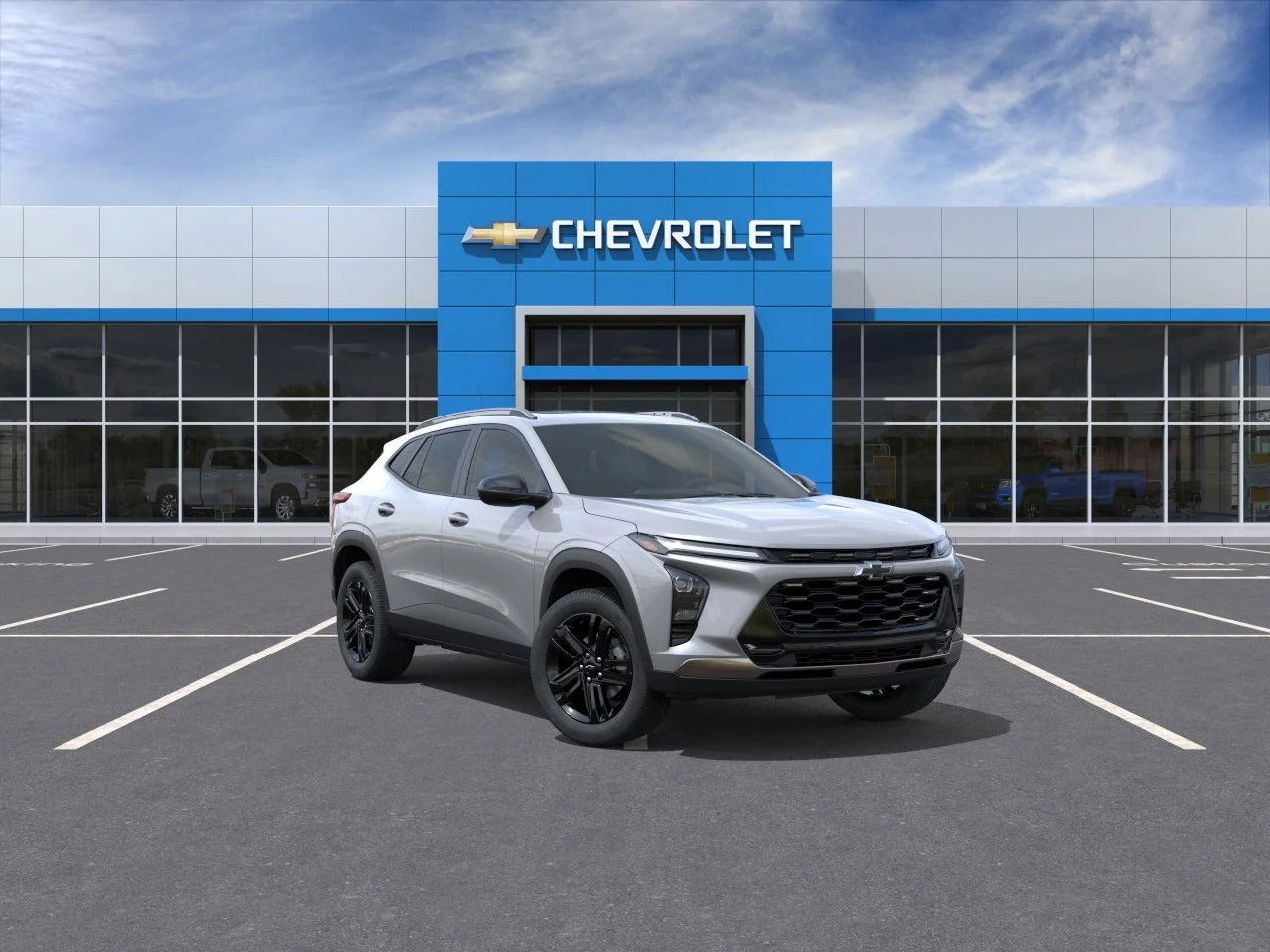
Chevy Trax

When Is the Right Time for Used Chevrolet Trax in Suffolk County Buyers

Buying a used Chevrolet Trax in Suffolk County can be a smart way to get a reliable SUV that fits your needs without stretching your wallet. But when you choose to start shopping makes a difference. Picking the right time isn’t just about catching a sale. It has a lot to do with local weather, what’s on the lot, and how the car performs during test drives. Buyers often feel torn between acting quickly and waiting for better deals. If you're shopping in January, you're right in the middle of tricky weather and changing market flow. That brings both challenges and opportunities, especially in this part of New York. Let’s take a closer look at what to keep in mind while deciding when to make your move. more How Weather Impacts Vehicle Shopping Around Suffolk County When you're test driving in winter, how a vehicle handles the cold can tell you a lot. Low temps might highlight slow starts, battery struggles, or heating problems that feel minor now but grow worse over time. Plus, ice and slush can cover up scratches, dents, or tire damage you’d easily spot in sunny weather. Snow and salt build up under the car, which can cause rust in the undercarriage or brake lines Cold weather can shrink rubber seals and cause fluid leaks, especially if the car wasn’t stored indoors Early winter damage often doesn’t show up until weeks later, making late-winter inspections more helpful Buying too early in the season can mean you miss hidden signs of wear. Waiting just a bit may offer a clearer picture of the car’s true condition once everything starts to thaw. Understanding Local Market Cycles for Used SUVs A big part of buying smart is knowing when inventory levels shift. Suffolk County has its own patterns, especially with SUVs like the Trax. During winter months, especially January, many shoppers stay home, creating a quieter buying period. With fewer buyers on the hunt, there’s a chance that prices have not climbed due to strong competition Late winter and early spring usually bring in trade-ins and end-of-lease returns, boosting inventory Dealers often prepare for the busier spring season by moving winter models, which can mean more flexibility on pricing If you're thinking of shopping for a used Trax, waiting until February or March can open up more choices and stronger negotiating power. It gives time for stock to grow and for sellers to reset pricing before peak spring traffic. Chevrolet of Smithtown offers a continuously updated supply of used Chevrolet SUVs, including various Trax models and trim options. You can browse detailed photos, Carfax reports, and key vehicle features directly from our used inventory listings to stay informed about new arrivals and best values throughout winter. Matching the Trax to Where and How You Drive We know that not every driver in Suffolk County needs the same things. The Chevrolet Trax works well for both city errands and longer drives. Knowing exactly where and how you drive helps narrow down which features matter most. An all-wheel drive Trax can be handy during Long Island winters when roads get slick Front-wheel drive versions still do well through most years and typically cost a bit less to maintain If your drive includes potholes, ice patches, or salt-covered areas, you may want higher ground clearance or better tires Think of your daily routine. Are you mostly on straight, clear roads? Or do you deal with tight parking, steep inclines, or messy snowbanks? Honest answers help you decide which version of the Trax makes the most sense. What to Check Before Saying Yes to a Used Model It’s easy to focus on the big things when buying a car, but it’s the little details that give away how it's really been treated. Winter takes a heavy toll on cars in Suffolk County, especially without a garage or constant upkeep. Check the tires, especially the inside edges, for uneven wear and shallow treads Listen for brake squeaks or grinding, which could point to salt damage or worn-out pads Crawl down and inspect the undercarriage if possible, it should be free of rust patches or wet spots When you test drive, look out for strange noises, lights on the dashboard, or delayed start-ups. Cold weather brings out these hidden problems. Also, ask for maintenance records. A car that made it through a few winters with regular oil changes and brake service is usually in better shape than one with spotty history. Our service department can perform a pre-purchase inspection to help ensure the used Trax you are considering is safe, well-maintained, and ready for Suffolk County roads. Why Late Winter Might Be the Right Move If you’re looking for the right mix of value and condition, late winter tends to be a sweet spot. That last stretch of cold weather, between the end of January and the start of March, is when many trade-ins appear on the market. More cars show up from lease turn-ins or people upgrading before spring Dealerships may be more open to adjusting prices to clear space for newer models Cold-weather wear may finally be visible, helping you avoid surprises after the snow melts An inspection in early February might reveal small problems that help you make a better deal or skip a car that won’t last. You’re still ahead of the spring buyers, but far enough into winter to see a more honest picture of the vehicle's condition. That timing can make all the difference when you're trying to avoid future shop visits. Know What You Need, Then Shop with Confidence The right time to shop isn’t just about the calendar. It’s about feeling sure that you know what you want, what to watch out for, and how your choice will hold up through Suffolk County’s weather and roads. Whether that means waiting a few more weeks for fresh options or checking closer in late winter to catch early listings, your strategy should reflect your needs, not just the listings. Patience now often leads to smarter buys. A used Chevrolet Trax in Suffolk County that’s been checked properly, picked with your daily drive in mind, and bought at the right moment can give many miles of confidence ahead. Our current selection of SUVs provides a clear view of what's available and includes options to fit a wide range of budgets and driving needs, with models proven to handle winters across Suffolk County. Timing makes all the difference when you’re looking for the right deal, especially on a vehicle that fits your everyday routes. Browse our listings for a used Chevrolet Trax in Suffolk County and let us know how we can help you move forward. We’re here at Chevrolet of Smithtown to answer your questions and help you shop with confidence.

Chevy Traverse

Understanding Used Chevrolet Traverse in Suffolk County for Family Needs

Winter in Suffolk County tends to send families looking for reliable vehicles that can handle cold mornings, weekend errands, and longer drives for ski trips or family visits. When space, stability, and comfort matter, a roomy SUV often lands near the top of the list. One option we see stand out every year is the used Chevrolet Traverse in Suffolk County. It gives families the room they need without feeling bulky, and it’s often easier to find locally in used condition than some other models. We’ve talked to plenty of parents and drivers around Long Island who want all-wheel drive, three rows, and something that won’t feel worn down too quickly. So we pulled together thoughts on why this SUV continues to be a winter go-to, and what to look for if your family’s thinking about switching things up this season. Why Families Choose Midsize SUVs for Winter Driving Winter road conditions can vary wildly in Suffolk County. Some days you’re dodging slush and salt, and others you’re working through early-morning ice. Families here often need something tough enough to take on colder roads but still comfortable enough for everyday use. Here’s why midsize SUVs get picked more often this time of year: Three rows give growing families more flexibility for car seats, school bags, or team equipment All-wheel drive and higher ground clearance work better on uneven or slippery roads Interior space helps prevent crowding when everyone’s bundled in bulky coats or carrying extra winter gear For parents doing school drop-offs or commute carpools near Smithtown or Medford, sliding doors might not be enough. A midsize SUV like the Traverse offers extra space without going full-size, which is important on tighter neighborhood roads. Features That Matter Most in a Used Traverse Not every SUV is built the same, and cold weather tends to highlight that fast. When we look at used models, a few features rise to the top for families braving Suffolk County winters. Heated front seats and strong cabin heat systems help keep everyone comfortable Rear seat vents matter more when kids or passengers are riding in the third row Flexible cargo space behind the third row lets you load groceries or sports gear without the usual squeeze Backup cameras and blind spot warnings come in handy when roads are icy and vision gets blocked Stability systems like traction control can make winter driving feel more stable, especially in stop-and-go traffic Many used Traverses come well-equipped with these features, especially models from the last four to six years. It’s smart to check for dual-zone or tri-zone climate control too since that helps keep the whole cabin at a steady temp. Chevrolet of Smithtown offers a broad selection of used Traverse SUVs with available all-wheel drive, newer safety features, and detailed Carfax history reports for local shoppers. Each used model receives a thorough inspection at our certified service center before making it onto our lot. What to Know Before Shopping for a Used Chevrolet Traverse in Suffolk County If you’re serious about winter driving, understanding the local condition of used vehicles makes a difference. Around Suffolk County, we see a lot of trade-ins that have felt the impact of colder seasons. That wear might not show easily at first glance unless you know what to watch for. Here are a few patterns we’ve noticed with used Traverses in our area: Many used models hit the lot with between 50,000 and 90,000 miles, good for value, but check for tire and brake wear Older Traverse models (around 2016 or earlier) might lack newer safety features or winter upgrades like AWD Vehicles exposed to lots of road salt may show rust near the underbody, exhaust, or wheel wells Suspension parts and shocks can take a hit from potholes after major snow events It helps to ask not just about service records but also simple things like when the tires were last rotated or the battery replaced. Cold weather tends to expose weak points fast. Comparing Everyday Driving Needs with Available Trims As families think through what kind of Traverse might make sense, it’s worth comparing trims. Chevrolet offers different configurations that suit different kinds of lifestyles, and this becomes more clear when winter driving is part of the routine. Here’s how the main options break down: LS trim: Good start for drivers who want three rows and AWD without going overboard on extras LT trim: Adds more comfort options like heated seats and advanced safety systems, which help in stormy weather Premier trim: Often includes leather, navigation, and more parking assistance tools, great for longer drives or trickier streets Think honestly about daily routes. If you only drive short distances in town, LS may be enough. If you travel farther with more passengers or regularly drive to places where it snows heavier, the LT or Premier trims might be worth the added comfort and tech. Storage also adds up faster than people expect once coats, boots, and gear are involved. Staying Comfortable and Confident in Colder Months Nobody loves sitting in cold traffic, especially with tired kids in the backseat. That’s where the Traverse’s comfort-focused design starts to shine. The cabin stays quiet and makes long winter drives less of a drag. It’s wide enough to space people out yet compact enough to handle town roads or parking lots with ease. The Traverse’s handling on icy roads stands out too. It stays grounded where smaller crossovers might start to feel light in the wind or lose grip on packed snow. The steering stays steady through slush, and the braking doesn’t feel overly touchy. That mix of weight and balance helps families drive with a little more confidence when storms hit or melt-off turns messy. Family Driving Gets Easier with the Right SUV Fit When winter hits harder and schedules stay full, finding a vehicle that meets your family’s needs matters more. A used Chevrolet Traverse in Suffolk County checks enough boxes for safety, space, and cold-weather comfort to stay high on the list for many drivers. If your family wants something that holds up on snowy mornings, makes room for everyone, and keeps trips calm no matter how far you’re going, a Traverse is worth thinking about. Take time to consider how much space you’ll actually use, how often you’re on the road, and what features matter most in New York’s colder months. That bit of thought now can make driving through the long season feel a lot easier. Upgrading how your family travels around Suffolk County this winter is easier than ever with our wide selection of spacious, safe, and comfortable vehicles. Explore any available used Chevrolet Traverse in Suffolk County to find the features that match your everyday needs. At Chevrolet of Smithtown, we’re here to guide you through every step, reach out when you’re ready to discuss your options.

Silverado

Buying Used Chevrolet Silverado 1500 in Suffolk County in Late Winter Tips

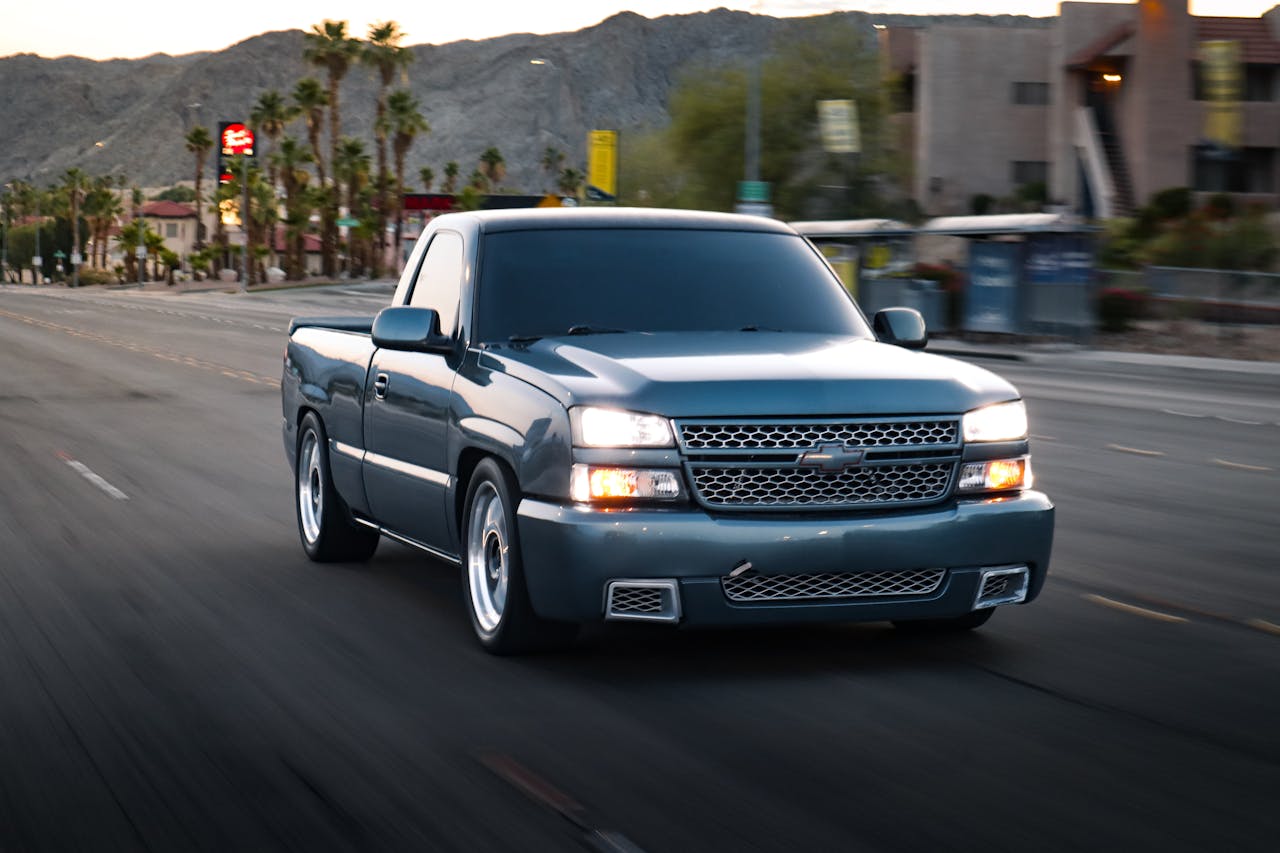
Late winter may not seem like the most obvious time to shop for a truck, but around Suffolk County, it often works in your favor, especially if you're thinking about a used Chevrolet Silverado 1500 in Suffolk County. With fewer shoppers braving the cold, you get a bit more space to slow down and pick out what actually fits your needs. Trucks reveal more about their true condition when it’s cold out, which means you can catch small problems early. Plus, inventory changes after New Year’s can create new opportunities if you know when and how to look. more We have put together some late winter tips that will help you think through your options, spot trouble before it costs you, and move forward with confidence when you do find the right truck. Watch How Weather Affects the Truck Cold weather tells you more about a vehicle than you might expect, especially when you're test driving it in January or February. Engines often take longer to start if the battery is weak, and that delay may help you spot hidden faults Heat, defrost, and remote start (if available) show how ready the truck is to handle colder months Slush and road salt stick to the underbody, which speeds up rust if not cleaned often This time of year, Suffolk County’s roads tend to have potholes from earlier storms. Suspension, alignment, and tire wear can reflect that impact. If you're taking the truck for a spin, feel how it handles bumps and lane changes. If it pulls or bounces more than expected, that could point to worn parts underneath. Understand Local Inventory Timing and Shifts Late winter may feel like a quiet time, but behind the scenes, things are moving. After the holiday season, you will often see trucks coming in from trade-ins or lease returns, especially in places like Suffolk County where many drivers plan ahead for spring purchases. From late January into February, used trucks may hit the lot with fewer people watching Sellers may be more flexible on pricing during this slower stretch Many dealerships want to clear older winter inventory before spring models arrive This gives you a little window to act before pricing starts inching back up. The key is to check regularly and ask questions when something catches your eye. Inventory shift does not happen all at once, so it pays to check more than once. Chevrolet of Smithtown provides a regularly updated inventory of used Chevrolet Silverado 1500 trucks, with many options featuring GM-certified pre-owned benefits, multi-point inspection, and available warranty coverage. Online listings feature detailed specs, high-quality photos, and Carfax reports to help make your search as transparent as possible. Match Truck Features to Your Local Driving Needs Not every Silverado is built the same, or used the same. Where and how you plan to drive makes a big difference in the kind of truck you want. If you often drive on icy or unplowed roads, four-wheel drive will make a noticeable difference For towing snowmobiles or gear, bed length and towing capacity start to matter more Higher trims may offer heated seats, remote start, and extra lighting, which all help in cold conditions It is worth thinking ahead too. Are you going to be hauling mulch in the spring? Taking a small boat out in the summer? Late winter may be the moment you are shopping, but the right choice should serve you all year. Pick a setup that covers the weather now and the projects you have coming later. What to Look for During a Late Winter Inspection By this point in the season, most used trucks have weathered storms, salt, and freezing mornings more than once. That is why inspections matter more now than at other times of the year. Scan the undercarriage, especially areas near the exhaust and wheel wells, for rust or corrosion Try all controls related to cabin heat, defrost, and side mirrors If the truck hesitates to start or takes time to warm up, that may be more than just the weather Check the tire tread while you are at it. Look for uneven patterns or low spots. These could speak to worn suspension or problems with alignment that show clearer now than they would in spring. If the truck has run through tough weather and still looks strong underneath, that is a good sign. Our GM-certified techs at Chevrolet of Smithtown can perform comprehensive pre-purchase inspections to pinpoint any winter wear or maintenance that may be needed, helping you buy with peace of mind before snow and ice clear out for the season. Why the Timing Works in Your Favor One big thing that stands out about buying in late winter is the honest condition of what you are seeing. Trucks have been working through snow, salt, and cold wind. If something is going to break or wear down quickly, it probably already has. Cold weather makes it harder for mechanical issues to hide, especially problems with batteries and starters You can spot damage from earlier snow or ice events, like broken sensors or scraped bumpers If a truck has winter wear, ask what maintenance has already been done, some sellers stay on top of small fixes to keep vehicles moving off the lot This is also right before dealerships start making the hard shift into spring. There is a lull now, it will not last, and it's often the moment when supply is decent and pressure is low. A Smarter Buy Before Spring Hits Shopping for a used Chevrolet Silverado 1500 in Suffolk County during the final stretch of winter can put you in a strong position. You are not chasing deals during the spring rush, and the weather helps reveal how well a truck is really holding up. It is easier to inspect, test drive, and ask the right questions before everything thaws and gets busy again. By looking now, you are choosing clarity. You can avoid surprises, get a clearer read on value, and line up a truck that is ready to handle everything from snow piles in February to yard work in May. That kind of timing makes a difference. At Chevrolet of Smithtown, we are here to help you find a reliable winter-ready pickup that fits your needs and budget. Our current inventory features a wide range of options, including trucks that have proven themselves through Suffolk County’s colder months. Whether you are searching for added features for local roads or want a dependable upgrade, our team will guide you every step of the way. Explore our available used Chevrolet Silverado 1500 in Suffolk County and reach out to us when you are ready to learn more.

Service Center

How a Chevy Service Center in Suffolk County Helps With Cold Weather Care

January in Suffolk County brings the kind of cold that puts cars to the test. The freezing air, persistent road salt, and slick ice patches don’t just make driving harder. They quietly wear down the parts of your vehicle that you'd rather not think about until something goes wrong. This time of year, more drivers start noticing strange noises, slow starts, and foggy windows that never seem to clear. That’s where a reliable car check comes into play. more A Chevy service center in Suffolk County helps keep this winter stress from turning your everyday drive into a constant headache. Whether your Chevy has seen ten winters or two, keeping up with the basics during these cold months makes a huge difference in how it runs, how safe it feels, and how long it lasts. Cold Temps and Battery Struggles Short trips across town in sub-freezing weather take a bigger toll on your battery than most people expect. Cold air makes it harder for batteries to generate enough power to start your engine. Add in stop-and-go errands or a school pickup line, and it’s easy to see why winter is when most batteries decide to quit. If you notice your lights dimming, slower cranking, or trouble starting after a cold night, your battery might already be wearing out We test the battery during a winter checkup to make sure it can hold a reliable charge Professional tools help spot battery problems early, long before it leaves you stranded in the cold Making sure the charge, terminals, and cables are all in shape gives you a better shot at avoiding winter breakdowns. Protecting Against Salt and Road Slush Suffolk County roads spend a lot of the winter covered in salt and slush. That mixture sticks to the underbody of your vehicle and doesn’t let go without help. Over time, it speeds up rust and eats away at metal parts you can’t see from the curb. We check for buildup around the undercarriage, wheel wells, and suspension Brake lines, exhaust pipes, and bolts are common spots for salt damage After inspection, undercarriage cleaning, brake services, and protective sprays help fight back This kind of hidden corrosion doesn’t show up in the owner's manual, but it can quietly shorten the life of your car. Staying ahead of this buildup means your vehicle lasts longer and stays safer on the road. Preparing Tires for Snow, Ice, and Pressure Drops Tires keep you connected to the winter roads, which means they need extra attention while the temps are this low. Cold weather turns rubber stiff and drops air pressure overnight. That can shrink the contact patch and make your ride feel a little less solid on slick surfaces. We check tire pressure often during service visits, since even a small drop below the recommended PSI can affect traction Tread depth, uneven wear, or cracks all point to tires needing rotation or replacement Balancing and alignment help handling stay sharp and reduce the risk of sliding or pulling If your steering wheel buzzes on the highway or the car pulls while braking, it’s worth checking it out before the next snow hits. Tire checks are a small step that often prevent bigger problems later in the season. Heating, Defrosting, and Visibility Systems Staying warm in winter is about more than comfort. If your defroster doesn’t clear fog fast enough or your wipers freeze in place, winter roads get riskier. Suffolk County back roads and early sunsets mean the systems that keep you seeing clearly are more important than ever. We check for airflow issues, blower power, and signs that the HVAC isn’t pushing hot air Defrosters and heated mirrors should be checked mid-winter when the cold has settled in, not just before it begins Any camera or sensor used for backup assist or collision alerts needs to stay clean and warmed during icy conditions We often see issues where salt spray, snow clumps, or a blocked heating vent reduces visibility, even when the rest of the car drives fine. Addressing these systems ahead of time keeps your drive safer and more comfortable in harsh weather. Keeping Your Truck’s Fluids Flowing in the Cold Fluids thicken when it’s cold, and some freeze up entirely if they aren’t rated for sub-zero conditions. Oil, antifreeze, wiper fluid, and brake fluid all work harder in the winter just to move normally. If one is low or dirty, it can quickly lead to problems. We check that your oil is fresh and not too thick, since cold oil flows slower and doesn’t protect the engine as well Antifreeze should be strong enough for local lows and topped off to help the radiator do its job Winter-rated washer fluid makes sure your windshield doesn’t freeze over mid-drive Brake fluid is looked at for moisture buildup that becomes worse in freezing temps Keeping everything flowing right helps avoid surprise failures during a January deep freeze. Staying on top of fluid checks helps you avoid the inconvenience and cost of sudden breakdowns. Staying Ahead of Winter Wear and Tear The longer the cold stretches, the more it wears on your vehicle piece by piece. Many of the issues we see during January and February didn’t start this season. They built up over weeks or months, until something small became something big. Batteries lose strength from one short trip after another Salt buildup hides under the vehicle long after the snow melts Tires get uneven as pressure drops and roads stay rough Chevrolet of Smithtown offers winter-ready maintenance, including battery checks, brake inspections, tire rotations, and seasonal fluid replacements. We use GM-certified parts for repairs or replacements to help ensure your Chevy is performing safely through every Suffolk County winter. That’s why winter checkups help so much. They aren’t just quick inspections. They show us where cold weather stress is starting to take hold. By spotting these patterns early, we can take care of small problems before they turn into costly repairs. Regular upkeep through the worst part of winter helps your Chevy get through to spring without surprises. Winter maintenance isn’t about fixing problems after they happen, it’s all about keeping your Chevy driving safely through every cold snap, icy road, and slushy corner. We’re proud to help drivers stay ahead of issues and feel confident all season long. Noticing signs of wear or just want a second opinion before the next storm? Our Chevy service center in Suffolk County is here to make sure nothing gets overlooked. At Chevrolet of Smithtown, we’re ready to keep your vehicle running strong when winter’s at its worst, call us today to schedule your next service.

Chevrolet Equinox

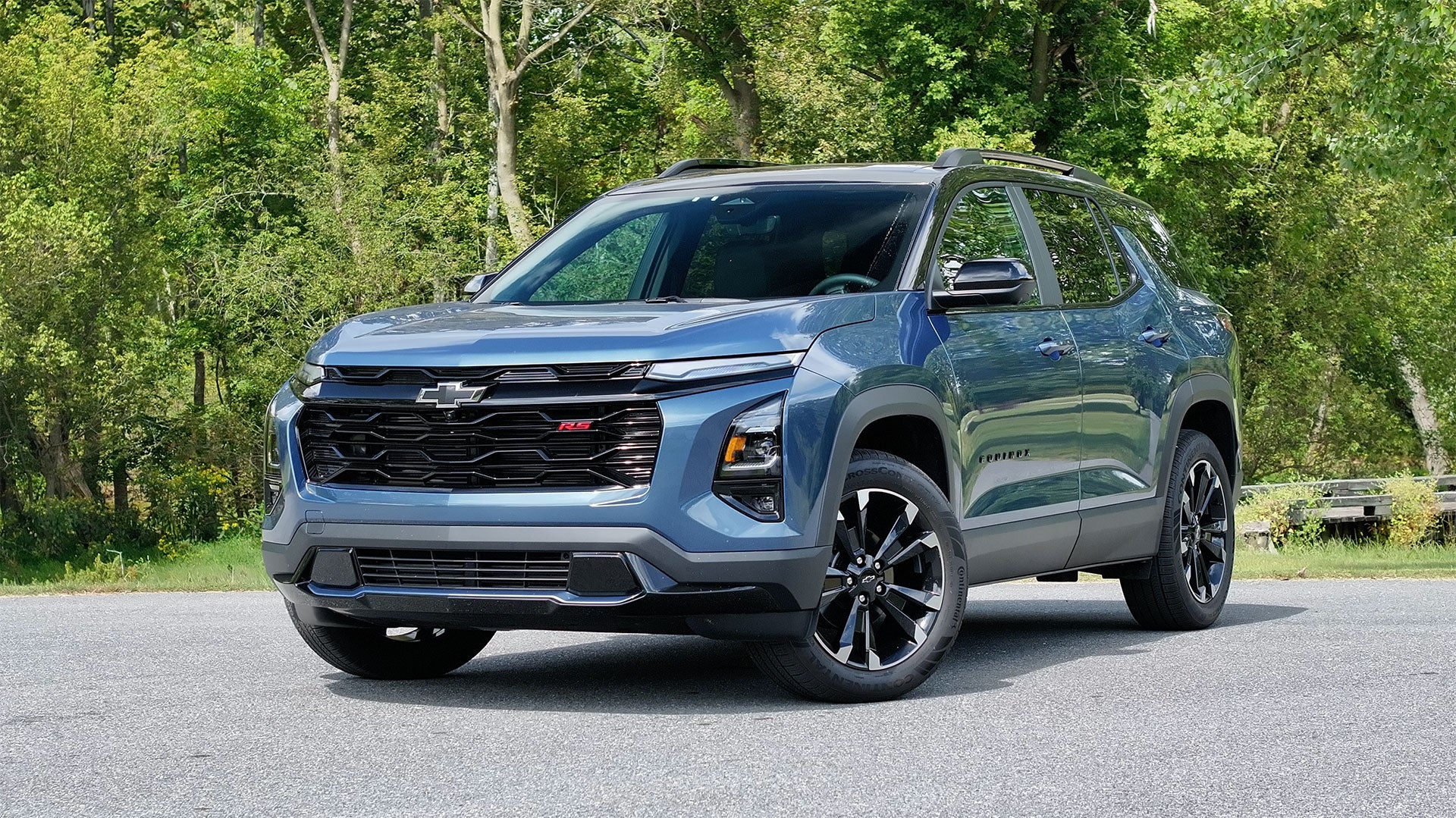
Should You Choose a New Chevrolet Equinox in Suffolk County This Winter

Winter roads in Suffolk County have a reputation. One day it’s dry and calm, the next it’s snow-covered, slippery, and coated in road salt. If you’ve lived through a few Long Island winters, you already know how unpredictable it can get. That’s why choosing the right vehicle for this time of year matters. A new Chevrolet Equinox in Suffolk County could be a smart fit for winter driving. It’s built to manage the cold, the mess, and the stop-and-go rhythm of snowy days without turning every trip into a white-knuckle drive. more The Equinox brings a balance of control, comfort, and practicality that lines up well with what winter throws at Suffolk roads. Whether you’re driving kids to school, running to the store before a storm, or commuting early on a frozen morning, winter is easier when your vehicle is ready for the season. Confident Driving in Cold Weather We all know how a slick road can change the feel of a drive fast. Whether you're pulling out of your driveway or cruising past salted intersections, you need grip and control from the moment the wheels start turning. That's why features like all-wheel drive and traction control matter this time of year. All-wheel drive helps power reach all four tires, which can make starts and stops feel more stable on icy surfaces Traction control systems step in when a wheel loses grip, which helps you keep your direction steady, not spinning These features work quietly in the background, but they make a real difference on mornings when the snowplow hasn’t made it The Equinox is also known for reliable cold starts, even after long, freezing nights. Whether it’s 6 a.m. and the windshield is frosted over or late afternoon with slush piled along the curb, you want a vehicle that responds right away. The Equinox warms up quickly too, which means you’re not stuck waiting in the cold for the heater to catch up. Comfort for Long Island Winters Being safe is one part of the winter driving puzzle. Feeling warm and comfortable is another. If you’ve ever climbed into a freezing car in January, you know how nice it is when features work with you, not against you. Heated seats can make quick trips or early morning drives feel a lot less harsh Dual-zone climate control lets everyone set a temperature that works, which is especially useful for families Remote start means you can get the cabin warming before you even open the door Another small detail that makes a big difference is automatic defogging. When windows cloud up fast in humid cold air, it helps to have a system that clears them just as fast. Whether you’re commuting or running errands around Long Island, these small touches turn rough drives into something a lot more comfortable. With quiet cabin design and strong insulation, long rides don’t have to feel like a chore. The car stays calm inside while the outside looks like a snow globe. Winter-Ready Tech and Safety Features Cold weather comes with more than just slippery roads. Visibility takes a hit once snow, sleet, or fog show up. That’s where smart safety tech can come in handy. Lane assist helps keep you centered, even when road markings are covered in snow Forward emergency braking is helpful when stopping distance gets longer than expected A rear camera gives a better view when piling snow or low light makes backing up harder The sensors and radar equipment on the Equinox continue to operate through wintry weather, which makes a real difference when there’s a buildup of snow or ice on the road. Built-in displays let you keep track of important changes like tire pressure drops or alerts from your safety systems. Those little reminders come in handy when the cold puts stress on your vehicle from the ground up. Chevrolet of Smithtown offers the new Equinox with standard Chevy Safety Assist, which includes Automatic Emergency Braking, Lane Keep Assist with Lane Departure Warning, and Forward Collision Alert. These safety features help drivers stay confident through the worst winter conditions Suffolk County can throw their way. Fuel Efficiency and Everyday Usability Winter driving often means shorter trips, frequent starts, and slow traffic. The Equinox finds a smart balance between what’s useful every day and what’s needed in poor weather. It’s smaller than larger SUVs, which makes it easier to park and maneuver around tight Suffolk County roads, even when plow piles take up extra space It sips fuel rather than guzzling it, which helps during long idles or when you’re stuck in traffic behind a salt truck There’s enough cargo space to store winter extras like blankets, snow brushes, groceries, or sports gear Even when conditions are a little messy, you want a car that still fits your everyday routine. Picking up your kids, making a quick store run, or commuting across town shouldn’t feel like you're overdoing it with a bulky ride. The Equinox covers what everyday life needs year-round without feeling oversized or hard to handle in tight spots. Chevrolet of Smithtown carries a range of new Equinox models with available all-wheel drive, multiple trim levels, and convenient finance or lease options. Our staff can help you compare features, from cargo space to tech packages, to make sure your choice fits both your winter needs and year-round lifestyle. Built for the Season, Fit for the Year When you pick a vehicle for winter driving, it’s easy to focus on the next couple of months. But it helps when that same vehicle works just as well when the season shifts. What stands out about the Equinox is how well it transitions from snow and ice to spring rain and summer heat without skipping a beat. It’s not the kind of vehicle that you have to rethink once winter winds down. From January through late spring, it keeps up with whatever weather shows up. Choosing a car that feels ready early in the season gives you peace of mind before the deep freeze really kicks in. Later, when potholes, rain, and road repairs replace snow piles and salt, the same confidence sticks around. Built to take on icy roads and winter slush without sacrificing comfort or convenience, the Equinox is an ideal fit for daily routines in Suffolk County like school drop-offs or weekend trips out east. Discover what sets the new Chevrolet Equinox in Suffolk County apart this season by reaching out to Chevrolet of Smithtown and let’s get you behind the wheel.

Certified Service

Chevrolet Certified Service in Suffolk County Everything You Need to Know

Cold weather around Suffolk County can be tough on cars, especially during late January when roads are still coated with salt and freezing nights aren’t quite over. For drivers in our area, choosing where to get your vehicle serviced can make a big difference in comfort and safety through the rest of the season. Chevrolet certified service in Suffolk County gives drivers the kind of focused care that makes sense for local roads, weather, and repair needs. Certified work means factory-approved parts, technicians trained on your specific model, and repairs done to meet brand standards from the start. That added attention really matters when vehicles are pushed harder by cold weather, rough surfaces, and longer warm-up times. more Understanding Certified Service vs. Standard Repairs Not all vehicle service is the same, even if it looks similar on paper. When service is certified by Chevrolet, it means the person working on your vehicle has been trained for your make and model. They follow a set process, keeping your warranty intact while using parts made for your specific car or truck. A standard repair shop might offer oil changes or brake jobs, but they often use generic parts that don’t hold up the same way. It’s easy to mix up a routine fix with something more careful and complete. Certified service puts your specific vehicle first. We only use factory-approved materials, fluids, and tools that fit your model Steps during service visits follow set procedures designed by Chevrolet Repairs meet warranty rules so you’re not stuck with surprise issues later This kind of service keeps the work consistent and the mistakes to a minimum. What a Certified Technician Looks for During Service During the winter months, service checks tend to focus on key systems stressed by snow, ice, and cold starts. Technicians check things like the charge level of your battery and how quickly it turns over first thing in the morning. They also check tire pressure and tread, which can change overnight when temperatures shift. Brake feel and pad wear are inspected, especially after repeated stops on salted or icy roads Fluids like coolant, washer fluid, and brake fluid are tested and topped off, if needed Belts, hoses, and filters are inspected for damage that shows up in colder temperatures Chevrolet of Smithtown uses genuine GM parts, and our certified service department is equipped with advanced diagnostic tools specifically for Chevrolet vehicles. This means each maintenance and repair visit follows the guidelines recommended by the manufacturer, helping protect your vehicle’s performance year-round. Catching and fixing small issues early prevents getting stranded in a snow-covered parking lot, or worse, missing work because your car will not start. A certified technician knows what to expect in a Suffolk County winter and stays ahead of it. Why Location Matters When Getting Your Vehicle Serviced Living and driving in Suffolk County means regular exposure to things you will not experience everywhere. Between local snowplows, sanded roads, potholes, and traffic, your vehicle handles a lot more than just time behind the wheel. Those conditions matter when planning your service visits. Salt from local highways and side roads collects on the underbody, speeding up rust Cold starts are more common during our long winter nights, draining older batteries faster Stop-and-go traffic through Long Island towns wears down brakes and tires Every part of your car or truck is affected by where and how you drive it. Choosing certified service means your technician knows the types of wear that show up most often right here in Suffolk County and is not guessing at the fix. What to Expect When Booking Certified Service When it is time for service, most drivers want the process to be easy and quick. Planning ahead helps you keep your car on the road without disrupting your day too much. Booking certified service usually starts online or over the phone. Once you drop off your vehicle, a technician checks it over using a set list that covers seasonal needs and model-specific concerns. Your vehicle gets an inspection aimed at both current problems and early warning signs You are contacted about what was found and what needs doing, with clear estimates You get updates throughout the day so there are no surprises when you're ready to pick up Some locations offer rides, courtesy cars, or comfortable lounges, depending on your schedule. What stays the same is the attention to how the vehicle is looked at and how updates are shared with you. We work on your car like it is our own. How Certified Service Supports Long-Term Vehicle Health When service is done the same way every time, with the right parts and regular checkups, your vehicle lasts longer. Certified service fixes what is wrong and keeps records of what was done and when. That helps spot patterns, like tires wearing faster on one side, or brakes that need adjusting more often than expected. Regular visits keep key systems clean, lubricated, and aligned Digital records help monitor repeat issues and improve future service Seasonal needs are addressed as they come up, avoiding damage from waiting too long Keeping up with each maintenance milestone during the colder months reduces wear and tear, making it less likely that you will need major repairs down the road. With spring around the corner, winter strain should be checked and resolved now. A battery that worked in December might not make it to March if it has been draining daily in freezing air. Keep Your Chevy Running Strong Through Local Winters Choosing certified service is about peace of mind. Winter makes short trips feel longer and cold mornings even harder to start. Having your vehicle checked by someone trained on your specific model helps you worry a bit less about those mornings when the frost will not clear quickly and the roads are slick with leftover snow. We live and drive in Suffolk County too. We know the backroads, the school runs, and the morning traffic toward Medford. We see how salt eats away under the frame and how batteries act in single-digit temps. That is why this kind of service works, it is built for what you are actually facing. Keeping up with your vehicle’s needs now means fewer headaches down the line, and a better drive through what is left of winter. At Chevrolet of Smithtown, we understand how important your vehicle is, especially during the cold months in Suffolk County. Staying proactive with maintenance means fewer surprises on the road, and our trained team is here to deliver expert care for your specific model. Discover what sets our Chevrolet certified service in Suffolk County apart and call us today to schedule your next visit.

Used Corvette

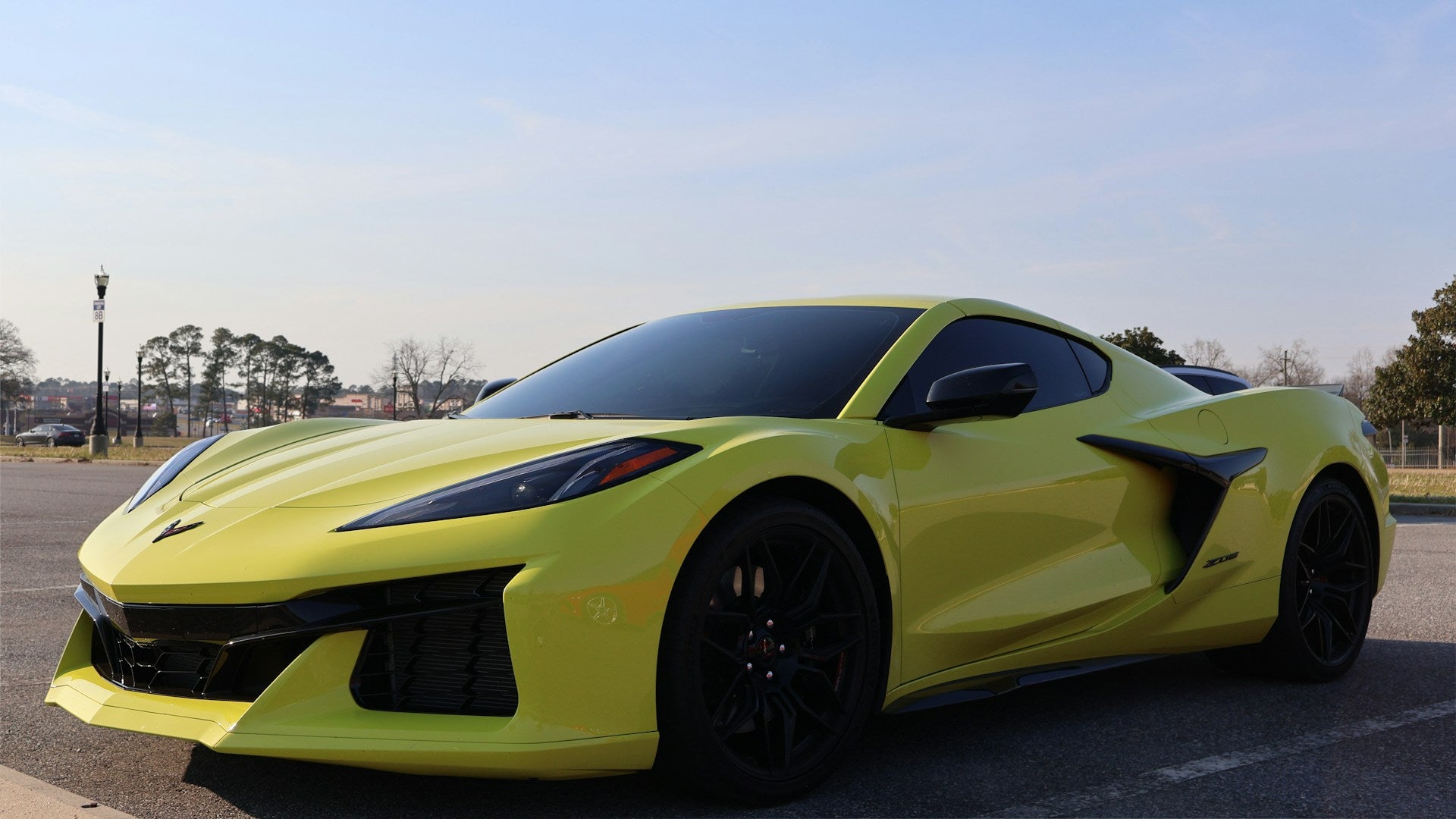
Used Chevrolet Corvette in Suffolk County What to Inspect Before Buying

Buying a used Chevrolet Corvette in Suffolk County might be one of the most exciting car decisions you make. Still, it's easy to get carried away by the sleek design and roaring engine and forget that what’s under the surface matters just as much. A car like this deserves more than a quick glance. more Since it’s the middle of January, we’ve already seen what winter roads in New York can do to a vehicle. Salt buildup, freezing temps, potholes, and short trips all play a part in how a Corvette is worn over time. If you’re shopping for one now, it’s smart to factor in what kind of winter it’s lived through before putting down serious cash. Check the Exterior for Hidden Damage Corvettes are easy to admire from a distance. But when you're buying used, looks can be misleading. One winter on Long Island’s salty roads can quietly damage a car's underside or wheel wells. Paint can look great, while rust is spreading underneath. Look along the bottom of the doors and fenders for bubbling under the paint Check the undercarriage with a flashlight for rust or recent patchwork repairs Gaps between body panels or uneven lines may point to past body damage or accident repairs Small signs like cracked rubber seals or faded trim can suggest outdoor storage with little shelter Even a garage-kept car can spend hours outside in cold weather. It all adds up, so you want to be sure not to judge the exterior by looks alone. Sometimes the smallest spots, like around badges or in seams, hide clues about what the car has seen in years past. Inspect the Interior and Electronics Corvettes are meant to be fun to drive, but comfort and function matter too. If a car has seen snow, ice, and salty boots, that’s going to show up inside. Run your hands over the seats and dashboard to check for cracks, dry spots, or worn fabric Musty smells or moisture inside might mean leaks that worsened over winter Buttons that stick or lights that flicker could signal electrical issues from cold-weather stress Make sure the heat kicks in quickly and stays warm, Suffolk winters aren’t the time to gamble on heating Also check touchscreens, window switches, and backup views. Cold and moisture can affect more than just the engine. If the car has an older infotainment system, you may want to make sure all the controls work. Look for any unusual warning lights on the dash while the car is running. The last thing you want is a surprise electrical gremlin after you buy. Dig Into the Engine and Transmission This is where things get serious. The Corvette has always been about performance, but that performance can wear down fast if it hasn't been kept up. And winter, especially on Long Island, does engines no favors. Start the car from cold and listen, it should come to life quickly without grinding or knocking sounds Let it run and check for any shaking or odd noises from under the hood Pull out the dipstick and take a look at the oil and transmission fluid Oil should not be blackened or gritty Transmission fluid should not smell burnt Take it for a drive and feel for hesitation or slipping when the car shifts Owners who floor it on cold engines or skip maintenance can leave damage that doesn’t show up until the weather turns colder. If you notice delayed shifting, hard starts, rough idling, or a check engine light that doesn’t go out, those are all warning signs. It’s worth taking a few extra minutes to let the car warm up fully while you listen for any irregular sounds or notice performance issues. Review the Car’s History and Maintenance Records A Corvette might look and feel great during a test drive, but history tells the fuller story. Even something like lots of short winter trips or skipped oil changes can lead to long-term problems. Ask to see service records and scan them for regular tasks like oil changes, brake work, and part replacements Look up the VIN and check for title issues, accident reports, or signs of flood damage If the car was modified, ask who made the changes and how they affect performance and warranty Be on the lookout for mismatched parts or missing paperwork that might suggest rushed repairs Consistency in records can give peace of mind that the Corvette you’re considering has been cared for through Long Island winters and not just cleaned up to sell. You might notice a gap in the records, or perhaps a series of quick fixes instead of proper routine maintenance, either can be a sign to dig deeper before saying yes. These checks can sometimes bring up questions that help you make a smarter deal. Take a Close Look at Tires, Brakes, and Suspension This part is often overlooked, but it’s how the car really behaves on the road that matters. Suffolk County roads are no picnic in the winter. The freeze and thaw cycle causes potholes and cracks that take a toll on performance and comfort. Tires should have even wear and solid tread depth, uneven wear may mean bad alignment or a bent wheel from hitting potholes Brakes should respond smoothly and not squeak or pulse Go over speed bumps or rough roads to check the suspension, knocking, squeaks, or bouncing can warn you it needs work Cold temps and salty roads can corrode brake lines, wear out suspension components, and make tires brittle too. A simple but careful check now can save you the trouble of immediate repairs. Even if the tires look good, make sure they match in brand and size, since mismatched tires can throw off the car’s handling and ride quality. Chevrolet of Smithtown offers professional inspections of used vehicles brought to the dealership, including brake, tire, and suspension checks. All work is completed by GM-certified technicians who know what to look for on models driven through Long Island winters. Feel Confident Before You Buy Buying a used Corvette can be both thrilling and nerve-wracking, especially during a season that puts cars to the test. By slowing down and checking all the things that don’t show in a listing photo, we can avoid surprises later on. No matter how good a Corvette looks parked in a driveway, it’s what's underneath that matters most. Asking the right questions and giving the car a close look inside and out can help make sure it’s ready for Suffolk’s weather, not just this winter, but for the ones ahead too. Ready to find a Corvette that matches your standards? Our team at Chevrolet of Smithtown is here to help you compare and choose with confidence. See our current selection of used Chevrolet Corvette in Suffolk County, and contact us with any questions. We're here to make your car search easy and rewarding.

Car’s Catalytic Converter

Why Chevrolet Catalytic Converter Service on Long Island Matters in Winter

Winter on Long Island doesn’t just cool you down. It takes a real toll on your car too. Snowy roads, salty slush, and freezing air can quietly chip away at how your vehicle performs. One part that often gets overlooked this time of year is the catalytic converter. It’s hidden underneath your car, but when winter hits, that part works extra hard, and sometimes fails without much warning. more That’s exactly why getting Chevrolet catalytic converter service on Long Island can make a difference. When this part starts to break down, it can cause more issues than you might expect, especially when long waits, cold starts, and icy roads are already slowing you down. Knowing what your catalytic converter does and how cold conditions can wear it out makes it easier to spot problems before they get worse. What a Catalytic Converter Actually Does Even though it’s not something most drivers think about until there’s a problem, your catalytic converter is constantly working behind the scenes. Its job is to clean up the gases your engine makes before they hit the air outside. It turns harmful gases like carbon monoxide into less toxic ones so your exhaust is cleaner It plays a part in keeping your engine balanced and running steadily It’s required by law to pass state inspection and keep your car road-legal in New York When it’s working right, you don’t really notice it doing anything. But once it begins to fail, the signs usually show up fast, especially in cold temps when your car’s working harder to get moving. Why Cold Weather Creates Problems for This Part Catalytic converters take in a lot of road abuse during the winter. They’re tucked underneath your vehicle, right in the path of all that salt, slush, and frozen water from the road. Once that stuff starts to collect and refreeze, it adds stress the system wasn’t built for. Short drives are another issue. Since it takes engine heat to keep your catalytic converter working, quick runs to the store in below-freezing temps barely give it time to do its job. That can lead to clogs or cold starts that trigger misfires. You may even notice the smell of raw fuel early in the morning, which could mean your system’s not burning as clean as it should. Salt and grime can build up and cause the outer shell to rust Fast-cooling metal expands and contracts, leading to cracks or breakage Short trips don’t let the inside of the converter get hot enough to work right It’s common for these problems to show up after holiday travel or a season of quick errands. If something feels off when you start your car, the converter could be part of the cause. Signs You Might Need Service Sooner Than You Think Any part of your exhaust that’s acting up is going to show warning signs before it fails outright. You might not notice them at first, especially if your vehicle seems to run fine at higher speeds. But the small clues can start to pile up. The check engine light turns on, sometimes only during colder starts Your car smells like rotten eggs or burning chemicals Rattling or popping happens under the car when you crank it up Sluggish engine response, slow acceleration, or poor fuel mileage creeps in All of these can connect back to your catalytic converter, especially during the winter when it’s harder to keep things working smoothly. The signals may come and go, but they’re usually your vehicle’s way of asking for help. The Value of Getting it Checked by a Local Shop Winter driving in Suffolk County isn’t the same as other areas. Long Island roads come with their own mix of stop-and-go driving, salty conditions, and sudden storms. That’s why a shop familiar with the area can spot cold-weather wear others might miss. Local techs know how snow, black ice, and salty roads affect underbody parts Winter damage often looks minor but can lead to full converter failure Long Island driving includes everything from short beach town trips to longer commutes, which creates unique wear patterns Getting your catalytic converter inspected by people who see winter damage every day means there’s a better chance of catching early issues before they turn into bigger ones. Chevrolet of Smithtown provides certified catalytic converter inspection and repair as part of our dedicated service department. All maintenance and repair are carried out by GM-certified technicians who specialize in the unique driving conditions on Long Island. How a Clean Catalytic Converter Makes Winter Driving Safer Most people don’t think of their exhaust working harder during the winter, but it does. A clean catalytic converter doesn’t just help with emissions, it actually smooths out the way your entire car responds in colder weather. Faster warm-ups mean less time sitting in a frozen car first thing in the morning Cleaner exhaust pathways reduce pressure that would otherwise drag on the engine Better fuel balance helps avoid stalling, misfires, and jumpy acceleration By keeping this part in working order, your whole system runs the way it should. That means no surprises when you’re trying to pass on a slick road or warm your car up for a school drop-off. You save time, reduce stress, and protect the rest of your engine in the process. Stay Road-Ready with Local Service Expertise Staying aware of how winter conditions affect your vehicle can make a big difference, especially when hidden parts like the catalytic converter start struggling. Cold, salt-covered roads can quietly wear out the systems that help your car breathe and burn fuel the right way. When those parts fail, your vehicle is left feeling sluggish or unstable just when you need it to handle better. When you need a thorough exhaust check, Chevrolet of Smithtown is ready with scheduled service, parts replacement, and maintenance specials that help keep Long Island drivers moving confidently all winter. When colder weather hits and your car starts making unusual noises or losing performance, it might be time to address hidden exhaust issues. Seasonal buildup and winter damage can cause problems that disrupt your daily drive. By paying attention to early warning signs, you can avoid being sidelined during a snowstorm or your morning commute. Stay ahead of winter car troubles and book your Chevrolet catalytic converter service on Long Island with Chevrolet of Smithtown today.

Silverado

Common Winter Concerns for the New Chevy Silverado on Long Island

Winter on Long Island brings challenges that truck owners feel more than most drivers. Even though the new Chevy Silverado on Long Island is built with strength in mind, cold months still test its systems in ways that warmer seasons don't. From slow morning startups to icy roads and reduced visibility, there’s a handful of things that need attention once the temperature really drops. If you rely on your truck to get through daily life in Suffolk County, staying alert to the most common winter-related issues makes a big difference. Let’s walk through the areas where problems tend to show up first, especially in January and February when the cold is at its worst. more Winter Battery Strain in Cold Starts When temperatures drop, batteries have to work harder. That’s true across the board, but in trucks with larger engines like the Silverado, the effect shows up more quickly. You might notice your engine turning over more slowly in the morning, especially after a cold night in the driveway or exposed parking lot. Short trips don't allow the battery to fully recharge, which can drain it faster than expected Long cold starts cause wear on the starter and other parts over time A weak battery can lead to sluggish or failed starts as winter goes on If you’ve been making a lot of local runs, down the street to school or over to the store, your battery may not be getting the time it needs to fully boost back up. We recommend checking your battery if you’re hearing hesitation when you turn the key. You can take advantage of our certified service center, which offers battery checks and replacements specifically for the Chevy Silverado. Tire Pressure Drops and Traction Issues Cold air affects tire pressure almost immediately. When a cold front rolls through Long Island, it’s not unusual to see your dashboard light up with a warning before you even start driving. It only takes a small drop in temperature overnight for your tires to lose some of their grip on the road. Lower tire pressure reduces surface contact and can cause slipping on icy roads Slushy intersections, parking lots, and ramps become harder to navigate without proper tire inflation Uneven tire wear shows up quicker when driving in cold weather with inconsistent pressure When traction gets worse, stopping distance increases, and that’s the last thing you want when driving through winter traffic in Suffolk County. Our on-site tire experts can assist with pressure checks, rotations, and seasonal tire recommendations perfectly suited for New York winters. Salt Exposure and Undercarriage Corrosion Road salt plays a big part in keeping streets safer, but it does damage over time. During winter months on Long Island, salt trucks are a regular sight, especially during morning commutes and after snowstorms. That salt ends up clinging to the underside of your Silverado. Salt can gather in tight spots around the suspension, exhaust, and brackets Any existing rust can spread faster under repeated exposure to salt and moisture Even short drives through treated roads can lead to corrosion if buildup isn’t cleaned off Weekly washes focused on the undercarriage, especially when temps bounce above freezing, can help. But if untreated, salt exposure can shorten the life of key parts underneath the truck. When service is needed, Chevrolet of Smithtown offers thorough multi-point inspections as part of our express service menu, checking for corrosion and other winter-related issues. Slow Cabin Warm-Up and HVAC Performance A cold truck cabin isn't just uncomfortable, it can be a sign that your HVAC system is struggling. While newer models like the Silverado tend to have efficient heating setups, extreme cold can highlight underlying issues. Defrosters may take longer to clear windows if airflow is blocked or filters are dirty Unusual smells or clicking sounds when turning on heat can be early signs of HVAC strain Loss of cabin heat during idle suggests the system isn’t circulating properly When you're dealing with school drop-offs or waiting in parking lots, slow warm-ups aren't just annoying, they add time to your routine. Clean airflow is key during winter, not just for comfort but for safe driving with a clear windshield. Drivers often forget that cabin comfort in freezing weather has as much to do with regular filter and blower checks as it does with the heating controls. If you find that your windows stay fogged for longer or the cabin never seems to warm up, a quick look at the HVAC system may save you time and discomfort throughout the season. Blind Spots and Driver Visibility in Snowy Conditions Visibility during winter doesn’t stop at windshield wipers. Your mirrors, backup camera, and blind spot sensors are all exposed to snow, sleet, and freezing rain. Even a little buildup can throw off what you're able to see or what your safety systems are able to detect. Mirrors get crusted over and lose their usefulness quickly Rear cameras can become blurry or blocked entirely with one snowfall Frozen sensors may not pick up nearby cars or objects during lane changes or parking These systems don't clean themselves. Taking a moment each day to wipe down lenses and check for snow around sensors or backup areas can help prevent avoidable bumps and close calls. Driving through dense snow or after a heavy freeze can make sensors and cameras struggle to keep up, which can limit the Silverado’s safety features. Staying on top of clearing off these technologies is one of the simplest ways to ensure all the features you rely on remain as functional as possible, especially on dark winter mornings and after evening commutes. Staying Ahead of Seasonal Wear Getting through a Suffolk County winter means more than just trusting your Silverado’s four-wheel drive. Even the sturdiest truck benefits from regular attention during the cold months. The more time we spend in stop-and-go traffic, wet roads, and frozen parking lots, the more those little warning signs matter. By addressing problems early, whether it’s checking the tires after a snowstorm or paying attention to how fast the engine turns over, you’re keeping the new Chevy Silverado on Long Island at its best through some of the toughest weeks of the year. Paying attention now saves time and stress down the road. Keeping your truck running right isn’t hard if you stay ahead of the most common cold weather problems. Take a moment every week to walk around your Silverado, listen for changes in the way it starts up, and look underneath for signs of salt or rust accumulation. Small actions can prevent larger repairs, keep your trips predictable, and allow you to maximize the reliability of your truck during these challenging months. Winter driving in Suffolk County can be tough, but a truck built for cold-weather performance makes all the difference. Explore our current selection of the new Chevy Silverado on Long Island to find a model that matches your routine, road conditions, and real-world needs. At Chevrolet of Smithtown, we’re ready to help you choose a reliable truck so you can tackle winter roads with confidence, just give us a call to get started.

Chevrolet Dealership

What to Check Before Visiting a Chevrolet Dealership in Suffolk County

Getting ready to stop by a Chevrolet dealership in Suffolk County takes more than just picking a date and heading out the door. A little planning before your visit can make a real difference. Whether you're shopping for your next car or just there to check out your options, knowing what to look for can help you avoid wasting time and feel more comfortable asking questions along the way. more This time of year, winter weather brings its own challenges. Road conditions, holiday delays, and unexpected snow can all slow down your trip. So having a plan ahead of time makes it easier to focus on what matters, finding the right vehicle or gathering the info you need. Here's what we always suggest checking before walking into the showroom. Know What You Want Before You Arrive Taking a few minutes to narrow down your options can save you hours once you're at the dealership. Even if you're not totally sure what you want yet, having a sense of direction helps. Start by thinking about your budget. Know what you're comfortable spending monthly if you plan to finance. That will affect the models worth looking at. Make a list of your non-negotiables. Do you want a compact SUV or full-size truck? Does fuel economy matter more than power? Think through what will match your daily needs. Consider both new and used vehicles if you're open to either. Check body styles, trim levels, and drivetrain options to compare what each model offers. Jot down how you'll use the car most, such as school drop-offs, long commutes, or weekend travel. That can shape whether you want cargo space, easy parking, or highway comfort. Even knowing what you're not interested in can be helpful. It's easier for us to guide you to something that checks your boxes when you show up with a starting point. Gather the Right Paperwork When you're stopping by for more than just a look, like a test drive or trade-in evaluation, it helps to bring the right documents. Having these on hand can speed up your visit and avoid trips back home. Bring a valid driver's license and proof of insurance. This is standard for any test drive at a dealership. If you're thinking about trading in a vehicle, remember to grab your current registration. If you're still paying off a loan, you'll also want information from your finance lender. For those planning to apply for credit, income documents like recent pay stubs or employment verification will come in handy. They help us answer questions faster about pre-approvals. We've seen people show up ready to test drive something but have to reschedule because they're missing paperwork. A quick check before you leave can prevent those holdups. Schedule Service Questions Separately When Needed Sometimes customers show up for a vehicle search and realize they have questions about service or need help with parts. That's totally fine, but it's better when those topics don't get mixed into your main visit. Make a separate list if you also want to talk about upcoming service or ask about replacement parts. That way, you don't forget anything while focusing on the cars. If you're currently having issues with your existing vehicle, like unusual noises, lights on the dash, or uneven tire wear, write those out too. Always check online or call ahead to see if service appointments are required, especially during winter months when shop schedules fill up quickly. To give your vehicle the care it deserves, consider scheduling certified Chevrolet service for repair, maintenance, or parts replacement. We offer GM-certified technicians and use genuine OEM parts for service and repairs, so your vehicle receives professional attention every visit. Check the Weather and Plan Accordingly January in Suffolk County usually brings cold wind, slick roads, and sometimes heavy snow. If you're planning a visit to the dealership this time of year, the weather needs to factor into your prep. Dress in warm, weather-appropriate layers. Test driving vehicles often means walking through snow-covered lots or driving with cold tires. Keep an eye on your route before you leave. If there's snow or ice, take it slow and leave earlier to stay safe and relaxed. Ask if there's a preferred test drive route that avoids slushy roads or hilly terrain. We'll do our best to keep the drive comfortable, but it helps when everyone's aware of how road conditions affect handling. By checking the forecast and building a little wiggle room into your schedule, you'll avoid the stress of running behind or driving in risky conditions. Ask the Right Questions On-Site Once you're at the dealership, don't be afraid to speak up. Whether you're looking at used or new models, the right questions up front will save you from surprises later. For used models, ask about accident history, service records, or previous ownership. With new vehicles, it helps to ask about different trim levels and what's standard versus optional. If you're having trouble picking between two or three models, request a side-by-side comparison. Seeing how the features and pricing stack up makes it easier to decide. Ask about warranty coverage and availability before you fall in love with something that may not be in stock. We provide a wide range of options, including the latest new Chevrolet models, Certified Pre-Owned vehicles, and a selection of used cars. Our on-site staff can walk you through features, safety tech, and smart infotainment systems available across the Chevy lineup, helping you make informed comparisons during your visit. Final Steps for a Confident Dealership Visit A little preparation goes a long way when you're headed to a Chevrolet dealership in Suffolk County. Whether you're visiting us to test drive your next truck, trade in your current car, or simply ask about models that fit your budget, having a clear plan makes everything smoother. When you're ready, don't just bring your questions, bring your confidence too. Putting in your prep time helps you feel more in control once you're here, especially during a Long Island winter when time and comfort matter more than ever. Get ready for an exceptional experience at our Chevrolet dealership in Suffolk County. At Chevrolet of Smithtown, we strive to ensure your visit is smooth and productive. Our team is ready to assist you with finding the perfect vehicle that fits your lifestyle and needs. Feel prepared and confident knowing we’re here to support you every step of the way.

Chevy Oxygen Sensor

How to Spot Chevy Oxygen Sensor Issues on Long Island Roads

Winters on Long Island bring more than just cold temperatures and snow-lined roads. They bring more to think about when it comes to keeping your Chevy in good working shape, especially if you're driving regularly through neighborhoods, school zones, or slower traffic near shopping plazas. One area that often gets overlooked is the oxygen sensor. It’s a small part, but it plays a big role in how your engine runs. more The oxygen sensor keeps tabs on the level of oxygen in your exhaust and helps your engine decide how much fuel it needs to burn. When it’s not working right, your Chevy may run less efficiently, and that’s when issues start piling up. If you’ve been putting off getting your car checked, consider asking about Chevy oxygen sensor service on Long Island before the heart of winter hits. What the Oxygen Sensor Does in Your Chevy The oxygen sensor works like a translator between your exhaust system and your engine. It checks how much oxygen is in the exhaust and sends that information to your car’s computer. From there, the system adjusts the fuel and air mix for better performance. A working sensor helps the engine “breathe” the right way. It burns fuel more cleanly and gives you smoother acceleration. When fuel balance is off, you might notice poor gas mileage or a sharp smell from your tailpipe. Emissions control is another job of the oxygen sensor. On Long Island, where state inspections check emissions levels, a faulty sensor could cause your vehicle to fail. During colder months, the sensor has to work harder. Cold starts, thick exhaust, and moisture can throw off how it reads the gases. If the sensor begins to misread data, your engine will struggle to keep its performance balanced. Common Signs of a Failing Oxygen Sensor Oxygen sensor problems often build up slowly but show themselves in small clues. Cold weather can make those clues pop up faster. When you're dealing with extra idling, packed morning traffic, and short school pick-ups, those little signs are easier to spot. A rough idle or engine that feels like it’s “hunting” for the right speed Lower fuel mileage, especially if you're filling up more than usual despite driving less Check engine light turning on with no obvious cause Stop-and-go traffic around Long Island’s towns and residential areas can make it worse. You might also see changes when driving in snow or rain, like dark smoke or hesitation when accelerating. On longer drives, like from Smithtown to Riverhead, the engine may feel sluggish or inconsistent if the sensor isn't working the way it should. Weather and Road Conditions That Make It Worse Winter in Suffolk County brings freezing temperatures, slushy puddles, and salted roads. All of that might seem like just surface-level trouble, but they don’t stop at the tires. Road salt can corrode the wires and connectors around your oxygen sensor Slush and water spray can cause moisture to creep inside, especially if your undercarriage is already worn Rapid temperature swings, like going from a 20-degree morning warm-up to a 45-degree afternoon, make sensors expand and contract, which shortens their life And then there’s the effect of those quick, short trips in the cold. If you’re only driving five minutes here and there, your engine may never fully warm up. That delay hurts the oxygen sensor’s ability to take a proper reading, especially first thing in the morning. When to Ask About Chevy Oxygen Sensor Service on Long Island So when does the sensor deserve your attention? Some drivers wait until the check engine light comes on and stays on. But winter driving raises other reasons to act sooner. When exhaust systems don’t get hot enough or the sensor keeps getting hit by salt spray, we suggest not letting it sit ignored for too long. Plan a service check if your gas mileage has dropped for no clear reason If your check engine light starts flashing or stays on for more than a day, get a sensor scan If you hear that rattling or rough idle more often in cold weather, don’t put it off Asking about Chevy oxygen sensor service on Long Island early in the season can uncover early wear signs before they cause real damage. It also helps with scheduling since service centers tend to fill up as more drivers deal with winter-related repairs. Chevrolet of Smithtown recommends checking your oxygen sensor as part of regular maintenance, especially ahead of cold or wet seasons. Our certified service department is equipped to handle oxygen sensor inspections and replacements for all Chevy models, using genuine GM parts for any repairs or replacements. What Happens If You Ignore the Problem Letting your oxygen sensor go unchecked can turn into bigger issues that cost more, especially in the long run. A failing sensor may feed the wrong data into your engine’s system, creating a snowball effect. Reduced gas mileage means more fuel stops and money that could be saved A rough engine or stalling on cold mornings is more likely to get worse, not better In the worst case, a bad sensor can damage your catalytic converter, leading to high repair bills And don’t forget about state inspection season. A faulty sensor can cause your car to fail the emissions part, meaning you’ll need repairs just to retest your car. That’s something no one wants to deal with during icy mornings or when time is tight between errands. Drive Smarter Through Winter and Beyond Oxygen sensors might fly under the radar, but they do more than enough to earn a spot on your winter checklist. When they go bad, they make cold-weather driving harder and more stressful than it needs to be. Watching for those early signs and knowing the roads you drive can easily make a difference. On Long Island, where cold days and salted roads stick around for months, your oxygen sensor takes a hit whether you're noticing it or not. It helps to stay ahead of small problems like this before they grind into something big. Winter driving isn’t just about tires and antifreeze, it’s about keeping every part of your vehicle working as it should. Noticing your Chevy isn’t running as smoothly during Suffolk County’s colder months? Frigid weather can impact sensor performance, and those quick local drives may be affecting your vehicle’s efficiency more than you realize. Taking action now can help you avoid unexpected issues at inspection time while keeping your ride running smoothly. Chevrolet of Smithtown offers dependable Chevy oxygen sensor service on Long Island, so schedule your visit today and let us help keep your Chevy in top condition.

Contact Us

Fill out this form below and we'll contact you shortly
*Required Fields