




Blog / Saint James Chevrolet Dealer

Shopping for a New Chevrolet Equinox in Suffolk County This Spring Season

Chevrolet Equinox

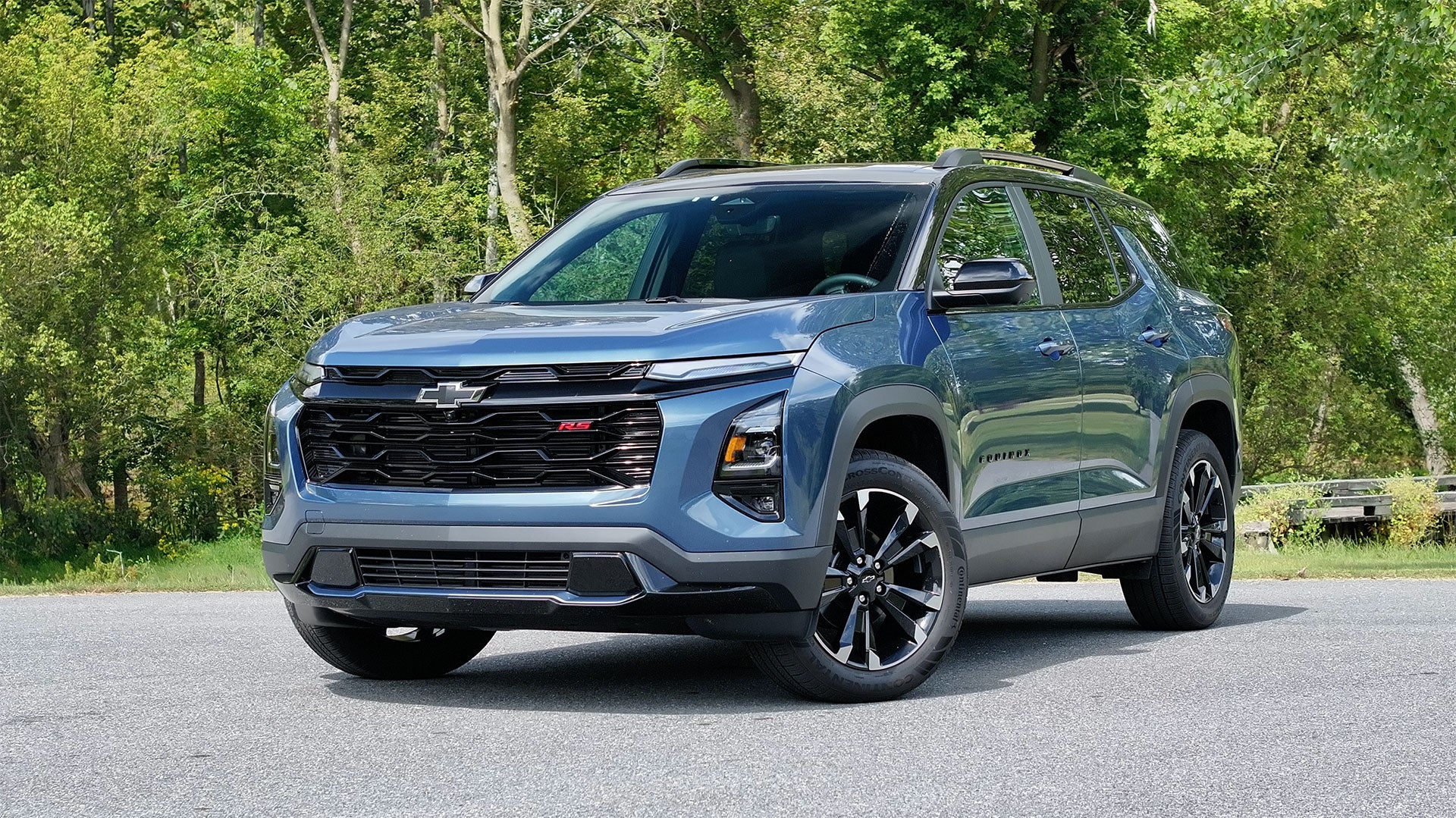
Spring tends to be a season of change, and for many of us in Suffolk County, that includes rethinking what we drive. Whether your winter vehicle just didn’t handle well in the colder months or you’re simply ready for something more reliable and efficient, spring is a great time to look for something new. A strong option for this shift is the Chevrolet Equinox. Practical, easy to manage, and equipped with everyday comfort, it offers a smooth transition into the longer days ahead. Shopping for a new Chevrolet Equinox in Suffolk County this spring gives you the chance to get ahead of warm weather plans, road trips, and the daily driving that seems to pick up once the snow melts.

Why Spring Is a Smart Time to Buy an SUV

Spring feels like a natural reset. With the skies clearing and temperatures rising, car shopping becomes easier and less rushed. Weather plays a big role here. Cold, slushy days can make test drives uncomfortable and messy. Milder spring weather gives you the space and conditions to really pay attention during your search.

  • Many drivers start planning spring break travel or summer getaways right around late March. That’s when passenger space, cargo room, and comfort matter more.
  • Spring is also when household projects ramp up again. With that comes regular trips to garden centers, home stores, or outdoor sites. Having an SUV that helps you carry tools, supplies, or extra passengers makes things a whole lot easier.
  • Another reason we see more shopping in the spring is that dealership stock tends to shift after winter. With fewer unpredictable snow days on the calendar, more people show up. That means you have a wider mix to look through. More trim options and model years usually hit the lot once winter orders clear out.

What to Look For in Your Next Chevrolet Equinox

If the Equinox is already on your list, knowing what features will matter most this season will help you zero in on the right trim. The small things can make a big difference once you’re on the road.

  • Cabin space feels different in spring when you finally venture out more. If you're day-tripping toward the Hamptons or hosting family visits, space for a few bags, snacks, and an extra jacket or two helps keep rides more comfortable.
  • Spring is also when many drivers lean into tech features. Things like wireless Apple CarPlay, Android Auto, and available Wi-Fi help keep passengers calm, especially on longer drives. Driver help systems like lane assist and backup cameras come in handy in tighter spots around shopping areas or parks where lots of cars gather.
  • Fuel efficiency starts moving up the list again too. With nicer weekends, you might spend more time driving. Whether it’s heading south from Suffolk County for vacation or sticking to Long Island, a vehicle that doesn’t guzzle gas can inspire more impromptu trips.

Comparing Trim Levels for Spring Driving

The right trim depends on your plans and your habits. Lucky for us, the Equinox keeps those choices pretty clear without being overwhelming.

  • If you’re sticking to local roads and prefer simplicity, base trims like the LS may be just right. They're good fits for handling school runs, store errands, and daily work commutes in Suffolk County.
  • For drivers who expect more time on the road during spring and summer, moving up to a mid-range LT or Premier can bring upgrades that make a difference. Heated seats for brisk spring mornings, dual-zone climate for changing temperatures, and driver assistance upgrades are all features to look for.
  • Rain is still on the radar in early spring. If you're often traveling through wet roads or dirt paths near beaches or hiking trails, choosing a trim that offers available all-wheel drive might give you more peace of mind. Spring has its own surprises too.

Planning Your Test Drive Around Suffolk County

Once you narrow down your options, the best way to decide is to get behind the wheel. A test drive isn’t just about how a vehicle looks or accelerates. It's about how it fits your life.

  • Try driving routes that reflect what your normal day looks like. Include a mix of quieter streets and a few busy areas like near Smith Haven Mall or through downtown neighborhoods where space gets tight.
  • On your test drive, listen to more than just the engine. Pay attention to the ride feel when going over potholes or rain-covered roads. Notice how smoothly the gear shifts and whether you’re comfortable with the way it handles curves or merges.
  • Test features while you’re parked too. Take a minute to check how intuitive the touchscreens feel, whether the seats adjust the way you want, and if visibility is clear from every angle.
  • Traffic counts too. Set aside a quiet morning early in the week if possible. You’ll be able to take your time on the road without constant stops and jams.

Why the Chevrolet Equinox Stands Out This Spring

At Chevrolet of Smithtown, we offer a wide selection of new Chevrolet Equinox models, each inspected for performance, comfort, and safety to keep up with the unpredictable Long Island weather. The Equinox features Chevrolet Safety Assist as standard on every new model, including automatic emergency braking, lane keep assist, and forward collision alert. Our Saint James, NY, team is ready to help you compare available trims, review the latest technology, and schedule personalized test drives so you can find the right fit for your plans this season.

Ready to upgrade your drive this spring? Review our availability to see which features and trims match your needs, and see how a new Chevrolet Equinox in Suffolk County can bring comfort, versatility, and convenience to your daily routine. Our staff at Chevrolet of Smithtown is available to help you compare options and answer any questions, so stop by or call us when you’re ready to take the next step.
Posted in:

Related Posts

Chevrolet Service

Optimizing Chevrolet Maintenance on Long Island With Genuine Parts

Protect Your Chevy Investment with Smart Maintenance Taking care of your Chevrolet is one of the easiest ways to keep it safe, fun to drive, and ready for your daily routine on Long Island. Regular service helps your Chevy run the way it was designed to, from smooth acceleration to confident braking in stop-and-go traffic. It also helps you avoid surprise repairs and keeps your vehicle more appealing if you choose to trade it in later. Driving here brings a few extra challenges. Coastal weather, salty air, and crowded roads can all speed up wear on important parts. That is why Chevrolet maintenance in Long Island works best with a clear plan and quality parts that match how and where you drive. We serve drivers all over Suffolk County, and we see the same pattern again and again. When Chevy owners follow a steady maintenance schedule and choose genuine parts, their vehicles stay more reliable, feel better on the road, and hold their value longer. Why Long Island Driving Demands Extra Care Living near the water is great, but the salty air is tough on vehicles. Salt can stick to metal surfaces and slowly cause rust, especially underneath your Chevy. Over time, this can affect: Brake lines and calipers Exhaust systems and mufflers Suspension components Frames and undercarriages Stormy weather and heavy rain can push salty water and sand into places you rarely see. That is why regular inspections under the vehicle matter so much for Chevrolet maintenance in Long Island. Catching early signs of corrosion helps keep small problems from growing into bigger ones. Traffic is another factor. Stop-and-go driving on the Long Island Expressway, local parkways, or crowded town roads puts extra load on your engine, transmission, and brakes. Constant starting, stopping, and idling can cause: Faster brake pad and rotor wear Engine oil to break down sooner Transmission fluid to heat up and age more quickly Seasonal changes add one more layer. Late summer often leads into back-to-school traffic, wet weather, and the cooler months that follow. Around this time, it is smart to pay attention to: Battery health, since heat followed by cooler temperatures can strain older batteries Tire tread and air pressure for wet roads and changing temperatures Wiper blades and washer fluid to keep your view clear in heavy rain When you plan ahead, your Chevy is better prepared for everything from early-morning school drop-offs to weekend beach runs and stormy commutes. The Power of Genuine Chevrolet Parts for Long-Term Reliability When something needs to be replaced on your Chevy, the parts you choose make a real difference. Genuine Chevrolet parts are made to the same standards as the parts your vehicle was built with. They are designed to match your specific model, so they fit right the first time and work the way the factory intended. Compared to many generic aftermarket options, genuine Chevrolet parts usually offer: A precise fit for your model and trim Performance designed around your engine, transmission, and electronics Support from the original manufacturer That factory-level match matters most when it comes to safety. Items like brakes, airbags, sensors, and steering components are tuned to work together. Using parts built for your Chevy helps maintain things like braking distance and the way safety systems react in an emergency. Genuine parts are especially important for: Brake jobs, including pads, rotors, and hydraulic components Batteries made to handle your vehicle’s electrical demands Engine parts and sensors that communicate with your Chevy’s computer systems Using the right parts supports warranty coverage and helps keep your vehicle closer to its original condition. That is something many buyers look for when you decide it is time for something new. Building a Maintenance Plan for Chevrolet Owners on Long Island A good maintenance plan is not one-size-fits-all. It should fit how often you drive, where you drive, and the kind of trips you take. Still, there are a few basic steps that almost every Chevy on Long Island needs. A typical schedule often includes: Oil and filter changes at regular mileage or time intervals Tire rotations to even out wear and help with handling Brake inspections to check pads, rotors, and brake fluid Fluid checks for coolant, transmission, power steering, and windshield washer systems Local driving habits can change those intervals. Short trips around town, heavy traffic, and frequent beach visits can all mean your Chevy needs service a bit more often. Sand, salt, and stop-and-go use can speed up wear and cause fluids to age faster. Service advisors who know the area can help you fine-tune your plan. During a visit, they can ask simple questions about: Your daily commute and how far you drive Whether you often drive near the beach or on rougher roads How long you plan to keep your current Chevy From there, you can build a schedule that works with your calendar and keeps your vehicle in good shape without guesswork. How Chevrolet of Smithtown Simplifies Service and Repairs Taking care of your Chevy should feel simple, not stressful. A well-equipped service center can make a big difference, especially when it is focused on your specific brand. Factory-trained technicians are familiar with Chevrolet systems, from engines and transmissions to the latest driver-assist features, and they have access to diagnostic tools built to read your Chevy’s computers correctly. That kind of setup helps with: Finding the true cause of warning lights or odd noises Completing routine maintenance quickly and correctly Installing genuine Chevrolet parts that match your vehicle Convenience matters too, especially with Long Island schedules. Many drivers appreciate: Easy online service scheduling Service specials that help them plan regular visits Quick turnaround for common maintenance like oil changes, tire rotations, and inspections Clear communication also plays a big role in peace of mind. When you know what is needed now, what can wait, and why a service is recommended, it is much easier to make smart choices for your Chevy. A good service team will go over estimates with you, explain the work in plain language, and point out which repairs are urgent versus optional. Take the Next Step Toward Worry-Free Chevrolet Ownership Chevrolet maintenance in Long Island does not have to be complicated. A steady plan, genuine Chevrolet parts, and support from trained technicians can keep your vehicle comfortable, efficient, and ready for the road ahead. Regular checkups before weather shifts or busy seasons give you a chance to fix small issues early and keep your Chevy feeling solid year after year. By working with a local Chevy-focused team like Chevrolet of Smithtown, you get service that understands both your vehicle and your daily drive. With the right care, your Chevy can handle salty air, crowded roads, and changing seasons with confidence, so you can focus on enjoying every trip across Suffolk County. Keep Your Chevrolet Running Like New All Year Long When you are ready to stay ahead of repairs and protect your investment, schedule your Chevrolet maintenance in Long Island with our certified team at Chevrolet of Smithtown. We use genuine parts, advanced diagnostics, and factory-recommended procedures to help keep your vehicle safe and reliable on every drive. If you have questions about service intervals, pricing, or appointment availability, please contact us so we can help you plan your next visit with confidence.

Salt-Air Corrosion

Coastal Driving in Suffolk: Salt-Air Corrosion Protection & Undercarriage Care

Protect Your Chevy From Long Island’s Coastal Conditions Driving in Suffolk County means a lot of time near the water. Beach runs to Smith Point or Sunken Meadow, ferry trips, and daily commutes along the South Shore and North Shore all come with salty air and sandy roads. That mix feels great for us, but it can be tough on your Chevy if the undercarriage is not cared for. Salt, sand, and moisture can slowly attack the bottom of your vehicle where you do not usually look. Over time, they can cause rust, weaken key parts, and affect how your Chevy stops, steers, and rides. With help from Chevrolet Certified Service in Suffolk County, you can stay ahead of corrosion and keep your vehicle safer and smoother for the long haul. In this guide, we will talk through how salt air and sand cause damage, what makes late summer and fall, a smart time for undercarriage care, what trained technicians look for under your Chevy, and how professional cleaning and protection can work together to fight rust from the bottom up. How Salt Air and Sand Attack Your Undercarriage Coastal air is full of tiny salt particles. When you drive, that salty moisture clings to metal parts under your vehicle. Add sand from the beach and roadside shoulders, and you get a rough mix that can wear away protective layers and trap salty water where it does the most harm. Here is how that combo causes trouble under your Chevy: Salt speeds up rust on exposed metal, especially where paint or factory coatings are chipped Sand acts like sandpaper, scuffing coatings and leaving bare spots behind Damp sand packs into corners and seams and holds moisture against the metal Repeated wet and dry cycles help rust spread along lines, brackets, and welds Some of the most vulnerable parts under the vehicle include: Brake lines and fuel lines Suspension arms, springs, and mounting points Frame rails, crossmembers, and welds Exhaust pipes, mufflers, and hangers Bolts, clips, brackets, and other hardware In Suffolk County, this exposure builds up over the seasons. Summer beach days bring sand and salt spray. Fall storms push salt air farther inland and leave puddles that can be salty. In winter, road treatments can add more corrosive material to the mix. Even though modern Chevy models have better rust protection than older vehicles, repeated coastal driving without the right care can still lead to long-term damage underneath. Seasonal Undercarriage Care for Late Summer and Fall Late August and early fall are smart times to focus on the undercarriage. By then, your Chevy has gone through months of beach trips, hot parking lots near the bay, and long days by the water. It is also right before cooler, wetter weather and rougher road conditions arrive. A few simple habits can help limit extra exposure between professional service visits: Avoid driving through standing saltwater by the beach when you can Do not park for long stretches over damp, salty sand or wet grass After sandy trips, choose a wash that includes an underbody rinse Knock off loose sand from mats and steps so less grit sticks underneath For local drivers, a seasonal rhythm works well: End of summer: a thorough wash and undercarriage inspection after peak beach season Before winter: a deeper check of lines, frame, and shields ahead of storms and road treatments After winter: a follow-up inspection to spot fresh rust or damage and plan repairs early This is not just about how the bottom of your Chevy looks. Corrosion can weaken structural parts that help protect you in a crash. It can thin brake lines, affect how the suspension handles bumps, and even change alignment over time. Staying on top of undercarriage care is as much about safety as it is about keeping your Chevy looking good. What Certified Technicians Look for Under Your Chevy When you bring your vehicle to Chevrolet Certified Service in Suffolk County, trained technicians follow factory-based guidelines to check the areas many owners never see. They know where salt and sand like to hide and how early rust can appear on different Chevy models. During an undercarriage inspection, they focus on: Differences between light surface rust and deeper rust scale on the frame and crossmembers Condition of brake lines and fuel lines, looking for swelling, pitting, or flaking Suspension components, including bushings, ball joint boots, and mounting points Exhaust parts such as clamps, hangers, heat shields, and joints They also pay close attention to plastic shields, wheel well liners, and splash guards. These pieces are there to block salt, sand, and water from hitting sensitive parts, but only if they are: Properly attached Not cracked or broken Not packed with sand and debris If a shield is damaged or missing, that area can rust faster. Certified technicians document what they find, point out anything that affects safety first, and discuss steps to slow or stop corrosion before it becomes a serious repair. The focus is on catching small issues early, not waiting for a surprise leak, broken bracket, or structural concern. Professional Corrosion Protection and Cleaning Options Professional undercarriage care goes beyond a quick pass through a standard car wash. At a Chevrolet service center, the team has the tools and training to target the areas that see the most salt, sand, and moisture. Typical services can include: High-pressure underbody cleaning to flush out packed sand and salty residue Rust treatment for early problem spots so they do not spread as quickly Application of protective coatings or sealants on exposed metal where appropriate It is helpful to know the difference between a quick underbody spray and a more careful cleaning. A basic spray is better than nothing, but it may not reach: Inner frame channels Crossmembers and brackets Seams where panels meet Tight corners around fuel tanks and suspension mounts A more focused service aims water and cleaners into those hidden areas and checks them afterward. For many Suffolk County drivers, extra protective coatings or rustproofing products may make sense if the vehicle is: Driven to the beach often Used for towing boats or trailers near the water Expected to stay in the family for many years With Chevrolet Certified Service in Suffolk County, products and methods are chosen with your specific vehicle in mind so they work with the way your Chevy was designed instead of working against it. Keep Your Chevy Coastal-Ready with Chevrolet of Smithtown Coastal living is one of the best parts of driving in Suffolk County, and your Chevy should be ready to enjoy it without hidden damage building up underneath. Regular undercarriage inspections, smart driving habits near the water, and professional cleaning and protection can all work together to keep rust in check. At Chevrolet of Smithtown, our service team understands the local roads, the salty air, and how they affect Chevy vehicles over time. With Chevrolet Certified Service in Suffolk County, we help drivers create a simple plan for undercarriage care that matches how and where they drive, so their vehicles can handle beach days, bay roads, and daily commutes with confidence from the frame up. Keep Your Chevrolet Running Its Best With Expert Care When your vehicle needs attention, our team at Chevrolet of Smithtown is ready to provide trusted Chevrolet certified service in Suffolk County tailored to your car or truck. From routine maintenance to more complex repairs, we focus on getting the job done right so you can drive with confidence. Schedule your service appointment online today or contact us with any questions about your vehicle’s needs.

Brake Fluid

Brake Fluid Service for Chevy Drivers on Long Island: Flush Intervals and ABS

Protect Your Chevy’s Stopping Power on Long Island Roads Brake fluid is one of those things you do not really think about until something feels off with your brakes. But that clear fluid in your Chevy’s brake system has a big job: helping your vehicle stop quickly and safely in Long Island traffic. With stop-and-go driving on Middle Country Road, sudden slowdowns on the Expressway, and wet, salty air from the coast, your brakes work hard every day. Old or contaminated brake fluid can change how your pedal feels, increase your stopping distance, and even affect how your ABS responds when you need it most. We want Long Island drivers to understand how brake fluid works, why fresh fluid matters, and when it is time for service. Our goal is to help you keep your Chevy’s stopping power strong, mile after mile. What Brake Fluid Really Does in Your Chevy Think of brake fluid as the link between your foot and your brakes. When you press the pedal, you are not pushing the brake pads directly. You are creating hydraulic pressure in a sealed system, and the brake fluid carries that pressure to the calipers and wheel cylinders at each wheel. Here is what is happening every time you slow down: Your foot pushes the brake pedal The master cylinder pressurizes the brake fluid That pressure travels through brake lines to each wheel Calipers or wheel cylinders clamp the pads or shoes against the rotors or drums Modern Chevy vehicles do not stop using only basic hydraulic pressure. They also rely on electronics like ABS and stability control. These systems need clean, consistent fluid so they can react quickly during: Hard, sudden stops Wet or slippery road conditions Emergency maneuvers, like avoiding an obstacle Most Chevys use DOT 3 or DOT 4 glycol-based brake fluid. They look similar, but they are not the same. Each fluid type has its own boiling point and performance range. Using the fluid type General Motors specifies for your model helps: Maintain proper pedal feel Support ABS and stability control performance Reduce wear on internal brake parts If you are unsure which fluid your Chevy uses, the owner’s manual will list the correct type. Moisture, Corrosion, and Long Island’s Coastal Climate Brake fluid is hygroscopic, which means it absorbs moisture from the air over time. Even though the brake system is sealed, tiny openings at the reservoir cap and rubber hoses can still allow moisture in. On Long Island, the humid, coastal climate speeds this process up. Warm, damp summer air, salt from nearby water, and seasonal temperature swings all work against your brake fluid. As moisture builds up, a few problems can start inside the system: Lower boiling point, which can lead to brake fade during hard stops or long drives Internal corrosion in brake lines, calipers, and ABS components Sludge or discoloration in the fluid, which can affect moving parts Signs that moisture or age may be affecting your brake fluid include: A soft or spongy brake pedal Longer stopping distances than you are used to Dark, brown, or cloudy fluid instead of clear or light amber If you notice any of these changes while driving around Smithtown or nearby towns, it is a good time to have your brake system inspected by a professional. Recommended Brake Fluid Flush Intervals for Chevy Drivers Brake fluid does not last forever. Even if you do not drive a lot of miles, the fluid still ages with time. A common rule is to flush the brake fluid roughly every 2 to 3 years, or as recommended in your Chevy owner’s manual. Your ideal interval can change based on how and where you drive: Frequent stop-and-go commuting Regular trips through hilly parts of Suffolk County Towing trailers, boats, or campers Driving in heavy traffic during hot weather These conditions can heat up the brake system and put more stress on the fluid. That means it may need to be serviced sooner. Many drivers like to plan brake checks around seasonal changes. Some helpful times to have your brake fluid inspected or tested are: Late summer, before school traffic and busier roads start up again Before winter, when cold, wet, and icy conditions challenge ABS and traction systems The most important thing is to follow the guidelines in your Chevy’s manual and work with a service team that understands and follows GM’s recommended maintenance schedule. How Fresh Brake Fluid Supports ABS and Emergency Braking Your ABS is designed to help you steer and stay in control when you brake hard. It uses sensors at each wheel and a control unit that rapidly applies and releases brake pressure so the wheels do not lock up. For that system to respond quickly, it needs clean brake fluid moving freely through very small passages inside: ABS valves Pumps Control modules When brake fluid is old, contaminated, or full of moisture, it can: Slow the flow of fluid through those small parts Cause sticky valves or uneven pressure Delay ABS response in a panic stop On wet Long Island roads or during sudden stops in traffic, those delays can matter. Fresh, properly bled brake fluid helps: Keep pedal feel firm and consistent Support fast ABS reaction when a wheel starts to lock Maintain stability control performance in tight or slippery turns Professional brake fluid service is more than just draining and refilling. A complete service typically includes: Visual inspection of the brake fluid and components Testing the fluid for moisture content or contamination Using specialized equipment to flush and bleed the system correctly This level of care is especially important on newer Chevy models that use advanced safety and driver-assistance features that work closely with the brake and ABS system. Why Choose Chevrolet of Smithtown for Brake Fluid Service When it is time for Chevy brake service in Smithtown, having the work done by a team that knows your vehicle can make a difference. A dealership service department is focused on Chevrolet models, from compact cars to trucks and SUVs. Here are some benefits of choosing a Chevy-focused service-team for brake fluid work: Technicians who are trained on Chevy braking and ABS systems Factory-approved brake fluids and parts designed for your vehicle Diagnostic tools built to communicate with GM control modules It is also common to combine a brake fluid flush with other maintenance tasks to save time and help keep your whole brake system in sync, such as: Brake pad and rotor inspection Tire rotation or tire inspection Alignment check Because we are located right in the Smithtown area and serve nearby communities like St. James, Lake Grove, and greater Suffolk County, we see the real road conditions your Chevy handles every day. That local experience helps us make service suggestions that fit how you actually drive, not just what is printed on a generic schedule. Keeping fresh brake fluid in your Chevy is a simple step that can pay off with better pedal feel, shorter, more confident stops, and reliable ABS performance on every trip across Long Island. Protect Your Stopping Power With Expert Brake Care Keep your Chevy responsive and safe with brake service handled by factory-trained technicians who know your vehicle inside and out. Schedule your Chevy brake service in Smithtown today and we will inspect, diagnose, and address any issues before they become bigger problems. At Chevrolet of Smithtown, we use quality parts and clear communication so you always know what is being done to your vehicle. If you have questions before booking, feel free to contact us and we will help you choose the right service for your needs.