




Blog / Saint James Chevrolet Dealer

Blog

All Saint James Chevrolet Dealer
Car’s Catalytic Converter

Why Chevrolet Catalytic Converter Service on Long Island Matters in Winter

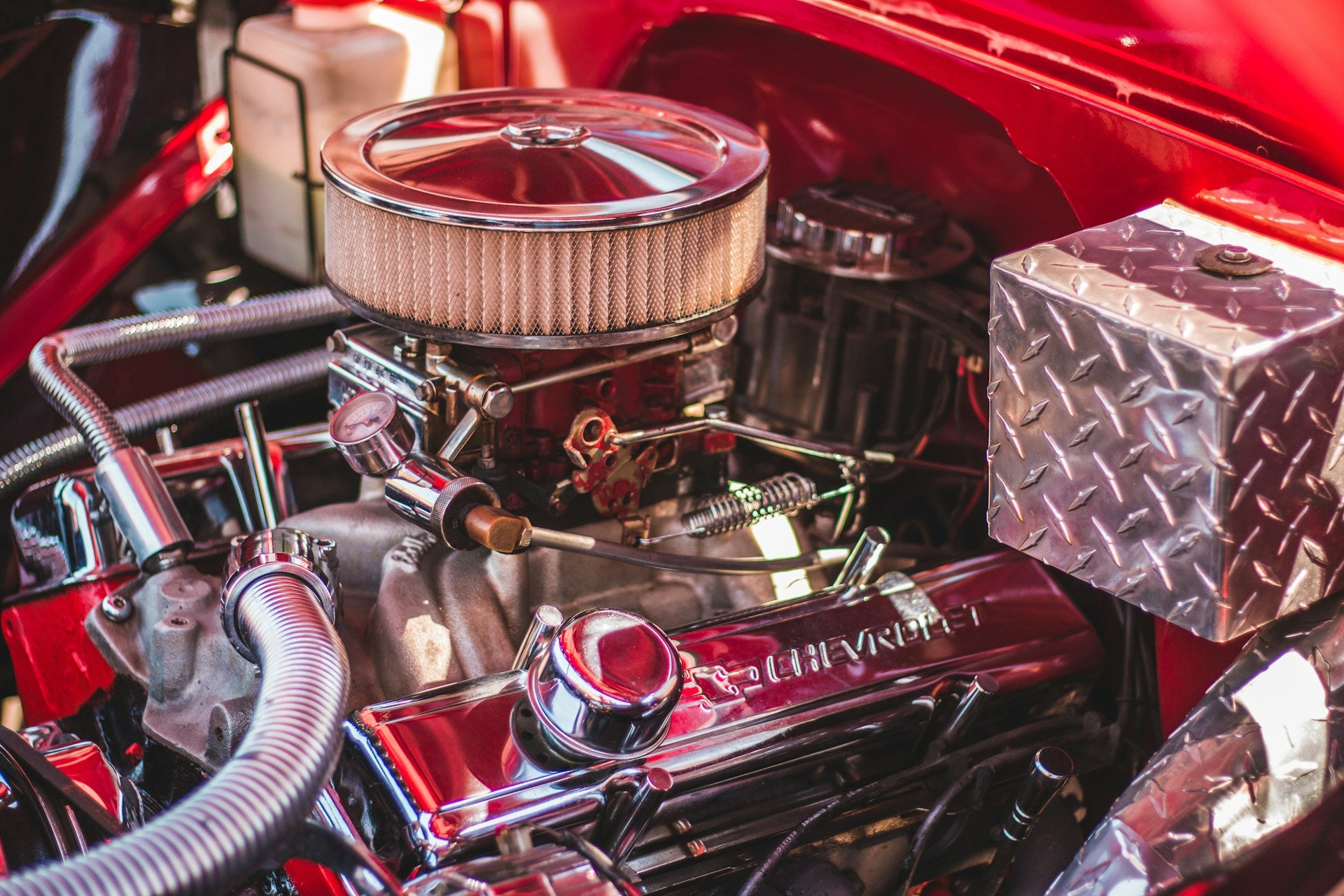
Winter on Long Island doesn’t just cool you down. It takes a real toll on your car too. Snowy roads, salty slush, and freezing air can quietly chip away at how your vehicle performs. One part that often gets overlooked this time of year is the catalytic converter. It’s hidden underneath your car, but when winter hits, that part works extra hard, and sometimes fails without much warning. more That’s exactly why getting Chevrolet catalytic converter service on Long Island can make a difference. When this part starts to break down, it can cause more issues than you might expect, especially when long waits, cold starts, and icy roads are already slowing you down. Knowing what your catalytic converter does and how cold conditions can wear it out makes it easier to spot problems before they get worse. What a Catalytic Converter Actually Does Even though it’s not something most drivers think about until there’s a problem, your catalytic converter is constantly working behind the scenes. Its job is to clean up the gases your engine makes before they hit the air outside. It turns harmful gases like carbon monoxide into less toxic ones so your exhaust is cleaner It plays a part in keeping your engine balanced and running steadily It’s required by law to pass state inspection and keep your car road-legal in New York When it’s working right, you don’t really notice it doing anything. But once it begins to fail, the signs usually show up fast, especially in cold temps when your car’s working harder to get moving. Why Cold Weather Creates Problems for This Part Catalytic converters take in a lot of road abuse during the winter. They’re tucked underneath your vehicle, right in the path of all that salt, slush, and frozen water from the road. Once that stuff starts to collect and refreeze, it adds stress the system wasn’t built for. Short drives are another issue. Since it takes engine heat to keep your catalytic converter working, quick runs to the store in below-freezing temps barely give it time to do its job. That can lead to clogs or cold starts that trigger misfires. You may even notice the smell of raw fuel early in the morning, which could mean your system’s not burning as clean as it should. Salt and grime can build up and cause the outer shell to rust Fast-cooling metal expands and contracts, leading to cracks or breakage Short trips don’t let the inside of the converter get hot enough to work right It’s common for these problems to show up after holiday travel or a season of quick errands. If something feels off when you start your car, the converter could be part of the cause. Signs You Might Need Service Sooner Than You Think Any part of your exhaust that’s acting up is going to show warning signs before it fails outright. You might not notice them at first, especially if your vehicle seems to run fine at higher speeds. But the small clues can start to pile up. The check engine light turns on, sometimes only during colder starts Your car smells like rotten eggs or burning chemicals Rattling or popping happens under the car when you crank it up Sluggish engine response, slow acceleration, or poor fuel mileage creeps in All of these can connect back to your catalytic converter, especially during the winter when it’s harder to keep things working smoothly. The signals may come and go, but they’re usually your vehicle’s way of asking for help. The Value of Getting it Checked by a Local Shop Winter driving in Suffolk County isn’t the same as other areas. Long Island roads come with their own mix of stop-and-go driving, salty conditions, and sudden storms. That’s why a shop familiar with the area can spot cold-weather wear others might miss. Local techs know how snow, black ice, and salty roads affect underbody parts Winter damage often looks minor but can lead to full converter failure Long Island driving includes everything from short beach town trips to longer commutes, which creates unique wear patterns Getting your catalytic converter inspected by people who see winter damage every day means there’s a better chance of catching early issues before they turn into bigger ones. Chevrolet of Smithtown provides certified catalytic converter inspection and repair as part of our dedicated service department. All maintenance and repair are carried out by GM-certified technicians who specialize in the unique driving conditions on Long Island. How a Clean Catalytic Converter Makes Winter Driving Safer Most people don’t think of their exhaust working harder during the winter, but it does. A clean catalytic converter doesn’t just help with emissions, it actually smooths out the way your entire car responds in colder weather. Faster warm-ups mean less time sitting in a frozen car first thing in the morning Cleaner exhaust pathways reduce pressure that would otherwise drag on the engine Better fuel balance helps avoid stalling, misfires, and jumpy acceleration By keeping this part in working order, your whole system runs the way it should. That means no surprises when you’re trying to pass on a slick road or warm your car up for a school drop-off. You save time, reduce stress, and protect the rest of your engine in the process. Stay Road-Ready with Local Service Expertise Staying aware of how winter conditions affect your vehicle can make a big difference, especially when hidden parts like the catalytic converter start struggling. Cold, salt-covered roads can quietly wear out the systems that help your car breathe and burn fuel the right way. When those parts fail, your vehicle is left feeling sluggish or unstable just when you need it to handle better. When you need a thorough exhaust check, Chevrolet of Smithtown is ready with scheduled service, parts replacement, and maintenance specials that help keep Long Island drivers moving confidently all winter. When colder weather hits and your car starts making unusual noises or losing performance, it might be time to address hidden exhaust issues. Seasonal buildup and winter damage can cause problems that disrupt your daily drive. By paying attention to early warning signs, you can avoid being sidelined during a snowstorm or your morning commute. Stay ahead of winter car troubles and book your Chevrolet catalytic converter service on Long Island with Chevrolet of Smithtown today.

Silverado

Common Winter Concerns for the New Chevy Silverado on Long Island

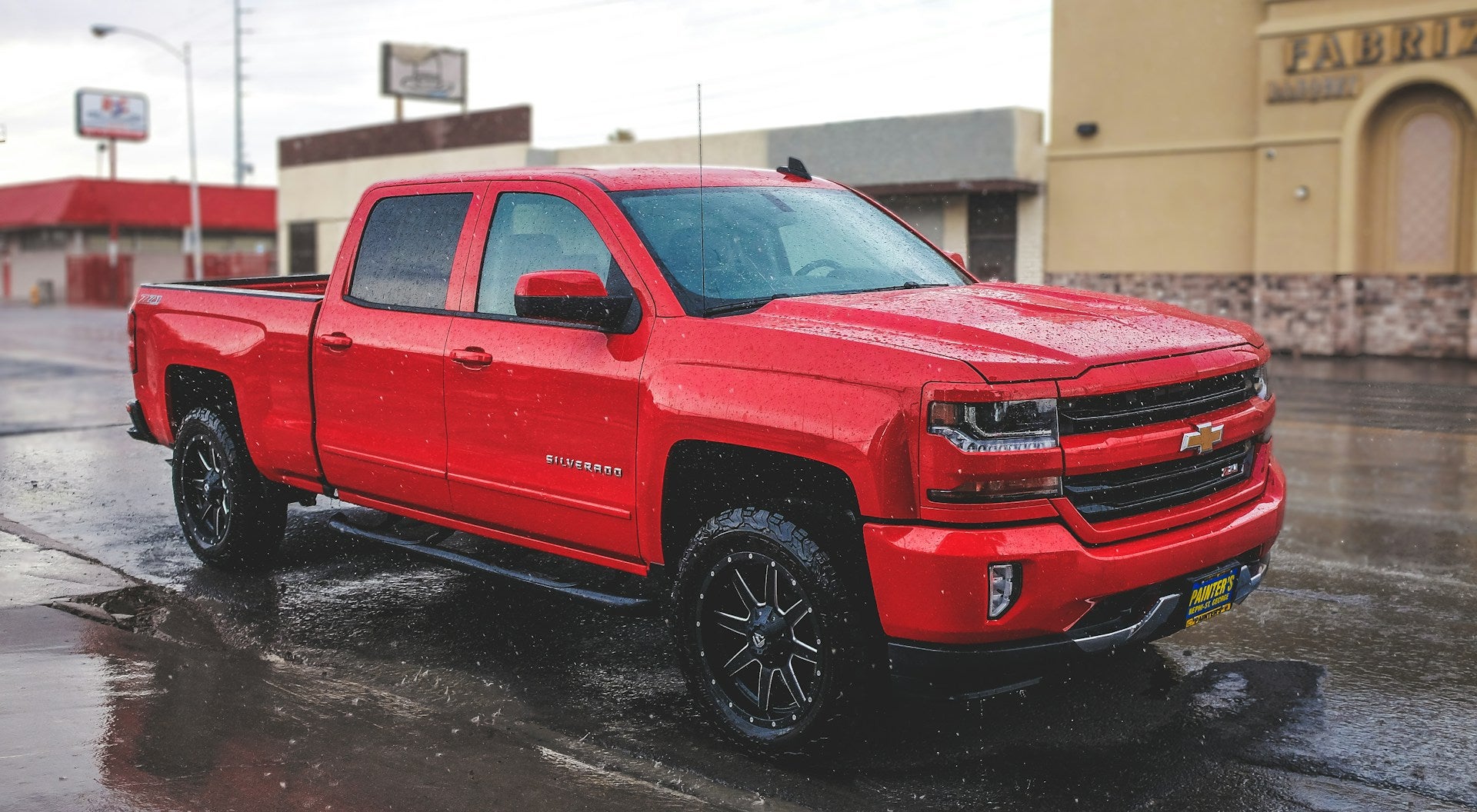
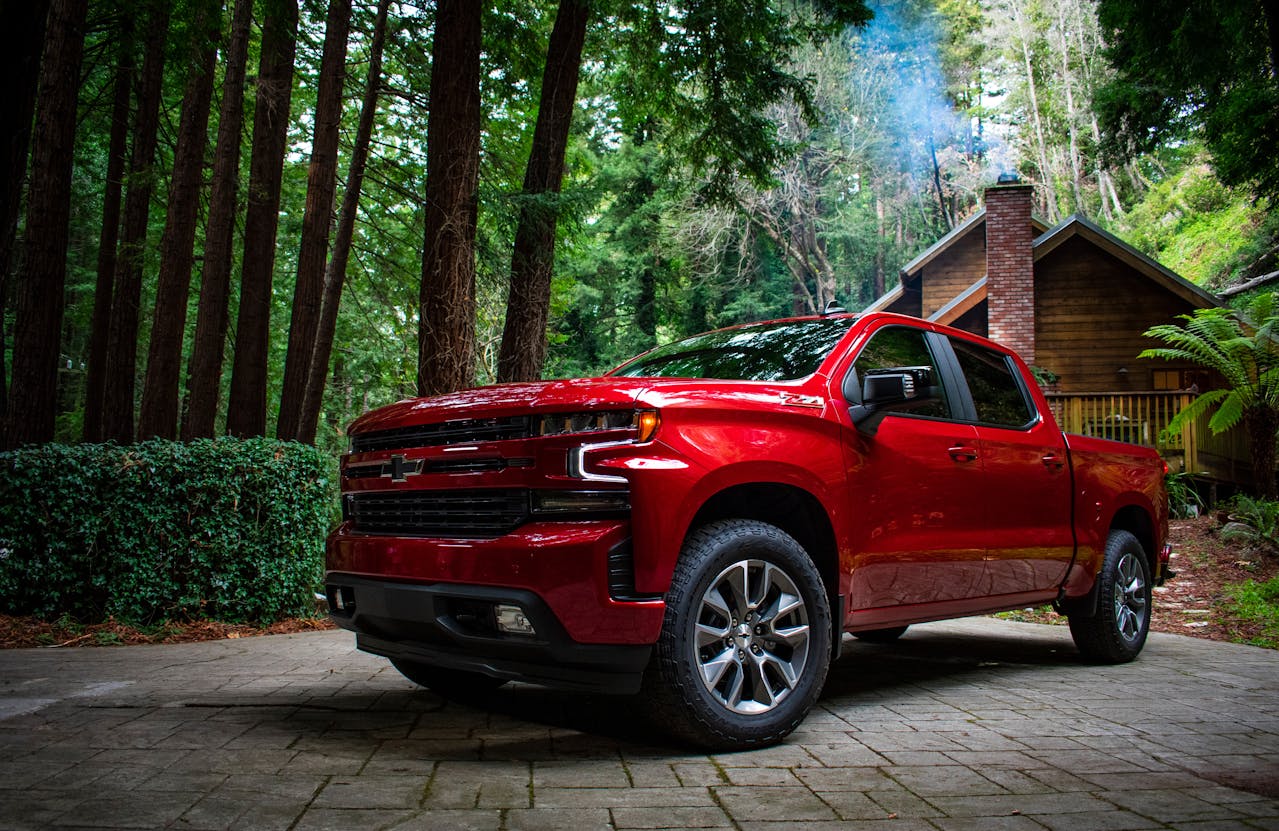
Winter on Long Island brings challenges that truck owners feel more than most drivers. Even though the new Chevy Silverado on Long Island is built with strength in mind, cold months still test its systems in ways that warmer seasons don't. From slow morning startups to icy roads and reduced visibility, there’s a handful of things that need attention once the temperature really drops. If you rely on your truck to get through daily life in Suffolk County, staying alert to the most common winter-related issues makes a big difference. Let’s walk through the areas where problems tend to show up first, especially in January and February when the cold is at its worst. more Winter Battery Strain in Cold Starts When temperatures drop, batteries have to work harder. That’s true across the board, but in trucks with larger engines like the Silverado, the effect shows up more quickly. You might notice your engine turning over more slowly in the morning, especially after a cold night in the driveway or exposed parking lot. Short trips don't allow the battery to fully recharge, which can drain it faster than expected Long cold starts cause wear on the starter and other parts over time A weak battery can lead to sluggish or failed starts as winter goes on If you’ve been making a lot of local runs, down the street to school or over to the store, your battery may not be getting the time it needs to fully boost back up. We recommend checking your battery if you’re hearing hesitation when you turn the key. You can take advantage of our certified service center, which offers battery checks and replacements specifically for the Chevy Silverado. Tire Pressure Drops and Traction Issues Cold air affects tire pressure almost immediately. When a cold front rolls through Long Island, it’s not unusual to see your dashboard light up with a warning before you even start driving. It only takes a small drop in temperature overnight for your tires to lose some of their grip on the road. Lower tire pressure reduces surface contact and can cause slipping on icy roads Slushy intersections, parking lots, and ramps become harder to navigate without proper tire inflation Uneven tire wear shows up quicker when driving in cold weather with inconsistent pressure When traction gets worse, stopping distance increases, and that’s the last thing you want when driving through winter traffic in Suffolk County. Our on-site tire experts can assist with pressure checks, rotations, and seasonal tire recommendations perfectly suited for New York winters. Salt Exposure and Undercarriage Corrosion Road salt plays a big part in keeping streets safer, but it does damage over time. During winter months on Long Island, salt trucks are a regular sight, especially during morning commutes and after snowstorms. That salt ends up clinging to the underside of your Silverado. Salt can gather in tight spots around the suspension, exhaust, and brackets Any existing rust can spread faster under repeated exposure to salt and moisture Even short drives through treated roads can lead to corrosion if buildup isn’t cleaned off Weekly washes focused on the undercarriage, especially when temps bounce above freezing, can help. But if untreated, salt exposure can shorten the life of key parts underneath the truck. When service is needed, Chevrolet of Smithtown offers thorough multi-point inspections as part of our express service menu, checking for corrosion and other winter-related issues. Slow Cabin Warm-Up and HVAC Performance A cold truck cabin isn't just uncomfortable, it can be a sign that your HVAC system is struggling. While newer models like the Silverado tend to have efficient heating setups, extreme cold can highlight underlying issues. Defrosters may take longer to clear windows if airflow is blocked or filters are dirty Unusual smells or clicking sounds when turning on heat can be early signs of HVAC strain Loss of cabin heat during idle suggests the system isn’t circulating properly When you're dealing with school drop-offs or waiting in parking lots, slow warm-ups aren't just annoying, they add time to your routine. Clean airflow is key during winter, not just for comfort but for safe driving with a clear windshield. Drivers often forget that cabin comfort in freezing weather has as much to do with regular filter and blower checks as it does with the heating controls. If you find that your windows stay fogged for longer or the cabin never seems to warm up, a quick look at the HVAC system may save you time and discomfort throughout the season. Blind Spots and Driver Visibility in Snowy Conditions Visibility during winter doesn’t stop at windshield wipers. Your mirrors, backup camera, and blind spot sensors are all exposed to snow, sleet, and freezing rain. Even a little buildup can throw off what you're able to see or what your safety systems are able to detect. Mirrors get crusted over and lose their usefulness quickly Rear cameras can become blurry or blocked entirely with one snowfall Frozen sensors may not pick up nearby cars or objects during lane changes or parking These systems don't clean themselves. Taking a moment each day to wipe down lenses and check for snow around sensors or backup areas can help prevent avoidable bumps and close calls. Driving through dense snow or after a heavy freeze can make sensors and cameras struggle to keep up, which can limit the Silverado’s safety features. Staying on top of clearing off these technologies is one of the simplest ways to ensure all the features you rely on remain as functional as possible, especially on dark winter mornings and after evening commutes. Staying Ahead of Seasonal Wear Getting through a Suffolk County winter means more than just trusting your Silverado’s four-wheel drive. Even the sturdiest truck benefits from regular attention during the cold months. The more time we spend in stop-and-go traffic, wet roads, and frozen parking lots, the more those little warning signs matter. By addressing problems early, whether it’s checking the tires after a snowstorm or paying attention to how fast the engine turns over, you’re keeping the new Chevy Silverado on Long Island at its best through some of the toughest weeks of the year. Paying attention now saves time and stress down the road. Keeping your truck running right isn’t hard if you stay ahead of the most common cold weather problems. Take a moment every week to walk around your Silverado, listen for changes in the way it starts up, and look underneath for signs of salt or rust accumulation. Small actions can prevent larger repairs, keep your trips predictable, and allow you to maximize the reliability of your truck during these challenging months. Winter driving in Suffolk County can be tough, but a truck built for cold-weather performance makes all the difference. Explore our current selection of the new Chevy Silverado on Long Island to find a model that matches your routine, road conditions, and real-world needs. At Chevrolet of Smithtown, we’re ready to help you choose a reliable truck so you can tackle winter roads with confidence, just give us a call to get started.

Chevrolet Dealership

What to Check Before Visiting a Chevrolet Dealership in Suffolk County

Getting ready to stop by a Chevrolet dealership in Suffolk County takes more than just picking a date and heading out the door. A little planning before your visit can make a real difference. Whether you're shopping for your next car or just there to check out your options, knowing what to look for can help you avoid wasting time and feel more comfortable asking questions along the way. more This time of year, winter weather brings its own challenges. Road conditions, holiday delays, and unexpected snow can all slow down your trip. So having a plan ahead of time makes it easier to focus on what matters, finding the right vehicle or gathering the info you need. Here's what we always suggest checking before walking into the showroom. Know What You Want Before You Arrive Taking a few minutes to narrow down your options can save you hours once you're at the dealership. Even if you're not totally sure what you want yet, having a sense of direction helps. Start by thinking about your budget. Know what you're comfortable spending monthly if you plan to finance. That will affect the models worth looking at. Make a list of your non-negotiables. Do you want a compact SUV or full-size truck? Does fuel economy matter more than power? Think through what will match your daily needs. Consider both new and used vehicles if you're open to either. Check body styles, trim levels, and drivetrain options to compare what each model offers. Jot down how you'll use the car most, such as school drop-offs, long commutes, or weekend travel. That can shape whether you want cargo space, easy parking, or highway comfort. Even knowing what you're not interested in can be helpful. It's easier for us to guide you to something that checks your boxes when you show up with a starting point. Gather the Right Paperwork When you're stopping by for more than just a look, like a test drive or trade-in evaluation, it helps to bring the right documents. Having these on hand can speed up your visit and avoid trips back home. Bring a valid driver's license and proof of insurance. This is standard for any test drive at a dealership. If you're thinking about trading in a vehicle, remember to grab your current registration. If you're still paying off a loan, you'll also want information from your finance lender. For those planning to apply for credit, income documents like recent pay stubs or employment verification will come in handy. They help us answer questions faster about pre-approvals. We've seen people show up ready to test drive something but have to reschedule because they're missing paperwork. A quick check before you leave can prevent those holdups. Schedule Service Questions Separately When Needed Sometimes customers show up for a vehicle search and realize they have questions about service or need help with parts. That's totally fine, but it's better when those topics don't get mixed into your main visit. Make a separate list if you also want to talk about upcoming service or ask about replacement parts. That way, you don't forget anything while focusing on the cars. If you're currently having issues with your existing vehicle, like unusual noises, lights on the dash, or uneven tire wear, write those out too. Always check online or call ahead to see if service appointments are required, especially during winter months when shop schedules fill up quickly. To give your vehicle the care it deserves, consider scheduling certified Chevrolet service for repair, maintenance, or parts replacement. We offer GM-certified technicians and use genuine OEM parts for service and repairs, so your vehicle receives professional attention every visit. Check the Weather and Plan Accordingly January in Suffolk County usually brings cold wind, slick roads, and sometimes heavy snow. If you're planning a visit to the dealership this time of year, the weather needs to factor into your prep. Dress in warm, weather-appropriate layers. Test driving vehicles often means walking through snow-covered lots or driving with cold tires. Keep an eye on your route before you leave. If there's snow or ice, take it slow and leave earlier to stay safe and relaxed. Ask if there's a preferred test drive route that avoids slushy roads or hilly terrain. We'll do our best to keep the drive comfortable, but it helps when everyone's aware of how road conditions affect handling. By checking the forecast and building a little wiggle room into your schedule, you'll avoid the stress of running behind or driving in risky conditions. Ask the Right Questions On-Site Once you're at the dealership, don't be afraid to speak up. Whether you're looking at used or new models, the right questions up front will save you from surprises later. For used models, ask about accident history, service records, or previous ownership. With new vehicles, it helps to ask about different trim levels and what's standard versus optional. If you're having trouble picking between two or three models, request a side-by-side comparison. Seeing how the features and pricing stack up makes it easier to decide. Ask about warranty coverage and availability before you fall in love with something that may not be in stock. We provide a wide range of options, including the latest new Chevrolet models, Certified Pre-Owned vehicles, and a selection of used cars. Our on-site staff can walk you through features, safety tech, and smart infotainment systems available across the Chevy lineup, helping you make informed comparisons during your visit. Final Steps for a Confident Dealership Visit A little preparation goes a long way when you're headed to a Chevrolet dealership in Suffolk County. Whether you're visiting us to test drive your next truck, trade in your current car, or simply ask about models that fit your budget, having a clear plan makes everything smoother. When you're ready, don't just bring your questions, bring your confidence too. Putting in your prep time helps you feel more in control once you're here, especially during a Long Island winter when time and comfort matter more than ever. Get ready for an exceptional experience at our Chevrolet dealership in Suffolk County. At Chevrolet of Smithtown, we strive to ensure your visit is smooth and productive. Our team is ready to assist you with finding the perfect vehicle that fits your lifestyle and needs. Feel prepared and confident knowing we’re here to support you every step of the way.

Chevy Oxygen Sensor

How to Spot Chevy Oxygen Sensor Issues on Long Island Roads

Winters on Long Island bring more than just cold temperatures and snow-lined roads. They bring more to think about when it comes to keeping your Chevy in good working shape, especially if you're driving regularly through neighborhoods, school zones, or slower traffic near shopping plazas. One area that often gets overlooked is the oxygen sensor. It’s a small part, but it plays a big role in how your engine runs. more The oxygen sensor keeps tabs on the level of oxygen in your exhaust and helps your engine decide how much fuel it needs to burn. When it’s not working right, your Chevy may run less efficiently, and that’s when issues start piling up. If you’ve been putting off getting your car checked, consider asking about Chevy oxygen sensor service on Long Island before the heart of winter hits. What the Oxygen Sensor Does in Your Chevy The oxygen sensor works like a translator between your exhaust system and your engine. It checks how much oxygen is in the exhaust and sends that information to your car’s computer. From there, the system adjusts the fuel and air mix for better performance. A working sensor helps the engine “breathe” the right way. It burns fuel more cleanly and gives you smoother acceleration. When fuel balance is off, you might notice poor gas mileage or a sharp smell from your tailpipe. Emissions control is another job of the oxygen sensor. On Long Island, where state inspections check emissions levels, a faulty sensor could cause your vehicle to fail. During colder months, the sensor has to work harder. Cold starts, thick exhaust, and moisture can throw off how it reads the gases. If the sensor begins to misread data, your engine will struggle to keep its performance balanced. Common Signs of a Failing Oxygen Sensor Oxygen sensor problems often build up slowly but show themselves in small clues. Cold weather can make those clues pop up faster. When you're dealing with extra idling, packed morning traffic, and short school pick-ups, those little signs are easier to spot. A rough idle or engine that feels like it’s “hunting” for the right speed Lower fuel mileage, especially if you're filling up more than usual despite driving less Check engine light turning on with no obvious cause Stop-and-go traffic around Long Island’s towns and residential areas can make it worse. You might also see changes when driving in snow or rain, like dark smoke or hesitation when accelerating. On longer drives, like from Smithtown to Riverhead, the engine may feel sluggish or inconsistent if the sensor isn't working the way it should. Weather and Road Conditions That Make It Worse Winter in Suffolk County brings freezing temperatures, slushy puddles, and salted roads. All of that might seem like just surface-level trouble, but they don’t stop at the tires. Road salt can corrode the wires and connectors around your oxygen sensor Slush and water spray can cause moisture to creep inside, especially if your undercarriage is already worn Rapid temperature swings, like going from a 20-degree morning warm-up to a 45-degree afternoon, make sensors expand and contract, which shortens their life And then there’s the effect of those quick, short trips in the cold. If you’re only driving five minutes here and there, your engine may never fully warm up. That delay hurts the oxygen sensor’s ability to take a proper reading, especially first thing in the morning. When to Ask About Chevy Oxygen Sensor Service on Long Island So when does the sensor deserve your attention? Some drivers wait until the check engine light comes on and stays on. But winter driving raises other reasons to act sooner. When exhaust systems don’t get hot enough or the sensor keeps getting hit by salt spray, we suggest not letting it sit ignored for too long. Plan a service check if your gas mileage has dropped for no clear reason If your check engine light starts flashing or stays on for more than a day, get a sensor scan If you hear that rattling or rough idle more often in cold weather, don’t put it off Asking about Chevy oxygen sensor service on Long Island early in the season can uncover early wear signs before they cause real damage. It also helps with scheduling since service centers tend to fill up as more drivers deal with winter-related repairs. Chevrolet of Smithtown recommends checking your oxygen sensor as part of regular maintenance, especially ahead of cold or wet seasons. Our certified service department is equipped to handle oxygen sensor inspections and replacements for all Chevy models, using genuine GM parts for any repairs or replacements. What Happens If You Ignore the Problem Letting your oxygen sensor go unchecked can turn into bigger issues that cost more, especially in the long run. A failing sensor may feed the wrong data into your engine’s system, creating a snowball effect. Reduced gas mileage means more fuel stops and money that could be saved A rough engine or stalling on cold mornings is more likely to get worse, not better In the worst case, a bad sensor can damage your catalytic converter, leading to high repair bills And don’t forget about state inspection season. A faulty sensor can cause your car to fail the emissions part, meaning you’ll need repairs just to retest your car. That’s something no one wants to deal with during icy mornings or when time is tight between errands. Drive Smarter Through Winter and Beyond Oxygen sensors might fly under the radar, but they do more than enough to earn a spot on your winter checklist. When they go bad, they make cold-weather driving harder and more stressful than it needs to be. Watching for those early signs and knowing the roads you drive can easily make a difference. On Long Island, where cold days and salted roads stick around for months, your oxygen sensor takes a hit whether you're noticing it or not. It helps to stay ahead of small problems like this before they grind into something big. Winter driving isn’t just about tires and antifreeze, it’s about keeping every part of your vehicle working as it should. Noticing your Chevy isn’t running as smoothly during Suffolk County’s colder months? Frigid weather can impact sensor performance, and those quick local drives may be affecting your vehicle’s efficiency more than you realize. Taking action now can help you avoid unexpected issues at inspection time while keeping your ride running smoothly. Chevrolet of Smithtown offers dependable Chevy oxygen sensor service on Long Island, so schedule your visit today and let us help keep your Chevy in top condition.

Chevrolet

Protecting Your Chevrolet Parts from Winter Damage

Cold weather in Suffolk County isn’t just tough on people—it can take a toll on your vehicle too. From icy roads to freezing temperatures and road salt, winter can cause real stress on different parts of your Chevy. The damage doesn’t always happen overnight, but it builds up across the season. If you’re not paying close attention, small issues can grow into much bigger ones before spring arrives. more Keeping your Chevy running strong during winter doesn't mean doing everything at once. It means protecting the parts that see the most damage from cold and moisture. Some of these problems are easy to overlook until your vehicle starts acting up. Whether it’s battery trouble, uneven tire wear, or sluggish brakes, every part plays a role in keeping your drive safe and smooth once the thermometer dips. Common Winter Damage To Chevrolet Parts Cold weather touches everything under the hood and under the car. Once snow and freezing rain roll in, there's more moisture in the air, more salt on the roads, and more pressure on vehicle systems overall. That mix can lead to wear and tear in places you might not expect if you drive around Long Island frequently during the winter months. Here are some Chevrolet parts that usually take the biggest hit when temperatures drop: Battery: Cold weather slows chemical reactions inside the battery, making it harder to start the engine. Over time, the battery can lose power or fail completely, especially in older models. Tires: As temperatures fall, so does tire pressure. Underinflated tires can lead to poor traction and uneven wear, both of which are risky on icy roads. Brakes: Road salt and moisture can speed up rust on brake components like calipers and rotors. If your brakes start to feel less responsive, that buildup could be the reason. Exhaust system: Snow and slush can create damp conditions underneath your vehicle. When these mix with salt, the exhaust system becomes vulnerable to corrosion. Wiper blades and washer fluid lines: Freezing can cause washer lines to crack. Blades that are already worn may not handle ice and snow well, leaving you with poor visibility. Let’s say you’re parked on the street overnight during a cold snap. You go to start your Chevy the next morning, but it hesitates or doesn’t start at all. You think it’s just the cold, but your battery might already be weak and near the end of its life. That chilly morning simply pushed it over the edge. That’s how most winter-related part issues show up—not as one big failure, but as something that’s been building behind the scenes. Checking these parts regularly and recognizing changes in how your Chevy runs can help prevent breakdowns. Loose tires, weak batteries, or squeaky brakes are your vehicle’s way of saying it needs some attention before things get worse. Preventative Measures For Winter You can’t stop the cold from rolling into Suffolk County, but you can make sure your Chevy is ready for it. Most winter damage doesn’t happen all at once, so keeping up with regular maintenance goes a long way in avoiding surprises. Here are a few ways to help protect your vehicle’s parts during the colder months: 1. Inspect your battery before and during winter. A technician can check its strength and replace it if needed before it fails on a freezing morning. 2. Keep your tires properly inflated. Check pressure weekly and adjust based on the outside temperature to stay within the recommended range. 3. Clean the undercarriage of your vehicle frequently to rinse off salt and prevent corrosion on your exhaust and brake components. 4. Check your brake system for signs of rust or wear. Don’t ignore squeaks, grinding, or unusual brake pedal feel. 5. Use winter-specific washer fluid and make sure your wiper blades are up to date. This helps keep your windshield clear and safe during snow or sleet. It’s also helpful to avoid short trips when possible. Driving short distances in cold weather doesn’t give your Chevy enough time to warm up fully, which places more strain on key components like the oxygen sensor and the exhaust. Try to combine errands or let your vehicle warm up before moving on the coldest days. Small changes and a few extra checks during the season can help your Chevy parts last longer and perform how you need them to through every wintry mile across Long Island. Benefits Of Professional Service Taking your Chevy to a certified technician when the weather starts acting up does more than give you peace of mind. It helps catch small issues with your vehicle's parts before they can turn into more expensive ones. Cold, damp winter conditions can speed up wear on parts like brakes, hoses, and electrical systems. Having an expert check these components with the right tools can make a big difference. There’s also the value of getting the job done with parts that are built for your vehicle. A certified shop has access to diagnostic equipment and knows the right process for identifying damage that might be overlooked elsewhere. That means your Chevrolet is getting attention from someone who understands what each system needs, especially during tough winter months. It’s not always about fixing what’s broken. Proactive care often means checking two or three things in one visit and making sure they work together. For example, extreme cold can crack a rubber hose or lower your fluid levels. During a routine winter service, a trained eye might spot that before it becomes a leak or a heating issue. That kind of insight can help keep problems from showing up when you least expect it, like during a holiday road trip or on a snow-covered commute. Having a professional handle your vehicle care during Suffolk County winters can save time and help your car last longer. Their experience adds another layer of safety when you’re depending on your Chevy to get where you need to go. Getting The Most From Chevrolet Parts Department On Long Island Finding the right parts for your Chevy during winter isn’t just about grabbing whatever fits. Cold weather puts extra pressure on certain systems, which means some features or materials perform better than others. That’s where a dedicated parts department makes a difference. Here’s what you can expect from a well-stocked Chevrolet parts department on Long Island during winter: A full selection of genuine Chevrolet parts designed for the fit, performance, and reliability your vehicle was built for Winter-tough accessories like heavy-duty wiper blades, all-weather floor liners, and snow-rated tires Access to cabin filters, hoses, batteries, and fluids made to work better in freezing temperatures Parts that meet factory standards, helping avoid the risks that come with using parts not made for your exact model Guidance from staff who understand what winter does to different parts of your vehicle and what you might need to address first Whether you’re looking to replace worn-out components or upgrade for better winter performance, a trusted parts department provides options that are tested and matched to your specific vehicle. And unlike a basic auto parts store, you're not left guessing which piece works with which system during a season where guesswork can result in big headaches. Getting the right part at the right time keeps your winter driving safer and more comfortable across Long Island roads. Long wear, proper performance, and fewer surprises are all things to look for when sourcing parts during winter. Keep Your Chevy Safe and Reliable This Winter Snow, salt, cold, and slush can all spell trouble for the parts that keep your Chevy going strong. When roads get slick and temperatures dip, it’s those battery terminals, brake pads, exhaust pieces, and sensors that take on the stress. Giving them some extra care as winter progresses helps keep your drive more predictable and smooth. And in a place like Long Island where winters can drag on, that kind of reliability makes a real difference. From regular tire checks to professional diagnostics, staying on top of wear and tear is part of keeping your vehicle ready for whatever winter throws at it next. While some damage may sneak up on you, a solid winter plan for inspections and quality parts helps you stay one step ahead. Taking small actions now can help protect your Chevrolet from bigger issues later. For dependable winter performance, make sure your Chevy is prepped with weather-ready parts and expert care. The Chevrolet parts department on Long Island offers genuine components designed to handle cold conditions and keep your ride running right. Count on Chevrolet of Smithtown to help your vehicle stay safe, reliable, and ready for whatever winter roads throw your way.

Tires

Snow Tire Selection at Your Local Tire Center

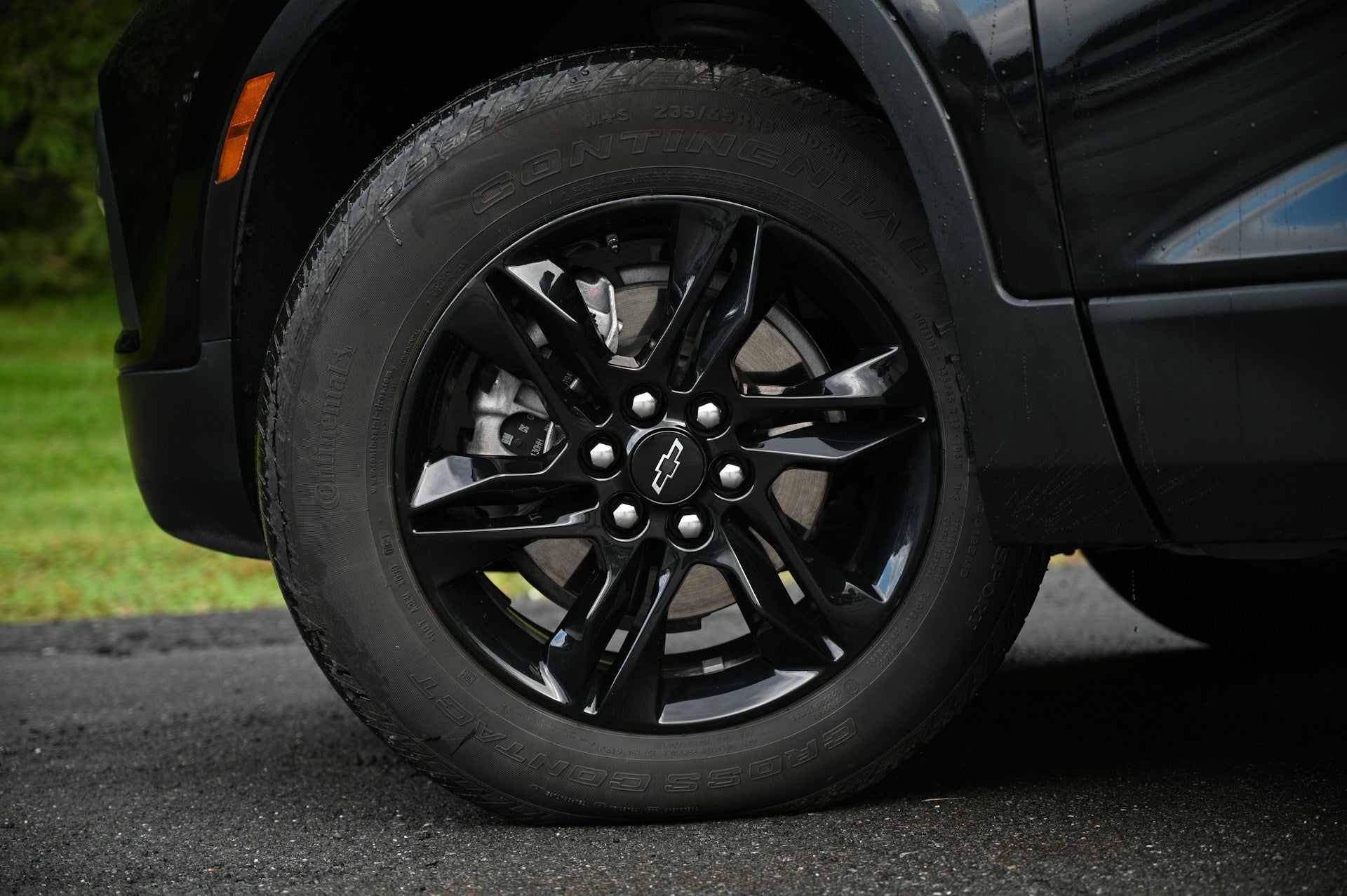
When winter hits Suffolk County, driving becomes more of a challenge. Ice, snow, slush, and freezing temperatures all come into play, making tire performance one of the key things that keeps your vehicle safe and steady on the road. Picking the right snow tires for your Chevrolet isn't just about swapping out your current set. It's about making sure your car can handle cold weather without losing grip or control. more Not every tire is built the same, and trying to drive through snow and ice with the wrong set can make things harder than they need to be. That’s why knowing what makes snow tires special and when they really make a difference is the first step toward safer winter driving. A short stop in dry weather isn’t the same as trying to brake on a snowy hill. Where and how you drive around Long Island plays a big part in choosing the right tire, and a little knowledge here goes a long way. Understanding Snow Tires Snow tires are designed for winter weather. That includes more than just snow. They also work better in freezing rain, slush, and icy patches. The key difference between snow tires and regular all-season tires comes down to how they're built and how they handle cold temperatures. Snow tires are made from a rubber compound that stays flexible in colder weather. That flexibility helps them grip the road better when it's freezing outside. Tread depth and pattern are another part of what separates winter tires. Snow tires have deeper grooves and more bite edges, which are tiny slits in the tread called sipes, to help push away snow and slush. These features allow the tire to keep better contact with the pavement, even when it's wet or packed with snow. That’s not something most standard or worn tires can do. Winter conditions on Long Island can go from wet to icy overnight. That’s a big reason why snow tires make such a difference. For example, if you're heading out early after an overnight freeze, snow tires can give you the added traction you need to get through that icy grocery store parking lot without sliding all over. They may not look too different at a glance, but once the temperature drops, their performance speaks for itself. Drivers in Suffolk County who make regular trips in and out of neighborhoods, school zones, or highway stops know how unpredictable winter roads can be. A snow tire's ability to maintain grip in low temperatures significantly reduces the chances of fishtailing or getting stuck. These are the kinds of issues that are mostly preventable with the right tire setup. Factors to Consider When Choosing Snow Tires Not all snow tires fit every vehicle or situation the same way. Your driving habits, the type of Chevrolet you own, and even how long your commutes are during the winter all play a part in which tire is the right one. Here's a breakdown of what to pay attention to when you're picking snow tires: 1. Tire size: Always match the recommended size for your vehicle. Using the wrong size affects traction and can mess with your car’s ability to grip the road. 2. Tread design: Look for deeper treads with lots of siping. Patterns with zig-zag grooves tend to hold better on snowy ground. 3. Winter ratings: Look for the three-peak mountain snowflake symbol. That means the tire has been tested for severe snow conditions. 4. Rubber type: Some winter tires are made to stay softer in cold weather. Softer rubber grips better but may wear down faster if used on dry roads too long. 5. Your budget: While you don’t want to go cheap on safety, you can still find solid options that don’t break the bank. What matters most is that you’re getting a tire that fits your vehicle and driving needs. Choosing the right snow tire doesn’t need to be complicated, but it does require knowing what matters. Between finding something that fits well and performs in Suffolk County’s unpredictable winter weather, taking the time to understand your options is worth it. Remember, this isn't just about buying gear for the snow. It’s about having confidence every time you drive. Benefits of Getting Snow Tires from Chevrolet of Smithtown There’s something to be said about getting winter tires from a place that isn’t just a general shop. If your vehicle is a Chevrolet, working with a center that handles Chevys every day makes a difference. You'll have access to tires that are sized and engineered for your specific model, which means you won’t waste time on back-and-forth guesses or end up with something mismatched. Another benefit is working with trained staff who can actually answer your questions without confusion. They understand how things like all-wheel drive, vehicle weight, and tire pressure monitoring systems play into the overall performance of your Chevy in winter. So if you're unsure whether you need all four tires replaced or if a certain tread depth still counts as safe, their advice will be based on experience with cars just like yours. Here’s what else stands out when you go through a certified Chevy tire center: Accurate tire fitting based on your VIN and vehicle specs Access to reliable snow tire brands recommended for Chevrolets On-site tire balancing and alignment during installation Auto techs trained specifically in Chevrolet safety systems Access to replacement parts and accessories designed for winter driving Shopping online or going with a neighborhood mechanic might be convenient in the short term, but proper fitting, expert advice, and brand-matched parts are worth it. That’s especially true when you're driving through Suffolk County during peak winter. Snowstorms can happen fast, and getting stuck on Jericho Turnpike or Route 25 isn’t something most people want to deal with twice. Time to Get Your Chevy Winter-Ready Knowing how to pick the right snow tire is only half the job. The next step is making sure you get those tires on before the next cold snap hits. By December 31, Suffolk County roads have already seen their share of snow and ice, and late-season storms aren’t out of the question. If you’ve been holding off on making the switch, this isn’t the time to wait much longer. No matter how confident a driver might be, even the best skills can't make up for worn tires or the wrong setup when the road gets slick. Snow tires are made to step in where all-seasons give out, and they’re one of the most valuable upgrades you can make when it comes to winter driving. Whether the roads around Smithtown are already packed with salt and slush or you've just had your first morning of black ice in the driveway, your grip on the road shouldn't be a question mark. Get ahead of the worst weather and make driving safer for yourself and others out there. From taking on slippery turns to stopping at snow-covered intersections, having good snow tires means you’re ready for whatever winter brings next. Winter driving conditions in Suffolk County can be unpredictable, but a well-fitting set of snow tires makes all the difference. Ready to improve your vehicle's grip and safety for the cold months? Stop by our Chevy tire center in Smithtown for expert advice, precision fitting, and the right tires for your Chevrolet. Trust Chevrolet of Smithtown to help you gear up for the snow and keep your winter drives both safe and smooth.

Chevy's Oxygen Sensor

Cold Weather Effects on Your Chevy Oxygen Sensor

Winters on Long Island can be tough on many parts of a vehicle, especially those you don't see or think about every day. One component that takes a hit more than most is your car's oxygen sensor. While small and often overlooked, this part plays a big role in keeping your Chevy running smoothly, especially when the temperature starts to dip. If you've noticed your vehicle acting a little off during cold mornings, your oxygen sensor could be part of the problem. more When the weather turns icy, it’s not just your tires or battery that need attention. Cold air, snow, and road salt all create a difficult environment for the parts working hard under the hood. For Chevy owners commuting through Suffolk County during the winter, knowing how the cold affects your oxygen sensor can help stop small problems before they turn into bigger ones. Understanding Oxygen Sensors An oxygen sensor monitors how much oxygen is in your vehicle’s exhaust. This helps the engine control how much fuel and air it needs to deliver the best performance. If the balance is off, whether there’s too much gas or not enough oxygen, your engine efficiency drops. Over time, this imbalance can cause increased fuel use, poor engine performance, or even long-term damage. Here are a few signs that your oxygen sensor might be going bad: 1. The check engine light turns on, especially after a cold start. 2. The engine hesitates when accelerating or feels sluggish. 3. Gas mileage drops even if you’re driving the same. 4. You smell something unusual or stronger coming from the exhaust. Cold weather can make these problems appear more often or cause them to get worse quickly. When temperatures fall, the metal and other materials in your exhaust system change rapidly. The oxygen sensor doesn’t always warm up fast enough, especially if frozen moisture builds up around it. This can cause slower readings or false signals, which confuse your engine and affect performance. Imagine taking off early on a frosty morning and feeling your car hesitate at a traffic light. That could be your oxygen sensor telling the engine what it thinks is right, but the data is off because the sensor hasn’t warmed up yet. Over time, that ongoing issue can add strain to your vehicle and affect how well it drives. Cold Weather Effects on Oxygen Sensors Cold Long Island winters bring more than low temperatures. Snow, slush, and salt from the roads create a messy combination that can harm engine parts, including oxygen sensors. Here are some winter-specific problems that affect these small but important components: Corrosion: Moisture and salt can wear down the sensor or damage its wiring. Freezing Moisture: Water that gets trapped around the sensor may freeze, tampering with how the sensor works. Slower Warm-up: Oxygen sensors need to heat up to work accurately. Frigid air keeps them colder for longer. Even though these issues may seem minor at first, they can grow into driving problems quickly. A slow-reading sensor might not light up your check engine alert right away, but that doesn’t mean the engine is running properly. Inaccurate sensor signals can lead to wasted fuel, added emissions, and random stalling or rough idling. On Long Island, this is more common than you might think. Between heavy snowfall in the East End and salt-covered roads near Smithtown, winter conditions take a toll on vehicle sensors. Even if you drive a newer model, its oxygen sensor isn't safe from cold weather damage. The newer parts are more durable but still vulnerable after repeated freezing exposure and constant stop-and-go traffic. The good news is, many of these issues start small. The sooner they’re caught, the more likely it is they can be quickly handled by a technician before they lead to poor driving conditions or damage to your exhaust system. Prevention And Maintenance Tips Keeping your oxygen sensor in top shape during cold winters doesn’t take a ton of effort. A few smart habits during the season can make a big difference in how your Chevy handles snow and freezing temps. Try these tips to help prevent sensor failures this winter: 1. Make sure your oxygen sensor is inspected during winter maintenance. A technician can spot early wear or damage. 2. Clean under your Chevy often during salt season. That helps prevent buildup and corrosion near the sensor and exhaust. 3. Let your vehicle warm up before driving off on cold mornings. This allows the sensor to get to the right temperature faster. 4. Don’t ignore your dashboard. A check engine light, especially in winter, can be an early warning sign of sensor trouble. 5. Try to minimize short trips, especially in freezing weather. Quick drives may not allow enough time for the sensor to heat up and do its job properly. Scheduling upkeep around the heart of the winter season can help reduce risk. On Long Island, where December and January are often coldest, now is a good time to get your Chevy checked if you haven’t yet. A visit to a service center when the problem is still small can save both fuel and expensive repairs later. As you go through each winter week, notice how your vehicle behaves when starting up. Does it fumble on acceleration? Burn through more fuel than last month? Any sudden change in smell from the exhaust? These can all point back to a struggling oxygen sensor that may need replacement or cleaning. Keep Your Chevy Running Its Best This Winter Long Island winter driving throws a lot at your vehicle — frozen roadways, piles of slush, and road salt patches that coat your underside for weeks at a time. Your Chevy’s oxygen sensor plays an important behind-the-scenes role throughout it all. When it’s damaged or off, performance drops, and signs like jerky acceleration or odd exhaust smells pop up. Staying on top of this part of your vehicle comes down to catching warnings and acting before the season wears your vehicle out more. You don’t have to do the work alone. Skilled technicians can diagnose sensor issues and keep your vehicle running smoothly with less fuel waste and fewer future problems. Prepping your Chevy for the rest of the winter season can make cold starts easier, help the engine run more efficiently, and help you enjoy safer drives across Suffolk County. When it comes to keeping your Chevy in top shape this winter, regular checks on your vehicle’s oxygen sensor are key. Let Chevrolet of Smithtown handle the details and make sure your car runs smoothly all season long. Learn more about our Chevy oxygen sensor service on Long Island and schedule an appointment with our skilled technicians today.

Camaro

Winter Performance in Your Used Chevy Camaro

Driving through winter in Suffolk County brings its own set of challenges, especially when you’re behind the wheel of a performance-driven vehicle like a used Chevy Camaro. With icy roads, unpredictable storms, and colder temperatures, it’s no surprise that winter takes a toll not just on drivers, but on the vehicles they count on daily. The Camaro’s sporty styling and rear-wheel-drive setup can make slick conditions more difficult to handle if you’re not fully prepared. more That doesn’t mean you need to park it for the season. With the right adjustments and upkeep, your Camaro can handle Suffolk County winter roads better than you might think. Making a few smart upgrades and keeping up with regular maintenance gives your vehicle better grip, more reliable starts, and safer winter performance. Whether you're heading into the New Year or planning one last winter drive, here’s how to help your used Chevy Camaro stay ready and responsive through the season. Winter Tire Maintenance Tires are your car's first connection to the road, and for winter driving, they're one of the most important things to get right. Standard performance tires may suit dry roads, but they usually don’t hold up well in snow and ice. That’s where winter tires come into play. Winter tires are made from rubber compounds that stay flexible in low temperatures, which helps them grip slick surfaces like ice or packed snow more effectively. Deeper tread patterns give better traction and reduce your chances of sliding during sudden stops or quick turns. Here's how you can make sure your Camaro’s winter tires keep performing the way they should: Check tire pressure often. Cold weather causes pressure to drop, which reduces traction. Rotate your tires regularly. This prevents uneven wear and extends the life of your tires. Inspect for visible damage. Look for cracks, punctures, or anything embedded in the tread. Avoid relying on all-season tires in deep snow. They’re not meant for consistent winter conditions. One Camaro owner from Riverhead said that switching to winter tires made morning drives to Smithtown easier. Icy hills that were once a problem felt safer, and braking in snowy patches became more controlled. Small upgrades like this can make a noticeable difference in everyday comfort and safety. Battery and Engine Care Cold temperatures strain both your battery and your engine. If components are already weak, freezing mornings have a way of revealing those problems just when you're ready to head out. That’s why winter battery and engine care should be a top priority. Batteries lose charge faster in cold weather. If your battery is nearing the end of its life, it’s smart to have it tested before temperatures drop even more. A simple test can show whether your battery is holding enough power to make it through the season. A few more ways to protect your Camaro’s engine and battery this winter: Get a battery check-up. If yours is over three years old, it may be time for a replacement. Keep battery terminals clean. Corrosion can block power and make it hard to start the car. Use winter-grade engine oil. Thinner oils make cold starts easier and protect better in freezing temperatures. Check coolant and antifreeze levels. These fluids help prevent the engine from freezing up. Let the engine warm up briefly before driving. This helps circulate oil and raises cabin temps faster. A strong battery and clean-running engine mean smoother starts and more peace of mind when the snow comes down in Suffolk County. Managing Visibility If you can’t see clearly, winter roads become tougher and more dangerous. Snow, fog, ice, and even mud can cloud your windshield and block your view of what's ahead or behind. Taking time to improve visibility makes every trip safer. Start with your defrosters. Both the front and rear systems should blow warm air and clear fog or frost efficiently. If warm air isn’t flowing after a few minutes of running the car, it might signal a bigger HVAC issue that should be checked. Wiper blades often struggle in winter. Rubber gets stiff and can crack or leave streaks. Invest in winter-style blades designed for snow and icy buildup, and always make sure your windshield washer fluid is rated for freezing temperatures. Don’t forget your lights either. Snow or slush can cover headlights and brake lights quickly, making it harder for others to see you. Get in the habit of checking them before heading out, even during short drives. Clear visibility is one of the easiest ways to stay out of trouble when road conditions aren’t ideal. Interior Comfort and Safety A warm, functional interior isn’t just about staying comfortable. It helps you stay alert and safe behind the wheel. Without proper heat and clear windows, travel becomes more stressful and risky. Run your heat through all settings and vents. If the airflow feels weak or uneven, it could point to HVAC issues that are better to fix now than mid-freeze. Make sure your defrosters are working effectively from the moment you turn them on. Heated seats and steering wheels, if your Camaro has them, should be double-checked too. They’re not just a luxury during long drives—they help prevent joints and hands from becoming stiff and less responsive. Along with staying warm, keep an emergency kit in your trunk for those rare but possible winter surprises. Pack: A heavy blanket or two Flashlight with spare batteries First-aid kit Extra water and dry snacks Ice scraper and snow brush Phone charger Sand or kitty litter for stuck tire traction One Camaro driver from Selden found that kit handy during a storm delay in a shopping center parking lot. With a blanket and working flashlight on hand, waiting for help was far easier. Planning ahead makes unplanned delays far less stressful. Staying Safe on Winter Roads Driving in snowy or icy conditions changes how your Camaro responds. That means adjusting the way you drive to match road conditions. Start by giving yourself more space. On slick roads, longer braking distances are the norm. Add a few extra car lengths between you and the car ahead, especially on highways or during wet snowfalls. A few tips to help you stay safer on Suffolk County roads this winter: Brake gently to allow the anti-lock braking system (ABS) to function properly Slow down before turns, not during them Steer with slow, steady motions to avoid spinning out Know how your Camaro handles in skids and practice recovering safely in open spaces, if possible Taking things slower doesn’t mean crawling—it means driving with more awareness. That gives you time to react if someone in front of you brakes suddenly or traffic patterns shift. Defensive thinking makes your drives safer and more relaxed. Your Camaro Knows Winter Can Be Handled Suffolk County winters don’t have to sideline your used Chevy Camaro. With the right tires, a healthy engine, clear visibility, a comfortable cabin, and safer driving habits, your ride can stay ready for wherever the road takes you. From short errands across town to weekend highway cruising, each step helps protect your Camaro and gives you more control on cold, unpredictable roads. Winter might test both drivers and cars, but the right preparation helps your Camaro pass with ease. Stay safe, stay warm, and enjoy the ride—even when snowflakes start falling. As winter deepens, make sure your used Chevy Camaro in Suffolk County is ready for all that the season throws your way. From tire maintenance to engine checks, each step adds to your safety and comfort on the roads. Chevrolet of Smithtown is here to help you keep your Camaro performing at its best. Discover how our services can support your winter driving needs by exploring options for a used Chevy Camaro in Suffolk County. Keep your Camaro in top shape this season!

Used Chevy Tahoe

Winter Driving Features in Used Chevy Tahoe

When winter hits Suffolk County, everything changes on the road. Cold mornings, slick pavement, blowing snow—drivers have to stay on their toes. That’s where a vehicle like the used Chevy Tahoe shines. It’s tough, roomy, and designed with features that help you feel confident when winter weather shows up uninvited. more The Tahoe combines the comfort of a family SUV with the added capability that makes a real difference on snowy streets or icy highways. Whether you're driving through a slushy parking lot or climbing a steep hill coated in black ice, certain features in the Tahoe make winter driving more manageable and a lot less stressful. All-Wheel Drive Capabilities That Handle Winter Roads One of the things that really sets the Chevy Tahoe apart in winter is its available all-wheel-drive system. SUVs might look strong, but without solid traction, they risk sliding just like everyone else. With all-wheel drive, the Tahoe sends power to the wheels that need it most. It gives more control when accelerating or turning on snowy or icy roads. That kind of traction is useful in Suffolk County where temperatures bounce around and you often go from dry roads in the morning to packed snow by the evening. Whether you're heading up a slick driveway or maneuvering through messy intersections, all-wheel drive helps take the edge off surprise road changes. Even if you're used to front- or rear-wheel-drive vehicles, the difference you'll feel here is pretty clear. A Suffolk County driver who switched to an all-wheel-drive Tahoe in the middle of one rough winter described how much smoother cornering felt, especially while taking turns near the water where icy patches tend to linger. Some of the terrain in residential parts of Suffolk can get messy mid-winter, with slush building near curbs and snowbanks limiting space. That’s where this kind of grip really shines. Paired with features like traction control and selectable drive modes, the Tahoe stays stable even when conditions try to rattle the ride. Important Safety Features For Cold-Weather Confidence Beyond traction, safety matters every time you hit the road. Winter adds a few extra challenges. The used Chevy Tahoe includes features to help keep your drive safer when visibility drops and grip gets unpredictable. Here are a few that stand out for cold-weather driving: Anti-Lock Brakes (ABS): Helps prevent wheels from locking up during hard or sudden braking, which is especially useful on icy roads. Stability Control: Works automatically to keep your SUV steady if it begins to slide or fishtail. It adjusts power and applies brakes where needed to bring things back into control. Advanced Airbag Systems: Includes both front and side-impact airbags, adding extra protection for you and your passengers in case of a winter road mishap. Rear Camera and Parking Sensors: Snow can pile up fast around the vehicle, especially when street parking. These features help you get a full view without relying only on side mirrors. These tools work together to support decision-making and control. Winter doesn’t just mean pretty white snow. It means early darkness, tough visibility, and drivers making sudden moves in unpredictable weather. The Tahoe helps you stay ready, lower your stress, and avoid risky spots before they turn into problems. Comfort And Convenience In Cold Weather Winter driving is more than staying upright on a slick road. It’s about staying warm and avoiding discomfort that can make your routine feel harder than it needs to be. That’s where the Chevy Tahoe scores big on comfort and convenience. Heated seats in both the front and second rows make early morning drives or late-night returns a bit more enjoyable. They warm up fast and offer consistent heat, helping you stay focused while the weather works against you. Remote start takes convenience up another level. You can warm the Tahoe up while you’re still inside, getting ready for your day. That also defrosts windows quicker, cutting down the time spent scraping ice and waiting for the heat to kick in. A heated steering wheel is one of those features you don’t realize you want until you’ve tried it. Your hands stay comfortable without having to wear thick gloves while driving. That makes everyday driving tasks easier and keeps your reaction time sharper. The Tahoe’s climate control settings and rear seat heating ducts offer balanced warmth through the whole cabin. So whether you’re driving solo or with family in tow, everyone stays relaxed and comfortable. It’s these practical elements that speak to the real-life demands of driving in Suffolk County. From sunrise school drop-offs to evening grocery hauls and long runs to see out-of-town family, cabin comfort matters. Warmth on demand means fewer distractions, better focus, and a happier ride. Spacious Cargo Area Built For Winter Gear Winter calls for more gear. Whether that’s heavy clothing, tool kits, snow gear, or just well-stocked groceries for a stormy weekend, the Tahoe gives you the space to carry it all without frustration. The Tahoe’s generous cargo section and foldable seats make quick work of gear storage. You don’t have to choose between hauling passengers and having room for winter supplies. The large rear space adapts easily to fit both. Examples of what fits comfortably in the cargo area: Portable snowblower or folding shovel Roadside emergency kit, jumper cables, and warm blankets Ski and snowboard gear Bags of rock salt or sand for driveways Grocery stock-ups for weather-safe weekends The flat floor and wide access point support easy loading, even when you're dealing with oversized items. And when you’re carpooling during those chilly months or heading into the mountains, you won’t need to worry about cramming everything into someone’s lap or the second row floorboards. The Tahoe makes winter trips more organized. Families with kids, commuters, or weekend wanderers can all pack smarter and stay ready for whatever the road throws their way. Built To Handle What Winter Throws At You Winter moves fast, and the road doesn’t always give you time to react. From frozen driveways to surprise snowstorms, the used Chevy Tahoe has what it takes to help Suffolk County drivers stay calm, comfortable, and in control. Its all-wheel drive system supports secure handling through snow and sleet. Safety tools like anti-lock brakes, stability control, and alert systems help you stay aware and respond quickly when conditions shift. A heated interior makes each trip more bearable, while smart cargo space takes care of your gear no matter what adventure or chore is ahead. That blend of thoughtful features helps the Tahoe serve more than your daily commute. It's the kind of SUV that lets you handle early morning traffic with confidence, load up for winter road trips, or just survive another snow-packed week with fewer hassles. From the first frost in December to those last drifts in March, the used Chevy Tahoe is built to work with winter, not against it. To ensure you're ready for winter's challenges and enjoy peace of mind on the road, explore our selection of used Chevy Tahoe in Suffolk County. Discover the features that make this SUV a great winter companion and see how Chevrolet of Smithtown can support your driving needs.

Equinox

Road Salt Protection for New Chevrolet Equinox

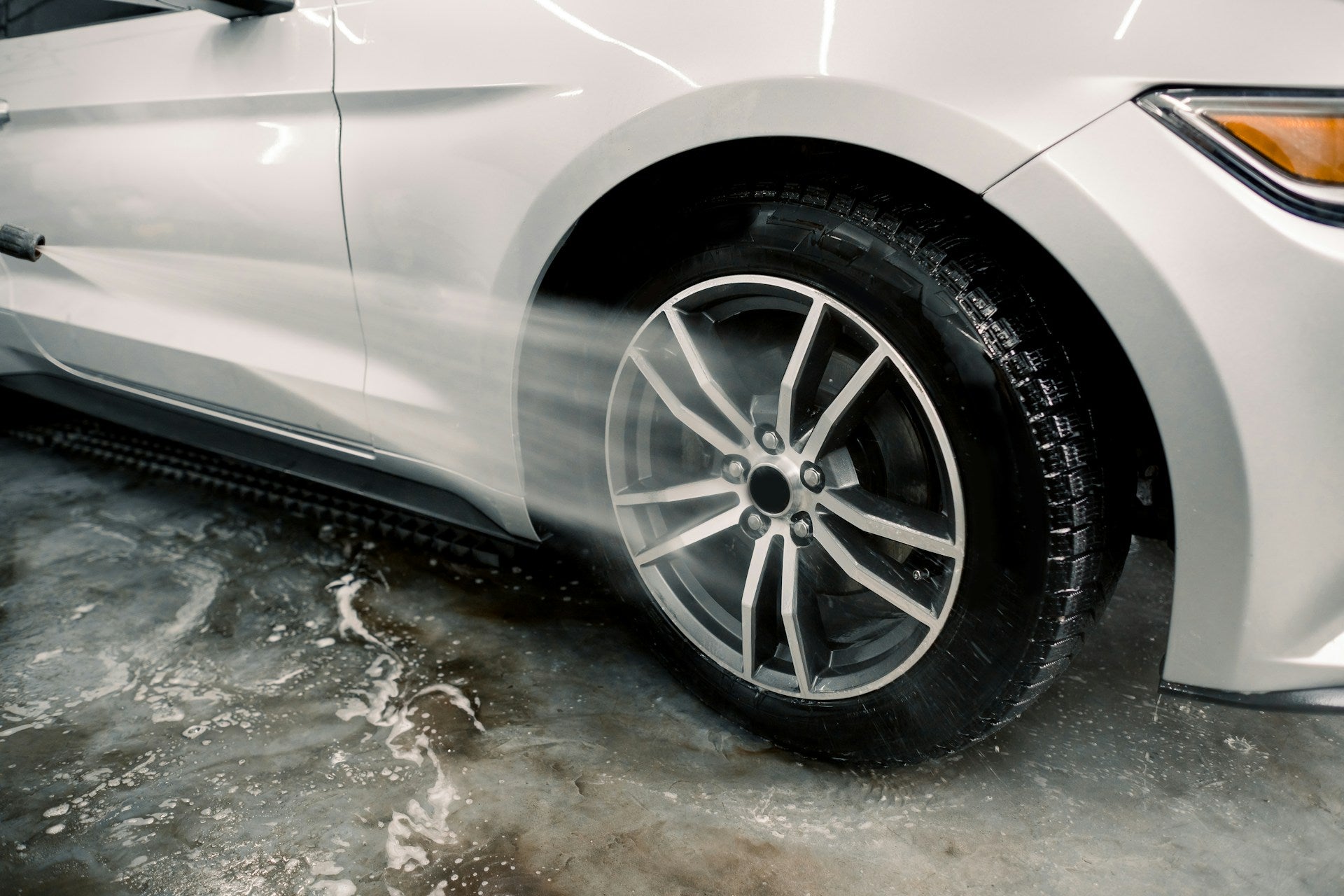
Winter weather across Suffolk County isn’t just tough on drivers — it’s tough on vehicles too. Snowy roads may look scenic, but they come with salt, slush, and moisture that can cause serious wear if your car isn’t protected. That’s especially true with a new Chevrolet Equinox. As you're settling into your new ride, protecting it from winter elements should be high on your list. more Road salt might help keep streets safer, but it can quietly do damage over time. Rust, corrosion, and fading paint are all common problems caused by salt buildup. Thankfully, there are simple steps you can take to add a layer of defense. Whether you park in a garage or street-side in Suffolk County, having a game plan for salt protection makes a big difference in how your Equinox holds up all season long. Effects Of Road Salt On Vehicles Salt works by lowering the freezing point of water on the roads, which helps melt ice and snow. While it's great for keeping roads passable, it isn’t kind to your vehicle. When salty slush splashes up from the road, it clings to the underbody, wheel wells, exhaust pipes, and even the paint. Left untouched, it can soak in and speed up rust. Here’s how road salt impacts different areas of your Equinox: Undercarriage: This part takes the biggest hit. Rust can form on unprotected metal, especially around suspension parts, bolts, and brackets. Brake lines: These are vulnerable to corrosion over time, especially those underneath the vehicle where road grime gathers. Wheel wells: Hidden buildup of salt and dirt can linger behind the tires, leading to rust in areas you might not notice right away. Paint and trim: Tiny chips or scratches allow salt to creep in and damage paint. Over time, this can dull your finish or cause bubbling. Door sills and edges: Salt runs down and settles here, especially after plowing through snowbanks or deep puddles. One local driver noticed a bubble near their rear wheel after their second winter owning a car. It turned out salt had collected inside the wheel well, and rust was forming underneath the paint. Without early attention and regular cleaning, it turned into a repair that could've been avoided. The coastal climate in Suffolk County only adds to the challenges. The mix of salt air, moisture, and snowmelt can make corrosion show up faster. That’s why being consistent with care, even when the car looks clean, is important during these cold months. Catching buildup early helps keep your Equinox looking and working like new. Preparing Your Chevrolet Equinox For Winter If you've just purchased a new Chevrolet Equinox in Suffolk County, winter prep becomes part of your seasonal routine. Before snow hits the streets, giving your vehicle a fresh start is a smart move. That means washing off anything it’s picked up before and adding protection that keeps salt from sticking and seeping in. A good winter prep routine for your Equinox can follow these steps: 1. Start with a thorough wash Rinse the car from top to bottom, making sure to spray under the wheel wells and the entire undercarriage. Use a high-pressure hose to help loosen buildup already clinging to tight spots. 2. Focus on a clean underbody This area often goes unnoticed, but it's where salt sticks the most. Many local car washes in Suffolk County offer underbody sprays specifically for this. 3. Apply wax or a paint sealant A fresh coat of wax adds a protective barrier on your paint that helps water and salt roll off rather than soak in. Do this before winter fully sets in. 4. Use rubber floor mats inside Melting snow and salt can collect inside the cabin during daily commutes. Rubber mats catch moisture and are easy to rinse off. 5. Inspect for chips or scratches Small areas of missing paint make your car more prone to rust. Sealing those up helps block salt from setting in. 6. Consider rust-proof treatments Some drivers choose to have professional rustproofing applied to the undercarriage, door panels, and frame. These treatments bond to the metal and act as a barrier through winter. Starting with a clean, protected vehicle helps make maintenance later on a lot easier. You don’t have to wait for signs of damage to show up. Taking early steps helps your Chevrolet Equinox stand up to Suffolk County’s icy mix of winter weather. Regular Maintenance Tips Even with a strong start to winter preparation, staying ahead of road salt damage calls for routine care. Salt doesn’t cling just once and leave. It builds up over time. That’s why keeping up with maintenance during the coldest months is just as important as early prep. Washing your Chevrolet Equinox regularly helps stop salt from settling and causing damage. Aim for once every one to two weeks, depending on conditions in Suffolk County. Snow, slush, and rain mix quickly with salt on the roads, and your tires fling it onto the car’s underside and lower panels right away. Here are a few solid winter maintenance habits to follow: Wash both the body and undercarriage. Don’t skip the underbody, even if there’s no visible grime on the sides. Salt tends to collect underneath where it’s harder to spot. Dry the vehicle after washing when possible. Water sitting in crevices, like between door seals or under trim, can freeze and trap salt. Inspect brake lines and suspension components now and then. If something looks off or smells rusty after a drive, it's worth getting checked out. Keep the wheel wells and tires cleared. Packed snow can trap salt and press it close to the metal for longer. Use a flashlight to check hidden areas. Around the gas cap, behind the rear bumper, and under the doors are all places where salt might be hiding. Even during mild weeks, road crews often treat the roads as a precaution. That means your Equinox might still be picking up salt even if there’s no snow on the ground. Keeping up with light but steady care goes a long way in keeping rust away long term. Professional Services At Chevrolet Of Smithtown While at-home upkeep helps, there are certain services that really benefit from professional tools, lifts, and products that aren’t available to most drivers, especially when dealing with undercarriage protection. Trained technicians can take a close look at your vehicle from angles no driveway wash can reach, and they’re also able to spot problem areas before they get worse. Professional services help get to the parts of your Equinox that need extra care: Rust protection and sealant treatments for frames, seams, and wheel wells Complete undercarriage inspections for early signs of corrosion Deep undercarriage washes with high-pressure spray tools Reapplication of wax coatings or protective paint sealants Touchups and fixes for spots where chipping and bare metal are exposed Booking a service appointment means you get a second layer of defense, and it’s usually done quicker and more completely than a DIY job. If your Equinox is newer, staying ahead of rust keeps it driving strong and looking clean through its early years. If you lease, keeping it rust-free may also help at return time. Every winter is different, and Suffolk County roads can be full of unexpected conditions. Having regular professional support gives you peace of mind once the salt trucks hit the streets. Keep Your Equinox Ready All Season A clean, well-cared-for Chevrolet Equinox gets through winter stronger and safer. Suffolk County roads throw a lot at your vehicle during this season, including grit, salt, sand, and a mix of moisture that sticks around after each storm. But with the right protection steps and cleanup habits, you can fight off the early signs of wear and avoid long-term issues. Salt won’t stop being a problem any time soon, and that means your winter game plan should be a regular part of owning a car here. Whether it’s weekly washes, inspections, or pro services to seal up your undercarriage, the little things matter. Your Equinox is built tough, but smart care helps keep it sharp and running smooth long after winter has passed. For those looking to make the most of their new Chevrolet Equinox in Suffolk County, keeping it ready for anything the winter roads might throw at you is all part of the package. Schedule a visit with Chevrolet of Smithtown to explore our range of services designed to enhance your ride's durability and keep it looking sharp all season long. For more details or to browse our latest models, check out our new Chevrolet Equinox in Suffolk County. Let’s keep your Equinox ready for whatever comes next!

Suburban

Winter Storage Tips for Used Chevy Suburban

If you're the proud owner of a used Chevy Suburban in Suffolk County, then you already know what kind of dependable ride you've got. But when winter rolls around and the snow starts to fall, it's not just roads that need attention. Your Suburban does, too. Whether you're planning to store it temporarily or keep it off the road until spring, how you prep it makes all the difference in how it performs when the cold months are over. more Proper winter storage doesn’t just protect your vehicle from salt, snow, and ice. It also helps keep the engine healthy, the tires in good shape, and the interior preserved. Suffolk County winters can be harsh and unpredictable, with freezing temperatures and sudden storms. A step-by-step approach now can save you a lot of stress, repairs, and money later. Here are some simple, practical ways to store your Suburban the right way this winter. Preparing Your Chevy Suburban for Winter Storage Start with the basics. The goal here is to prevent damage from moisture, dirt, and weather while your Suburban sits idle. Think of this like prepping your home before going away for a long trip. A clean, well-prepped vehicle will hold up much better during storage than one left as-is after daily use. Here’s a solid checklist to follow before parking your Suburban long-term: Wash the exterior thoroughly. Remove any grime, dirt, or salt buildup, especially around the lower body and undercarriage. Road salt can quickly lead to rust if left behind. Pay extra attention to the wheel wells and under the doors. Apply a coat of wax. A quality car wax gives your paint job a protective layer that shields it from moisture and dust. Clean the interior from top to bottom. Vacuum the carpets and seats, wipe down all surfaces, and remove any food wrappers or crumbs that attract pests. Check and inflate the tires. Cold weather lowers tire pressure, and flat spots can form if they’re left underinflated during storage. Make sure they’re filled to the recommended PSI. Remove personal items. Take out anything valuable or sensitive to cold temperatures, like electronics or tools stored in the trunk. It’s surprising how much damage can happen just from dirt, trapped moisture, and air exposure. Cleaning and covering now are the best ways to dodge headaches when it’s time to drive again. A Long Island driver shared she skipped washing her SUV before winter storage a few years ago and came back to find a thin layer of rust just starting inside her wheel well. That minor oversight led to an early repair bill that could’ve been avoided. Protecting the Engine and Battery Sitting idle through multiple weeks of snow and freezing temperatures isn’t great for your Chevy Suburban's engine or battery life. If you want to avoid returning to a dead battery or sluggish engine, it’s worth investing a little time into preventative care. Here’s what to take care of before storage: Change the oil and filter. Old oil breaks down over time and carries contaminants that can wear down engine parts. Fresh oil slows that process. Fill the tank and add fuel stabilizer. A full gas tank helps prevent moisture buildup inside the tank. Add a stabilizer that keeps the fuel from going stale, especially if it’s sitting for longer than a month. Disconnect or remove the battery. A fully connected battery slowly drains over time, even if the car isn’t being used. Either remove it altogether or use a battery maintainer to keep it charged without overdoing it. Letting your vehicle sit with old oil and an unsecured battery isn’t just bad luck waiting to happen. It’s a guarantee of future engine issues if ignored. Skipping even one of these steps can shorten the lifespan of systems that aren’t easy or cheap to replace. Doing it right the first time helps keep that used Chevy Suburban reliable for years to come. Safeguarding Against Pests and Moisture Storing your Suburban through a Suffolk County winter means more than just protecting it from the cold. Critters like mice and squirrels often look for warm places to nest. And moisture can sneak in, even when you think everything is sealed tight. Both issues can cause damage that’s expensive and frustrating to fix. Here are a few smart steps that offer solid protection: Use pest repellents in safe areas around the car, especially near the tires and vents. Avoid placing anything with strong odors inside the cabin to prevent lingering smells later. Place moisture absorbers inside the cabin and trunk. These help keep the interior dry and reduce the chances of mold or mildew. Seal off open spaces like the tailpipe with steel wool or a special cover. Just make sure to remove it before starting the vehicle later. Open the hood slightly to let air circulate while preventing too much condensation from building up under there. It doesn’t take long for pests and damp air to cause trouble. Wiring under the hood is one of the first places animals target. Moldy seats take a long time to fully clean. One Suffolk County resident parked his SUV for the season without sealing the tailpipe or adding a moisture absorber. By spring, rodents had chewed part of the wiring, and the carpets had a musty smell that lingered for weeks. Small steps like these can help you avoid that kind of hassle. Choosing the Right Storage Location Where you store your used Chevy Suburban can make or break how well it weathers the winter. You don’t need a high-end facility, but you do want shelter and protection from the harshest conditions. If you have a garage, that’s an easy choice. If not, there are still smart ways to store your car outdoors while cutting down risk. Keep these tips in mind when picking a spot: Indoor storage is always better when it’s available. It keeps the car out of the snow and away from road salt splashback. Avoid low-lying areas where water or ice may gather near the vehicle. For outdoor storage, use a durable, breathable car cover. A tight seal helps block out snow, leaves, and critters while letting moisture escape. Make sure the ground under the vehicle is solid. Parking long-term on wet grass or dirt isn’t ideal. Look for paved surfaces or place pads under the tires. Good storage helps preserve everything from the body to the battery. It also lowers your odds of dealing with frozen parts, stiff brakes, or frozen locks. It’s easy to overlook the location itself, but where your Suburban rests can affect how soon you're able to drive again when winter ends. Ready for Winter Challenges in Suffolk County It only takes one cold snap or storm to show how unforgiving these winter months can be. But with a few targeted steps, your used Chevy Suburban can be ready to roll when spring hits Suffolk County. Things like cleaning, waxing, treating the engine, blocking off entry points, and keeping the interior dry all work together to guard against problems that pop up over winter storage. Every task adds a layer of protection. And each one helps make sure you’re not dealing with unexpected issues when you're ready to put the keys back in the ignition. Whether you're parking it inside a garage or out in the driveway, how you prep your Suburban now is what determines how ready it’ll be later. Don't wait until ice has coated the windshield or salt has built up around the tires. Take time before the deep cold sets in, and you’ll be glad you did when it's time to bring your vehicle back to life. A little effort now means fewer delays, smoother starts, and more time on the road when you’re finally ready to get moving again. When it comes to finding a reliable used Chevy Suburban in Suffolk County, Chevrolet of Smithtown has you covered. Browse our current selection and discover the perfect SUV that meets your needs. Feel free to explore what we offer and see why so many customers trust us with their vehicle choices. Stop by our showroom or explore our online inventory to get started. To learn more, take a look at our used Chevy Suburban in Suffolk County options and head into your next adventure with confidence.

Chevy Wheel

Bad Weather and Your Chevy Wheel Alignment

Driving through winter on Long Island can be a daily guessing game. One moment the roads are dry, and the next they're slick with leftover snow or filled with fresh potholes. This kind of weather has a big effect on how your vehicle handles, especially when it comes to your wheel alignment. It might not be at the top of your mind, but how your wheels are positioned has a lot to do with how safe and smooth your drive feels. more When a car's alignment is thrown off by bad road conditions, it can affect everything from steering control to how your tires wear down. A misaligned vehicle often feels like it’s pulling to one side or takes more effort to steer straight. In winter, when conditions are already working against you, alignment problems can make things worse. That’s why checking your alignment regularly during colder months is a smart move. If you're on Long Island and you've noticed your drive doesn’t feel as steady lately, the mix of potholes and icy weather could be the reason. How Bad Weather Affects Wheel Alignment Winter weather beats up roads and cars in ways that warm weather doesn’t. Ice, snow, slush, and freezing rain not only change how your tires grip the road, but they also leave behind surface damage that messes with your alignment. And it's not just big potholes. Even hitting a few small bumps, curbs, or icy patches can start to shift your wheels out of alignment. Here are a few ways winter hazards impact wheel alignment: 1. Potholes: After snow and ice melt, water seeps into cracks and re-freezes below the surface. This expands and breaks the road apart, creating potholes. Hitting one hard, even at low speeds, can knock a wheel out of its proper position. 2. Hidden debris and curbs: Snow piles make it tough to see curbs or objects on the road. Clipping one can put uneven pressure on one or more wheels. 3. Ice and sudden braking: Skidding on ice and suddenly stopping can shift the suspension slightly, especially if your tires hit uneven spots while braking. When alignment is off, your car sends signals. A few common signs to look for include: The steering wheel sits crooked when you're driving straight Your car drifts to the left or right on a flat, dry road Tires are wearing unevenly or faster than usual There's a shaky or loose feeling in your steering A driver from Long Island shared that after one rough winter storm, he swore something felt off during his morning commute. His SUV kept veering slightly, and he had to keep adjusting the wheel just to stay centered in the lane. A quick check found that the alignment had shifted, likely from driving through icy street ruts the week before. Ignoring these signs only leads to more wear on your tires and more strain on your steering system. Catching it early and getting it fixed can save you from bigger problems down the line. The Importance of Regular Alignment Checks in Winter Keeping your wheels aligned doesn’t just help your car feel smoother. It plays a big role in safety too. In bad weather, that extra level of control might be the difference between holding your lane or sliding into a patch of trouble. That’s why winter is one of the best times to stay on top of it. Misalignment can sneak up on you. You don’t always notice it right away, especially if the change happens little by little. That’s why regular checks, even without obvious signs, can help—especially when driving conditions get worse. Roads on Long Island don’t stay perfect in December, and snowplows and salt trucks often leave behind a mess that stirs everything up. Proper wheel alignment in winter will: Keep your steering sharp Help your tires grip the road evenly Prevent wear on suspension parts Avoid bald spots on your tires Improve how stable your car feels on icy roads Even if you’re only doing short daily errands, those rough winter roads can throw your wheels out of whack. Think about how your car feels turning into your driveway or pulling out onto the road. If there’s a new noise, a bumpy ride, or a constant pull in one direction, that’s your car asking for help. Getting it checked now adds peace of mind, especially when the weather acts up without warning. Getting your alignment checked in the winter also helps you prepare for spring. Roads don’t clean themselves after a snowy season, so by getting your car realigned now, you’re starting the next season on steady ground. Chevy Tahoe Wheel Alignment Needs in Cold Conditions The Chevy Tahoe has its own set of needs when it comes to wheel alignment, especially during winter. It’s a large SUV with a tough frame, which means it’s heavier than many other vehicles. That extra weight brings more power and grip, but it also means misalignment can have a bigger impact on how the Tahoe drives, turns, and wears down tires. Because of its size, if the wheels aren’t aligned correctly, the Tahoe may feel less responsive. It can start pulling, dragging, or feeling like you’re working harder to stay in your lane. Cold weather only makes that worse. Snow-packed roads, salted highways, and hidden curbs can all sneak up and throw off your alignment without you realizing it. Alignment is even more important for Tahoes that come with four-wheel drive systems. These systems need everything to be lined up correctly to avoid stress on internal components. Getting your Tahoe realigned can: Make sure power is being distributed evenly Prevent quick tire wear Help with steady cornering Lower the strain on your suspension Keep fuel use within normal levels One Tahoe driver in Suffolk County mentioned how after driving through slushy roads and hitting a few hidden curbs near a busy shopping plaza, the SUV started to feel heavier during turns. After getting the alignment checked, they noticed an immediate improvement in how the vehicle handled and how smooth the ride became. If you own a Chevy Tahoe on Long Island, it’s worth making wheel alignment checks part of your regular winter care routine. Schedule an Alignment Service at Chevrolet of Smithtown Long Island winters bring freezing temps, salty roads, and those surprise potholes that can mess up your Chevy’s alignment in a snap. If your car feels off—like you’re constantly steering just to drive straight—it may be time for a check. Local drivers deal with all kinds of road conditions in winter. Whether you’re stopping by the grocery store, going across town, or taking the LIE, wheel alignment keeps your vehicle safer and smoother along the way. The service team at Chevrolet of Smithtown understands these roads and how your Chevy should be driving in winter. Even small shifts in alignment can become bigger repair issues later. Having it looked at by trained pros means you're not guessing or hoping your steering is fine. You're getting it back to where it should be. If you've noticed steering pulling, uneven tires, or shaky feedback in your wheel, don’t wait for spring. Catch the issue now, while winter's still in full swing. Winter Driving Doesn’t Have to Feel Off Track All the slipping, sliding, bumping, and jerking you go through on winter roads can sometimes be blamed on the weather. But when your car isn’t steering right or your tires are getting uneven wear, it's worth thinking about your alignment. A quick alignment check gives you back control and helps you drive with more confidence, no matter how messy the roads get. It’s easy to delay stuff like this, but those small misalignments add up. When spring shows up and those icy road ruts are behind you, you’ll be thankful that you handled it early. Winter changes how the roads treat your car. Getting alignment checked now, while you're still facing icy mornings and salty lanes, is one of the smartest ways to stay safe and avoid future issues. It doesn’t take long, and it’ll make every ride feel better, no matter where you’re heading next. Don’t let winter road conditions compromise your drive. Ensure a smooth and safe ride by scheduling a Chevy alignment service on Long Island with Chevrolet of Smithtown. Our skilled technicians are here to realign your wheels just right, giving you peace of mind for all your cold-weather travels. Book your appointment today.

Contact Us

Fill out this form below and we'll contact you shortly
*Required Fields