



Blog

All Saint James Chevrolet Dealer
Chevrolet wheel

Signs Your Chevy Needs Wheel Alignment Service

Wheel alignment might not be the first thing on your mind when maintaining your Chevy, but it plays a big role in how safely and efficiently your vehicle handles day to day. Even something as small as hitting one of the island’s many potholes or brushing against a curb can throw the alignment off. Over time, misalignment can sneak up without major warning signs, but the longer it's ignored, the more trouble it causes, from faster tire wear to poor fuel usage or a shaky ride. more Driving through Long Island often means dealing with bumpy roads, sudden weather shifts, and busy traffic. If your alignment isn’t right, those everyday drives start to feel pretty uncomfortable. Knowing what warning signs to look for gives you a chance to fix the issue early before it leads to bigger problems. Let’s go through some of the most common signs that your Chevy might need a wheel alignment service. Uneven or Rapid Tire Wear When your wheels fall out of alignment, it doesn’t just affect the way your car handles. It affects the way your tires wear down. Improper alignment causes the tires to press against the pavement at odd angles. Even if your tires are well-inflated and rotated regularly, misalignment can still wear them out faster than they should. You’ll want to check all four tires and look for signs like: One side of the tire looking smoother or more worn than the other Front tires wearing faster than rear ones, or vice versa Random bald spots, even if the tread depth seems fine elsewhere Edges that appear scraped or rubbed down unevenly It’s a good idea to give the tires a once-over each time you wash the car or get gas. If the outside edges are smoother while the center has tread, or if certain tires are clearly more worn than others, that’s a flag worth paying attention to. One driver on Long Island noticed his front tires wore out much quicker than the rear, even after a fresh set just a few months earlier. The issue turned out to be a misalignment paired with a slight pull in the steering, which was caught and corrected before it got worse. Routine tire wear isn’t always avoidable, but when all four wheels are properly aligned, the tread wears more evenly across the board. This helps your tires last longer, improves ride comfort, and keeps steering feel more consistent with every turn of the wheel. Vehicle Pulling to One Side If your Chevy feels like it’s drifting or pulling off course, even when your hands are steady on the wheel, that’s a classic sign that something's off. This kind of behavior often points directly to a wheel alignment issue. Even a slight misalignment can cause the car to lean or veer without notice, especially on flat roads where your car is supposed to track straight. Here’s how you can tell if your car is pulling: You need constant correction to keep it in your lane The vehicle drifts to the left or right when driving straight It feels like your steering wheel isn't centered when your tires are The car seems harder to control when braking or going over bumps Long Island roads, particularly after the summer traffic or early fall rains, can bring a mix of rough patches and potholes. It’s not unusual for suspension or alignment settings to get knocked out of place around this time of year. If your vehicle tends to drift more often after hitting any of these rough spots, that could be your first clue. Driving a Chevy that’s constantly pulling to the side not only tires you out from making constant corrections, but it can also add wear and tear to the tires and steering components. Getting it checked sooner rather than later saves both time and the headache of dealing with related issues later on. Vibrating or Shaking Steering Wheel If you start to feel shaking through your steering wheel when you drive, especially at higher speeds, there's a good chance your alignment is part of the problem. A vibrating wheel usually means your tires or suspension parts aren't in sync, and poor alignment can throw everything out of balance. When wheels aren’t aligned correctly, they don’t roll smoothly. That imbalance creates a wobble or vibration you can feel through your hands as you grip the wheel. At first, it might feel like a light tremble, but it can quickly grow worse the longer it's left unchecked. Here are a few things to pay attention to: Steering wheel shakes or wobbles when accelerating Vibration felt through the wheel at higher speeds The feeling seems more noticeable on certain roads, but doesn’t go away You recently hit a pothole or curb and noticed the problem soon after Long Island roads don’t make things easy during the change from late summer into fall. The combination of heavy traffic and scattered road repairs means extra stress on your suspension. If the road conditions didn’t even seem that bad, one strong bump is sometimes all it takes for your alignment to shift out of place. Ignore the shaking, and it could eventually lead to uneven tire wear, steering control issues, or suspension damage. If your ride no longer feels smooth, or you get a strange thumping sensation at speed, it’s worth having it checked out sooner rather than later. Steering Wheel Off-Center Your steering wheel is supposed to sit straight when you're driving in a straight line. If it starts leaning a little to the left or the right while your wheels are still moving forward, that’s another red flag your alignment may be off. Even a small tilt can be a sign that your wheels are working harder than they should to keep you on track. Many drivers shrug it off if the car still drives fine, but ignoring this small detail could lead to bigger alignment issues over time. A steering wheel that’s even slightly off-center could mean that certain suspension parts are stressed unevenly, especially when cornering or going over dips. To spot this issue: Drive on a flat, straight road and glance at your wheel If the logo or emblem isn’t centered, it could be off The car may still track straight, but the wheel tilts slightly You feel like you're making minor but constant steering adjustments Even if your Chevy seems fine otherwise, that tilted steering wheel throws off the balance. It’s one of those things that nags at you the more you notice it. More than anything, it’s a signal that something’s out of place and will likely continue to wear down tire tread unevenly or affect handling if it’s ignored. Alignment Services at Chevrolet of Smithtown Driving on Long Island puts your vehicle to the test more than you might think. From potholes and construction patches to sharp turns and stop-and-go traffic, your suspension and steering deal with a lot. That’s why wheel alignment isn’t something to skip over. The signs may feel minor at first, like that little steering pull or a light vibration, but they’re hints that a bigger issue could be brewing. Fixing a misalignment doesn’t just make your car drive nicer. It helps your tires last longer, keeps your steering tighter, and helps avoid other repairs that come from letting things wear out unevenly. The longer it goes unnoticed, the more wear can show up in places like your suspension bushings or tie rods. It’s easy to think of alignment as a one-and-done service, but road conditions play a big role. If you drive around Suffolk County regularly, it makes sense to build alignment checks into your ongoing maintenance. Whether it’s after a rough winter or before the rainy season picks up, having it looked at gives you some peace of mind and a smoother ride through every trip. Keeping your Chevy's alignment in top shape means enjoying smoother rides and avoiding unnecessary wear on your tires and suspension components. For trusted Chevy alignment service on Long Island, Chevrolet of Smithtown is here to help. Whether you've noticed early signs or want to ensure everything's aligned after a rough patch of road, our team is ready to assist. Keep your travels safe and steering straight with professional care.

Chevrolet Accessories

Which Chevrolet Accessories Improve Winter Performance

When cold weather kicks in on Long Island, roads turn slick, days get shorter, and driving feels very different. Winter isn't just about bundling up in coats and gloves, your vehicle needs to be ready too. If you drive a Chevrolet, a few smart accessory upgrades can make handling winter weather safer and easier. From keeping your tires gripping well to warming up the ride before you even step outside, thinking ahead pays off. more Adding the right Chevrolet accessories can do more than just get you through the season. They can improve how your vehicle performs in tough conditions. Whether you're commuting through icy backroads or making a grocery run in freezing rain, a few key add-ons can boost comfort, control, and peace of mind. Keep reading to learn which upgrades are actually worth considering. Winter Tires and Chains for Tough Conditions Tires might not be the flashiest upgrade, but they're one of the most impactful. All-season tires are decent for many situations, but they just don’t match the grip and control you get from winter tires once the temperatures drop. Roads across Long Island can get covered in snow, slush, or black ice with little warning, and when that happens, traction really matters. Winter tires are made from flexible rubber that stays softer in the cold. That means better contact with the pavement, stronger grip in low temps, and more confidence driving in snow or on frozen patches. If you’ve ever felt your vehicle slide just a bit too much when turning or stopping in a parking lot, you’ll immediately feel the difference with true winter tires. Here’s where tire chains come into play. They aren’t always necessary for daily driving on Long Island, but if you’re heading further out, like into hilly areas upstate or on slippery rural roads, they can be a smart backup. Just make sure they’re the right fit for your specific model and size. When choosing winter tires or chains, keep these tips in mind: Check the tire size listed inside your driver-side door or in the owner’s manual Search for winter tires with the three-peak mountain snowflake symbol stamped on the sidewall Look at tread patterns; deeper grooves and biting edges improve traction in snow If you plan to install chains, try a practice run in your driveway before hitting the road Chevrolet offers approved options designed to work best with their lineup, so sticking with those choices helps confirm fit, safety, and long-term performance. Warmth on Cold Mornings: Heated Accessories One of the roughest parts of winter driving starts before you even hit the road. Cold seats, a freezing steering wheel, and fogged-up mirrors can make for a rough start. Heated accessories fix all of that and make every drive more bearable once the temperatures start dipping in late fall. Sliding into a warm seat or gripping a warm steering wheel on a frosty morning can change your whole mood. Heated seats, available in many Chevrolet models, are a lifesaver when the air is bitter and the cabin takes time to heat up. Some trims offer both front and rear heated seats, which is a big help if you’ve got passengers along for the ride. Heated side mirrors are another feature that tends to fly under the radar but makes a big difference. When they’re warmed up, you won’t need to scrape them clean every time frost or light snow hits overnight. It also helps with visibility during drizzle or frost, when moisture clings to the mirror surface. And then there’s the heated steering wheel. It doesn’t sound like a must-have at first, until you’ve gripped a hard, icy wheel during a 25-degree morning commute. Once you get used to it, you won’t want to go without. Drivers can explore accessory kits or trim upgrades that include: Single or dual-level heated seat kits that can be added post-purchase Wiring kits for adding heated mirrors if they weren’t included in the build Steering wheel upgrade packages available for select Chevrolet models These heated additions are more than comfort upgrades. They help drivers stay focused, warm, and in control from the moment they start the drive. All-Weather Floor Mats and Cargo Liners Salt, slush, and sand are part of daily life on Long Island once winter hits, and they follow you right into your car. That’s where all-weather floor mats and durable cargo liners can really make a difference. These accessories protect your vehicle’s interior from becoming stained, worn out, or just plain dirty in the colder months. Unlike standard carpet mats, all-weather mats are made of tough rubber and designed with deep grooves to catch snow, water, and mud. They’re easy to lift out and rinse off, so cleanup doesn’t have to be a hassle after a messy week. If you’ve got kids or pets, these mats will be your best friend during the winter. Wet boots, spills, and crumbs won’t stand a chance. Cargo liners work the same way for your trunk or rear compartment. Whether you’re hauling groceries, ski gear, or muddy boots, a liner helps contain the mess. Many Chevrolet models offer custom-fit liners that follow the floor shape exactly, preventing leaks or slipping. Look for these features when buying mats and liners: Raised edges to trap melted snow and spills Rubber material that won’t crack in low temps Anchoring systems or textured backs to keep mats in place Exact model-specific fits to cover more surface area Keeping the cabin clean during the winter isn’t about being fussy. It preserves the look and value of your vehicle while saving time on scrubbing out salt and grime later. Remote Start Systems for Easy Warm-Ups Nobody likes getting into a freezing car and waiting for the defroster to catch up on a busy morning. That’s why having a remote start system can be a smart upgrade. These systems let you start your vehicle from inside your home, office, or anywhere nearby, so the engine and interior are already warming up before you leave. Remote start isn’t just about staying warm. It gives your vehicle a head start by warming the engine and getting fluids moving right away. That can be better for overall performance, plus it clears fogged or frosty windows before you even open the door. Many Chevrolet models support remote start options through the factory or as dealer-installed accessories. Basic kits operate via the key fob, while more advanced versions sync with mobile apps. These apps can let you check the locks, start the engine, and even turn on the heated seats if supported. Tips for picking the right remote start system: Make sure it’s compatible with your model’s trim and system Choose between fob-based or mobile app controls Look for features that let you preset the temperature or schedule warm-up times Prioritize safety features that shut off the engine if doors are opened A remote start system can completely change how you experience winter mornings on Long Island. With one press, the car gets ready for you, not the other way around. Ready for Whatever Winter Brings Winter driving is more than just cold air and fewer hours of sunlight. It means adjusting to unpredictable conditions, slippery roads, and the need for extra care just to stay comfortable behind the wheel. The right Chevrolet accessories can help make each of those daily challenges feel easier. From traction-enhancing tires to a warmed-up cabin waiting for you outside, it all adds up to a safer, cleaner, and more pleasant winter experience. Keeping your Chevrolet protected inside and out can reduce wear and tear while helping you enjoy the drive, even when the roads are rough. Each upgrade is about making real improvements where they count. Whether that’s better visibility through defrosted mirrors, clean floors after a long week, or hands that stay warm on the steering wheel, the difference is noticeable. With winter accessories built around your vehicle's needs, you stay ahead of the season instead of scrambling to catch up. Enjoying a smoother winter drive takes the right preparation, and upgrading with Chevrolet accessories on Long Island can make all the difference. Whether you need winter tires, heated seats, or a remote start system, these additions tackle the challenges of cold weather driving. Discover options tailored to your vehicle at Chevrolet of Smithtown and ensure you're ready for any winter condition Long Island can throw your way.

Chevrolet Spark

Battery and Electrical Issues in Your Used Chevrolet Spark

A used Chevrolet Spark is known for being a reliable little ride, but just like any older car, it comes with a few things you’ll want to keep an eye on. One of the areas that tends to cause headaches for drivers is the battery and electrical system. If you’re driving through Suffolk County this fall, dealing with changing weather and cooler mornings, the last thing you want is to hop in your car and find it won’t start or notice flickering lights at night when you’re out running errands. more Electrical issues are pretty common in used vehicles, especially those that deal with short trips and varying temperatures year-round. The good news is, spotting the signs early and knowing what could be behind these problems makes things a whole lot easier. Here's a walkthrough of some of the most common battery and electrical issues you may run into with a used Chevrolet Spark and what those issues might feel like behind the wheel. Common Battery Issues in Used Chevrolet Spark Batteries don’t last forever. In a used Chevrolet Spark, especially one that’s been around Suffolk County for a few seasons, battery issues might show up sooner than you'd expect. Whether it's been sitting for stretches or tackling the daily commute, these conditions can speed up battery wear. Luckily, there are signs you can watch for and steps you can take to slow things down. Here are some signs that your battery might be struggling: 1. Headlights or dashboard lights seem dim, especially when starting the engine 2. You hear a slow crank when turning the key or pushing start 3. You need to jump the car after it’s been parked for just a couple of days 4. Strange electrical glitches, like the radio or clock resetting unexpectedly These little clues aren’t always dramatic but shouldn’t be ignored. One driver in Suffolk County mentioned needing frequent jump starts in the colder months, even after short drives. It turned out the battery wasn’t holding a charge well anymore, which often happens after years of weather swings and stop-and-go traffic. The biggest reasons batteries die early include: 1. Frequent short trips that don't let the battery fully recharge 2. Letting the car sit unused for long periods 3. Extreme hot or cold weather 4. Age, especially after three or four years of regular use You can help extend the life of your battery in a few simple ways: 1. Turn off lights, AC, and accessories before shutting down the engine 2. Go for long drives now and then to help keep it charged 3. Check for corrosion around the terminals and get it cleaned if needed 4. Have your battery tested during regular checkups, especially before winter Keeping the battery healthy not only saves you from early breakdowns but also keeps other electrical systems running smoothly. Used models like the Spark still have plenty of miles left in them when properly cared for. Recognizing Electrical Problems Electrical problems can start small but usually get worse over time. In a used Chevrolet Spark, small annoyances like a flickering dashboard light or a glitchy radio might seem unimportant at first. But these can be signs of bigger problems waiting to happen. Here are a few symptoms that could hint at larger electrical issues: 1. Dashboard lights blinking, fading, or acting strangely 2. Power windows chewing away slowly or stopping completely 3. The radio, interior lights, or other accessories cutting out randomly 4. A burning plastic smell coming from the dashboard or fuse area 5. Fuses blowing multiple times for no clear reason These problems can be the result of: 1. A failing alternator that isn’t charging the battery correctly 2. Poorly grounded wires or loose connections 3. Corroded fuse terminals 4. Issues in accessory wiring or electrical control modules If your Chevrolet Spark starts acting up like this during your daily commute around Suffolk County, it’s smart to get everything checked before things spiral. Ignoring these signs can lead to more serious problems, including impacts on lighting, performance, and safety features. Catching these issues early is key. It's easy to think a flickering light is no big deal until you’re stranded. Keeping up with scheduled inspections and talking to a technician about anything unusual can keep surprise breakdowns at bay. Troubleshooting and Addressing Issues When weird electrical symptoms crop up in your used Chevrolet Spark, chances are something is out of whack. A slowly dying battery or jumpy dashboard might not feel urgent, but if left alone, those symptoms can open the door to more expensive repairs. Electrical problems don’t tend to fix themselves, and taking shortcuts usually backfires. So what’s next if your Spark starts acting weird? The smartest move is to bring it in for a full check of the battery and electrical system. Here's what a professional diagnosis can include: 1. Battery strength testing with proper measuring equipment 2. Alternator output testing to confirm proper charging 3. Checks for shorts, blown fuses, and poor grounding 4. Wire and module inspections for hidden damage You might not even realize your car has a slow-draining electrical issue. Something as simple as a glove box light staying on overnight or a module drawing power when the car is off could leave your battery drained by morning. These tricky problems are easier for professionals to catch with proper tools. Getting regular maintenance makes a big difference. Battery testing, alternator inspections, and terminal cleanings done on schedule help keep your used Spark running strong. These small checkups can prevent surprise shutdowns and bigger headaches later on. Waiting to fix electrical concerns can put you at risk for being stranded, especially as the weather shifts in Suffolk County. It’s not just about quick fixes. Taking care of battery and electrical systems protects everything else tied to your car’s performance. Keep Your Spark Powering Through Suffolk County Roads Your used Chevrolet Spark can handle Suffolk County roads just fine with the right care. Between those frosty fall mornings, local traffic, and weekend drives out to Montauk or the shore, your Spark is doing a lot of work behind the scenes. If the battery or electrical system isn’t running as it should, you’re going to feel it right away. Dim lights, trouble starting, or odd tech glitches can seriously wear down your driving experience. The best way to stay ahead of electrical problems is to act early. When those little red flags start to show themselves, it’s time to get them checked. And even if things seem fine, getting on a great maintenance schedule now can help stop problems from sneaking in down the line. Whether it’s running errands in town, picking up the kids, or getting out of the city for a while, a well-maintained Spark gives you reliable peace of mind. Regular checkups keep it ready to go, keep you safe, and make your time behind the wheel a whole lot smoother. Stay prepared, stay alert, and let the experts help you keep your Chevy Spark charged up for everything Suffolk County throws your way. Ensure your used Chevrolet Spark in Suffolk County stays reliable by prioritizing regular maintenance and prompt attention to electrical and battery concerns. When you're ready to explore options for your current vehicle or consider something new, Chevrolet of Smithtown is here to help you stay confident on the road every day.

Chevrolet Equinox

Space and Safety Features in the New Chevrolet Equinox

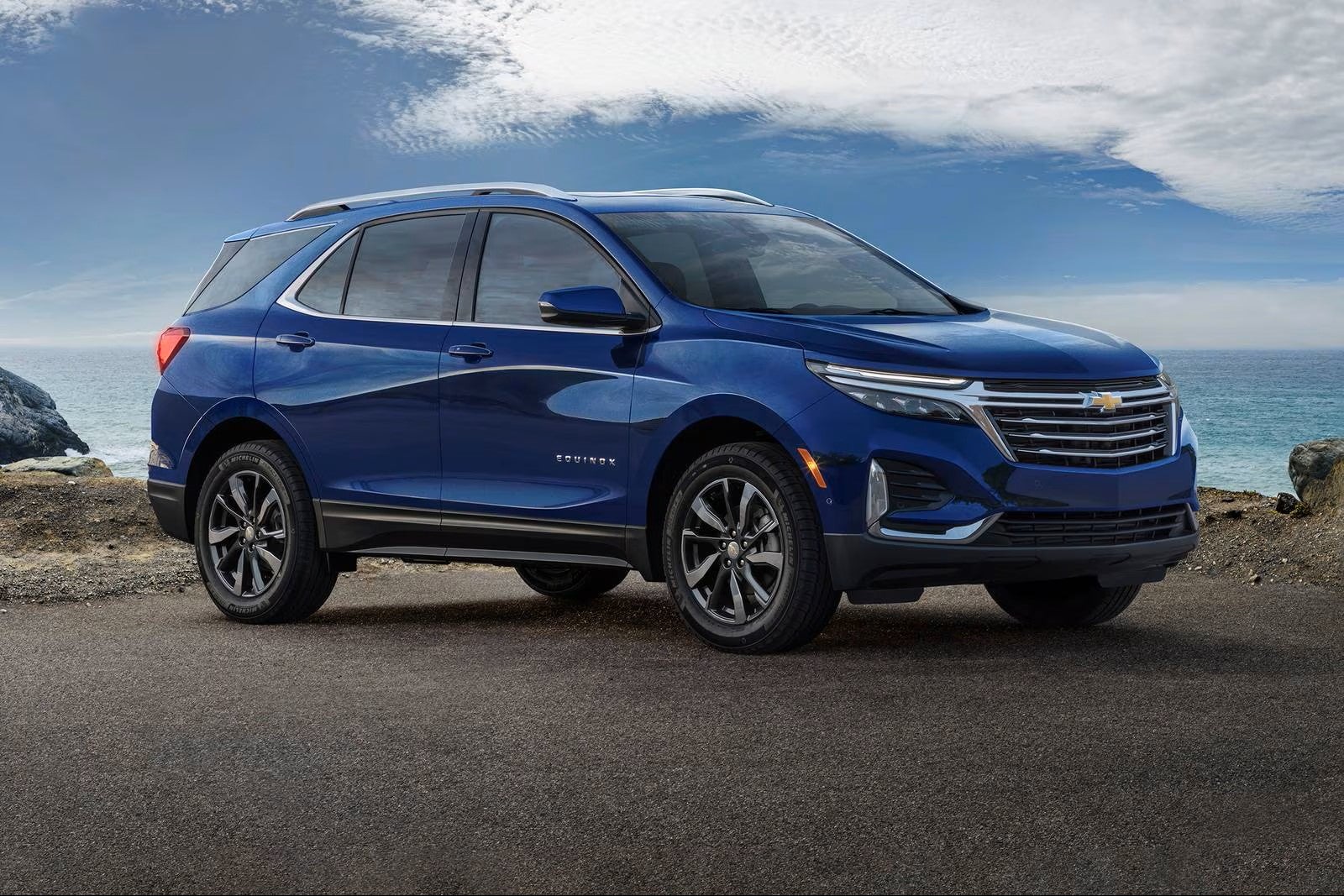
The new Chevrolet Equinox has become a go-to for folks who want a compact SUV that blends comfort, space, and smarter safety features. Whether you're shuttling the family to school or loading up for a weekend trip, this SUV proves it can handle everyday life with ease. It’s designed to meet real needs, not just show off looks. more Around Suffolk County, drivers deal with everything from busy roads to unpredictable weather. That’s why having a vehicle that offers both breathing room and solid safety tech matters. The Equinox delivers both, and it’s built with thoughtful features that can really make a difference on Long Island roads. Spacious Interior and Comfort Step inside the new Chevrolet Equinox and the first thing you’ll notice is how much space it gives you without feeling bulky. There’s room to bring the kids, pack in the groceries, and still have breathing space left over. The low step-in height also makes entry and exit easy for kids and older passengers, especially during those damp Suffolk County fall mornings when nobody wants to struggle in the rain. The cabin layout is simple and clean, with soft-touch materials that still hold up to dirt and mess. Storage is right where you’d hope it would be: center console, door pockets, seatback areas. These spaces are great for things like reusable water bottles, charging cables, snacks, and other on-the-go items. Then there’s the versatile cargo space. Whether the seats are up or folded flat, the open area in the back gives you what you need for bulkier items like strollers or folded chairs for a beach day at Sunken Meadow. A few highlights of the interior design: Rear seats that slide back and recline, so passengers have more legroom or you have more room for cargo Dual-zone climate control to keep front and back comfortable without any arguments over the settings Available hands-free power liftgate to make loading easier when your arms are full Split-folding rear seats for flexible storage setups It’s these kinds of thoughtful features that help families stretch every mile while keeping everyone comfortable inside the ride. Advanced Safety Systems Safety tends to get talked about more than actually understood, but in the Equinox, the features are right where they matter. The vehicle comes loaded with tools that help you avoid problems before they start and make it a lot easier to feel confident on the road. Even the base model includes systems that often cost extra elsewhere. Here’s a quick rundown of some stand-out safety technologies in the new Chevrolet Equinox: Forward collision alert with automatic emergency braking to help prevent or reduce the impact of front-end crashes Lane-keep assist with lane departure warning so you know when you’re drifting without a signal Rear vision camera and available rear cross traffic alert to give you better views when backing out of tight driveways or parking lots Adaptive cruise control that adjusts your speed based on the flow of traffic ahead Teen driver technology that lets you set limits and get feedback about how someone is driving, which comes in handy for families with new drivers at home What’s even more helpful for day-to-day life in Suffolk County is how these safety features work together. Whether it’s dealing with wet leaves on the road, tight parking spots at a busy store, or pedestrians around schools, the Equinox supports drivers with alerts, assists, and extra help right when it’s needed. For families, installing car seats is also straightforward. The lower anchors and tethers are easy to find, and the seat height allows for easy access without struggle. That means quicker drop-offs, fewer backaches, and better peace of mind. User-Friendly Technology That Works For You Driving around Suffolk County often means juggling sudden delays, last-minute errands, or weekend detours. That’s when an SUV like the Chevrolet Equinox comes in handy, not just for how it drives, but for the way it keeps you connected. The setup inside is built to be user-friendly, even for folks who aren’t big on gadgets. Controls are easy to see and use, and the central touchscreen helps keep things organized without feeling complicated. Smartphone integration includes Apple CarPlay and Android Auto, so you can stream music, confirm appointments, or follow directions without fumbling with your device. With USB ports in both the front and back seats, chargers are always in reach. The built-in voice recognition also helps with calls, music, and directions while letting you keep your hands on the wheel. Here’s how these features make daily driving smoother and safer: Touchscreen that’s easy to read and quick to respond Built-in apps that assist with real-time turn-by-turn navigation Available Wi-Fi hotspot so passengers can connect their devices during the drive Wireless charging tray to keep your phone powered without messier cables The smart design means you don’t need to spend time learning a new system, it just works. Especially during heavy traffic in places like Route 347 or around local schools, this kind of technology helps you stay focused on the road. Performance and Reliability The Chevrolet Equinox keeps things steady when it comes to how it performs. It delivers a comfortable ride that handles potholes, traffic, and sudden stops, all without feeling rough. Under the hood, it’s built to balance responsiveness with fuel savings, so you’re not burning too much gas running errands or commuting across longer parts of Suffolk County. This SUV knows its way around turns and doesn’t lose its cool when the road gets bumpy. There’s enough pick-up to feel confident getting on the highway, and the cabin stays quiet even when you're driving over patched pavement. Fuel mileage stays fair, giving you a little financial relief heading into colder months when driving time generally goes up. Where it works best for local drivers: Suspension smooths out worn roads and construction-heavy routes Size makes it easier to park in slightly tighter urban spaces Good visibility helps when making tricky turns or checking blind spots Available all-wheel drive helps hold traction in rain, slush, or light snow Owners around Long Island will appreciate how well it stands up to wear, whether taking frequent trips from Sayville to Huntington or running multiple errands around town. The Equinox handles active daily demands without feeling tired; you can trust it to keep going. Drive Safely with the New Equinox from Chevrolet of Smithtown The new Chevrolet Equinox checks the boxes that so many drivers in Suffolk County are looking for. It's got the right amount of space, makes safety a top priority, and brings the right tech to the table without overcomplicating the drive. For every part of your routine, dropping off kids, loading up for a grocery run, or heading out on a weekend trip, the Equinox proves ready and willing. It’s smart without being flashy, cozy without feeling crowded, and safe without making a production out of it. With help from smart features and a design that keeps local needs in mind, the Equinox stands as a solid choice for families, commuters, and anyone needing more from their SUV. Whether you're making the school circuit during the week or road-tripping through the pine barrens on a Saturday, this vehicle makes those drives simple and confident. Experience the perfect mix of space, safety, and tech right here in Suffolk County. Discover the benefits of the new Chevrolet Equinox in Suffolk County, built for real-life driving and everyday comfort. Schedule your test drive today with Chevrolet of Smithtown and see what smart driving feels like.

Chevrolet truck

What Makes a Quality Used Truck Worth the Investment

Buying a used truck isn’t just about saving money. It’s about finding a workhorse that fits your needs, whether you're hauling gear for a side job, towing your camper, or just want something tough for everyday driving. A well-built, well-cared-for truck can last for years and handle whatever gets thrown at it. That’s one reason trucks remain a top choice for buyers looking to get more value out of their vehicle purchase. more In Suffolk County, owning a reliable truck makes a lot of sense. Winters bring snow, summers are hot, and roads can take a beating after the colder months. A strong used truck with the right maintenance history and key features can handle these changing conditions without missing a beat. The trick is knowing what separates the good ones from the ones that aren’t worth it. Here’s what to keep in mind when looking for a solid investment. Assessing the Condition of a Used Truck Before you talk numbers or get caught up in the look of a shiny exterior, start by checking the nuts and bolts of the truck. A good used truck will show signs of care, not just signs of a deep wash. Some wear and tear is totally normal, especially with trucks that have been used for labor or towing. What matters most is how it’s been maintained. Here are a few things to look out for: Outside and inside wear: Walk around the truck and check for large dents, uneven panel gaps, or mismatched paint that could suggest major repairs. Inside the cabin, look at the seats, dash, and controls. Worn-out pedals or buttons can match high mileage, but if they’re oddly worn out on a low-mileage truck, that’s a red flag. Engine and transmission health: Pop the hood and look for any leaks or odd smells. The engine shouldn’t be coated with grime or oil. When driving, the transmission should shift smoothly. Hesitation, jerking, or clunking noises can be early signs of big problems. Tires, brakes, and suspension: Tires can tell you a lot. Uneven wear may point to suspension issues or poor alignment. Brake pads, rotors, and shocks need to be in good shape for safe driving, especially in fall and winter when road conditions get tricky. Someone once brought home what looked like a steal of a deal until they noticed a slow pull to the left, weak brake response, and bald rear tires. Turns out the suspension needed replacing and the rotors were warped. A visual check would’ve caught most of those before the deal was done. Keep in mind, no used truck is going to be perfect, but the right one doesn’t come with major surprises waiting around the corner. Reviewing the Vehicle History Beyond what your eyes and ears can tell, a vehicle’s history gives you the big picture. A history report helps you understand what that truck has been through—where it’s been driven, how often it’s been fixed, and whether it’s had any serious issues. Here’s what you should look for when reviewing a truck's background: 1. Accident reports Look for any accidents the truck’s been in and how severe they were. Minor bumper scrapes aren’t the end of the world, but frame damage or airbag deployment could mean deeper problems. 2. Service records Trucks that have regular oil changes, tire rotations, and brake replacements show the previous owner took care of them. Gaps or a total lack of service logs might mean issues were ignored. 3. Ownership history Fewer owners typically means fewer chances for bad maintenance habits. If a truck’s had several owners across a short period of time, you might want to dig deeper into why. 4. Mileage consistency Make sure mileage reported on the title, service records, and odometer all line up. Jumping numbers could suggest odometer tampering or reporting issues. Reading the history is like pulling open a report card. It doesn’t always tell the full story, but it definitely highlights any trouble areas you don’t want to miss. Whether you're browsing online or visiting a used truck dealer in Suffolk County, always ask for a complete history report before getting serious about a purchase. Benefits Of Certified Pre-Owned Trucks If you’re weighing your options between different used trucks, don’t overlook those labeled as certified pre-owned. These trucks go through added steps before hitting the lot. That includes detailed inspections by trained technicians that go well beyond a quick oil change or surface cleanup. The goal is to make sure these trucks meet higher standards, so you’re not taking a gamble. The certification process usually includes checks on: - Powertrain functionality - Brake performance - Steering and suspension issues - Exhaust and emissions systems - Interior tech and safety features One of the big upsides of choosing a certified truck is the warranty. While each manufacturer handles that differently, most offer extra coverage for the engine, transmission, and sometimes more. That peace of mind pays off if something comes up down the road. You’re also more likely to see benefits like roadside help or free maintenance for a certain period of time. These perks might make a certified pre-owned option worth the extra cost upfront. Take for example someone who bought a certified used truck for work in Huntington. After a few months, the AC struggled and the backup camera glitched out. Because it was certified, those repairs were taken care of quickly without dipping into their savings. That kind of support can make all the difference when your truck is part of your daily life. Certified pre-owned trucks sit in a sweet spot. They hold more value than standard used trucks but can be more affordable than going brand new. If you're buying in Suffolk County where the seasons shift and road conditions change, starting with one that’s been thoroughly inspected can save you time and stress. Test Driving And Choosing A Dealer In Suffolk County No matter how good a used truck looks on paper, the test drive is where everything clicks or falls apart. The drive gives you a sense of how the truck really feels. Is the steering tight? Does it handle bumps well? Are there weird rattles or noises when you turn sharply? You want to pay attention to how it performs, not just how it looks or sounds during idle. When you test drive: - Accelerate at different speeds to see how the transmission shifts - Use the brakes firmly and gently to check response and stability - Drive over different surfaces like rough asphalt or side roads with potholes or dips - Test all tech tools inside the cabin, including the infotainment system, HVAC, lights, and cruise control - Make tight turns in a safe spot to see how the tires respond and to catch any suspension problems Besides the truck itself, where you buy matters too. A trustworthy used truck dealer in Suffolk County should give you full access to maintenance records, offer a full test drive without pressure, and answer your questions directly. If something feels rushed or vague, that’s usually a red flag. Work with a team that treats your investment like their own. Before wrapping things up, ask a few clear questions: - When was the last time this truck had a full tune-up or inspection? - Was it used primarily for personal driving or heavy work? - Are there service warranties in place, even if limited? - Has anything recently been replaced or upgraded? The more open and honest the answers, the better your experience will be, both during the sale and beyond. Why a Used Truck Is a Smart Call for Long-Term Value The right used truck ticks more than just the price box. It brings value through performance, dependability, and the ability to adjust to your routine, from messy Suffolk winters to the heavy loads of weekend projects. When you take time to look past the paint job and pay attention to how it handles, you’re more likely to drive away with something that truly works for you. Whether you need it for daily miles, weekend towing, or just to feel safer on the road when things get icy or wet, a well-maintained truck will hold its ground. Upfront decisions today can lead to fewer problems years down the line. That’s what makes a used truck a smart long-term choice. Your search for a reliable workhorse doesn't have to be stressful. At Chevrolet of Smithtown, our dedicated team understands why you need a dependable truck, especially with Suffolk County's changing conditions. As a trustworthy used truck dealer in Suffolk County, we offer a range of options to fit your lifestyle, from certified pre-owned to other well-maintained choices. Explore our selection today and find the vehicle that will reliably power through your days and beyond.

Chevy Silverado

Transmission Warning Signs in Used Chevrolet Silverado 1500

If you're driving a used Chevrolet Silverado 1500 in Suffolk County, keeping an eye on how your truck shifts, sounds, and responds on the road can save you from bigger problems down the line. The transmission handles power delivery from the engine to the wheels, and when it starts acting up, your entire driving experience can change, sometimes quietly, sometimes suddenly. Spotting early transmission warning signs is one of the best ways to avoid getting stuck with expensive repairs or a vehicle that lets you down when you need it most. more Fall is a good time to pay attention to how your Silverado is handling, especially before heavy winter weather sets in across Suffolk County. That drop in temperature can amplify issues that were already bubbling under the surface. Whether you're shopping for a used Silverado or currently own one, knowing what to watch for can help prevent headaches. Here are some signs that something might be wrong with the transmission. Common Transmission Warning Signs Transmission trouble doesn’t usually come out of nowhere. Most of the time, your Silverado will drop hints—sounds, delays, or movements that feel just a little off. Catching these early can make a big difference in what kind of work your truck might need and how quickly it can be fixed. Here’s what to watch for: Strange Sounds While Driving or Shifting A grinding or whining noise that kicks in when you change gears or speed up could point to a transmission issue. You might notice the sound when you're going uphill or accelerating from a stop. These noises usually don’t just go away, and they’re rarely something you want to ignore. Slipping Gears If your Silverado suddenly changes gears when you didn’t ask it to or feels like it’s hesitating between shifts, that's called slipping. This can feel like the truck momentarily loses power or jerks forward without warning. It's a strong sign that your transmission isn’t locking gears like it should. Delayed Gear Engagement You press the gas and nothing happens right away or there's a pause before the truck starts moving. If it takes a few seconds longer than it should to go into drive or reverse after shifting, there may be internal wear or low transmission fluid causing the delay. Let’s say you’re driving along Route 347 and go to accelerate, but there’s a lag before your Silverado responds. That lag might not be from the engine. It could be a sign your transmission is struggling to keep up. When things don’t feel instant and smooth, there’s usually a reason, and it’s worth finding out what it is sooner rather than later. Dashboard Warning Lights That Shouldn't Be Ignored Your Silverado’s dashboard is built to send you clear warning signs, especially when something as important as the transmission begins to go off track. If you see any new lights pop up, it’s worth paying attention. Ignoring them can often lead to bigger issues. Start with the transmission fluid temperature light. This usually looks like a thermometer sitting inside a gear shape. If this light turns on, your transmission may be overheating. Heat can damage parts and reduce system performance. Overheating could be caused by low fluid levels, clogged lines, or worn components. Then there’s the check engine light. While it doesn’t always point to transmission issues, it’s definitely something you shouldn’t brush off. If this light turns on when your Silverado struggles to shift or makes odd sounds, get it looked at quickly. The check engine alert works with your truck’s internal computer system, letting you know when something is off—usually before complete failure occurs. A helpful tip is to not just rely on the light itself. Pay attention to when and how it comes on. Is it during highway speeds? After cold starts? Little details like that can help explain what’s going wrong under the hood. Telltale Physical Symptoms of Transmission Problems Checking your truck visually or using your sense of smell may not sound high-tech, but it's a smart move when tracking down signs of transmission trouble. Some problems leave obvious physical clues if you know where to look. Look out for: Visible Fluid Leaks Take a peek under the truck, especially if it's been parked in one spot for a while. Transmission fluid is usually red or reddish-brown. If you start seeing stained patches or wet spots on the ground, it could be fluid escaping from the system. This may mean a broken seal or cracked hose. Burning Odor from Under the Hood A hot, sharp smell—especially after driving a longer distance—might mean your transmission is overheating. Transmission fluid helps cool the system. When it’s low, leaking, or old, heat builds fast, and that smell could be the result. Shaking or Jerking While Driving If your Silverado feels rough while shifting, or it jolts between gears, those are physical signs that something inside the transmission could be wearing down. It may start small but will only get worse without actual maintenance. So, if your Silverado has always been fine, but recently you’ve noticed a few drips in your driveway and that burning smell when pulling into your garage in Holtsville, it’s time to get it checked. Those little things could be trying to tell you something big. Why A Certified Inspection Matters Spotting warning signs is only the first step. Once you feel something's off, bring your Silverado to experts who work with these vehicles every day. Automatic transmission problems can get worse fast, especially if the wrong fix is tried or the problem is just ignored. Certified technicians have the right tools and the right training to test parts, find the source of problems, and fix it properly. Automatic transmissions are made up of lots of moving parts, electronics, sensors, and pressurized fluid. Without the right tools and knowledge, it’s impossible to know what exactly is wrong. Skipping a full inspection often leads to repeat problems. A leak might be patched, but if pressure is still low, it won’t shift correctly. A warning light might reset itself, but the root issue is still hiding. A certified inspection takes the guesswork out of repairs. It lets you know what’s causing the symptoms and what needs to be done to fix them for good. Silverado drivers in Suffolk County who deal with icy roads, heat waves, and busy commutes can’t afford transmission trouble. That’s why it makes sense to catch issues early and let experienced technicians take a close look. What Your Silverado Needs To Stay Reliable Paying attention to how your used Chevrolet Silverado 1500 feels day to day can make a big difference. From strange noises to dashboard lights to odd smells, your transmission speaks up in small ways. Ignoring those signs could turn a small fix into a bigger problem. If something starts to feel off, it probably is. Getting it checked early means your Silverado stays reliable and ready when you need it. Your truck is built to work hard through the seasons in Suffolk County, but it can only do that if key parts like the transmission are working the way they should. Spotting issues early, understanding what they mean, and knowing when to trust a technician can extend the life of your truck and give you peace of mind behind the wheel. Get ahead of the problems, and you’ll feel the difference every mile. Stay mindful of what your used Chevrolet Silverado 1500 in Suffolk County is telling you regarding its transmission. If you've noticed any warning signs, be proactive and get it checked to keep everything running smoothly. Schedule an appointment with Chevrolet of Smithtown and let our certified technicians ensure your Silverado is ready for anything that comes its way. Whether it's routine maintenance or addressing a specific issue, we're here to help.

Chevy Parts

When to Replace Common Wear-and-Tear Parts in Your Chevy

Every car goes through wear and tear, no matter how well it's built. For Chevy drivers on Long Island, knowing which parts wear out over time and when to replace them can be the difference between a smooth drive and unexpected trouble. Fall is a good time to pay attention to these things, especially before winter weather starts making road conditions tougher. more Replacing certain parts at the right time helps avoid breakdowns and keeps your ride feeling solid. There’s no need to wait for something to completely fail before giving it some attention. From tires to brake pads, a little prevention goes a long way toward keeping your Chevy safe and reliable throughout daily commutes, weekend errands, and everything in between. Commonly Worn Parts and When to Replace Them Not every problem under the hood comes with a warning light or mess. Some things wear down over time and show signs you may not notice unless you’re paying close attention. Long Island drivers deal with stop-and-go traffic, seasonal shifts, and salty air—all things that can affect how quickly certain parts wear out. Here's a closer look at the parts that need regular checks and when to think about replacing them: 1. Brake Pads and Rotors Signs of brake wear include squeaking, a soft pedal, or longer stopping distances Most brake pads wear out between 25,000 and 60,000 miles depending on driving habits If you hear grinding, that usually means the pads are gone and the rotors are taking damage too Have your brakes looked at if you notice shaking when stopping or if the car pulls to one side 2. Tires Check tread depth using a coin or tread gauge — worn treads reduce grip, especially in wet conditions Uneven wear is a sign of alignment problems or skipped tire rotations Rotate tires every 6,000 to 8,000 miles to help them wear evenly Replace tires if sidewalls have cracks or bulges or if the car feels shaky at higher speeds 3. Battery A weak battery shows up as dim lights or a slow start Most batteries last around three to five years, but cold weather can shorten that If your Chevy takes longer than usual to crank or dies unexpectedly, have it tested Corrosion around terminals is another red flag 4. Wiper Blades Wipers that streak, chatter, or miss patches during rain should be replaced Long Island gets plenty of fall rain, so it's smart to change them once or twice a year A quick test: spray washer fluid and check for full, clean sweeps across the windshield 5. Belts and Hoses Cracks, frays, or glazing on belts mean it’s time for replacement Hoses that feel soft or look swollen can burst if left alone Listen for squealing under the hood — that can point to a slipping belt With age and heat, these parts get brittle. Inspect them during regular service to catch problems early One driver in Suffolk County noticed his Chevy started making a squealing noise when he turned the wheel. He assumed it was nothing serious until the power steering failed. A worn-out belt had finally snapped. So even if a problem seems small, it’s a smart move to get a second opinion before it gets worse. Regular inspections can catch small red flags before they turn into larger repairs. Benefits Of Timely Replacements Waiting too long to replace worn parts can cause bigger problems than you'd think. Catching trouble early usually means less time at the shop and fewer headaches on the road. You avoid the stress of unexpected breakdowns and save money over time by not letting minor issues grow into serious repairs. A car that’s well taken care of simply drives better. Your steering stays sharp, brakes respond quickly, and the ride stays smooth. On Long Island roads, where potholes and traffic wear down parts faster, this matters more than people realize. With good traction, working brakes, and a strong battery, your Chevy handles changing seasons without hiccups. Here’s what you get by staying ahead of part wear: Safer rides, especially during rain, snow, or icy weather Better fuel performance when parts like tires and belts are in good shape Lower chance of breakdowns or needing a tow Quieter, smoother driving with less vibration or clunking Longer life for other vehicle systems that work harder when parts are worn Letting things slide might seem okay at first, but cars have their way of showing you they need help. That single worn tire you decided to ride out might mess with the others during rotation. A loose belt could snap and take down your AC or power steering at the worst time. Simple upkeep helps everything last longer. Why Professional Maintenance Makes A Difference There’s a big difference between checking parts during a quick glance and having a trained technician look things over with the right tools. A professional knows what to spot before it causes problems and can tell when a part is nearing the end of its lifespan. You’re not just getting a fix — you’re getting peace of mind. Shops that specialize in Chevrolet vehicles understand how different models perform and wear under local driving conditions. They follow factory service schedules and use proper testing methods, especially for parts like batteries, hoses, and brakes that aren’t always easy to judge by sight. They also document work clearly, which helps keep a good service record if you ever trade in or sell your vehicle. An example from a driver in Patchogue shows how this matters. His Silverado kept making a light clicking noise, but he didn’t think much of it. When he stopped in for a routine tire rotation, the service tech spotted a rotor that was badly scored from a worn-down brake pad. What could have been a few hundred dollars if caught early turned into a much costlier repair — but at least it was found before it failed completely. Getting regular inspections, especially before winter kicks in, prepares your Chevy for colder months. Drivers on Long Island know conditions can change fast. Having working belts, tires, wipers, and brakes gives you fewer reasons to worry when the weather takes a turn. Staying Ahead of Repairs Makes Every Drive Easier No one enjoys surprise repairs. The best way to avoid them is by watching for early signs, listening to your car, and staying on top of basic service. Parts wear out. That’s normal. But when you replace them on schedule, you stay in control — of both your car and your time. It’s also a smart way to keep your Chevy working the way it’s supposed to. Whether you’re heading to the beach in Montauk, dropping the kids at school, or stuck on the LIE during rush hour, a reliable ride makes all the difference. Long Island roads come with their own set of challenges, but with regular care and timely replacements, your car is ready for anything. Regular maintenance makes all the difference in avoiding road troubles and ensuring a smooth drive across Long Island. If you're ready to take the next step in extending the life and performance of your vehicle, explore our service options for Chevy car parts on Long Island. At Chevrolet of Smithtown, our expert team is dedicated to keeping your car running at its best through all seasons.

Chevrolet Care

Year-Round Service Schedule for Your Chevrolet Vehicle

Keeping your Chevrolet in great shape year-round isn’t just something to think about before a big trip or when a light pops up on the dash. It helps your vehicle run better, last longer, and avoid surprises. Regular service can make a big difference, especially if you live on Long Island where the seasons shift fast. From salt-covered roads in winter to the heat and humidity in summer, each part of the year affects how your vehicle performs. more The good news is that a consistent service schedule can help you stay ahead of wear and tear. It allows you to catch small problems before they turn into big ones and boosts your safety along the way. When you live in a place like Suffolk County, where every season brings different driving challenges, having a clear plan helps you stress less and drive more confidently. Whether you're checking your tires or flushing your fluids, understanding what to look for each season goes a long way toward keeping your Chevrolet in top shape. Winter Maintenance Checklist: Beating the Cold When winter hits Long Island, the cold doesn't just hit you. It hits your vehicle too. Low temps can drain your battery, lower your tire pressure, and put your heating system to the test. Add in salt-covered roads, and your Chevy gets hit from all sides. Winter maintenance is about more than staying warm. It’s about making sure you stay mobile, no matter how rough the weather gets. Here’s where to focus: 1. Battery Health Cold slows the chemical reaction in your battery, which means it won’t hold a charge as well. If your car cranks slowly or you’ve had the same battery for a few winters, get it checked. Cold mornings with no engine response are the last thing you want before work. 2. Tire Condition If your tires are worn or underinflated, you’ll notice it once the roads get slick. Winter or all-season tires with good tread help your vehicle stop safely on snowy or icy roads. Uneven wear or bald spots mean it's time for a new set or rotation before the worst of the season kicks in. 3. Heating System Check Your heater is about more than comfort—it’s about visibility, too. A weak blower or clogged heater core puts your defrosters at risk. Clear windows make winter driving safer, so if your system isn’t as warm or fast as it used to be, schedule a check. Spring Maintenance Tips: Shaking Off The Winter Wear Spring arrives with warmer weather and leftover damage from the colder months. Rain, potholes, and leftover salt can all take a toll on your Chevrolet’s performance and appearance. Spring service helps you undo winter's wear and prepares your ride for smoother driving ahead. Here are a few things to focus on: Check for Rust and Salt Corrosion Road salt is useful in winter but hard on your undercarriage. After the last snow has melted, take a minute to check for rust spots on the suspension, brake lines, and other exposed metal. Catching corrosion early can save you from expensive damage later. Test the Brakes Your brakes work overtime in winter, especially in traffic and on slippery roads. If spring brings squeaky sounds or a soft brake pedal, your pads or fluid might be worn. If braking feels off or takes longer, don’t wait—schedule an inspection. Replace Wiper Blades and Check Fluids Wiper blades go through a lot in the winter. Reach for new ones in the spring so you're ready for the rainy season. While you're at it, check your oil, coolant, brake, and windshield washer fluids. Cold weather can affect fluid thickness and levels, so it's wise to top off or change them. Getting ahead of any damage from snow, salt, and temperature swings keeps your vehicle feeling good as the temps rise. Spring is your reset button. Summer Maintenance Tips: Stay Cool and Drive Confident Long Island summers bring high heat, traffic backups, and beach days—which all put your vehicle to work. Your Chevy has to deal with hot roads, packed parking lots, and long weekend drives. This is when small issues can quickly turn into breakdowns if ignored. Start with the AC system. Weak airflow or warm air when the AC is on could mean low refrigerant, clogged vents, or a bad compressor. Getting your AC looked at before the sun hits its peak saves you from sweaty rides and more serious problems later. Hot pavement also affects your tires. Air expands with heat, and overinflated tires can lead to faster wear or less grip. On the flip side, underinflated tires drag and waste fuel. Regularly check your pressure and rotate your tires so they wear evenly. Finally, your cooling system plays a big part in how your engine handles the summer heat. Traffic in towns like Commack or Smithtown can cause your engine to heat up fast without airflow. If the radiator is blocked or coolant is low, your engine may overheat when sitting still. A quick check of fluid levels and leaks can go a long way in keeping things cool and running. Summer doesn’t have to be hard on your Chevy if you prep beforehand. Fall Maintenance Checklist: Getting Ready for Cooler Temps Fall is your reset before the colder season rolls in again. Use it to check those smaller systems that help you drive safer and more comfortably as the days get shorter and wetter. Focus on the following: Windshield Wipers Between early sunsets and unexpected drizzle, you’ll want wipers that get the job done right. If your blades squeak or skip, replace them. Clear vision makes a big difference during fall commutes and weekend trips. Brake System Braking is one of the most important parts of safe fall driving. Damp roads and early storms test your rotors and pads. If you heard squeaking in the summer or felt weird pressure at the pedal, look into replacing worn parts or flushing older fluid. Exterior Lighting Make sure your headlights, turn signals, and brake lights are all working. Dim or foggy lights can make it harder for others to see you, especially at rough intersections. A walkaround with a friend can catch anything that isn’t lighting up quite right. These tune-ups are simple but carry real value. Don’t let a small problem grow into something that stalls you out in the dead of winter. Keep Your Chevrolet in Peak Condition on Long Island Each season throws something different at your Chevrolet. From road salt to sweltering pavement, the changes add up. Following a year-round Chevrolet maintenance schedule on Long Island helps you avoid surprises and keeps your Chevy running just how it should. Vehicles don't always shout when something’s wrong. Instead, they whisper—slow starts, weird noises, or lights that don’t shine as bright. Regular service lets you listen before those whispers turn into repairs. Treat your service schedule like a check-up. It keeps things smooth and gives you peace of mind for errands, long drives, or daily commutes. At Chevrolet of Smithtown, we’re here to support you every season so you never have to guess what your vehicle needs. With the weather always changing, the way you take care of your vehicle should change too. Keep it simple, keep it seasonal, and let us help make it worry-free. Ensure you're keeping up with everything your vehicle needs throughout the year. To make sure your ride is ready for all the changing Long Island weather conditions, take a closer look at how proper Chevrolet maintenance on Long Island can keep things running smoothly. At Chevrolet of Smithtown, we're here to help keep your Chevy in top shape every season.

Chevrolet

What Makes Factory-Trained Technicians Different for Your Chevrolet

When it comes to getting work done on your Chevrolet, the person turning the wrench makes all the difference. You might already know what a mechanic is, but factory-trained technicians take it further. These are the folks trained directly on Chevrolet vehicles—from engines and transmissions to brakes and electrical systems. Their hands-on learning goes beyond basic auto repair and focuses on the specific make and models they work on every day. more For Chevy drivers in Suffolk County, knowing your vehicle is being handled by someone with brand-specific knowledge goes a long way. Whether you're prepping your vehicle for cooler mornings or just trying to squeeze in routine service before the holiday season kicks into gear, working with someone who’s trained on your make and model helps keep repairs quicker, smoother, and more accurate. Specialized Training and Expertise Factory-trained technicians don’t just take a few extra lessons and call it a day. They go through in-depth training programs focused entirely on Chevrolet. That means they know your vehicle inside and out. From engine calibration to newer electronic features, they’re trained on what makes a Chevy run right, and how to spot anything that’s even slightly off. Here’s how they stack up compared to general technicians: 1. Factory-trained techs receive education that comes directly from Chevrolet. 2. Their training covers brand-specific systems, electronics, and parts. 3. The instruction includes both classroom study and hands-on shop experience. 4. They regularly update their skills to match new technologies and features. 5. They’re certified to work on all Chevrolet models, including the latest releases. This thorough training shows in daily repairs. If a Check Engine light comes on and you're not sure why, a general mechanic may spend a lot of time trying to figure it out. But a factory-trained technician often knows the patterns unique to your Chevy and can diagnose it faster. That accuracy helps prevent misdiagnoses or incomplete fixes that cause people to return with the same issue. Vehicles these days are loaded with systems that talk to each other—infotainment, sensors, safety tools, and drive modes. General techs might understand what a feature is, but factory-trained ones know how it operates within the Chevy design. That clear insight means smoother service and fewer hiccups for Suffolk County drivers. Access to Genuine Parts and Tools One of the biggest differences factory-trained technicians bring is the parts and tools they use. They don’t guess which part might work—they install the exact part Chevrolet intended for your model. It fits, it performs, and it helps keep the vehicle just as dependable after service as it was on day one. Generic or aftermarket parts can sometimes do the job, but they aren’t tailored to your vehicle’s design. That slight mismatch can cause trouble over time—whether it’s faster wear and tear or weird noises that shouldn’t be there. Factory-trained techs stick with original equipment manufacturer (OEM) parts, the ones built specifically for your Chevrolet. Beyond the parts, tools matter too. Modern Chevys have advanced software, sensors, and precision components. Doing a proper job isn’t just about skill; it also depends on having the right tools. These tools are often brand-exclusive and aren’t commonly found in general shops. Using the right parts and tools leads to: - Better part fit and performance - Fewer installation issues - Lower risk of repair-related damage - More accurate readings during inspections and diagnostics - Faster service times with fewer delays Picture a Chevy owner who needs a replacement for a failing brake component. A technician with access to the factory part and the correct brake system tools can get the job done fast. No rerouting. No trimming adjustments. No wondering if the part will hold up. It’s a cleaner fix with a longer-lasting result. Factory-trained technicians know what fits—not just physically, but functionally—and that protects both your vehicle and your wallet in the long haul. Up-To-Date Knowledge On Chevrolet Models Car technology doesn’t stay still for long. New updates, new features, and even mid-year changes mean each Chevy model year has something slightly different. Factory-trained technicians don’t just finish training once and call it a career. Their learning continues through workshops, refresher programs, and training on all the latest changes. This updated knowledge gives them a clear advantage. Whether it’s a change in how a touchscreen responds, revised software for fuel efficiency, or an emissions system modification, they’re on top of it. They also stay aware of service bulletins and recall campaigns, which helps them get ahead of potential problems. Here’s how that up-to-date knowledge makes a difference: 1. They can recognize tweaks in newer models and adjust their service approach accordingly. 2. They understand how updates affect function across trims, years, and configurations. 3. They can quickly adapt to new technologies like hybrid features, advanced navigation systems, or next-gen safety tools. Let’s say a Chevy Equinox owner comes in worried about jerky gear shifts. A technician unfamiliar with newer transmission map updates may spend too long diagnosing the issue. But a factory-trained tech knows that particular model had a software tweak during that release year. They’ll check the right place first, saving time and frustration. Being dialed in to Chevy’s constant improvements is key. That level of familiarity cuts confusion and creates more reliable results for drivers all over Suffolk County. Benefits of Choosing Chevrolet Certified Service in Suffolk County Getting to the shop for service isn’t always easy, especially when everyone else is trying to squeeze in last-minute repairs or winter checks. But working with a Chevrolet Certified Service center in Suffolk County helps remove a lot of the guesswork. You're not just getting a fast appointment—you’re getting technicians who know exactly what your car needs. Suffolk County brings on a full mix of weather and road types. You’ve got salty roads in winter, hot pavement in summer, and plenty of mileage in between. Roads wear down tires and affect suspension. Ocean air adds to long-term wear underneath your car. All those things matter when deciding how and when service should happen. Factory-trained technicians in Suffolk County are familiar with these local factors. They’ve worked on vehicles that handle our roads every day. That means they’re able to suggest routine maintenance that fits, spot coastal corrosion signs early, and address tire or brake issues that come from driving rough or patchy streets. Choosing certified service in Suffolk County helps you: - Get fast, informed service based on firsthand familiarity with Chevy vehicles - Avoid delays from ordering incorrect parts or dealing with mismatched repairs - Stick to a reliable service schedule with fewer unexpected problems - Maintain your Chevrolet’s value with proper care and records - Find help faster when something goes wrong during a busy part of the year When you rely on your vehicle daily, convenience matters. So does trust. And certified technicians bring both to Suffolk County Chevrolet drivers looking to invest in their vehicle’s future. The Key to Keeping Your Chevy Running Strong When your goal is long-term reliability, it really comes down to who’s taking care of your vehicle. Factory-trained technicians are built for the job. Every filter swap, software update, or brake check is done confidently because they’ve seen it all and trained for it all. Whether your vehicle’s the latest Silverado or an older Malibu, they bring the same attention to detail. Routine service might feel like a chore, but it adds up quickly when it comes to your car’s health. Every oil change, tire rotation, or AC check prevents larger fixes down the road. By sticking with factory-trained Chevy specialists, you’re making sure those little things get handled exactly how they should be. No guesswork. No shortcuts. Drivers in Suffolk County face ever-changing road and weather conditions, so leaning on professionals who understand that keeps your car one step ahead. They’ll help with the seasonal changes, spot concerns before cold weather hits, and guide you on the best maintenance habits for your daily driving. It’s that combination of skill, tools, and local experience that helps your Chevrolet stay in peak shape season after season. Better care now leads to fewer headaches later. And knowing your technician is trained on your exact vehicle? That’s a win every time. Choosing experts for your Chevy's upkeep means investing in its long-term reliability. If you’re looking for peace of mind with reliable support that fits your vehicle’s needs, schedule your next appointment for Chevrolet Certified Service in Suffolk County. With factory-trained technicians who know your model inside and out, Chevrolet of Smithtown is here to keep your car running smoothly all year long.

Chevy Tires

When to Replace Your Chevy Tires Before Winter

As the days start getting shorter and the air picks up a chill, your mind might switch gears toward prepping for winter. While coats and snow shovels come to mind first, your Chevy’s tires deserve just as much attention. Tires are your first line of defense when roads turn slick, icy, or covered in slush. Worn ones can mean less traction, slower stopping, and a much higher chance of sliding into a curb or worse. more In Suffolk County, winters can bring all kinds of driving headaches like black ice, freezing rain, snow-packed roads, and freezing temperatures that don’t just test your patience, but your tires. If your tires are too worn to grip the road or too old to handle winter stress, it puts you and your car at risk. Knowing when to replace them before the season shifts isn’t just a smart move, it’s a safe one. Understanding Tire Wear Not every tire problem jumps out at you. Some signs are subtle and easy to overlook unless you know what to look for. Checking your tires at home only takes a few minutes and can help you gauge whether a trip to the shop is needed before cold weather sets in. Here are a few quick ways to check tire wear: Tread Depth: Use a penny to test it. Stick the penny into the tread groove with Lincoln's head facing down. If you can see all of his head, your tread is too worn and it's time to start thinking about replacements. Uneven Wear: Look at how the tread wears across the tire. If one side is thinner than the other or some spots have more wear, it could point to misalignment or inflation issues. Sidewall Appearance: Cracks, dry spots, or bulges along the outer edge mean the tire has aged or may be damaged. Weathering: If the rubber looks dry, faded, or hard, the tire may be past its prime even if the tread looks okay. Tire wear can get worse during extreme temperatures, especially when the rubber stiffens in the cold. That’s why checking before the first frost is smart. Catching signs early can save you from surprise breakdowns or unsafe handling during snow or freezing rain. Indicators It's Time to Replace Your Tires Sometimes tires don’t show obvious damage but are still way past their best days. There are signs you shouldn’t ignore that show your Chevy could handle better with a new set under it, especially before winter hits. Keep an eye and ear out for these signs: 1. Vibration or Wobbling While Driving If your car shakes or the steering wheel vibrates at certain speeds, this could be a sign your tires are worn unevenly or damaged. In winter, those sorts of issues only make handling worse. 2. Visible Cracks or Bulges Sidewall flaws aren't just cosmetic. A bulge means the tire’s inner structure is compromised, and cracking rubber shows aging that weakens performance. These can give out without warning in freezing temps. 3. Tires Over Six Years Old Even if they look fine and have decent tread, rubber degrades with time. Most tires lose grip and structure after several years. If your tire's birthday was over six years ago, it’s worth having a professional take a look, especially before driving in snow or ice. 4. Slow Air Loss If you’re finding yourself topping up tire pressure more often, there may be leaks or rim sealing issues. Cold air can amplify these problems, making them worse when you need solid contact with the road. One example: a driver in Suffolk County noticed their vehicle pulling slightly to one side during morning drives. After checking tire pressure and tread at home, they found one front tire had a bald patch and tiny cracks forming near the edge. Replacing the tire before the first freeze likely prevented a winter roadside issue. Keeping an eye out for signs like these gives you a head start. Reacting early beats waiting until you’re caught in a snowstorm with tires that can’t keep up. Benefits of Replacing Tires Before Winter Waiting until the first snowfall to think about your tires isn’t just risky, it usually means you’re a little too late. Fresh tires in fall give you a better shot at handling whatever winter throws your way. Cold-weather roads demand strong, grippy tread and solid sidewalls. Worn-out tires just can’t keep up. Replacing your tires before the winter sets in helps: Improve Traction Cold pavement, ice, slush, or a mix of all three, winter roads are unpredictable. New or properly rated tires grip better, especially during sudden turns or emergency stops. Shorten Braking Distance On slippery surfaces, the ability to stop quickly can make a huge difference. Tires with good tread push away water and snow more efficiently, giving you better control behind the wheel. Boost Fuel Efficiency Driving on worn or uneven tires makes your engine work harder. It takes more gas to move forward, especially if the tire pressure is off or the alignment is skewed. Increase Peace of Mind When you're driving home after dark or during a storm, knowing your tires can handle the roads means one less thing to stress about. Suffolk County winters come with short days, sudden weather swings, and roads that freeze fast. Getting ahead of winter with a safe, reliable tire setup makes getting from point A to point B feel a lot less like a gamble. Choosing The Right Tires For Your Chevy In Suffolk County Finding the right tires for colder months isn’t just about sizing. It really depends on where and how you drive. Some drivers in Suffolk County stick to nearby errands and short commutes, while others put more miles on their vehicles day and night. Streets can go from wet to icy in hours, especially near coastal areas, and you’ll want a tire setup that matches your day-to-day routine. Here are some options to think through: All-Season Tires: These work fine for drivers who don’t usually face deep snow or harsh winter road conditions. They provide decent grip across most temperatures and save the trouble of changing tires twice a year. Winter Tires: If your area of Suffolk County tends to see more snow or you live near roads that don’t stay well-plowed, dedicated winter tires are worth considering. They’re made with softer rubber that stays flexible when it’s cold, plus tread designs that bite into snow and ice. Performance Winter Tires: These are made for drivers who want winter grip but also care about sporty handling. They keep your Chevy responsive in harsher road conditions without giving up on driving feel. It helps to think about things like road elevation, how frequently you drive, and what types of roads you see daily. Someone who regularly travels up Route 25A early in the morning will need better grip than someone commuting mid-day with more sunlight and less ice buildup. Speaking with a Chevy tire expert can also help narrow things down. They’ll consider your vehicle specs, driving habits, and what makes the most sense for Suffolk County winters. Tire choices matter more than most people think, especially when your safety is riding on them. Stay Ahead of Winter with the Right Tire Prep Swapping your tires before winter isn’t just smart planning, it’s protection for you, your passengers, and your vehicle. When roads freeze, snow piles up, and daylight disappears faster, you’ll want to trust every part of your car, especially the only four parts that actually touch the ground. Being proactive keeps you from scrambling to replace tires after a near-miss on an icy road. A quick check in the fall gives you time to schedule service without the winter rush. You can pick the right tires well before the weather shifts fully, giving you better performance when it really counts. Whether you're weaving through downtown Smithtown, picking up the kids at school, or heading out east on the weekend, better tires mean safer travel all season long. Winter might not wait for you, but you can definitely be ready for it. Make sure your Chevy is ready for the season ahead by booking an appointment at the Chevy tire center in Smithtown. At Chevrolet of Smithtown, our team can help you choose the right set of tires for winter driving conditions, so you feel confident behind the wheel no matter what the Suffolk County roads throw your way.

Equinox

Dashboard Warning Signs in Your Used Chevy Equinox

Seeing a warning light pop up on your dashboard can be frustrating, especially when you’re on your way to work or trying to run a quick errand around Suffolk County. If you own a used Chevy Equinox, it’s worth knowing what those lights mean before they turn into bigger problems. Dashboard alerts aren’t there to scare you. They’re there to keep your SUV running reliably and to keep you safe. more Understanding what your vehicle is trying to tell you can help you stay ahead of repairs and avoid unexpected issues. Some warnings need quick action, while others may just be reminders that it’s time for service. Either way, ignoring them isn’t the answer. The quicker you respond, the more likely you are to avoid breakdowns and extra costs. Common Dashboard Warning Signs in a Used Chevy Equinox Every modern SUV, including the Chevy Equinox, uses the dashboard to alert drivers of possible problems. These lights usually appear when the ignition is turned on and then disappear after a few seconds. If a light stays on, that usually means something needs attention. Here are the most common warning lights that could show up on your Equinox dash and what they usually mean: Check Engine Light (CEL): This one covers a wide range of issues, from a loose gas cap to something more serious like a failing sensor or engine component. If the light stays solid, it’s usually safe to drive to a shop. If it flashes, pull over and get help. Battery Warning Light: If this shows up, your battery isn’t charging properly. It could be the battery itself, the alternator, or a wiring issue. The sooner it’s checked, the lower the chance of ending up with a dead battery. Oil Pressure Warning: Low oil pressure can damage your engine quickly. If this light appears, stop the engine as soon as it’s safe to check the oil level. Driving with low oil pressure even for a short time can lead to major engine problems. ABS Light: This deals with the anti-lock braking system. If it lights up, your normal brakes may still work, but the safety feature that prevents skidding may be turned off. It’s best to get it looked at soon, especially as weather cools down and roads become slick. Tire Pressure Monitoring System (TPMS): Fluctuating fall temperatures in Suffolk County can mess with tire pressure. A TPMS alert usually isn’t a big fix, but it’s worth topping up your tires or looking for a slow leak. Taking action when these lights appear helps prevent sudden issues. If you’re not sure what to do, the owner's manual is a decent starting point, but having the vehicle looked at by a trained technician will give you real peace of mind. Addressing Engine and Battery Warnings Some of the most serious dashboard warnings deal with the engine and battery. When these lights show up, they’re often tied to how your vehicle runs or whether it starts at all. If the check engine light comes on and stays on, it means there’s a problem somewhere in the engine system. It could be a sensor, a spark plug, or a fuel issue. You might also notice other signs like rough idling, poor fuel economy, or trouble accelerating. One driver in Suffolk County noticed a drop in power while merging onto the highway one morning. Later that day, their check engine light started blinking. It turned out to be a misfiring cylinder, and catching it quickly saved them from a costly repair bill. The battery warning light is usually more time-sensitive. If it lights up, your Equinox may have enough charge to drive a little while, but your electrical system could shut down once the battery drains. This warning could point to battery problems, corroded cables, or a worn alternator belt. If your headlights dim or accessories like the radio cut out, don’t wait. Those are signs it’s getting worse. Here’s what to do if these lights come on: 1. Safely pull over and turn off the engine if the check engine light flashes or you hear strange noises. 2. Avoid turning off the vehicle if the battery warning is on and you’re still driving. Wait until you’re parked safely. 3. Schedule a diagnostic check as soon as possible. Ignoring these lights can lead to full engine failure or electrical shutdown. 4. Don’t rely on internet fixes or guesswork. Get a professional inspection to know the real issue before it gets worse. Spending a little time and effort upfront can make a big difference down the line, especially with how unpredictable fall and winter conditions can get on Long Island roads. Importance of Professional Inspection and Service When a warning light pops up, diagnostics matter. Some dashboard alerts can be vague, and guessing what’s wrong based on a symbol alone can lead to delayed fixes or the wrong repair. That’s why having a certified mechanic inspect your used Chevy Equinox is the smarter move. They’ll run scan tools, look at potential trouble codes, and figure out the real cause—something a dashboard light itself won’t fully explain. Waiting too long to get help can lead to more expensive repairs. For example, an unchecked oil pressure warning could lead to engine wear that doesn’t show symptoms until real damage is done. Same goes for transmission-related warnings, which can be triggered by fluid levels, sensor issues, or gear-shift problems. What might be a manageable repair can snowball if ignored. Regular check-ups go a long way, especially during seasonal shifts when engine and battery performance tend to be affected more. With fall leading into the colder months in Suffolk County, it’s smart to be ahead of potential trouble. Having someone look at your brakes, battery, and fluid levels before issues show up can keep warning lights off and your Equinox ready for winter weather. If you notice a warning light you’ve never seen before or your digital display acts strangely, don’t push it off. A short appointment can bring long-term peace of mind, especially when it helps you avoid roadside headaches. Keeping your vehicle running well starts with understanding the early signs and acting quickly. Proactive Measures to Avoid Dashboard Alerts Keeping dashboard warnings from cropping up starts with staying consistent on service. The more attention you give routine maintenance, the less likely it is that those lights will surprise you. A well-maintained system tends to run cleaner and longer without triggering alerts. Here are practical ways to reduce the risk of dashboard notification headaches: 1. Get regular oil changes, especially ahead of colder months. Clean oil supports engine health and prevents pressure warnings. 2. Have your tires and TPMS sensors checked when the seasons change. Cold air in Suffolk County can cause fast pressure drops that trigger alerts. 3. Inspect battery strength during fall. Low-charge batteries often show problems during the first few freezing mornings. 4. Replace air filters and spark plugs around their recommended mileage. Dirty filters or worn spark plugs can lead to a check engine light and reduced fuel performance. 5. Ask for brake inspections with every tire rotation or oil change. Faulty ABS sensors or low brake fluid can set off alerts related to stopping distance. Most warning signs don’t come out of nowhere. They usually build up after missed oil changes, aging parts, or skipped diagnostics. Keeping up with maintenance helps catch small changes before they become dashboard alerts. It’s helpful to log service dates and keep track of what’s been done. That way, if a warning light does appear, you’ve got a solid idea of when the last related service happened and what might be due. Staying Safe and Confident on Suffolk County Roads A dashboard warning light might seem small, but it can be a signal of something bigger. Recognizing what those lights mean and knowing how to handle them gives you an advantage. Whether it’s tire pressure, oil level, or electrical power, acting fast can save you from breakdowns at the worst times. When you stay ahead of checkups and stick to realistic service routines, unexpected problems become less common. Any used Chevy Equinox in Suffolk County can stay reliable and smooth if given the right care. You don’t have to know every detail under the hood. Just keep your eyes open for signs and let trained technicians do the deeper work. No one wants to be stuck on the side of Route 25 or late to work over a warning light that could’ve been avoided. Building habits with regular inspections and routine services can keep you moving forward with fewer interruptions, no matter what the dash tries to throw your way. To keep your SUV dependable year-round and ready for whatever the road throws your way, don't wait on those dashboard alerts. Whether you're troubleshooting an issue or just staying ahead of seasonal maintenance, explore service options tailored for your used Chevy Equinox in Suffolk County. At Chevrolet of Smithtown, we’re here to help you drive with confidence every mile of the way.

Chevrolet

OEM vs Aftermarket Parts for Your Chevrolet: Which to Choose

When it's time to repair or upgrade your Chevrolet, one of the first decisions you’ll need to make is whether to use OEM or aftermarket parts. This choice can affect your vehicle’s performance, how long the parts last, and even how smoothly everything fits and runs. Although both types of parts might get the job done, they don’t always deliver the same results when it comes to reliability or compatibility. more Whether you’re replacing a brake pad, a side mirror, or something under the hood, knowing the difference between OEM and aftermarket parts can help you avoid costly mistakes. Each option has its own pros and cons, and the right fit often depends on what kind of driving you do, your budget, and how important equipment precision is to you. Here’s a look at what sets each apart and when one might be a better option than the other. What Are OEM Parts? OEM stands for Original Equipment Manufacturer, which pretty much means these parts are made by the same company that built your Chevrolet, or by a third party that works directly with them. These are the exact components your vehicle had when it first rolled off the factory floor. Because they’re made to match your Chevy’s make and model, OEM parts are usually a perfect fit, physically and technically. There’s no guessing whether the screw holes will match up or if the part might wear out quicker than it should. That peace of mind can be worth a lot, especially when you’re dealing with more expensive repairs. Here are a few perks of going with OEM parts: 1. Guaranteed compatibility with your specific make and model 2. Backed by a manufacturer’s warranty 3. Often the better choice for maintaining resale value These parts are commonly recommended when replacing any key system components that directly affect how the car performs or its safety, like brakes, steering parts, or drivetrain pieces. Let’s say your vehicle was recently in a fender bender and the body shop is fixing the bumper. With an OEM bumper, you can count on a clean fit and a matching paint option designed for your year and trim. That said, OEM parts are sometimes a bit more expensive than their aftermarket counterparts. But if you’re aiming for durability and performance consistency, they’re hard to beat. Exploring Aftermarket Parts Aftermarket parts are produced by companies other than the original manufacturer. They’re made to function like OEM parts and will often fit multiple makes and models. Because of their wider use and availability, they come in many styles, qualities, and price ranges. In some situations, aftermarket parts can be a smart choice. For example, drivers who are customizing older Chevrolets might appreciate the variety of aftermarket performance parts that boost handling, sound, or overall appearance. These parts can give a personalized feel to the car and sometimes even offer better performance than OEM. However, they come with tradeoffs: 1. Quality can vary depending on the brand 2. Some may not fit as precisely as OEM parts 3. Warranty coverage is inconsistent 4. May not always meet the same specs as OEM parts Finding a good aftermarket part involves doing some homework or consulting someone who knows what to look for. Not all parts are equal. In fact, some lower-end aftermarket parts might wear out faster or not perform as well under stress like heat, speed, or long-term use. If you’re thinking about aftermarket options, consider situations like basic cosmetic replacements or non-critical systems, like a seat trim or radio upgrade. Just keep in mind that if your Chevrolet is still under a factory warranty, using aftermarket parts could affect that coverage. Always read the details first before switching out anything major. Key Differences Between OEM and Aftermarket Parts Once you understand the basics of OEM and aftermarket parts, it helps to look at how they stack up next to each other. The differences go beyond price tags. It comes down to things like who made the part, how well it fits, and what kind of support you’re getting after it’s installed. Here’s a breakdown of what makes OEM and aftermarket parts different: 1. Fit and Compatibility: OEM parts are designed with your Chevrolet’s exact specs in mind. They fit just like the original parts. Aftermarket parts can also fit well, but depending on the brand, there might be minor differences or adjustments needed. 2. Quality and Performance: OEM parts use the same materials that your car came with. There’s little guesswork around how they’ll perform. Aftermarket parts range a lot in terms of quality. Some may match OEM standards, while others don’t. 3. Cost: Aftermarket parts can be more affordable upfront. That’s a big reason people go for them. Just be careful. The lower price might mean less durability, which could lead to more replacements down the road. 4. Availability: You’ll usually have more options with aftermarket parts. Some are made for specific upgrades or performance boosts. But having too many options can also be confusing if you’re not sure what to pick. 5. Warranty and Support: OEM parts are typically covered under warranty. If something goes wrong, the process to get it fixed or replaced is clearer. With aftermarket brands, the warranty depends on the manufacturer and isn’t always as straightforward. Choosing between the two means weighing all these factors. You want good value, sure, but a poor-quality part can lead to unnecessary repairs or safety issues. It’s better to have peace of mind than to cut corners and deal with bigger problems later. Making the Right Choice for Your Chevrolet The best choice really comes down to what you need from your part and how you use your vehicle. If your Chevy is your daily driver and you want consistency, OEM parts might make more sense. If you’re working on a weekend project car or customizing details, aftermarket parts could give you some flexibility. Think about these before making a decision: 1. Is your vehicle under warranty? If yes, OEM might be safer. 2. Is this part tied to safety or performance? Stick with parts that are proven to meet your make’s standards. 3. Are you focused on long-term results or short-term savings? 4. Do you know the brand behind the aftermarket part? If not, it's harder to tell if it’s worth the cost. Long Island drivers often count on their vehicles for year-round reliability. Cold winters and wet falls bring their own wear and tear. Because of that, it’s helpful to work with a local Chevrolet parts department on Long Island that can walk you through your options, especially when making choices that affect how your vehicle runs on tougher terrain. Whether you're swapping out something as simple as a wiper arm or something big like a transmission component, there's value in speaking with someone who works with these cars every day. It saves time and helps avoid regrets. Why The Right Part Still Matters Miles Down the Road Picking between OEM and aftermarket parts doesn’t have to feel overwhelming. Start by figuring out what your vehicle needs, then think through what each part offers for fit, quality, support, and cost. Each option has its strong points, but not all parts are meant for every situation. By keeping your goals and your budget in mind, you can make choices that give you more than just a functioning car. You get confidence in how your Chevrolet performs from season to season. Whether you're focused on safety, performance, or just getting the repairs done quickly, paying attention to part quality now can save you both money and time later on. When you're ready to take care of a repair or an upgrade, getting trusted advice and dependable parts makes all the difference. Your vehicle depends on what you put into it. That’s why making thoughtful choices about replacements plays such a big role in how well it holds up mile after mile. Choosing the right parts for your Chevy is a big decision that can affect its performance and lifespan. If you’re unsure which parts are the best fit for your needs, the Chevrolet parts department on Long Island is here to help. At Chevrolet of Smithtown, our team is ready to offer expert guidance and reliable service to keep your vehicle running at its best.

Contact Us

Fill out this form below and we'll contact you shortly
*Required Fields