




Get Your Used Chevy Bolt Winter-Ready on Long Island
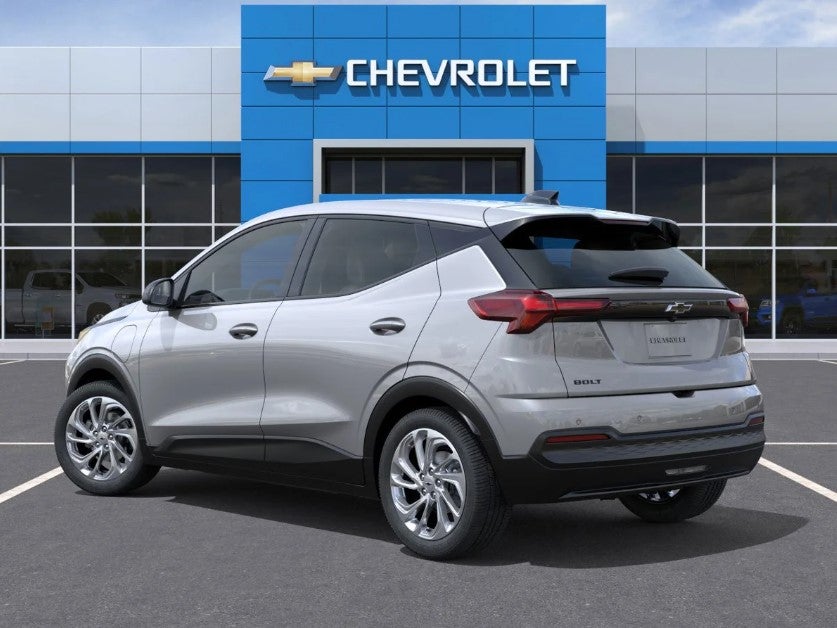
Winter driving in Suffolk County feels different when you are in an electric car. The cold air, salty roads, and longer dark hours all affect how your used Chevy Bolt behaves. If you understand what changes and how to plan for it, winter driving can still be easy and comfortable.A used Chevy Bolt in Suffolk County can be a smart, efficient choice all year. In colder weather, it just takes a little know-how about range, preconditioning, and charging. We will walk through what kind of winter range you can expect, how to warm the car without wasting energy, and how to choose between home charging and public stations. Our team at Chevrolet of Smithtown is also here as a local resource for winter readiness checks, battery insight, and charger suggestions that fit the way you drive on Long Island.
How Cold Weather Affects Your Bolt EV Range
When temperatures drop, your Bolt’s lithium-ion battery does not work as efficiently. The chemical reactions inside the battery slow down in the cold, so you get less usable energy from the same charge. That means the range number on a mild fall day will usually be higher than what you see on a freezing morning.In typical Suffolk County winter conditions, drivers often notice that their used Bolt does not go quite as far on a full charge. City driving with stop-and-go traffic and lower speeds usually gives better winter range than long highway runs. On the highway, cold air, higher speeds, and wind all work against efficiency, so planning a little extra buffer is smart.
Several things can drain winter range faster than you might expect:
- Heavy use of cabin heat and window defrost
- Wet, slushy, or snowy roads that add rolling resistance
- Lower tire pressure from the cold
- Roof racks, cargo boxes, and other add-ons that catch wind
- Extra weight from winter gear and cargo
- Leave home with more charge than you think you need, especially for longer errands
- Use a trip planner app to map out charging options along your route
- Check your real-time range estimate before each drive and adjust if the weather is very cold
- Give yourself time for unexpected detours, traffic, or road closures
Master Preconditioning for Comfort and Extra Range
Preconditioning is one of the best tools you have in winter. It means warming the cabin and battery while your Bolt is still plugged in, so the energy comes from the grid instead of your battery. You start your trip with a warm car and more range left for driving.Your Bolt gives you a few easy ways to precondition:
- Schedule a daily departure time so the car heats up right before you leave
- Use the key fob to start cabin heat from inside your home
- Use the mobile app to turn on heat or defrost and set your target temperature
- Preserve more range for driving instead of burning energy on initial warm-up
- Shorten defrost time so you can see clearly sooner
- Avoid blasting the heater on high while you are already on the road
Home Charging vs. Public Charging in Winter
For most drivers, Level 2 home charging is the easiest way to live with an electric vehicle in the cold. When you plug in at home overnight, you wake up to a full battery, a warm cabin, and no need to stand outside in the wind. Keeping the car plugged in also lets the Bolt manage its battery temperature more effectively.The benefits of home charging in winter include:
- Consistent overnight charging while you sleep
- Simple preconditioning without worrying about public station time limits
- The ability to leave the car plugged in during cold snaps so battery systems can work as designed
When thinking about time and cost, keep in mind:
- Public DC fast chargers can vary in speed depending on temperature and your current state of charge
- Higher states of charge generally bring slower charging, especially when it is cold
- Shorter, planned fast-charge stops on longer trips often work better than trying to go from very low to very high in one session
- Use Level 2 home charging for day-to-day commuting and errands
- Plan targeted public fast charging for weekend trips to the Hamptons, Riverhead, or into the city
- Consider weather, traffic, and temperature when choosing which station to use and when to stop
Winter Care Tips for a Used Chevy Bolt in Suffolk County
A few simple winter habits can help protect your battery and keep your drives smooth. Your Bolt will handle winter better if you avoid constant extreme charge levels, especially when it is very cold. Whenever possible, try not to sit for long periods at a full 100 percent or very close to empty.Helpful battery-friendly habits include:
- Avoid frequent 0 to 100 percent charges when the weather is extremely cold
- Park in a garage or sheltered area when you can
- Keep the battery in a moderate charge range if the car will sit for several days
- Leave the car plugged in so it can manage temperature more effectively
- Use the seat heaters and heated steering wheel before cranking up full cabin heat
- Wear layers so you can keep cabin temperatures a bit lower
- Try ECO mode to soften aggressive heating and acceleration
Regular service checks help keep winter stress low. A professional can look over:
- Tire tread depth and pressure
- Brake condition and brake fluid
- High-voltage components and visible cables
- Software updates and system settings related to charging and climate control