




Shielding Your Chevy EV Sensors From Coastal Damage
Driving an electric Chevy along Long Island’s shoreline is a great way to enjoy quiet power and smooth torque. But salt air, ocean spray, sand, and heavy rain can be tough on the sensors that keep your EV smart and safe. Those small cameras, radar units, and parking sensors work quietly in the background, until something starts to go wrong.
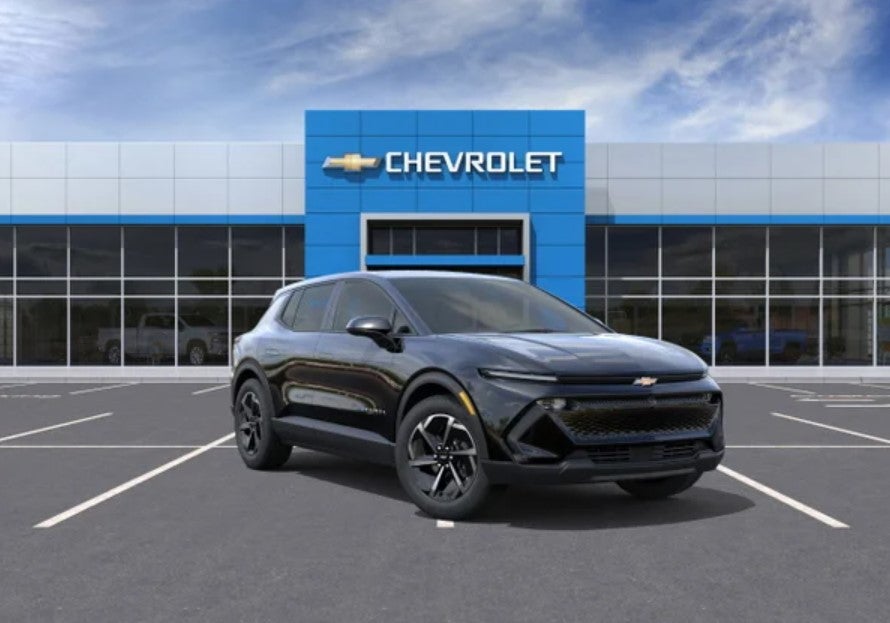
Modern Chevy EVs, like the Bolt EUV, Blazer EV, and Equinox EV, depend on these sensors for features such as lane keeping, forward collision alerts, and range management. When sensors are dirty, corroded, or damaged, those systems may stop working the way they should, and your confidence behind the wheel can drop fast.
We work with Long Island drivers every day, so we see how local coastal weather affects EV technology. Below, we will walk through what threatens your Chevy EV sensors, how to spot early warning signs, simple ways to protect them, and when it is time to look into professional Chevy sensor replacement in Long Island.
How Long Island’s Coastal Climate Affects Chevy EV Sensors
Salt, moisture, and high humidity are part of life near the shore. They are also tough on exposed electrical parts. Over time, salty air and road spray can attack metal contacts and wiring inside cameras, radar modules, and parking sensors.
Here is what often happens around the Island:
Salt from sea air and road treatment sticks to bumpers and underbody parts
Moisture sits on that salt, which can speed up corrosion on metal pins and connectors
Fall and winter storms create puddles and slush that splash up into wheel wells and underbody sensors
Repeated wet and dry cycles leave behind a crust of salt and grime
Sand and small debris bring a different set of problems. Fine grit from beaches and coastal roads can:
Scratch camera lenses, making images less clear for driver-assistance systems
Clog small openings in ultrasonic parking sensors
Stick to radar covers, which can weaken the signal and reduce detection range
On top of that, leaf litter, dirt, and construction dust can build up around sensor housings. When that buildup grows, sensors may start to see the wrong thing or lose track of objects.
Temperature swings also play a role. Quick changes from warm days to cool nights, mixed with strong rain and wind, can:
Loosen plastic covers or clips around sensors
Expose wiring to more water and grit
Put stress on seals and small parts
When people take late-summer and early fall trips out to the beaches, that is often when exposure to sand, salt, and heavy showers climbs, just as the weather starts to change.
Spotting EV Sensor Trouble Before It Becomes Dangerous
Your dashboard is usually the first place to tell you something is not right. Warning lights and alerts for systems like Forward Collision Alert, Lane Keep Assist, and Rear Park Assist may pop up unexpectedly.
Pay close attention if:
You see warnings only after a storm, car wash, or beach day
Alerts appear, then clear, then come back again
A feature shuts itself off and will not turn back on
Those small hints can point to moisture or debris around the sensors, or early wiring issues.
Changes in the way your driver-assistance systems behave are also important clues. For example, you might notice:
Adaptive cruise control turns off without you touching the controls
Parking sensors beep constantly in an open space, or stay silent near an object
Lane-keeping features fail to see lane markings they used to follow
When cameras or radar cannot see well, the car may shorten the range at which it reacts, or stop using a feature altogether. That may feel like the vehicle is less sure of itself, and it usually means something is blocking or confusing a sensor.
Visual checks are helpful too. When you walk around your Chevy EV, look for:
Fogged or hazy camera lenses near the rear hatch, grille, or mirrors
Cracked or loose plastic covers around sensors in the front and rear bumpers
Signs of standing moisture or stains around sensor seams
Catching these issues early often means a quick cleaning, sealing, or adjustment instead of a more serious Chevy sensor replacement in Long Island later on.
Proven Ways to Protect Chevy EV Sensors Near the Shore
Good cleaning habits can make a big difference for coastal drivers. Regular gentle washes help remove salt, sand, and grime before they can sit and cause trouble.
We suggest:
Rinsing the car with clean water after beach trips or stormy drives
Paying extra attention to the front and rear bumpers and lower body panels
Giving the underbody a rinse when possible to wash away road salt and slush
Using a soft microfiber cloth and EV-safe cleaner on camera lenses and sensor covers
Avoid harsh chemicals or rough scrubbing on any sensor area. Scratches and damaged coatings can confuse the systems more than a bit of dirt.
Seasonal maintenance before fall and winter is also smart. A professional sensor and safety system check can include:
Scanning for stored sensor fault codes
Checking sensor alignment and calibration
Inspecting seals, covers, and wiring for early signs of wear
Cleaning key sensors with the right tools and products
Parking and driving choices help, too. When you can, try to:
Park a little farther from direct ocean spray and heavy wind-blown sand
Skip deep puddles on low coastal roads after strong rain
Slow down through sand, standing water, and gravel patches
Leave extra room in construction zones where fresh dust and debris are common
These habits lower the impact on exposed sensors and connectors while keeping your daily routine simple.
When You Really Need Professional Sensor Service
Some light issues are safe for owners to address, such as wiping off surface dirt or clearing away a small patch of fog on a camera lens. But once you see repeated warnings, error messages, or physical damage, it is time for professional help.
Problems that call for trained service include:
Constant warning lights that return after a basic cleaning
Features that stay disabled for more than a short drive
Signs of impact, cracked housings, or bent brackets
Any visible corrosion on connectors or wiring
Trying to realign sensors, repair wiring, or change software at home can affect how safety systems work and can cause new problems you cannot see right away. It can also affect warranty coverage if work is not done to the right standard.
For Chevy sensor replacement in Long Island, it helps to work with technicians who know Chevy EV systems and local conditions. Factory-style diagnostic tools can talk directly with the vehicle, read sensor data, and show if a part needs cleaning, adjustment, or replacement. Local experience also matters, since coastal wear and flood exposure tend to show up in familiar patterns.
During a sensor service visit, you can usually expect:
An initial scan and road test to confirm the concern
A visual inspection of all related sensors, wiring, and mounts
Careful cleaning or reseating of parts where needed
Sensor calibration and a final verification drive to check proper operation
A good service team can also suggest protective steps and a maintenance schedule that fits your daily route, whether you are near the water every day or only on weekends. That kind of plan helps your Chevy EV sensors stay ready for the next trip, no matter what the Long Island shoreline sends your way.
Keep Your Chevrolet Driving Safely and Smoothly
If your dashboard lights are on or your vehicle is not responding the way it should, we are ready to help diagnose and fix the issue correctly the first time. Schedule your Chevrolet sensor replacement in Long Island with Chevrolet of Smithtown and let our factory-trained technicians handle the rest. If you have questions before booking, feel free to contact us so we can walk you through your options.