





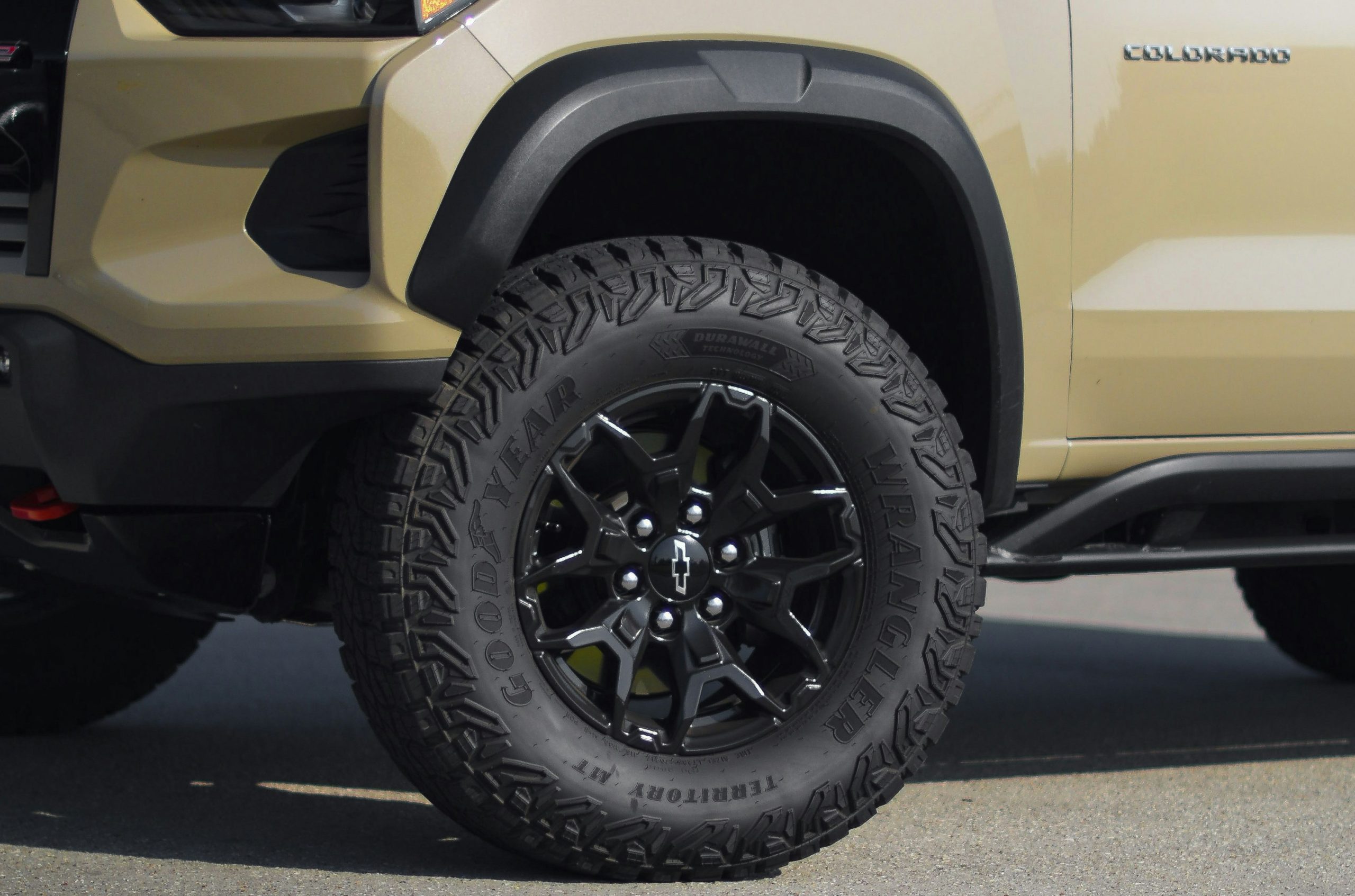
Get Your Chevrolet Tires Beach-Ready for Long Island Summer
Getting your Chevrolet ready for beach season starts where your vehicle meets the road, your tires. As Long Island heads toward Memorial Day, beach permits, longer drives, and weekend trips are all coming fast, which makes this a smart time to give your tires some attention. Good tires help you stop, turn, and carry your family and gear safely, from the parkways to the parking lot and out toward the shore.
Long Island driving can be tough on tires. We have tight parkway ramps, rough winter leftovers, sandy access roads, and salty air near the water. In this guide, we will walk through how local beach driving affects your tires, what to check at home, how Chevrolet tire rotation in Long Island fits in, and when it makes sense to let a professional team step in before summer gets busy.
How Long Island Beach Driving Affects Your Tires
Beach season is fun, but it is hard work for your tires. The mix of sand, salt, and coastal air around Long Island can wear things down faster than many drivers realize.
Here’s what your tires deal with near the beach:
- Sand that can work into tread and small cracks
- Salt that can speed up rust on metal parts
- Humid air that lingers on wheels and under your vehicle
Over time, this combination can affect:
- Tread, which may wear down faster or hold sharp debris
- Sidewalls, which can dry, crack, or get nicked
- Metal components, like wheels and hardware, which can corrode
The way we drive in summer adds even more stress. Getting to popular beaches often means stop-and-go traffic, quick lane changes, and full loads of people, coolers, and gear. Extra weight puts more pressure on your tires, especially on hot days.
Heat plays a big role too. On roads like the Long Island Expressway and Sunrise Highway, hot pavement and higher speeds can raise tire temperature and pressure. If a tire is already damaged or worn, that extra heat can increase the chance of a blowout. That is why heading into beach season with healthy, properly inflated tires is so important.
Spring Tire Checkup Before You Hit the Sand
A simple spring check in your driveway can tell you a lot about your tires before you start racking up beach miles. You do not need special tools to spot the most common problems.
Start with a basic visual check:
- Look at each tire from the side and front
- Check for cuts, bulges, or bubbles in the sidewalls
- Look for cracks, dry areas, or missing chunks of rubber
- Scan for nails, screws, or other objects in the tread
You can also do a quick tread depth check with a penny. Put the penny into a tread groove with Lincoln’s head facing down. If you can see the top of his head, your tread is likely too low for safe driving, especially in wet summer conditions.
Tire pressure matters just as much as tread. Spring on Long Island can swing from cool mornings to warm afternoons, and those changes affect air pressure. Underinflated tires can:
- Make your steering feel soft or slow
- Increase stopping distance
- Lower fuel economy
- Build up more heat on long drives
Overinflated tires can feel harsh and may have less grip on the road. The best approach is to use the recommended pressure listed on the driver’s door jamb label, not the number on the tire sidewall.
If you notice uneven wear patterns, strong vibration, or any damage you are not sure about, that is the point where a DIY check is not enough. That is a good time to consider a professional tire inspection or Chevrolet tire rotation in Long Island so a trained team can look everything over closely.
Why Tire Rotation and Alignment Matter for Beach Season
Tire rotation is one of the easiest ways to help your tires last longer, especially with the kind of driving we see around Suffolk County and the rest of Long Island. The front and rear tires wear in different ways, and tight parkway ramps, potholes, and frequent trips to the shore can speed up that uneven wear.
Regular Chevrolet tire rotation in Long Island helps:
- Spread wear more evenly across all four tires
- Keep traction balanced front to back
- Support smoother, more predictable handling
- Delay the need for early tire replacement
Wheel alignment is just as important. After winter, it is common for wheels to be slightly out of line from hitting potholes, rough shoulders, or bumpy parking lots near the water. When alignment is off, you might notice:
- The steering wheel pulls to one side
- The vehicle does not track straight on a flat road
- Uneven wear on the inner or outer edges of the tires
Poor alignment can shorten tire life and make long summer drives more tiring because you are always correcting the wheel. Many drivers find that combining rotation and an alignment check before the busy summer season helps set the vehicle up for smoother, safer driving all the way through the warmer months.
As a general habit, it is smart to think about tire rotation at regular mileage intervals, or about every oil change or two, depending on how you drive. An alignment check is helpful after a season of heavy potholes or anytime you notice your Chevrolet not driving as straight as it used to.
Smart Tire Choices for Long Island’s Coastal Roads
Picking the right type of tire for your Chevrolet can make your daily drives and beach trips feel more confident and more comfortable. Long Island gives us a mix of highway cruising, local stop-and-go traffic, and wet conditions around coastal areas.
Most drivers here choose all-season tires. They are built to handle:
- Everyday commuting on parkways and local roads
- Light to moderate rain
- A mix of warm and cool temperatures
Some drivers prefer performance or touring tires. These can offer:
- Sharper steering feel on curvy ramps
- Quieter rides on longer trips
- Different tread patterns for more grip in wet corners
Tread design plays a big part in how safe your vehicle feels when the weather changes fast. Look for features like:
- Wide grooves to move water away in heavy rain
- Sipes, or thin slits in the tread, for better wet traction
- Stable shoulder blocks for stronger cornering
For roads that get sandy or dirty near the beach, you want a tire that can keep good contact with the pavement without packing full of grit right away. Genuine GM-approved tire options help match the tire to the Chevrolet, which is especially helpful with models like Silverado, Equinox, Traverse, and other Chevrolet vehicles that might carry different loads and see different kinds of driving.
Working with a parts and service team that knows Chevrolet models can make it easier to match the tire to how and where you drive, from daily school runs to weekend beach trips across Suffolk County.
Schedule Your Chevrolet Tire Service Before Summer Starts
As beach season gets closer and Long Island roads get busier, taking care of your tires ahead of time can give you one less thing to worry about. A full tire check that includes inspection, Chevrolet tire rotation in Long Island, and an alignment review helps keep your Chevrolet ready for everything from quick sunset drives to full-day shore trips.
When your tire service is handled by people who work on Chevrolet models every day, you gain the benefit of experience with your specific vehicle and the right GM parts and tire choices. That combination can support better safety, comfort, and peace of mind as you head toward another Long Island summer on the road and by the beach.
Protect Your Tires And Drive With Confidence
Keeping up with regular tire care helps your vehicle handle better and last longer, and we are here to make that simple. Schedule your Chevrolet tire rotation in Long Island so our factory-trained technicians can inspect your tires, adjust wear patterns, and support safer driving year-round. At Chevrolet of Smithtown, we work around your schedule and clearly explain any recommendations so you can make informed decisions. If you have questions before booking, just contact us and our team will be happy to help.
Connect with us


