





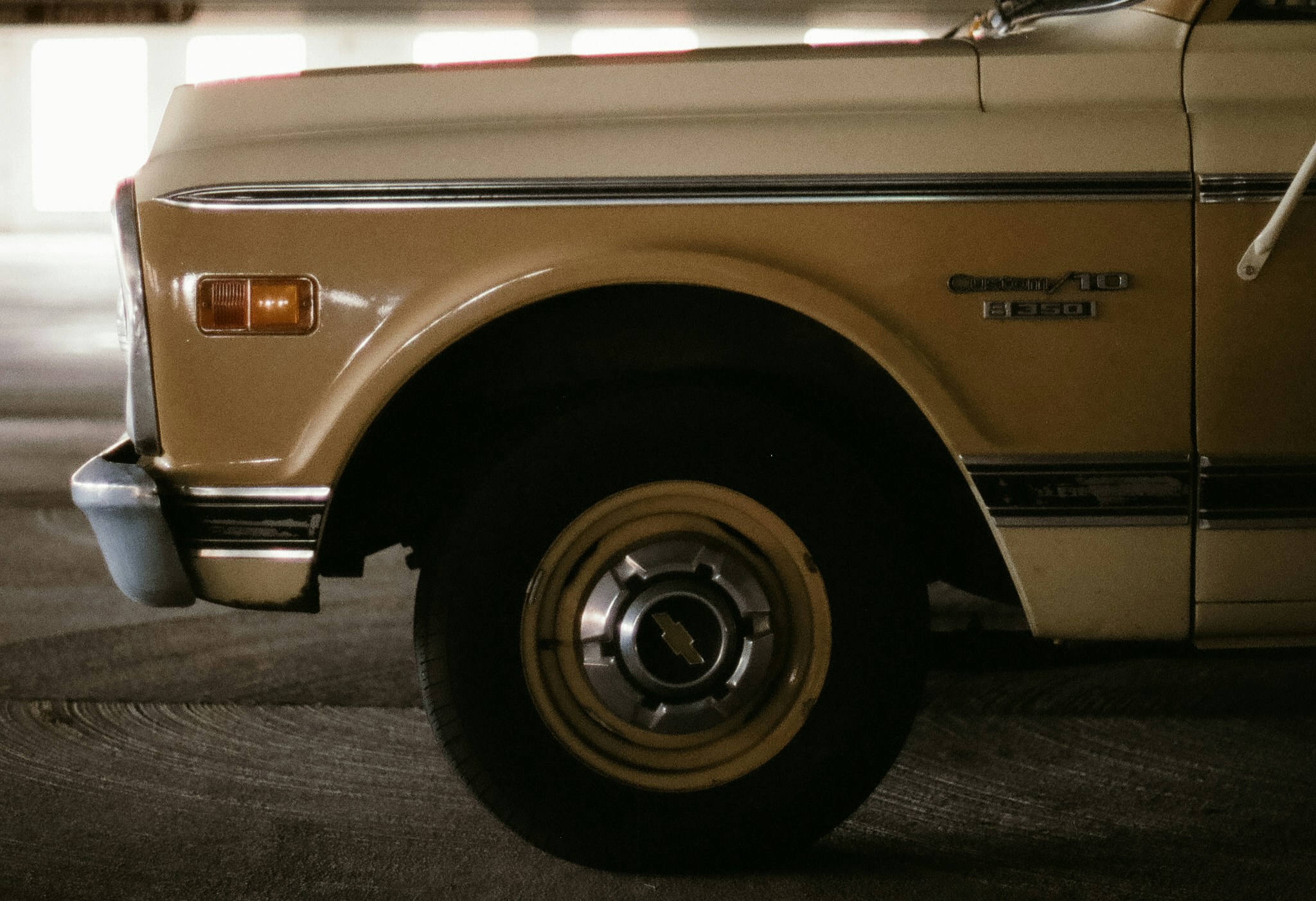
Stop Confidently When Spring Roads Turn Slick
Wet spring roads can turn a normal drive into a tense one in just a few seconds. One minute the pavement is dry, the next you are hitting a shiny patch of water or rolling over wet leaves along the Smithtown Bypass. In those moments, your Chevy’s brakes are the one system you need to trust without thinking twice.
Modern Chevy braking systems are built to work with features like anti-lock brakes and traction control to help you keep control in the rain. But even the best systems still rely on proper care. Worn pads, old brake fluid, or glazed rotors can make stopping in a downpour feel longer and less secure than it should.
Here, we will walk through how spring rain affects your Chevy’s braking, what warning signs to watch for, and how professional Chevy brake service in Smithtown helps your vehicle stay ready when the clouds open up without warning.
How Spring Rain Changes Your Chevy’s Braking Needs
When spring showers hit Long Island, the road surface changes fast. Even if your brakes are in good shape, the grip between your tires and the pavement can drop as soon as the first raindrops land.
Wet weather can affect braking in a few important ways:
- Water mixes with oil and grime on the road, making a slick layer under your tires
- Pollen and dirt can build up, turning into a thin, slippery film when it rains
- Puddles can hide potholes or rough patches that upset your stopping distance
All of that means it usually takes more space and time to stop, even when you press the brake pedal at the same point you would on a dry road.
Spring also brings those up-and-down-temperature days that are common around Saint James. After a tough winter, your brake parts may have taken some hits you cannot see. Frequent temperature swings can:
- Stress brake rotors, which may lead to warping or uneven surfaces
- Dry and harden rubber components, like hoses and dust boots
- Affect older brake fluid that has absorbed moisture over time
That is why having your brakes checked before the heaviest spring rain and summer travel is so helpful. You do not want the first sign of a brake problem to show up as you slow down in a surprise shower on Route 25.
Clear Signs Your Chevy Brakes Need Attention Now
Brake problems often start small. Many drivers notice little changes but hope they will go away on their own. With brakes, those small changes are your Chevy’s way of asking for help.
Common warning signs that your brakes need attention include:
- Squealing or chirping when you press the brake pedal
- Grinding sounds, which can mean pads are worn down to the metal
- A soft, spongy, or low-feeling brake pedal
- Vibrations in the steering wheel or pedal when you slow down
- The car pulling to one side as you brake
In wet weather, pay close attention to how your Chevy feels when you stop. If you notice that it takes longer to slow down on rainy days than it used to, that is worth checking. A brake warning light on the dashboard should also never be ignored, especially if you are getting ready for spring weekend getaways or longer drives across Long Island.
Catching these signs early usually keeps repairs more simple. Often, it might be:
- Replacing worn brake pads
- Resurfacing or replacing rotors
- Flushing old brake fluid
- Repairing a small leak in a brake line or caliper
Waiting too long can allow minor wear to turn into more serious damage. That can mean more parts, more time in the shop, and more stress for you.
Expert Chevy Brake Service in Smithtown You Can Trust
When it comes to brake work, it helps to have people who understand your specific vehicle. Factory-trained technicians are familiar with Chevy models of all sizes, from smaller cars to larger SUVs and trucks. They know how these braking systems are laid out and what commonly wears first.
A typical professional brake service often includes:
- Checking brake pads and shoes for thickness and even wear
- Inspecting rotors and drums for warping, cracks, and scoring
- Measuring rotor thickness and comparing it to safe limits
- Examining brake lines, hoses, and fittings for leaks or damage
- Inspecting calipers for proper movement and signs of sticking
- Looking at the condition and level of brake fluid
Using the right parts and methods makes a big difference. Genuine GM parts are designed to work with your Chevy’s original braking system. Matching the correct pad material with the proper rotor and following Chevy torque specs helps your brakes feel solid and consistent.
The proper type of brake fluid is just as important. Fluid that meets Chevy’s standards helps your brake system keep the right pressure and feel, especially when temperatures change and the rain starts to fall. All of this support helps keep your stopping power strong and can help protect any factory warranty coverage related to your brakes.
Spring Maintenance Checklist for Strong, Safe Brakes
Spring is a smart time to reset your vehicle care. After months of cold, salt, and potholes, your Chevy deserves a careful look before heavier rain and summer traffic arrive.
A simple brake-focused-spring checklist looks like this:
- Schedule a professional brake inspection before long trips
- Have the brake fluid level and condition checked
- Listen for new squeaks, squeals, or grinding sounds when stopping
- Pay attention to pedal feel, travel distance, and how firmly the car stops
- Watch for any warning lights related to brakes, ABS, or traction control
Brakes do not work alone. For safe stopping in the rain, other systems need to be in good shape too. During the same visit, it often makes sense to:
- Inspect tires for tread depth and uneven wear that can hurt grip
- Check tire pressure, since low or high pressure can affect stopping distance
- Test wiper blades so you can actually see the road you are trying to stop on
- Confirm that ABS and traction control lights come on briefly, then shut off as they should
If you already have an oil change or tire rotation coming up, pairing brake service with that visit keeps your maintenance simple and consistent. This way, your Chevy is checked over from several angles, not just one.
Make Your Next Rainy Drive Your Safest yet
Spring rain is part of life on Long Island, and it is not going away. The good news is that with the right care, your Chevy can handle wet roads with confidence. Knowing your brakes have been inspected by trained hands, with the right parts and fluid, brings real peace of mind whenever dark clouds move in during your drive.
At Chevrolet of Smithtown, we care about helping local drivers feel steady and in control, even when spring showers hit without warning. With thoughtful maintenance and professional Chevy brake service in Smithtown, you can head into every rainy day feeling ready each time you press the brake pedal.
Schedule Expert Brake Care Before Your Next Drive
Protect your stopping power by booking your Chevy brake service in Smithtown with our factory-trained technicians today. At Chevrolet of Smithtown, we inspect your entire braking system so small issues do not turn into expensive repairs. If you have questions about warning signs, pricing, or appointment availability, simply contact us and we will help you choose the best time and services for your vehicle.
Connect with us


