





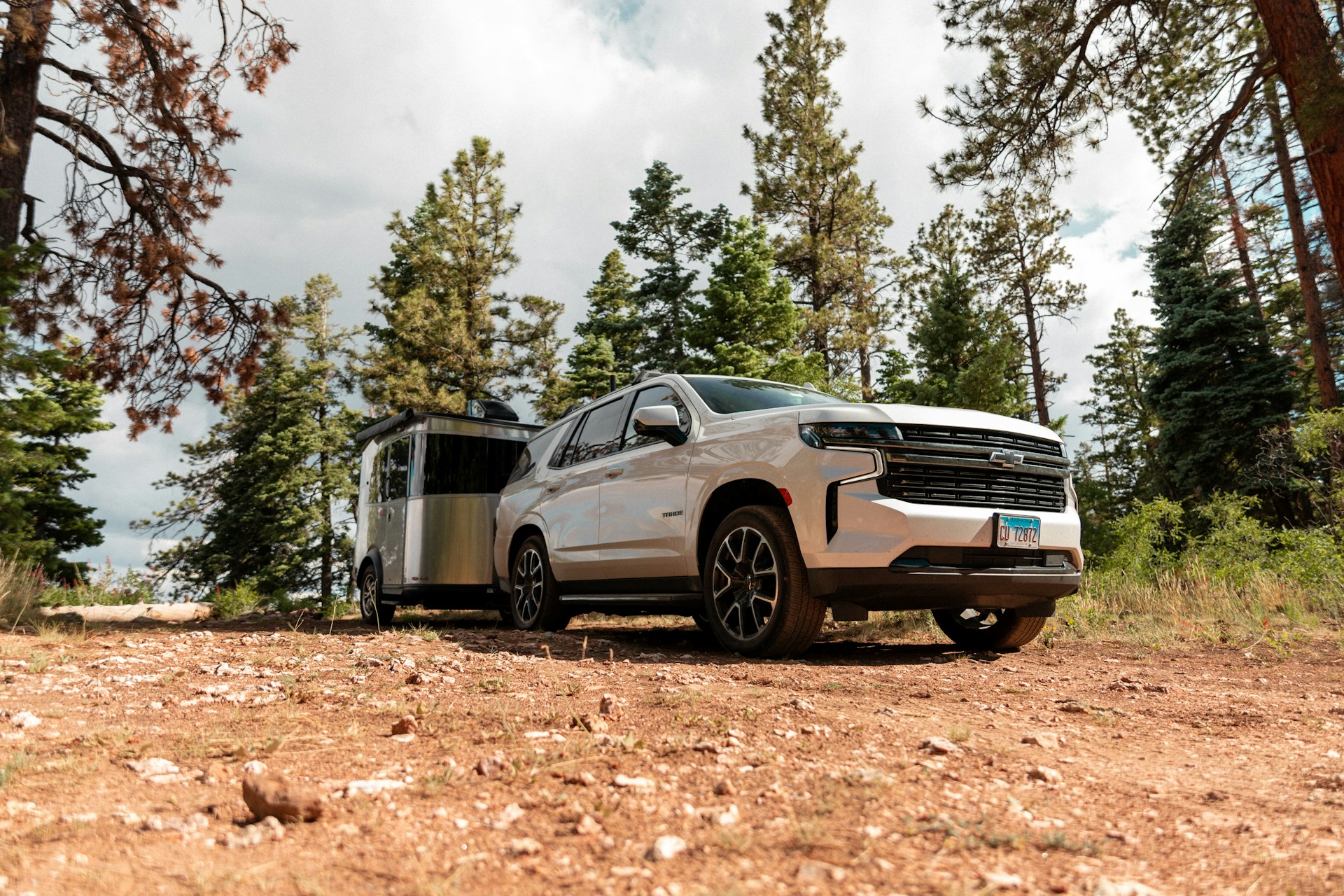
A used Chevy Tahoe can be a dependable choice for families, commuters, and weekend explorers alike. It’s roomy, powerful, and built to handle different road conditions, especially with a working 4×4 system. But every now and then, drivers in Suffolk County run into problems with that 4×4 setup, especially on older or high-mileage models. Whether you’re driving in snow, wet roads, or just need the grip for rough terrain, a faulty system can quickly shift from a small concern to a major inconvenience.
Recognizing the early signs of 4×4 problems is your best shot at avoiding a breakdown or costly repairs. Winter weather and uneven Long Island roads don’t make it any easier, which is why understanding what to look out for matters more than ever. If you’ve noticed your Tahoe acting strange when you switch into four-wheel drive or if it’s making odd sounds under the vehicle, don’t ignore it. Getting ahead of the issue will help keep your Tahoe ready for whatever the road throws your way.
Common 4×4 System Issues in Used Chevy Tahoe
Used Chevy Tahoe models often show wear in the 4×4 system over time. These systems do a lot of heavy lifting, especially when used through snow, mud, or off-road conditions. That’s why a few parts tend to wear out faster than others. Staying alert to the signs could save you from bigger repairs later on.
Here are a few of the most frequent problems that tend to show up:
- Transfer case troubles: The transfer case is what shifts torque between the front and rear wheels. If it’s failing, you might hear grinding, feel hesitation during gear changes, or the system may stop engaging altogether.
- Differential problems: A worn differential can make clunking sounds or cause vibrations when you’re turning. It can also throw off how smoothly your Tahoe handles, even without 4-wheel drive turned on.
- Actuator failures: The actuator sends the command for the 4×4 system to kick in or turn off. When it fails, four-wheel drive might not engage or disengage the way it’s supposed to.
- Driveshaft or U-joint wear: If either of these parts is off balance or worn, it could create knocking sounds, steering problems, or other drivability concerns.
- Service 4WD light: This dashboard light is more than a warning. It usually means something in your 4WD system isn’t working right. It’s worth checking, even if you don’t notice a big performance drop yet.
One local driver shared that his used Tahoe wouldn’t switch into four-wheel drive during a late November snowstorm. It ended up being a bad transfer case motor. He mentioned the issue had been making noise a few weeks earlier, and fixing it ahead of time would’ve saved him a stressful night on the road.
If you’re feeling jerky movement or hearing sounds beneath the vehicle, or if the 4WD light is on, don’t wait. These are signs your 4×4 system may need professional attention.
Immediate Steps to Diagnose 4×4 Problems
Not sure if your Tahoe’s 4×4 system is acting up? There are some early checks you can do at home before bringing it in for service. These steps won’t fix the problem, but they’ll help you understand what to tell a technician.
1. Start with the dashboard: Is the “Service 4WD” light on? That’s usually the first indication that something’s wrong. If it comes on, even briefly, it’s worth getting checked.
2. Test the switch: Try moving between 2WD and 4WD modes. If the switch won’t move, doesn’t light up, or makes a strange sound, there could be trouble with the actuator or wiring.
3. Listen closely: Any clunks, groans, or whines when turning or shifting can point to drivetrain or differential problems.
4. Look underneath: Fluids leaking around the transfer case or axles are never a good sign. Low fluids can lead to slipping or even overheating.
5. Monitor how it drives: If your Tahoe lags, jerks, or suddenly struggles for traction, those are important things to bring up during your service appointment.
These steps can make it easier for a service technician to locate the issue quickly. Keep in mind that 4×4 issues usually need special tools and testing, so the next step should always be a professional diagnostic check.
Benefits of Professional Inspection and Repair on Long Island
If you’re dealing with 4×4 issues in your used Chevy Tahoe, trusting a technician with experience makes a huge difference. A 4×4 system includes many parts that all need to work together the right way. It’s not always as simple as replacing a part or topping off fluids.
A trained professional can plug into the system, read any diagnostic codes, and physically inspect hard-to-reach places. This lets them figure out exactly what’s happening without guessing. If something has failed completely or is on the verge of failure, they’ll be able to catch it before it turns into something worse.
Delaying a repair can create even bigger problems. For example, driving in 4WD with a bad actuator can add stress to your driveshaft. A worn transfer case could damage internal gears. Small performance delays may start as minor behavior changes and end in more expensive breakdowns.
In Suffolk County, where snow, flooding, and icy mornings aren’t uncommon, a working 4WD helps you stay mobile and safe. Even if you mostly stick to paved roads, there’s a big difference in how your Tahoe handles when everything’s working properly.
Once problems are found and addressed, your 4×4 system should switch modes more smoothly and perform the way it’s meant to. Getting the issue diagnosed early means fewer surprises and more reliable driving year-round.
Keeping Your 4×4 System in Peak Condition
Preventive maintenance plays a big role in how long your 4×4 system holds up. Even if your Tahoe seems to be running just fine, keeping your service schedule on track is one of the best ways to avoid sudden issues—especially with the kind of weather and roads we get in Suffolk County.
Follow these habits regularly:
- Rotate your tires to avoid uneven wear, which affects traction and balance
- Top off the differential and transfer case fluids at least once a year
- Get your Tahoe’s alignment checked after rough winters or off-road trips
- Turn on the 4WD every few weeks, even when you don’t need it, to keep parts moving freely
- Don’t ignore changes in sound, feel, or dashboard lights
It’s easy to forget your 4WD system is there when you’re not using it often. But neglecting it can lead to lubrication issues or stuck parts. Driving in 4WD every once in a while, even just around the block, helps everything stay in working order.
If you’ve just bought your used Tahoe or you know heavy driving is coming up this winter, it’s wise to check your current service records and see what maintenance might be due. Typical Long Island conditions like road salt, slush, and frozen puddles all put your system to the test. Staying ahead of wear and tear keeps your Tahoe steady on the road.
Stay Ahead of Bigger Problems with Timely Service
Letting 4×4 issues go unresolved isn’t just risky for safety—it can also lead to hundreds or even thousands in extra repairs if one small thing breaks and causes other parts to wear down faster. Think about how one broken support can shift weight elsewhere. That’s how your Tahoe’s powertrain works too.
If you’re commuting daily across Suffolk County or hitting the road for family trips, you shouldn’t have to second guess if your 4×4 system will respond when you need it. Pay attention to any signs of trouble and bring your Tahoe in before the damage spreads.
Small things like odd noises or warning lights aren’t just minor annoyances; they’re early alerts. The sooner they’re checked out, the smaller the fix tends to be. It’s a smart way to keep your Tahoe running strong through rain, snow, and whatever the road has in store. Regular service today means fewer problems later.
If you’re dealing with 4×4 issues and want your vehicle to stay dependable through Suffolk County winters, proper service can make a big difference. Let Chevrolet of Smithtown help you get more confidence on the road with expert care and long-term peace of mind. To explore options that fit your needs, browse our available used Chevy Tahoe in Suffolk County.
Connect with us


