




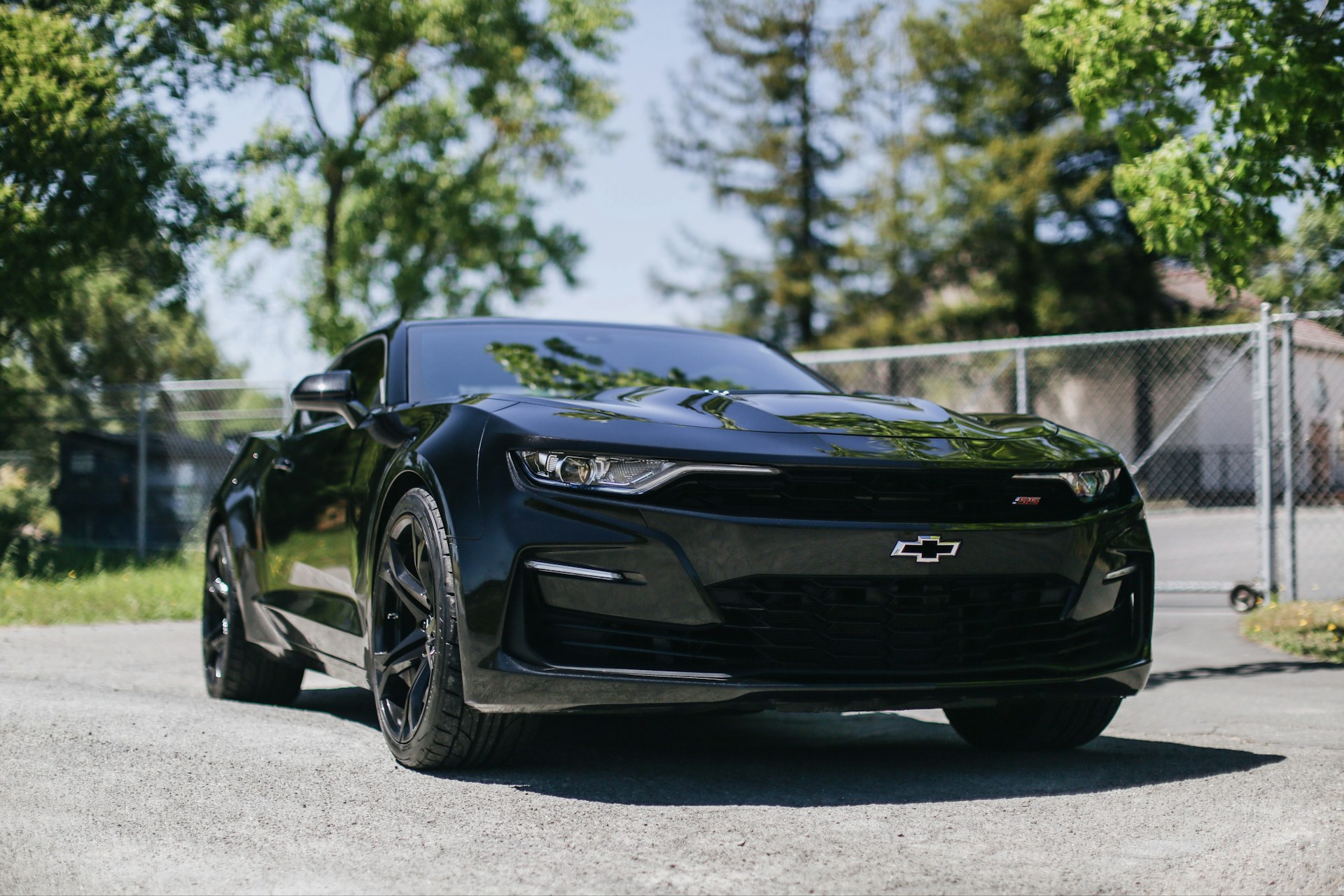
Cars today do a lot more thinking than they used to, and it’s all thanks to the sensors packed inside. These tiny tools act like the eyes and ears of your Chevrolet, helping the vehicle respond to what’s happening on the road. From alerting you when another car is in your blind spot to checking your tire pressure for you, sensor technology makes driving feel a lot safer and smoother.
For drivers across Long Island, especially in areas like Suffolk County, sensors can make a real difference during quick-changing weather or dense traffic. Narrow two-lane roads, sudden patches of ice in late November, and heavy stop-and-go along the Sunrise Highway are all easier to handle when your car can detect issues before you do. Whether you’re on your daily commute or heading out east for the weekend, having working sensors in your Chevrolet helps you stay alert and avoid accidents before they happen.
Key Types of Sensors in Chevrolet Vehicles
Most people don’t think much about what’s helping their car run safely until something goes wrong. But it’s really a team of different sensors working together behind the scenes. Each one plays a different role to help you stay aware of your surroundings and make smart decisions while driving.
Here are some of the main sensor types you’ll find in modern Chevrolet vehicles:
- Proximity sensors: These detect how close your car is to an object, which is especially useful when parking or driving in tight spaces.
- Forward collision sensors: These sense when a potential front-end collision could happen and can either warn you or hit the brakes automatically.
- Lane departure sensors: These check the car’s position between lines and let you know when you’re drifting without signaling.
- Tire pressure monitoring sensors: These monitor air pressure in your tires and send a warning if any tire drops below safe levels.
- Blind spot detection: Often found on or near side mirrors, these sensors alert you to cars sitting just outside your view.
Each sensor connects with a system in the car that helps take action or provides alerts to prevent accidents, reduce wear and tear, or improve fuel use. For example, on a cold November day in Suffolk County, tire pressure sensors often alert drivers when cooler temps cause pressure to drop unexpectedly. Without that sensor, you might not think to check until your car starts pulling or cornering poorly.
When all the sensors are working like they should, your drive is calmer, more informed, and far less stressful. Keeping them in top shape, especially before the full brunt of winter hits, is one of the smartest things you can do as a Chevrolet owner.
Benefits of Modern Sensor Technology
The thing about automotive tech is that it’s not just made for luxury or trends. Most of the new sensor features in Chevrolets today are there to solve real driver problems. That’s especially true on Long Island’s roads, where weather shifts quickly and traffic is often tough to predict.
Here are some clear benefits drivers can count on:
1. Better safety
Sensors help the vehicle detect possible danger before the driver even sees it. This includes things like:
- Forward collision alerts to warn and assist with braking
- Side sensors that keep an eye on blind spots
- Rear sensors to help with backing up safely into a spot or driveway
2. Smarter performance
Sensors control more than just safety alerts. They also monitor things like the engine’s condition and fuel use. When everything is running smoothly, the car can adjust its power or fuel delivery for better long-term performance, especially on longer drives across the island.
3. More ease behind the wheel
Features like adaptive cruise control use sensors to measure the car’s distance from vehicles in front of it. This feature is handy for highway driving, especially when the flow of traffic constantly shifts between fast and slow. Parking assistance and warning systems make navigating tight lots or narrow curbs far less nerve-wracking.
All these features work together to lighten the mental load of driving. That way, even when rush hour on the LIE slows you down or the sky turns gray and snowy in late fall, your car is still doing its part to keep you steady and safe.
Common Signs Your Chevrolet Sensors Might Need Replacement
Most of the time, sensors quietly do their job without needing much attention. But like any part of your vehicle, wear and changes in the environment can affect how well they work. If something starts to feel off, your car might be trying to tell you it’s time for a checkup. Ignoring those signs could lead to bigger issues down the road, especially during colder months when systems work harder.
Here are some signs your sensors might need to be looked at or replaced:
- You see warning or error lights on the dashboard, like the tire pressure, check engine, or traction control indicators
- Driving feels different—maybe the car pulls to one side or brakes more sharply than usual
- Automated features like cruise control, parking assist, or lane detection seem to stop working or glitch
- You’re filling up more often, even though your usual driving habits haven’t changed
- Alerts from sensors become inconsistent or overly sensitive
In Suffolk County, the change in temperature around November can affect sensors, especially those related to tire pressure and battery voltage. If you start noticing more error messages once the weather shifts, it’s worth getting your vehicle checked sooner rather than later. For example, when roads freeze overnight then warm up in the day, your camera-based sensors and radar units may pick up dirt or moisture that obscures vision and triggers faulty readings.
Even if your car seems to run fine, it’s smart to keep track of these signs. The earlier you catch the issue, the easier and more affordable it is to fix. Plus, the last thing you want is to rely on a blind spot alert or forward collision system that’s working at half power during a heavy East End fog or icy drive along Route 347.
Chevrolet Sensor Replacement on Long Island
If a sensor isn’t doing its job, it doesn’t just make driving harder. It can make simple things unsafe. Whether you’re cruising down Sunrise Highway or navigating Main Street in Patchogue, you want to be confident that your vehicle will respond when it needs to. That’s why having sensors inspected and replaced professionally matters more than people think.
When you go to someone who knows your vehicle inside and out, they don’t just look at the sensor. They check how it’s connected, if wiring is corroded, if other systems are being affected, and whether environmental grime or salt buildup is causing misreadings. This kind of thorough check helps pinpoint problems faster without guessing or unnecessary part swaps.
Getting a replacement done locally means less stress and faster service. On Long Island, where weather shifts and road conditions change quickly, that can be a major factor. Professional diagnostic tools are designed to scan your Chevrolet’s systems and highlight sensor failures or malfunctions. That level of accuracy helps avoid misinterpreting errors and keeps your systems working like they should.
When choosing where to go, find a service provider that handles General Motors technology and knows how components in your Chevrolet communicate with each other. From radar modules used in adaptive systems to tire pressure sensors tucked inside the wheel, there’s no one-size-fits-all method. A certified tech will make sure the sensor is recalibrated after installation, especially those tied into systems like traction control, automatic braking, or steering assists.
Preparing Your Chevrolet for Winter on Long Island
Late fall is a good time to get your vehicle’s sensors ready for winter. In Suffolk County, the difference in temperature from morning to night, plus freezing rain and blowing snow, can affect how sensors behave. Wait too long into the season, and you might find your camera filters fogged up or your reverse sensors caked with slush.
To stay ahead of the problems that colder weather can bring, do the following:
- Clean your vehicle regularly, especially around sensors and cameras. Dirt, ice, and road salt can block or mislead readings
- Keep tires properly inflated. Big shifts in temperature can drop tire pressure quickly, which can strain sensors and trigger false warnings
- Test key features like lane assist and automatic braking before you need them. If they don’t seem to work as expected, that’s the time to get a check
- Pay attention to traffic alert systems. If you notice they’re not engaging, it could mean the sensors or radar detectors are dirty or out of alignment
- Ask for a sensor inspection before heading into December, especially if you rely on features like remote start, heated mirrors, or parking assist in snow-covered areas
The goal is to spot issues before heavy winter conditions make driving more challenging. A quick test and sensor cleaning may be all you need. But if something feels off, getting it fixed before ice, rain, and salty roads really set in will give you more peace of mind through the season.
Drive with Confidence in Your Sensor-Laden Chevrolet
Driving around Long Island means dealing with all kinds of surprises—spots of fog, fast traffic merges, tight parking, and the occasional early season snowstorm. Modern sensor systems in your Chevrolet are built with that kind of unpredictability in mind, but they work best when everything’s running as it should.
Sensor issues don’t always show up suddenly. Sometimes it’s a minor warning that flashes and disappears, or a setting you ignore until it stops working completely. That’s why it’s good practice to listen to your car when it says something’s wrong, especially as winter edges closer.
A properly working set of sensors can make driving safer and help your vehicle perform better all year round. Whether it’s as simple as making sure reverse sensors beep on time or checking a misfiring lane alert, staying on top of sensor replacements keeps each drive smoother and more predictable no matter where you’re headed on the island.
Keep your Chevrolet in top shape with timely sensor care. If you notice any signs your sensors might need attention, don’t wait for bigger problems to arise. For dependable and accurate Chevrolet sensor replacement on Long Island, schedule service with Chevrolet of Smithtown. Our skilled technicians will make sure your car’s sensors are working properly, so you can stay focused and confident no matter the weather or road conditions.
Connect with us


