




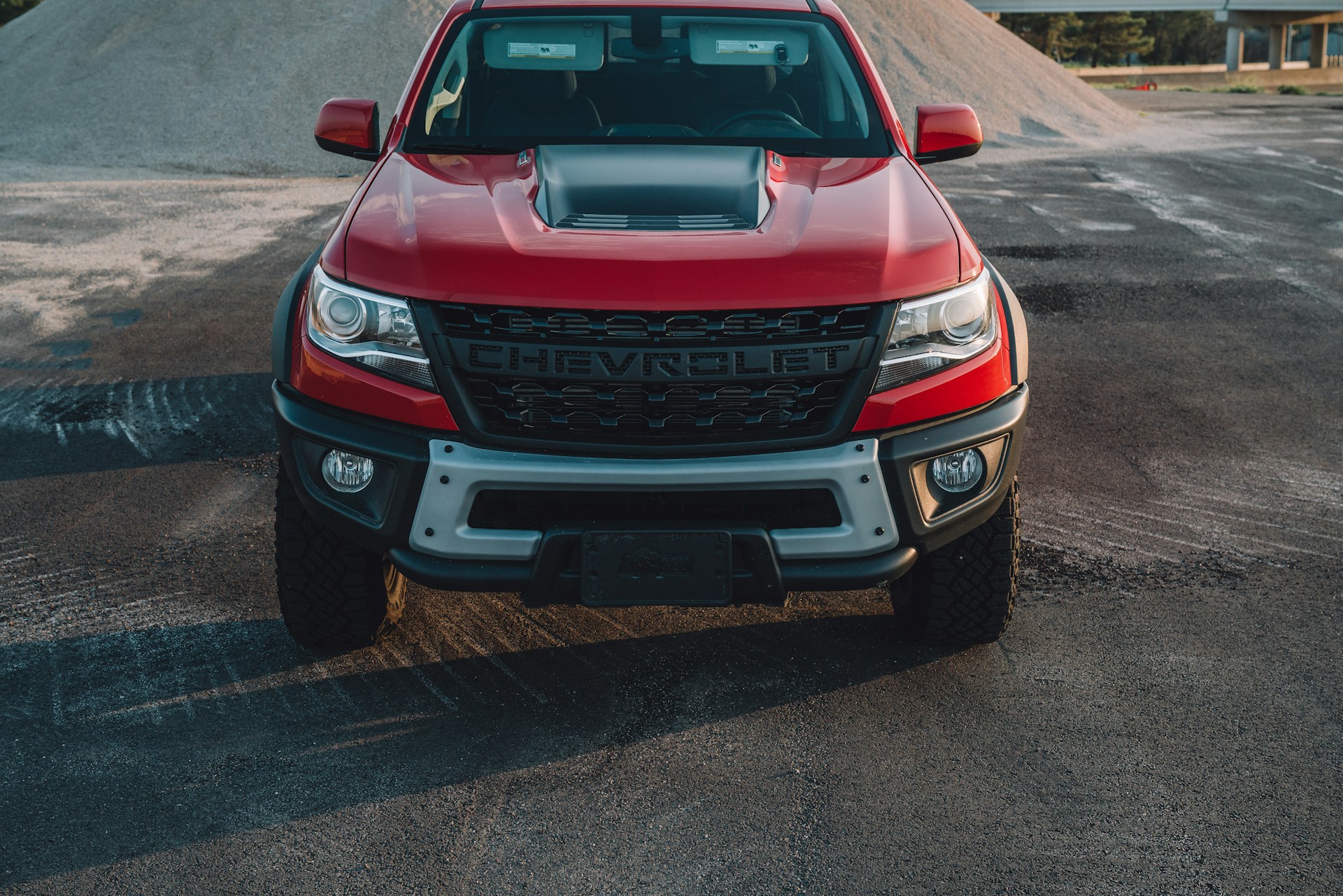
Keep Your Chevy Ready for Every Long Island Mile
Long Island commutes are tough on any car. Stop-and-go traffic on the LIE, salty ocean air blowing in from the Sound and the South Shore, and quick swings from hot to cold all put extra stress on your Chevrolet. If your commute runs through Smithtown, Hauppauge, or anywhere in Suffolk County, your Chevy works harder than you may think.
Staying ahead on Chevrolet maintenance in Long Island keeps those daily miles smoother and less stressful. With the right care, you can help avoid surprise breakdowns, keep repair needs smaller, and make your drive feel safer and more predictable. In this guide, we will walk through how local driving wears on your vehicle, the most important seasonal checks, and smart ways to tailor maintenance to the way you use your Chevy.
How Long Island Commutes Wear on Your Chevrolet
Daily traffic between Suffolk County towns often means short trips and constant stopping. This kind of driving is very different from long highway runs and it can wear out parts faster.
Stop-and-go commuting puts pressure on:
- Brakes, especially pads and rotors that work harder in traffic
- Transmissions, which shift more often and heat up in congestion
- Cooling systems, since engines sit idling with less airflow
The coastal environment adds another layer. Salty air and humidity can speed up rust, especially on the undercarriage and exhaust system. If you park near the water or drive through areas with standing water after storms, that moisture can linger on metal parts and cause trouble over time. Even the paint and clear coat have to stand up to salt, sand, and sun.
Seasonal changes on Long Island are also tough on:
- Batteries, which can struggle in both high heat and winter cold
- Tires, as temperature swings change air pressure and grip
- Fluids, like oil and coolant, that must perform in very different conditions
When you put all of this together, it is easy to see why a steady plan for Chevrolet maintenance in Long Island makes such a difference for daily commuters.
Spring and Summer Chevy Care for Smoother Drives
Once winter fades, your Chevy has already gone through months of cold mornings, rough roads, and possible potholes. Spring is a smart time to give it a careful check before heavier summer driving and road trips.
A good post-winter inspection often focuses on:
- Tires, for tread depth, sidewall damage, and proper inflation
- Suspension parts that may have taken hits from potholes
- Wheel alignment, to correct pulling or uneven tire wear
As days warm up, your cooling system and AC become especially important. When traffic slows on the LIE or Sunrise Highway in the heat, your engine depends on proper coolant levels and healthy belts and hoses to keep temperatures in check. Having the AC system inspected and serviced helps it blow cold air when you need it most, instead of quitting in the middle of a hot commute.
Spring also brings pollen, and summer adds dust and sand from beach trips. For drivers with allergies, a fresh cabin air filter and clean vents can make daily drives much more comfortable. It can help cut down on musty smells and keep the air inside your Chevy feeling cleaner as you sit in traffic.
Fall and Winter Chevy Prep for Tough Conditions
When cooler weather rolls in, your Chevy needs a different kind of care to stay ready for early morning commutes and darker evenings.
Tires and brakes matter a lot in fall and winter. Many Long Island drivers are fine with good all-season tires, but if you often drive before sunrise or after dark on wet, slushy, or occasionally icy roads, you might want to ask about winter tire options. Either way, a pre-winter brake inspection helps make sure your pads, rotors, and brake fluid are ready for slippery conditions.
Cold weather also tests:
- Battery health, especially if your battery is already older
- Fluids, such as oil that must flow well in low temperatures
- Visibility, which depends on clear wiper blades and strong headlights
Switching to a winter-ready windshield washer fluid and checking all lights can make a big difference when you are dealing with early sunsets, rain, and road spray from other cars.
Road salt is another big factor on Long Island. Salt and slush can build up on your undercarriage and start rust in places you cannot easily see. Regular undercarriage inspections, cleanings, and protective treatments help slow down corrosion on frames, brake lines, and exhaust parts, especially if you drive often during or after storms.
Smart Maintenance Schedules for Suffolk County Drivers
Not every Long Island driver uses their Chevy the same way, so maintenance timing should reflect your routine. Some people put on steady highway miles, others sit in rush hour traffic, and some work from home and drive less.
There are two basic ideas to think about:
- Mileage-based service, for drivers who rack up miles quickly
- Time-based service, for drivers who do not drive far but still face weather and short trips
If you have a daily commute with lots of start-and-stop driving, or if you use your Chevy for rideshare or heavy weekend travel, you may need:
- More frequent oil changes, since oil breaks down faster in tough conditions
- Shorter intervals between brake inspections
- Regular tire rotations to help keep wear even
Working with a team that focuses on Chevrolet maintenance in Long Island means service can be planned around your actual roads and traffic patterns. Factory-trained technicians and genuine GM parts help keep your Chevy closer to how it left the factory, and clear service records are helpful for both warranty protection and future resale value.
Essential Chevy Checks You Can Handle at Home
While deeper work is best left to trained technicians, there are a few simple checks you can do at home to stay in touch with your car’s condition between visits.
Quick weekly visual checks might include:
- Looking at tire tread and sidewalls and checking air pressure
- Glancing under the car for fresh fluid spots on the driveway
- Noticing any uneven tire wear or sagging on one corner
Once a month, before longer drives or seasonal changes, it helps to:
- Check engine oil level and note if it looks very dark or gritty
- Top off windshield washer fluid
- Test all exterior lights, including brake lights and turn signals
There are also clear signs that it is time for expert help. If your dashboard warning lights come on, if you hear new squeaks, grinding, or clunking, if the steering wheel pulls while braking, or if your engine temperature climbs in traffic, those are not issues to watch and wait on. Having your Chevy inspected promptly can prevent a small concern from turning into a bigger repair and keeps your Long Island commute more relaxed and predictable.
Keep Your Chevrolet Running Strong Year-Round
Staying on top of Chevrolet maintenance in Long Island is the best way to protect your vehicle’s performance, safety, and value. At Chevrolet of Smithtown, our factory-trained technicians use genuine parts and the latest equipment to service your car or truck correctly the first time. Schedule your next visit today, or contact us with any questions about recommended services or maintenance intervals.
Connect with us


