




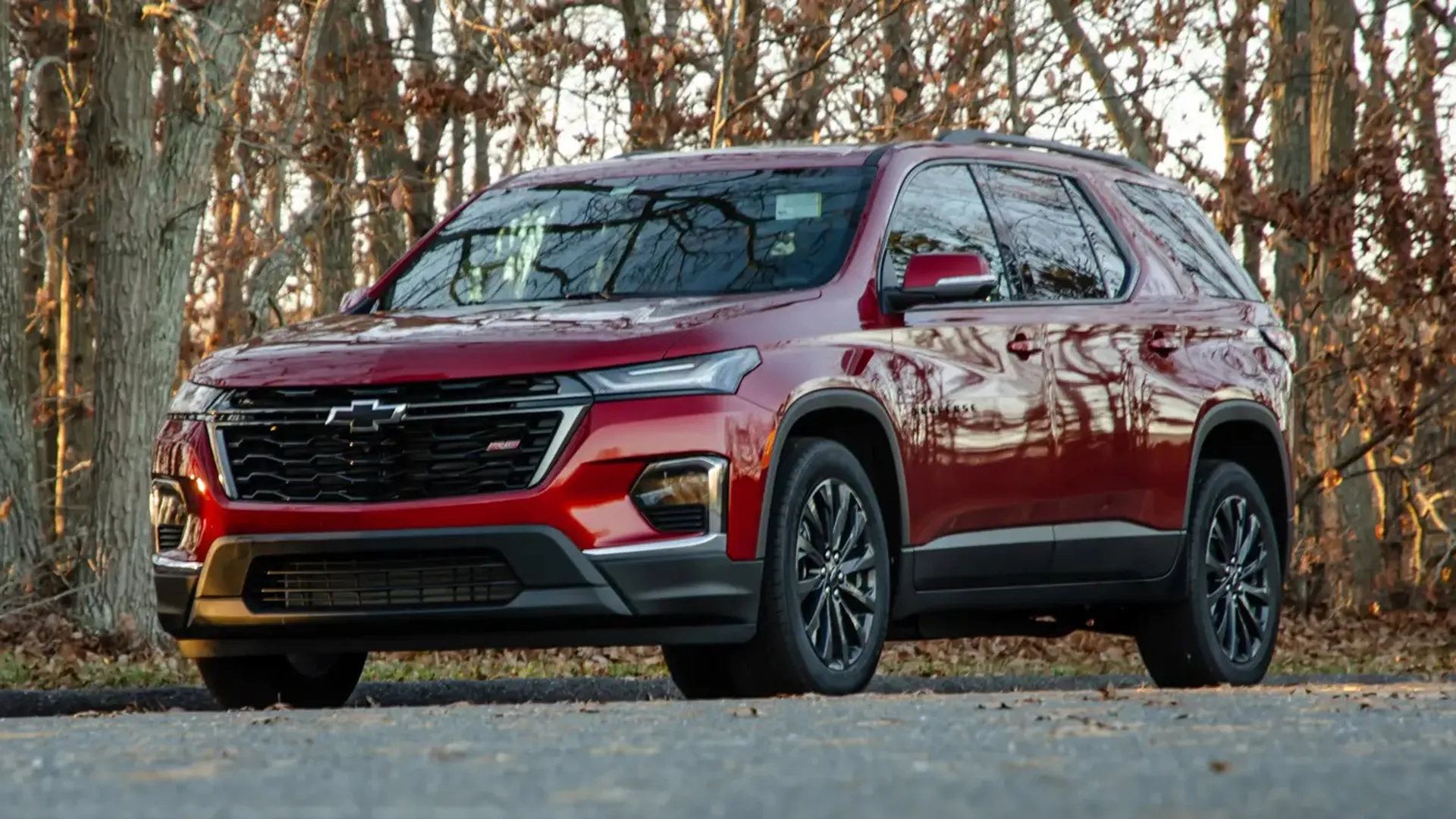
When the temperature starts to dip in Suffolk County, vehicle performance can change—especially for an older SUV like a used Chevrolet Traverse. Cold mornings make engines work harder, batteries struggle more, and comfort features slower to kick in. If your vehicle isn’t ready for that first cold start of the season, you could run into plenty of unwanted surprises.
Making time for the right checks before cold weather fully sets in can go a long way toward keeping your Traverse running smooth and starting strong. Drivers who stay a step ahead often avoid bigger issues, save time, and have far less stress when that first frosty morning hits. Cold-weather starting doesn’t have to be a guessing game when you know what to look out for.
Pre-Start Preparations
Getting your Traverse ready for the cold starts well before you turn the key. Everything from the health of the battery to the type of engine oil inside plays a part in how well your vehicle responds to chilly mornings.
Start with the battery. Cold temperatures make your battery work harder, and if it’s already weak, it might not last through the season. Clean terminals and a fully charged battery make a big difference. Many times, hard starting can simply be traced back to corroded battery connections or an old battery that no longer holds a charge.
Next, take a good look at your tires. Air pressure drops as the temperature falls, so checking and adjusting tire pressure regularly is a good habit in the fall. Make sure there’s enough tread left for safe handling on icy or wet roads, too.
Your engine oil also matters more during colder months. Cold, thick oil doesn’t move as easily through the engine, making it harder to start and putting extra wear on key parts. A winter-rated oil with lower viscosity flows better during cold starts and helps your engine warm up faster.
Here’s a quick checklist to make sure you’re covering the basics:
- Check the battery for charge and corrosion
- Inspect tire pressure and tread depth
- Switch to a winter-grade oil if needed
- Top off all fluids, including antifreeze and windshield washer fluid
- Keep an ice scraper and small snow brush handy
The steps may seem simple, but skipping any of them could leave you stranded or facing a delayed morning when weather turns rough.
Engine And Fuel System Tips
Once the basics are handled, it’s smart to pay attention to how your Traverse handles fuel and engine warmth. These are two spots where cold tends to cause the most problems.
An engine block heater is a great tool if your area sees freezing temperatures regularly. It gently warms the engine before you even turn the key, making cold starts much easier and faster on the motor. If you’ve ever had to crank the engine longer than usual first thing in the morning, especially after a frigid night, a block heater can help reduce that strain.
Next, always aim to keep your gas tank at least half full during colder months. When the tank dips too low, moisture can form inside—eventually freezing in the fuel lines or causing the engine to stumble. More fuel means less space for condensation, which lowers the risk of those types of problems.
Another way to make things easier is to use a fuel stabilizer if your Traverse sits for many days in a row without use. Stabilizer helps keep the fuel in better shape over time, which can come in handy for folks who travel less or use their SUV on weekends only.
Think of it like this: starting your Traverse on a 20-degree morning is like trying to pour syrup straight from the fridge. Everything moves slower unless it’s kept warm and clean. Little upgrades like block heaters and treating your fuel can keep things running smoother and prevent bigger breakdowns later in the season.
Starting Techniques That Help on Chilly Mornings
Even when your used Chevrolet Traverse in Suffolk County is prepped and ready, how you start it on a cold day can make a big difference. It’s easy to overlook some simple actions that help your SUV start cleaner and preserve key parts like the starter or battery.
Before turning the ignition, go ahead and switch off any extras like the heater fan, radio, and interior lights. These all draw power from your battery, and on freezing mornings, your battery already has a hard enough time working at full strength. Reducing the load gives your engine more of a fighting chance.
Then there’s the actual starting process. Don’t just crank it the moment you sit down. Try this instead:
- Insert the key and turn it to the “on” position
- Wait a couple of seconds to let fuel systems and electronics stabilize
- Then start the engine
This small waiting step gives systems like the fuel pump a chance to pressurize. It can lead to a quicker, smoother start without that extended cranking sound.
Speaking of cranking, don’t hold the key for too long if the engine doesn’t fire up right away. If it doesn’t start after about 5 seconds, let go and wait 30 seconds before trying again. Pressing it longer won’t help and might wear down the starter motor faster.
These little adjustments to your habits can reduce the chances of early morning frustration. Getting into the routine now, while there’s still time before the coldest days, makes it easier when December rolls around.
The Role of Maintenance and Winter Support
Smart driving in colder weather starts with knowing when your Traverse needs attention. Scheduling regular servicing gives technicians a chance to spot bigger problems before they leave you stuck. Whether it’s a battery on its last leg or low fluid levels, simple inspections during fall can save time and money down the line.
It’s also smart to pack a winter emergency kit in your vehicle. It doesn’t have to be elaborate, just a few basics that can help if your Traverse faces a rough patch out on the road. Here are a few things to include:
- Flashlight with extra batteries
- Blanket or small sleeping bag
- Jumper cables
- Small shovel
- Roadside reflectors or markers
- Phone charger
These items are just good peace of mind, especially if you’re driving through less-traveled parts of Suffolk County during the colder months.
Finally, good support can ease the stress when things go wrong. Having access to a dedicated roadside assistance plan means help is never too far away. If your SUV won’t start or leaves you stuck in the cold, knowing someone has your back takes a lot of the worry out of winter driving.
Embrace Winter with Confidence
Cold weather can be tough on any vehicle, especially a used one. But with the right habits and some simple planning, starting your Chevrolet Traverse doesn’t have to feel like a gamble each morning. From tire checks to fuel tips and the way you turn the key, every step helps keep things reliable when the temperatures drop.
Driving through a Suffolk County winter will always bring a few challenges. Snow, salt, early mornings—it’s all part of the season. Treating your Traverse with a little extra care this time of year builds trust in your vehicle and helps you keep moving no matter how cold it gets.
To make sure your SUV stays dependable during the chilly season, rely on regular maintenance and expert care. Discover how we can help you get the most out of your used Chevrolet Traverse in Suffolk County. At Chevrolet of Smithtown, our team is committed to keeping your vehicle ready for whatever winter throws your way.
Connect with us


