





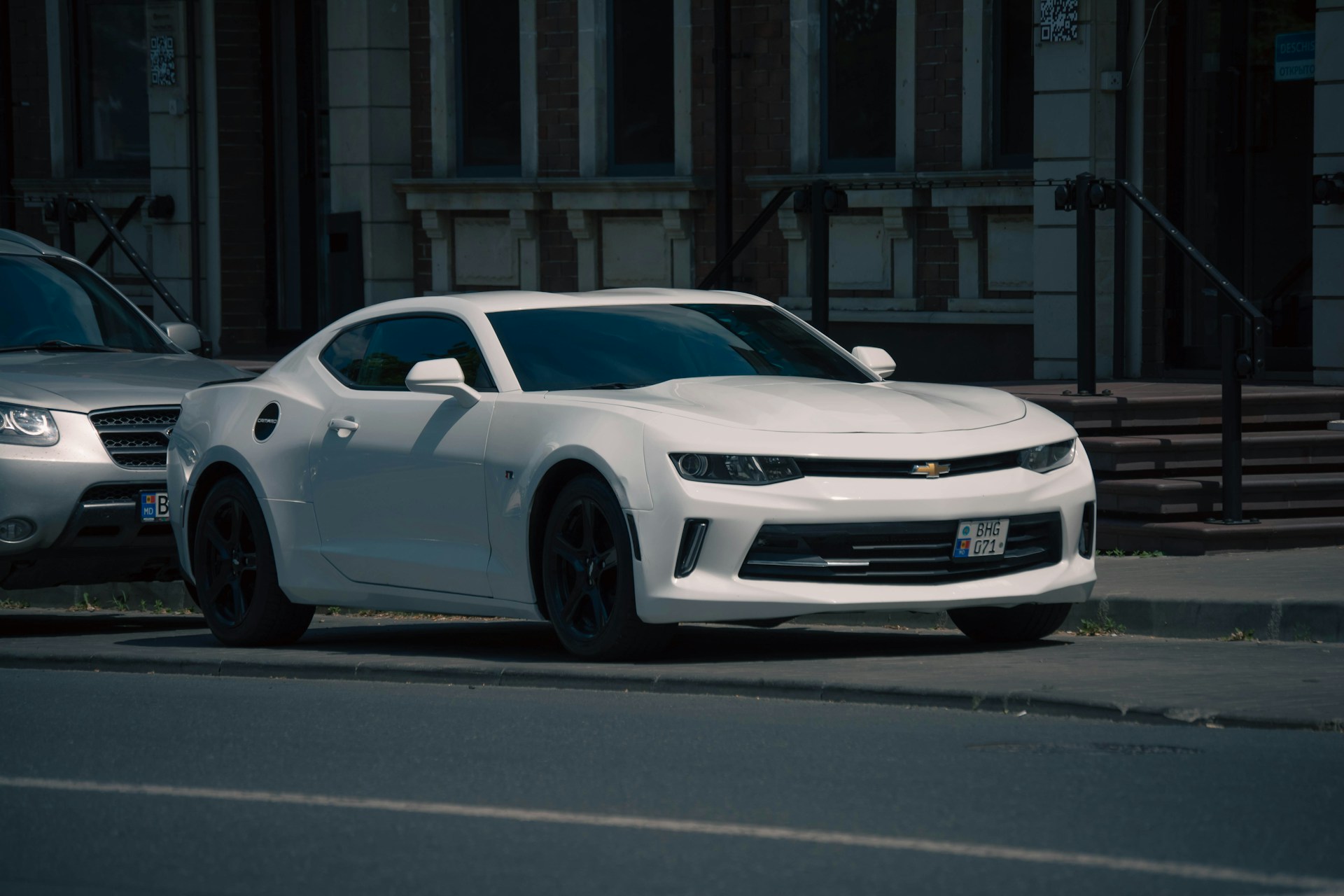
Hearing a grinding noise from your Chevy can spark serious concern. It’s one of those sounds that grabs your attention right away. You’re on your usual route, windows up, music low, and suddenly there it is — a deep, uncomfortable grinding. It might come from the front, the back, or even underneath. No matter where it’s coming from, it usually means something’s not working the way it should.
Taking care of it early can save time, money, and bigger problems down the road. Grinding noises don’t usually go away on their own. Getting familiar with the possible causes helps you explain the issue more clearly when you bring your Chevy in for service. Let’s break down a few likely reasons behind those sounds and what they could mean for your vehicle.
Understanding the Causes of Grinding Noises in Your Chevy
When it comes to strange car noises, grinding ranks high on the worry scale. It’s not just annoying. It’s usually a sign that something mechanical is wearing down or out of place. Left alone, issues like these could lead to breakdowns or expensive repairs.
Here are some of the most common causes of grinding noises in a Chevy:
- Worn brake pads or rotors: This is one of the biggest culprits. As brake pads wear thin, the metal behind them starts rubbing directly against the brake rotor. That metal-on-metal sound is hard to miss.
- Wheel bearing wear: Grinding that gets louder as you gain speed might be tied to a worn wheel bearing. These help your wheels spin smoothly but don’t last forever.
- Suspension trouble: Sometimes grinding can come from faulty suspension parts like worn-out joints or control arms. These noises can pop up during turns or when riding over uneven pavement.
- Transmission problems: In rare cases, grinding may signal trouble inside the transmission, such as worn gears or low fluid levels.
- Stone or debris caught in the brake system: A small rock or piece of gravel lodged in the brake caliper can create a noisy grind every time the wheel turns.
Once you figure out where the sound is coming from, it’s easier to focus attention on what needs to be fixed. That’s when diagnosis comes into play, especially at the front or rear of the vehicle.
Diagnosing Front-End Grinding Noises
Front-end grinding is usually easier to detect compared to other vehicle noises. It tends to show up during braking, steering, or while driving at lower speeds. Paying attention to when and where the sound happens gives some clues about what’s going wrong.
When the sound comes from the front of your Chevy, start by considering these areas:
1. Brakes – If grinding kicks in when you press the brake pedal, the pads might be worn down or the rotors warped. A vehicle that has been sitting unused for a while can also build up rust on the rotors and cause temporary grinding during the first few drives.
2. Wheel bearings – A humming or grinding sound that changes with speed might point to one or both front wheel bearings. If it gets worse when turning, that’s another sign to get them checked.
3. Steering components – Loose or worn tie rod ends or ball joints can also make grinding noises. This is noticeable during sharp turns or while backing out of a parking spot or driveway.
4. CV joints – If the grinding sound shows up mostly during tight turns, a worn constant velocity (CV) joint could be the issue. These help your front wheels pivot and stay stable as the suspension rises and falls.
To help narrow it down, drive slowly in a quiet area and try these tests:
- Listen while braking. Does the noise only happen then?
- Turn the wheel left and right slowly. Does the sound get louder or change pitch?
- Does the sound increase with speed?
Finding patterns like these helps guide your service technician to the right area. It still takes a trained eye to fully diagnose and make repairs, but narrowing it down helps get the process started faster and more accurately.
Investigating Grinding Noises from the Rear
Grinding from the rear section of your Chevy isn’t something you want to ignore. The back end has its own set of parts that can wear out or fail. If you’re hearing noises coming from behind you, here’s what could be going on:
- Rear brake issues: Just like the front, rear brakes can wear out. If your Chevy has drum brakes, the shoes inside may be worn or damaged, causing grinding every time the brakes are applied.
- Rear wheel bearings: These can wear down and create a grinding sound, especially when driving at higher speeds, over bumps, or while cornering.
- Axle or differential components: If your Chevy is rear-wheel or all-wheel drive, parts inside the differential or axle could wear out. These parts affect how power gets to the wheels, and when they start failing, they can create a heavy or droning grinding noise.
To help figure things out, listen for details like:
- Does the grinding noise get louder as you speed up?
- Is it more noticeable when braking?
- Do you feel any vibrations while the grinding happens?
Parts in the rear of the car can affect both safety and performance. Something like a worn wheel bearing, if left untreated, can lead to loose wheels or uneven tire wear. Getting your Chevy inspected early helps cut off these problems before they grow.
When to Seek Professional Help
Not every sound requires immediate panic, but some definitely call for a closer look. If you’ve noticed that grinding noise more than once and it isn’t going away, it’s probably time for a professional to check things out.
Here are signs it’s time to schedule a visit:
- Persistent grinding: If the sound sticks around every time you drive or keeps coming back, you’re likely dealing with a part that’s worn out, failing, or already damaged.
- Unusual vibration: A shaky ride matched with grinding could point to a dangerous issue. Parts might be loose or worn in a way that affects stability.
- New noises stacking up: If your Chevy starts making other noises alongside the grinding, like clunks or squeals, it could mean more than one part is involved.
At this point, DIY solutions won’t do. A certified technician will take off tires, inspect braking systems, check internal components, and use professional tools to find the cause. It’s the sort of care most drivers can’t perform at home and helps you avoid making things worse by guessing wrong.
Chevrolet of Smithtown has trained service professionals who know exactly how different Chevy models behave. They’ll inspect your vehicle with precision and let you know what needs to happen now and what can wait.
Ready to Silence Those Grinding Noises?
Fixing grinding noises before they lead to a bigger breakdown is a smart way to protect your vehicle. Whether it’s worn brake pads or a deeper issue in your drivetrain, early action keeps things simple and avoids paying more later.
Regular maintenance makes a huge difference. When your vehicle is looked at on a schedule, worn parts can be spotted and replaced before they cause noise. But once grinding starts, it requires attention before it affects safety or starts damaging other systems.
Whether the problem is minor or more complicated, it’s easier to take the next step when there’s a team ready to help. Listening to your Chevy when it complains pays off when it means peace of mind and more miles ahead without worry.
Now’s the right time to get back to smooth, quiet drives. Don’t wait for the sound to get worse.
If grinding noises continue to be a hassle and you’re unsure about the next steps, schedule an inspection at our Chevrolet service center on Long Island. The technicians at Chevrolet of Smithtown are here to identify the issue and get your car back to quiet, smooth operation. Don’t let strange sounds distract you behind the wheel—let’s get it sorted out together.
Connect with us


